ToolMage
Sign in

Best 657 Api AI tools for Developer Tools

Popular Api AI tools in Developer Tools include vocode, Telegram Messenger, OctoAI, ElevenLabs, Grok, Baidu Translate, Turnitin, Venice, DeepAI, and Poe, helping you work more efficiently.

flip_chat
Freemium

flip_chat

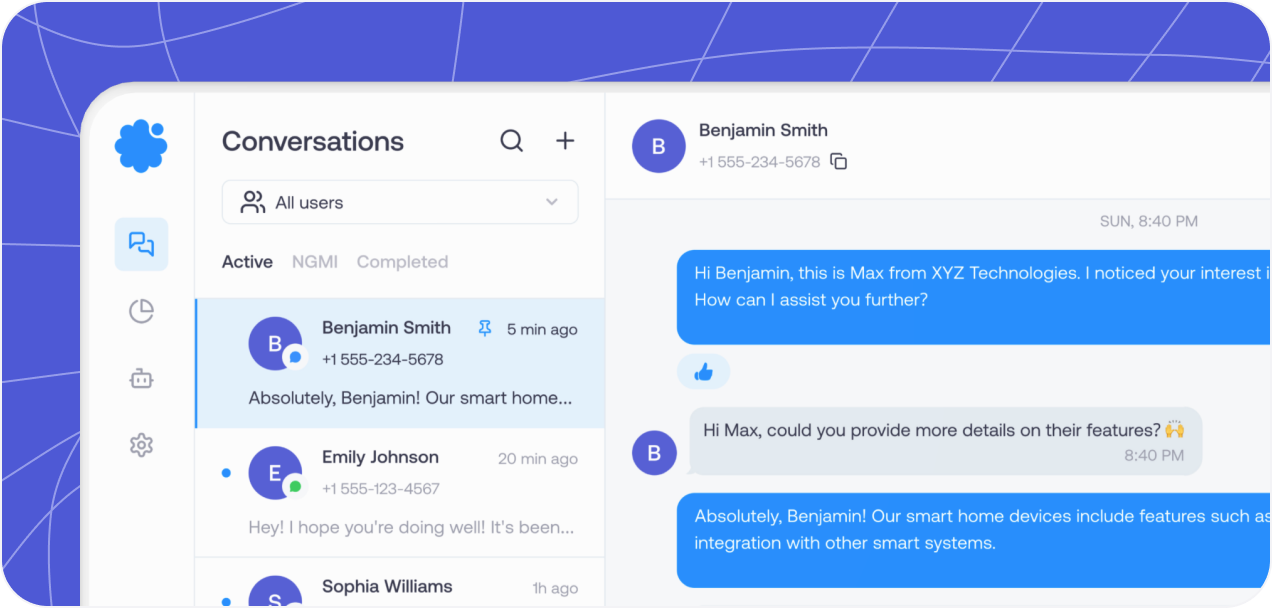
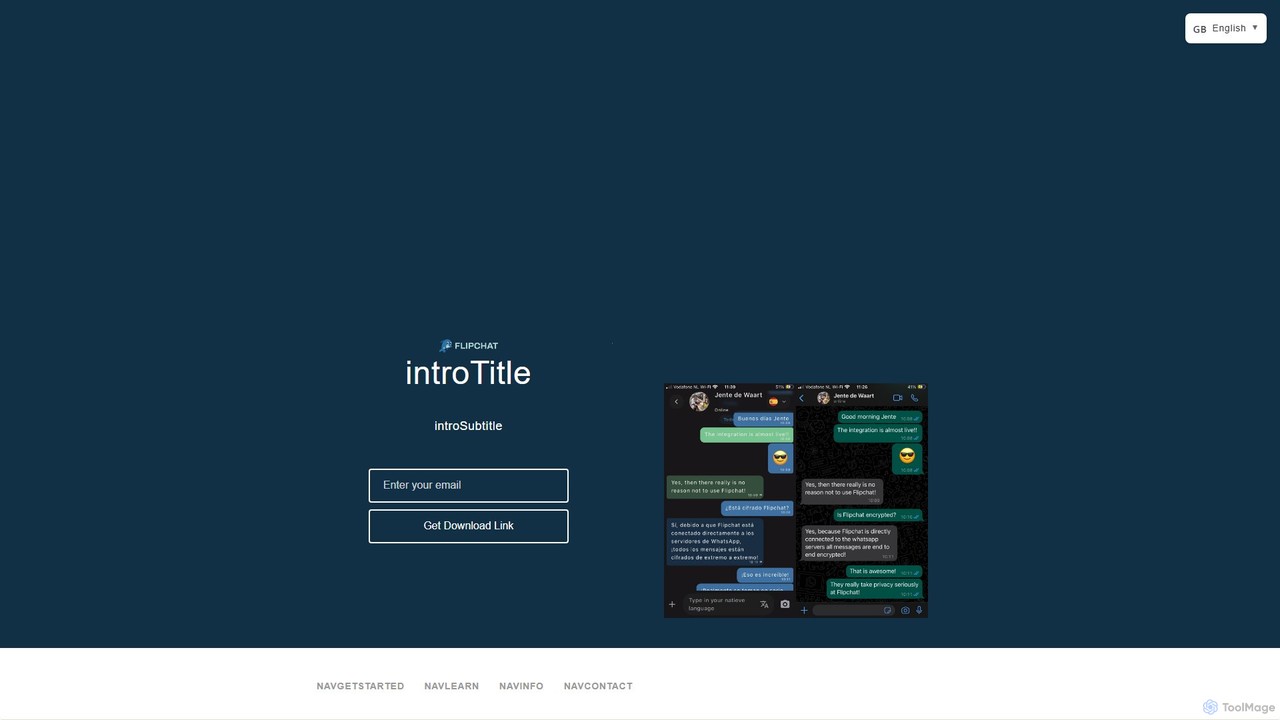
flip_chat is an AI-powered platform that transforms your static documents, websites, and knowledge bases into interactive chatbots. Instantly create a conversational AI that can answer questions, provide summaries, and engage users by allowing them to chat directly with your content.

Automation
Visits 4.2KFavorites 146Likes 127
Versori
Paid

Versori

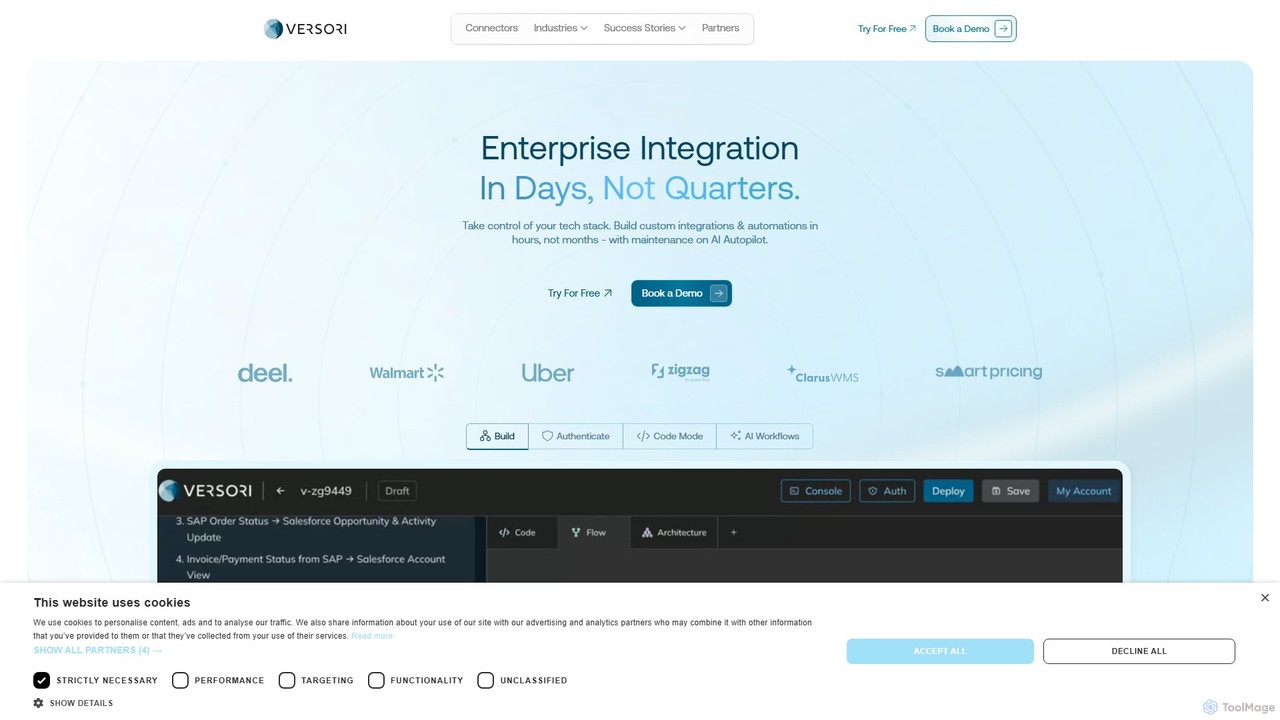
Versori is an Agentic Integration Platform that uses AI to build custom software integrations in days, not months. It empowers sales-led teams to close deals faster by fulfilling any integration request without relying on engineering resources, featuring self-healing agents and a white-glove service.

Sales
Visits 32.6KFavorites 138Likes 144
Lakera
Freemium

Lakera

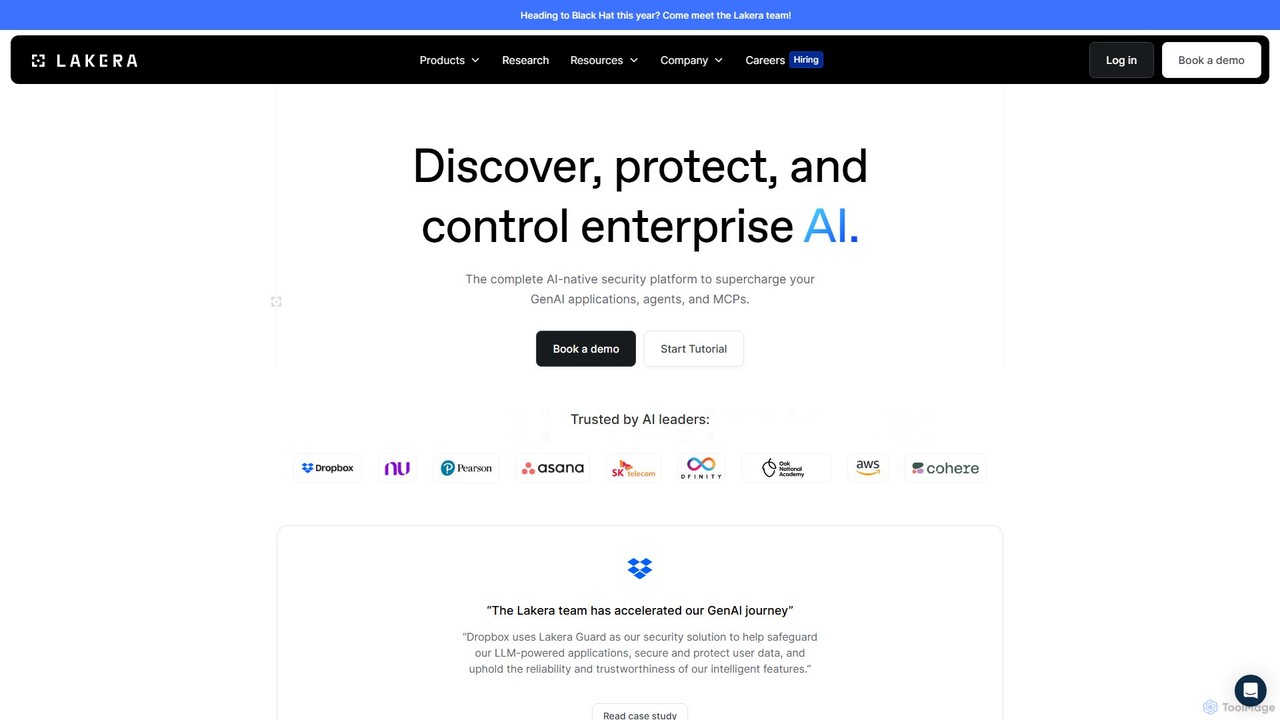
Lakera is an AI-native security platform designed to protect Generative AI applications from threats like prompt injection, data leakage, and compliance violations. It offers real-time runtime protection, continuous threat intelligence powered by the world's largest AI red team, and easy integration with a single line of code. Trusted by enterprises like Dropbox, Lakera secures AI agents and applications across all major models and languages with ultra-low latency.

Api
Visits 309.9KFavorites 150Likes 140
Berri
Freemium

Berri

Berri is a no-code platform that allows you to build custom AI chatbots trained on your own data. Instantly transform your documents, websites, and knowledge bases into an interactive, conversational AI assistant to enhance customer support, generate leads, or streamline internal knowledge sharing.

Chatbot
Visits 707.3KFavorites 127Likes 130
DeepAI
Freemium

DeepAI

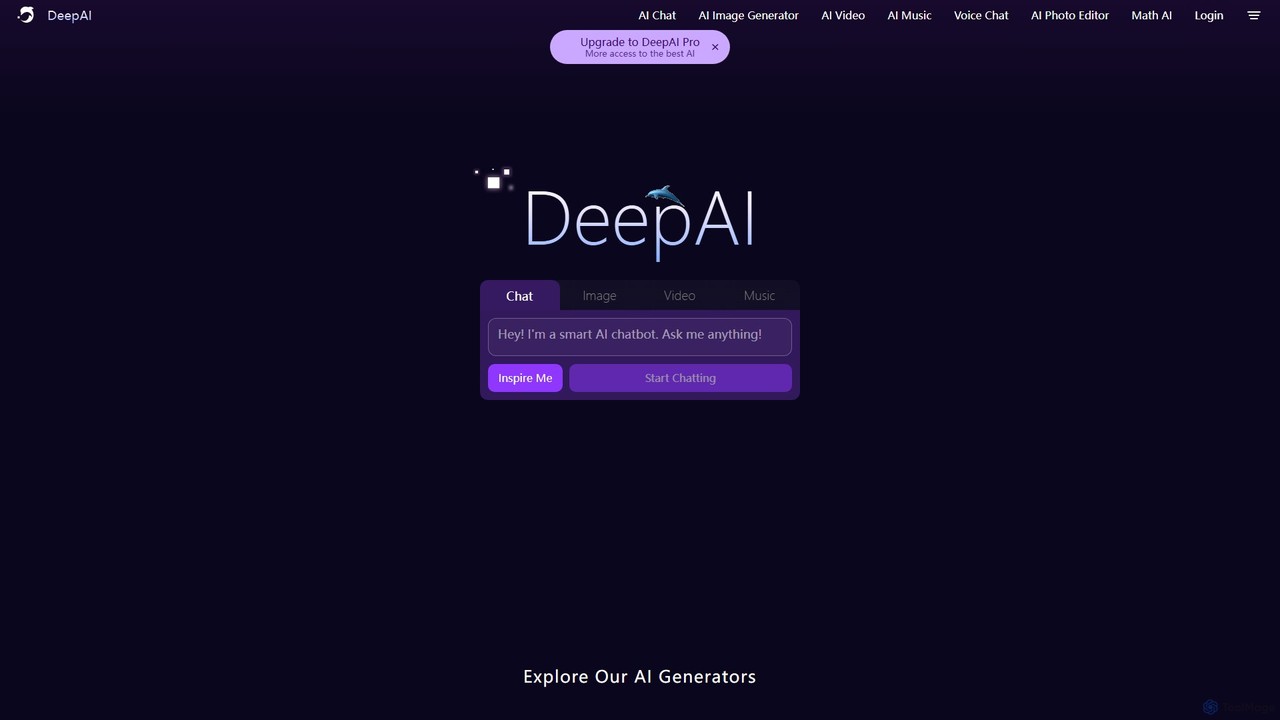
DeepAI is an all-in-one creative AI platform offering a suite of powerful tools for everyone. It enables users to generate images from text, create short videos, compose original music, edit photos, and chat with advanced AI assistants. With a focus on accessibility and affordability, DeepAI provides both a free-to-use version and a comprehensive Pro plan, alongside a robust API for developers to integrate AI capabilities into their own applications.

Music Generation
Visits 9.2MFavorites 143Likes 148
Chatworm
Free

Chatworm

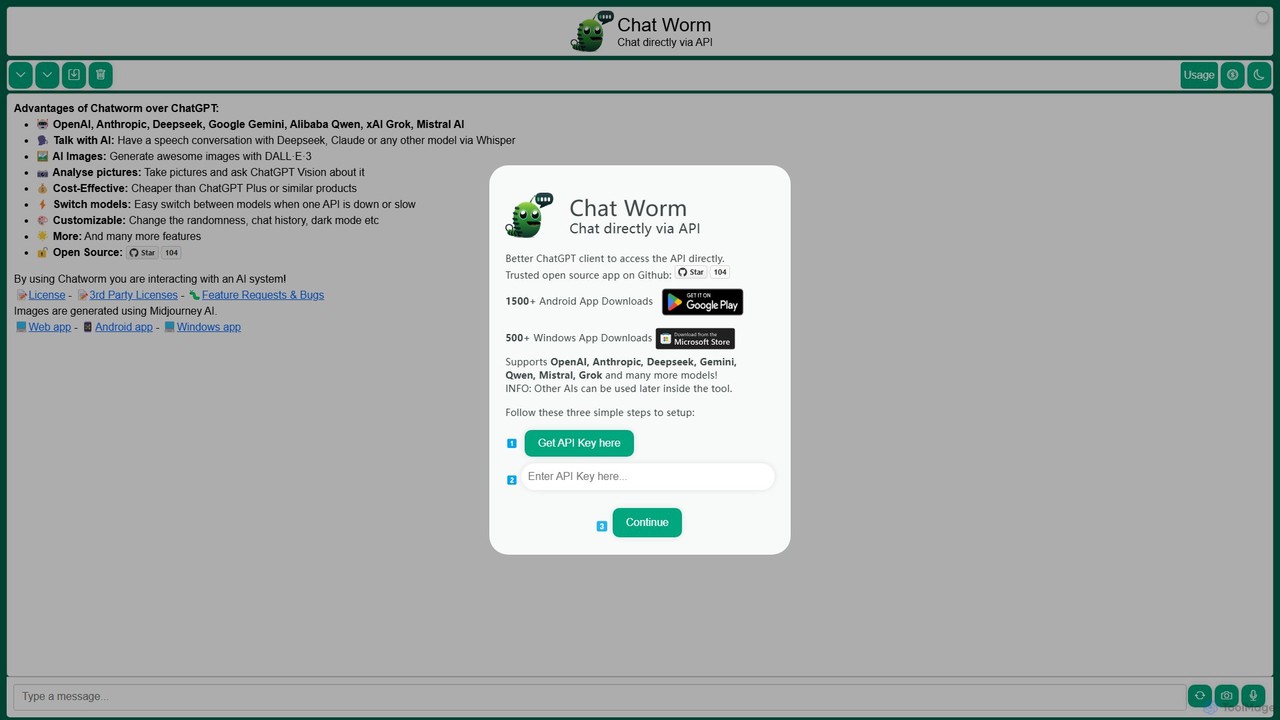
Chatworm is a versatile, open-source AI client that unifies access to multiple leading AI models like OpenAI's GPT, Anthropic's Claude, Google's Gemini, and more. It allows users to interact via text or voice, generate images, and analyze pictures, all within a single, customizable interface using their own API keys for a cost-effective experience.

Aggregator
Visits 4.4KFavorites 123Likes 145
adola
Freemium

adola

Adola is an AI-powered voice platform that automates phone communications for businesses and offers a robust playground for developers. It handles inbound calls like reservations and appointments, and outbound campaigns for surveys and lead qualification, freeing up professionals to focus on their core services.

Voice Assistant
Visits 6.3KFavorites 105Likes 101
ogimage.site
Freemium

ogimage.site

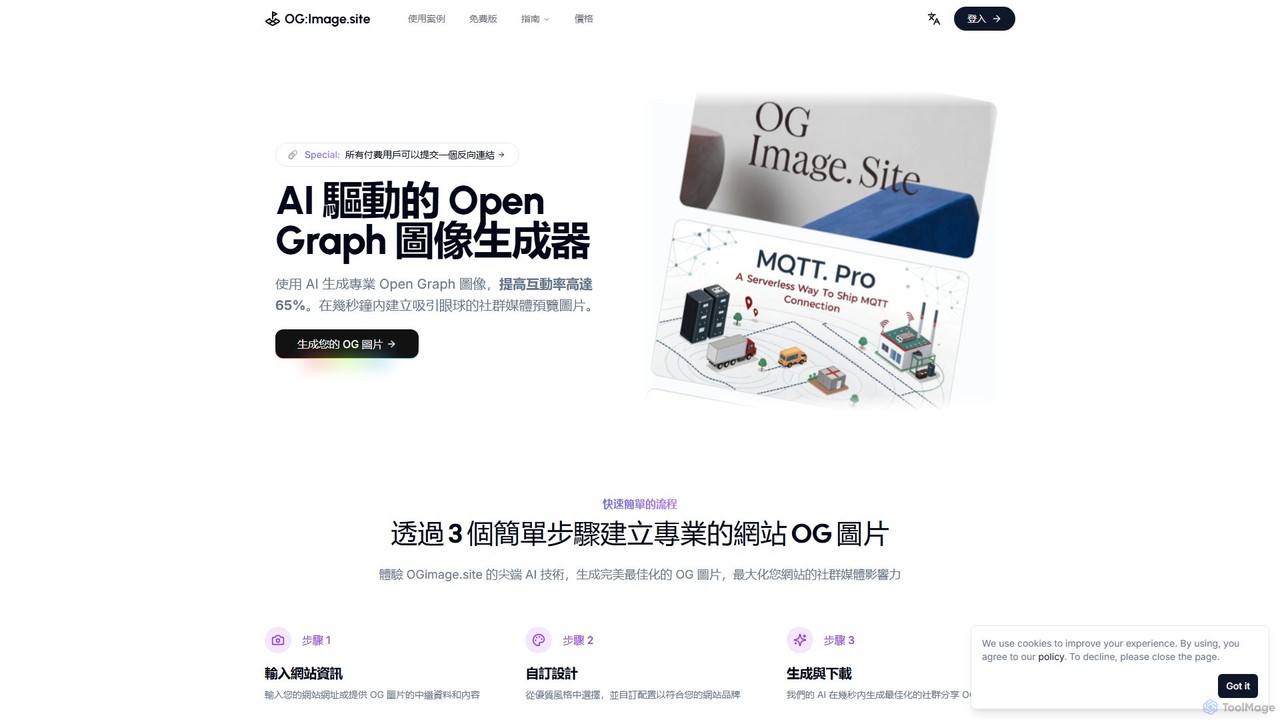
ogimage.site is an AI-powered Open Graph (OG) image generator that creates professional, eye-catching social media preview images in seconds. By simply entering a URL, users can generate fully customizable, platform-optimized images for Facebook, Twitter, LinkedIn, and more, significantly boosting click-through rates and brand consistency across all shared links.

Image Generation
Visits 4.8KFavorites 117Likes 120
Temperal
Freemium

Temperal

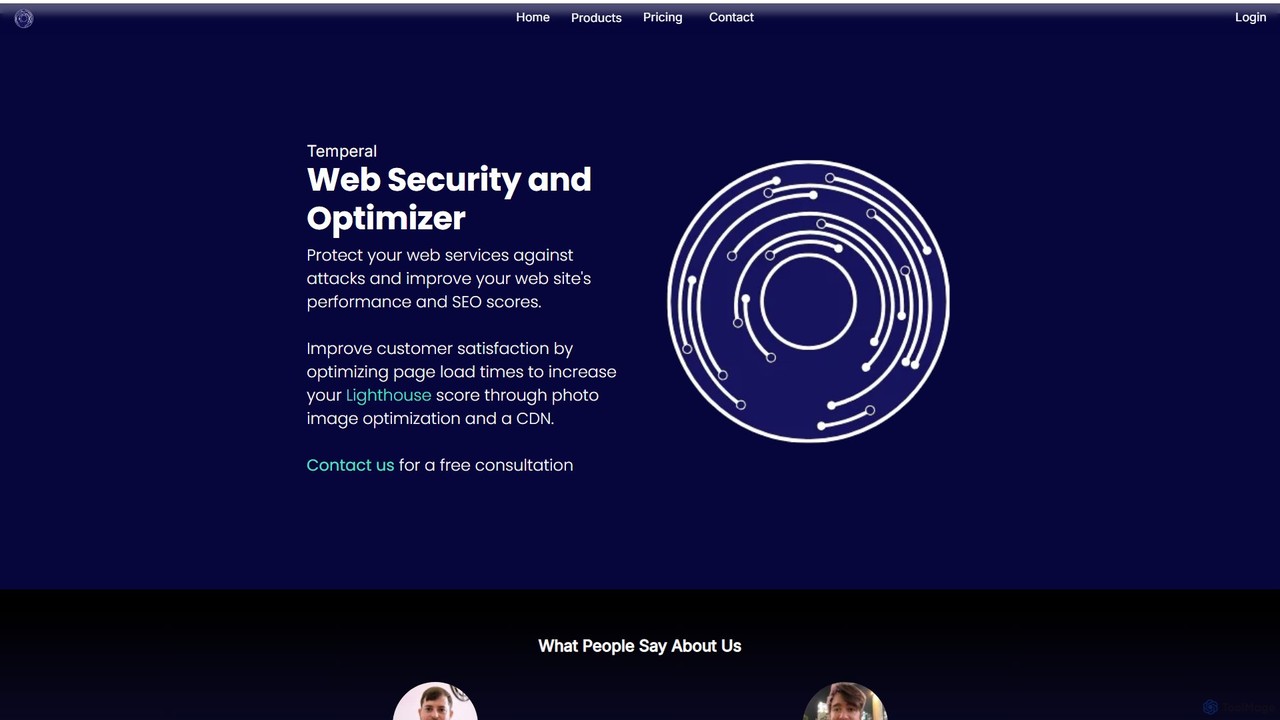
Temperal is an all-in-one web solution that combines AI image generation, automatic image optimization, a global CDN, and web security. It helps improve website performance, SEO scores, and user experience by delivering fast-loading, perfectly sized images while offering tools to create unique visual content.

Api
Visits 6KFavorites 116Likes 133
Ordemio
Freemium

Ordemio

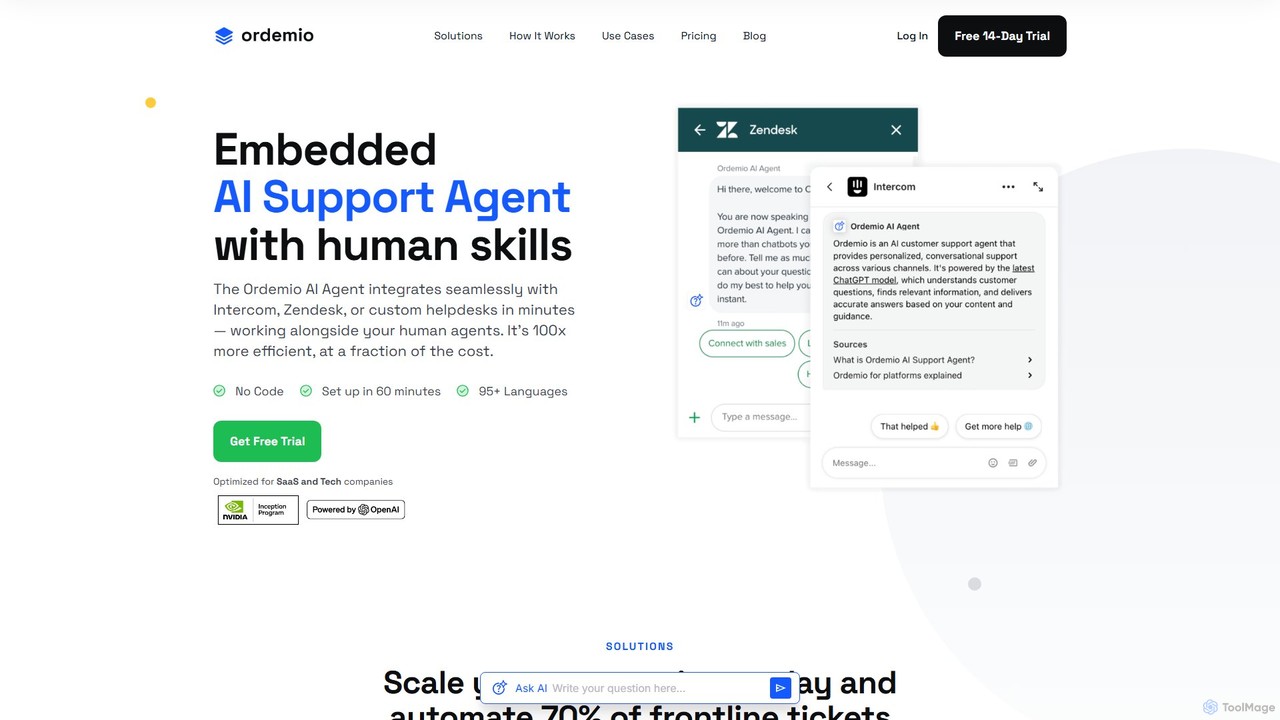
Ordemio is an AI-powered support agent designed for SaaS and tech companies. It seamlessly integrates with helpdesks like Intercom and Zendesk to automate up to 70% of frontline customer queries. By training on your custom data, it provides accurate, 24/7 support in over 95 languages, enhancing user onboarding, activation, and retention while significantly reducing your support team's workload.

Chatbot
Visits 4.1KFavorites 101Likes 109
AlterMind
Paid

AlterMind

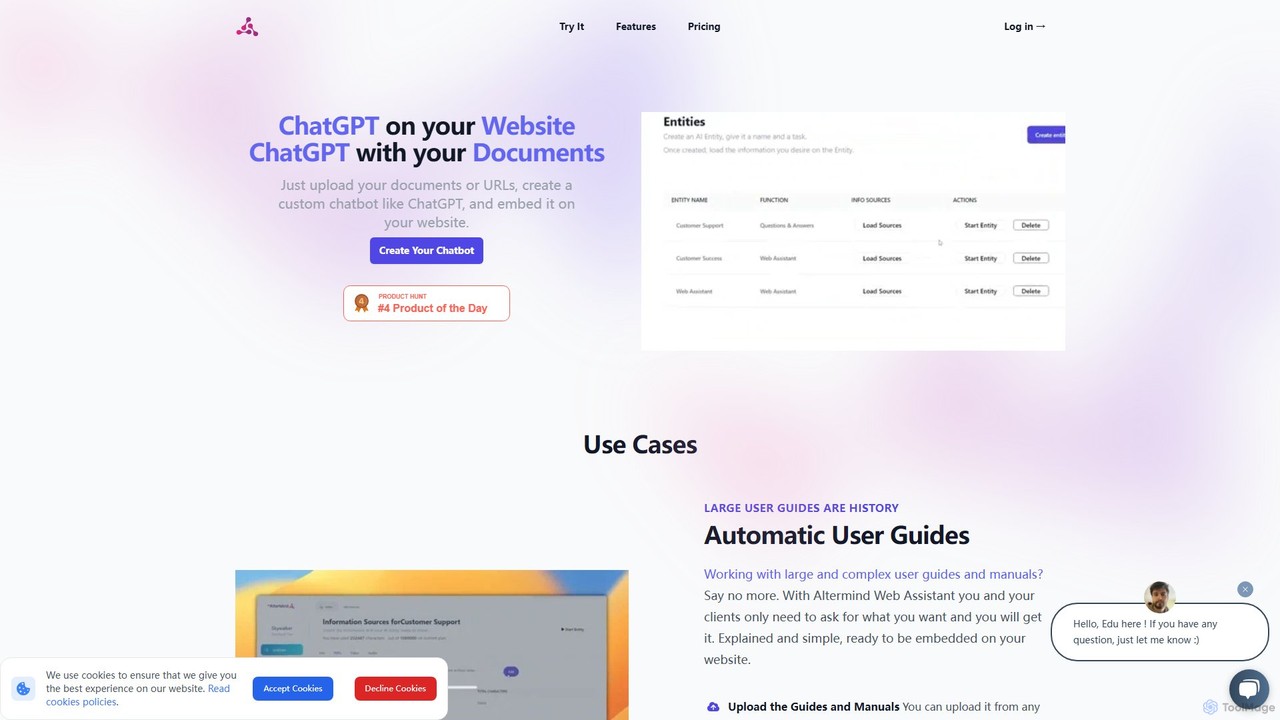
AlterMind is a no-code AI solution builder that enables users to create custom AI assistants trained on their own data. Easily integrate these AI chatbots into your website or app as a widget or iframe to automate tasks and enhance user engagement.

Chatbot
Visits 4.4KFavorites 108Likes 110
SiteSpeakAI
Freemium

SiteSpeakAI

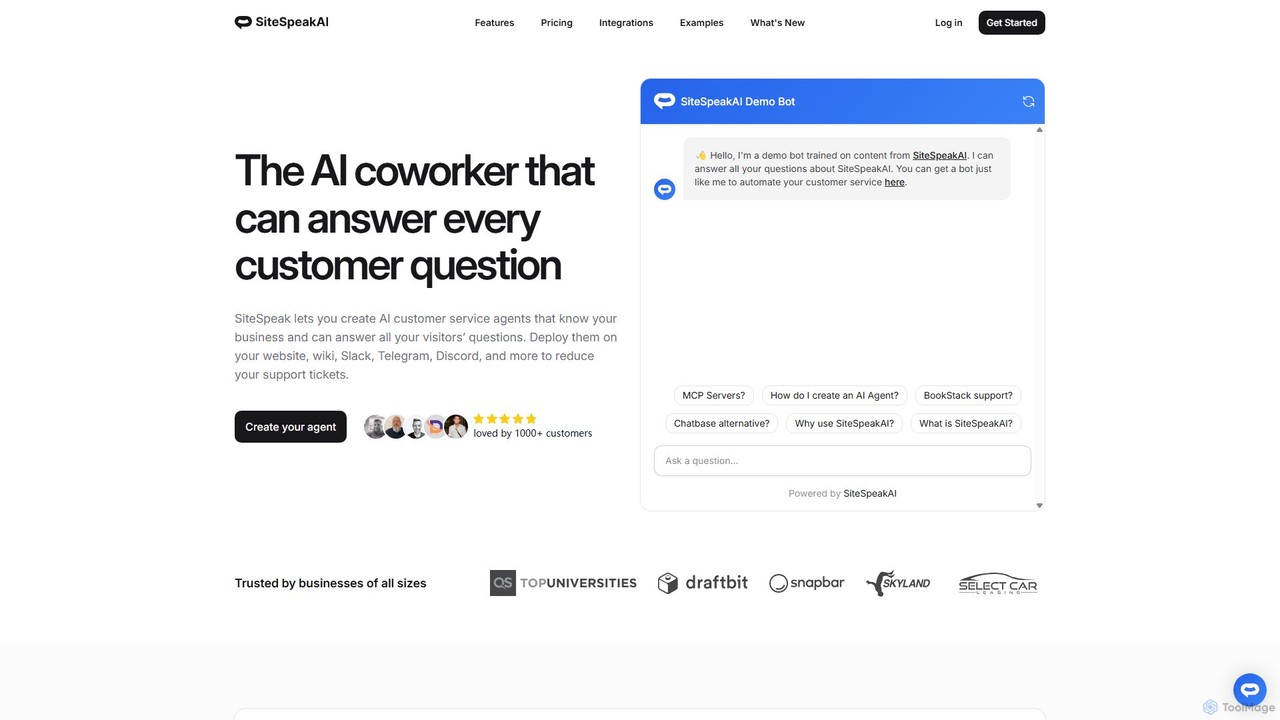
SiteSpeakAI allows you to create custom AI customer service agents trained on your business data. Deploy them on your website, Slack, Discord, and more to automate support, reduce tickets, and answer customer questions 24/7.

Chatbot
Visits 47.8KFavorites 109Likes 104
Synchronymax
Freemium

Synchronymax

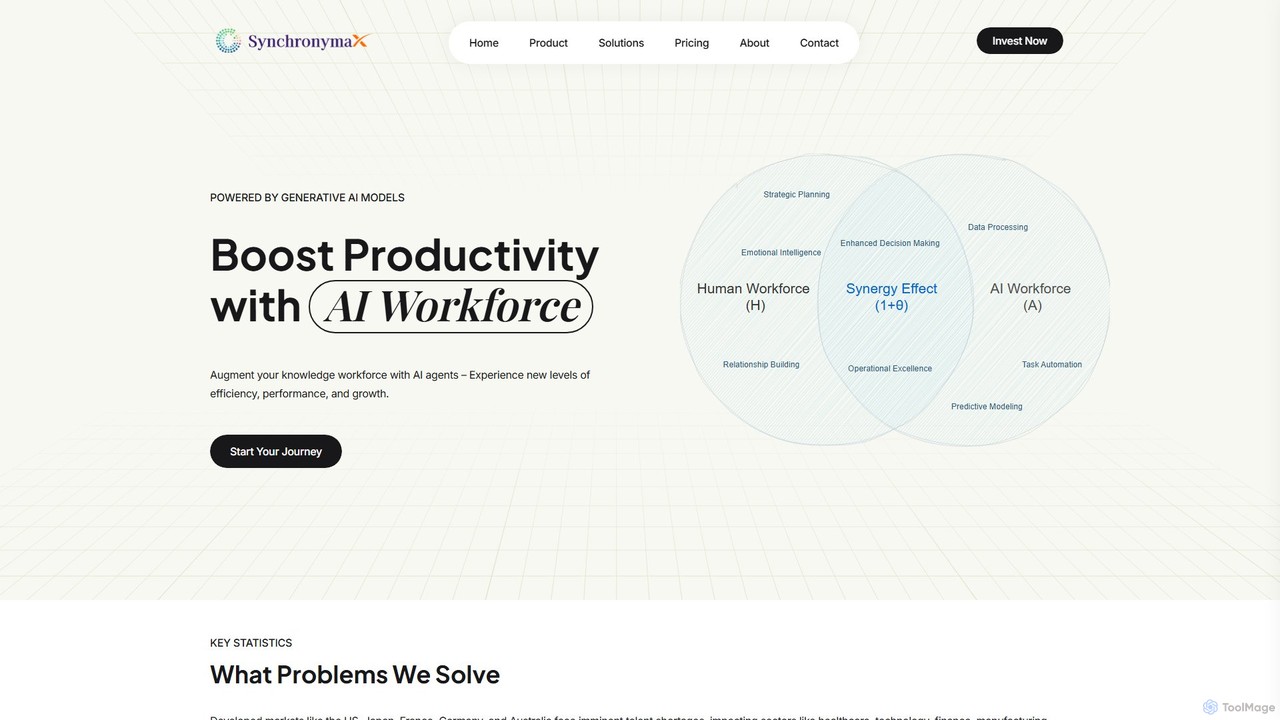
Synchronymax is an AI Agent Platform designed to augment your workforce with specialized AI agents. It enhances productivity and bridges skill gaps by automating business processes, providing real-time decision support, and integrating seamlessly with existing systems across industries like healthcare, finance, and technology.

Agent
Visits 4.8KFavorites 123Likes 117
Heurist AI
Paid

Heurist AI

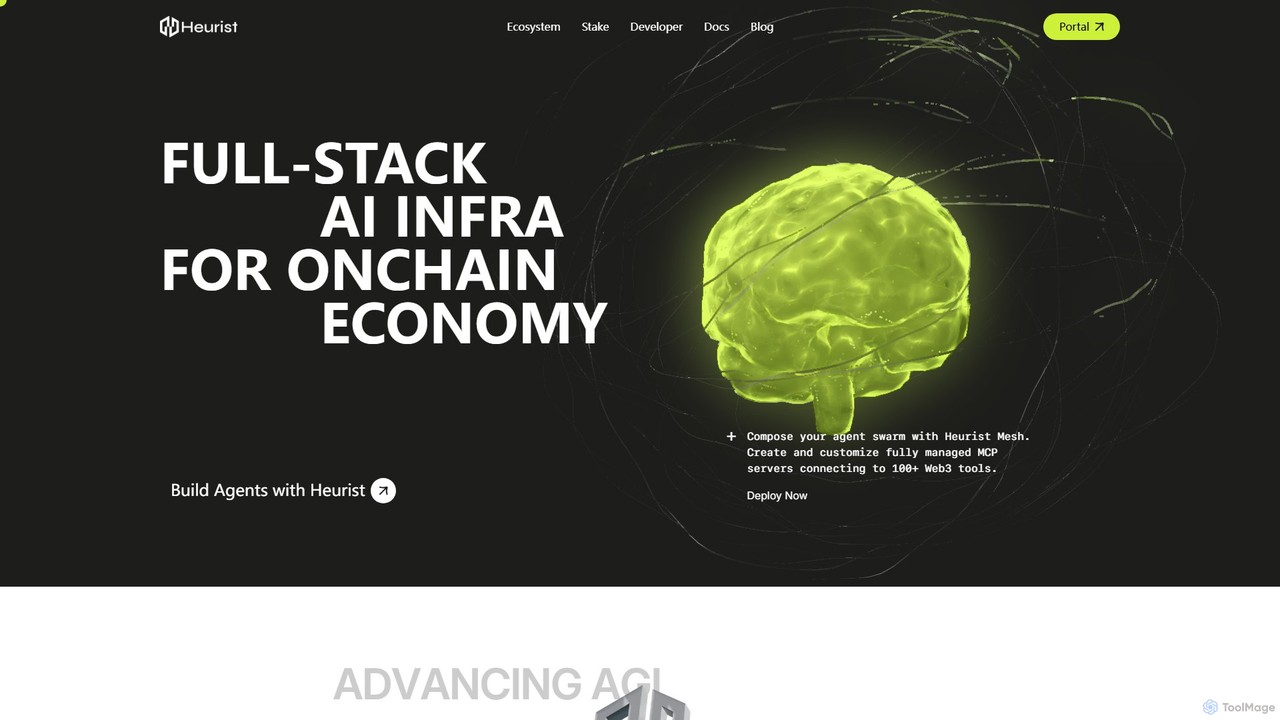
Heurist AI is a full-stack, decentralized AI infrastructure designed for the on-chain economy. It provides developers with a unified API to access numerous AI models and a framework to build composable AI agents. By leveraging a Decentralized Physical Infrastructure Network (DePIN), Heurist connects GPU providers with AI developers, aiming to democratize access to AI computation and foster innovation in Web3.

Api
Visits 9.2KFavorites 113Likes 114
Assistive
Freemium

Assistive

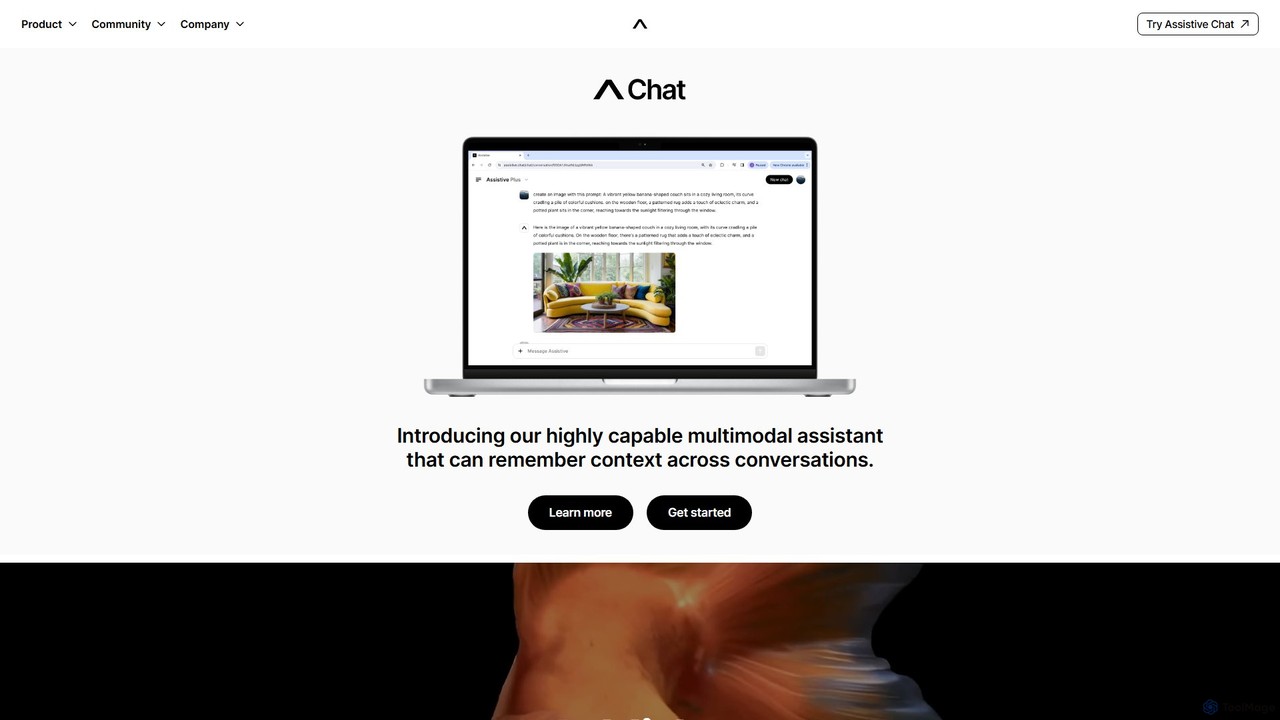
Assistive is an integrated suite of generative AI tools, featuring a multimodal chat assistant with long-term memory, a powerful text-to-video generator, and an intelligent search engine. It's designed to enhance creativity and productivity for creators, marketers, and developers.

Api
Visits 4.2KFavorites 122Likes 138
Laika AI
Freemium

Laika AI

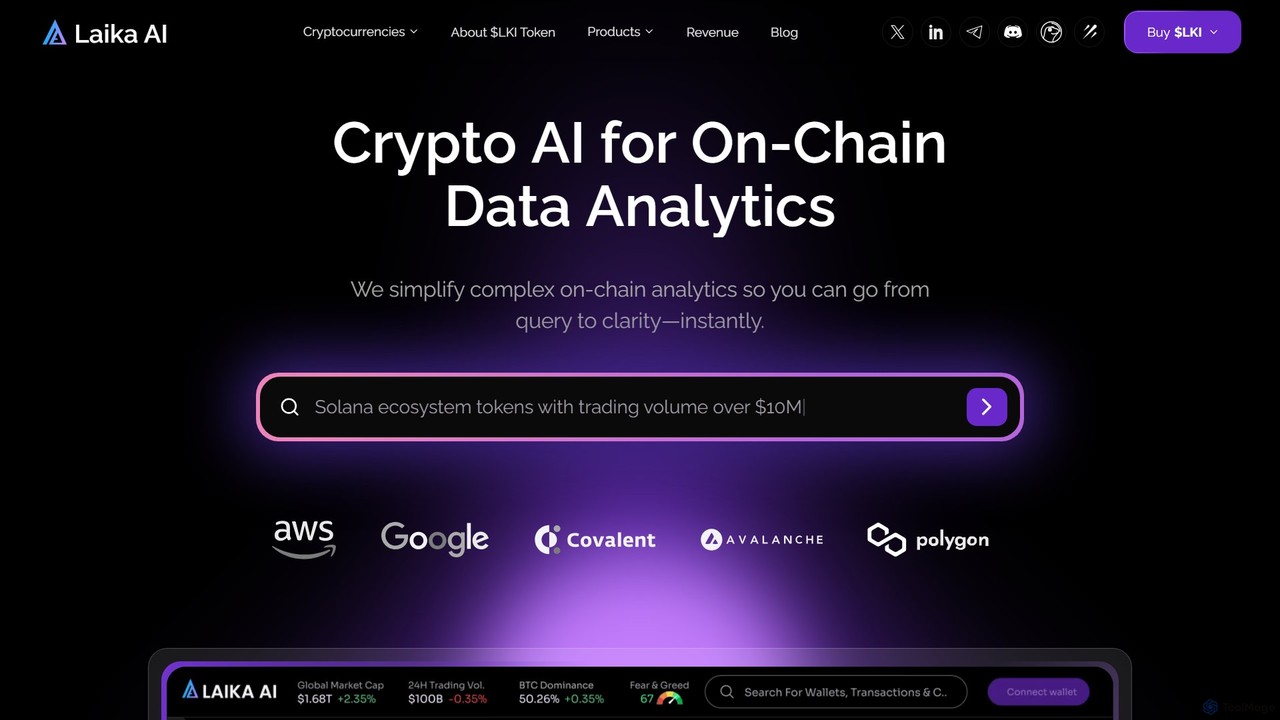
Laika AI is an advanced AI-powered platform for on-chain data analytics and crypto trading. It simplifies complex blockchain data, offers a trading bot with high-accuracy predictions, performs smart contract audits, and tracks whale movements. Accessible via Chrome Extension, Telegram, and API, it serves both retail and institutional traders by providing actionable insights across major blockchains like Ethereum, Solana, and BSC.

Api
Visits 53.9KFavorites 145Likes 131
Promptly AI
Freemium

Promptly AI

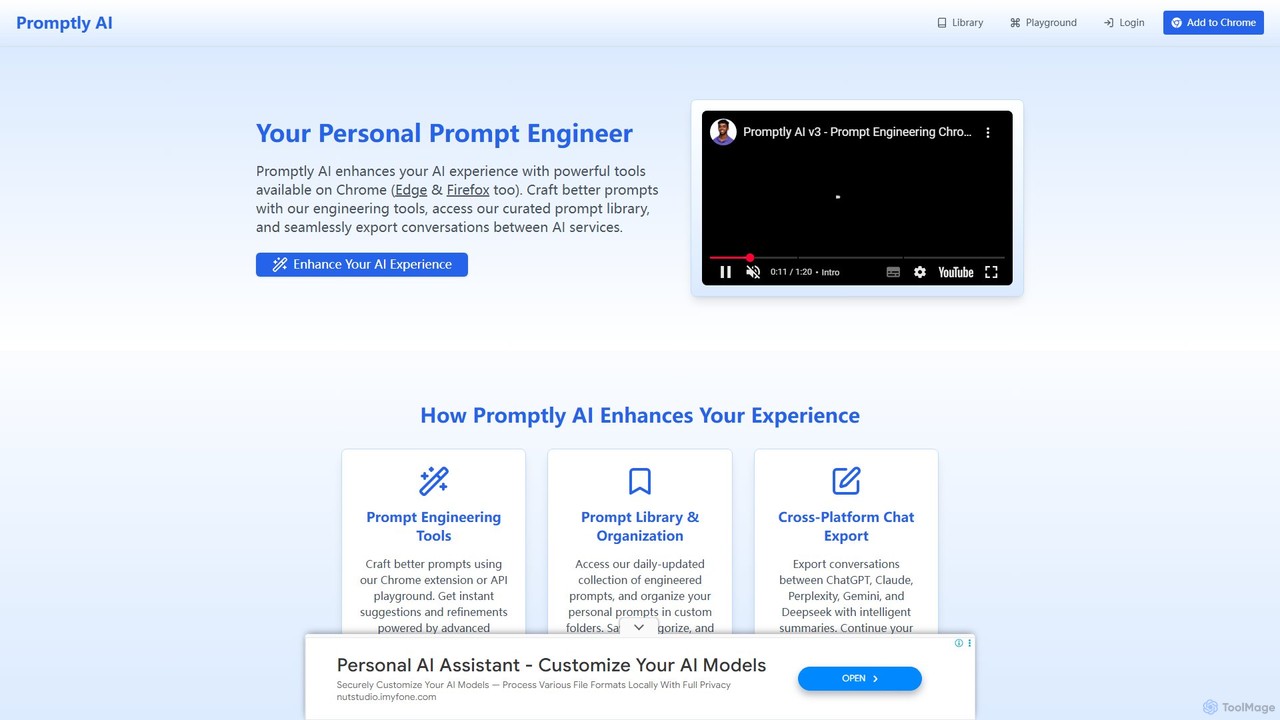
Promptly AI is your personal prompt engineer, enhancing your AI experience through a powerful browser extension and API. It helps you craft superior prompts, provides access to a curated prompt library, and allows seamless export of conversations between major AI services like ChatGPT, Claude, and Gemini.

Assistant
Visits 87KFavorites 148Likes 130
accelbooks
Paid

accelbooks

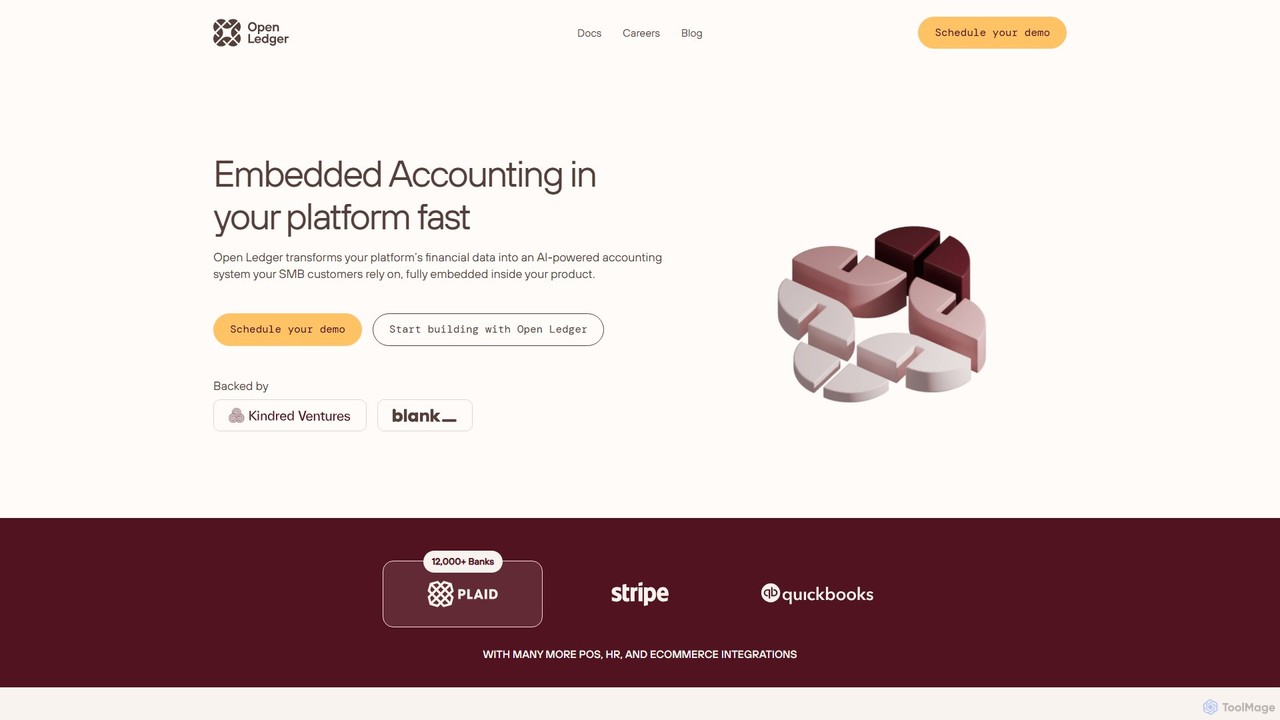
accelbooks (now Open Ledger) is an AI-powered embedded accounting API for SaaS platforms. It enables you to integrate a complete, white-labeled accounting system directly into your product, offering your SMB customers features like automated bookkeeping, transaction categorization, and financial reporting, all powered by advanced LLMs.

Api
Visits 10KFavorites 91Likes 97
Denser
Freemium

Denser

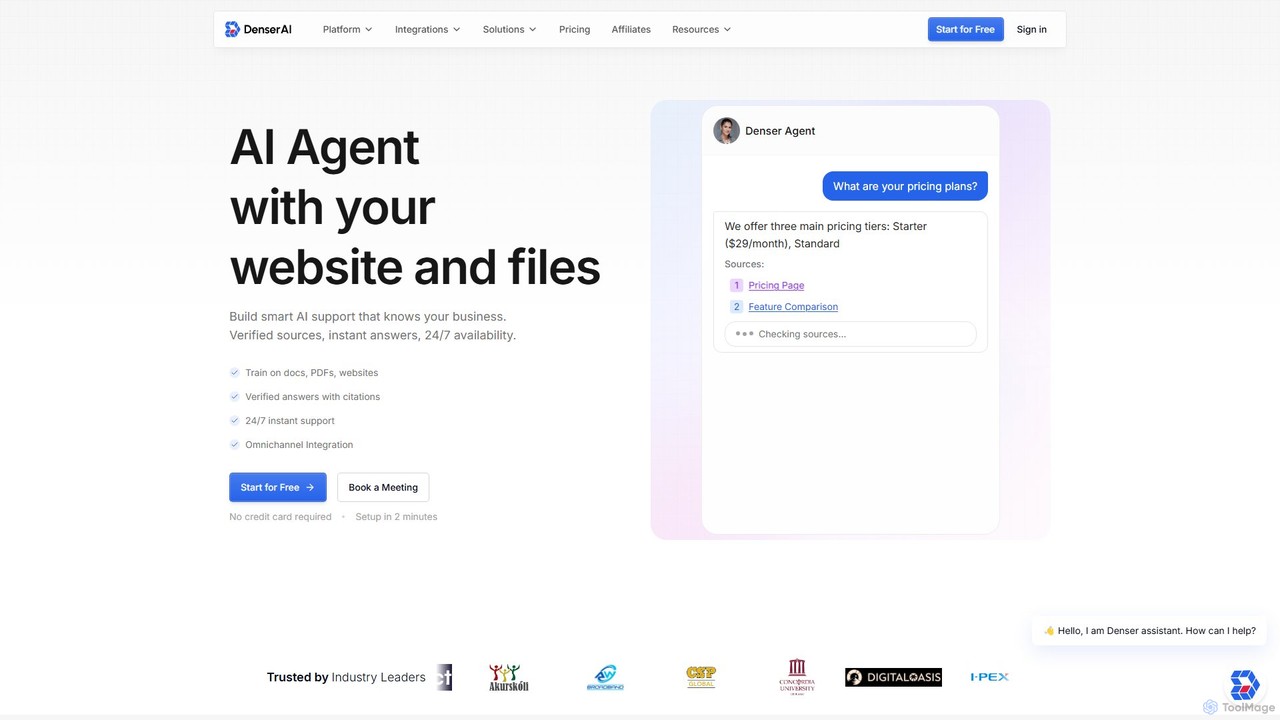
Denser is a no-code AI platform for building enterprise-grade AI agents and chatbots. Train AI on your website content, documents, and files to provide instant, verified answers for customer support, lead generation, and internal automation, complete with source citations.

Chatbot
Visits 29KFavorites 85Likes 93
PPIO
Paid

PPIO

PPIO is a leading distributed cloud computing platform providing cost-effective, high-performance AI computing power, model APIs, and edge computing services. It offers developers and enterprises one-stop solutions for AI, video, and metaverse applications, featuring serverless GPUs, containerized instances, and access to popular large language and multi-modal models.

Model Hosting
Visits 100.7KFavorites 101Likes 91
ReAPI
Freemium

ReAPI

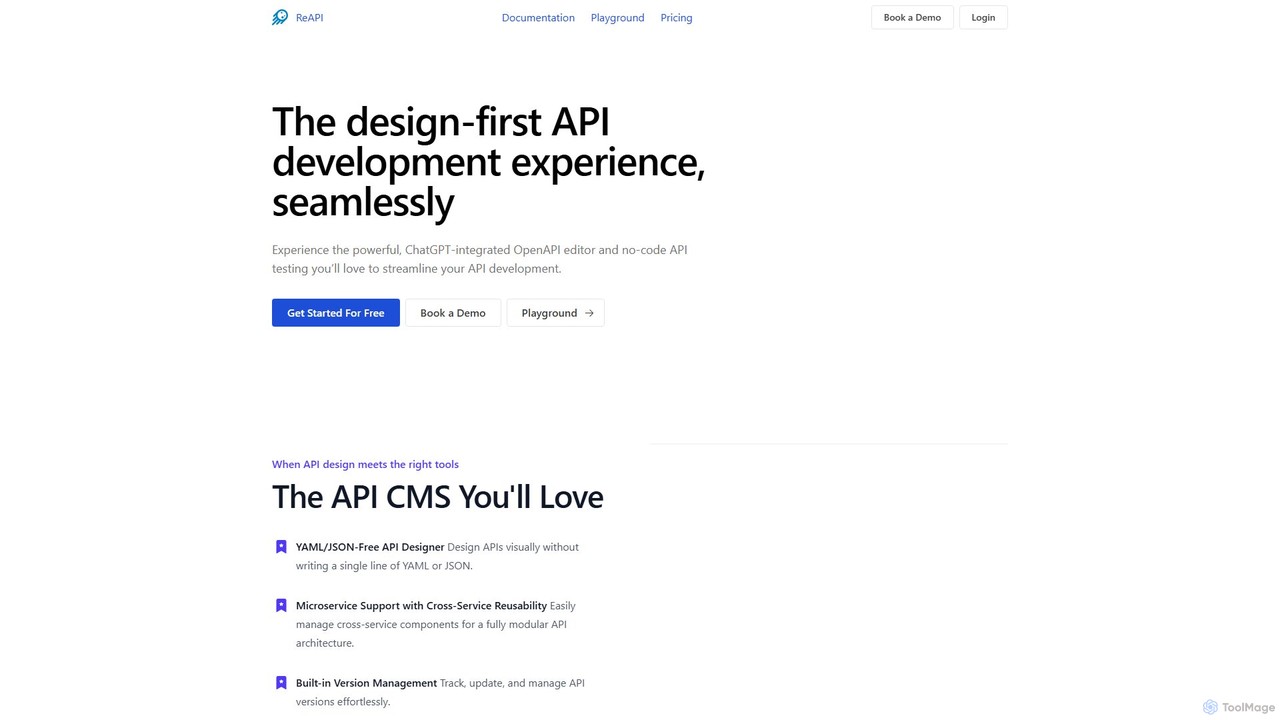
ReAPI is an AI-powered platform that streamlines the entire API lifecycle. It offers a visual API designer, no-code testing, instant mock servers, and ChatGPT-integrated documentation generation to help teams build, test, and manage APIs more efficiently.

Api
Visits 4.1KFavorites 118Likes 129
Bright Data
Paid

Bright Data

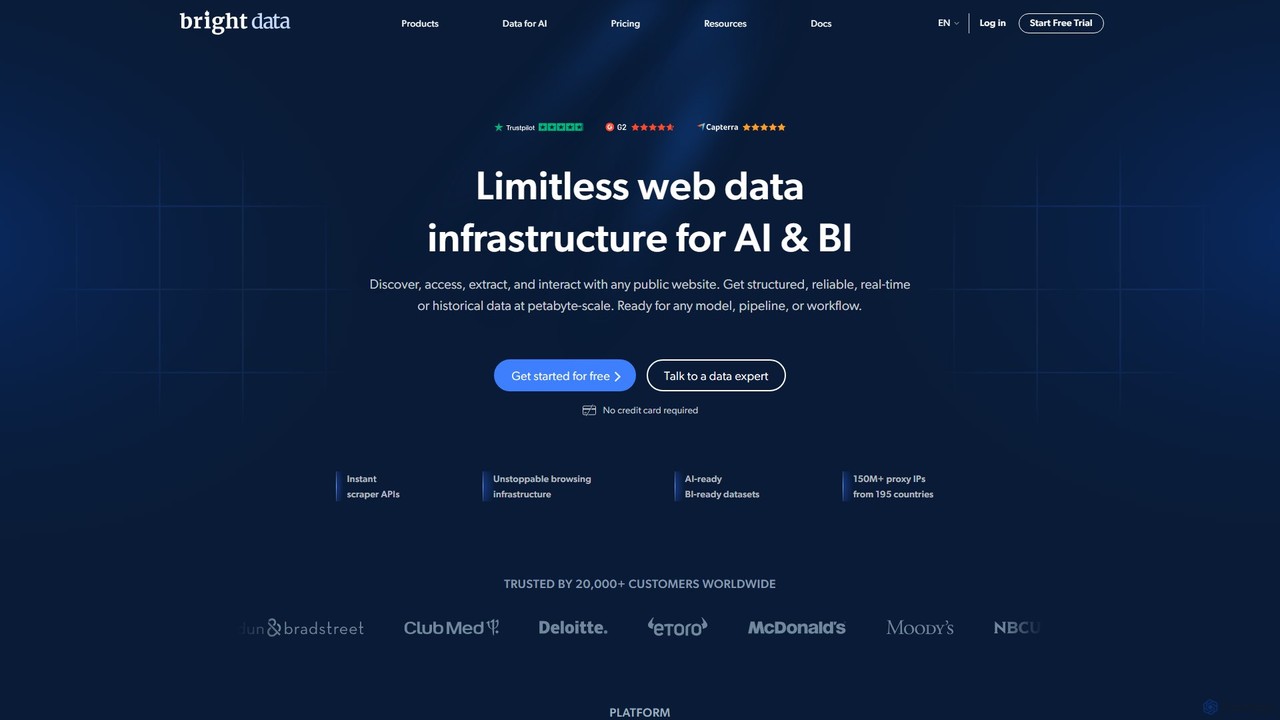
Bright Data is the world's leading web data platform, offering a comprehensive suite of tools including proxy networks, AI-powered web scrapers, and ready-to-use datasets. It enables businesses to collect vast amounts of public web data for AI training, market research, and competitive intelligence.

Business Intelligence
Visits 815KFavorites 85Likes 93
CambioML
Freemium

CambioML

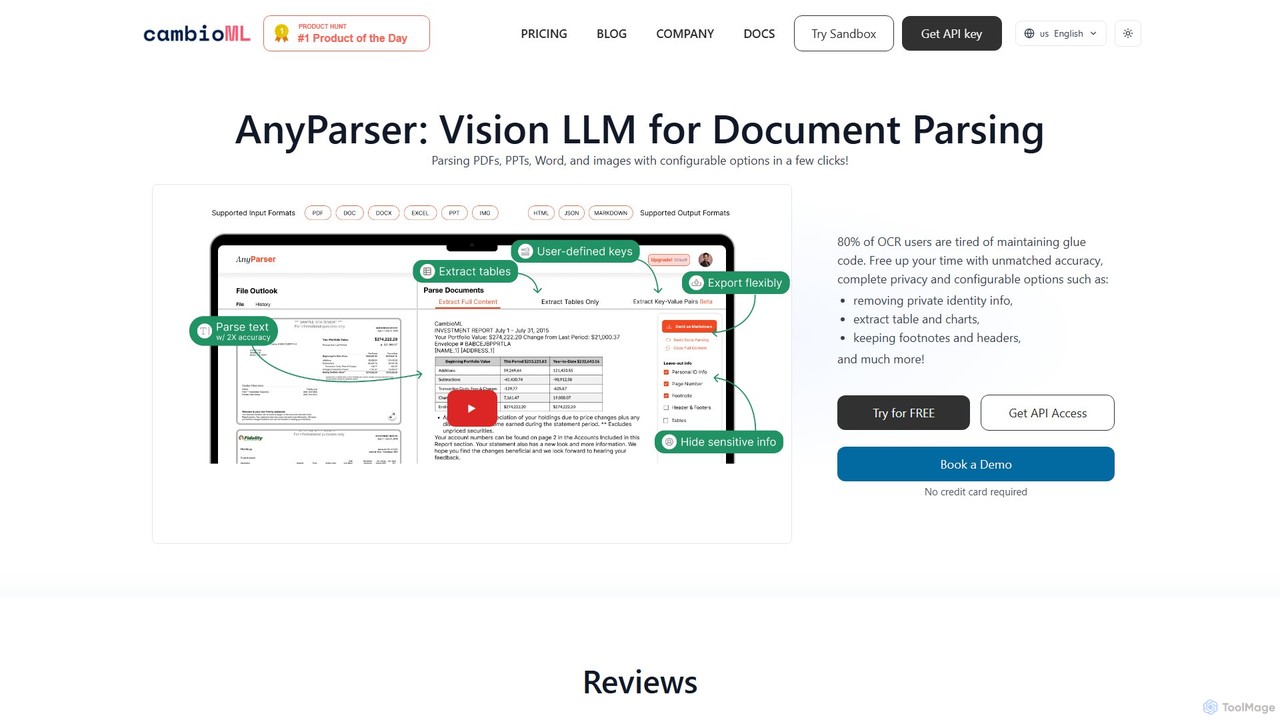
CambioML offers the AnyParser API, a powerful Vision LLM designed for high-accuracy document parsing. It extracts text, tables, charts, and key-value pairs from PDFs, images, and Office documents. With features like PII redaction, configurable outputs, and real-time processing, it's ideal for developers and businesses in finance, research, and data analysis to automate data extraction workflows while ensuring privacy and efficiency.

Data Extraction
Visits 11.9KFavorites 86Likes 88
Tune AI

Tune AI

Tune AI was a comprehensive AI platform offering a suite of tools, including Tune Chat for building custom chatbots and Tune Studio for developing and fine-tuning AI models. The platform has ceased operations as of February 28, 2025.

Chatbots
Visits 4.2KFavorites 141Likes 124

About Api

AI APIs are application programming interfaces that provide developers with access to pre-trained artificial intelligence models. These tools function as a bridge, allowing applications to leverage complex AI capabilities like natural language processing or computer vision without requiring developers to build and train models from scratch. By integrating an AI API, developers can rapidly implement advanced features, significantly reducing development time and infrastructure costs. This approach enables the creation of smarter, more responsive applications with a fraction of the typical machine learning effort.

Core Features

  • Pre-trained Model Access: Offers ready-to-use access to sophisticated AI models for tasks like text analysis, image recognition, and speech transcription.
  • Scalable Infrastructure: Provides a managed, cloud-based infrastructure that automatically scales to handle varying request volumes.
  • Simplified Integration: Features well-documented RESTful endpoints and SDKs for various programming languages, ensuring easy implementation.
  • Usage-based Pricing: Typically follows a pay-as-you-go model, making it cost-effective for projects of all sizes by charging only for the resources consumed.

Use Cases

AI APIs are widely used by software developers, startups, and enterprises to enhance their products. For instance, a mobile app developer can integrate a computer vision API to enable real-time object detection, while an e-commerce platform can use an NLP API to power a customer service chatbot that understands user intent. They are also crucial for data scientists automating sentiment analysis of customer feedback.

How to Choose

When selecting an AI API, evaluate the model's accuracy and performance on tasks relevant to your project. Assess the quality and completeness of the documentation and the availability of SDKs for your preferred programming language. It's also important to carefully review the pricing structure, usage limits, and data privacy policies to ensure they align with your application's requirements and compliance standards.

Featured tool rankings

Api use cases

1

Integrate an Intelligent Customer Service Chatbot

A developer at an e-commerce company is tasked with reducing customer support response times. Instead of building a complex system from the ground up, they use a Natural Language Processing (NLP) API. By integrating this API into their website's chat widget, they create a chatbot that can understand and answer common customer questions about order status, shipping policies, and product details in real-time. This frees up human agents to handle more complex issues and improves overall customer satisfaction.

2

Automate Content Moderation on a Platform

A community manager for a social media platform needs to ensure a safe user environment by filtering out inappropriate content. They integrate a content moderation API that uses computer vision and text analysis models. This system automatically scans user-generated posts, images, and comments to detect and flag or remove content that violates community guidelines, such as hate speech or graphic imagery. This automation drastically reduces the manual workload for human moderators and allows for faster enforcement of platform policies.

3

Enable Voice Commands in a Mobile App

A mobile app developer wants to add a hands-free control feature to their productivity application. They utilize a Speech-to-Text API to convert spoken user commands into text that the app can process. This allows users to perform actions like "create a new note" or "set a reminder for tomorrow at 9 AM" simply by speaking. The integration provides a more accessible and convenient user experience without the developer needing expertise in audio processing or speech recognition technology.

4

Analyze Customer Feedback with Sentiment Analysis

A product manager needs to understand customer sentiment from thousands of online reviews and survey responses. They use a text analytics API to process this unstructured data. The API automatically classifies each piece of feedback as positive, negative, or neutral and can even identify key topics or themes. This provides actionable insights into customer opinions, helping the team prioritize product improvements and identify areas of concern much faster than manual analysis would allow.

5

Build a Smart Image Search Feature

A developer building a digital asset management (DAM) system for a marketing team needs to make thousands of images easily searchable. They integrate a computer vision API to process every uploaded image. The API automatically generates descriptive tags (e.g., "laptop," "office," "meeting") based on the image content. This automated tagging allows users to find relevant images quickly using keyword searches, saving significant time compared to manual tagging.

6

Personalize Content with a Recommendation API

A developer for an online news portal aims to increase user engagement and time spent on the site. They implement a recommendation API that analyzes a user's reading history and behavior. Based on this data, the API suggests other articles and topics that are likely to be of interest to that specific user. This creates a personalized content feed, improving the user experience and encouraging readers to explore more content on the platform.

Api FAQ

What is an AI API?

An AI API (Application Programming Interface) is a service that allows developers to easily integrate pre-built artificial intelligence and machine learning models into their own applications. Instead of building a model from scratch, a developer can simply send data to the API and receive the model's output, such as a text translation or an image analysis. This approach significantly accelerates development and lowers the barrier to using advanced AI capabilities.

How do I choose the right AI API for my project?

To choose the right AI API, consider these key factors:

  • Model Performance: Does the API's model perform accurately and efficiently for your specific use case? Check benchmarks and test with your own data.
  • Documentation & Support: Is the documentation clear, comprehensive, and supported by helpful SDKs? Good support can save significant development time.
  • Pricing Model: Does the pricing (e.g., per-call, monthly subscription) fit your budget and expected usage? Be aware of any rate limits.
  • Data Privacy: How does the provider handle your data? Ensure their policies comply with relevant regulations like GDPR or CCPA.
What is the difference between using an AI API and building a custom AI model?

The main difference lies in control versus convenience. Using an AI API is fast, cost-effective, and requires no machine learning expertise, making it ideal for standard tasks like general text analysis or object recognition. Building a custom model provides maximum control and can be tailored to highly specific or proprietary data, but it requires significant time, data, expertise, and computational resources to develop, train, and maintain.

What are some common types of AI APIs?

AI APIs are available for a wide range of tasks. Some of the most common types include:

  • Natural Language Processing (NLP) APIs: For tasks like sentiment analysis, text translation, and chatbot interactions.
  • Computer Vision APIs: For image recognition, object detection, and optical character recognition (OCR).
  • Speech APIs: For converting speech-to-text (transcription) and text-to-speech (synthesis).
  • Recommendation APIs: For providing personalized content or product suggestions.
Who are AI APIs best suited for?

AI APIs are best suited for developers, startups, and established businesses that want to add sophisticated AI functionality to their applications without investing in a dedicated machine learning team. They are ideal for teams that need to move quickly, prototype new features, or integrate proven AI capabilities for common problems, such as powering a chatbot, moderating content, or analyzing customer feedback.