ToolMage
Sign in

Best 9 Llmops AI tools for Developer Tools

Popular Llmops AI tools in Developer Tools include Adaline, Orq.ai, FutureAGI, LangWatch, Unify, Athina, AICosts.ai, and UsageGuard, helping you work more efficiently.

UsageGuard

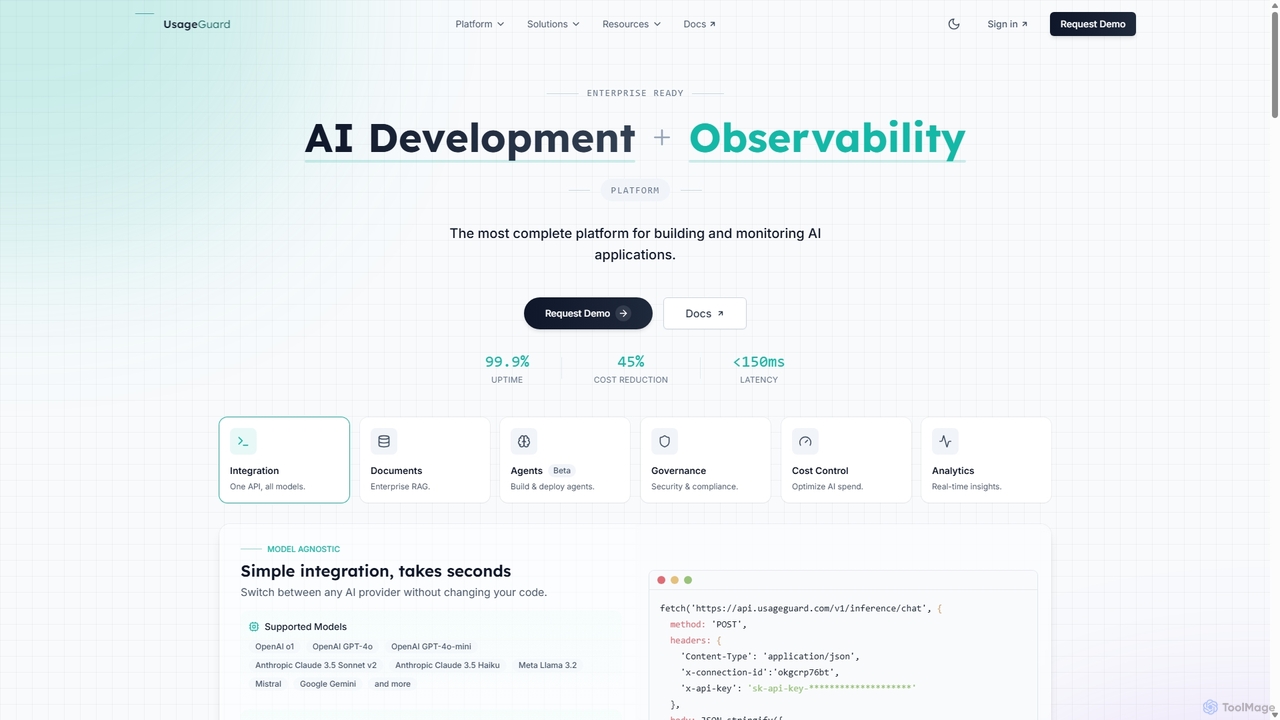
UsageGuard is an all-in-one enterprise platform for AI development and observability. It provides a unified API to access all major LLMs, enabling seamless model switching. The platform focuses on enterprise-grade security, comprehensive cost control, and real-time monitoring to help businesses build, scale, and manage AI applications securely and efficiently.

Llmops
Visits 4KFavorites 100Likes 101
Freemium

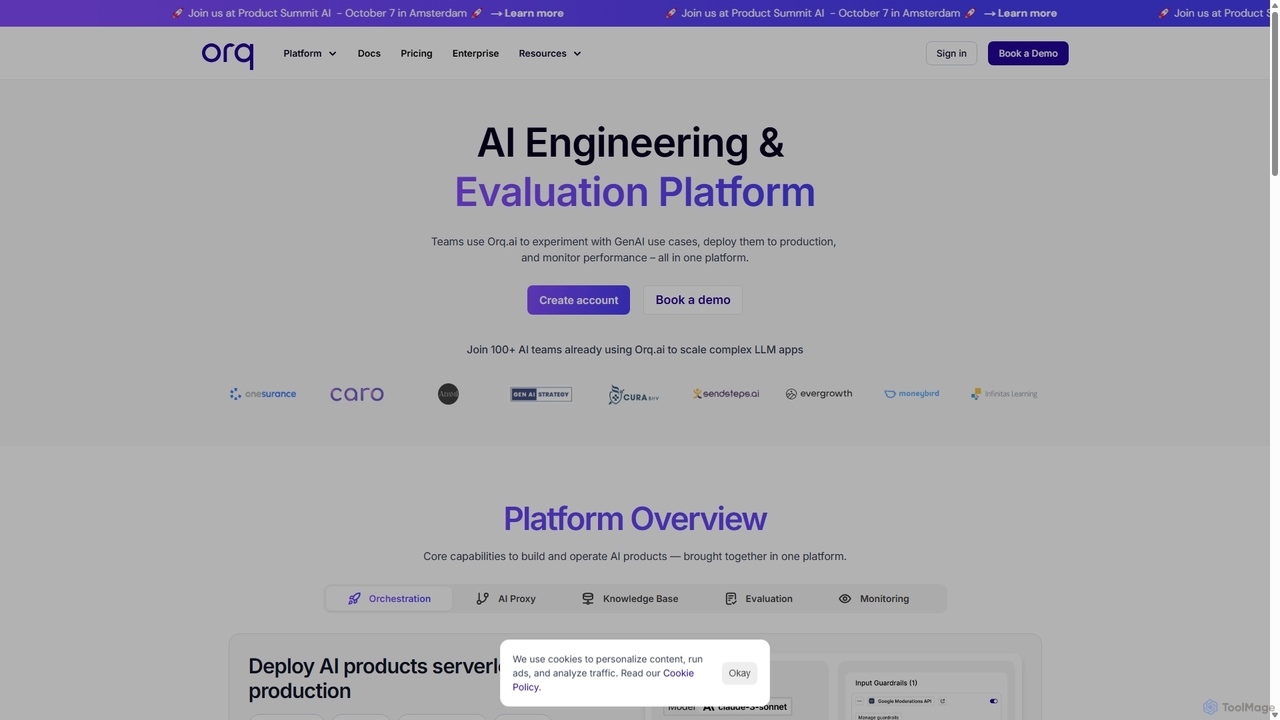
Orq.ai

Orq.ai is an end-to-end Generative AI Collaboration Platform for engineering and product teams. It enables users to experiment with GenAI use cases, deploy them to production, and monitor performance, all within a single, unified environment that supports the entire LLM application lifecycle.

Model Deployment
Visits 3.4KFavorites 143Likes 138
Freemium

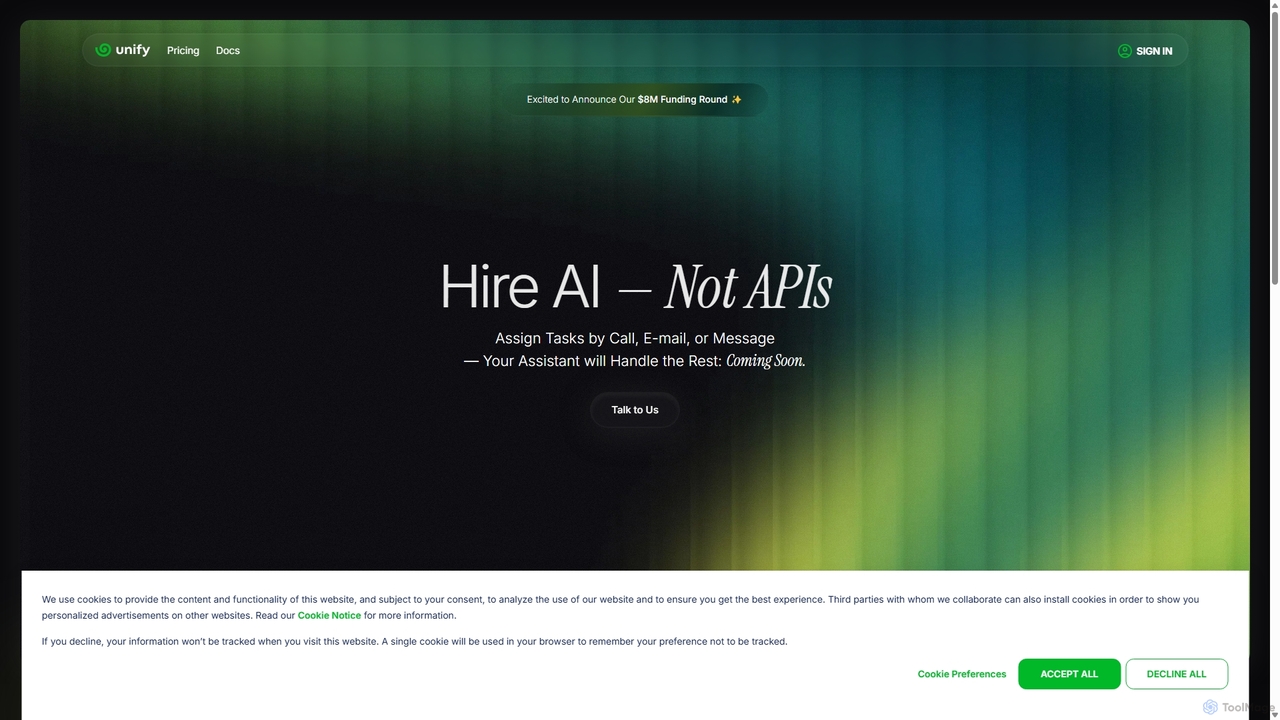
Unify

Unify is a developer-centric LLMOps platform designed to simplify building, monitoring, and optimizing AI applications. It provides a universal API and a hackable framework for logging, evaluation, tracing, and managing AI agents, enabling developers to create custom workflows and interfaces with ease.

Llmops
Visits 14.9KFavorites 114Likes 112
Freemium

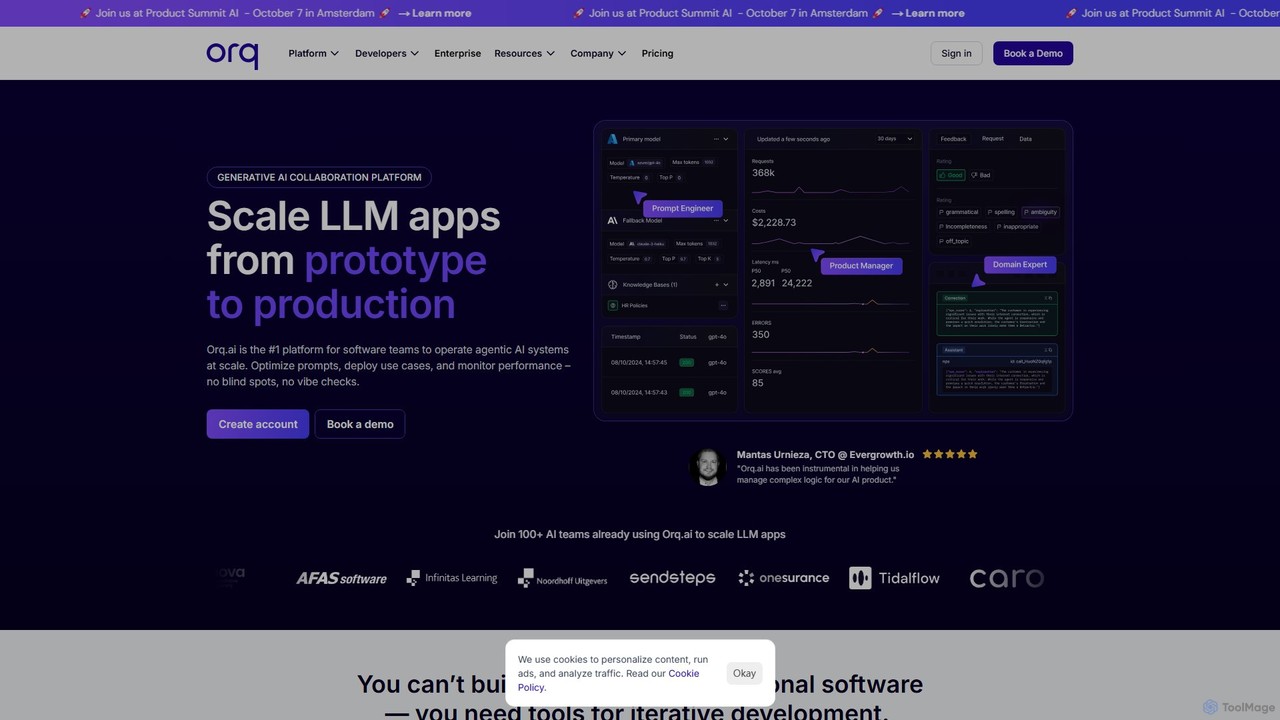
Orq.ai

Orq.ai is an end-to-end Generative AI Collaboration Platform designed for software teams to scale LLM applications from prototype to production. It provides tools for experimentation, deployment, and observability, enabling teams to build, monitor, and optimize agentic AI systems with confidence and control.

Model Deployment
Visits 77KFavorites 142Likes 110
Freemium

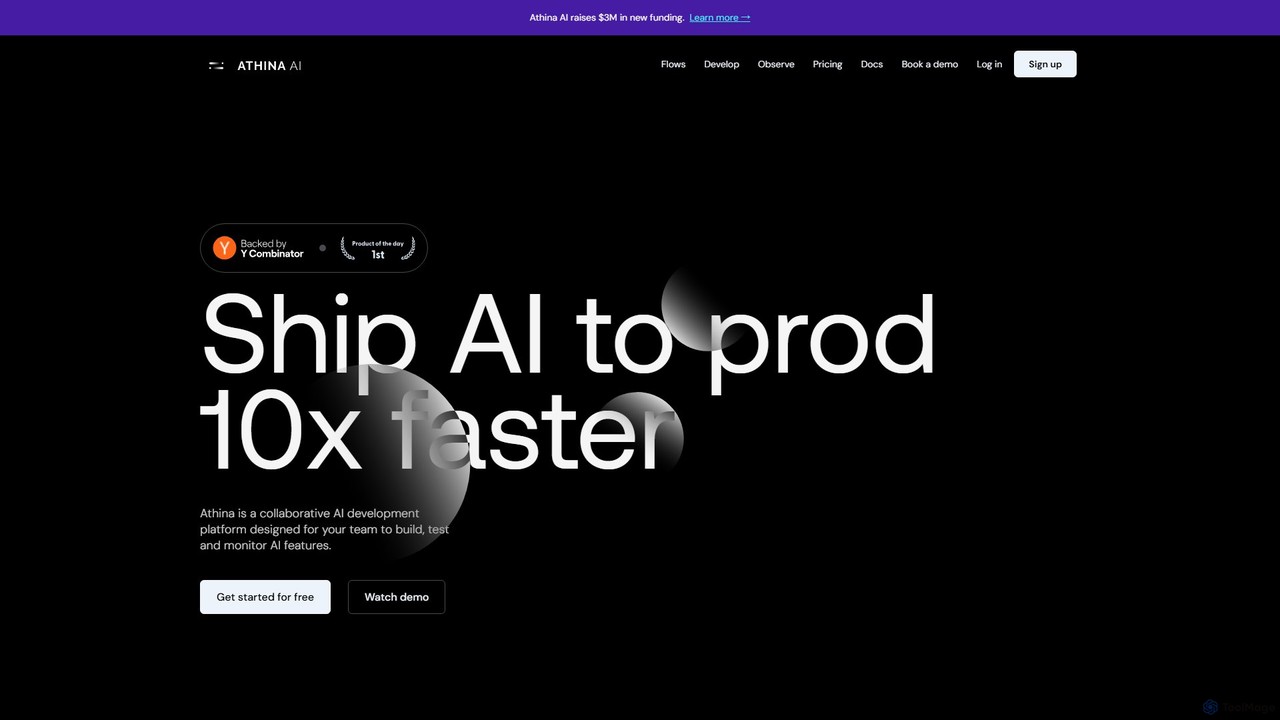
Athina

Athina is a collaborative AI development platform designed to help teams build, test, and monitor LLM applications 10x faster. It provides a comprehensive suite of tools for prompt engineering, evaluation, experimentation, annotation, and production monitoring. Athina supports both technical and non-technical users, ensuring seamless collaboration and the deployment of high-quality, reliable AI systems.

Annotation
Visits 10.2KFavorites 84Likes 78
Freemium

LangWatch

LangWatch is an all-in-one, open-source platform for monitoring, evaluating, and optimizing LLM applications. It specializes in AI agent testing through simulated user environments, helping teams catch regressions and edge cases before production. The platform combines observability, evaluation, optimization, and guardrails to ensure AI applications are reliable, secure, and performant.

Debugging
Visits 26.7KFavorites 113Likes 114
Freemium

AICosts.ai

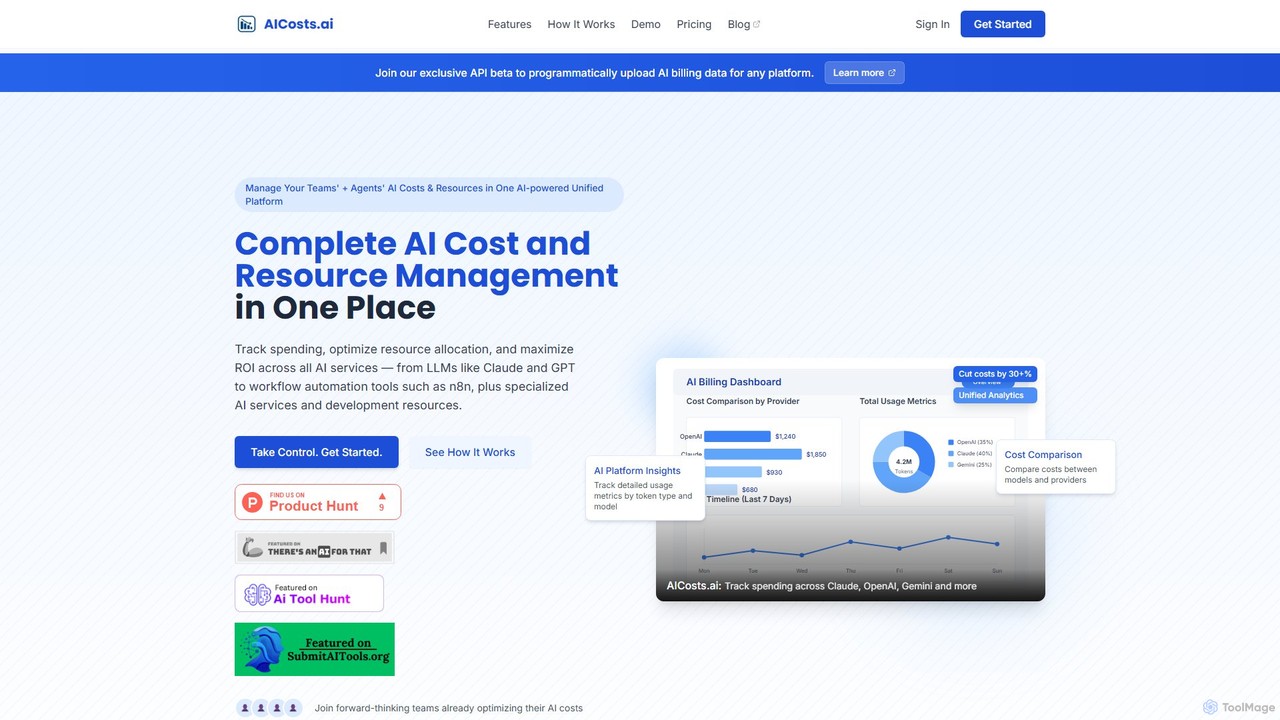
AICosts.ai is a unified AI cost management platform designed to help teams track, analyze, and optimize spending across all AI services. It provides a single dashboard for monitoring costs from LLMs like OpenAI, Claude, and Gemini, as well as workflow automation tools and specialized AI platforms. The tool enables users to identify cost-saving opportunities, manage resources effectively, and maximize their AI investment ROI.

Business Intelligence
Visits 4.6KFavorites 122Likes 127
Freemium

FutureAGI

FutureAGI is a comprehensive LLM observability and evaluation platform designed for enterprises and developers. It helps build, evaluate, and improve AI applications to achieve up to 99% accuracy, offering tools for synthetic data generation, no-code experimentation, multimodal evaluation, and real-time production monitoring.

Synthetic Data
Visits 39.6KFavorites 123Likes 136
Freemium

Adaline

Adaline is an end-to-end platform for product and engineering teams to iterate, evaluate, deploy, and monitor Large Language Models (LLMs). It streamlines the entire AI application lifecycle, enabling faster development, enhanced collaboration, and reliable deployment of AI-powered features.

Model Management
Visits 81.3KFavorites 127Likes 124

About Llmops

LLMOps (Large Language Model Operations) are a specialized set of practices and tools designed to manage the entire lifecycle of Large Language Models (LLMs) from development to production. These tools leverage automation and robust frameworks to streamline data preparation, model fine-tuning, deployment, monitoring, and evaluation. The primary goal of LLMOps is to ensure the reliability, performance, and cost-effectiveness of LLMs in real-world applications, addressing the unique complexities of these advanced AI models within the broader developer tools ecosystem.

Core Features

  • Data Management & Preprocessing: Automates the collection, cleaning, labeling, and versioning of data essential for LLM training and fine-tuning.
  • Model Fine-tuning & Training: Provides frameworks and tools for efficiently adapting pre-trained LLMs to specific tasks and datasets.
  • Model Deployment & Serving: Simplifies the deployment of LLMs across various environments (cloud, edge) and offers robust API interfaces for inference.
  • Performance Monitoring & Evaluation: Tracks LLM metrics like latency, throughput, and error rates in real-time, alongside assessing output quality and bias.
  • Version Control & Experiment Tracking: Manages iterations of models, data, and configurations, enabling reproducible experiments and easy rollbacks.

Applicable Scenarios

LLMOps tools are vital for organizations and developers working with LLMs. Enterprise AI teams use them to deploy and manage custom customer service LLMs, ensuring consistent performance and compliance. AI research institutions leverage LLMOps to track and compare experimental results across different LLM architectures and fine-tuning approaches. Content generation platforms rely on LLMOps to continuously optimize the quality and relevance of AI-generated text, adapting to evolving user needs and content standards.

How to Choose

When selecting an LLMOps platform, consider its functional completeness, ensuring it covers data, training, deployment, monitoring, and evaluation. Evaluate its integration capabilities with existing MLOps platforms, cloud services, and development tools. Assess scalability and performance to support large-scale LLM deployments and high-concurrency inference. Finally, examine cost-effectiveness, including resource consumption, pricing models, and its ability to optimize operational expenses.

Featured tool rankings

Llmops use cases

1

Automating LLM Model Deployment

AI development teams utilize LLMOps platforms to automate the deployment of fine-tuned LLM models into production environments. This involves packaging the model, setting up inference endpoints, and integrating with existing application APIs, significantly reducing manual effort and accelerating time-to-market for new AI features.

2

Continuous Monitoring of LLM Performance

Operations teams employ LLMOps tools to continuously monitor the performance of deployed LLMs in real-time. They track key metrics such as response latency, throughput, error rates, and resource utilization, enabling proactive identification and resolution of issues to maintain service stability and user experience.

3

Optimizing LLM Fine-tuning Workflows

Data scientists leverage LLMOps to manage and optimize complex LLM fine-tuning experiments. This includes tracking different datasets, hyperparameter configurations, and model architectures, allowing for systematic comparison of results and iterative improvement of model accuracy and domain-specific performance.

4

Evaluating LLM Output Quality and Safety

Product managers and content strategists use LLMOps solutions to automate the evaluation of LLM-generated content. These tools assess outputs for accuracy, relevance, coherence, and potential biases or safety concerns, providing objective metrics to guide model improvements and ensure responsible AI deployment.

5

Managing LLM Versioning and Rollbacks

Machine learning engineers rely on LLMOps for robust version control of LLM models and their associated data. This ensures traceability of changes, facilitates A/B testing of different model versions, and enables quick and reliable rollbacks to previous stable versions in case of performance degradation or unexpected issues.

6

Cost-Benefit Analysis and Optimization for LLMs

Technical leads and financial stakeholders utilize LLMOps platforms to gain insights into the operational costs of running LLMs. By monitoring inference costs, resource consumption, and API usage, they can identify areas for optimization, such as choosing more efficient models or scaling infrastructure dynamically, to reduce overall expenditure.

Llmops FAQ

What is LLMOps?

LLMOps, or Large Language Model Operations, is a specialized discipline focused on managing the entire lifecycle of Large Language Models (LLMs) in production environments. It encompasses practices and tools for data preparation, model training and fine-tuning, deployment, monitoring, evaluation, and governance. The goal is to ensure LLMs are reliable, performant, secure, and cost-effective throughout their operational lifespan, addressing the unique challenges of these complex AI systems.

How does LLMOps differ from traditional MLOps?

While LLMOps is a subset of MLOps, it specifically addresses the unique challenges of Large Language Models. LLMs require specialized data handling for massive text datasets, distinct fine-tuning methodologies (e.g., prompt engineering, PEFT), and advanced evaluation metrics for generative outputs (e.g., coherence, factual accuracy, hallucination detection). LLMOps also focuses on managing the significant computational resources and costs associated with LLMs, which are often much higher than traditional ML models.

What are the core challenges addressed by LLMOps?

LLMOps tackles several key challenges. These include managing vast and diverse datasets for LLM training, ensuring efficient and scalable deployment of large models, continuously monitoring model performance and drift in dynamic environments, and objectively evaluating the quality and safety of generative outputs. It also addresses the complexities of version control for models and data, cost optimization, and maintaining ethical AI guidelines for LLM usage.

How to choose the right LLMOps platform for my project?

When selecting an LLMOps platform, consider its comprehensive feature set, including data management, fine-tuning capabilities, deployment options, and robust monitoring and evaluation tools. Assess its compatibility with your existing infrastructure and cloud providers, as well as its scalability to handle your anticipated LLM workloads. Look for strong community support or vendor reliability, and evaluate the platform's cost structure and its ability to integrate with your security and governance policies.

What value does LLMOps bring to enterprises?

LLMOps brings significant value to enterprises by enabling the reliable and efficient deployment of LLMs at scale. It accelerates the development cycle of AI applications, reduces operational overhead through automation, and ensures consistent model performance and quality in production. By providing robust monitoring and evaluation, LLMOps helps mitigate risks associated with model drift, bias, and security, ultimately leading to more trustworthy, cost-effective, and impactful AI solutions.