Development Best in category 23 results Software Development AI Tool

Popular AI tools in the Software Development field of Development include Leanware、digitalsoftwarelabs、Zaptatech、Gigster、Povio、Dazl、Fastrak AI、ShipFast AI、AlphaCorp AI、Fenado AI, etc., helping you quickly improve efficiency.

Zaptatech

Zaptatech

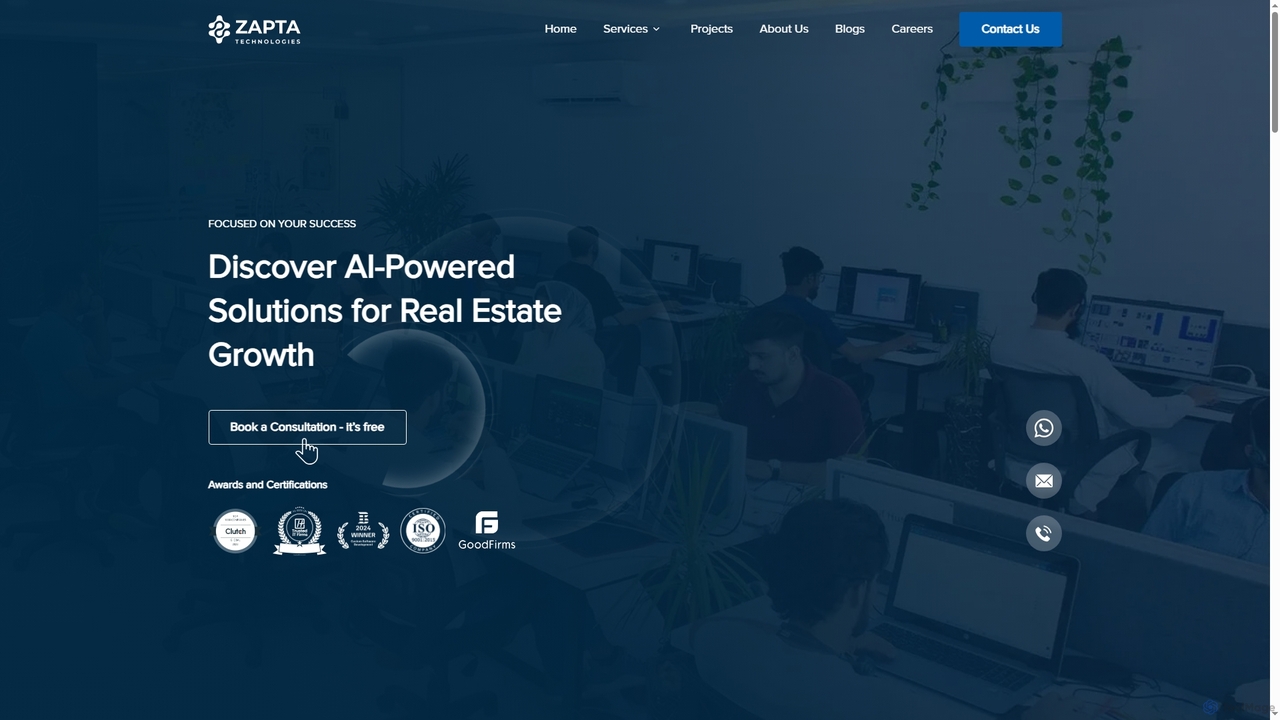
Zaptatech is a custom software development company that specializes in creating innovative web, mobile, and AI/ML applications. They …

23.1K
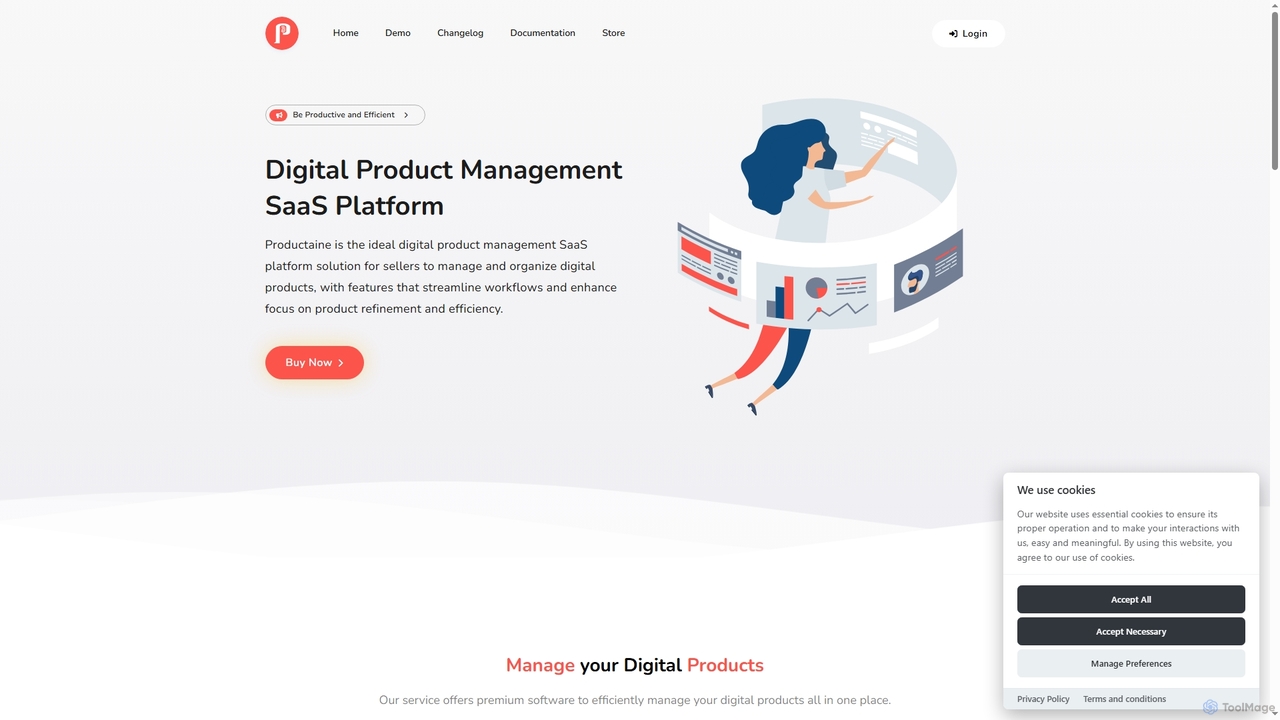
Productaine

Productaine

Productaine is a comprehensive platform designed to streamline the management of digital products. It offers powerful software to …

1.8K
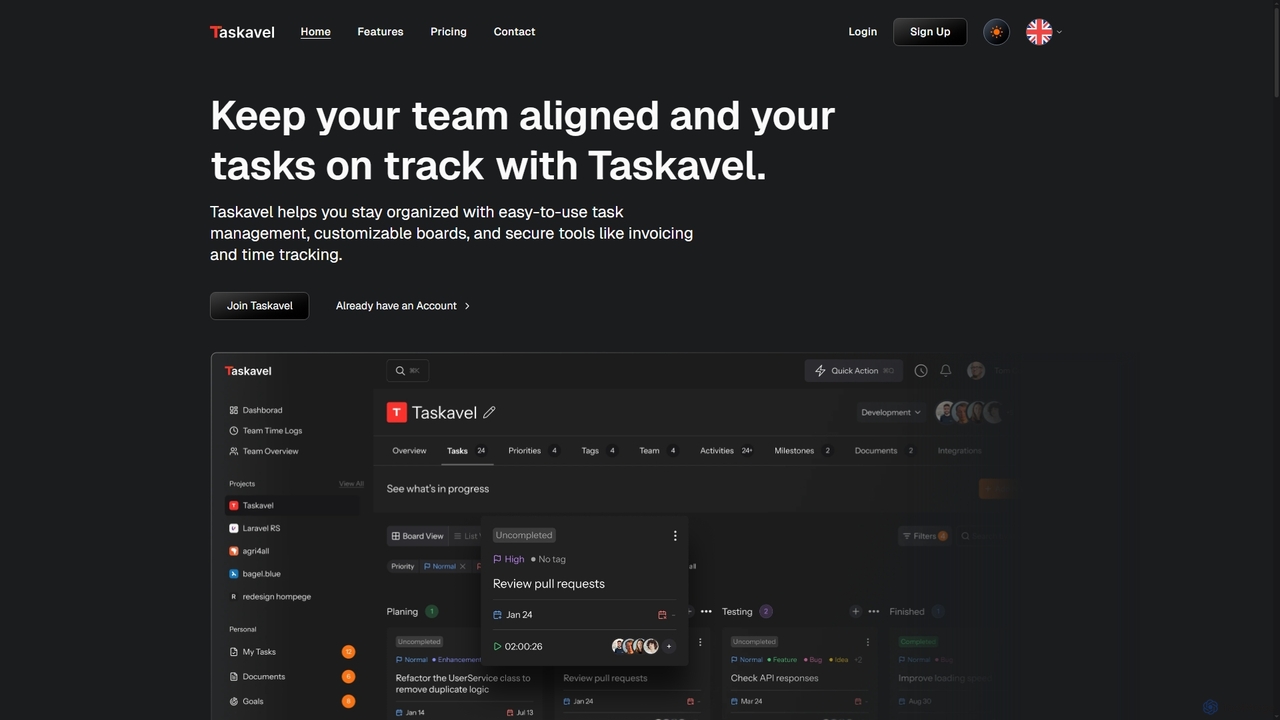
Taskavel

Taskavel

Taskavel is a comprehensive task and project management platform designed to keep teams aligned and tasks on track. …

1.8K
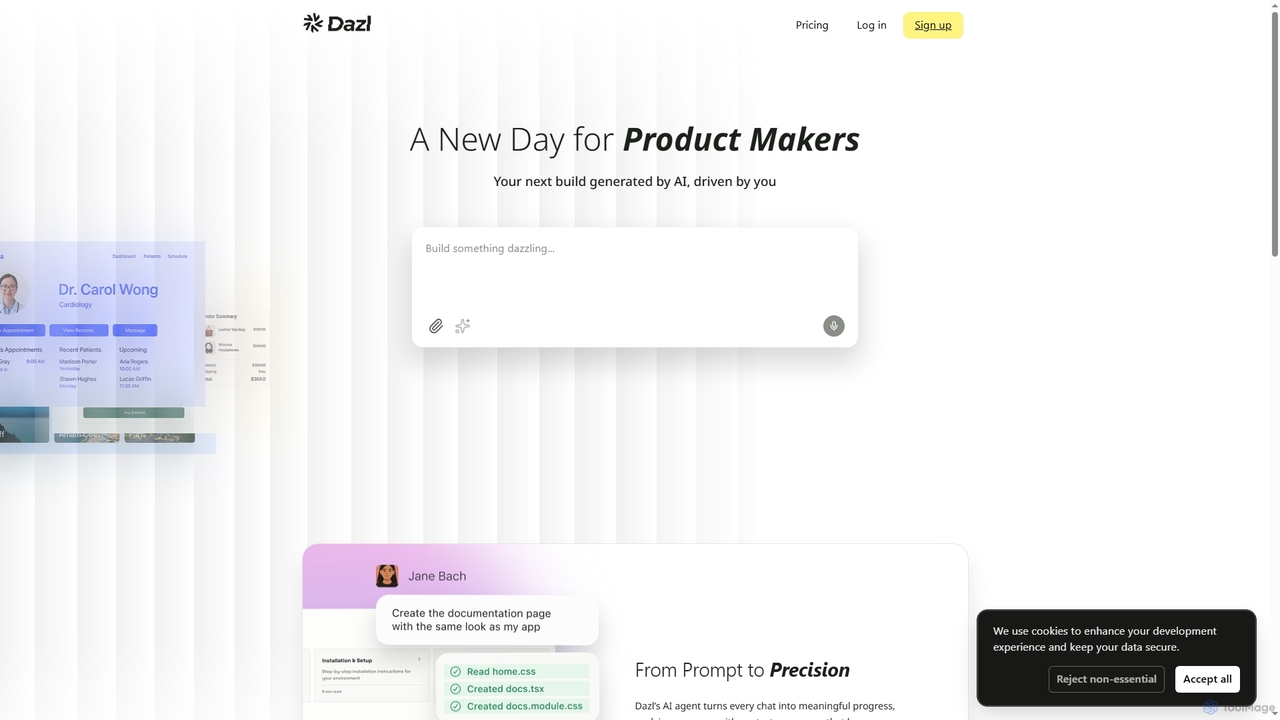
Dazl

Dazl

Dazl is an AI-powered development platform that transforms chat prompts into functional applications. It features a hybrid interface …

14.4K
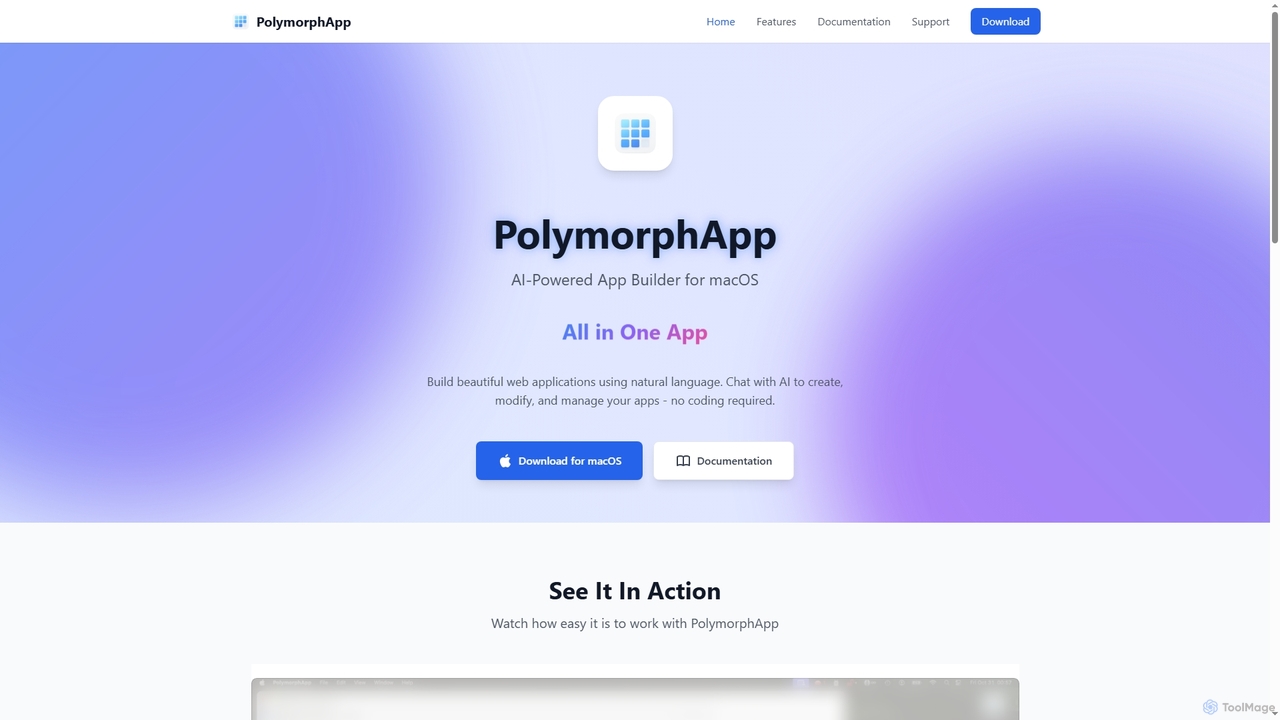
PolymorphApp

PolymorphApp

PolymorphApp is an AI-powered application builder for macOS that enables users to create web apps, Node.js backends, Python …

1.8K
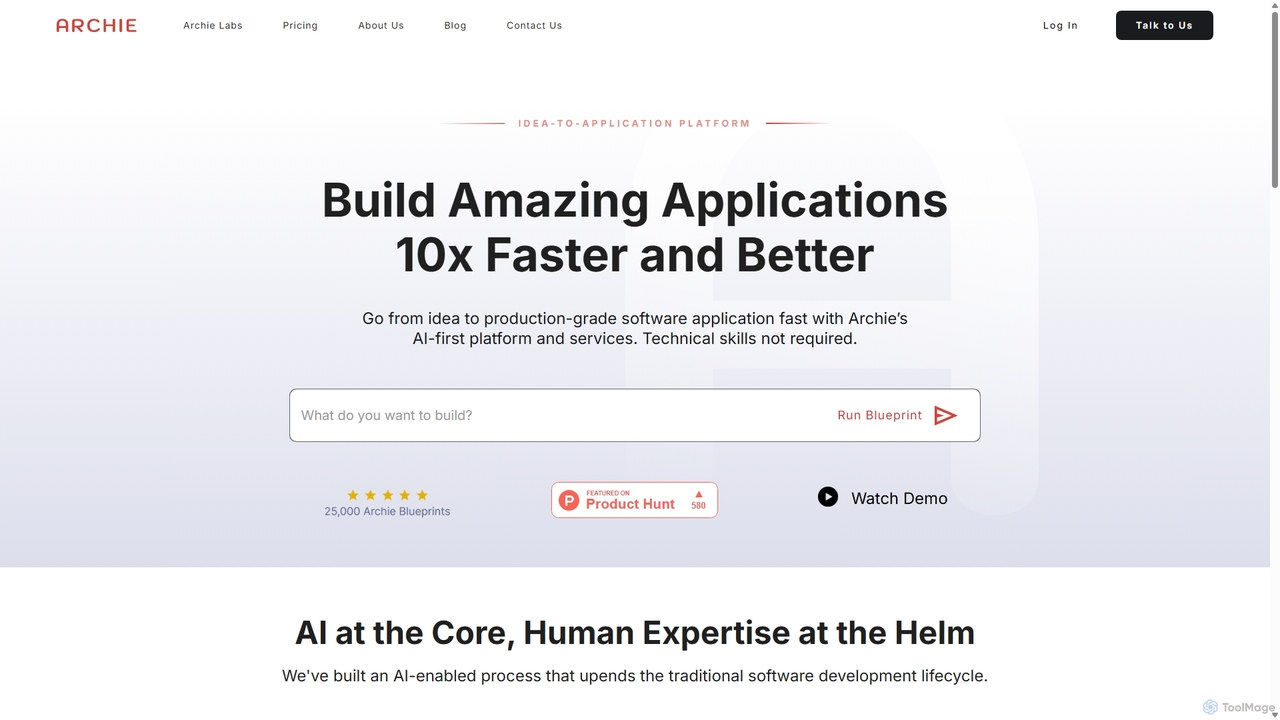
Archie Ai

Archie Ai

Archie Ai is an AI-first platform that transforms ideas into production-grade software applications 10x faster. It combines AI-driven …

1.8K
Multiverse Software

Multiverse Software

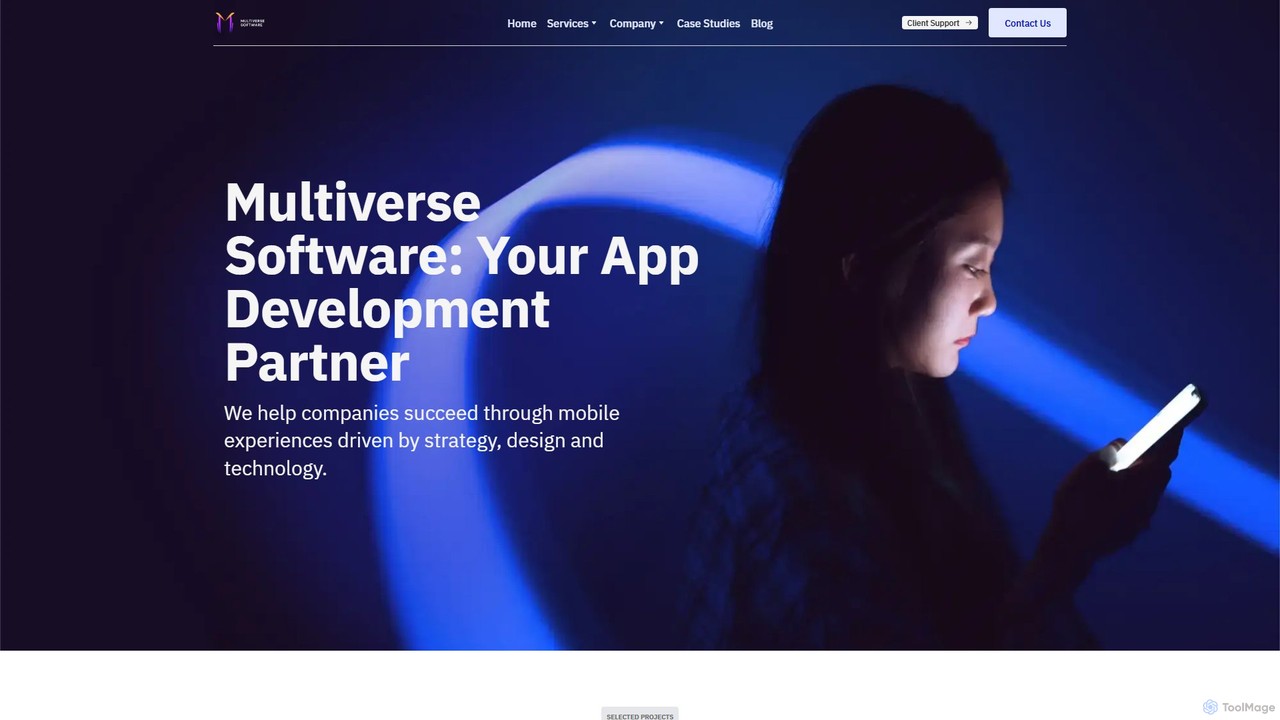
Multiverse Software is a premier app development agency specializing in creating custom AI and machine learning solutions. They …

2.6K
AlphaCorp AI

AlphaCorp AI

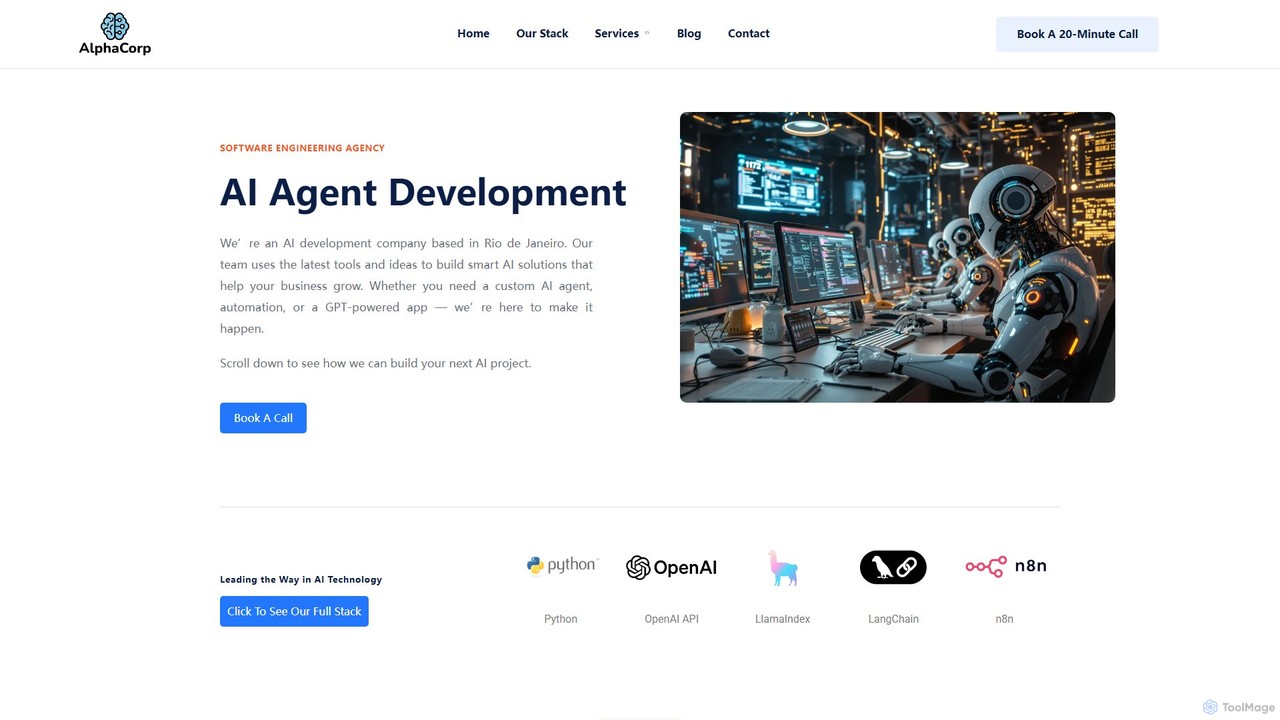
AlphaCorp AI is a development agency specializing in creating custom AI agents and intelligent automation solutions for businesses. …

8.2K
ShipFast AI

ShipFast AI

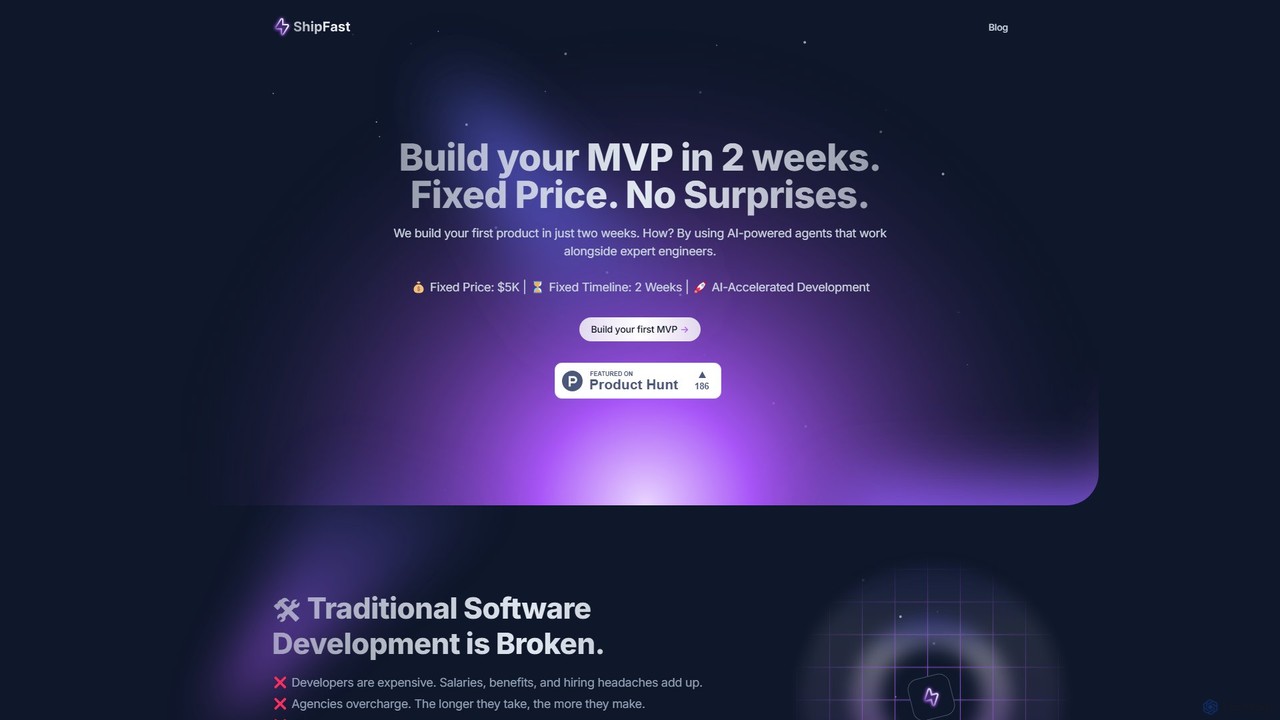
ShipFast AI is an AI-accelerated development service that builds your Minimum Viable Product (MVP) in just two weeks …

8.8K
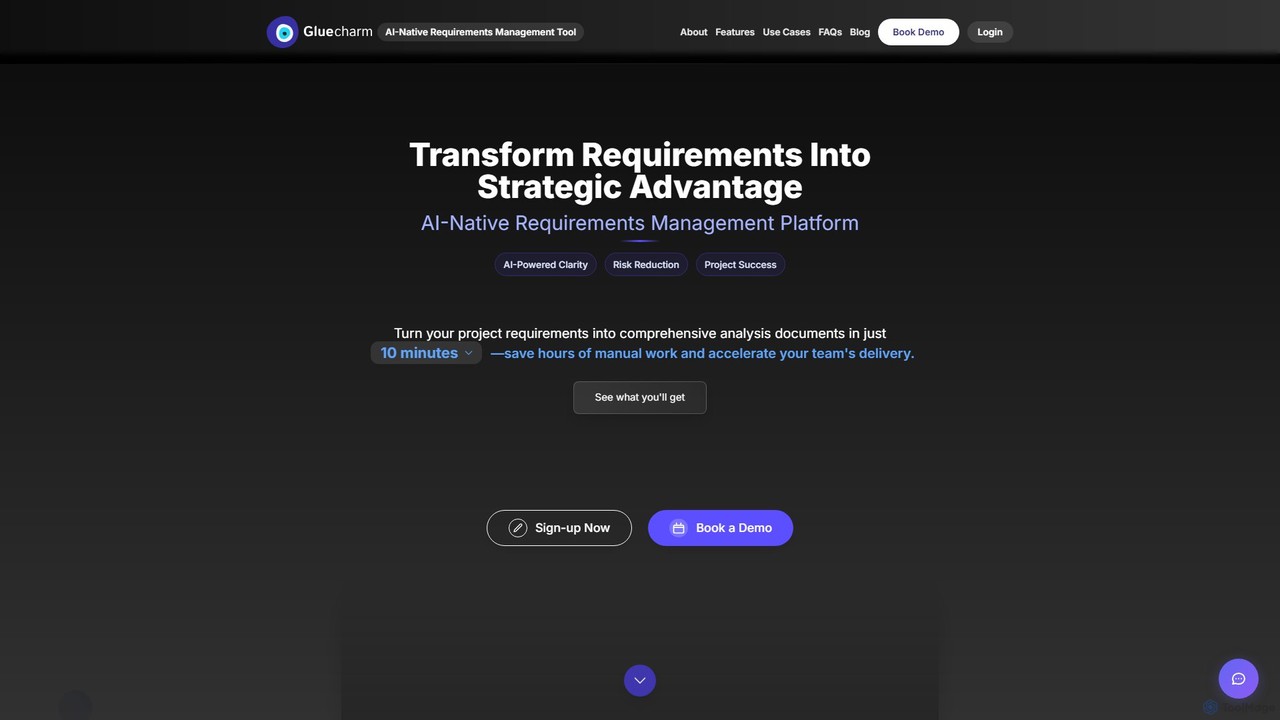
Gluecharm

Gluecharm

Gluecharm is an AI-native requirements management platform designed to streamline the software development lifecycle. It automates the gathering, …

1.7K
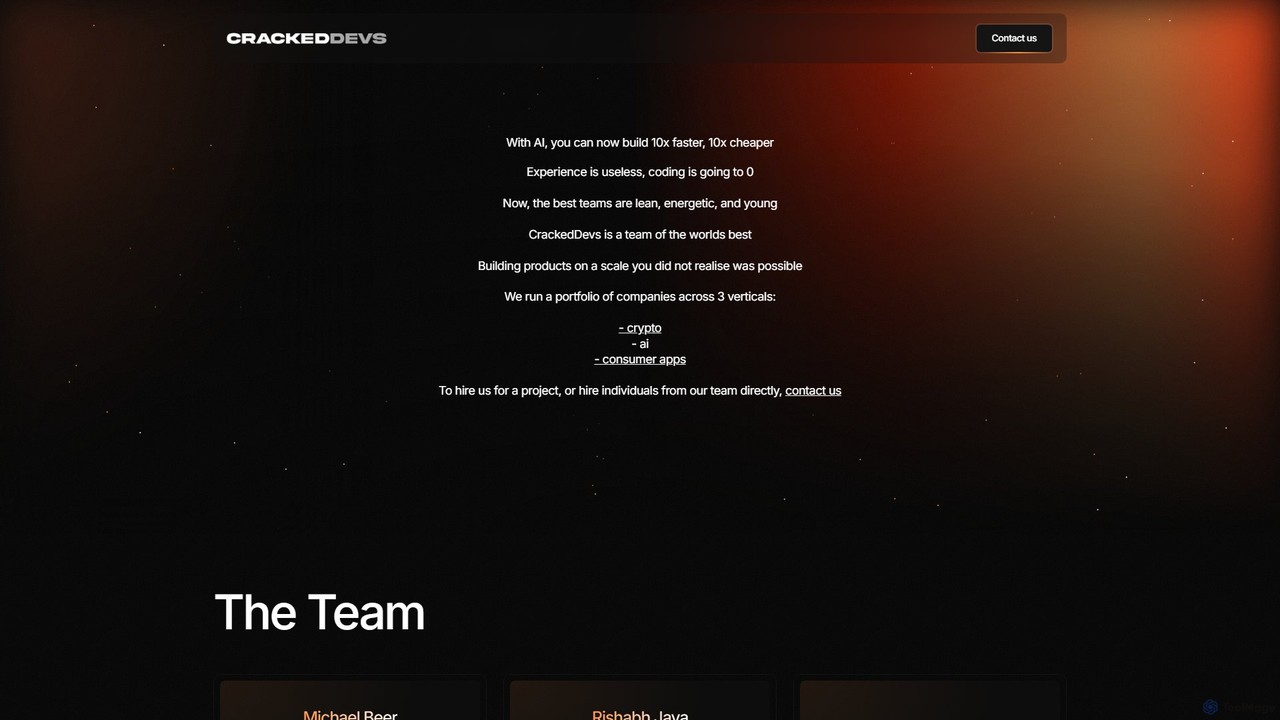
CrackedDevs

CrackedDevs

CrackedDevs is an elite development agency offering custom software solutions. Comprised of top-tier developers, designers, and hackathon winners, …

4.2K
thinkaiagency

thinkaiagency

thinkaiagency is a specialized development agency that transforms ideas into market-ready Minimum Viable Products (MVPs) in just 2-4 …

1.9K
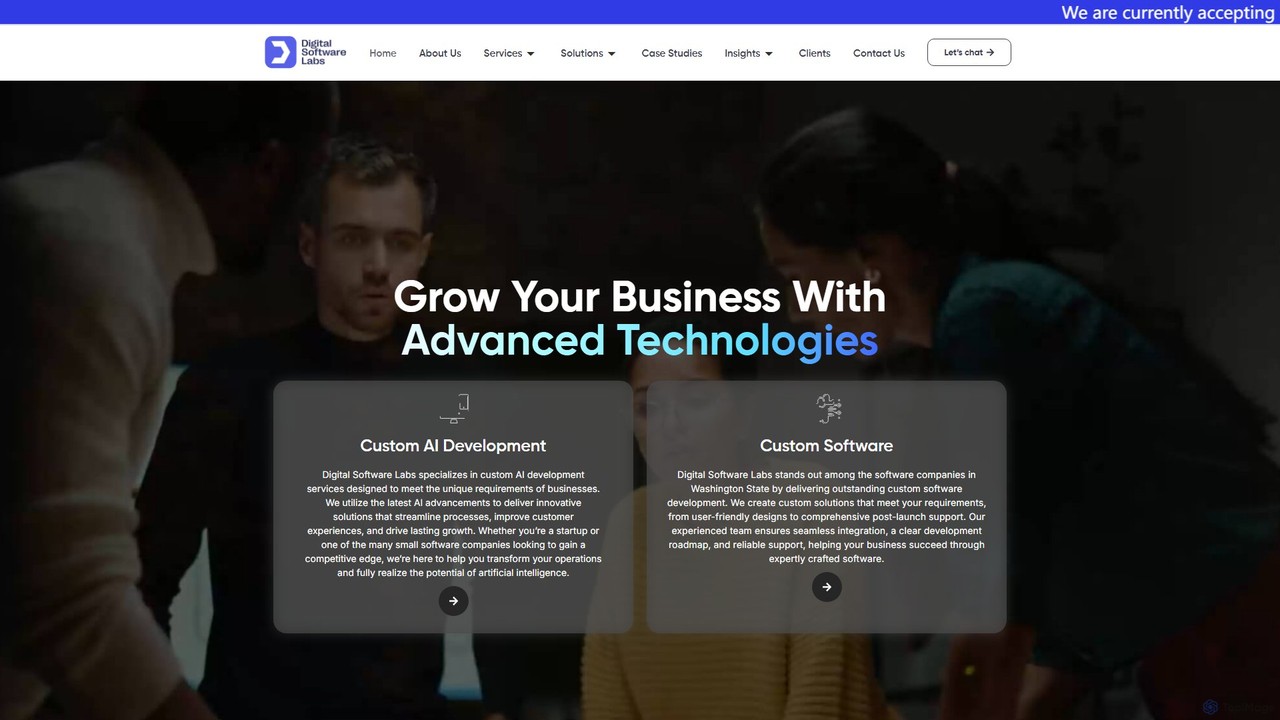
digitalsoftwarelabs

digitalsoftwarelabs

Digital Software Labs is a custom software development company specializing in creating bespoke AI solutions, mobile applications, and …

23.7K
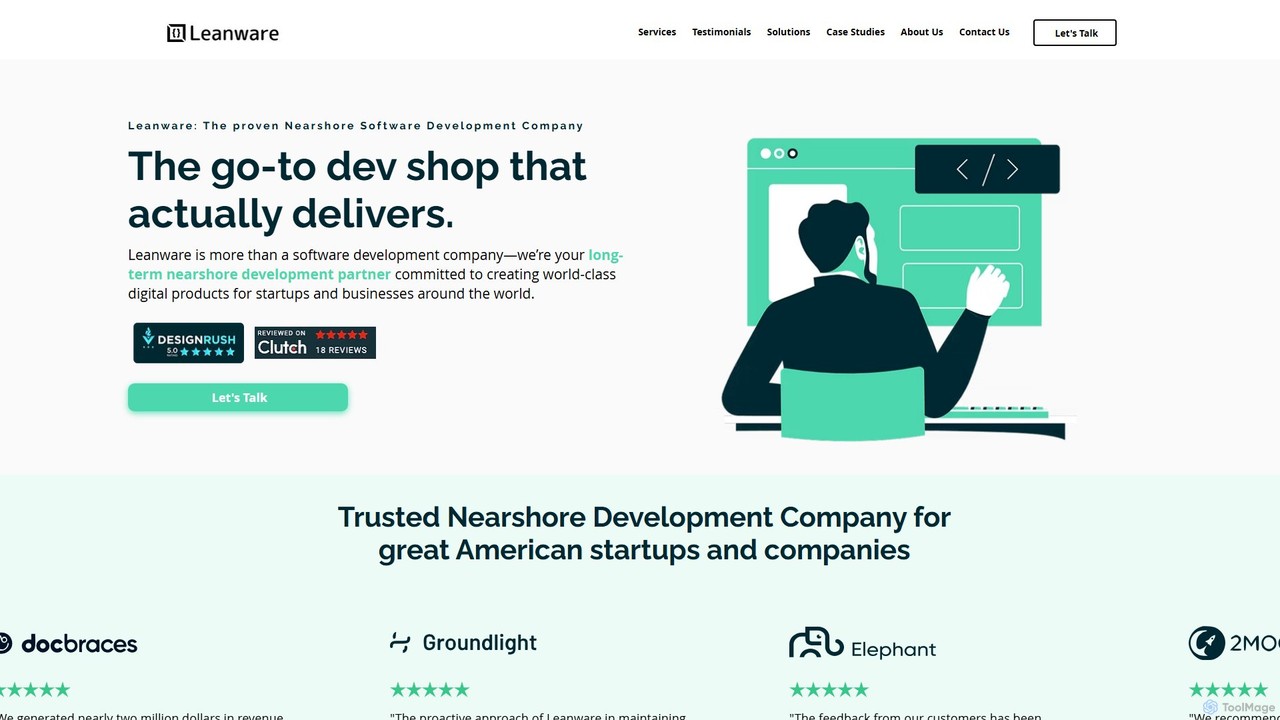
Leanware

Leanware

Leanware is a nearshore software development company that partners with startups and businesses to build world-class digital products. …

81.7K
Povio

Povio

Povio is an expert software development and design agency that partners with innovative companies to build groundbreaking digital …

18.3K
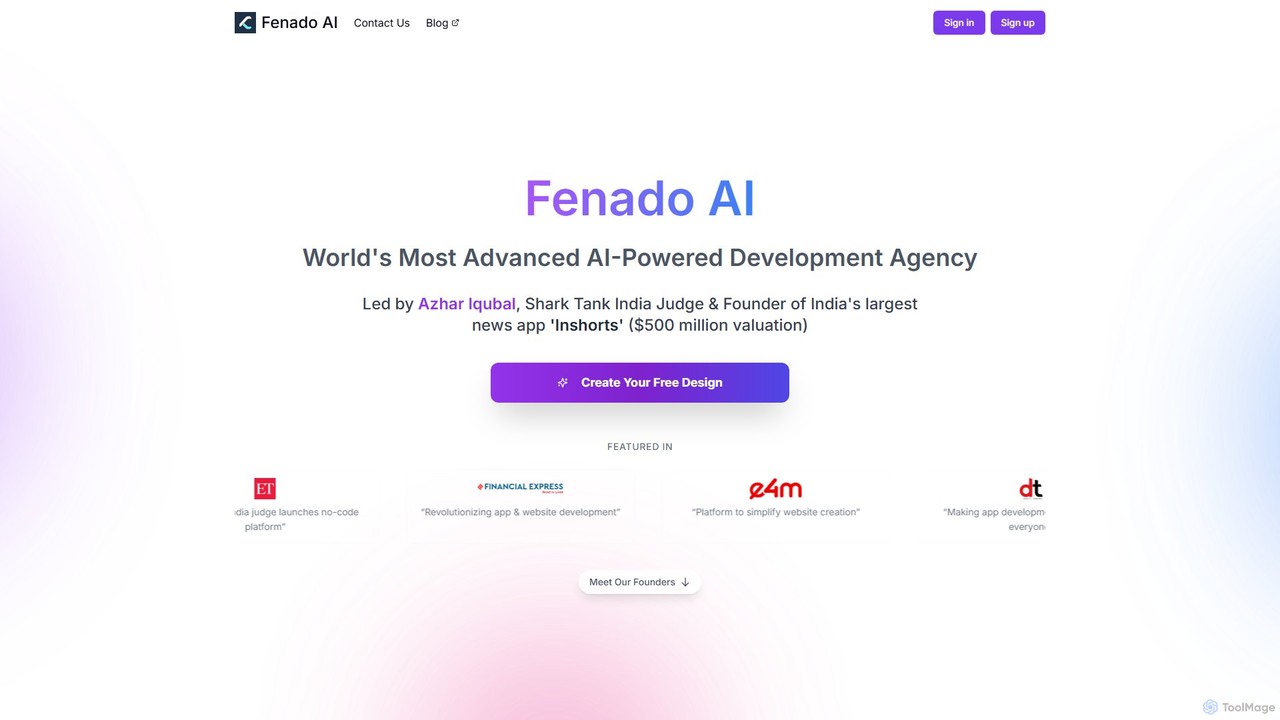
Fenado AI

Fenado AI

Fenado AI is an AI-powered development agency that transforms your app and website ideas into reality. Led by …

6.4K
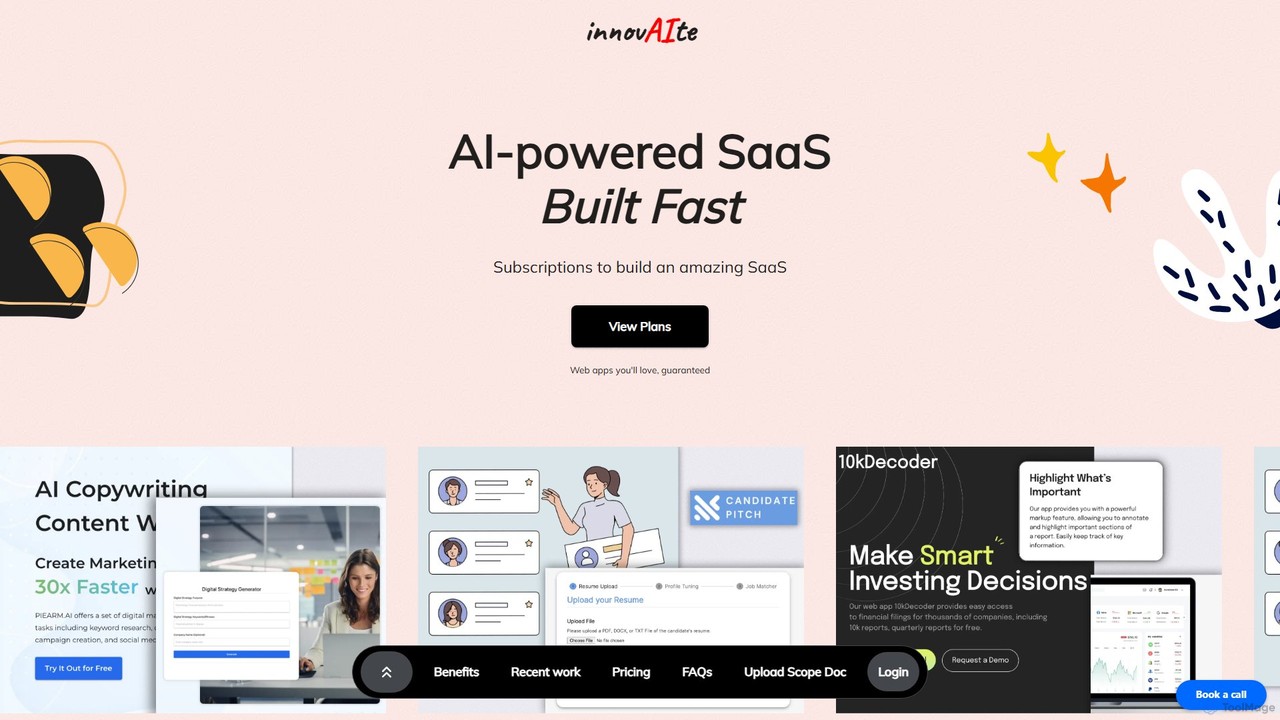
innovaite

innovaite

innovaite offers 'Innovation as a Service,' a subscription-based platform for rapidly building custom AI-powered SaaS applications. It replaces …

1.8K
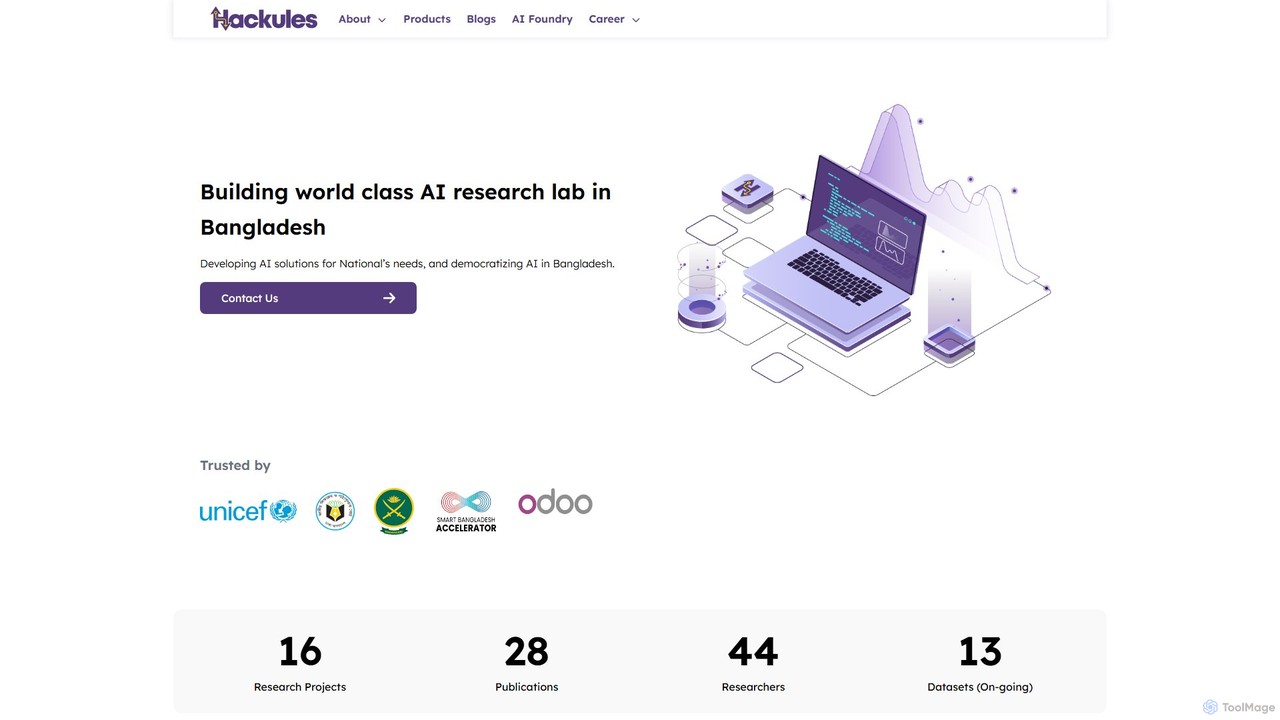
Hackules

Hackules

Hackules is an AI research lab and development company specializing in creating world-class AI solutions. They offer AI-assisted …

1.8K
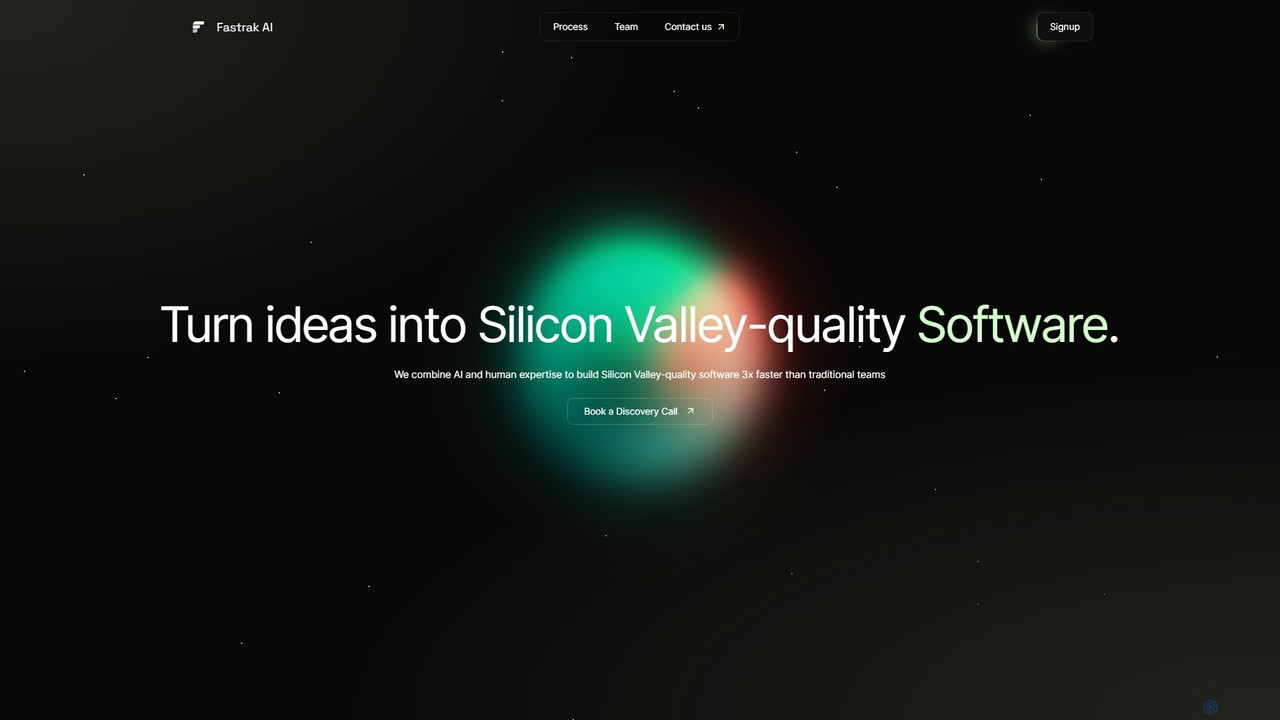
Fastrak AI

Fastrak AI

Fastrak AI is an AI-powered, expert-led product development service that enables companies to build and ship quality software …

11.7K
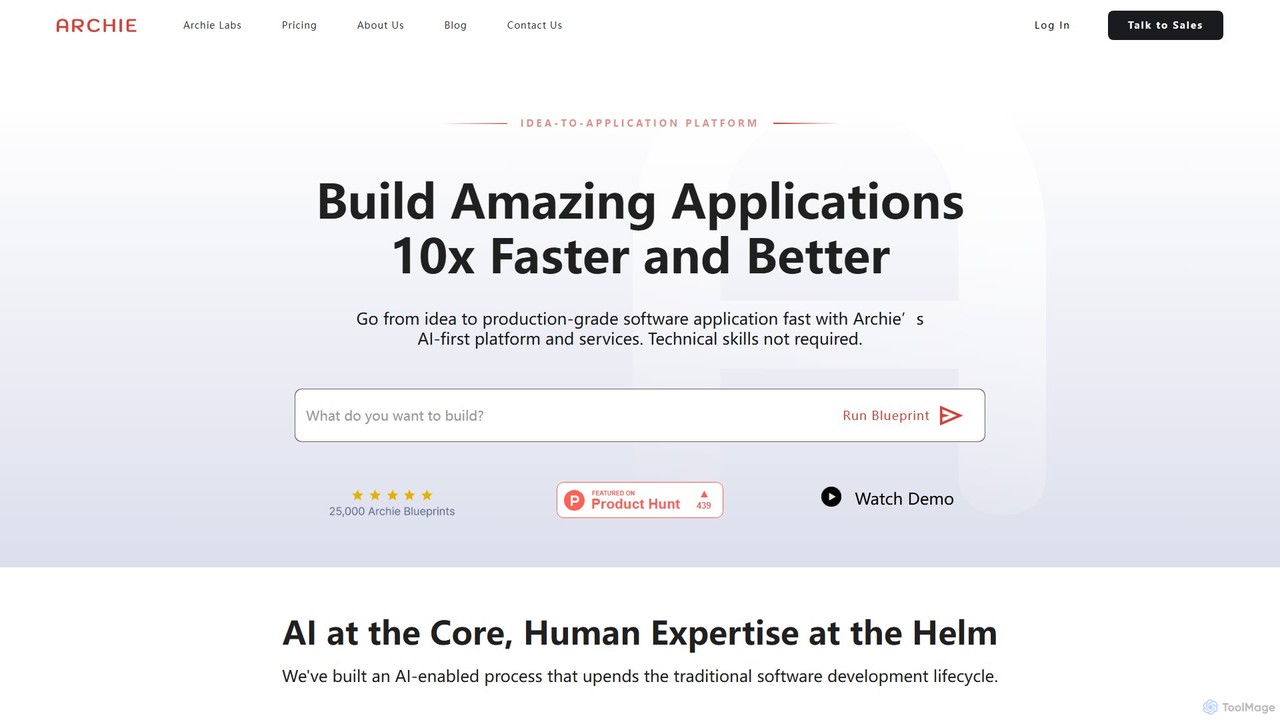
Archie

Archie

Archie is an AI-first platform that transforms software ideas into production-grade applications 10x faster. It combines AI-driven development …

1.8K
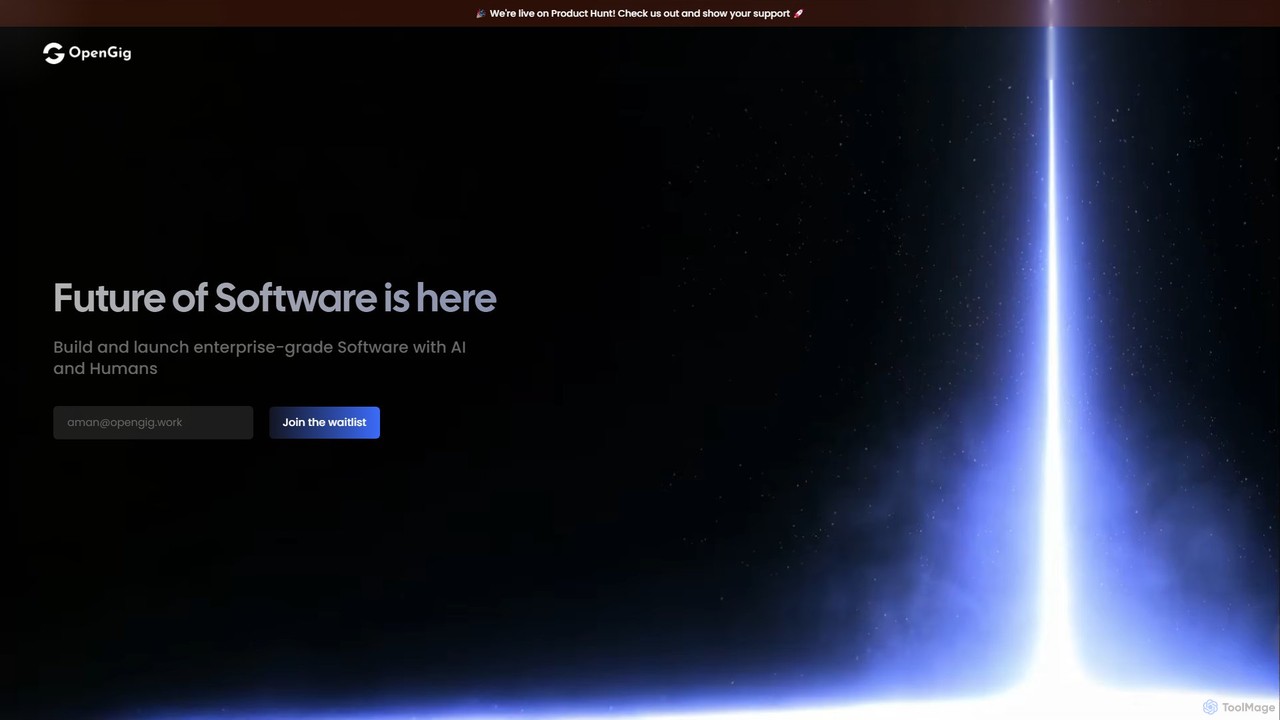
OpenGig

OpenGig

OpenGig is an AI-powered platform that combines artificial intelligence with a global network of elite human talent to …

2.1K
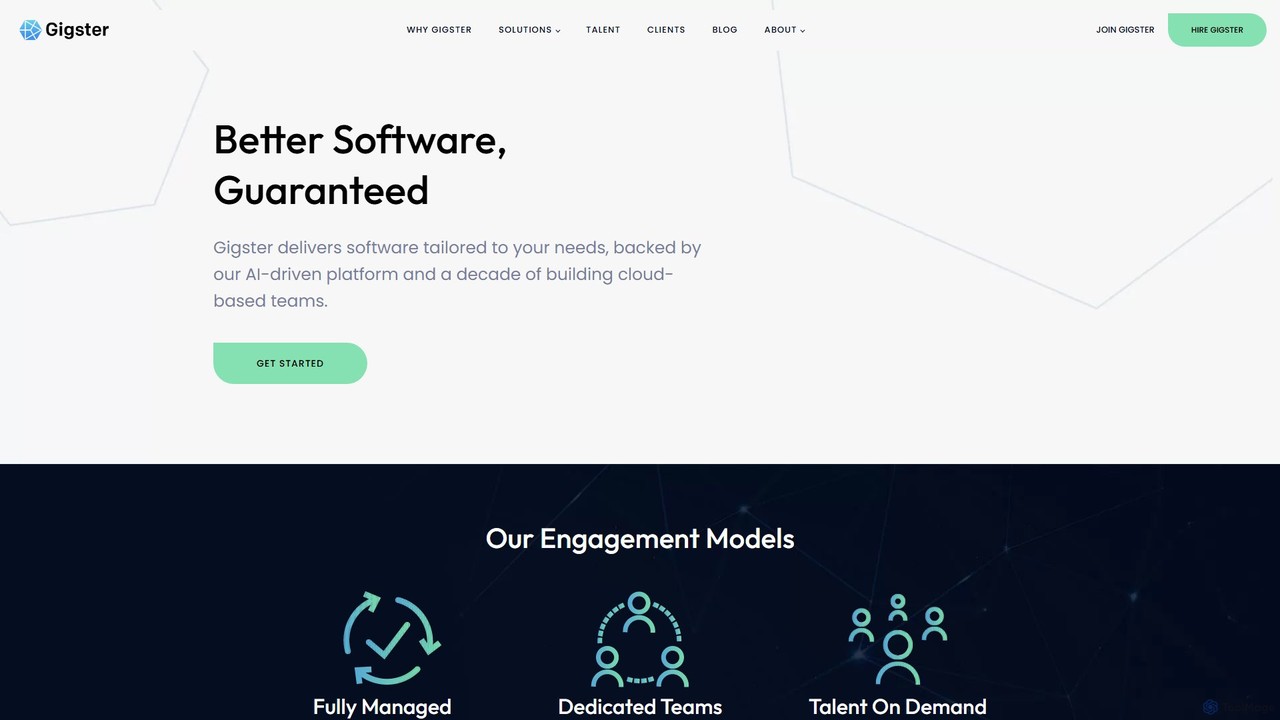
Gigster

Gigster

Gigster is an AI-powered platform for custom software development, connecting businesses with a global network of over 50,000 …

18.4K
Brogrammers

Brogrammers

Brogrammers is a technology solutions company specializing in custom software development. They offer services in web and mobile …

2.1K

About Software Development

AI Software Development tools are intelligent assistants designed to accelerate and enhance the entire software development lifecycle. These tools leverage large language models (LLMs) and machine learning to understand code, context, and intent, enabling them to generate, debug, and optimize code automatically. They empower developers to build applications faster, improve code quality, and reduce time spent on repetitive tasks. This allows teams to focus on complex problem-solving and innovative feature creation.

Core Features

  • AI Code Generation & Completion: Generates entire functions, classes, or code snippets from natural language prompts and provides intelligent, context-aware autocompletion.
  • Automated Debugging & Error Analysis: Identifies bugs, analyzes stack traces, and suggests potential fixes, significantly reducing debugging time.
  • Code Refactoring & Optimization: Suggests improvements for code readability, performance, and adherence to best practices.
  • Automated Test Generation: Creates unit tests, integration tests, and test cases automatically based on the existing codebase.
  • Natural Language Code Explanation: Translates complex code blocks into plain English, making it easier to understand legacy systems or unfamiliar libraries.

Use Cases

These tools are invaluable for software engineers, data scientists, QA testers, and even students. They are used for rapid prototyping, maintaining large-scale applications, accelerating the development of new features, and as a learning aid for new programming languages or frameworks. From startups to large enterprises, AI software development tools are integrated into daily coding workflows.

How to Choose

When selecting an AI Software Development tool, consider its integration with your existing IDE (e.g., VS Code, JetBrains), the programming languages and frameworks it supports, and the accuracy of its suggestions. Evaluate its security policies, especially regarding how it handles your proprietary code. Also, compare pricing models and whether the tool offers features tailored to individual developers versus enterprise teams.

Software DevelopmentUse Cases

1

Accelerate Backend API Development

A backend developer is tasked with creating a new REST API endpoint for a user profile service. Instead of writing all the boilerplate code manually, they use an AI Software Development tool. They type a comment like 'create a POST endpoint /users to add a new user with validation for email and password'. The AI assistant generates the complete function, including route definition, request body parsing, validation logic, database insertion code, and proper error handling for duplicates or database errors. This reduces development time for a single endpoint from an hour to just a few minutes, allowing the developer to focus on more complex business logic.

2

Refactor and Understand Legacy Code

A maintenance engineer joins a team responsible for a large, aging codebase with poor documentation. They encounter a 200-line function with a cryptic name. Instead of spending days tracing its logic, they highlight the entire function and ask the AI tool to 'explain this code'. The tool provides a step-by-step summary of what the function does. The engineer then asks the tool to 'refactor this function for readability and performance'. The AI suggests breaking it into smaller, well-named functions, removing redundant variables, and optimizing a slow loop, providing a clear 'diff' view of the proposed changes for review.

3

Automate Unit Test Generation

A Quality Assurance (QA) engineer needs to increase the test coverage for a critical authentication module. Manually writing tests for every edge case is time-consuming. Using an AI development tool, they select the module's source file and invoke the 'generate unit tests' command. The AI analyzes the functions, identifies branches and conditions, and automatically generates a comprehensive suite of tests using the project's testing framework (like Jest or PyTest). It creates tests for successful logins, failed attempts with wrong passwords, handling of invalid email formats, and other edge cases, achieving 95% code coverage in minutes instead of hours.

4

Learning a New Programming Language

A Python developer needs to learn Go for a new project. Instead of just reading documentation, they use their AI coding assistant as an interactive tutor. When they need to implement a feature they know how to do in Python, like fetching data from an API, they ask the AI: 'How do I make an HTTP GET request and parse JSON in Go, similar to this Python code?' The AI provides the equivalent Go code, explains the key differences (e.g., static typing, error handling), and points out idiomatic Go practices. This accelerates their learning process by providing immediate, context-specific examples and bridging the gap between their existing and new knowledge.

5

Optimizing Database Queries

A data analyst is writing a script to generate a complex report, which requires joining multiple large tables. Their initial SQL query is running very slowly. They paste the query into their AI development tool and ask it to 'optimize this SQL query for performance'. The AI analyzes the query, suggests adding specific indexes to the database tables, rewrites a subquery as a more efficient Common Table Expression (CTE), and changes the order of joins to reduce the intermediate result set size. By applying these suggestions, the query execution time drops from 10 minutes to under 5 seconds, making the reporting process significantly more efficient.

6

Drafting Technical Documentation

After completing a new software library, a developer needs to write the official documentation. This is often a tedious task. They use an AI tool that can access their codebase. They issue a command: 'Generate documentation for the `UserService` class, including a summary, parameter descriptions for each method, and a code example.' The AI scans the class, understands the purpose of methods like `createUser` and `getUserById`, and generates well-formatted Markdown documentation. It correctly identifies parameters, infers their purpose from variable names and types, and creates clear, concise usage examples. This automates about 80% of the documentation work.

Software DevelopmentFrequently Asked Questions