ToolMage
Sign in

Best 16 Personalization AI tools for Ecommerce

Popular Personalization AI tools in Ecommerce include Octane AI, Stylitics, Vue.ai, Yuma, Nudge, Mason, Contlo, Maverick, Tangent.AI, and SwiftERM, helping you work more efficiently.

Yuma
Paid

Yuma

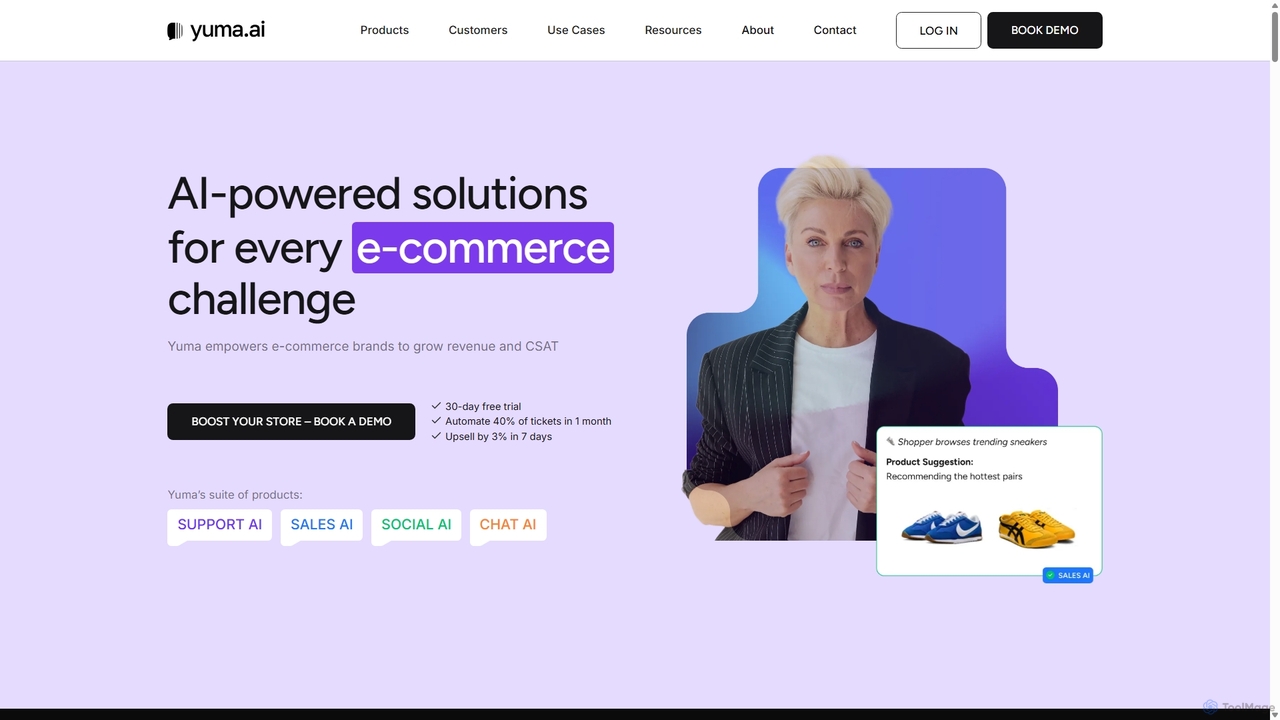
Yuma is an AI-powered platform designed for e-commerce brands to automate customer interactions and drive revenue. Its suite of tools—Support AI, Sales AI, Social AI, and Chat AI—handles everything from resolving support tickets and managing social media conversations to personalizing the shopping experience and reducing cart abandonment. Yuma integrates seamlessly with major e-commerce and helpdesk platforms like Shopify, Gorgias, and Zendesk to boost CSAT and operational efficiency.

Chatbot
Visits 41KFavorites 140Likes 152
Loop54
Paid

Loop54

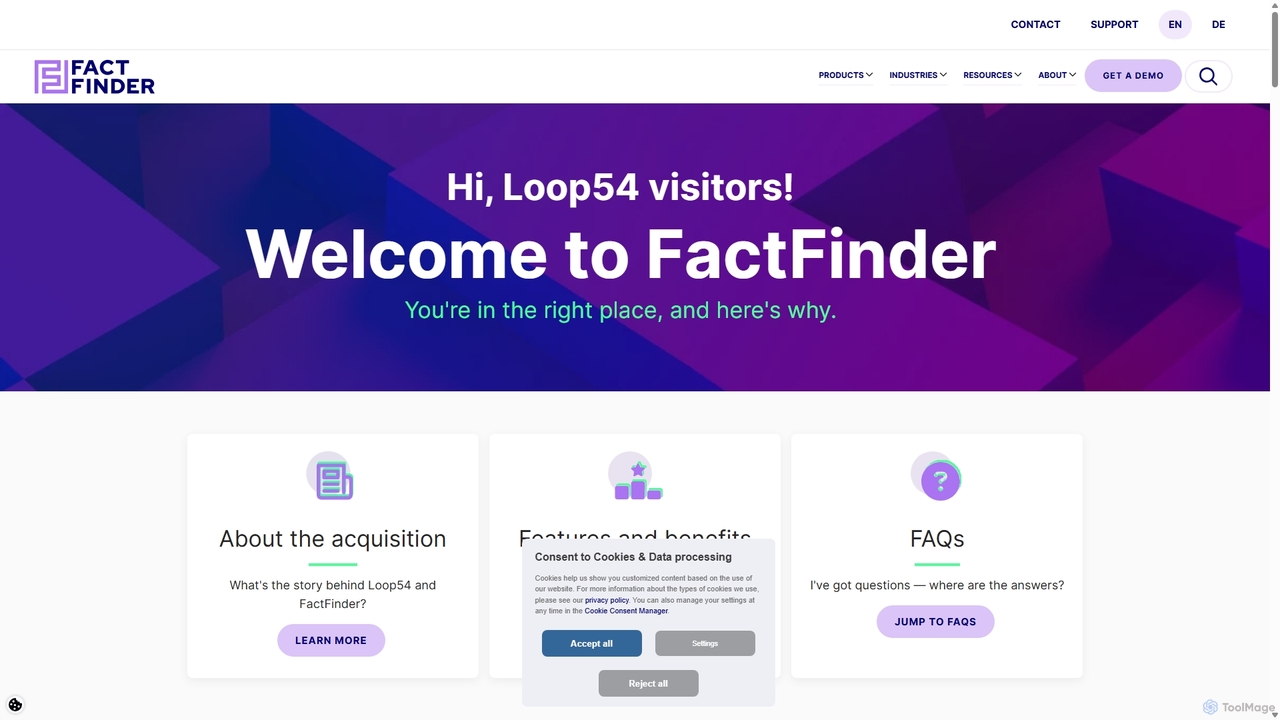
Loop54, now evolved into FactFinder Infinity, is a leading AI-powered platform for eCommerce personalization, search, and merchandising. It helps online retailers deliver 1:1 personalized shopping experiences by analyzing real-time user behavior to increase conversions, boost average order value, and enhance customer satisfaction. The platform offers a powerful blend of AI automation and manual control, trusted by over 2,000 online shops worldwide.

Personalization
Visits 12.9KFavorites 112Likes 113
Octane AI
Freemium

Octane AI

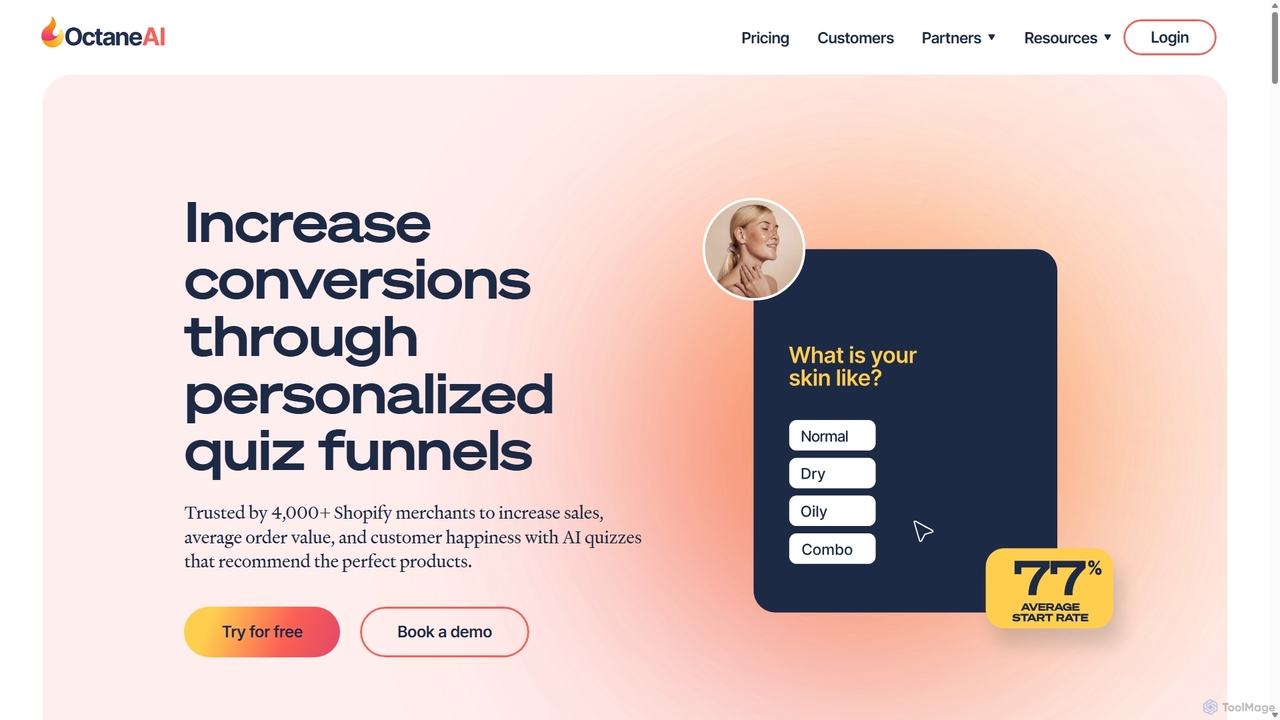
Octane AI is a leading AI-powered quiz platform for Shopify merchants. It enables brands to create personalized quiz funnels that recommend products, capture valuable zero-party data, and significantly increase conversions, average order value, and customer engagement. Trusted by thousands of top brands, it's the only Shopify Plus Certified App for quizzes.

Customer Engagement
Visits 76.9KFavorites 132Likes 100
Stylitics
Paid

Stylitics

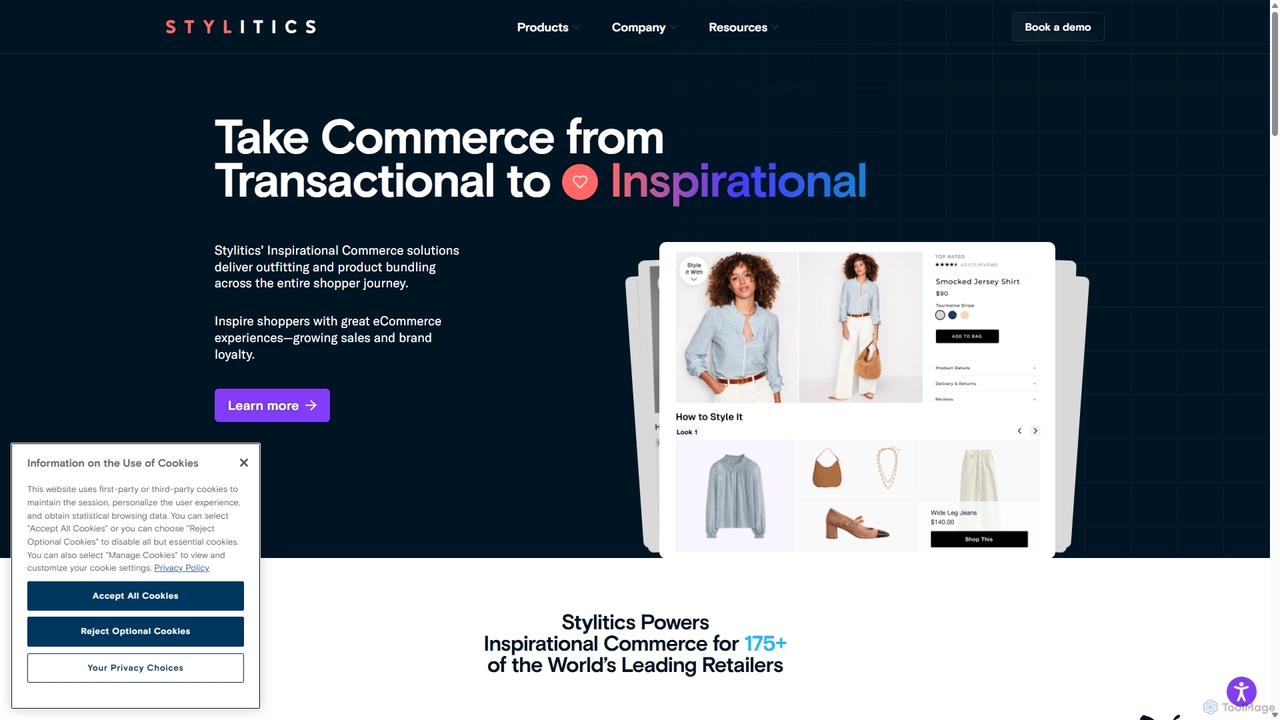
Stylitics is an AI-powered Inspirational Commerce platform for retailers. It transforms the online shopping experience by automatically creating personalized product bundles, complete outfits, and shoppable content. This helps brands increase average order value (AOV), conversion rates, and customer loyalty by making commerce inspirational rather than just transactional.

Personalization
Visits 76.2KFavorites 144Likes 126
Nudge
Paid

Nudge

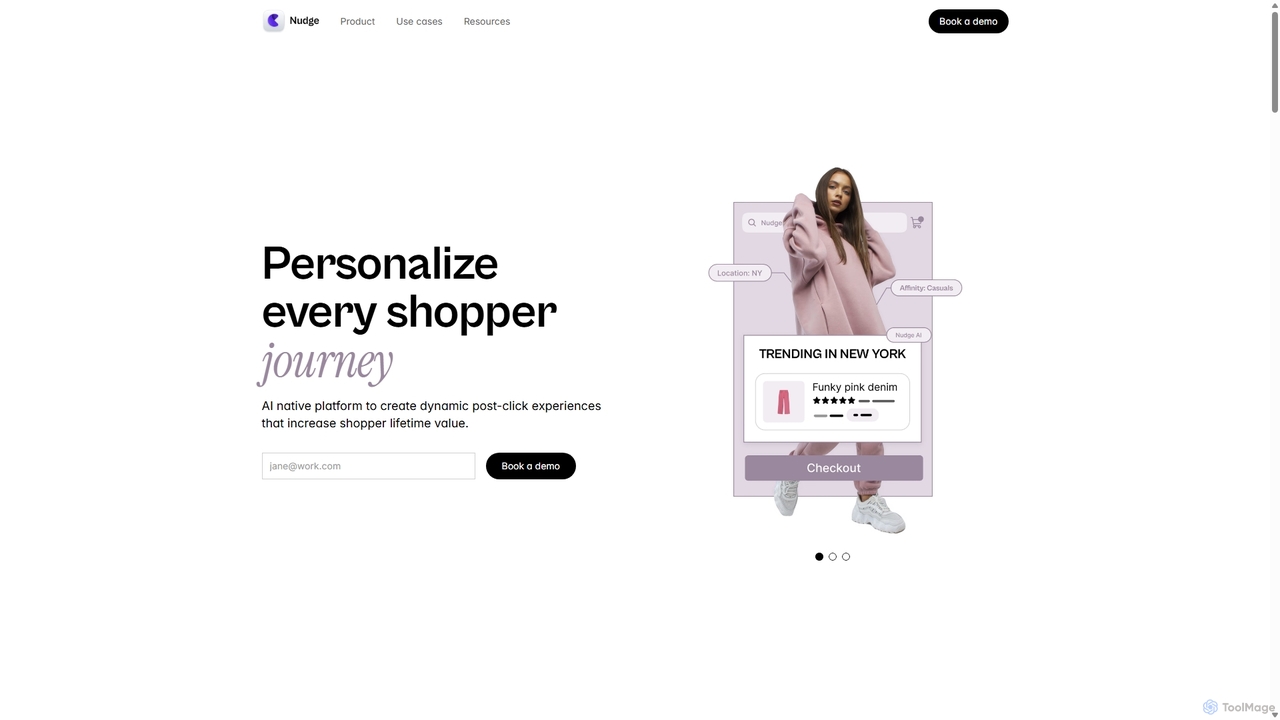
Nudge is an AI-native platform designed for e-commerce brands to personalize the entire shopper journey. It creates dynamic post-click experiences, from landing pages to checkout, adapting in real-time to shopper behavior and campaign context to increase lifetime value, AOV, and conversion rates.

Personalization
Visits 36.3KFavorites 144Likes 152
Vue.ai

Vue.ai

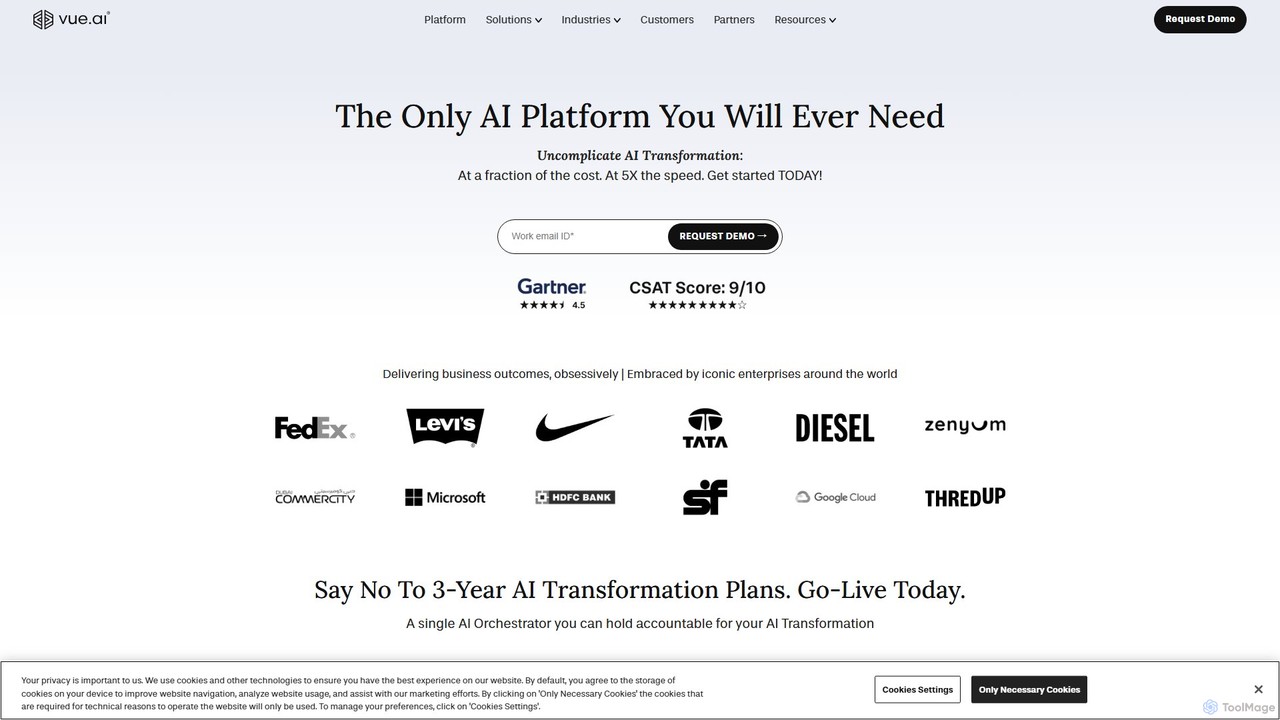
Vue.ai is an enterprise-grade AI orchestration platform designed to help businesses integrate and manage AI across their operations. It provides a unified, data-centric solution with low-code tools for building complex, automated workflows. The platform serves various industries, including finance, retail, and insurance, by enabling data preparation, adaptive automation, and personalized digital experiences.

Workflow Automation
Visits 43.6KFavorites 139Likes 121
SwiftERM
Freemium

SwiftERM

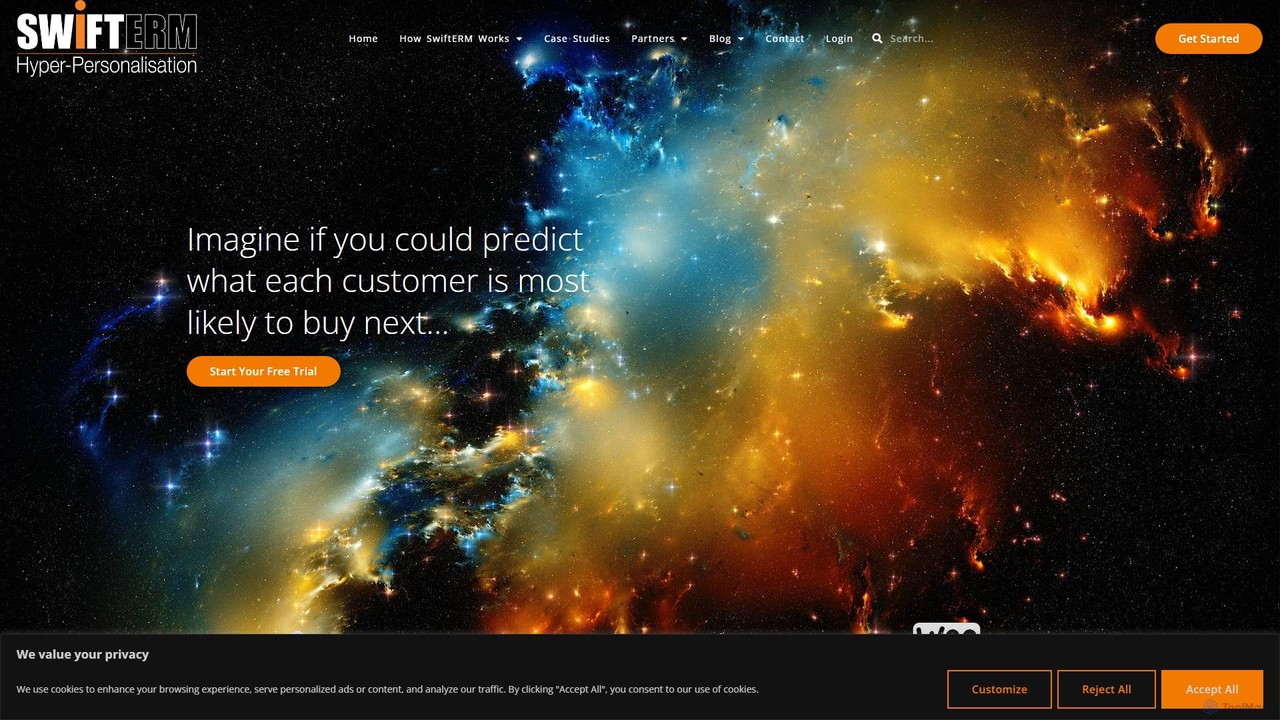
SwiftERM is an autonomous AI hyper-personalization software for e-commerce email marketing. It predicts what each customer is most likely to buy next by analyzing their browsing behavior and purchase history. The system then automatically sends a unique, personalized email at the optimal moment to drive sales. It operates without human intervention, aiming to significantly increase revenue, customer lifetime value (CLV), and return on investment (ROI) for online retailers.

Personalization
Visits 16.3KFavorites 149Likes 131
Contlo
Freemium

Contlo

Contlo is a leading generative AI marketing and support platform for e-commerce. It utilizes a unique Brand AI Model™ to automate and personalize marketing across email, SMS, WhatsApp, and social media, creating dynamic customer journeys and providing autonomous support.

Chatbot
Visits 25KFavorites 134Likes 135
obviyo
Freemium

obviyo

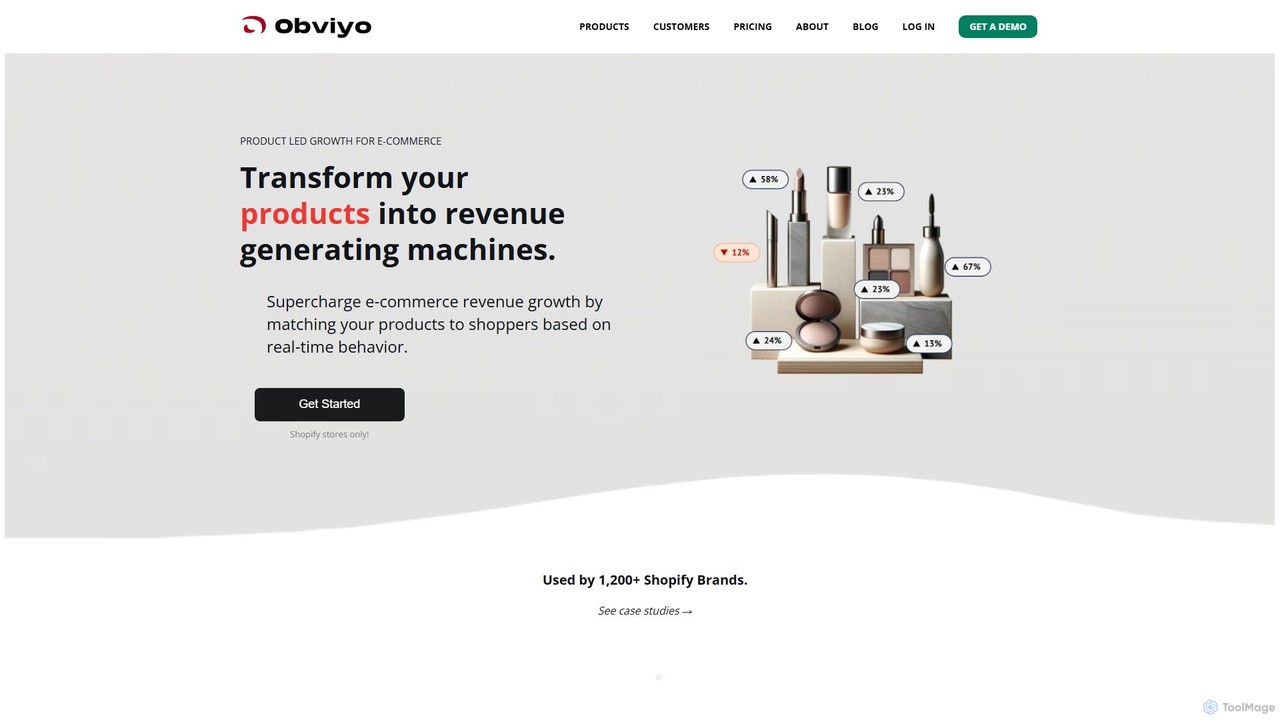
obviyo is an AI-powered Product-Led Growth platform designed exclusively for Shopify stores. It boosts e-commerce revenue by personalizing the shopping experience in real-time. Using AI 'Growth Bots', it matches products to shoppers based on their behavior, significantly increasing metrics like ROAS, revenue per visit, and customer lifetime value without requiring any coding.

Personalization
Visits 7.3KFavorites 115Likes 108
Tangent.AI
Freemium

Tangent.AI

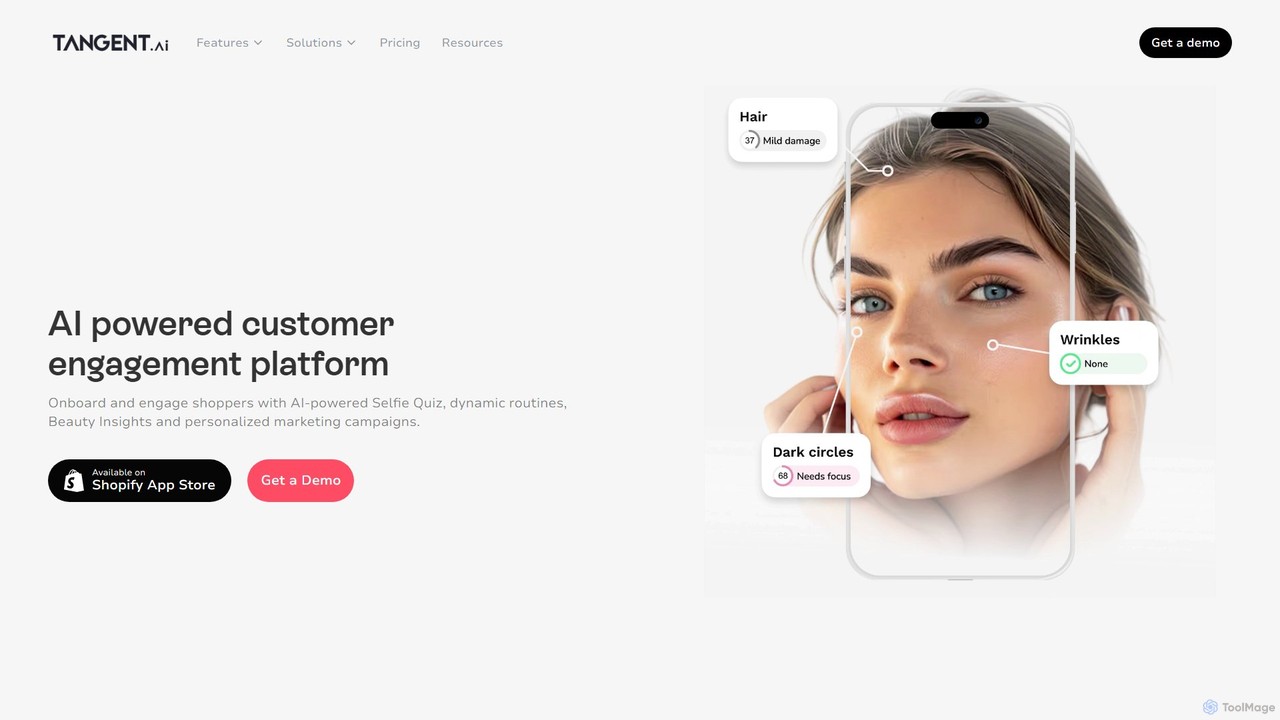
Tangent.AI is an AI-powered personalization platform for beauty brands. It uses AI skin and hair analysis, along with interactive Selfie Quizzes™, to provide personalized product recommendations, increase customer engagement, and boost sales for e-commerce and retail businesses.

Automation
Visits 18.7KFavorites 92Likes 85
Maverick
Freemium

Maverick

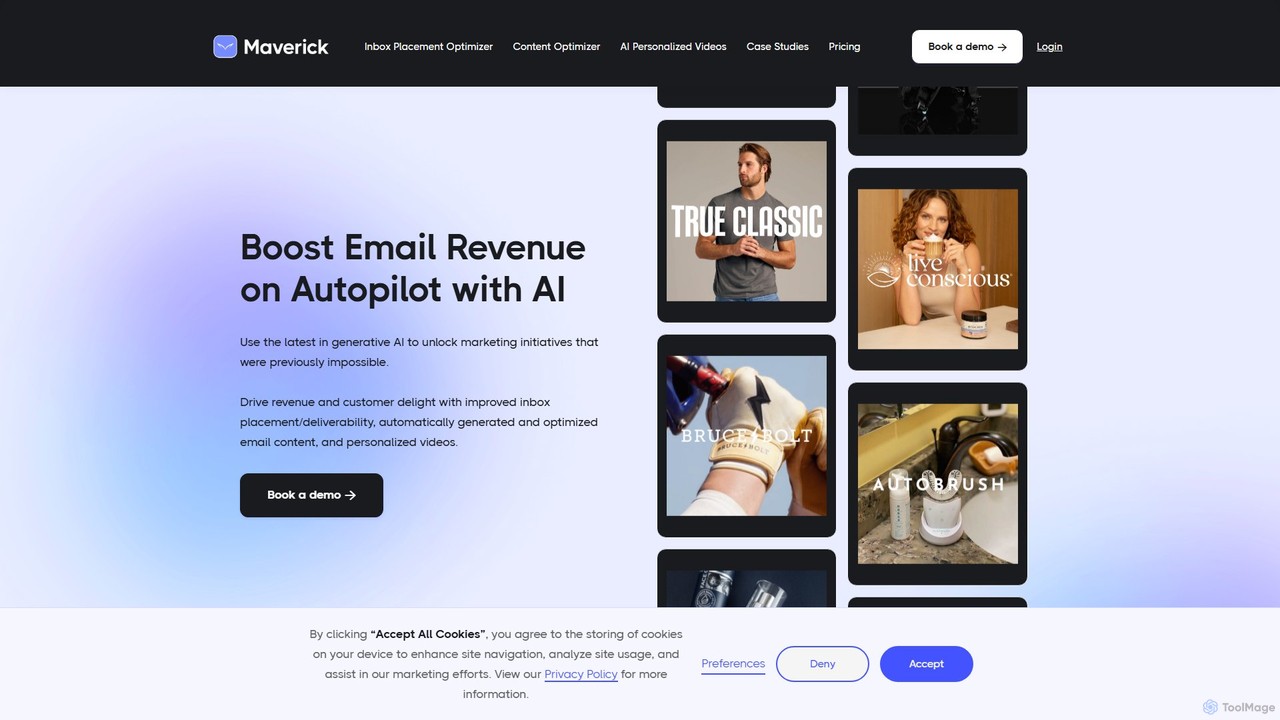
Maverick is an AI-powered email marketing platform for e-commerce. It boosts revenue by improving email deliverability, automatically generating and A/B testing high-performing subject lines, and creating personalized videos at scale to delight customers and increase engagement.

Personalization
Visits 20.1KFavorites 142Likes 152
enalito
Freemium

enalito

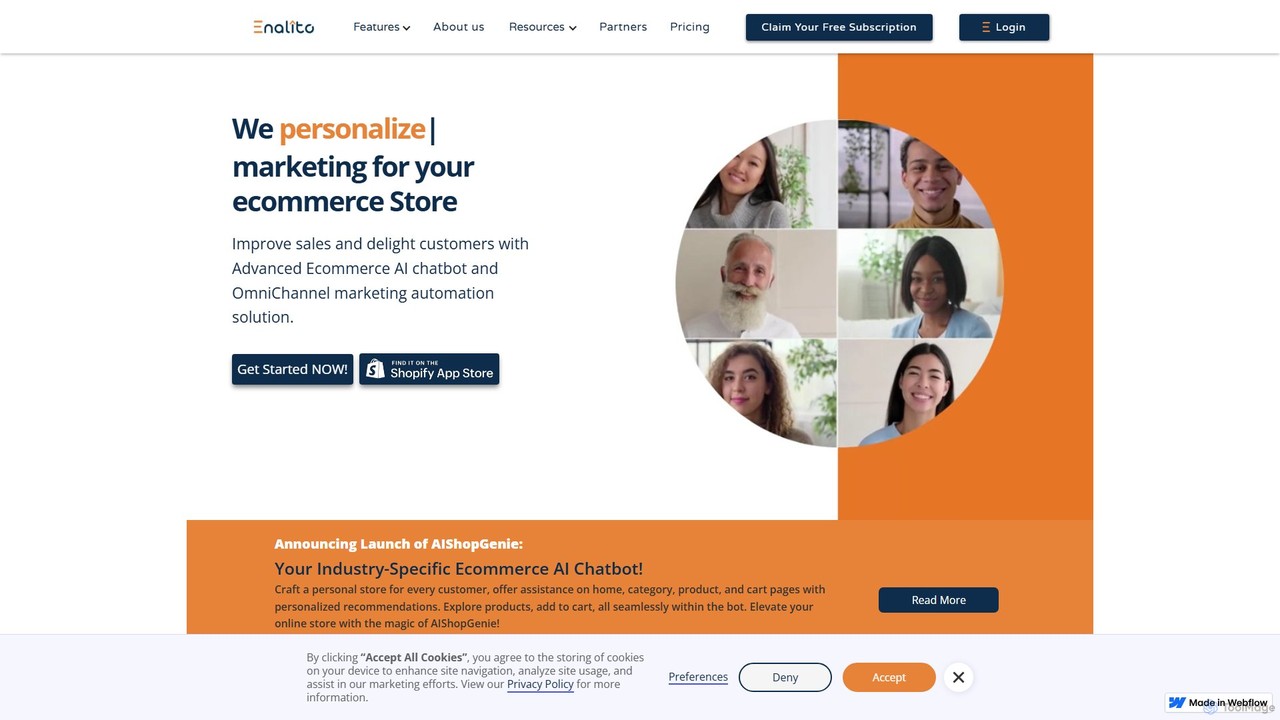
Enalito is an AI-powered, all-in-one marketing automation platform for e-commerce businesses. It enhances the customer experience through personalized recommendations, an advanced AI chatbot (AIShopGenie), omni-channel marketing, and smart customer segmentation. The platform aims to increase sales, boost conversion rates, and build customer loyalty by delivering tailored interactions at every stage of the customer journey.

Chatbot
Visits 5.7KFavorites 136Likes 130
CustomFit.ai
Freemium

CustomFit.ai

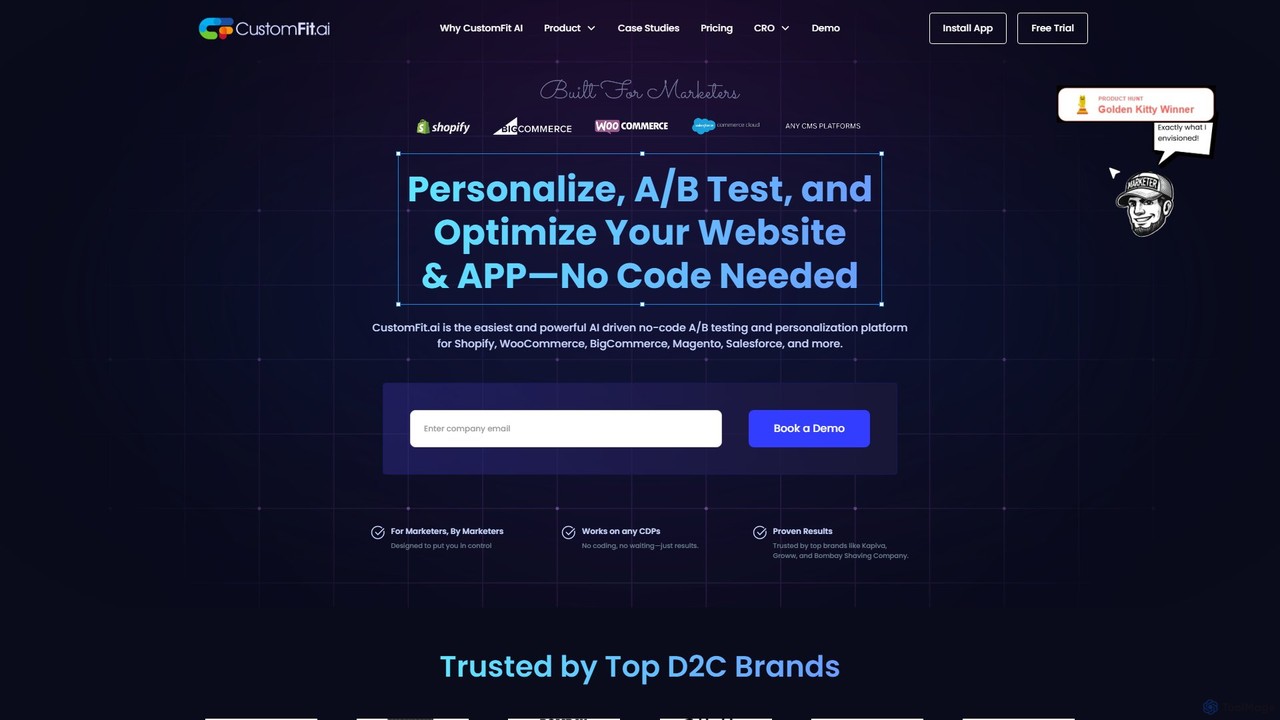
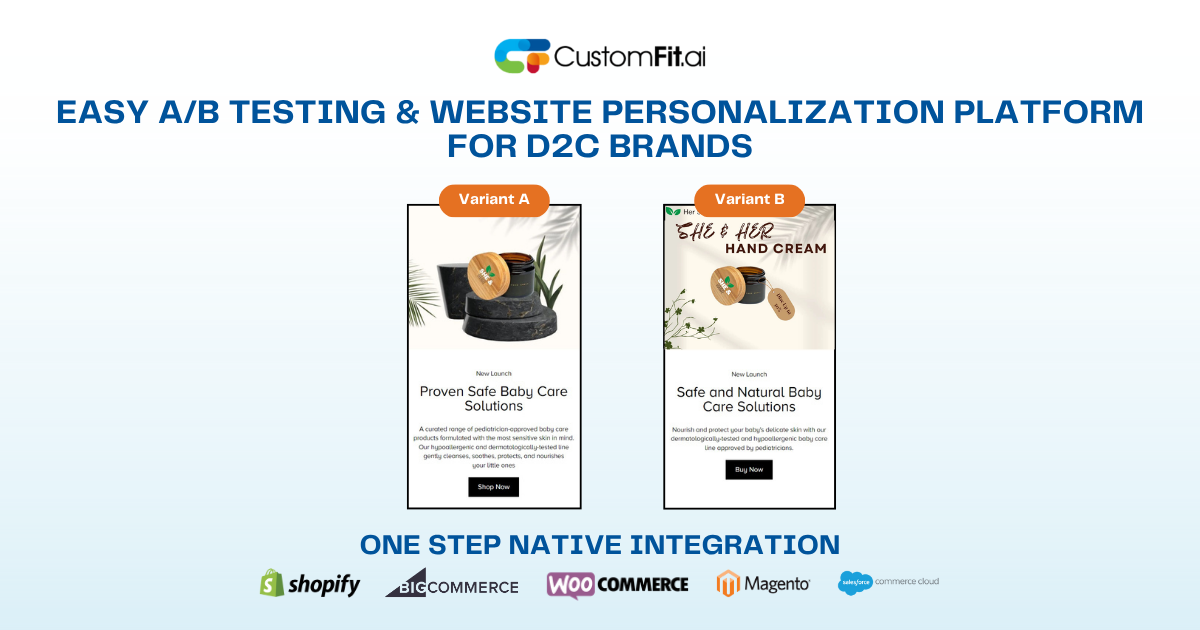
CustomFit.ai is an AI-driven, no-code platform for A/B testing, website personalization, and conversion rate optimization (CRO). Designed for marketers, it allows for easy modification of website content, hyper-targeted campaigns, and real-time performance tracking to boost engagement and sales on platforms like Shopify, WooCommerce, and more.

B Testing
Visits 14.9KFavorites 163Likes 161
secretsaucepartners
Paid

secretsaucepartners

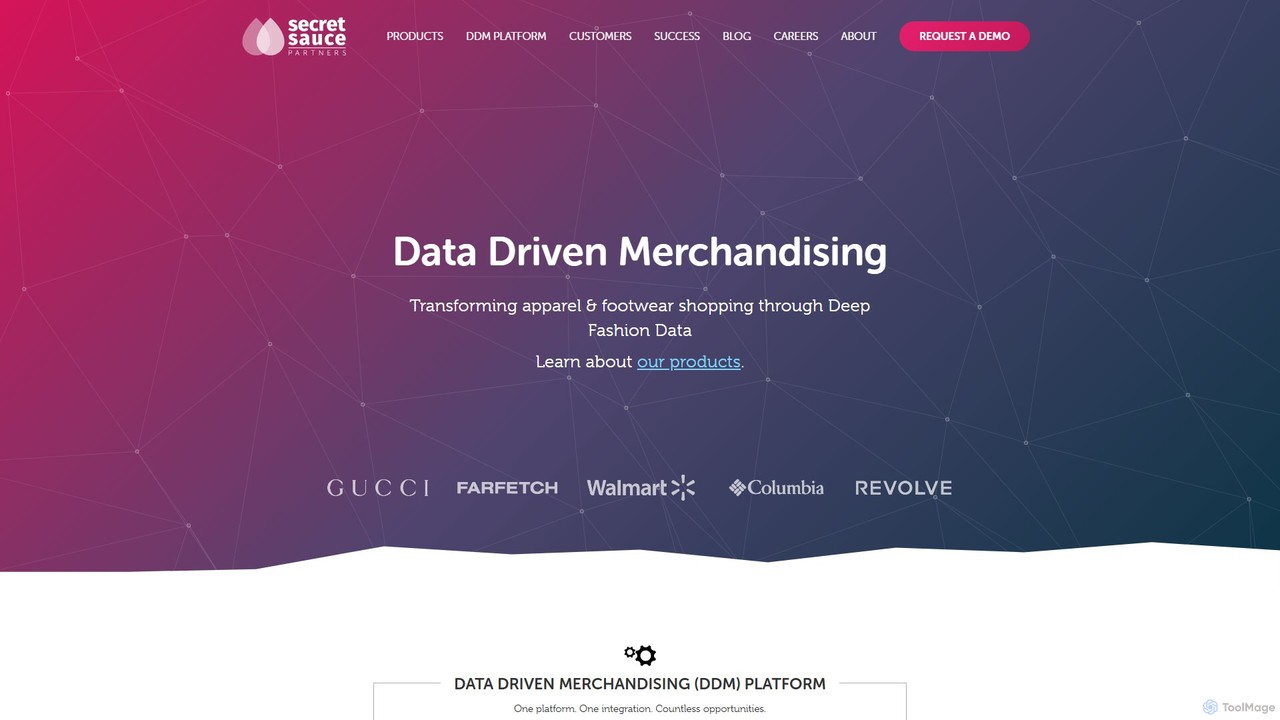
A data-driven merchandising platform for apparel and footwear retailers. It uses AI and Deep Fashion Data to power tools like Fit Predictor, Style Finder, and Outfit Maker, enhancing the shopping experience, increasing conversions, and boosting customer loyalty.

Api
Visits 7KFavorites 113Likes 125

About Personalization

Personalization tools are AI-powered solutions designed to tailor the e-commerce experience for individual customers. These tools leverage machine learning algorithms to analyze vast amounts of customer data, including browsing history, purchase behavior, and demographics. Their primary goal is to deliver highly relevant product recommendations, dynamic content, and targeted offers, significantly enhancing customer engagement and driving higher conversion rates within online retail environments.

Core Features

  • Product Recommendation Engines: Automatically suggest relevant products to customers based on their past interactions, similar users' behavior, or product attributes.
  • Dynamic Content & Layout Optimization: Adjust website elements like banners, promotions, and page layouts in real-time to match individual visitor preferences.
  • Personalized Email & Push Notifications: Deliver tailored marketing messages, abandoned cart reminders, and promotional offers directly to specific customer segments.
  • Personalized Search & Navigation: Optimize search results and category listings to prioritize products most likely to appeal to an individual user.
  • Predictive Analytics for Customer Segments: Identify and segment customers based on predicted future behavior, such as churn risk or likelihood to purchase specific categories.

Applicable Scenarios

E-commerce personalization tools are crucial for online retailers aiming to create unique shopping journeys. They are widely used by large e-commerce platforms to manage diverse product catalogs, by fashion brands to showcase relevant styles, and by subscription services to customize offerings based on user preferences, ultimately fostering loyalty and increasing average order value.

How to Choose

When selecting a personalization tool, consider its data integration capabilities with existing CRM or CDP systems, the flexibility for A/B testing and customization, and its scalability to handle growing traffic and data volumes. Evaluate the ease of implementation, ongoing management requirements, and the vendor's support, alongside a clear understanding of its ROI measurement features.

Featured tool rankings

Personalization use cases

1

Personalized Product Recommendations on Homepage

An online electronics retailer uses AI to analyze a customer's past purchases and browsing history, displaying a curated selection of laptops, accessories, or smart home devices on their homepage, increasing the likelihood of an impulse purchase.

2

Dynamic Content for Fashion E-commerce

A fashion brand's website dynamically changes its hero banners and featured collections based on a visitor's gender, location, or previously viewed clothing styles, ensuring a highly relevant visual experience from the moment they land on the site.

3

Targeted Email Campaigns for Abandoned Carts

An e-commerce platform automatically sends personalized email reminders to customers who left items in their cart. The email might include a small discount on those specific items or suggest complementary products, significantly improving recovery rates.

4

Optimized Search Results for Specific Preferences

A customer searching for "coffee makers" on a kitchenware site sees results prioritized by their preferred brand, price range, or brewing method, learned from their previous interactions, making product discovery faster and more satisfying.

5

Personalized Subscription Box Curation

A beauty subscription service uses personalization AI to select specific products for each subscriber's monthly box, based on their skin type, preferences, and feedback from previous boxes, leading to higher satisfaction and retention.

6

Real-time Personalized Promotions

A travel booking website offers dynamic discounts on hotels or flights to a returning customer based on their past travel destinations, booking patterns, and loyalty status, encouraging repeat bookings and increasing customer lifetime value.

Personalization FAQ

What are AI Personalization tools in E-commerce?

AI Personalization tools in e-commerce are software solutions that use artificial intelligence and machine learning to deliver unique, tailored experiences to individual online shoppers. They analyze customer data like browsing history, purchase patterns, and demographics to predict preferences and present highly relevant products, content, and offers, aiming to enhance engagement and boost sales.

How do Personalization tools improve e-commerce sales?

Personalization tools improve e-commerce sales by making the shopping experience more relevant and engaging. They lead to higher conversion rates through targeted product recommendations, increased average order value (AOV) by suggesting complementary items, and improved customer loyalty by creating a more satisfying and efficient shopping journey. This relevance reduces bounce rates and encourages repeat purchases.

What's the difference between personalization and segmentation in e-commerce?

Segmentation involves dividing customers into broad groups based on shared characteristics (e.g., demographics, purchase history) and then targeting these groups with specific messages. Personalization, on the other hand, takes this a step further by tailoring content and offers to individual customers in real-time, often within those segments, based on their unique, dynamic behavior and preferences. Personalization is a more granular, one-to-one approach.

What data do e-commerce personalization tools use?

E-commerce personalization tools utilize a wide array of data, including behavioral data (page views, clicks, search queries, cart additions), transactional data (purchase history, order value), demographic data (age, location, gender), and contextual data (device type, time of day). This data is processed by AI algorithms to build comprehensive customer profiles and predict future actions, all while adhering to privacy regulations.

How to choose the best personalization tool for an online store?

To choose the best personalization tool, assess its compatibility with your existing e-commerce platform and data sources. Look for robust AI capabilities, flexible customization options, and comprehensive A/B testing features. Consider its scalability, ease of use for your team, and the quality of customer support. Finally, evaluate the pricing model and ensure it aligns with your budget and expected return on investment.