ToolMage
Sign in

Best 6 Product Visualization AI tools for Ecommerce

Popular Product Visualization AI tools in Ecommerce include Pacdora, soona, Zolak, E-Commerce AI, Kartiv, and Spring, helping you work more efficiently.

Zolak
Paid

Zolak

Zolak is an AI-powered 3D product visualization platform for e-commerce. It transforms online shopping with immersive experiences like real-time 3D configurators, AR product try-ons, and virtual showrooms. By allowing customers to realistically visualize and customize products, Zolak helps businesses increase conversion rates, boost average order value, and reduce returns, effectively bridging the gap between digital browsing and confident purchasing.

3D Modeling
Visits 9.6KFavorites 152Likes 147
E-Commerce AI
Freemium

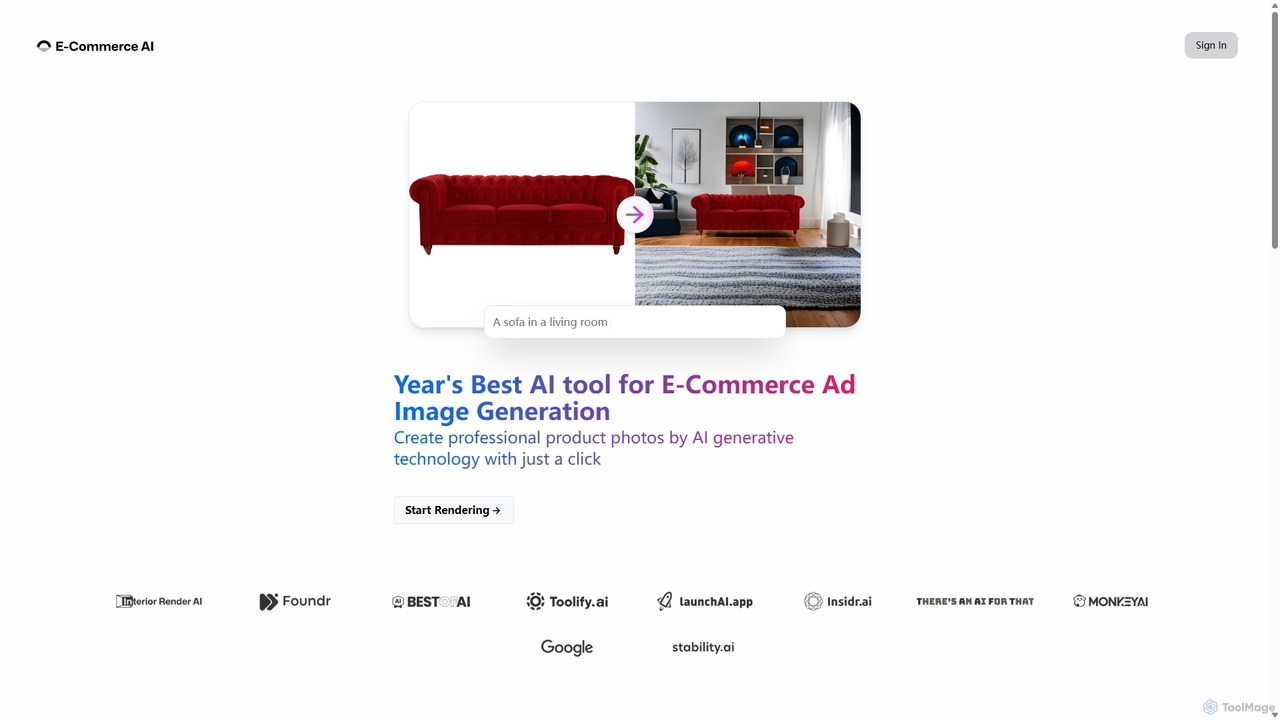
E-Commerce AI

E-Commerce AI is a powerful generative AI tool that transforms simple product photos into professional, studio-quality images in seconds. Upload a product picture, write a text prompt, and generate realistic lifestyle shots, marketing ad visuals, and catalog images without expensive photoshoots.

Product Visualization
Visits 4.5KFavorites 120Likes 122
Spring
Freemium

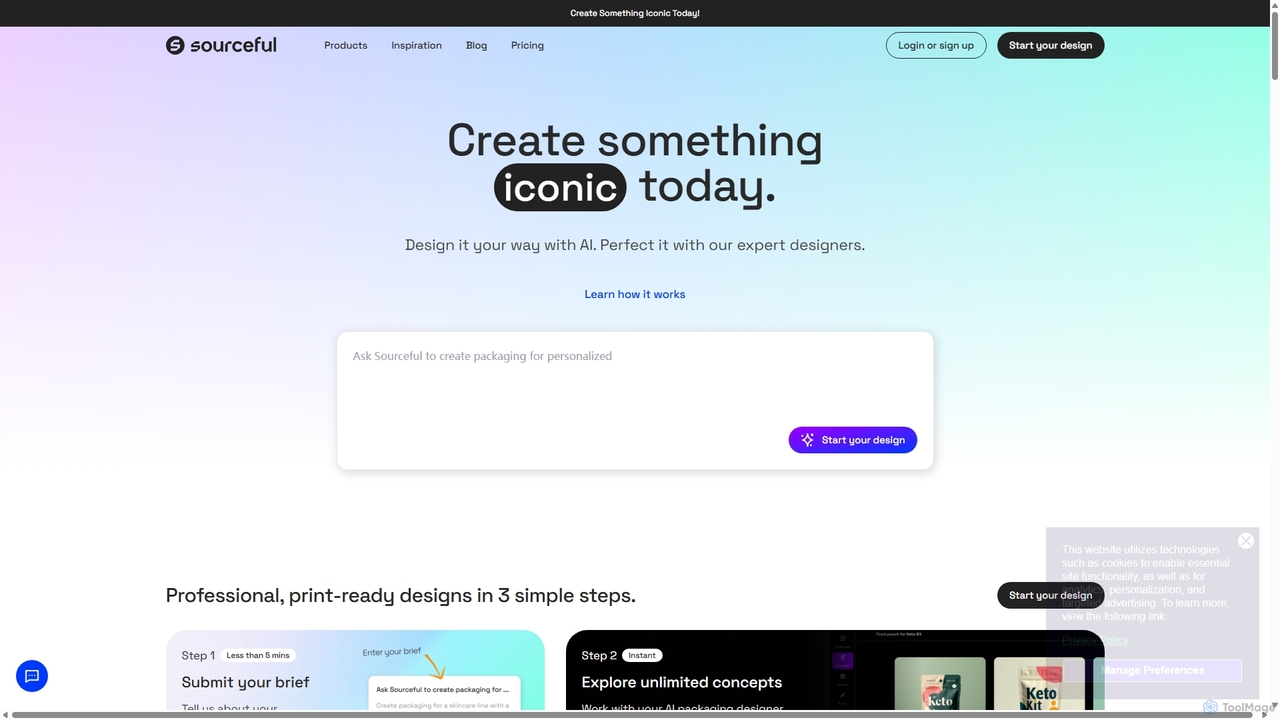
Spring

Spring is an AI-powered packaging design platform by Sourceful, combining limitless concept generation with professional human designers. Instantly create countless packaging ideas tailored to your brand, then have a professional refine your chosen concept into a print-ready, fully compliant file in under 48 hours. It's the fastest way to get iconic, market-ready packaging.

Packaging Design
Visits 3.7KFavorites 137Likes 140
Kartiv
Freemium

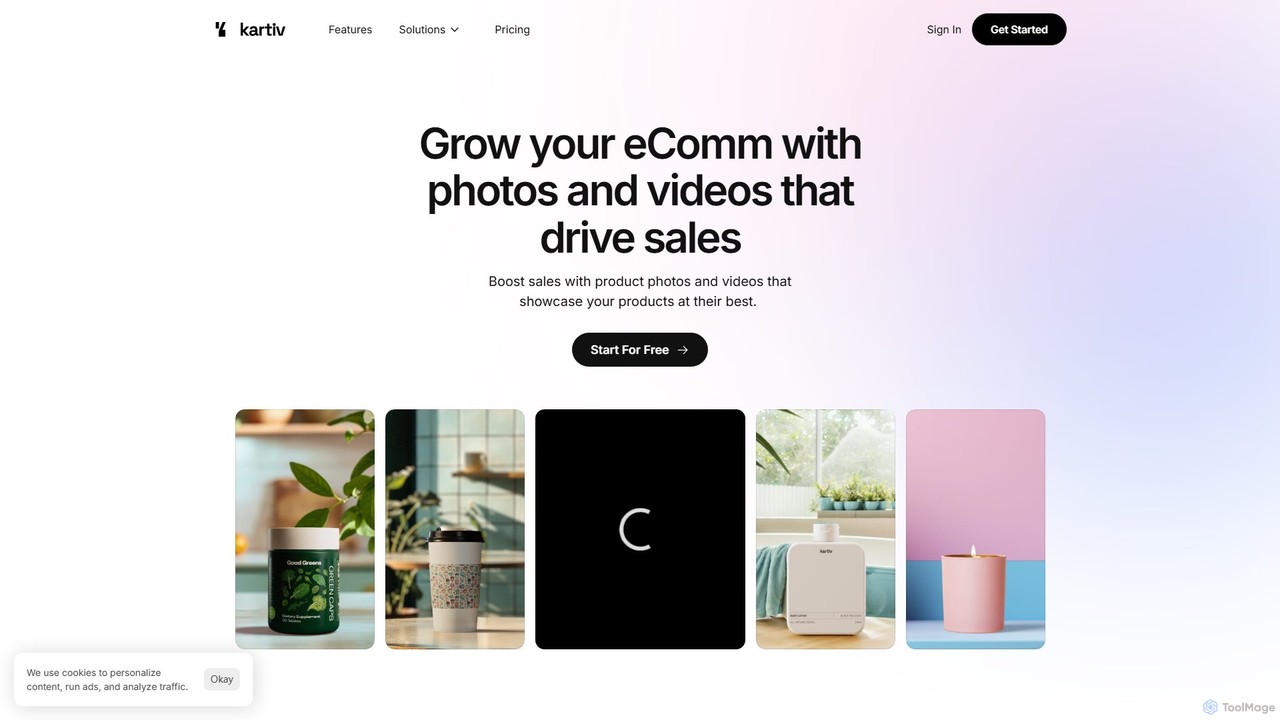
Kartiv

Kartiv is an AI-powered platform designed for eCommerce businesses and marketing agencies to effortlessly create high-quality product photos and videos. It transforms simple product images into stunning, sales-driving visual content, including 3D animations and lifestyle shots, without requiring any design skills. The platform aims to boost conversions, enhance brand storytelling, and save significant time and money compared to traditional photoshoots.

Image Generation
Visits 4.4KFavorites 90Likes 88
Pacdora
Freemium

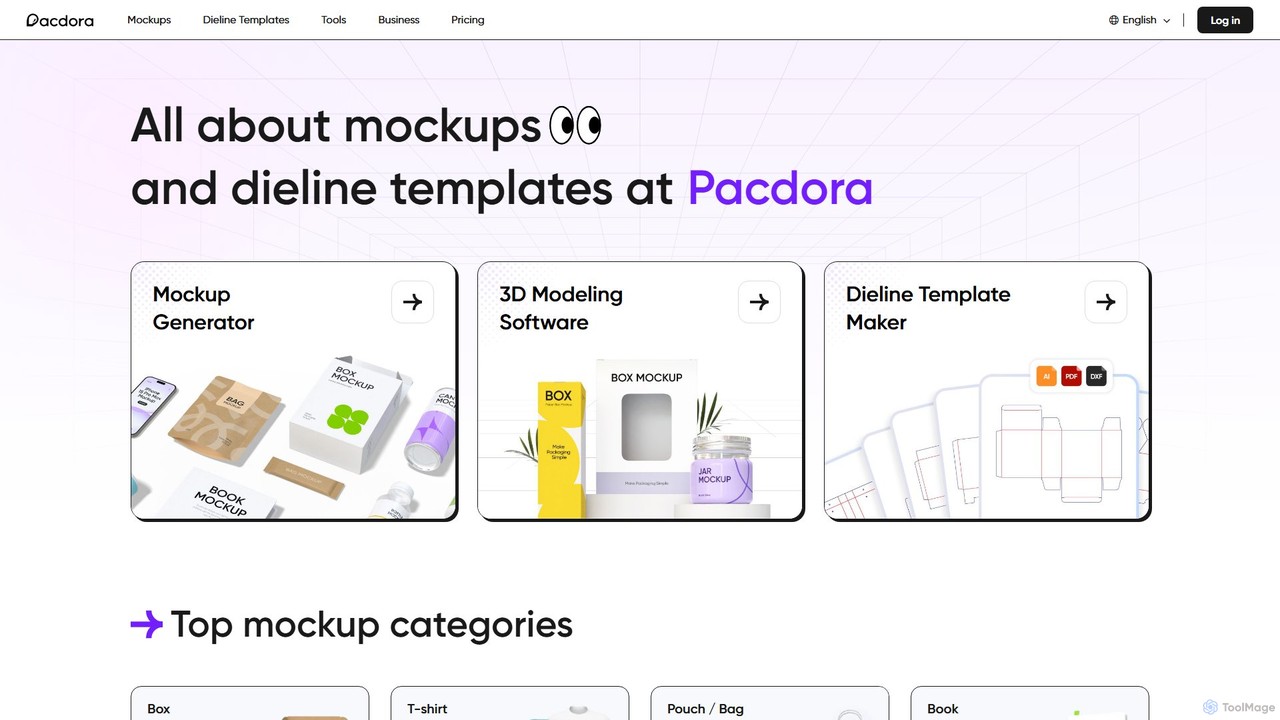
Pacdora

Pacdora is an all-in-one online design platform specializing in 3D mockups, dieline templates, and product visualization. It features a user-friendly mockup generator, a professional dieline maker, intuitive 3D modeling software, and an AI background generator. Ideal for designers, marketers, and e-commerce businesses, Pacdora simplifies the creation of photorealistic product presentations without requiring complex software or technical skills.

3D
Visits 1.6MFavorites 88Likes 82
soona
Paid

soona

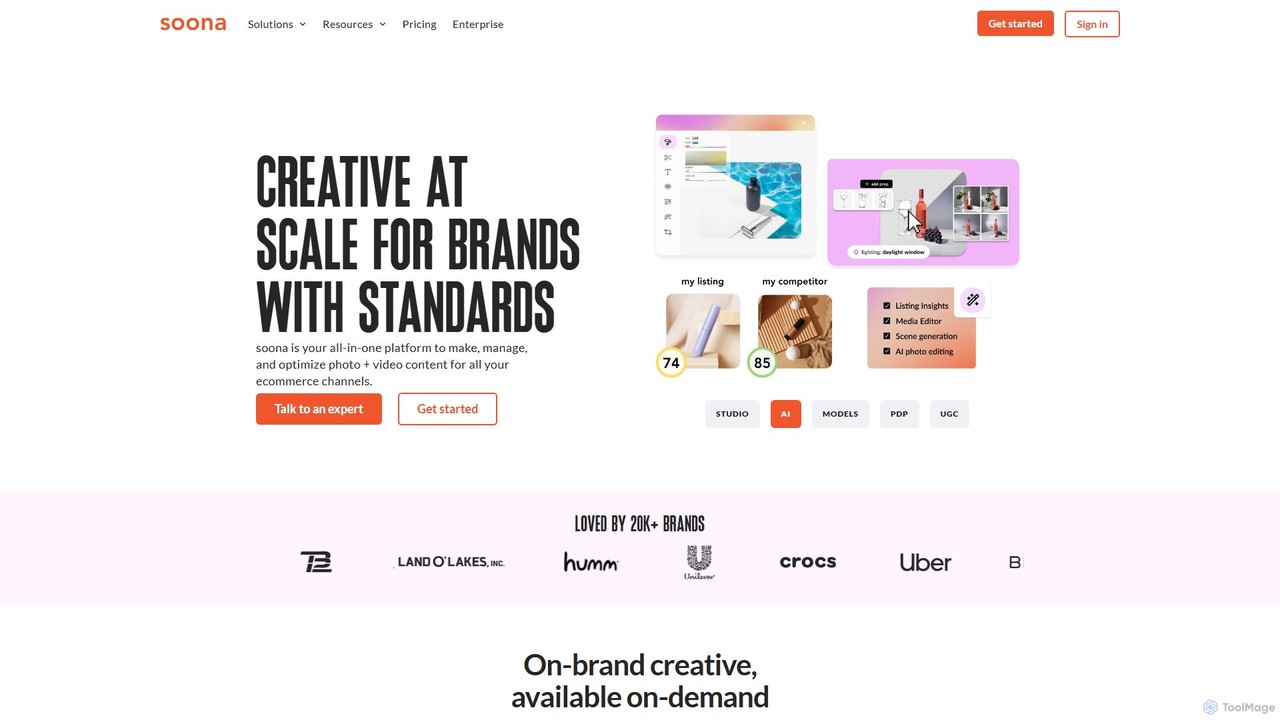
soona is an all-in-one creative platform for e-commerce, combining virtual photo and video shoots with powerful AI tools. It enables brands to create, manage, and optimize high-quality visual content quickly and affordably, with real-time collaboration and a 24-hour turnaround.

Image Generation
Visits 115.2KFavorites 94Likes 111

About Product Visualization

AI Product Visualization tools are a specialized category of software that uses generative AI to create high-quality, photorealistic images and 3D models of products. These tools leverage advanced algorithms to transform text descriptions or 2D photos into lifelike visuals, often placing them in virtual scenes. They enable e-commerce businesses and designers to produce stunning product imagery for marketing and sales without the need for physical photoshoots. This process significantly reduces costs, accelerates time-to-market, and allows for endless creative variations.

Core Features

  • 3D Model Generation: Automatically create detailed 3D models from a series of 2D images or text prompts.
  • Virtual Staging: Place product models into diverse, AI-generated scenes and environments for lifestyle shots.
  • Photorealistic Rendering: Produce high-fidelity images with accurate lighting, shadows, and material textures.
  • Material and Texture Customization: Apply or generate realistic materials like wood, metal, or fabric to product surfaces.
  • AR-Ready Exports: Generate models in formats compatible with augmented reality applications for virtual try-on experiences.

Use Cases

These tools are primarily used by e-commerce brands, furniture retailers, fashion companies, and product designers. For instance, a furniture store can showcase a sofa in hundreds of different living room styles, or a consumer goods brand can generate marketing images for a new product before it's even manufactured.

How to Choose

When selecting a tool, consider the required output quality and realism. Evaluate its input methods (text, image, or CAD files), integration capabilities with platforms like Shopify, and support for AR formats (USDZ, GLB). Also, assess the user interface's complexity and the pricing model, such as per-render versus subscription.

Featured tool rankings

Product Visualization use cases

1

Create E-commerce Listings Without Photoshoots

An online furniture retailer needs to launch a new chair collection with 20 different fabric options. Instead of organizing 20 separate, costly photoshoots, the marketing team uses an AI product visualization tool. They upload a single 3D model of the chair and apply various AI-generated fabric textures. The tool then places the chair in dozens of virtual room settings, generating hundreds of unique, high-resolution lifestyle images for their Shopify store and social media, reducing content creation time by over 90%.

2

Generate Lifestyle Imagery for Marketing Campaigns

A beverage company is launching a new canned drink and needs compelling visuals for an Instagram campaign. The marketing team provides text prompts like 'canned drink on a sunny beach next to a book' or 'product on a modern kitchen counter at sunrise.' The AI tool generates a wide array of on-brand, photorealistic images. This allows them to A/B test different visual concepts and create targeted ads for various audience segments without the logistics of a physical shoot.

3

Visualize Product Prototypes for Design Feedback

A product design team at a consumer electronics firm has developed a new smart speaker. Before committing to expensive physical prototypes, they use an AI visualization tool to create realistic 3D renders from their CAD files. They can instantly visualize the speaker in different colors, materials, and home environments. These visuals are then shared with stakeholders and focus groups to gather early feedback, enabling faster design iterations and reducing manufacturing risks.

4

Create Interactive 360° Product Views

A luxury watch brand wants to enhance its online customer experience. Using an AI product visualization tool, they convert high-resolution photos of their watches into interactive 3D models. These models are embedded on their product pages, allowing customers to rotate, zoom, and inspect every detail of the watch from all angles. This immersive 360° view increases user engagement and purchase confidence, mimicking the in-store browsing experience.

5

Develop Virtual Try-On for Fashion and Accessories

An online eyewear store aims to reduce return rates by helping customers choose the right frames. They use an AI tool to create accurate 3D models of their entire glasses collection. By integrating an AR module, customers can use their smartphone cameras to virtually 'try on' different frames in real-time. This interactive experience helps shoppers make better decisions, leading to higher conversion rates and improved customer satisfaction.

6

Customize Products for B2B Sales Presentations

A manufacturer of office furniture needs to present custom solutions to corporate clients. During a sales meeting, the representative uses an AI visualization tool on a tablet. They can instantly change the desk's material, the chair's color, and the layout of an entire office space based on the client's feedback. This real-time visualization makes the presentation more engaging and helps close deals faster by showing the client exactly what they will get.

Product Visualization FAQ

What is AI Product Visualization?

AI Product Visualization is the use of artificial intelligence to generate realistic digital representations, such as images and 3D models, of products. Unlike simple photo editing, these tools can create visuals from scratch using text prompts or 2D images, place products in virtual environments, and simulate various materials and lighting conditions. They are primarily used in e-commerce and product design to create high-quality marketing assets without physical photography.

How do I choose the right AI Product Visualization tool?

To choose the right tool, consider four key factors. First, assess the output quality and level of realism you need. Second, check the supported input formats (e.g., text, 2D images, 3D files). Third, evaluate its integration capabilities with your existing platforms, such as Shopify or WooCommerce. Finally, consider the pricing structure (per-image or subscription) and whether the tool's complexity matches your team's technical skills.

What is the difference between AI Product Visualization and traditional photography?

The main difference is the creation process and flexibility. Traditional photography captures a real, physical object in a specific setting, which is costly and time-consuming to change. AI Product Visualization creates a digital asset that can be endlessly modified and placed in any virtual scene. This offers greater scalability, speed, and creative freedom, allowing brands to generate thousands of visual variations at a fraction of the cost of a physical photoshoot.

What are the main benefits of using AI for product visuals?

The primary benefits include significant cost reduction by eliminating photoshoots, accelerated speed to market for new products, and enhanced creative flexibility. AI tools allow for the creation of unlimited visual variations (different settings, angles, styles) for A/B testing and personalization. They also enable the visualization of products before they are manufactured, reducing design risks and improving stakeholder communication.

Who should use AI Product Visualization tools?

These tools are ideal for e-commerce managers, marketers, product designers, and brand managers. E-commerce businesses use them to create compelling product listings and lifestyle images. Marketing teams use them to generate content for social media and advertising campaigns. Product designers leverage them to create realistic prototypes for feedback and iteration, helping to streamline the entire product development lifecycle.