ToolMage
Sign in

Best 397 Learning AI tools for Education

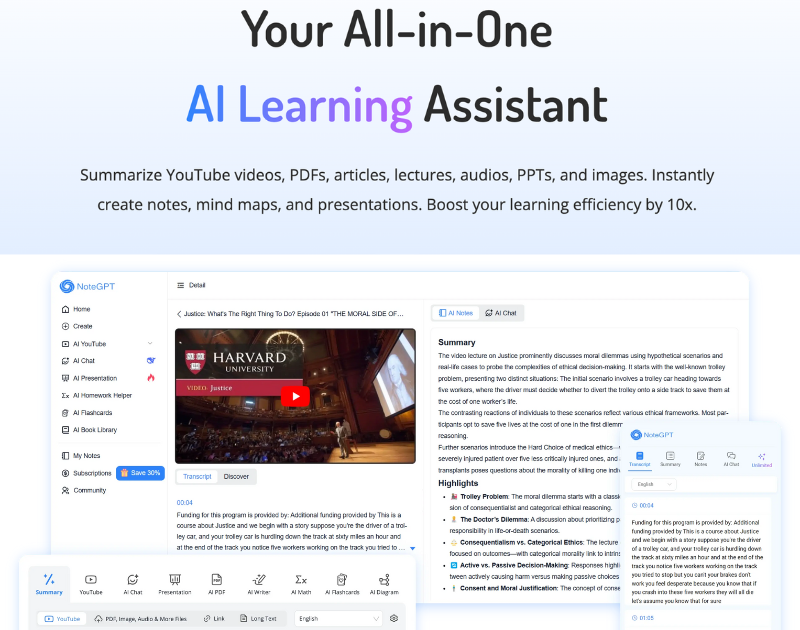
Popular Learning AI tools in Education include doubao, TurboScribe, Grammarly, NoteGPT, Consensus, OpenAI API Playground, metaso, Moises, PictureThis, and Quick, Draw!, helping you work more efficiently.

kiwi
Freemium

kiwi

kiwi is an AI-powered video learning assistant that transforms how you interact with online videos. It allows you to ask questions, get instant summaries, and create quizzes from any video, making learning more efficient and engaging. Ideal for students, professionals, and lifelong learners.

Learning
Visits 6.4KFavorites 144Likes 126
TubeSum
Freemium

TubeSum

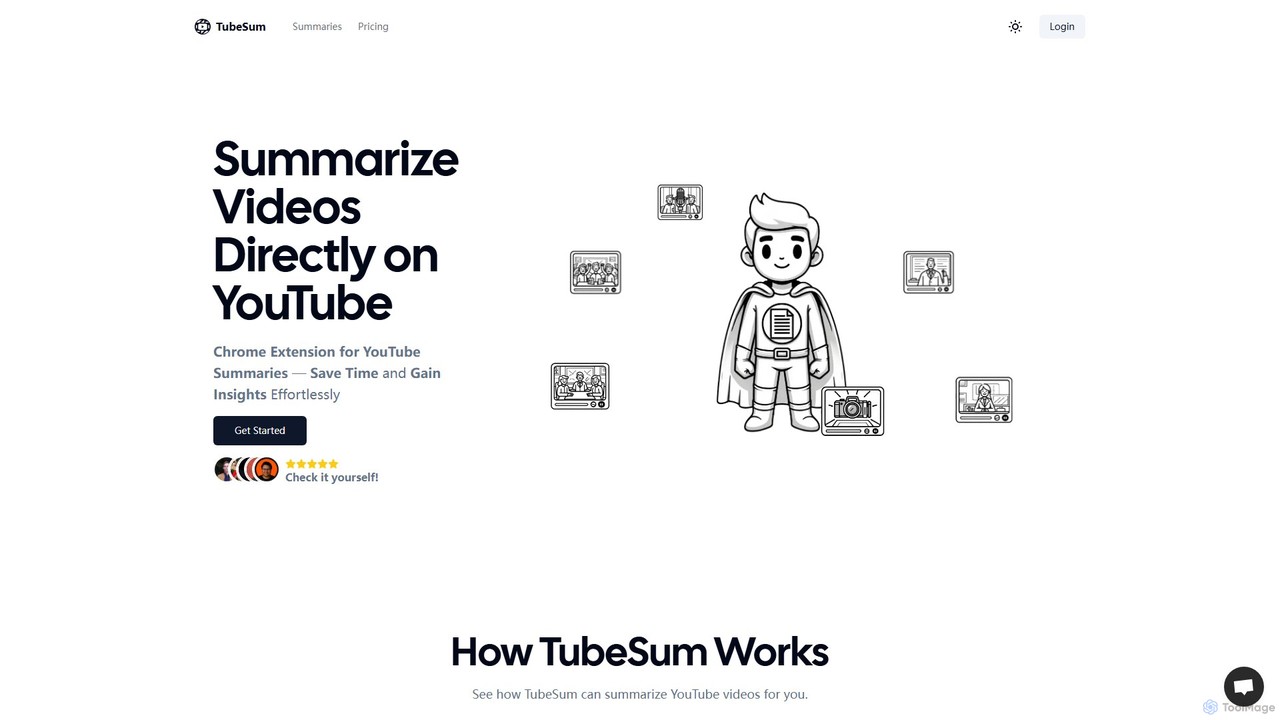
TubeSum is an AI-powered Chrome extension that integrates directly with YouTube to provide concise video summaries. It helps users save time and quickly grasp key insights from long videos like lectures, tutorials, reviews, and news broadcasts without watching them in their entirety.

Learning
Visits 5.6KFavorites 131Likes 154
Camel AGI
Freemium

Camel AGI

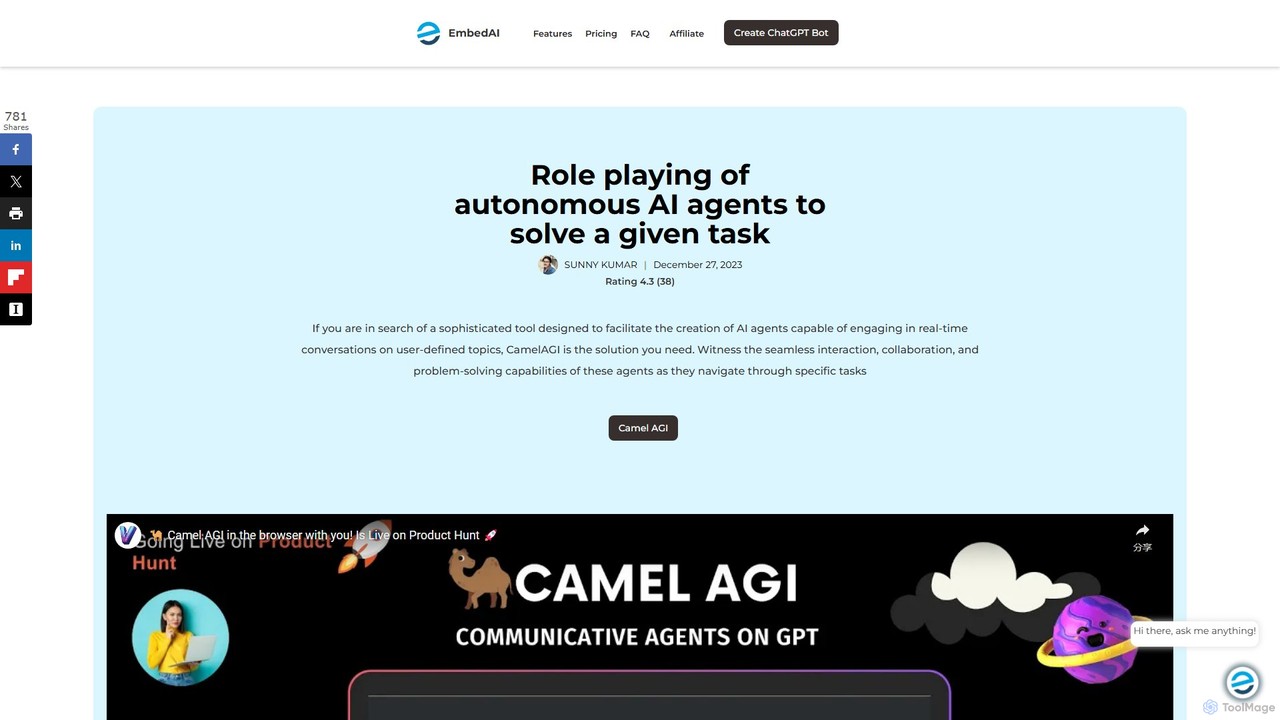
Camel AGI is a pioneering platform where two autonomous AI agents collaborate through role-playing to solve complex tasks. Inspired by BabyAGI and AutoGPT, it allows users to define roles and topics, then observe the agents' dynamic interaction and problem-solving process. It's designed for applications in education, development, creative writing, and business.

Agent
Visits 28.5KFavorites 150Likes 145
flashcard_generator
Freemium

flashcard_generator

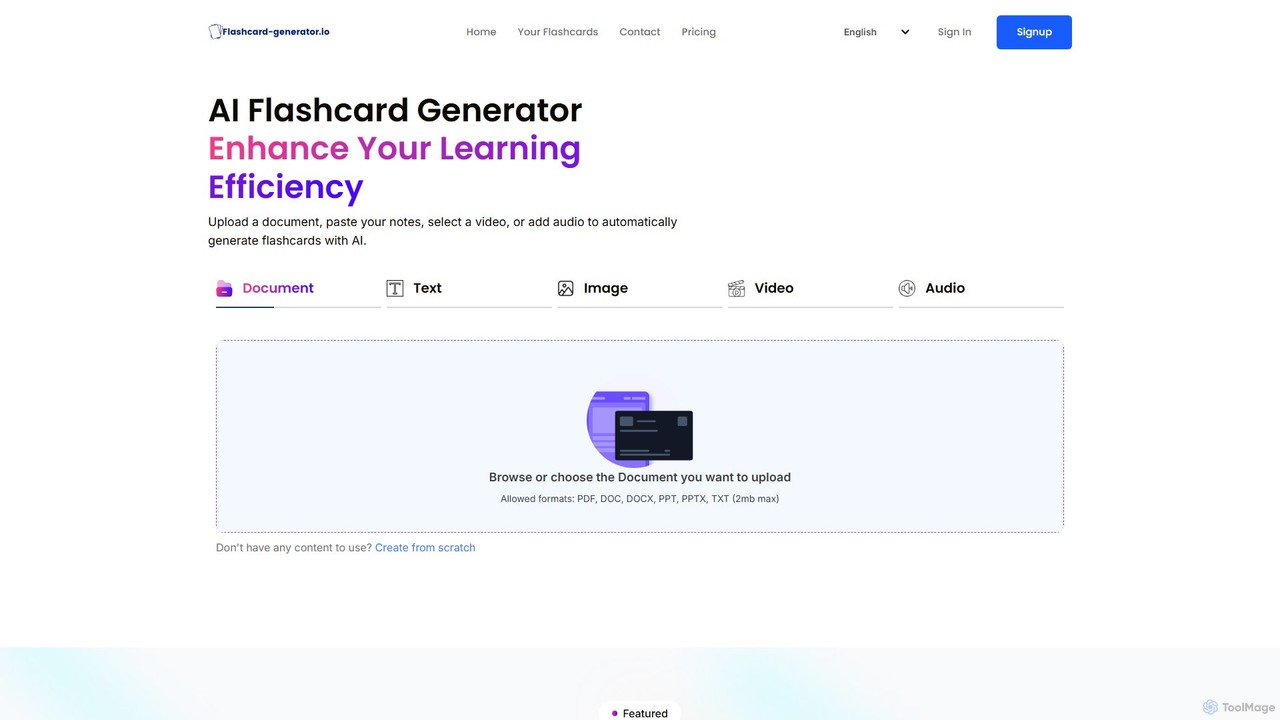
An AI-powered tool that automatically creates flashcards from various sources like documents, text, images, videos, and audio. It's designed to enhance learning efficiency, boost memory retention through active recall, and save students and professionals valuable time.

Learning
Visits 7.5KFavorites 115Likes 128
Audeus
Freemium

Audeus

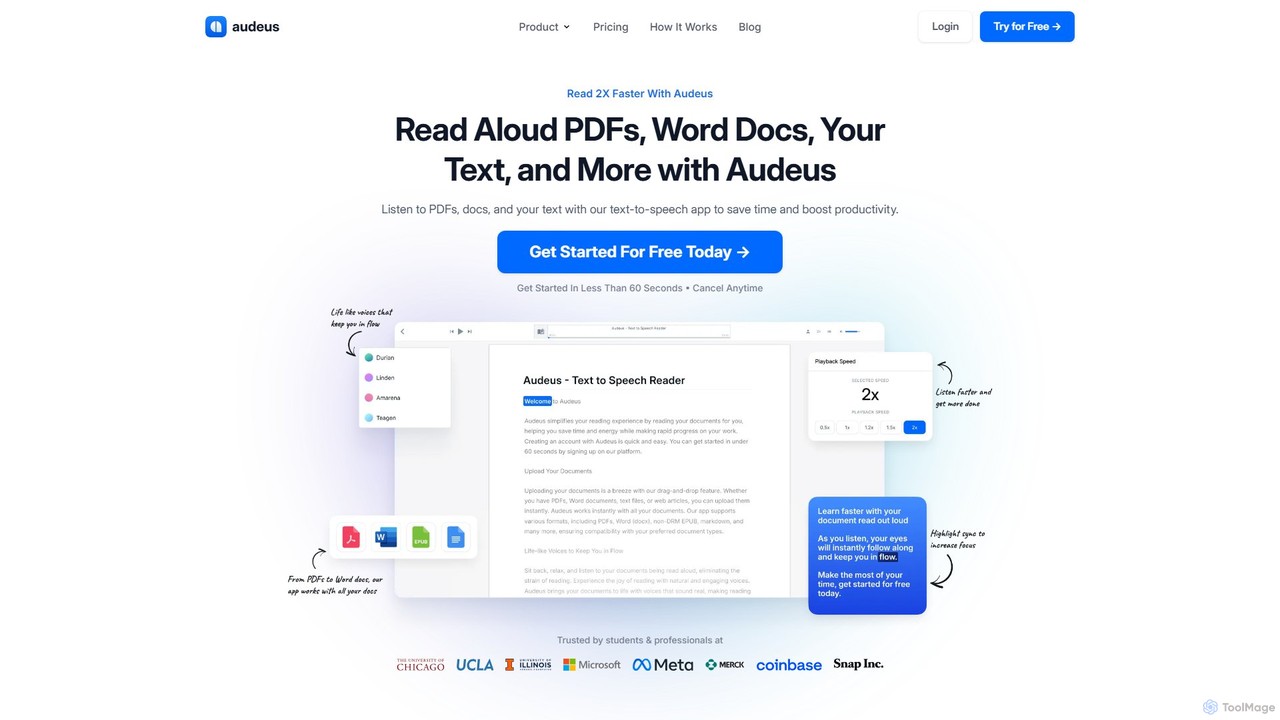
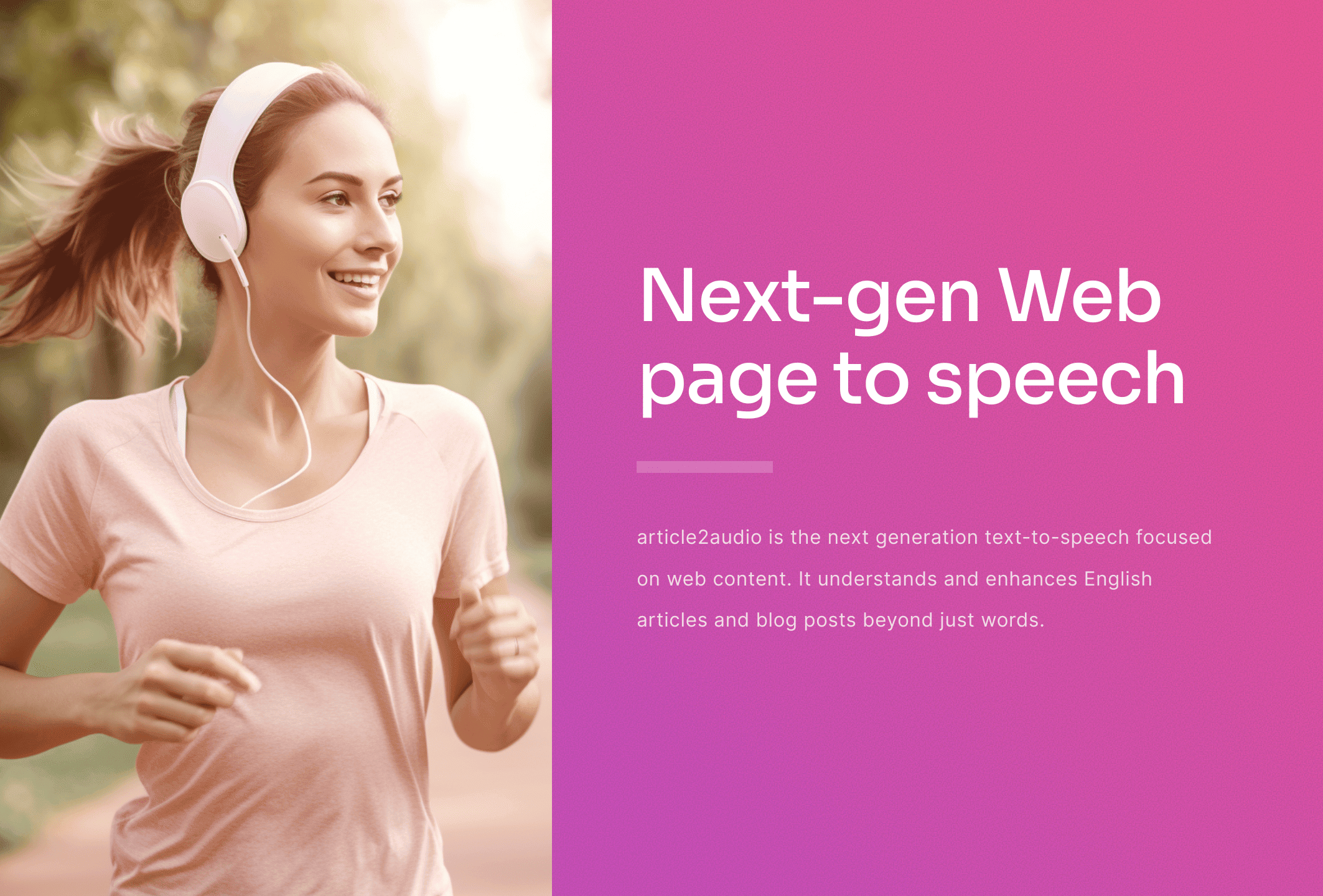
Audeus is an advanced AI-powered text-to-speech (TTS) reader that transforms documents, web articles, and text into natural-sounding audio. It's designed for students, professionals, and anyone looking to increase productivity, improve focus, and absorb information more effectively. By listening and reading simultaneously with synced highlighting, users can double their reading speed, reduce eye strain, and enhance comprehension. It supports various formats like PDF, Word, and EPUB, and works seamlessly across devices.

Text To Speech
Visits 59.7KFavorites 175Likes 159
Glimmer AI

Glimmer AI

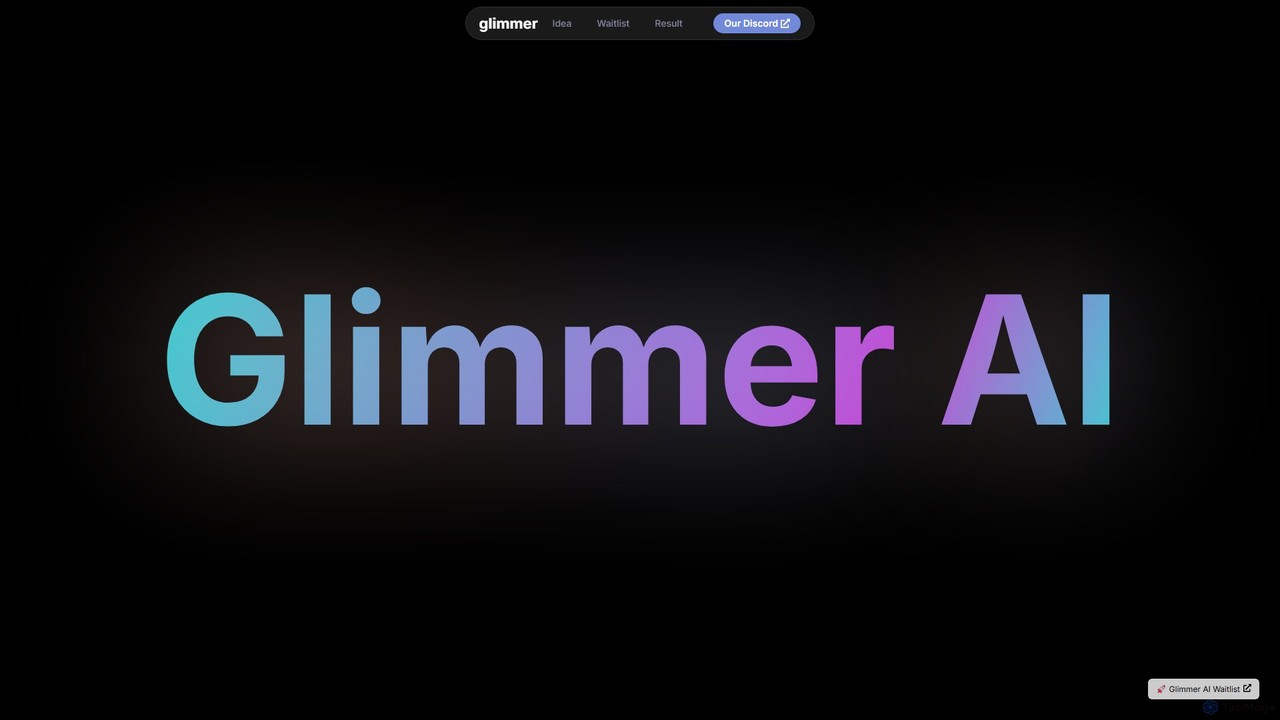
Glimmer AI is a state-of-the-art tool that uses GPT-3 and DALL·E 2 to magically generate stunning presentations from simple text or voice commands. Describe your idea, and Glimmer AI instantly creates a complete, editable slide deck, which you can then refine, share, or export to PPTX and PDF formats.

Graphics
Visits 8.4KFavorites 138Likes 133
Doctrina
Freemium

Doctrina

Doctrina is an AI-powered education platform designed for students and teachers. It streamlines learning by offering tools to create quizzes and exams, enrich notes, and provide interactive assistance. With multi-language support and a focus on subjects like math and geometry, Doctrina aims to make education more engaging, efficient, and globally accessible.

Learning
Visits 19.7KFavorites 122Likes 133
Opal
Freemium

Opal

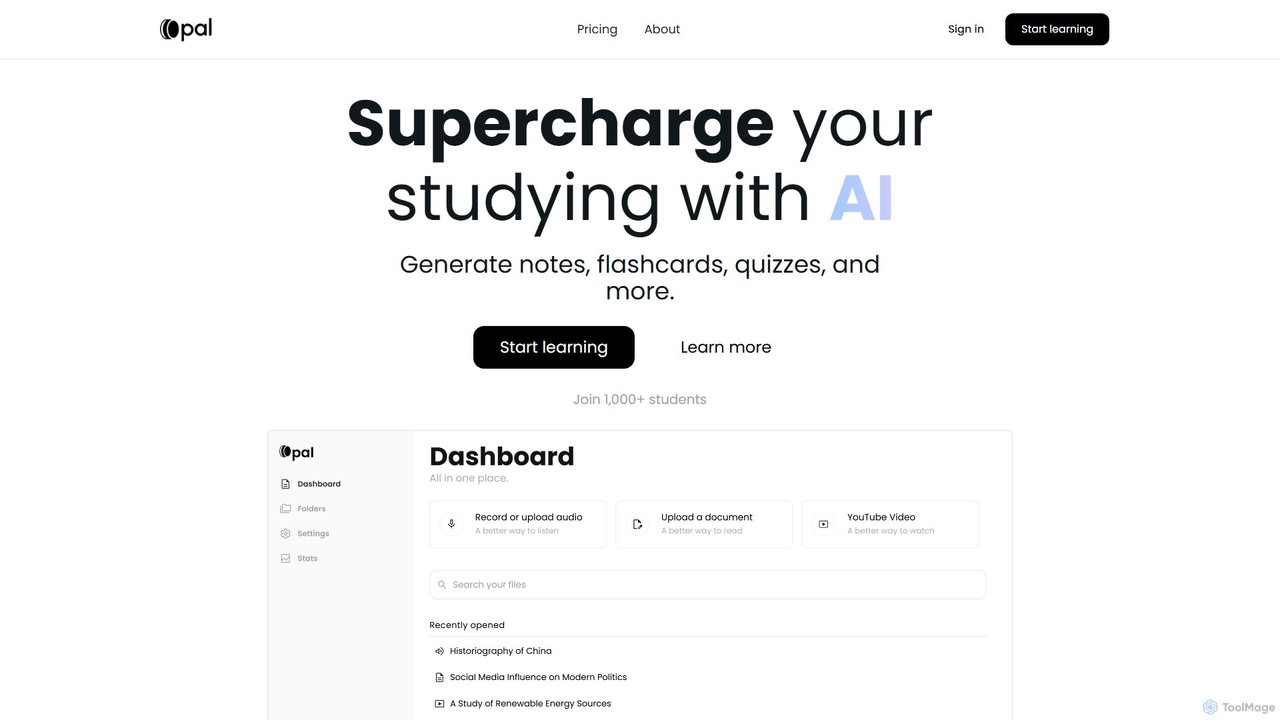
Opal is an AI-powered study platform that transforms documents, audio files, and videos into interactive learning materials like notes, flashcards, and quizzes. It features an AI tutor, "Albert," and uses active recall and personalized feedback to enhance learning efficiency for students.

Learning
Visits 9.6KFavorites 147Likes 149
ChatSuggest
Freemium

ChatSuggest

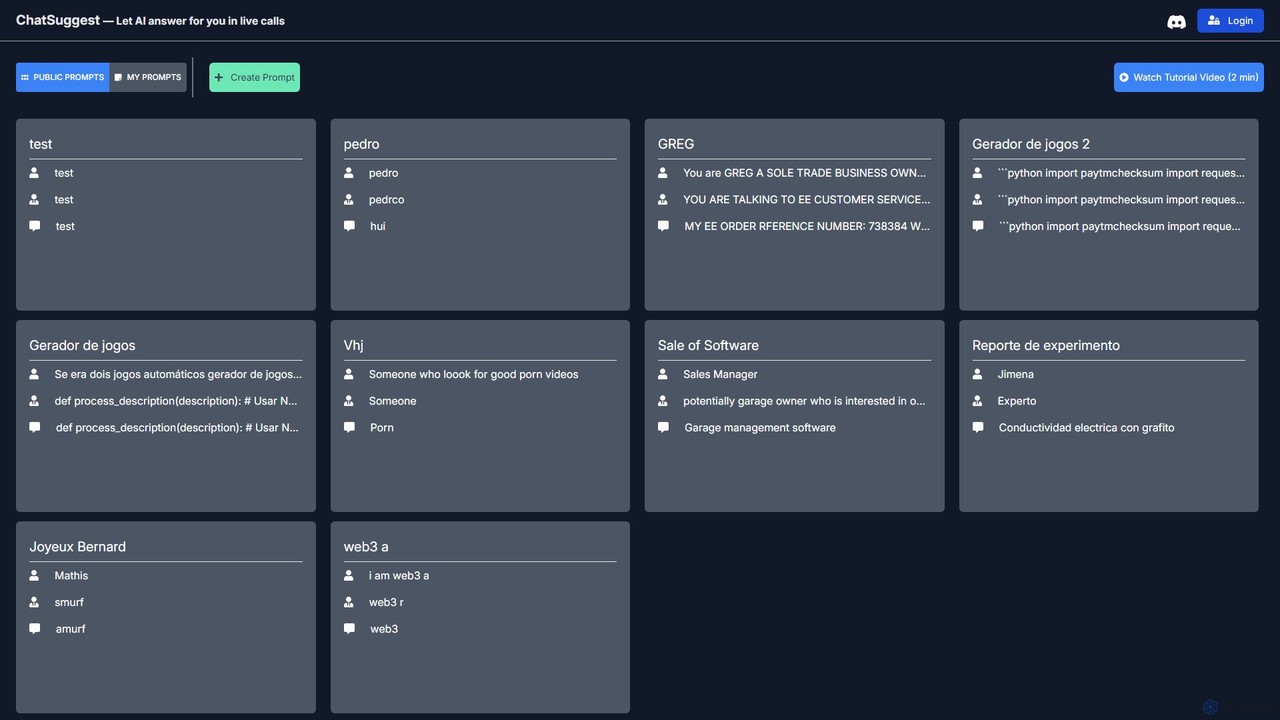
ChatSuggest is a community-driven platform for discovering, creating, and sharing high-quality AI prompts. It offers a vast library of public prompts for various tasks, from creative writing to code generation, helping users enhance their interactions with large language models and achieve better results.

Code Assistant
Visits 5.7KFavorites 131Likes 116
StudyCards App
Freemium

StudyCards App

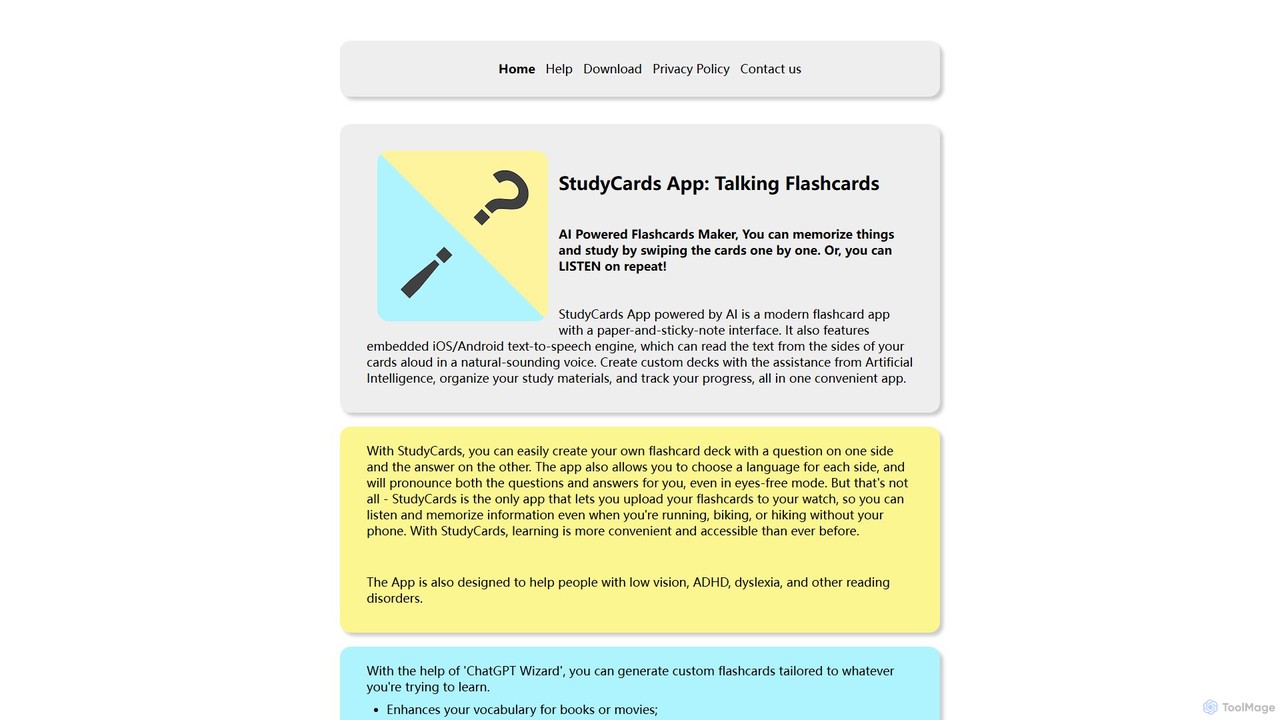
StudyCards App is an AI-powered flashcard maker for efficient learning on the go. It uses a 'ChatGPT Wizard' to instantly generate custom study decks on any topic. Key features include text-to-speech for auditory learning, smartwatch synchronization for phone-free studying, and CSV import. It's built with accessibility in mind, aiding users with dyslexia or ADHD. Available on iOS and Android, it makes memorization easy and accessible for everyone, from students to professionals.

Learning
Visits 8.7KFavorites 110Likes 107
JustRecap
Freemium

JustRecap

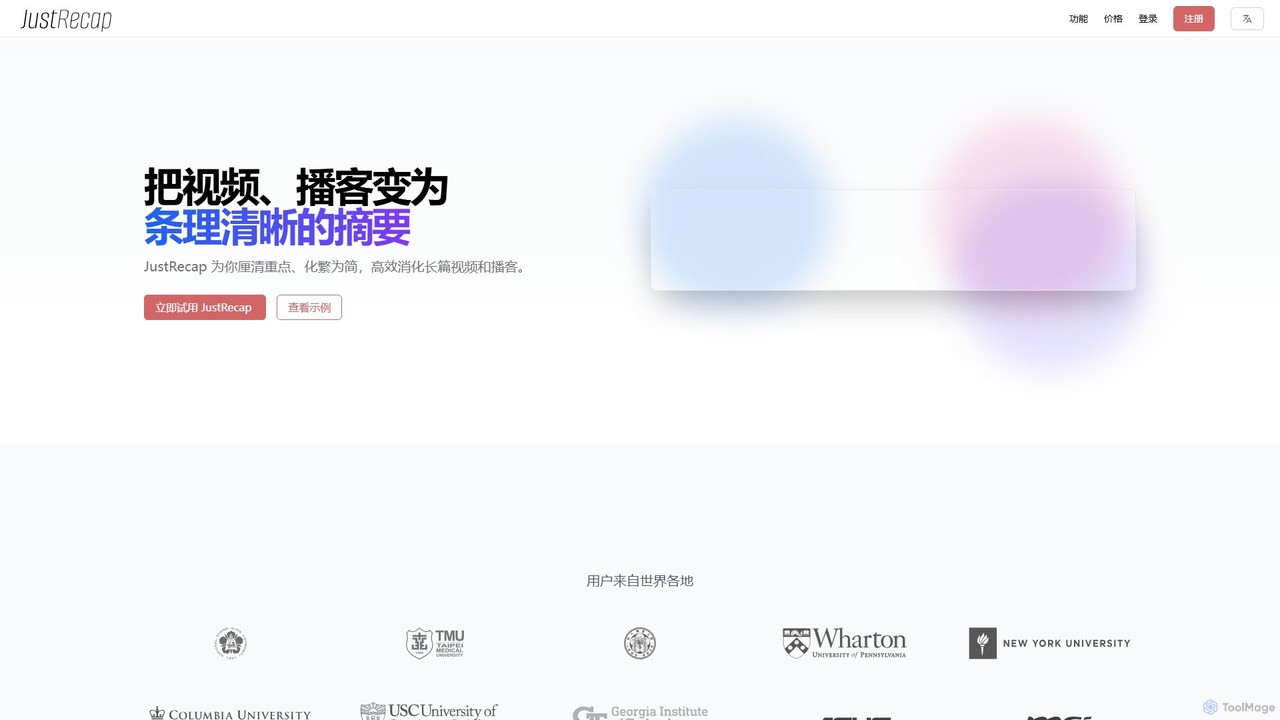
JustRecap is an AI-powered learning tool that transforms long videos and podcasts into well-structured, interactive summaries. It generates key takeaways, visual snapshots (key frames), and segmented transcripts, allowing users to digest complex information efficiently. Ideal for students, researchers, and professionals who need to learn faster and more effectively from video content.

Learning
Visits 6.6KFavorites 141Likes 131
Video Summarizer AI
Freemium

Video Summarizer AI

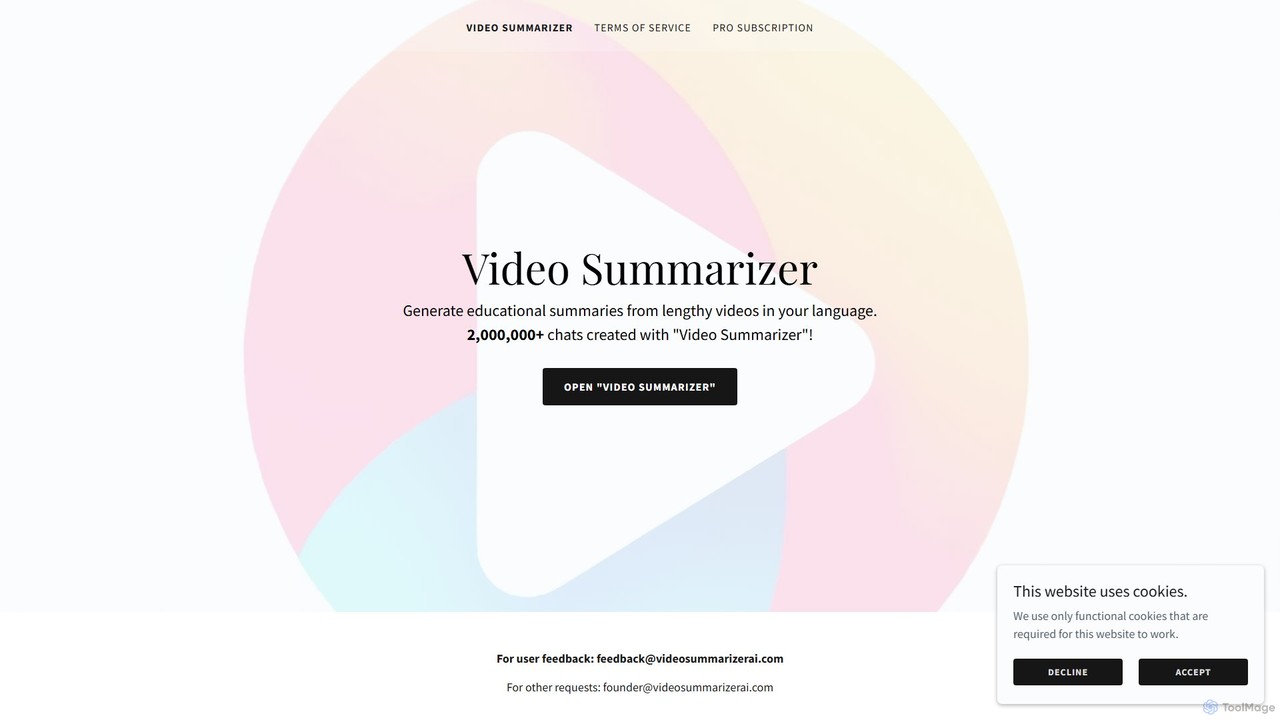
Video Summarizer AI is an intelligent tool that generates concise, educational summaries from lengthy videos in multiple languages. Ideal for students, researchers, and professionals, it quickly extracts key information from lectures, webinars, and talks, saving you valuable time.

Learning
Visits 6.5KFavorites 108Likes 122
Codei.ai
Freemium

Codei.ai

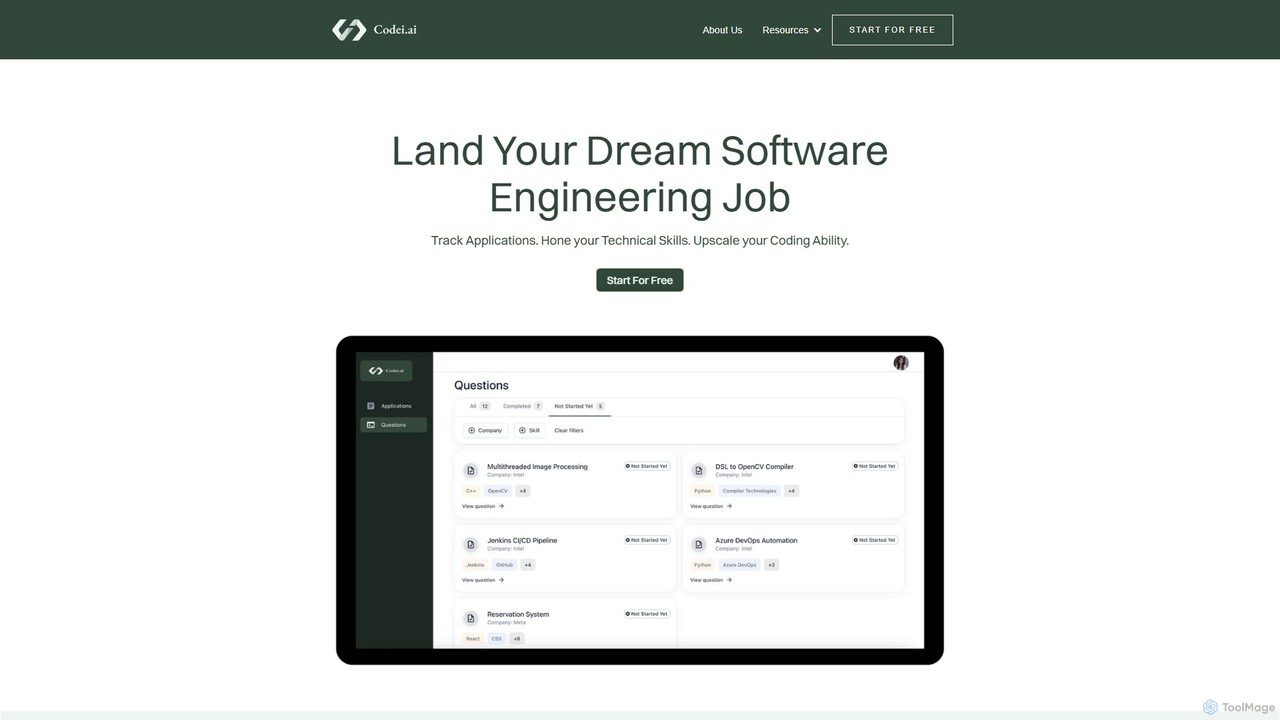
Codei.ai is an AI-powered career platform designed to help software engineers land their dream job. It streamlines the job search process by tracking applications, generating personalized technical interview questions, and providing AI-driven feedback on your code.

Job Search
Visits 5.7KFavorites 141Likes 141

About Learning

AI Learning tools are a specialized category of educational technology that uses artificial intelligence to create personalized and adaptive learning experiences. These tools leverage machine learning algorithms to analyze a user's performance, identify knowledge gaps, and dynamically adjust content to match their individual pace and style. The primary value lies in accelerating skill acquisition and enhancing long-term knowledge retention by moving beyond a one-size-fits-all approach. They offer a tailored educational journey for every learner.

Core Features

  • Personalized Learning Paths: The AI assesses user strengths and weaknesses to generate a unique curriculum tailored to their specific goals.
  • Adaptive Assessments: Quizzes and tests that change in difficulty in real-time based on the user's answers, providing a more accurate measure of mastery.
  • Instant Feedback & Tutoring: Provides immediate, detailed explanations for incorrect answers and guides learners through complex problems, acting like a 24/7 tutor.
  • Spaced Repetition Systems (SRS): Intelligently schedules reviews of learned material at optimal intervals to embed information into long-term memory.
  • Interactive Simulations: Creates realistic, hands-on environments for practicing skills in a safe and controlled setting, such as coding or surgical procedures.

Applicable Scenarios

These tools are widely used by individual learners for self-study, corporate training departments for employee upskilling, and educational institutions for supplemental instruction. Common applications include mastering a new language, preparing for standardized tests like the SAT or GRE, and acquiring technical skills such as programming or data analysis.

Selection Criteria

When choosing an AI Learning tool, consider the subject matter coverage and its depth. Evaluate the level of adaptivity and personalization offered—does it truly adjust to your learning? Assess the quality and immediacy of the feedback provided. Finally, consider its integration capabilities with other platforms and its pricing model to ensure it aligns with your budget and workflow.

Featured tool rankings

Learning use cases

1

Corporate Employee Upskilling

A human resources manager needs to train 500 employees on new data privacy regulations. Instead of a generic webinar, they use an AI learning platform. The platform first assesses each employee's existing knowledge. It then creates personalized modules, focusing on areas where each individual is weakest. Interactive scenarios simulate real-world compliance challenges, and the AI provides instant feedback. This approach reduces overall training time by 30% and results in a 95% pass rate on the final compliance assessment, ensuring the company meets its legal obligations effectively.

2

Accelerated Language Learning

A student wants to become conversational in Spanish within three months for a study abroad program. They use an AI language app that employs a Spaced Repetition System (SRS). The app introduces new vocabulary and grammar rules, then intelligently schedules flashcard reviews just before the student is likely to forget them. It also features an AI conversation partner that provides real-time pronunciation feedback. By dedicating 30 minutes daily, the student builds a strong vocabulary and gains confidence in speaking, achieving their conversational goal before the trip.

3

Personalized Exam Preparation

A high school student is preparing for the SAT. They use an AI-powered test prep platform that starts with a diagnostic test to pinpoint their strengths and weaknesses in math and verbal sections. Based on the results, the AI generates a custom study plan with daily practice questions and video lessons focused on weak areas, such as geometry or reading comprehension. As the student completes quizzes, the platform adapts, introducing more challenging problems in areas of mastery and providing more support where they struggle. This targeted approach helps the student improve their score by 150 points.

4

Learning to Code with an AI Tutor

A self-taught developer is learning Python but frequently gets stuck on syntax errors and complex concepts like recursion. They use an AI coding assistant integrated into their code editor. When they write code that contains an error, the AI not only highlights it but also explains *why* it's an error and suggests a correction. For complex topics, the developer can ask the AI to explain the concept in simple terms or provide a step-by-step code example. This immediate, contextual support prevents frustration and significantly speeds up their learning curve, allowing them to build their first application weeks ahead of schedule.

5

Mastering a Musical Instrument

An amateur pianist is learning a complex classical piece. They use an AI music learning app that connects to their digital piano. The app displays the sheet music and listens as they play. When a wrong note is played or the rhythm is off, the AI provides instant visual feedback on the screen, highlighting the specific error. It also features a practice mode that can slow down the tempo or isolate difficult sections for repetition. The AI tracks progress over time, showing which measures have been mastered and which still need work, providing a structured and efficient practice routine.

6

Personalized K-12 Math Tutoring

A middle school student is struggling with algebra. Their parents subscribe to an AI math tutoring app. The app identifies that the student's core issue is a weak foundation in fractions. Instead of pushing forward with algebra, the AI generates a series of engaging, game-like exercises to solidify their understanding of fractions. Once mastery is demonstrated, it smoothly transitions back to algebraic concepts that rely on that knowledge. The AI tutor is available 24/7 to provide step-by-step solutions and encouragement, helping the student catch up with their class and build confidence in math.

Learning FAQ

What are AI Learning tools?

AI Learning tools are software applications that use artificial intelligence to deliver personalized, adaptive, and interactive educational experiences. Unlike static online courses, they analyze your performance in real-time to create a custom learning path. Key features often include adaptive assessments that adjust difficulty, instant feedback on exercises, and intelligent content recommendations to address your specific knowledge gaps. They are designed to make learning more efficient and effective for individuals.

How to choose the right AI Learning tool?

Choosing the right tool depends on your specific needs. Consider these factors:

  • Learning Goal: What skill or subject do you want to master? Look for tools specializing in that area (e.g., language, coding, math).
  • Adaptivity Level: Does the tool offer true personalization, or is it just a linear course with some quizzes? Look for features like adaptive question difficulty and personalized study plans.
  • Feedback Mechanism: How does the tool provide feedback? Instant, detailed explanations are more valuable than simple right/wrong answers.
  • Engagement Method: Does the tool use gamification, simulations, or interactive exercises to keep you motivated? Choose a style that suits your learning preference.
  • Cost and Accessibility: Evaluate the pricing model (subscription vs. one-time purchase) and ensure it's accessible on your preferred devices.
What's the difference between AI Learning tools and a general education platform like an LMS?

The primary difference lies in their focus. A general education platform, like a Learning Management System (LMS), is designed for administration and content delivery. Its main job is to host courses, track completion, and manage users. An AI Learning tool, a subcategory of education tech, focuses on the individual learning process. It actively engages with the learner, personalizes the content path, provides intelligent feedback, and adapts to their progress to optimize understanding and retention. In short, an LMS manages the learning environment, while an AI Learning tool manages the learning experience.

What are the main benefits of using AI for learning?

Using AI in learning offers several key advantages over traditional methods. The primary benefit is personalization; AI tailors the educational content to your individual pace and knowledge level, making study time more efficient. Another major benefit is immediate feedback, which allows learners to correct mistakes and understand concepts faster. AI can also identify hidden knowledge gaps that a learner might not be aware of and provide targeted practice. Finally, many AI tools make learning more engaging through interactive exercises and gamification, which can increase motivation and knowledge retention.

Who can benefit from AI Learning tools?

A wide range of individuals can benefit from AI Learning tools. This includes:

  • Students (K-12 and University): For supplemental tutoring, exam preparation, and mastering difficult subjects at their own pace.
  • Professionals: For upskilling or reskilling in areas like coding, data science, or new software, often integrated into corporate training programs.
  • Lifelong Learners: Individuals who want to learn a new language, a musical instrument, or any new hobby in a structured and efficient way.
  • Educators and Tutors: To supplement their teaching by providing students with personalized practice and tools to address individual needs outside the classroom.