Best of the Year 11 results General AI Tools

Popular AI tools in the General field include Thinkbuddy、Docky.AI、asknova、BrowserCopilot、Heresthepromptforthat、Cfundle、Sunset.ai、Huntware、Arible、PopboxGPT, etc., helping you quickly improve efficiency.

Free
Heresthepromptforthat

Heresthepromptforthat

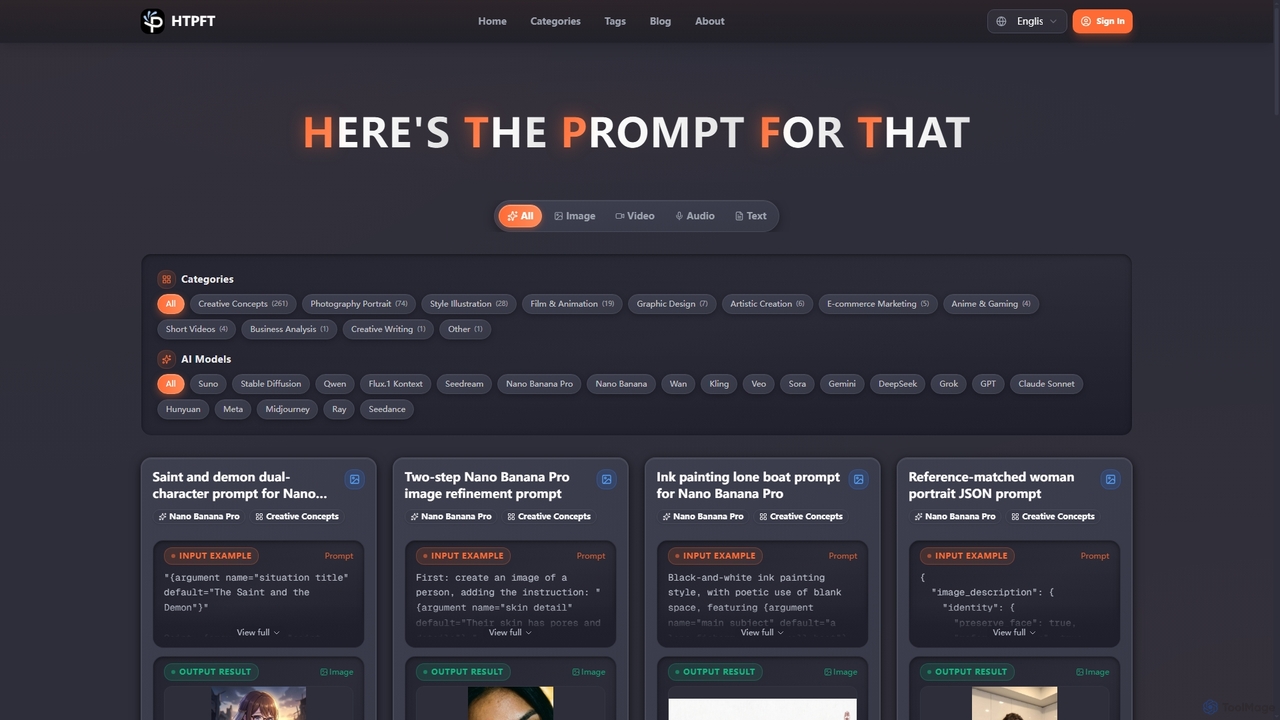
Heresthepromptforthat (HTPFT) is a professional, free AI prompt library platform offering a vast collection of carefully curated prompts …

2.1K
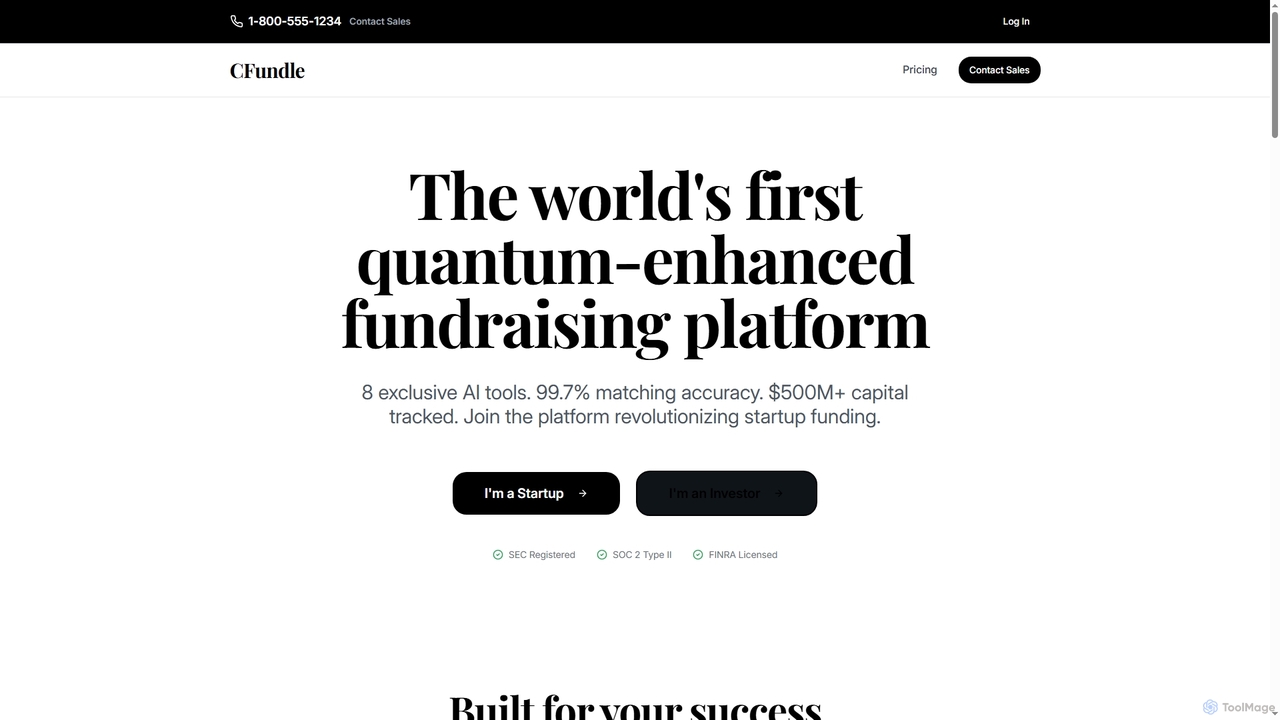
Cfundle

Cfundle

Cfundle is an online platform accessible via cfundle.com. Based on the limited information available, it appears to be …

2.1K
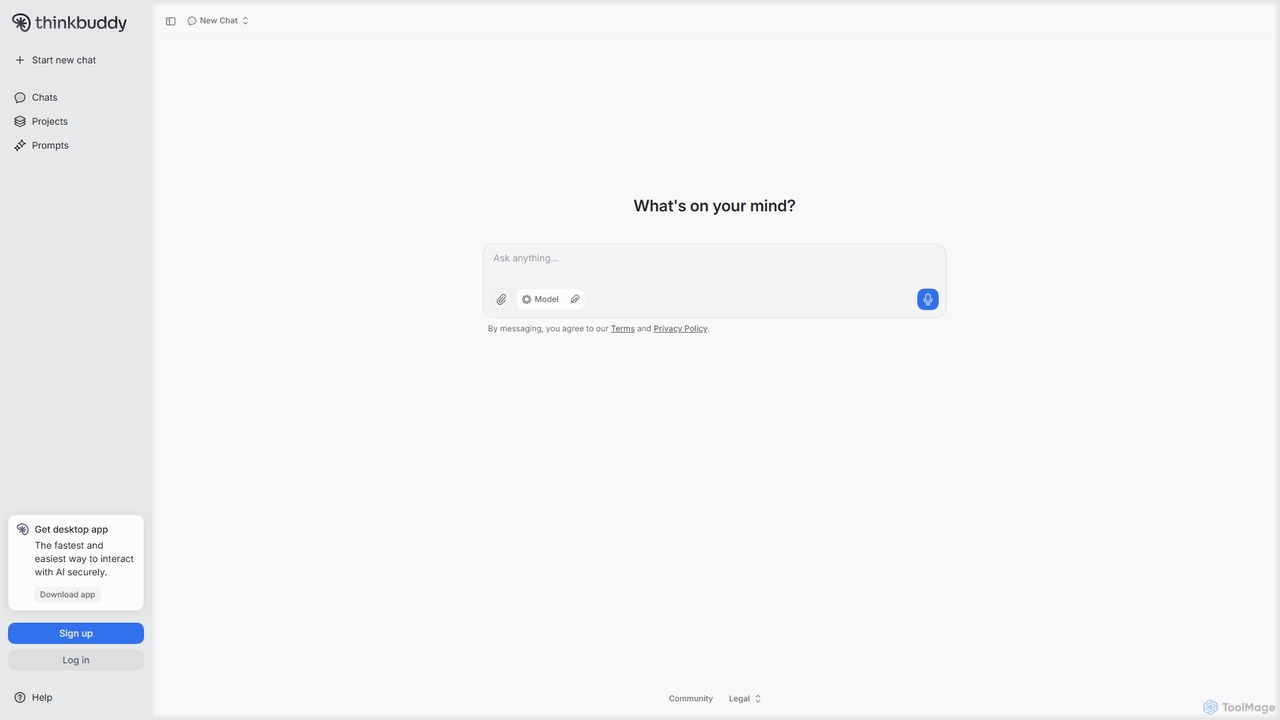
Thinkbuddy

Thinkbuddy

Thinkbuddy is a native desktop AI client designed for fast, secure, and organized interaction with multiple AI models. …

4.3K
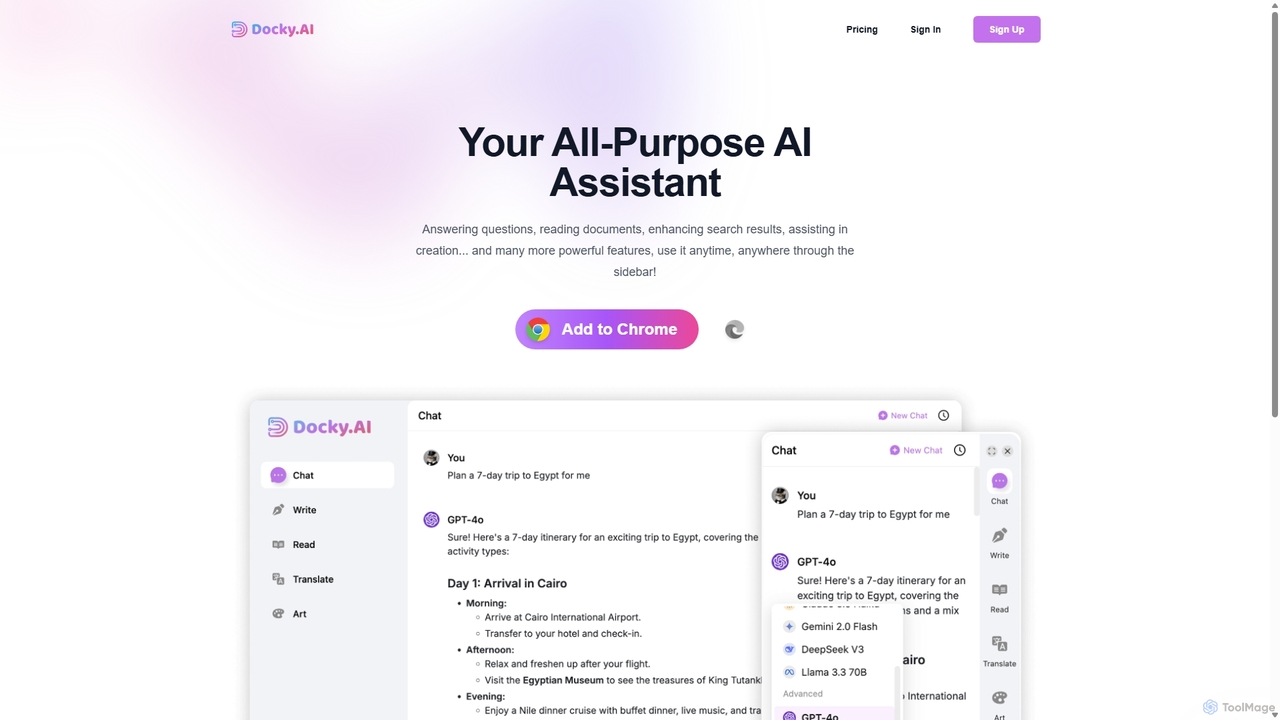
Docky.AI

Docky.AI

Docky.AI is a powerful all-in-one AI sidebar for your browser. It integrates leading models like GPT-4, Claude, and …

2.9K
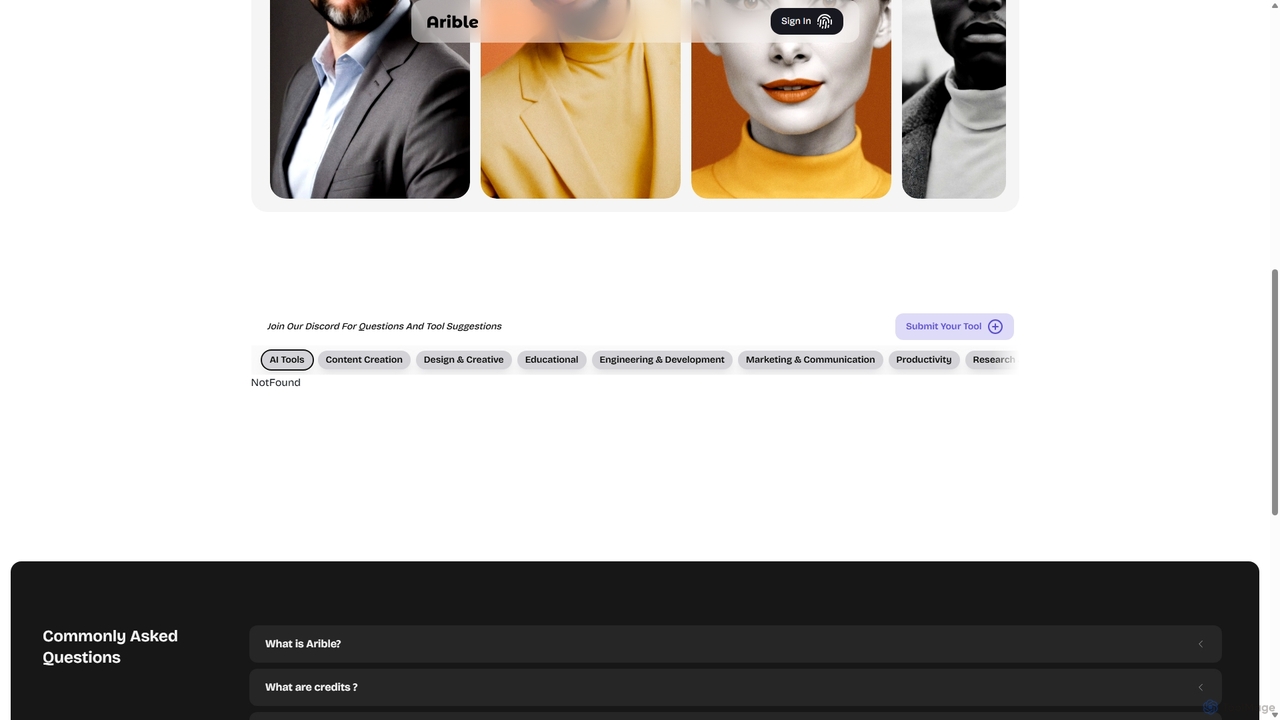
Arible

Arible

Arible is an all-in-one AI platform that provides access to a growing collection of diverse AI tools through …

2.1K
asknova

asknova

asknova is an intelligent AI digital companion designed to enhance productivity and creativity. It functions as a versatile …

2.8K
Free
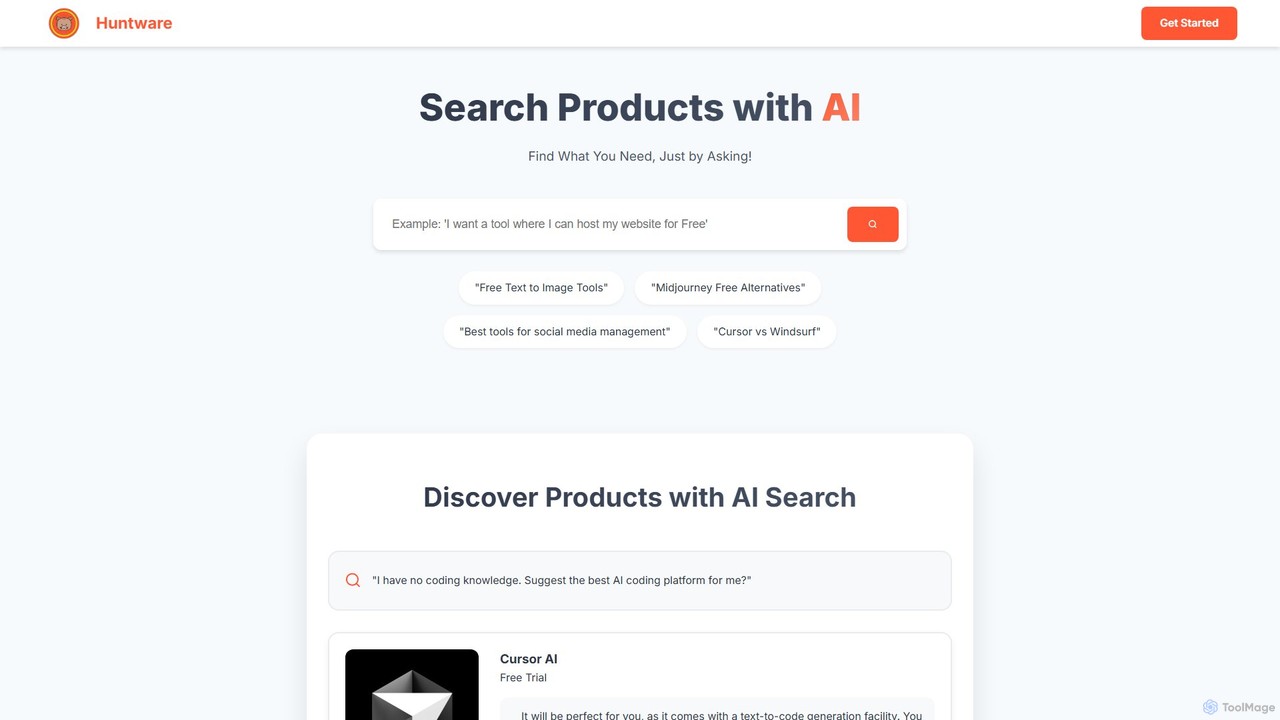
Huntware

Huntware

Huntware is an AI-powered search engine that helps you discover software and tools through natural language. Simply ask …

2.1K
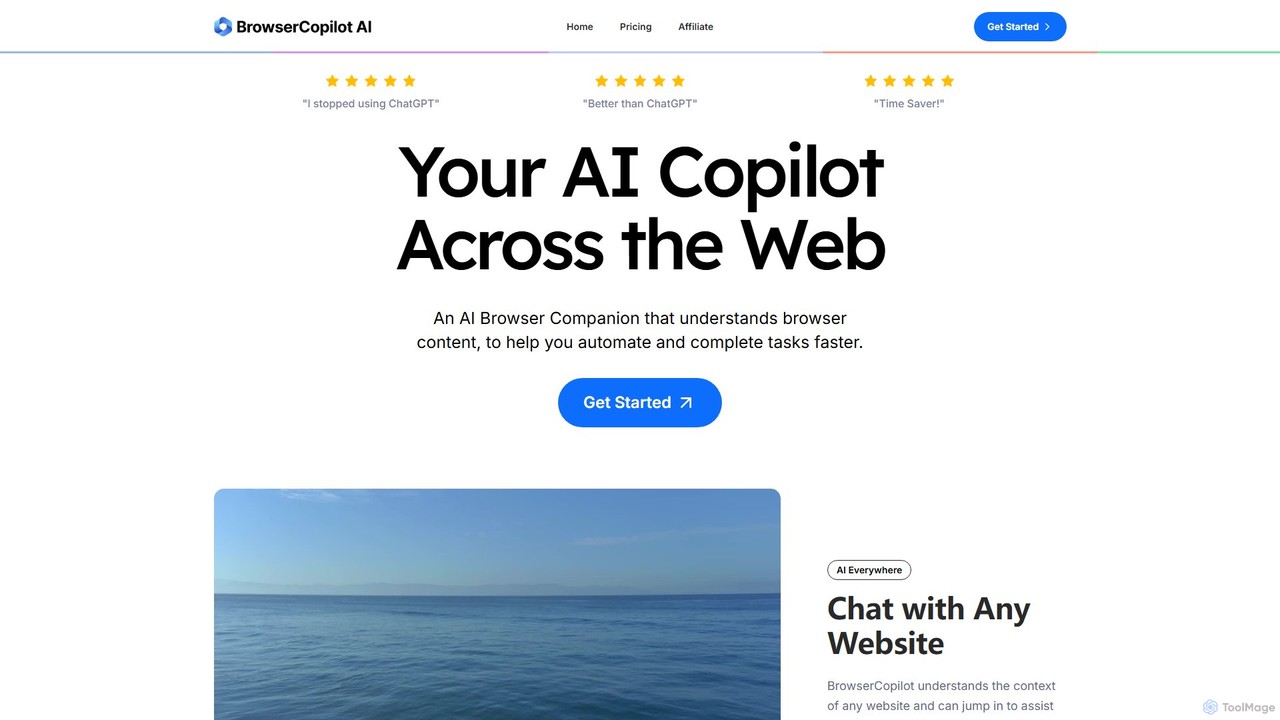
BrowserCopilot

BrowserCopilot

BrowserCopilot is an AI-powered browser extension that acts as your personal copilot across the web. It understands the …

2.1K
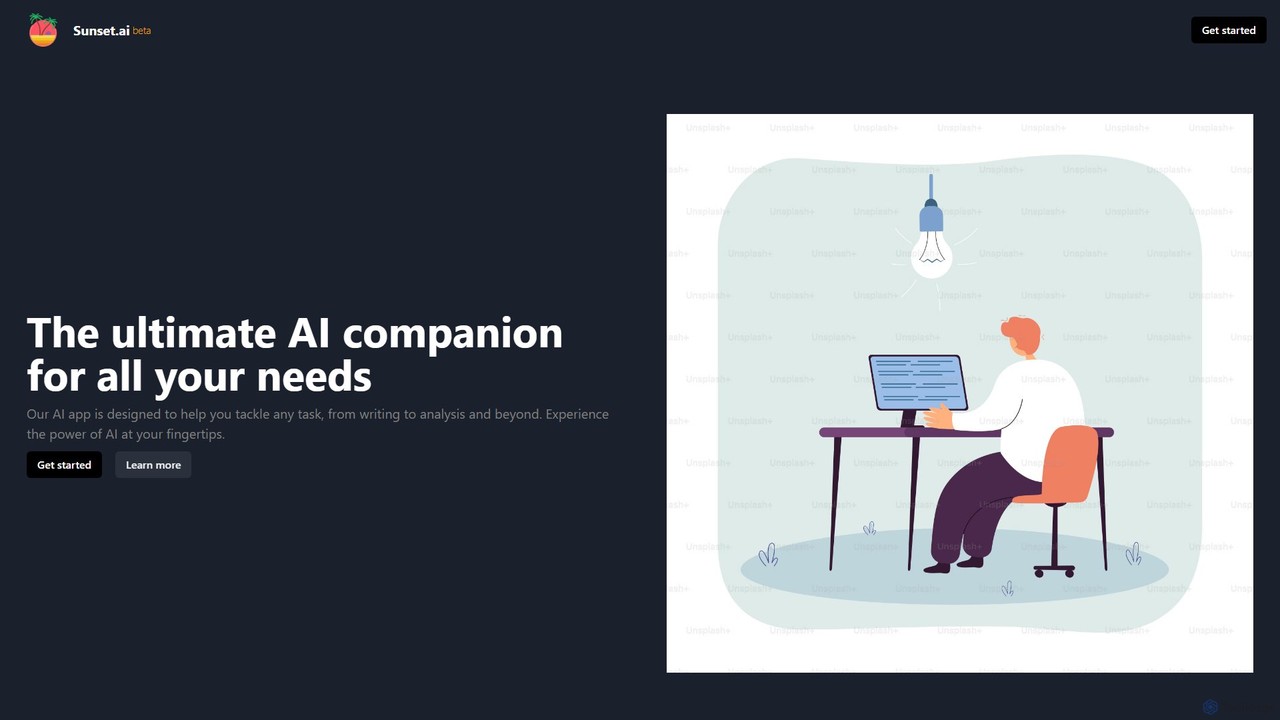
Sunset.ai

Sunset.ai

Sunset.ai is an all-in-one AI companion that integrates multiple AI models into a single interface. It allows users …

2.1K
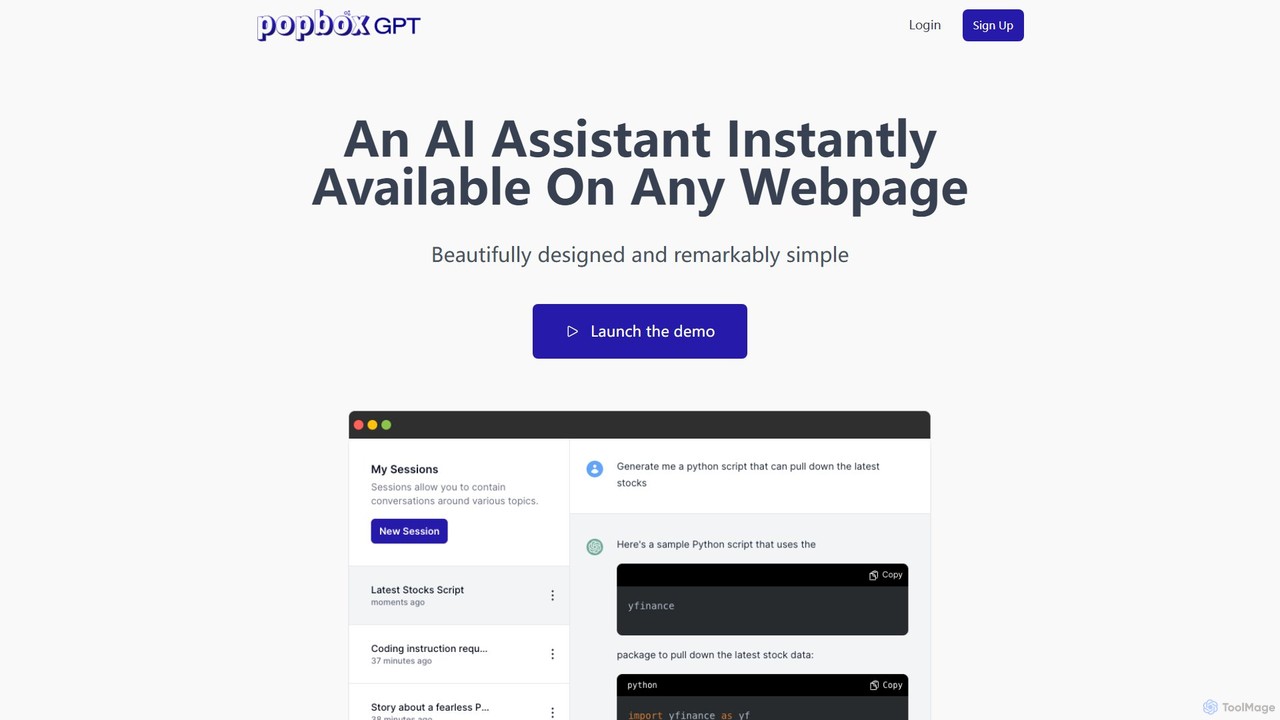
PopboxGPT

PopboxGPT

PopboxGPT is a powerful AI-powered Chrome extension that provides instant in-browser assistance. It seamlessly integrates the capabilities of …

2.0K
Checkget

Checkget

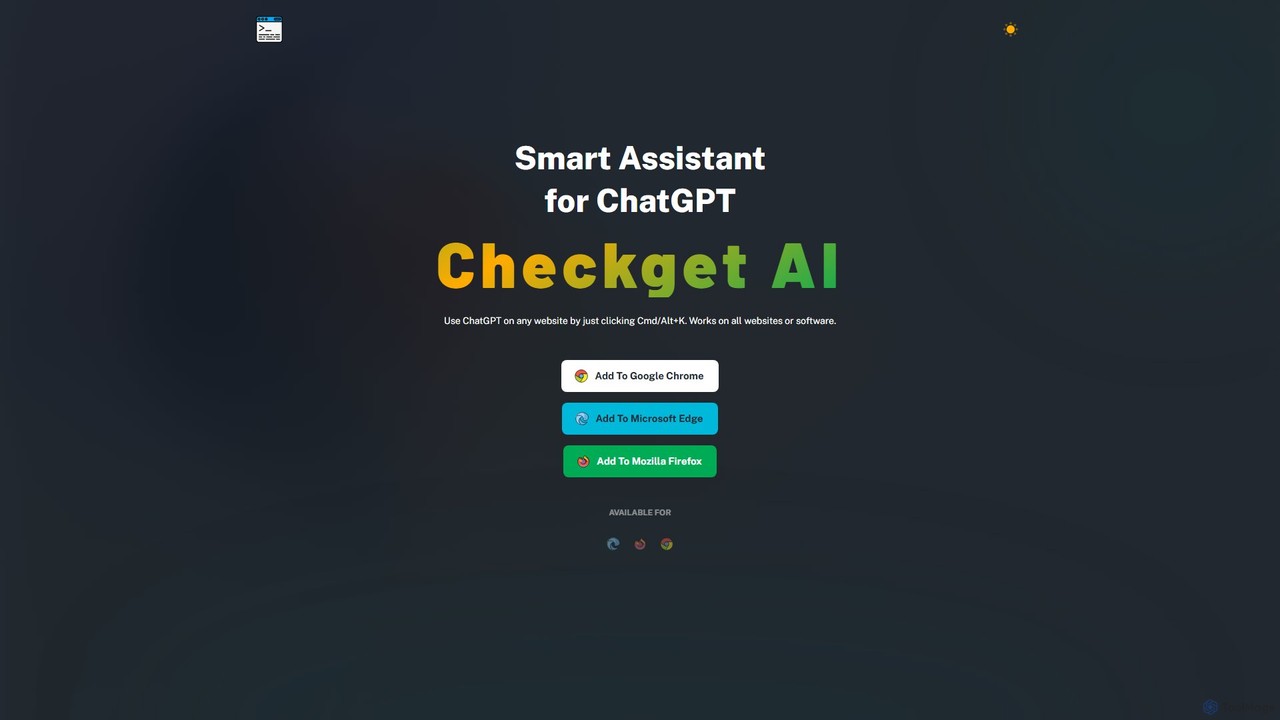
Checkget is a smart assistant browser extension for ChatGPT, enabling users to access AI capabilities on any website …

2.0K

About General

General AI tools are a diverse category of applications designed to perform a wide range of tasks not confined to a single, specific function. These platforms often integrate multiple AI technologies, such as natural language processing, data analysis, and workflow automation, acting as versatile toolkits. Their primary value lies in providing the flexibility to build custom solutions, automate complex multi-step processes, and integrate AI capabilities into existing systems. They are particularly useful for tasks that require a combination of different AI-driven actions.

Core Features

  • Multi-Functionality: Combines capabilities like text analysis, data processing, and basic automation in a single interface.
  • Workflow Automation: Allows users to connect different AI tasks in a sequence to automate complex processes.
  • API Access & Integration: Provides APIs to embed AI functions into other applications or connect with various data sources.
  • Model Customization: Offers options to fine-tune or train models for specific, niche tasks without deep coding knowledge.

Use Cases

General AI tools are widely used by developers, product managers, and business analysts. For instance, a developer might use a general AI platform's API to prototype a new smart feature for an app. A marketing team could build a custom workflow to analyze customer feedback from multiple channels and generate sentiment reports automatically.

How to Choose

When selecting a General AI tool, first assess the breadth of its functionalities and ensure it covers your required tasks. Evaluate its integration capabilities and API documentation to confirm it can connect with your existing software stack. Consider the level of customization offered and whether it matches your team's technical skills. Finally, examine the pricing model, especially how it scales with usage or the number of automated workflows.

GeneralUse Cases

1

Prototype New AI-Powered App Features

A product manager needs to validate a new feature idea, such as an automatic trip planner within a travel app. Instead of dedicating extensive engineering resources, they use a general AI platform. They connect APIs for location data, user preferences, and a language model to generate itineraries. This allows the team to build a functional prototype in days, test user reactions, and gather data to justify further development, significantly reducing risk and time-to-market.

2

Automate Internal Business Reporting

An operations manager is tasked with creating weekly performance reports from various sources like Salesforce, Google Analytics, and internal databases. Using a general AI tool, they build a workflow that automatically pulls data from these sources via API, cleans and structures the information, performs analysis to identify key trends, and generates a summary in natural language. This process, which previously took hours of manual work, is now completed automatically, ensuring consistent and timely reports.

3

Analyze Unstructured Customer Feedback

A market research analyst needs to understand customer sentiment from thousands of open-ended survey responses, app reviews, and social media comments. They use a general AI tool to process this unstructured text data. The tool performs sentiment analysis, topic modeling to identify common themes (e.g., 'pricing', 'customer support'), and entity extraction to pinpoint specific product mentions. The analyst receives a structured dashboard of insights, enabling them to quickly identify areas for improvement without manually reading every comment.

4

Build a Custom Internal Knowledge Bot

An HR department wants to provide employees with instant answers to common questions about company policies, benefits, and procedures. Using a general AI platform, they upload all their internal documentation (PDFs, Word documents, intranet pages). The platform indexes this content and allows the HR team to build a conversational bot. Employees can now ask questions like "What is our parental leave policy?" in natural language and get immediate, accurate answers sourced directly from the official documents, freeing up HR staff from repetitive inquiries.

5

Create Multi-Step Content Generation Workflows

A content marketing agency needs to produce high volumes of tailored content for different clients and platforms. They use a general AI tool to design a custom workflow. The first step researches a given topic using web search capabilities. The second step generates a detailed article draft based on the research. The third step adapts the article into different formats: a blog post, a Twitter thread, and a LinkedIn update. This end-to-end automation allows a small team to scale content production significantly while maintaining quality and consistency.

6

Enhance Academic Research and Data Extraction

A university researcher is conducting a literature review across hundreds of academic papers. Manually reading and summarizing each paper is time-consuming. Using a general AI tool, they upload the entire corpus of PDFs. The tool helps them to: 1) extract key information like methodologies, sample sizes, and conclusions into a structured table; 2) identify recurring themes and concepts across all papers; and 3) generate concise summaries for each document. This accelerates the research process, allowing the researcher to focus on analysis and synthesis rather than manual data collection.

GeneralFrequently Asked Questions