ToolMage
Sign in

Best 416 Health AI tools

Popular Health AI tools include SpoiledChild, OpenEvidence, WHOOP, Consensus, lovescape, Ubiehealth, Clinikally, brain.fm, SkinSort, and droracle, helping you work more efficiently.

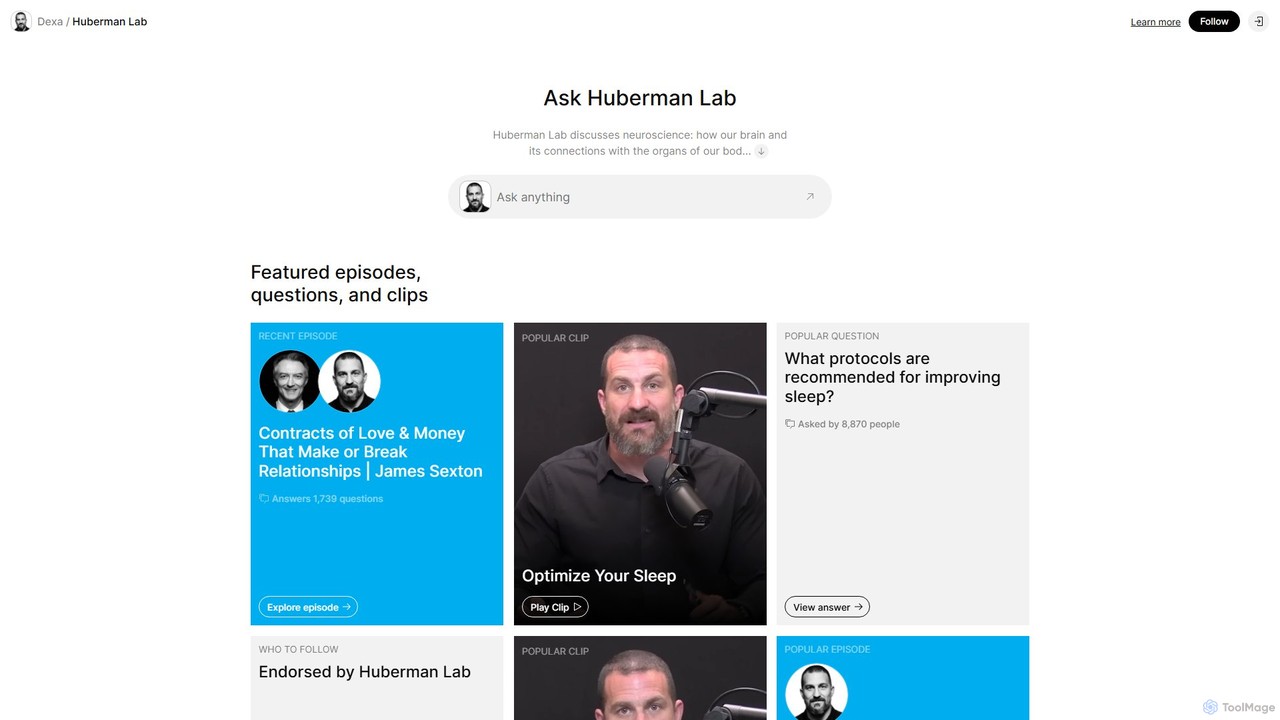
Ask Huberman Lab
Free

Ask Huberman Lab

An AI-powered search engine for the Huberman Lab podcast. Ask any health or neuroscience question in natural language and get instant, accurate answers, specific clips, and episode recommendations. It transforms the entire podcast archive into an interactive, searchable knowledge base for optimizing health, performance, and learning.

Search Engine
Visits 182.3KFavorites 127Likes 119
Meaning
Freemium

Meaning

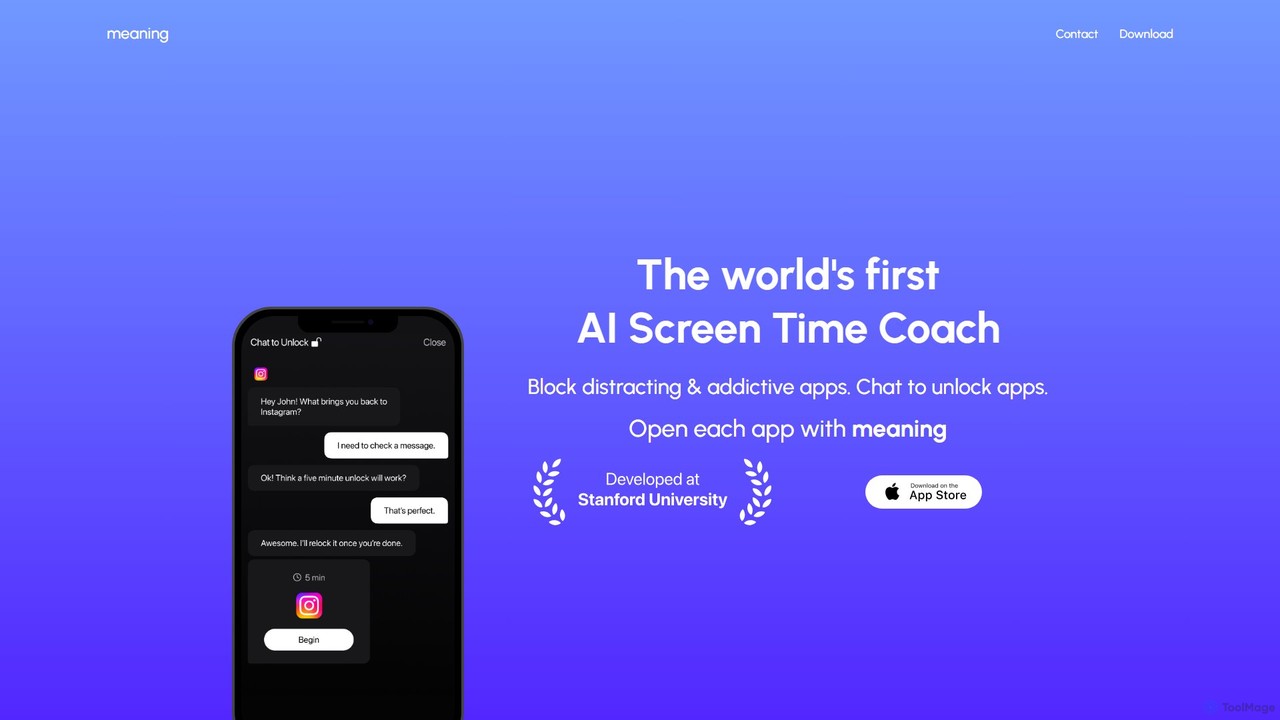
Meaning is the world's first AI Screen Time Coach for iOS. It helps you reclaim your time by blocking distracting apps and requiring you to chat with an AI to justify your use. This unique approach fosters mindful phone usage, reduces mindless scrolling, and boosts productivity.

Digital Wellbeing
Visits 5.9KFavorites 146Likes 119

Tidalflow

Tidalflow

Tidalflow is an AI technology company, backed by Google's AI VC, dedicated to building world-class consumer health products. It leverages advanced AI to provide personalized health insights, wellness plans, and proactive care solutions.

Mental Wellness
Visits 6KFavorites 145Likes 145
Klai
Freemium

Klai

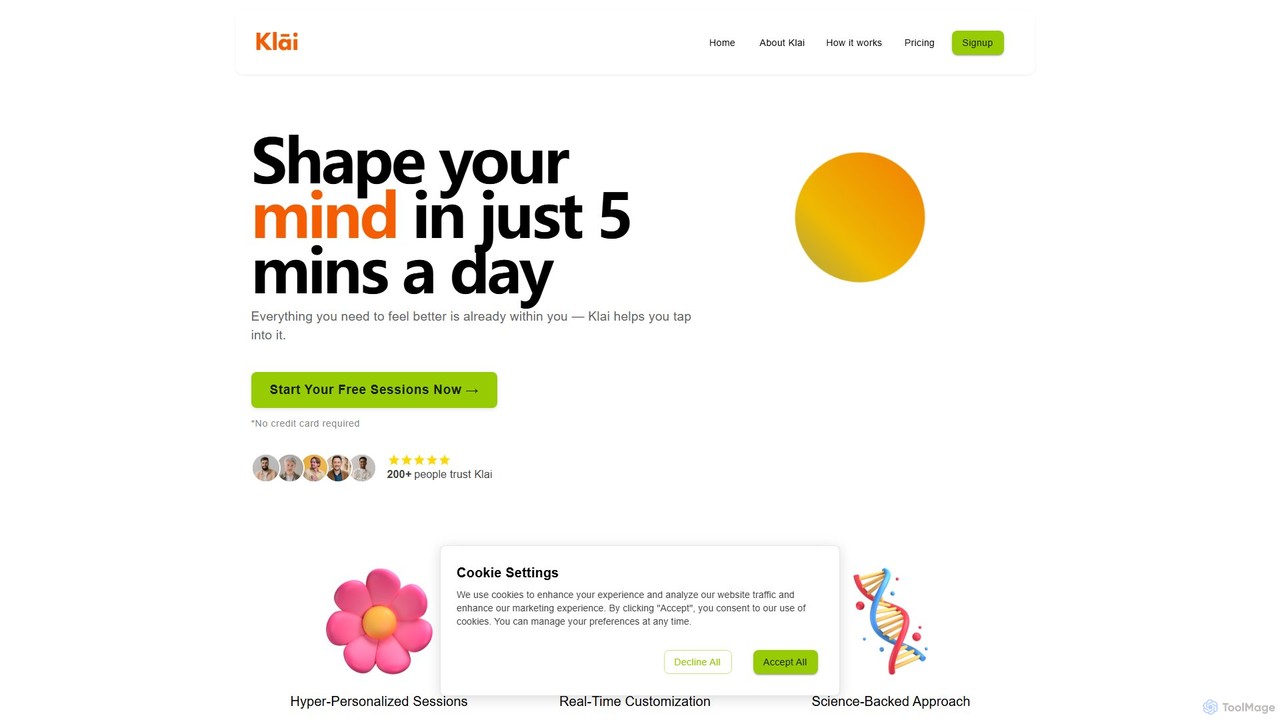
Klai is an AI-powered mental wellness tool that provides hyper-personalized audio sessions to help you manage stress, anxiety, and other emotional challenges. Using science-backed techniques like creative visualization and neuroplasticity, Klai creates adaptive audio loops in just 5 minutes a day to help you reshape your mindset and improve your well-being.

Mental Wellness
Visits 8KFavorites 141Likes 136
FriendnPal
Freemium

FriendnPal

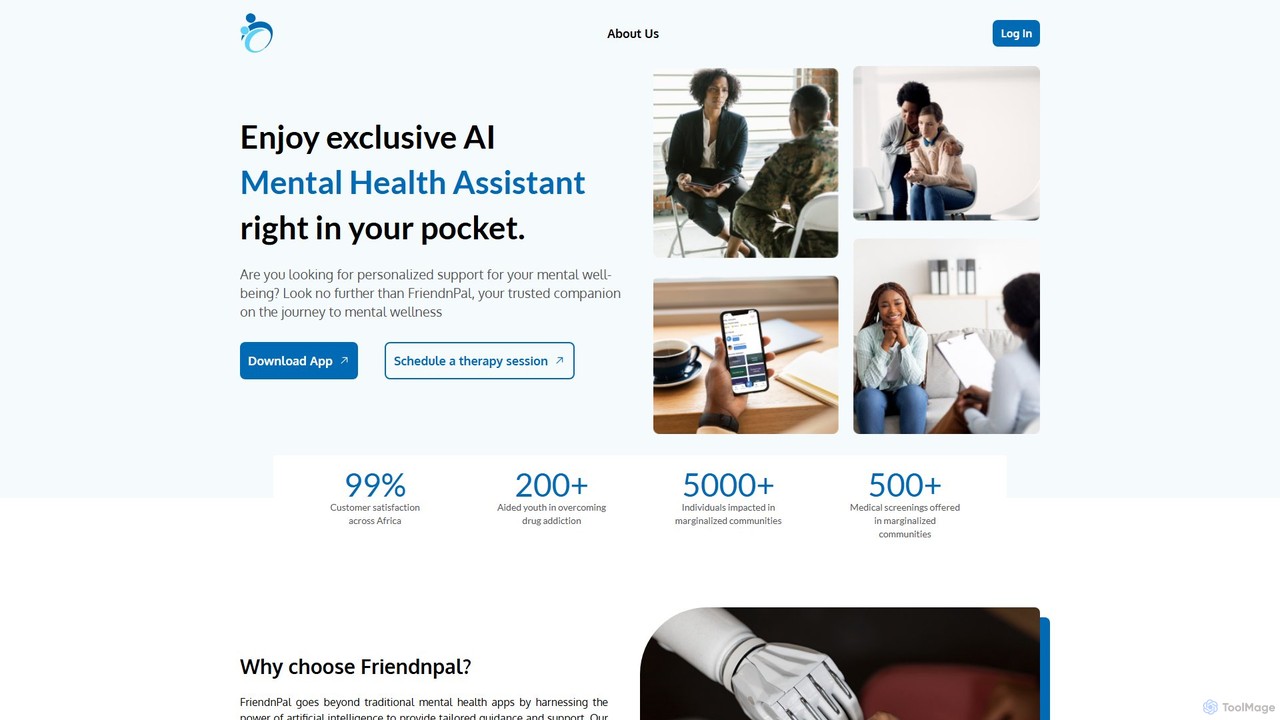
FriendnPal is an AI-powered mental health assistant offering personalized support through a 24/7 AI companion named "Pal". It provides anonymous virtual therapy sessions with licensed therapists, multilingual support, and a strong community feature. Designed to be accessible and break down barriers like stigma and language, it's your pocket companion for mental wellness.

Mental Health
Visits 6.1KFavorites 116Likes 117
CoughPro
Free

CoughPro

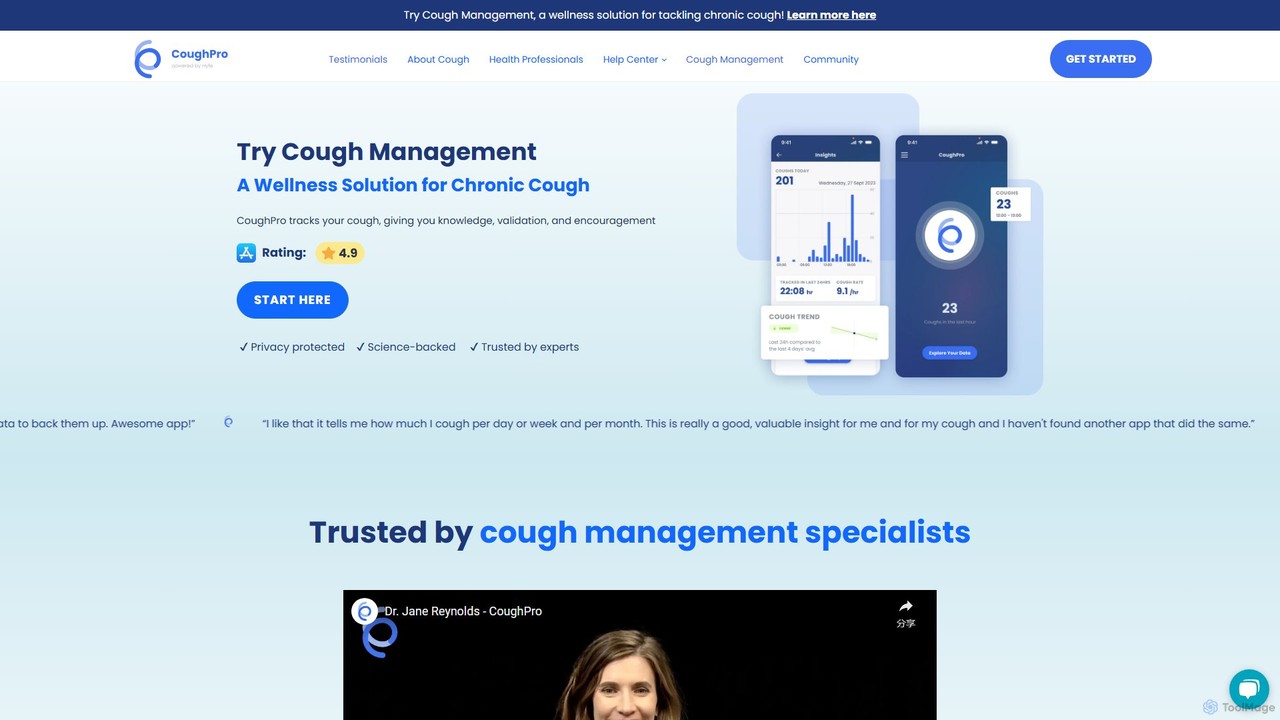
CoughPro is an AI-powered wellness app that accurately tracks your coughs using your smartphone's microphone. It provides detailed analytics and reports on cough frequency and patterns, empowering you with objective data to better understand your respiratory health and facilitate more informed discussions with your doctor.

Symptom Tracking
Visits 10.8KFavorites 136Likes 140
Ask Marcus
Freemium

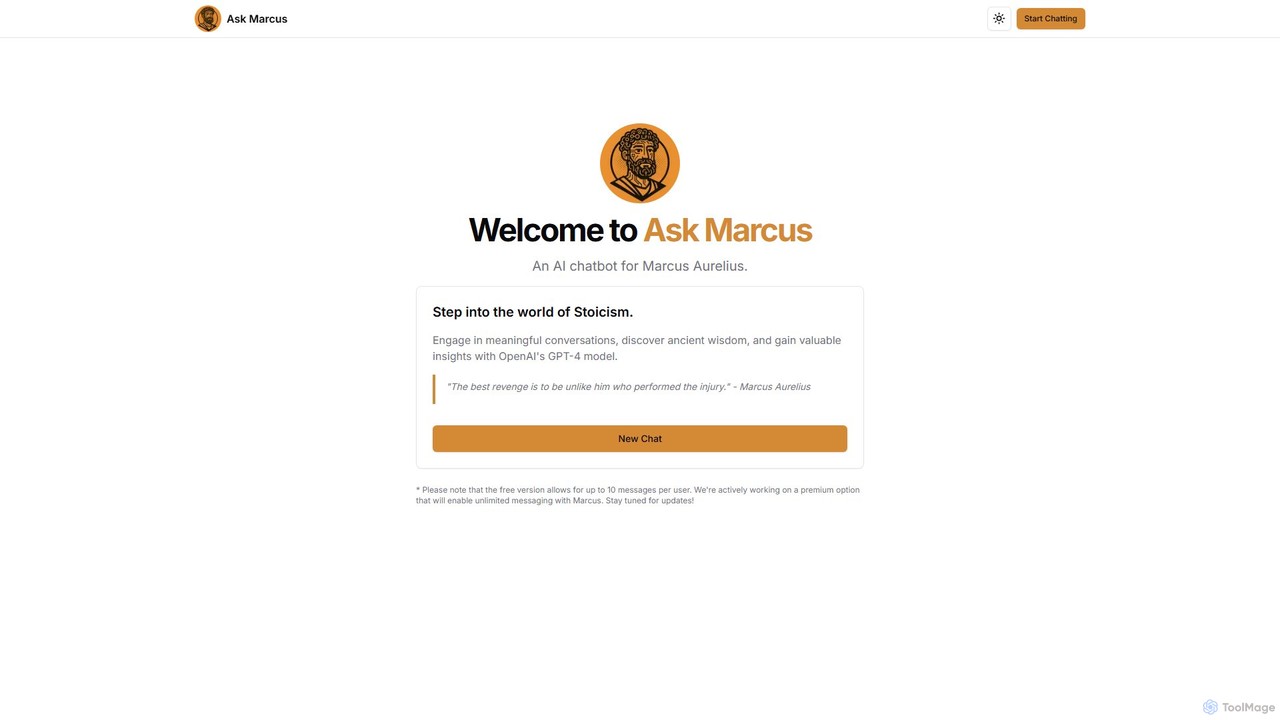
Ask Marcus

Engage in insightful conversations with an AI persona of the Roman emperor and Stoic philosopher, Marcus Aurelius. Powered by GPT-4, Ask Marcus provides timeless wisdom and practical advice based on Stoic principles to help you navigate the challenges of modern life. A unique tool for self-reflection, personal growth, and mental resilience.

Philosophy
Visits 6KFavorites 169Likes 152
LoveAdvisor AI
Paid

LoveAdvisor AI

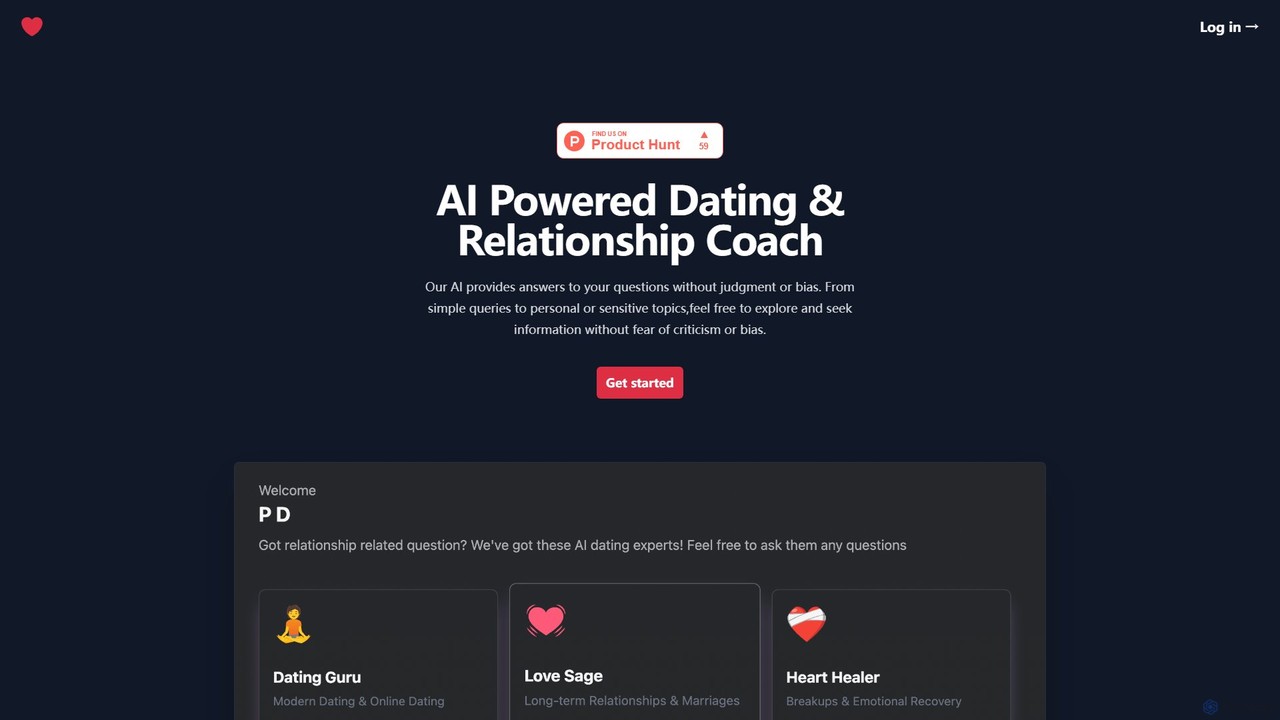
LoveAdvisor AI is a 24/7 dating and relationship coach that provides confidential, unbiased, and empathetic advice. Ask anything from simple questions to sensitive topics and receive personalized guidance to navigate the complexities of modern relationships and build confidence.

Mental Wellness
Visits 5.9KFavorites 147Likes 130
Airfriend
Freemium

Airfriend

Airfriend is a personal AI companion you can chat with directly on WhatsApp. Simply send a message to start a conversation. You can customize its name, personality, and profession, creating a unique virtual friend that remembers your conversations and evolves with you. It's designed for companionship, casual chat, and emotional support, available 24/7.

Entertainment
Visits 5.9KFavorites 151Likes 160
Peppi
Freemium

Peppi

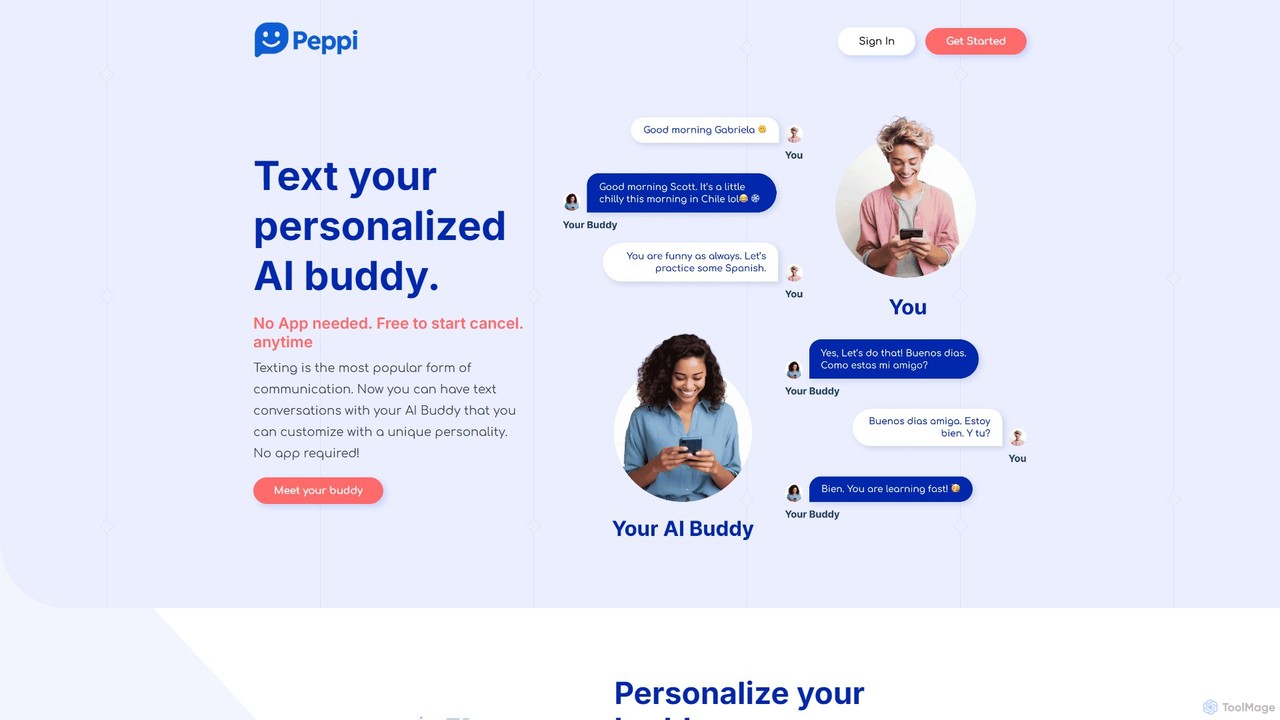
Peppi is a personalized AI companion you can text for emotional support, daily check-ins, and meaningful conversations. No app is required; interact entirely via SMS. Customize your AI buddy's personality, name, and more to create a friend that truly understands you.

Language Learning
Visits 6.4KFavorites 135Likes 148
MoodMaster AI
Freemium

MoodMaster AI

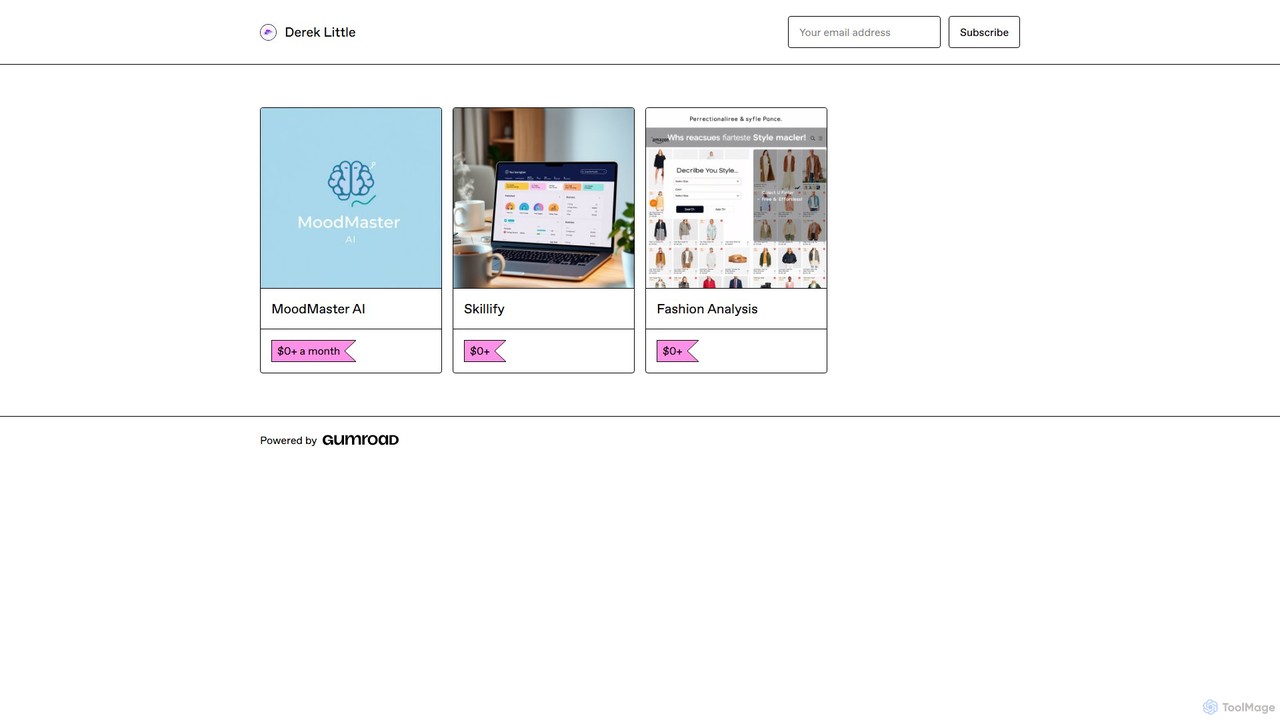
MoodMaster AI is a personal mental health assistant designed to help users manage stress and anxiety. Through daily mood tracking, AI-powered personalized insights, guided meditations, and stress-relief exercises, it provides actionable steps to improve mental well-being and visualize progress over time.

Mental Health
Visits 5.9KFavorites 147Likes 140
TalkPersona
Free

TalkPersona

TalkPersona offers a unique AI video chat experience, allowing you to have free, real-time conversations with a lifelike virtual companion. Featuring a talking face with natural voice and lip-sync, it supports customizable role-playing and multiple languages. The platform also includes a free, instant voice translator for seamless cross-language communication. No sign-up is required, ensuring complete anonymity.

Ai Companion
Visits 18.3KFavorites 119Likes 131
SkinGenie
Free

SkinGenie

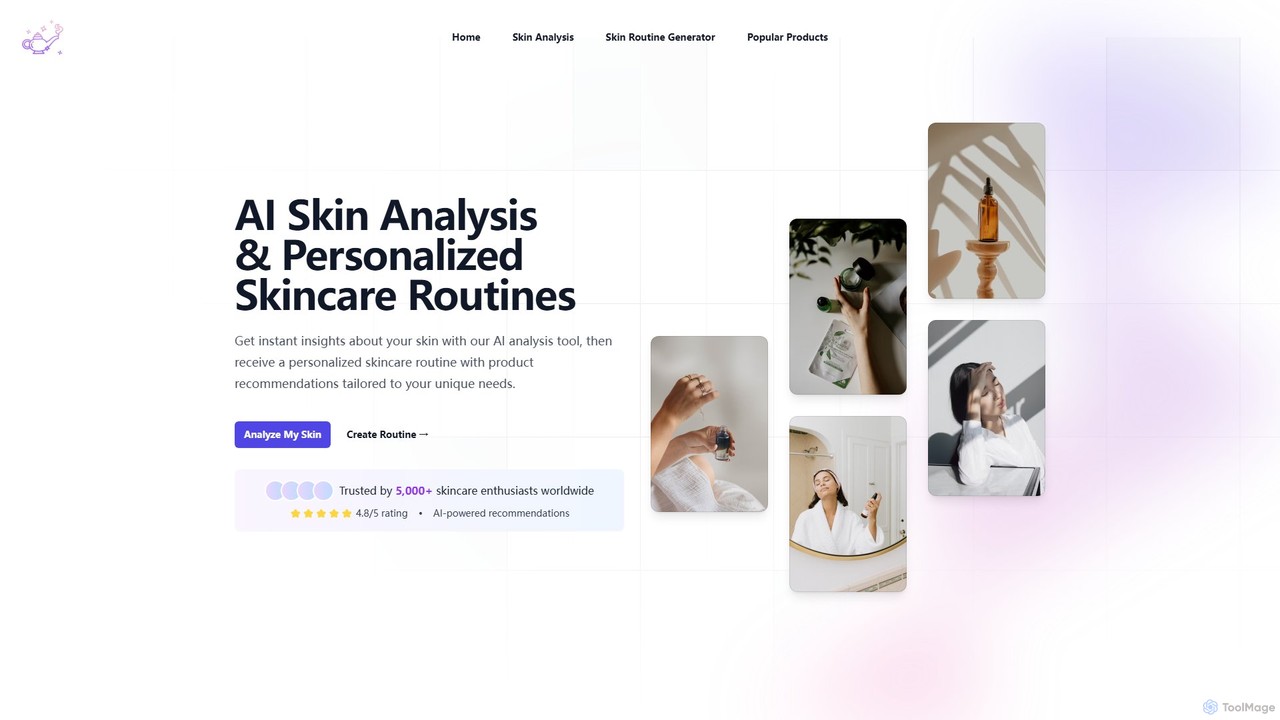
SkinGenie is a free AI-powered platform that provides instant skin analysis and generates personalized skincare routines. By analyzing a user's photo or detailed questionnaire, it recommends suitable Korean and Western skincare products tailored to individual skin types, concerns, budget, and lifestyle.

Skincare
Visits 6KFavorites 92Likes 94
Gnothi
Freemium

Gnothi

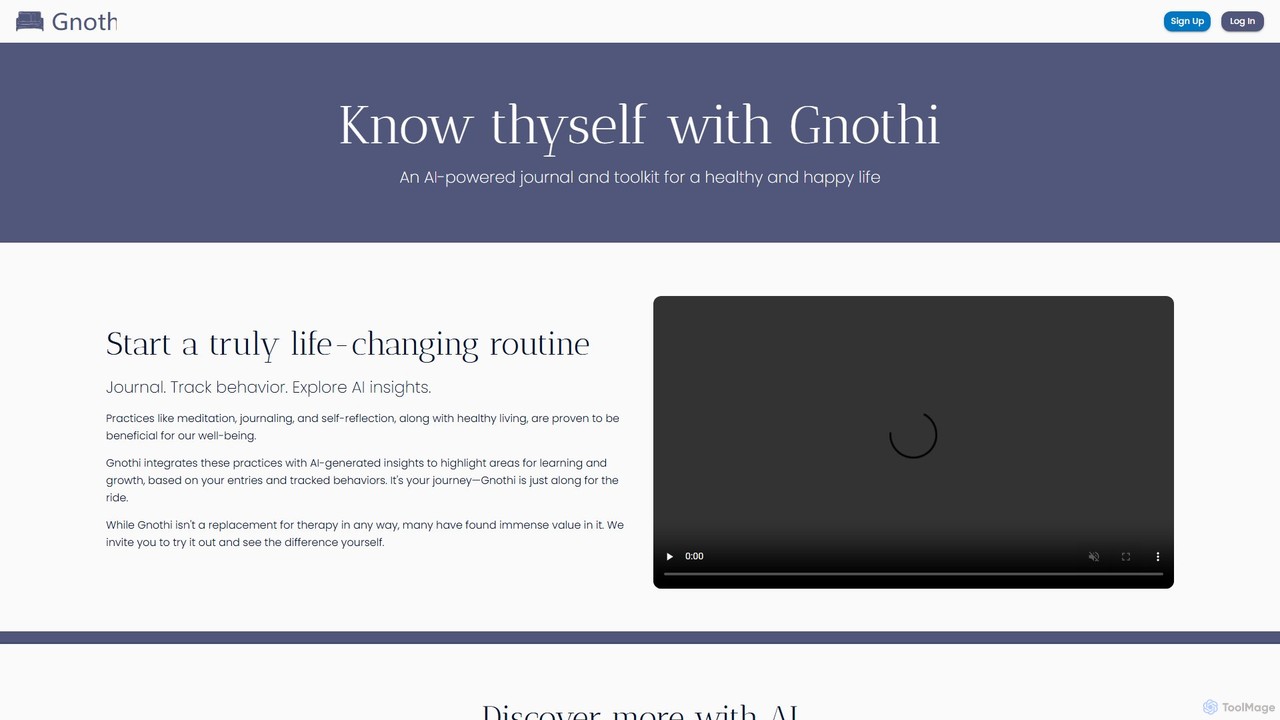
Gnothi is an AI-powered journal and toolkit designed for self-discovery and mental wellness. It integrates journaling and behavior tracking with AI-generated insights to help you understand your thoughts, identify emotional patterns, and foster personal growth. Get summaries of your entries, discover relevant book recommendations, and organize your reflections for a healthier, happier life.

Mental Health
Visits 6KFavorites 139Likes 150
Riot IQ
Freemium

Riot IQ

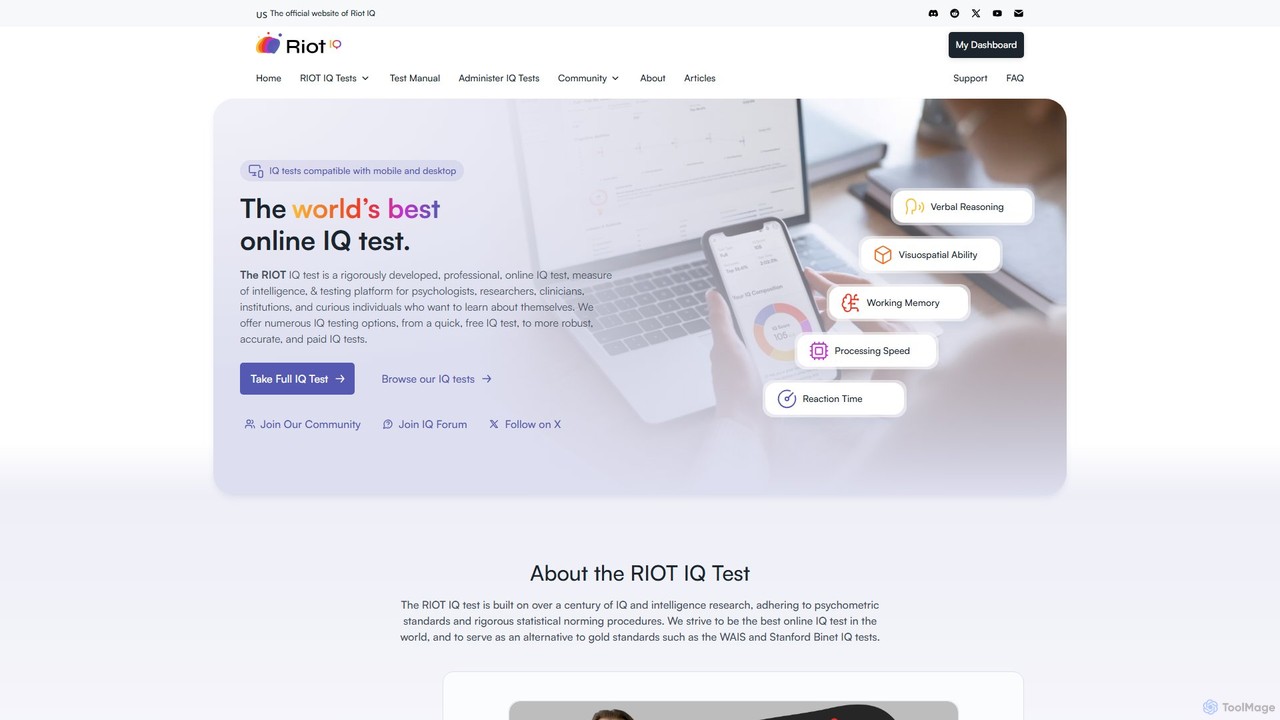
Riot IQ is a professional, scientifically-validated online IQ testing platform. Developed by psychometrics experts, it offers a modern, accessible alternative to traditional tests, providing detailed analysis of five core cognitive abilities for individuals, researchers, and clinicians.

Testing
Visits 170.2KFavorites 165Likes 152
Empathy
Paid

Empathy

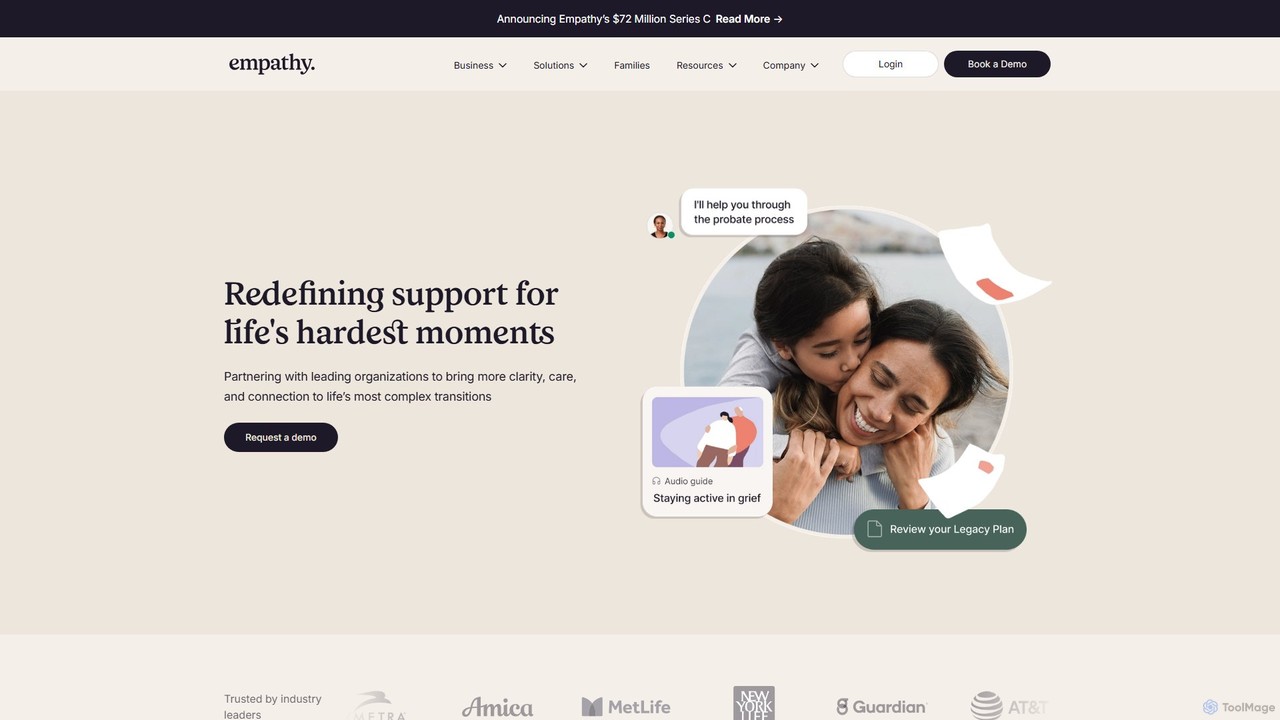
Empathy is a comprehensive support platform designed to help families navigate the emotional and logistical challenges of loss. Combining technology with human care, it offers personalized guidance for tasks like funeral planning, estate settlement, and grief support, primarily as a benefit offered by employers and insurance companies.

Insurance
Visits 77.8KFavorites 125Likes 136
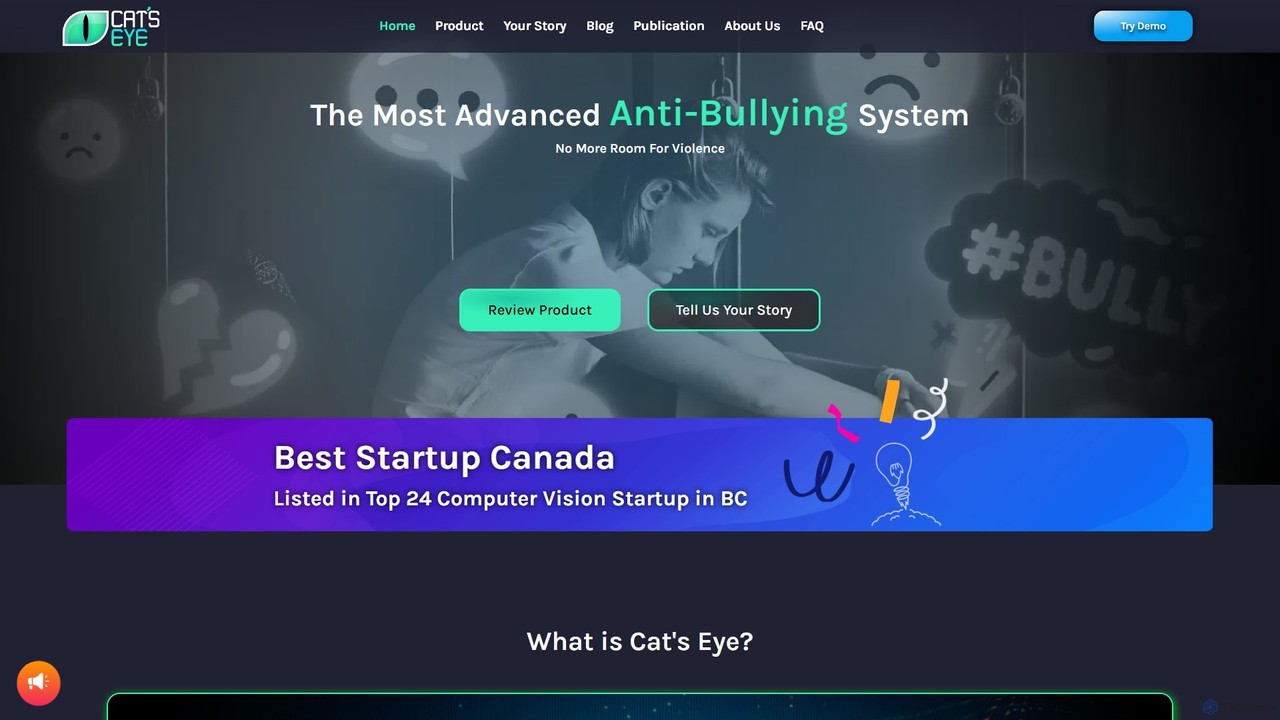
thecatseye
Paid

thecatseye

The Cat's Eye is an advanced AI-powered anti-bullying system designed for schools. It utilizes computer vision and audio analysis to detect verbal and physical violence in real-time from existing surveillance systems, sending immediate alerts to staff to enable prompt intervention and create a safer educational environment.

School Management
Visits 5.9KFavorites 146Likes 151
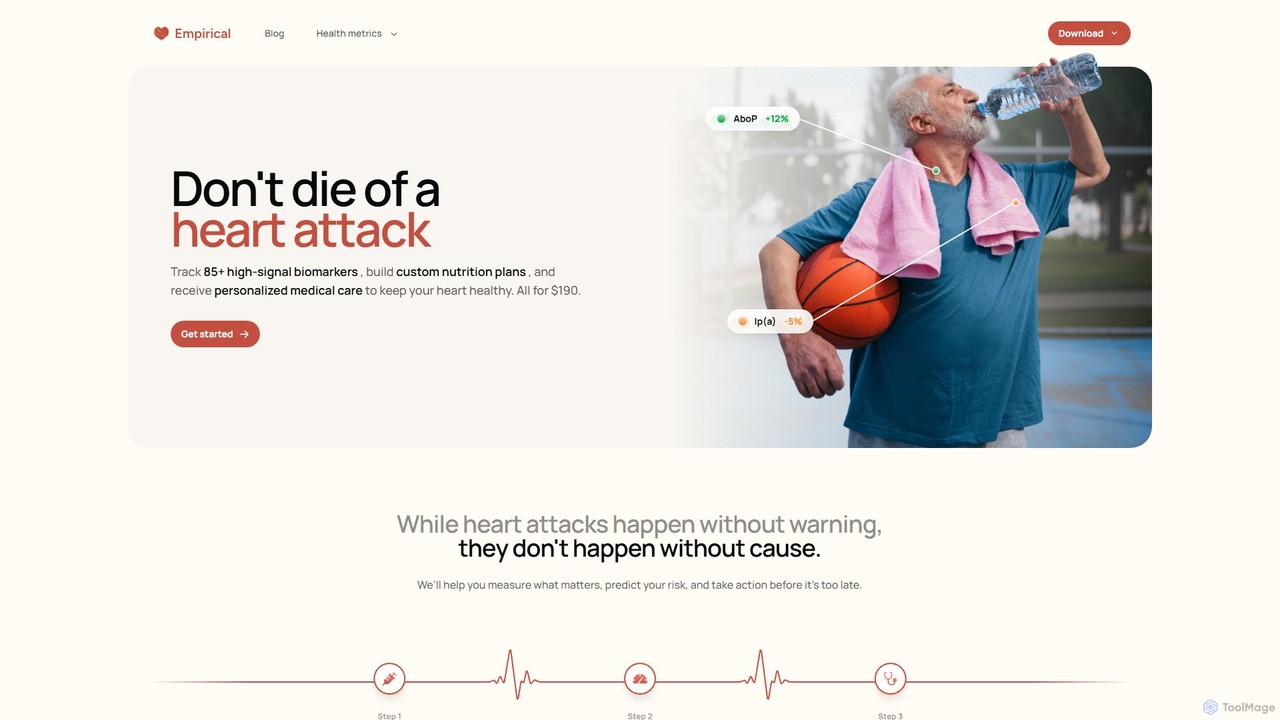
Empirical Health
Paid

Empirical Health

Empirical Health is a proactive healthcare service that uses AI to analyze comprehensive lab tests and wearable data. It focuses on preventing chronic diseases, especially heart attacks, by providing personalized health insights, risk assessments, and actionable plans. The service combines advanced biomarker analysis (like ApoB & Lp(a)) with data from devices like the Apple Watch to offer a holistic view of your health, guided by medical professionals.

Personalized Medicine
Visits 96.7KFavorites 126Likes 127
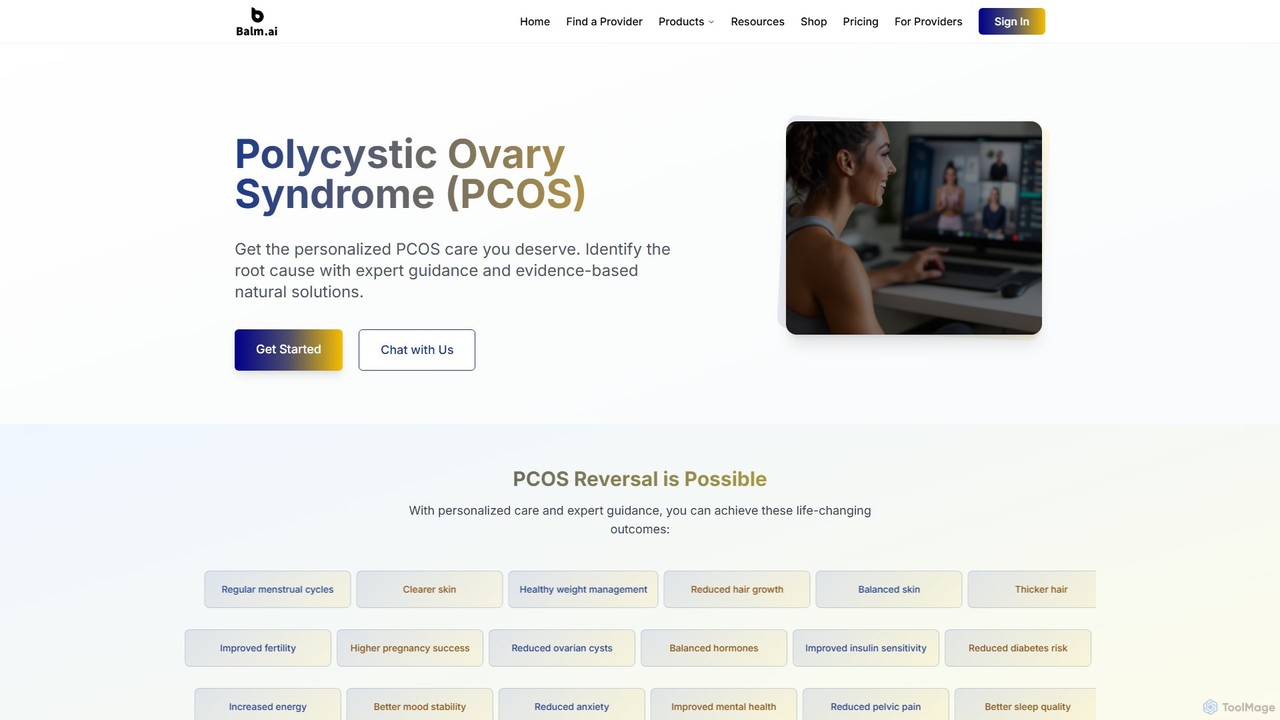
Balm.ai
Freemium

Balm.ai

Balm.ai is an AI-powered health platform dedicated to helping women manage and reverse Polycystic Ovary Syndrome (PCOS) naturally. It offers personalized care through expert guidance, tailored nutrition and exercise plans, and an AI-driven app for tracking symptoms and progress. The platform provides a holistic approach, connecting users with a network of healthcare professionals and a supportive community.

Personalized Medicine
Visits 6KFavorites 107Likes 129
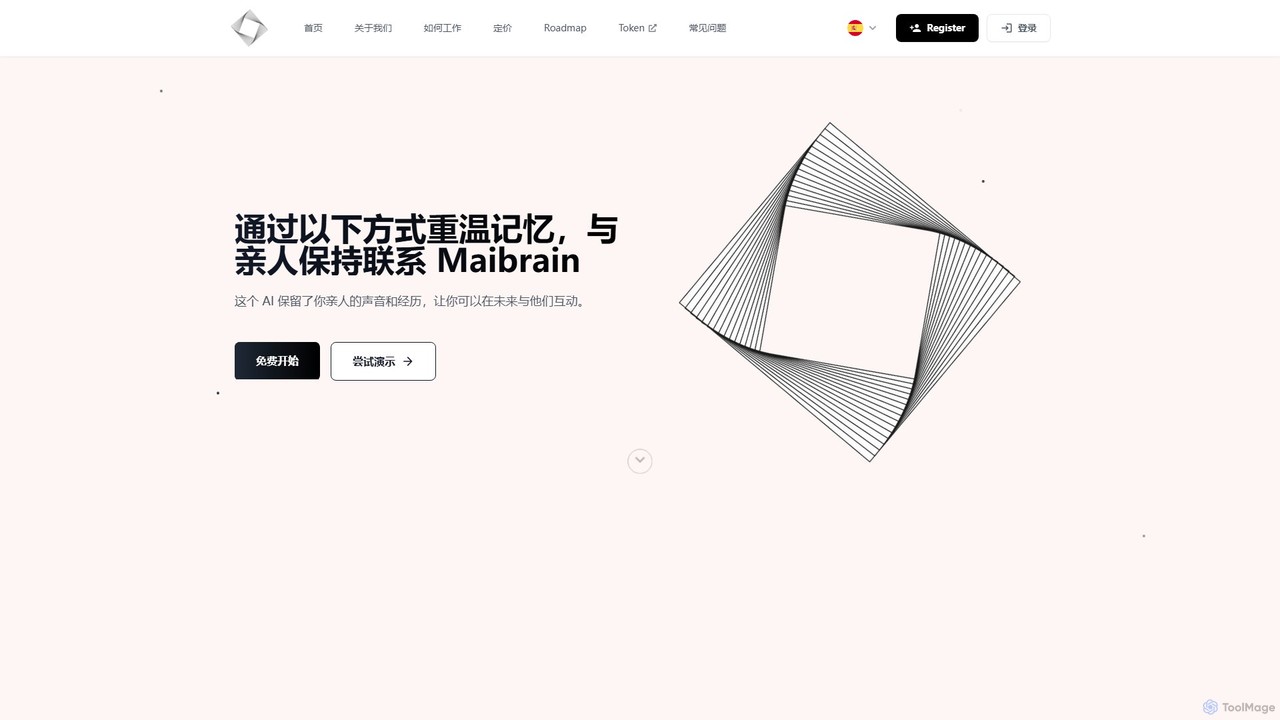
Maibrain
Freemium

Maibrain

Maibrain is an AI platform that preserves the memories of your loved ones by cloning their voice and experiences. It allows you to create an interactive digital persona, enabling you to have conversations, relive special moments, and maintain a lasting emotional connection for generations to come.

Chatbots
Visits 6.3KFavorites 135Likes 155
fixmylife.ai
Freemium

fixmylife.ai

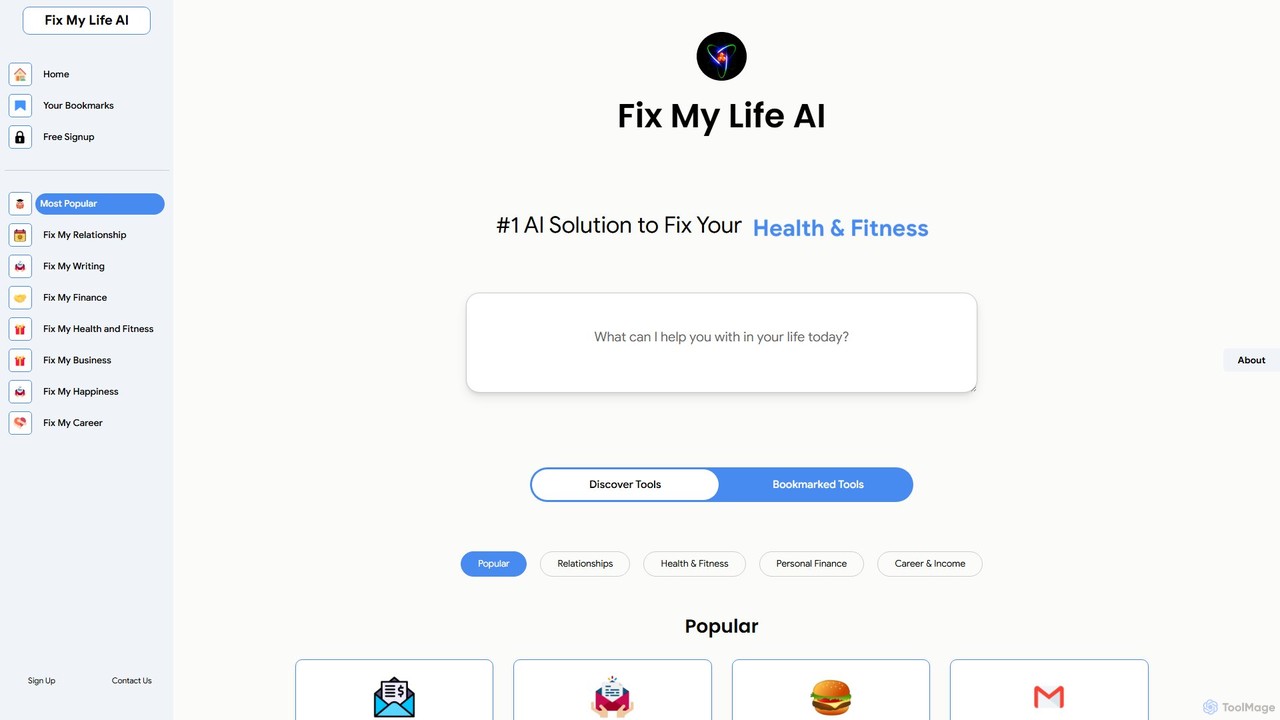
fixmylife.ai is an AI-powered life coach designed to help you solve personal and professional problems. By analyzing your challenges, it provides structured guidance, actionable steps, and personalized strategies for self-improvement. Whether you're facing a career dilemma, a personal conflict, or need help with goal setting, this tool offers a confidential and accessible space to find clarity and direction.

Mental Wellness
Visits 6.1KFavorites 135Likes 142
mindpeace
Freemium

mindpeace

mindpeace is an AI-powered mental health companion designed to provide 24/7 support for your wellbeing. Through a non-judgmental chat interface, personalized learning programs, and self-assessment tests, it helps you navigate challenges like stress, anxiety, and burnout. It offers an accessible, affordable, and private space to foster serenity, clarity, and peace of mind.

Mental Health
Visits 5.8KFavorites 170Likes 183
GitaGPT
Freemium

GitaGPT

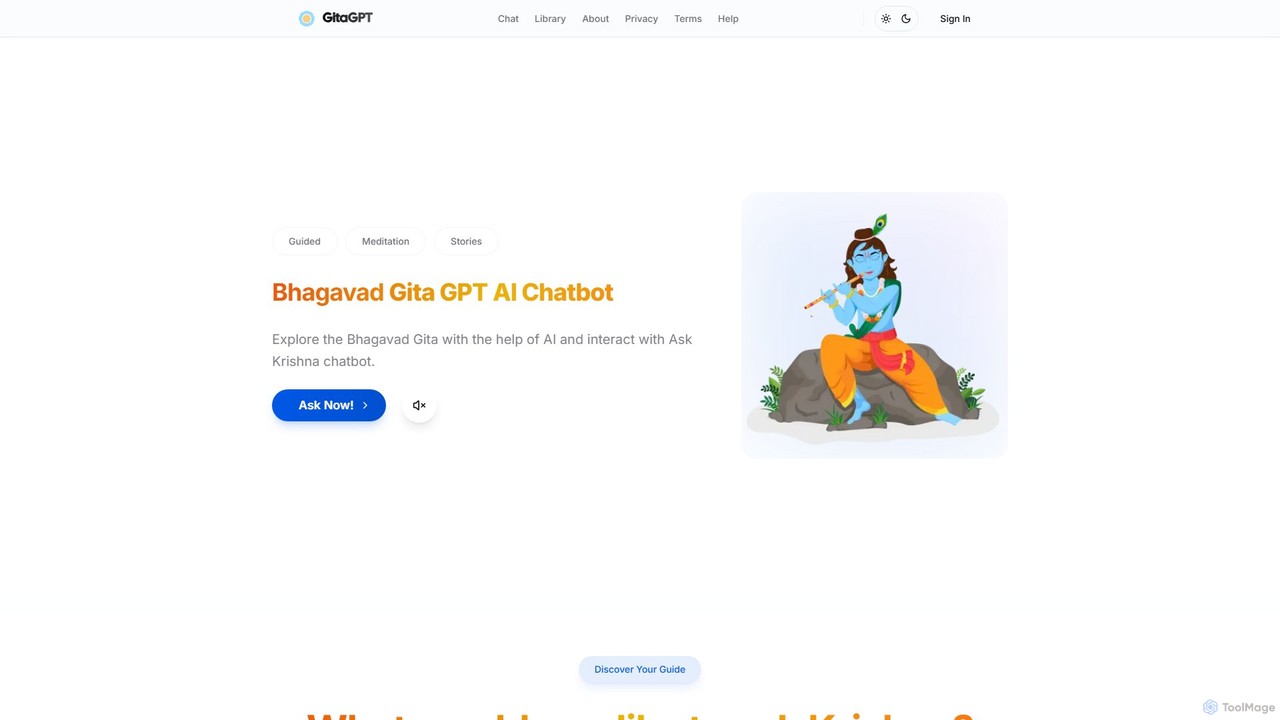
GitaGPT is an AI-powered platform offering spiritual guidance through conversations with AI chatbots based on the Bhagavad Gita and other spiritual figures. It helps users explore ancient wisdom, find answers to life's profound questions, and receive personalized advice for mental clarity and self-discovery.

Character
Visits 19.1KFavorites 138Likes 145
bibletherapy.xyz
Freemium

bibletherapy.xyz

An AI-powered spiritual companion designed to provide guidance, comfort, and insight from the Bible. Engage in a conversation to explore scriptures, find answers to life's questions, and receive personalized verses tailored to your emotional and spiritual needs.

Study
Visits 5.9KFavorites 129Likes 135

About Health

AI Health tools are applications that leverage artificial intelligence to analyze health data, support clinical decisions, and enhance personal wellness. These tools utilize machine learning algorithms to process complex information, such as medical images, electronic health records, and real-time biometric data. They are designed to assist healthcare professionals in diagnostics and treatment planning, accelerate biomedical research, and empower individuals to manage their health proactively. By identifying patterns and predicting outcomes, AI Health tools aim to improve accuracy, efficiency, and accessibility in the healthcare ecosystem.

Core Features

  • Medical Data Analysis: Processes and interprets complex datasets like MRIs, CT scans, and genomic sequences to identify anomalies or patterns.
  • Predictive Analytics: Forecasts disease risk, patient outcomes, or treatment responses based on historical and real-time data.
  • Symptom Assessment: Provides preliminary analysis of user-reported symptoms to suggest appropriate next steps for care.
  • Personalized Wellness Planning: Creates customized fitness, nutrition, or mental health plans based on individual goals and biometric data.
  • Administrative Automation: Streamlines tasks such as medical coding, patient scheduling, and clinical documentation using natural language processing.

Use Cases

AI Health tools are used across the healthcare spectrum. Radiologists and pathologists employ them for faster, more accurate analysis of medical images to detect diseases like cancer. Pharmaceutical researchers use AI to accelerate drug discovery by predicting molecular interactions. Hospitals and clinics deploy them to optimize patient flow and automate administrative tasks. Individuals use consumer-facing apps for symptom checking, mental wellness support, and managing chronic conditions through personalized guidance.

How to Choose

When selecting an AI Health tool, prioritize regulatory compliance and clinical validation. Verify if the tool adheres to data privacy laws like HIPAA or GDPR. Look for evidence of its effectiveness, such as peer-reviewed studies or clearance from regulatory bodies. Assess its integration capabilities with existing systems like Electronic Health Records (EHRs). For personal use, consider the user interface's clarity and the quality of the support provided.

Featured tool rankings

Health use cases

1

AI-Assisted Medical Image Analysis

A radiologist is tasked with reviewing hundreds of CT scans daily to identify subtle signs of early-stage cancer. Using an AI Health tool, each scan is pre-analyzed to highlight suspicious regions of interest and provide quantitative measurements. The AI compares findings against a vast database of annotated images, flagging potential abnormalities that might be missed by the human eye under time pressure. This allows the radiologist to focus their expertise on complex cases, increasing diagnostic accuracy and reducing the average review time per scan, ultimately leading to earlier patient diagnoses.

2

Personalized Fitness and Nutrition Planning

An individual wants to improve their overall health but lacks the knowledge to create an effective diet and workout plan. They use an AI-powered wellness app that collects data on their goals, dietary preferences, activity level, and even sleep patterns from a wearable device. The AI generates a dynamic weekly plan with personalized meal suggestions and adaptive workout routines. If the user misses a workout or logs a different meal, the AI adjusts future recommendations to keep them on track towards their goals, providing a level of personalization previously only available through a personal coach.

3

Automating Medical Coding and Billing

A healthcare administrator in a busy clinic struggles with delays and errors in the medical billing process. They implement an AI tool that uses Natural Language Processing (NLP) to scan doctors' clinical notes and patient records. The tool automatically identifies diagnoses, procedures, and services, then suggests the corresponding standardized medical codes (like ICD-10). This automates a significant portion of the manual coding work, reduces human error, ensures compliance, and accelerates the reimbursement cycle from insurance companies, improving the clinic's financial health.

4

AI-Powered Symptom Checker for Initial Triage

A person experiences a new, non-emergency symptom late at night and is unsure whether to visit an emergency room or wait to see a doctor. They use an AI symptom checker app, where a conversational AI asks a series of targeted questions about their symptoms, medical history, and risk factors. Based on the responses, the tool provides information on possible causes and a recommendation for the appropriate level of care, such as self-care at home, scheduling a telehealth consultation, or seeking urgent care. This empowers the user with information to make a timely decision and helps reduce unnecessary visits to emergency facilities.

5

Accelerating Drug Discovery and Research

A team of pharmaceutical researchers is searching for a new compound to treat a specific disease. This process traditionally involves testing millions of molecules, which is time-consuming and expensive. They use an AI platform that analyzes vast biological datasets, including genomics and protein structures. The AI predicts which molecules are most likely to be effective and have minimal side effects, narrowing down the candidates from millions to a few hundred. This allows the research team to focus their lab experiments on the most promising compounds, significantly shortening the drug discovery timeline and reducing R&D costs.

6

AI Chatbots for Mental Wellness Support

An individual dealing with daily stress and anxiety seeks accessible, on-demand support. They use an AI mental wellness chatbot that offers guided exercises based on Cognitive Behavioral Therapy (CBT), mindfulness practices, and mood journaling. The chatbot is available 24/7, providing a private and non-judgmental space to express feelings and learn coping mechanisms. While not a replacement for a human therapist, the AI tool serves as a valuable supplement, offering immediate support during moments of distress and helping the user build emotional resilience over time through consistent, interactive practice.

Health FAQ

What are AI Health tools?

AI Health tools are software applications that use artificial intelligence, particularly machine learning, to analyze health-related data and assist in healthcare tasks. They are not a single type of product but a broad category that includes tools for clinical diagnosis support, administrative automation, and personal wellness management. For example, they can help doctors detect diseases in medical scans, automate hospital billing processes, or provide individuals with personalized fitness plans. Their primary goal is to enhance the capabilities of healthcare professionals and empower patients, not to replace human expertise.

How do I choose a reliable AI Health tool?

Choosing a reliable AI Health tool requires careful consideration of its credibility and safety. Focus on these key factors:

  • Regulatory Compliance: Check if the tool complies with health data privacy laws in your region, such as HIPAA in the US or GDPR in Europe. This is crucial for protecting your sensitive information.
  • Clinical Validation: Look for evidence that the tool works as advertised. This could be in the form of peer-reviewed scientific papers, clinical trial results, or clearance from a regulatory body like the FDA.
  • Transparency: A trustworthy tool should be clear about its capabilities and limitations. It should not make claims of being a substitute for professional medical advice.
  • Data Security: Ensure the provider has strong security measures, like encryption, to protect your data from unauthorized access.
Can AI Health tools replace doctors?

No, AI Health tools are designed to augment and support healthcare professionals, not replace them. They excel at processing vast amounts of data and identifying patterns that may be invisible to the human eye, making them powerful assistants for tasks like analyzing medical images or predicting patient risk. However, they lack the critical thinking, empathy, and holistic understanding of a patient's context that a human doctor provides. The final medical diagnosis and treatment plan should always be determined by a qualified healthcare professional who can integrate the tool's output with their clinical judgment and patient interaction.

What are the main types of AI Health tools?

AI Health tools can be broadly grouped into three main categories based on their primary users and functions:

  • Clinical Support Tools: These are designed for healthcare professionals. They include AI for medical imaging analysis (e.g., detecting tumors in X-rays), predictive models for disease progression, and platforms that assist in drug discovery.
  • Administrative & Operational Tools: These tools focus on improving the efficiency of healthcare systems. Examples include AI-powered medical coding and billing, patient scheduling optimization, and voice-to-text transcription for clinical notes.
  • Patient-Facing & Wellness Tools: These are consumer-focused applications. This category includes AI symptom checkers, mental health chatbots, personalized nutrition and fitness planners, and tools for managing chronic diseases at home.
Is my health data safe with AI tools?

The safety of your health data depends on the provider of the AI tool. Reputable companies in the healthcare space are legally required to comply with strict data privacy regulations, such as the Health Insurance Portability and Accountability Act (HIPAA) in the United States. These regulations mandate strong security measures, including data encryption and access controls, to protect sensitive patient information. Before using any AI health tool, you should always review its privacy policy to understand how your data is collected, used, stored, and protected. Choose tools that are transparent about their data practices and are compliant with the relevant regulations in your country.