Human Resources Best in category 11 results Talent Management AI Tool

Popular AI tools in the Talent Management field of Human Resources include Engagedly、Ubits、Peoplebox.ai、lapzo、Twiser、Gale、SkillOps、Keplerco、BrainPredict、Oberon, etc., helping you quickly improve efficiency.

BrainPredict

BrainPredict

BrainPredict is an enterprise AI platform offering 445 specialized AI models that run 100% on-premises. It ensures zero …

3.7K
Keplerco

Keplerco

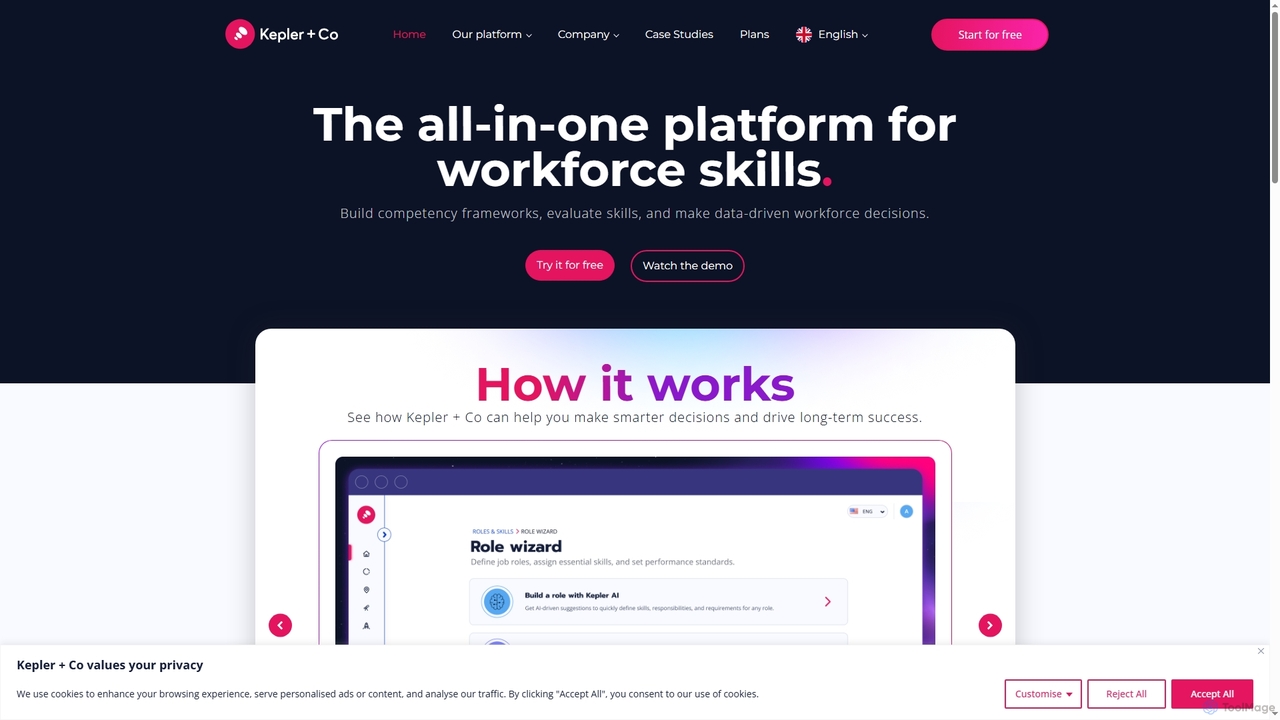
Keplerco is an all-in-one platform for workforce skills management. It empowers businesses to assess, manage, and enhance employee …

3.8K
Oberon

Oberon

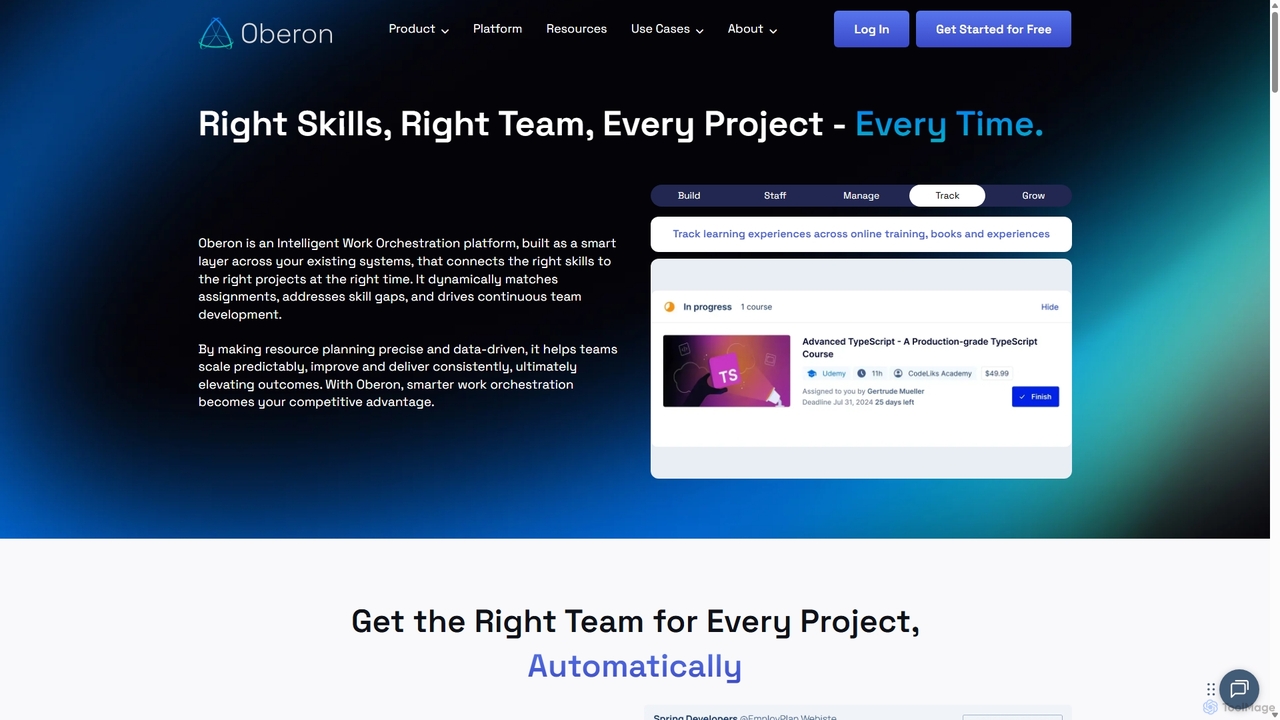
Oberon is an AI-powered Intelligent Work Orchestration platform designed to connect the right skills to the right projects …

3.1K
Ubits

Ubits

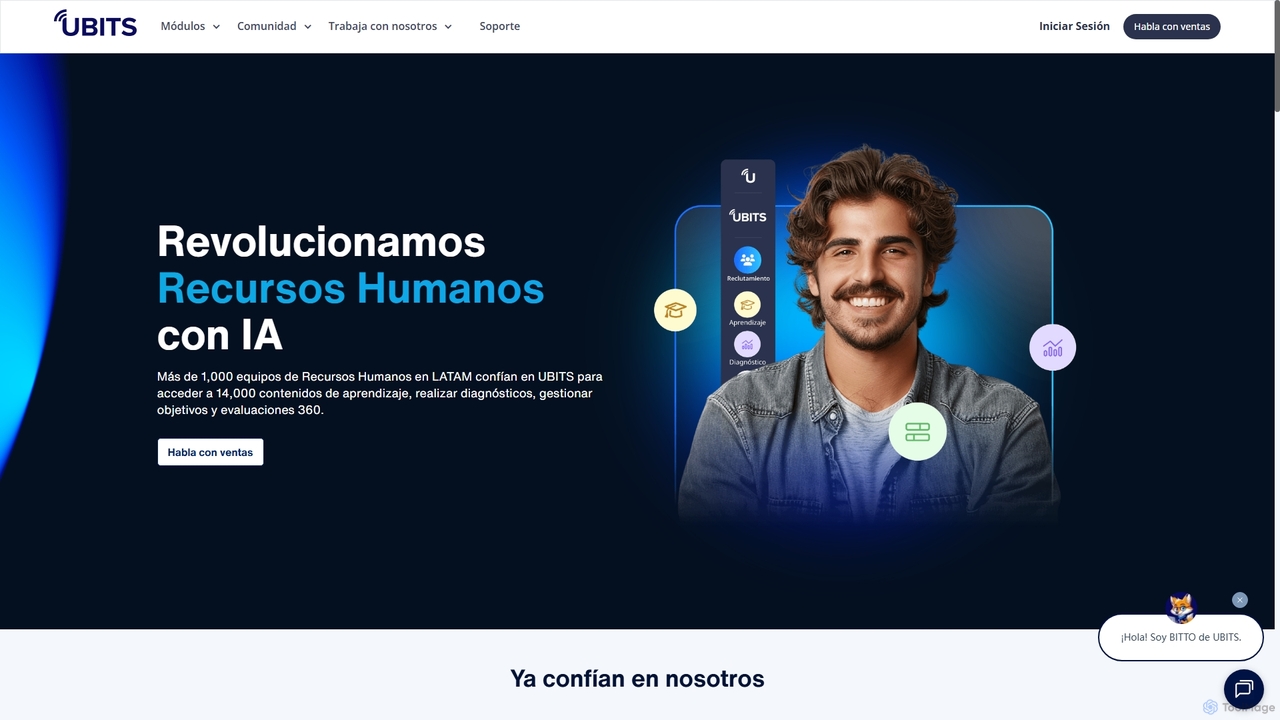
ubits is an all-in-one, AI-powered Human Resources software designed to transform talent management. It integrates learning, performance, diagnostics, …

83.2K
Engagedly

Engagedly

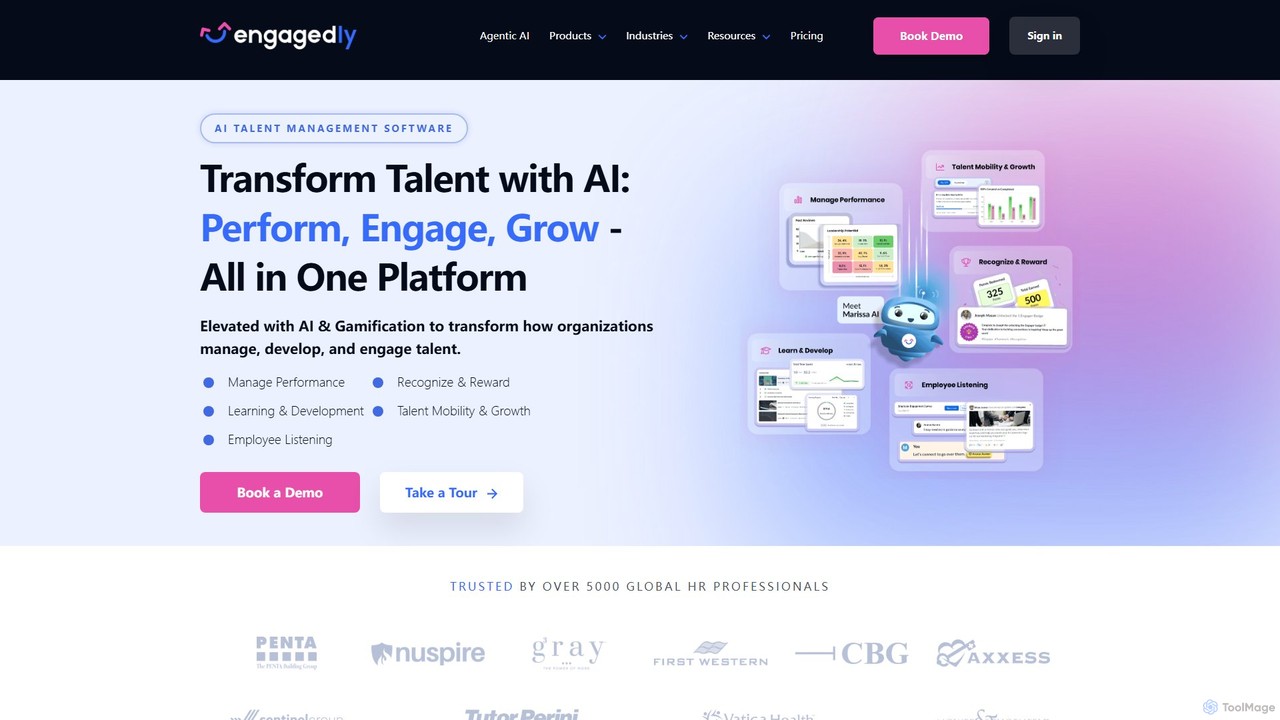
Engagedly is an AI-powered talent management platform designed to build high-performing teams. It integrates performance management, learning and …

87.3K
Twiser

Twiser

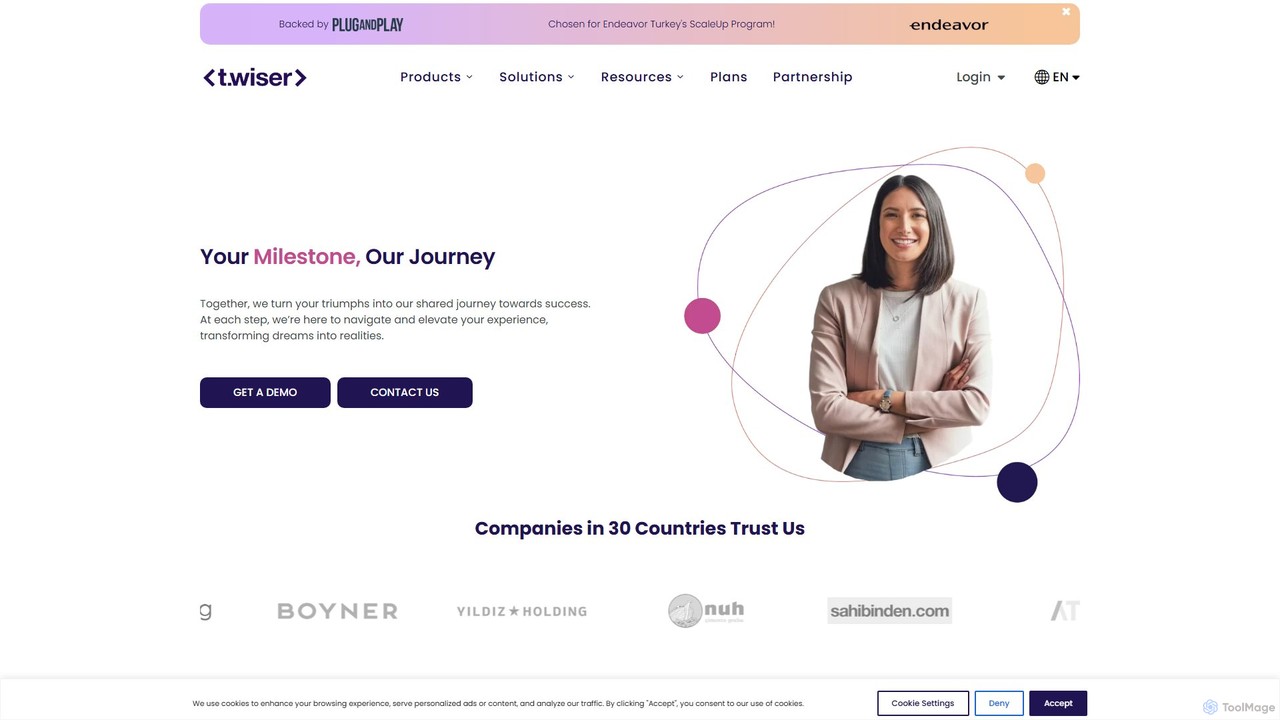
Twiser is a comprehensive AI-powered talent management platform designed to enhance employee performance, streamline goal setting with OKRs, …

26.0K
Palm

Palm

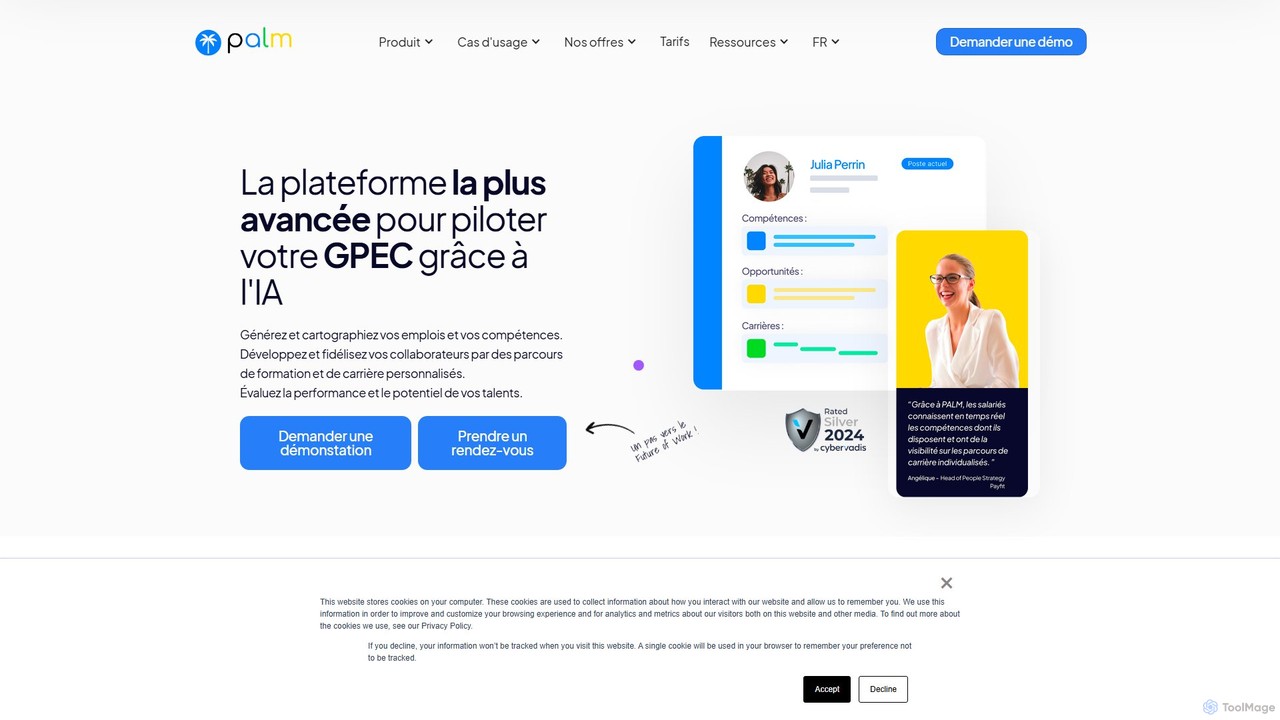
Palm is an AI-powered platform for strategic workforce planning and talent management. It helps HR teams map skills, …

3.1K
lapzo

lapzo

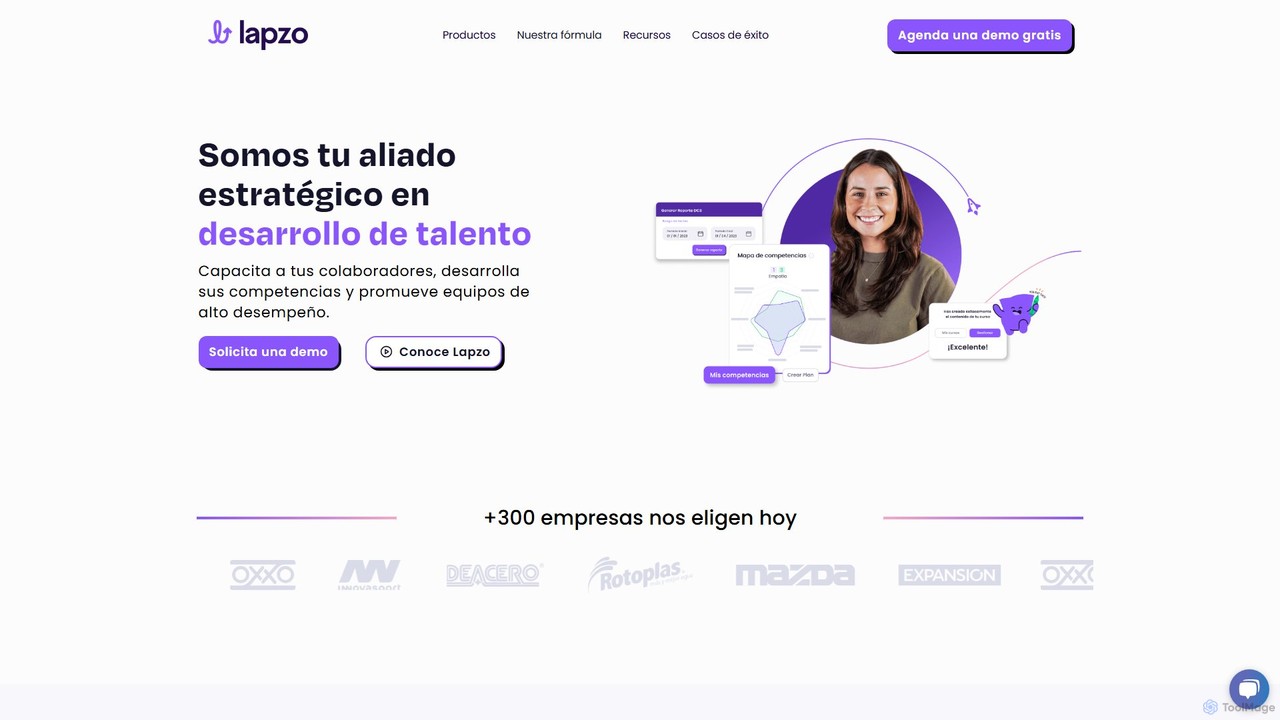
lapzo is a 360-degree talent management platform designed to help businesses execute their talent strategy effectively. It integrates …

32.3K
SkillOps

SkillOps

SkillOps is an AI-powered SaaS platform designed for strategic skill management and capacity planning. It helps businesses gain …

3.9K
Peoplebox.ai

Peoplebox.ai

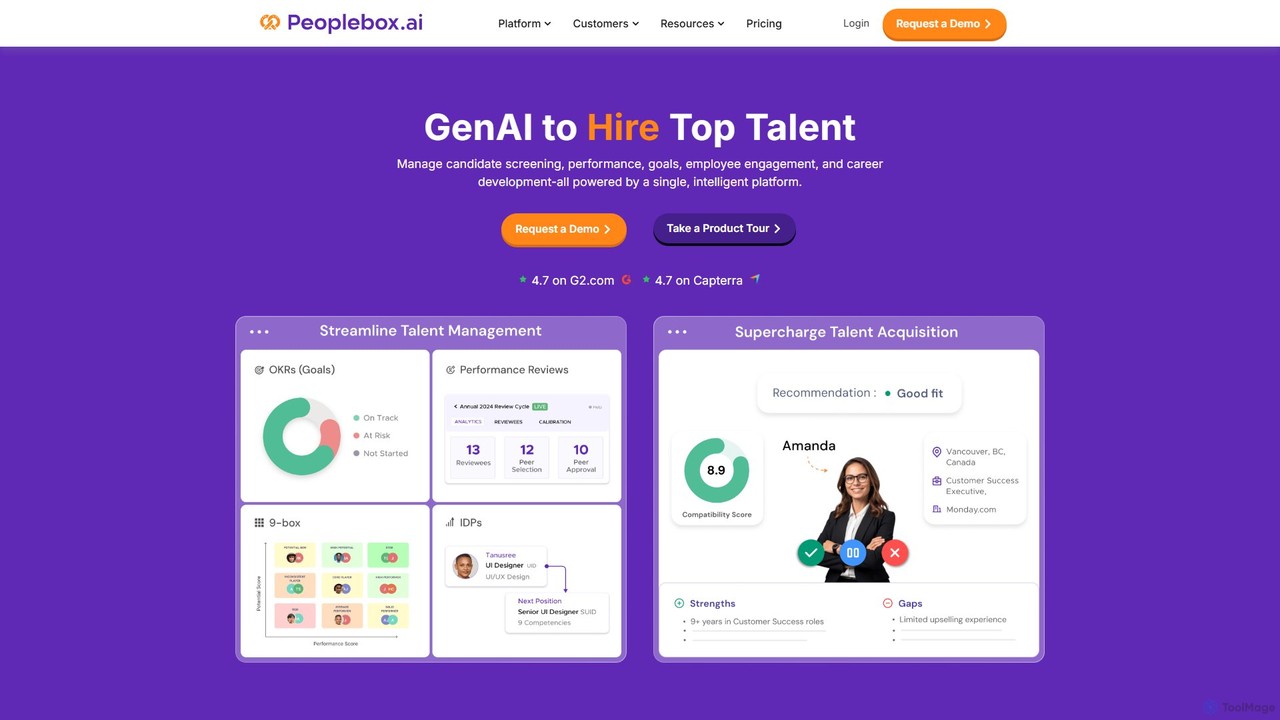
Peoplebox.ai is an AI-powered talent management platform designed to help organizations hire, develop, and retain top talent. It …

65.8K
Gale

Gale

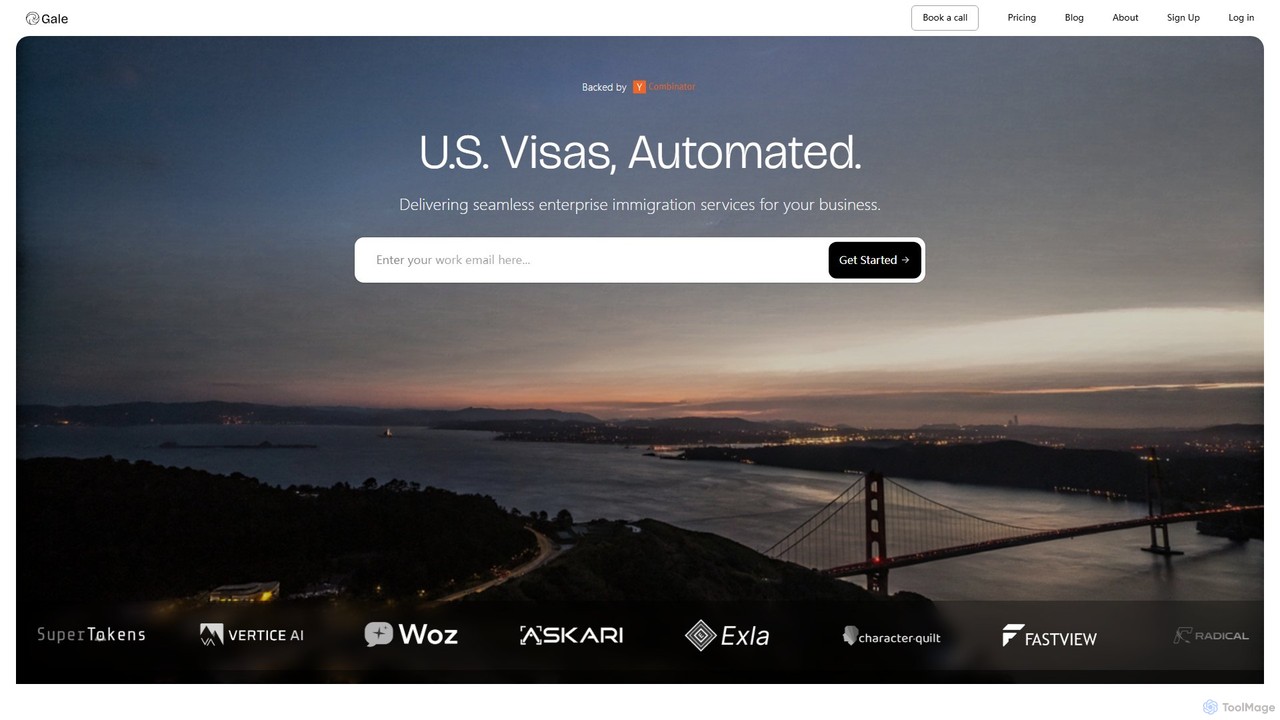
Gale is an AI-powered immigration platform that automates and simplifies the U.S. visa process for businesses. It provides …

4.0K

About Talent Management

AI Talent Management tools are specialized platforms that use machine learning and data analytics to strategically manage the entire employee lifecycle. These tools go beyond traditional HR administration by providing predictive insights into employee performance, development, and retention. They help organizations identify high-potential individuals, address skill gaps, and build robust succession plans. This data-driven approach enables businesses to align their talent strategy directly with their overarching goals, fostering a more agile and competitive workforce.

Core Features

  • Performance Analytics: Uses AI to analyze performance data, identify top performers, and suggest areas for improvement without bias.
  • Succession Planning: Identifies potential future leaders based on performance and competency data, mapping out clear development paths.
  • Skill Gap Analysis: Maps the current skills of the workforce against future business needs and recommends personalized training.
  • Employee Retention Prediction: Analyzes various data points to forecast turnover risk and identify its root causes.
  • Internal Mobility Platform: Matches employees' skills and career goals with open internal positions to encourage growth and retention.

Applicable Scenarios

These tools are primarily used by HR managers, department heads, and learning and development (L&D) specialists in medium to large enterprises. They are particularly valuable in competitive industries like technology, finance, and healthcare, where attracting and retaining top talent is critical for success. They support strategic workforce planning and leadership development initiatives.

Selection Criteria

When choosing an AI Talent Management tool, evaluate its integration capabilities with your existing HRIS. Assess the depth and accuracy of its predictive analytics. Consider the user experience for both managers and employees. Also, verify its scalability to accommodate organizational growth and ensure it complies with data privacy and security standards.

Talent ManagementUse Cases

1

Identifying High-Potential Employees for Leadership

An HR business partner at a multinational corporation uses an AI talent management platform to analyze performance reviews, 360-degree feedback, and project outcomes. The AI identifies employees who consistently exceed expectations and demonstrate leadership competencies, even if they are not in managerial roles. It creates a 'high-potential' pool, suggests personalized development plans, and helps build a robust leadership pipeline, reducing reliance on external hiring for senior positions.

2

Proactively Reducing Employee Turnover

A manager in a fast-growing tech startup uses an AI talent tool to analyze anonymous engagement survey data, communication sentiment, and workload metrics. The system flags a high turnover risk for the engineering team and identifies compensation dissatisfaction and lack of growth opportunities as key drivers. This allows the manager to proactively address these issues with HR before key talent resigns, using data to justify budget for salary adjustments and new training programs.

3

Closing Critical Skill Gaps in the Workforce

A manufacturing company is shifting towards automation. The L&D department uses an AI tool to map the current skills of its workforce against future needs. The platform identifies a critical gap in data analysis and robotics maintenance skills. It then recommends specific online courses, internal mentorship pairings, and project assignments to upskill existing employees, ensuring a smooth transition and saving on recruitment costs for new, specialized roles.

4

Automating Personalized Career Pathing

An employee at a large consulting firm accesses their company's AI talent portal. Based on their skills, project history, and stated interests, the AI generates several potential career paths within the company. It shows required skills for each path, suggests relevant internal projects to join, and connects them with potential mentors. This empowers employees to take control of their own development and increases engagement by making internal growth opportunities visible and accessible.

5

Creating Fair and Unbiased Performance Reviews

To combat unconscious bias in performance evaluations, a financial services firm implements an AI talent management tool. The system gathers objective data points throughout the year, such as project completion rates, sales figures, and client feedback. It provides managers with data-driven summaries and talking points for reviews, ensuring evaluations are based on concrete achievements rather than subjective feelings. This leads to fairer promotion and compensation decisions across the organization.

6

Optimizing Internal Talent Mobility

A retail chain needs to fill a new regional manager position quickly. Instead of immediately posting the job externally, the hiring manager uses the AI platform's internal mobility feature. The tool scans the profiles of all current store managers, matching their skills, performance history, and relocation preferences to the job requirements. It identifies three highly qualified internal candidates in minutes, accelerating the hiring process, promoting from within, and improving overall employee morale.

Talent ManagementFrequently Asked Questions