Productivity Best in category 3 results Alerts AI Tool

Popular AI tools in the Alerts field of Productivity include AirTrackBot、Mighty Travels Premium、Fraudsebacho, etc., helping you quickly improve efficiency.

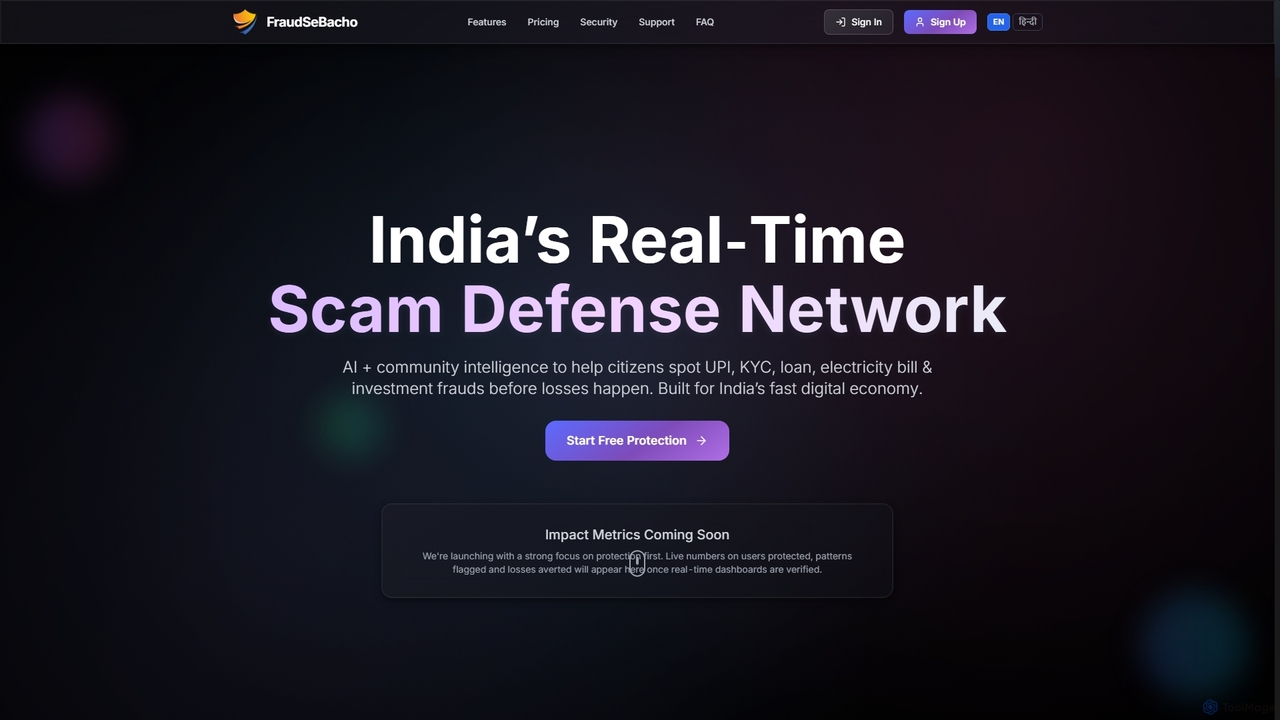
Fraudsebacho

Fraudsebacho

An AI-powered real-time scam detection and protection platform for India. It combines AI with community intelligence to help …

2.6K
Free
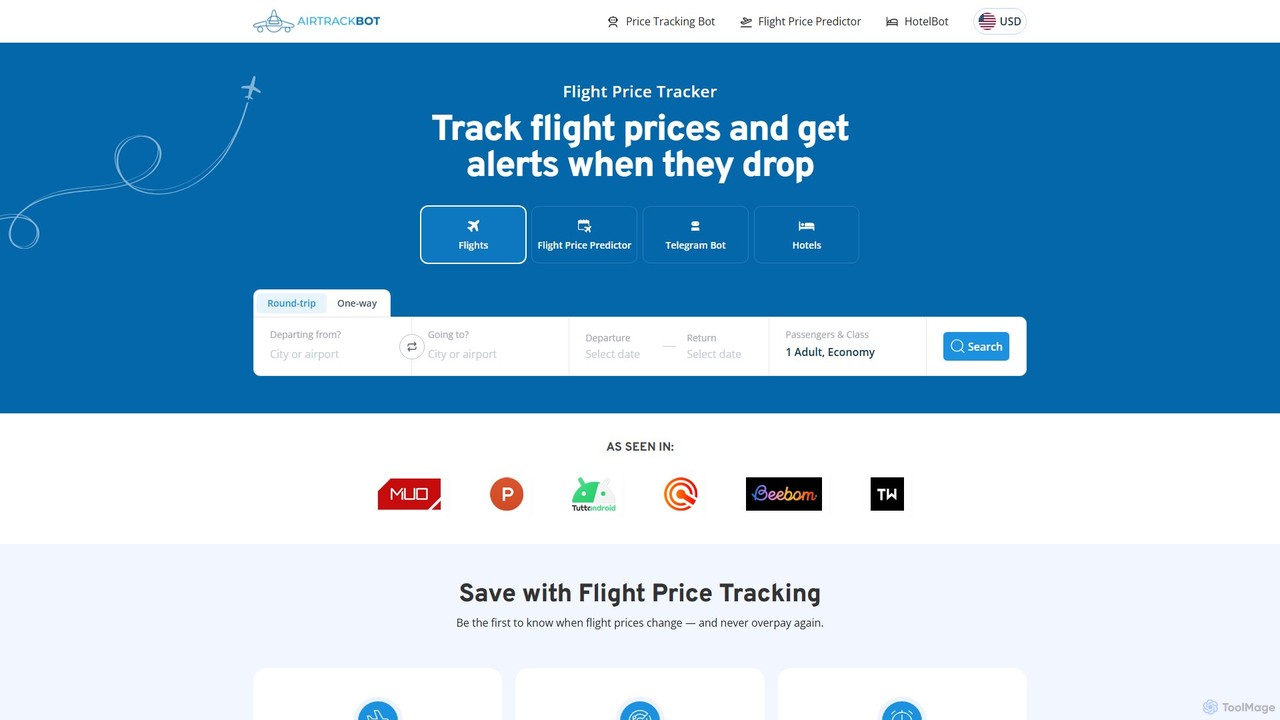
AirTrackBot

AirTrackBot

AirTrackBot is an AI-powered flight price tracker that helps you find the cheapest flights. Set up real-time price …

47.1K
Mighty Travels Premium

Mighty Travels Premium

Mighty Travels Premium is an AI-powered subscription service that helps travelers save up to 90% on flights and …

33.0K

About Alerts

AI Alert tools are a specialized category within productivity tools designed to proactively monitor various data streams and notify users of significant events, changes, or anomalies. Leveraging machine learning and natural language processing, these tools can identify complex patterns, detect deviations, and deliver timely, context-rich notifications across multiple channels. They enhance productivity by automating vigilance, ensuring critical information is never missed, and enabling swift, informed responses to dynamic situations.

Core Features

  • Real-time Monitoring: Continuously tracks specified data sources like news, social media, emails, or system metrics for predefined or anomalous events.
  • Customizable Triggers: Allows users to set specific keywords, thresholds, or conditions that will activate an alert.
  • Anomaly Detection: Utilizes AI to learn normal patterns and flag unusual activities or data points that deviate significantly.
  • Multi-channel Delivery: Sends notifications through preferred channels such as email, SMS, Slack, or dedicated dashboards.
  • Sentiment Analysis: For text-based alerts, it can gauge the emotional tone of mentions or news, providing deeper context.

Applicable Scenarios

AI Alert tools are invaluable for professionals who need to stay informed without constant manual checking. Marketing teams use them to track brand mentions and sentiment, IT operations monitor system health and security threats, and business analysts keep tabs on market trends and competitor activities. They are crucial for proactive decision-making and risk management across various industries.

How to Choose

When selecting an AI Alert tool, consider its integration capabilities with your existing platforms (CRM, project management, monitoring systems). Evaluate the range and types of data sources it can monitor, the flexibility of its customization options for alert triggers and delivery, and its accuracy in detecting relevant events while minimizing false positives. Scalability, pricing models, and the level of AI sophistication for anomaly detection are also key factors.

AlertsUse Cases

1

Monitor Brand Mentions and Sentiment

Marketing and PR teams can use AI Alert tools to continuously scan social media, news outlets, and forums for mentions of their brand, products, or key executives. The tool can provide real-time alerts for positive or negative sentiment shifts, potential PR crises, or significant increases in discussion volume. This allows teams to respond quickly to customer feedback, manage brand reputation proactively, and identify emerging trends or issues before they escalate, saving valuable time and protecting brand image.

2

Proactive IT System Health Monitoring

DevOps engineers and IT administrators leverage AI Alert tools to monitor critical system metrics, server logs, and network traffic for anomalies. Instead of setting rigid thresholds, AI can learn normal operational baselines and alert only when deviations suggest a potential issue, such as unusual CPU spikes, unexpected database query patterns, or early signs of a security breach. This enables proactive maintenance, minimizes downtime, and ensures system stability, significantly reducing the burden of manual oversight.

3

Track Competitor Activities and Market Trends

Business analysts and competitive intelligence teams can configure AI Alert tools to track specific competitors, industry news, regulatory changes, and market trends. The AI can filter through vast amounts of public data, identifying key announcements, product launches, strategic partnerships, or shifts in consumer behavior that might impact their business. This provides a significant competitive advantage by ensuring timely awareness of market dynamics, enabling strategic adjustments and informed decision-making.

4

Automated Project Deadline and Task Reminders

Project managers and team leads can integrate AI Alert tools with their project management software to receive intelligent reminders. Beyond simple calendar alerts, AI can analyze task dependencies, team workload, and historical project data to predict potential delays or bottlenecks. It can then send proactive alerts to relevant team members about approaching deadlines, overdue tasks, or resource conflicts, ensuring projects stay on track and mitigating risks before they become critical issues, thereby streamlining project execution.

5

Financial Market Anomaly Detection

Financial analysts and traders utilize AI Alert tools to monitor vast amounts of financial data, including stock prices, trading volumes, news headlines, and economic indicators. The AI can detect unusual trading patterns, sudden price movements, or news events that could significantly impact portfolios, often identifying these anomalies faster than human analysts. This enables rapid decision-making for buying, selling, or hedging, providing a critical edge in fast-paced financial markets and helping to mitigate potential losses or capitalize on opportunities.

6

Customer Support Issue Escalation

Customer service teams can deploy AI Alert tools to monitor incoming support tickets, customer feedback channels, and social media for high-priority issues or negative sentiment. The AI can automatically flag tickets requiring immediate attention, identify recurring problems, or detect a surge in complaints about a specific product or service. This ensures that critical customer issues are escalated promptly, improving response times, enhancing customer satisfaction, and preventing minor problems from escalating into major service disruptions.

AlertsFrequently Asked Questions