Productivity Best in category 2 results Applicant Tracking System AI Tool

Popular AI tools in the Applicant Tracking System field of Productivity include Nimble、HireNorm, etc., helping you quickly improve efficiency.

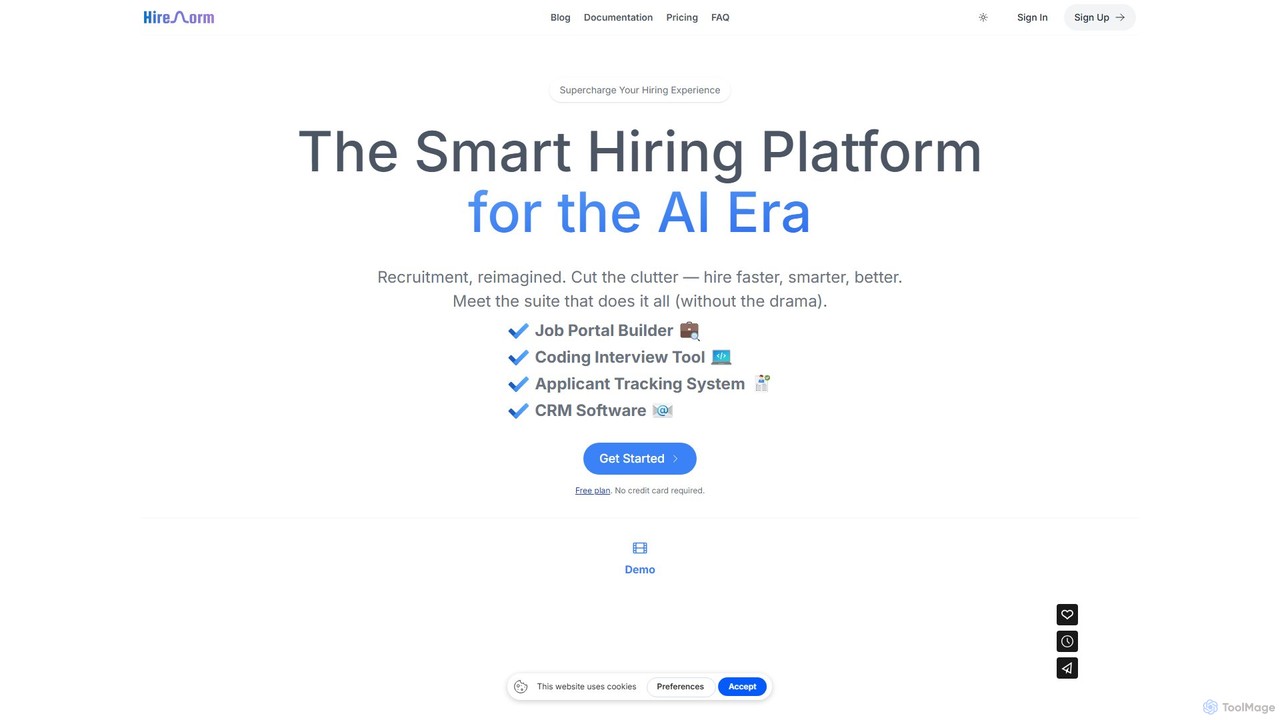
HireNorm

HireNorm

HireNorm is an AI-powered, all-in-one technical recruitment platform designed for the modern era. It streamlines the entire hiring …

4.3K
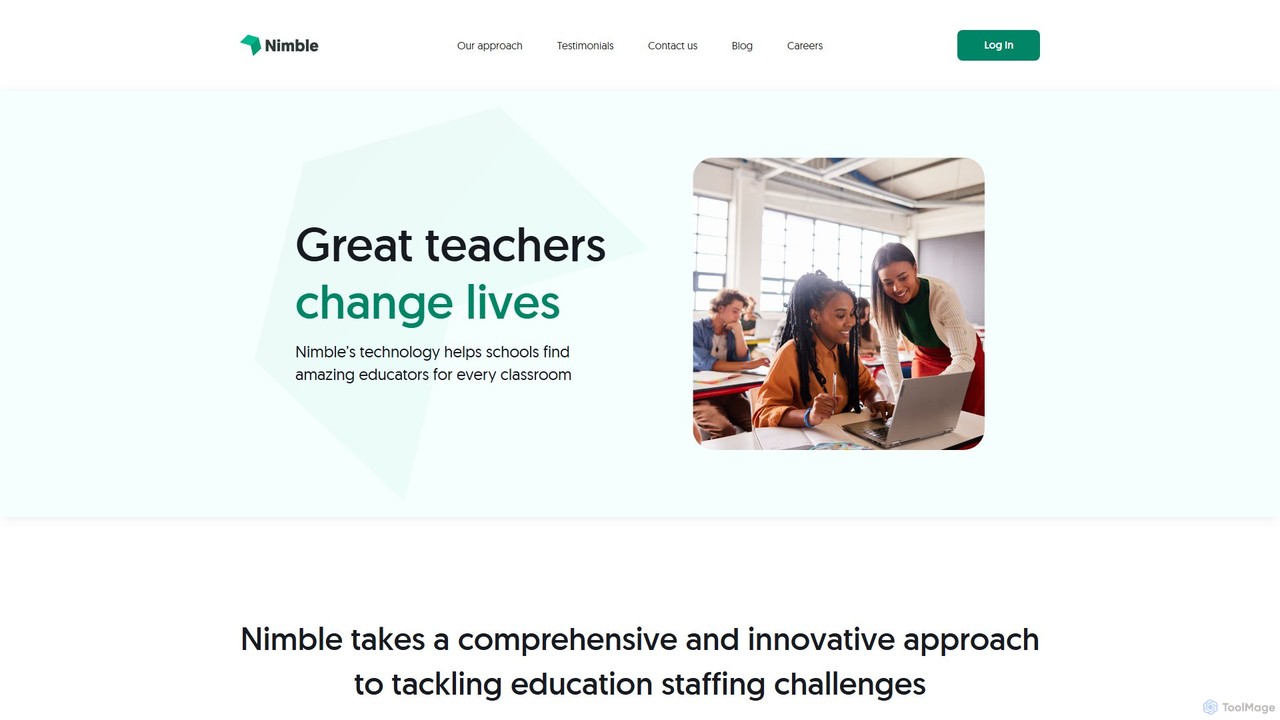
Nimble

Nimble

Nimble is an AI-powered recruiting platform designed for the education sector. It helps schools and districts find, hire, …

223.2K

About Applicant Tracking System

An Applicant Tracking System (ATS) is an AI-powered software designed to streamline and automate the recruitment and hiring process. These tools leverage artificial intelligence to manage job applications, screen candidates, and track their progress from initial contact to onboarding. By centralizing recruitment data and automating repetitive tasks, an ATS significantly enhances efficiency, reduces time-to-hire, and helps identify the most suitable candidates more effectively within the broader context of productivity tools.

Core Features

  • Candidate Sourcing & Management: Automatically collects, organizes, and stores applicant data from various channels.
  • Resume Parsing: Extracts key information from resumes and cover letters, populating candidate profiles.
  • Automated Screening: Uses AI algorithms to rank candidates based on predefined criteria, skills, and keywords.
  • Interview Scheduling: Facilitates seamless coordination of interviews with automated calendar integrations.
  • Communication Automation: Sends personalized emails and updates to candidates at different stages of the hiring process.
  • Reporting & Analytics: Provides insights into recruitment metrics, pipeline efficiency, and hiring trends.

Applicable Scenarios

Applicant Tracking Systems are indispensable for organizations facing high-volume recruitment or seeking to optimize their hiring workflows. HR departments in large enterprises use them to manage thousands of applications efficiently, while recruitment agencies leverage ATS to quickly match candidates with client requirements. Tech startups and SMEs also benefit by automating initial screening, allowing their lean HR teams to focus on strategic talent acquisition rather than administrative burdens.

How to Choose

When selecting an Applicant Tracking System, consider its integration capabilities with existing HRIS or payroll systems to ensure a unified ecosystem. Evaluate the AI features for resume parsing and candidate matching, ensuring they align with your specific hiring needs and reduce bias. User-friendliness, scalability to accommodate future growth, and robust reporting tools are also crucial for maximizing recruitment efficiency and making data-driven decisions.

Applicant Tracking SystemUse Cases

1

Streamlining High-Volume Corporate Hiring

For large corporations receiving hundreds or thousands of applications for multiple roles, an ATS automates the initial screening process. HR teams can define specific keywords and qualifications, allowing the system to automatically rank candidates, filter out unqualified applicants, and present a manageable shortlist. This significantly reduces the manual effort involved in reviewing resumes, cutting down screening time by up to 70% and ensuring focus on the most promising talent.

2

Automating Candidate Sourcing for Recruitment Agencies

Recruitment agencies often manage a vast database of candidates and multiple client requirements simultaneously. An ATS helps by automatically parsing resumes from various job boards and internal databases, creating searchable candidate profiles. Recruiters can then use advanced search filters and AI-powered matching to quickly identify candidates whose skills and experience perfectly align with specific job openings, accelerating the placement process and improving client satisfaction.

3

Enhancing Candidate Experience with Personalized Communication

A positive candidate experience is crucial for employer branding. An ATS automates personalized communication throughout the hiring journey, from initial application confirmation to interview invitations and rejection letters. This ensures timely updates, reduces candidate anxiety, and maintains engagement. By setting up automated email templates and triggers, HR teams can provide consistent, professional communication without manual intervention, improving perception and reducing drop-off rates.

4

Optimizing Interview Scheduling and Coordination

Coordinating interviews across multiple candidates and hiring managers can be a logistical challenge. An ATS simplifies this by offering automated scheduling tools that integrate with calendars. Candidates can select available slots, and the system sends out confirmations, reminders, and meeting links automatically. This eliminates back-and-forth emails, reduces scheduling errors, and frees up administrative staff to focus on more strategic tasks, ensuring a smoother interview process.

5

Data-Driven Recruitment Insights for HR Managers

HR managers need actionable data to refine their recruitment strategies. An ATS provides comprehensive reporting and analytics on key metrics such as time-to-hire, source of hire, candidate pipeline stages, and diversity statistics. By visualizing this data, managers can identify bottlenecks, evaluate the effectiveness of different sourcing channels, and make informed decisions to optimize future hiring campaigns, leading to more efficient and equitable talent acquisition.

6

Ensuring Compliance and Reducing Bias in Hiring

Maintaining compliance with employment laws and promoting diversity are critical. An ATS helps by standardizing the application process, ensuring all candidates are evaluated against the same criteria. AI-powered screening can be configured to focus on skills and experience, reducing unconscious bias often present in manual reviews. Additionally, the system maintains detailed audit trails of all hiring activities, simplifying compliance reporting and fostering a fair and transparent recruitment environment.

Applicant Tracking SystemFrequently Asked Questions