Productivity Best in category 5 results Asset Generation AI Tool

Popular AI tools in the Asset Generation field of Productivity include Brandmark、svgstud、magicgradient、themebutler、Plurana, etc., helping you quickly improve efficiency.

Plurana

Plurana

Plurana is an AI-powered platform that generates unique, editable vector designs and patterns in seconds. Ideal for graphic …

2.9K
themebutler

themebutler

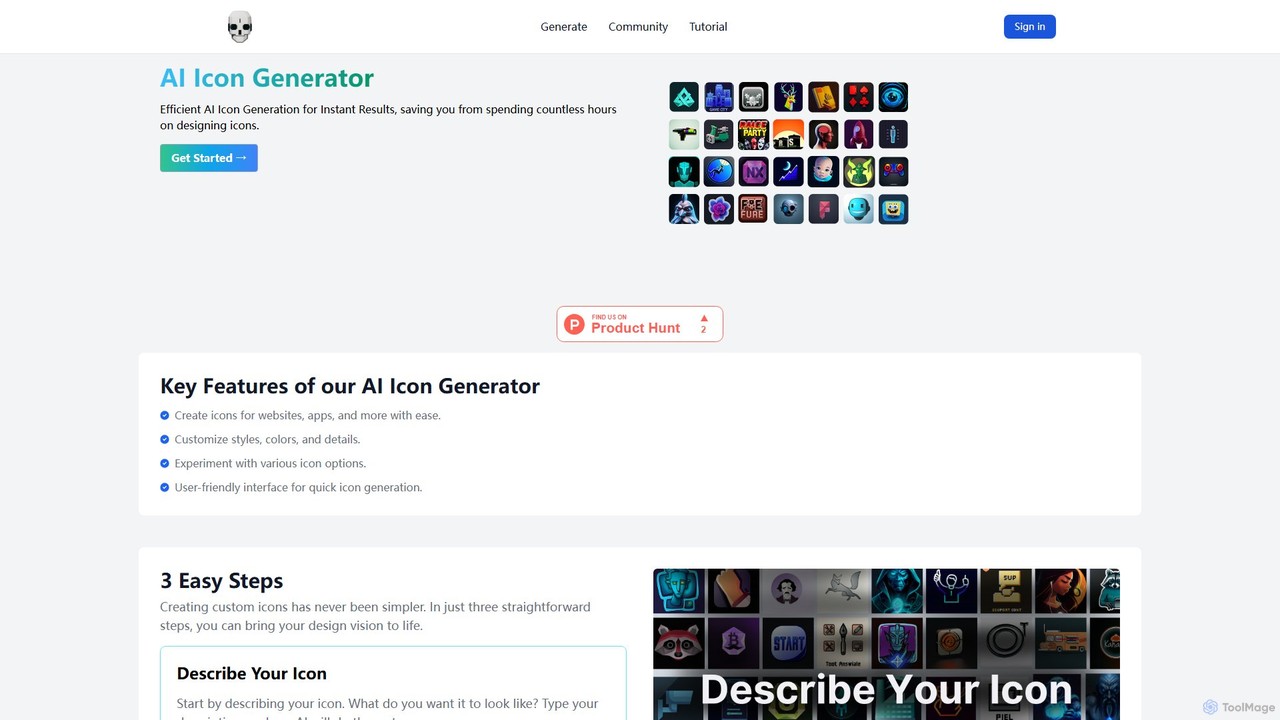
themebutler is an AI-powered icon generator that creates unique, custom icons from text descriptions in seconds. It offers …

2.9K
svgstud

svgstud

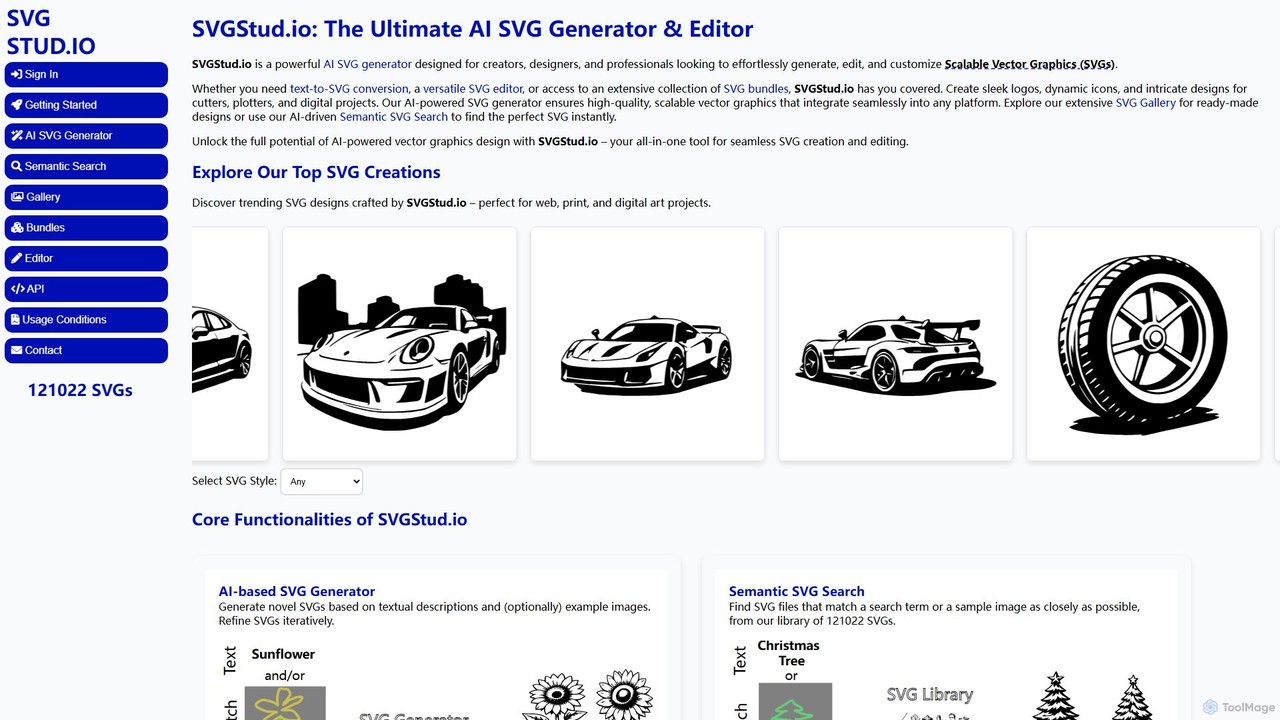
SVGStud.io is an all-in-one AI platform for creating, editing, and discovering Scalable Vector Graphics (SVGs). It features a …

7.3K
Free
magicgradient

magicgradient

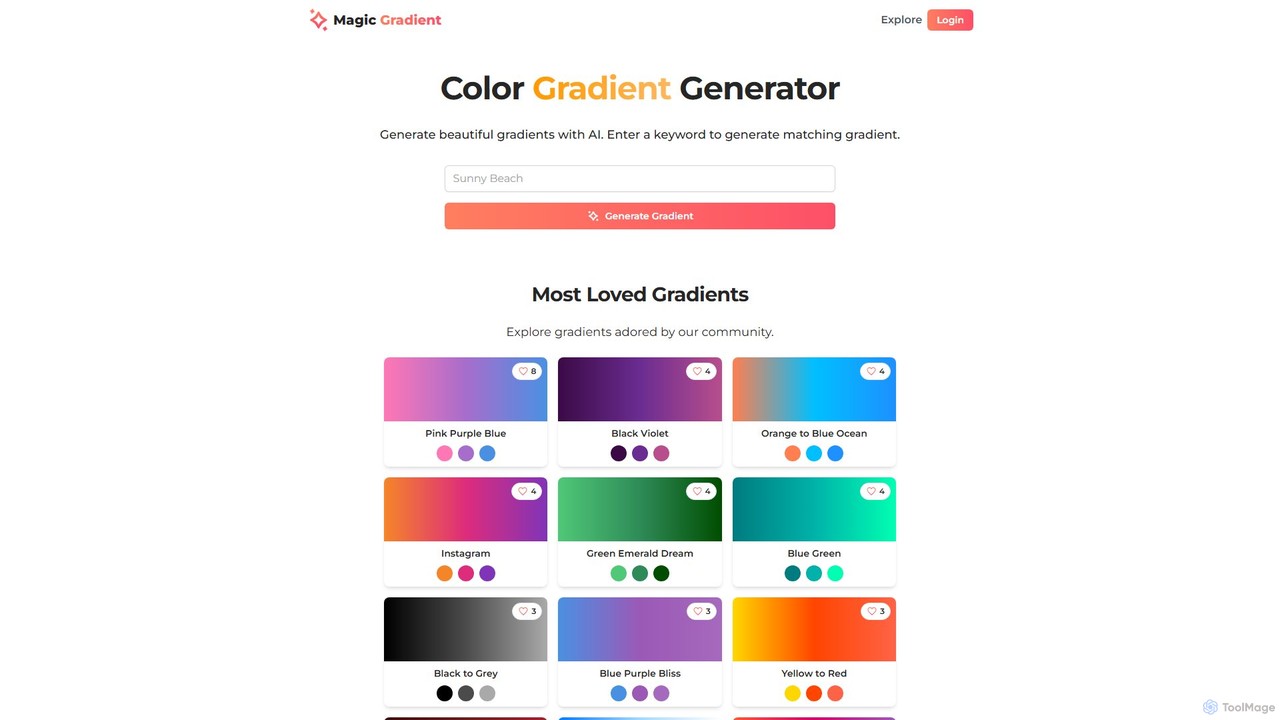
An AI-powered design suite for creating stunning color gradients, customizable SVG waves, and gradient-filled SVGs. Simply enter a …

6.5K
Brandmark

Brandmark

Brandmark is an AI-powered logo maker and branding platform that instantly generates unique, professional logos and a complete …

530.6K

About Asset Generation

Asset Generation tools are a class of AI applications designed to automatically create digital materials for creative and development projects. Leveraging generative models, these tools produce a wide range of assets, from 3D models and game textures to code snippets and UI components, based on user prompts. This process significantly accelerates production workflows, reduces manual effort, and enables rapid prototyping. Their primary advantage lies in generating diverse variations and foundational elements, allowing creators to focus on refinement and high-level strategy.

Core Features

  • Multi-Format Output: Generates assets in various standard formats, such as FBX/OBJ for 3D models, PNG/JPG for textures, or code for software components.
  • Prompt-Based Creation: Utilizes natural language, images, or specific parameters to define and generate the desired asset.
  • Style and Parameter Control: Allows users to fine-tune attributes like texture, color palette, complexity, or coding conventions.
  • Iterative Refinement: Supports the generation of multiple variations from a single prompt, enabling quick exploration and selection.

Applicable Scenarios

These tools are widely used in game development, software engineering, digital marketing, and architectural visualization. For example, a game developer can generate dozens of environmental props in minutes, while a front-end developer can create boilerplate code for standard UI elements, boosting overall productivity.

Selection Criteria

When choosing an Asset Generation tool, first consider the specific asset types you need (e.g., 3D models, code, audio). Evaluate its integration capabilities with your existing software, such as Unity, Unreal Engine, or VS Code. Also, assess the level of customization offered and compare pricing models, which may be subscription-based or use per-asset credits.

Asset GenerationUse Cases

1

Rapid Prototyping for Game Development

An indie game developer needs to populate a game world with diverse environmental assets like trees, rocks, and buildings. Using an AI Asset Generation tool, they input text prompts like "low-poly stylized rock" or "sci-fi crate with glowing panels." The tool generates dozens of 3D model variations in minutes. This allows the developer to quickly block out levels and test gameplay mechanics without spending weeks on manual modeling, reducing the prototyping phase by over 70%.

2

Generating UI Components for Web Development

A front-end development team is building a new design system. Instead of coding every button, card, and form field from scratch, they use an AI tool that generates React or Vue components based on design specifications. They can specify properties like color schemes and states (hover, active). This standardizes code quality and accelerates the creation of the component library, freeing up developers to focus on complex application logic.

3

Creating Unique Textures for 3D Models

A 3D artist needs a unique, seamless texture for a character's armor. They use an AI texture generator, providing prompts like "ancient ornate metal with moss, PBR material." The AI produces high-resolution, tileable textures including diffuse, normal, and roughness maps. This process replaces the time-consuming task of manual texture painting, enabling the creation of countless unique material variations for different assets quickly.

4

Automated Generation of Marketing Visuals

A marketing team needs a constant stream of visuals for social media campaigns but has a limited design budget. They use an AI asset generator to create product mockups, abstract backgrounds, and icons. By inputting brand colors and product descriptions, the tool produces on-brand visual elements that can be quickly assembled into posts. This enables the team to maintain a high-frequency posting schedule without relying on stock photos or overloading a graphic designer.

5

Producing Sound Effects for Videos and Games

A video editor requires specific sound effects, such as "footsteps on gravel" or "a futuristic laser blast." Using an AI sound asset generator, they can describe the desired sound and its characteristics (e.g., duration, intensity). The AI synthesizes the audio file, providing a custom sound effect that perfectly matches the scene's needs, avoiding the limitations and costs associated with traditional sound effect libraries.

6

Generating Synthetic Data for Machine Learning

A machine learning engineer is training a computer vision model to detect defects in manufactured parts but lacks a large dataset. They employ an AI asset generation tool to create thousands of synthetic images of the part with various simulated defects (cracks, scratches). This artificially expands the training dataset, improving the model's accuracy and robustness without the need for costly and time-consuming manual data collection.

Asset GenerationFrequently Asked Questions