
Productivity Best in category 1 results Asset Tracking AI Tool

Popular AI tools in the Asset Tracking field of Productivity include Itemery, etc., helping you quickly improve efficiency.

Itemery

Itemery

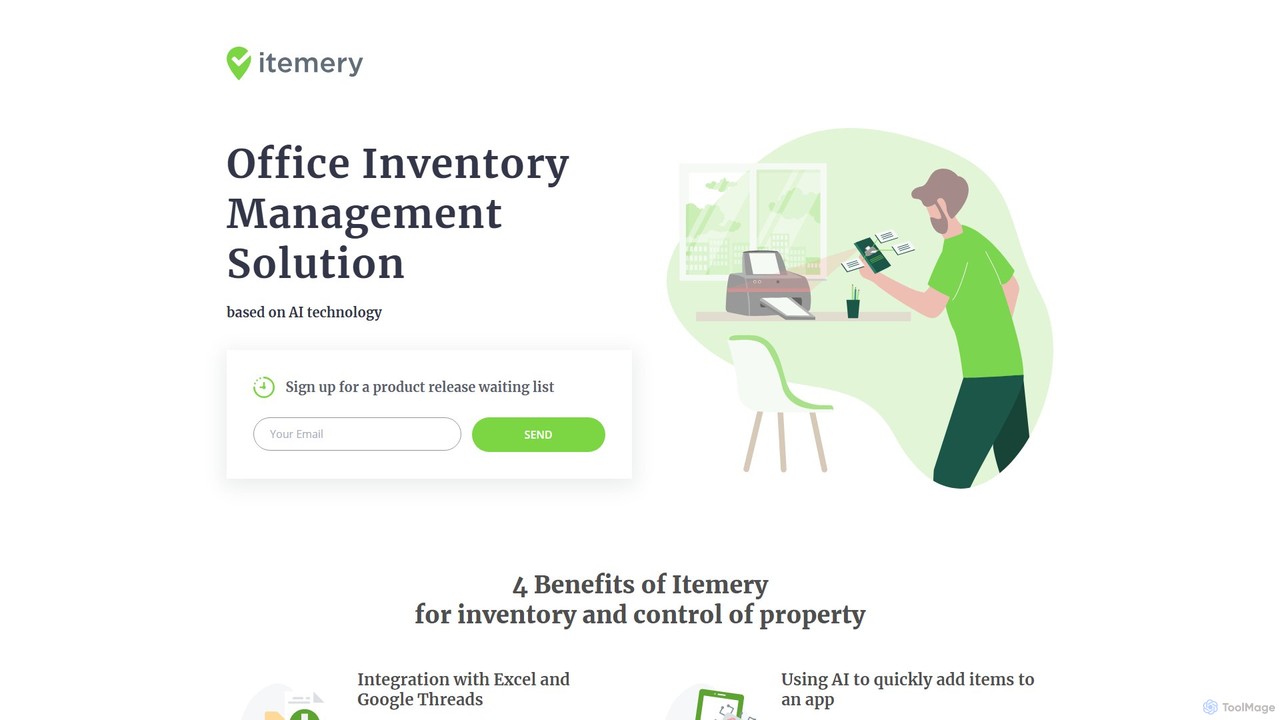
Itemery is an AI-powered office inventory management software for small and medium businesses. It simplifies asset tracking with …

2.7K

About Asset Tracking

AI Asset Tracking tools are intelligent systems used to monitor and manage physical assets in real-time. They utilize AI algorithms, IoT sensors, and data analytics to provide predictive insights and automate management tasks, going beyond simple location monitoring. These tools help businesses optimize asset utilization, reduce loss through anomaly detection, and streamline maintenance operations. As a key component of modern productivity, they transform passive assets into active, data-rich components of a business ecosystem.

Core Features

  • Real-Time Location & Condition Monitoring: Uses GPS, RFID, and IoT sensors to provide precise, live data on asset location, temperature, and operational status.
  • Predictive Maintenance Alerts: Analyzes usage patterns and sensor data to forecast potential equipment failures and automatically schedule maintenance.
  • Anomaly Detection & Security: Identifies unusual movements, unauthorized usage, or potential theft, sending instant alerts to prevent loss.
  • Utilization Optimization: AI algorithms analyze historical data to recommend optimal asset allocation, identify underused equipment, and improve workflow efficiency.
  • Automated Inventory Audits: Employs technologies like drones or computer vision to conduct rapid and accurate stock counts, reducing manual labor.

Applicable Scenarios

These tools are crucial in industries like logistics and supply chain for tracking fleets and cargo, in construction for managing heavy machinery across sites, and in healthcare for locating vital medical equipment. Large enterprises also use them for IT asset management to monitor laptops and servers.

Selection Criteria

When choosing an AI Asset Tracking tool, consider its integration capabilities with your existing ERP or management software. Evaluate the supported tracking technologies (e.g., GPS for outdoor, BLE for indoor) based on your asset types. Also, assess the platform's scalability to handle future growth and its data security protocols to protect sensitive information.

Asset TrackingUse Cases

1

Optimizing Logistics and Fleet Management

A logistics manager for a national shipping company uses an AI asset tracking platform to monitor their entire fleet of over 500 trucks. The system provides real-time GPS data, but more importantly, it analyzes traffic patterns and delivery schedules to suggest optimal routes, saving an average of 15% in fuel costs. AI-powered sensors on the engines monitor performance and predict maintenance needs, sending alerts to schedule service before a breakdown occurs. This proactive approach has reduced vehicle downtime by 30% and improved on-time delivery rates significantly.

2

Managing High-Value Construction Equipment

A site manager for a large construction project uses an AI tracking system to manage heavy machinery like excavators and cranes. Each piece of equipment is fitted with a ruggedized sensor. The platform creates a geofence around the construction site, sending an instant alert to the manager's phone if any equipment moves outside the boundary after work hours, preventing theft. The system also tracks engine hours and fuel consumption, allowing for accurate billing to clients and identifying inefficient operator behavior. This has led to a 20% reduction in fuel waste and has prevented several potential thefts.

3

Locating Critical Medical Equipment in Hospitals

In a large hospital, nurses and technicians often spend valuable time searching for mobile equipment like infusion pumps and wheelchairs. By implementing an AI asset tracking system with indoor Bluetooth Low Energy (BLE) tags, the hospital staff can now see the exact location of any tagged item on a digital map. The system's AI analyzes usage data to predict which departments will need certain equipment and when, helping with proactive allocation. This has reduced equipment search time by over 80% and improved patient care by ensuring critical devices are always available when needed.

4

Automating IT Asset Inventory for Enterprises

An IT manager in a multinational corporation is responsible for thousands of laptops, servers, and mobile devices distributed globally. Manually auditing this inventory was a quarterly nightmare. With an AI asset tracking solution, each device is tagged. The system automatically updates the inventory database whenever a device connects to the network, noting its location and user. The AI component flags anomalies, such as a server going offline unexpectedly or a laptop appearing in an unauthorized location, allowing the IT team to respond to security threats or hardware failures instantly.

5

Enhancing Warehouse and Inventory Management

A large e-commerce fulfillment center uses an AI-powered system to track high-value inventory pallets. Instead of manual barcode scans, autonomous drones equipped with computer vision fly through the warehouse nightly, scanning RFID tags and updating the inventory count with over 99.9% accuracy. The AI analyzes pallet movement data to identify bottlenecks in the warehouse layout and suggests a more efficient storage arrangement. This has reduced order picking times by 25% and virtually eliminated losses due to misplaced inventory.

6

Monitoring Rental Equipment for Billing and Maintenance

A company that rents out specialized industrial tools uses an AI tracking system to automate its operations. Each tool is equipped with a sensor that tracks location, usage hours, and operational stress. When a tool is returned, the system automatically generates an invoice based on the precise usage data, eliminating disputes. The AI also monitors the cumulative stress on each tool, comparing it to manufacturer specifications to predict when maintenance is due. This has increased billing accuracy to nearly 100% and extended the average lifespan of their equipment by 15% through timely servicing.

Asset TrackingFrequently Asked Questions