ToolMage
Sign in

Best 27 Business Management AI tools for Productivity

Popular Business Management AI tools in Productivity include Glide, ANNA Money, helloskip, Every, edenmed, Arc, Durable, Uprise, Fingertip, and OneByteLabs, helping you work more efficiently.

helloskip
Freemium

helloskip

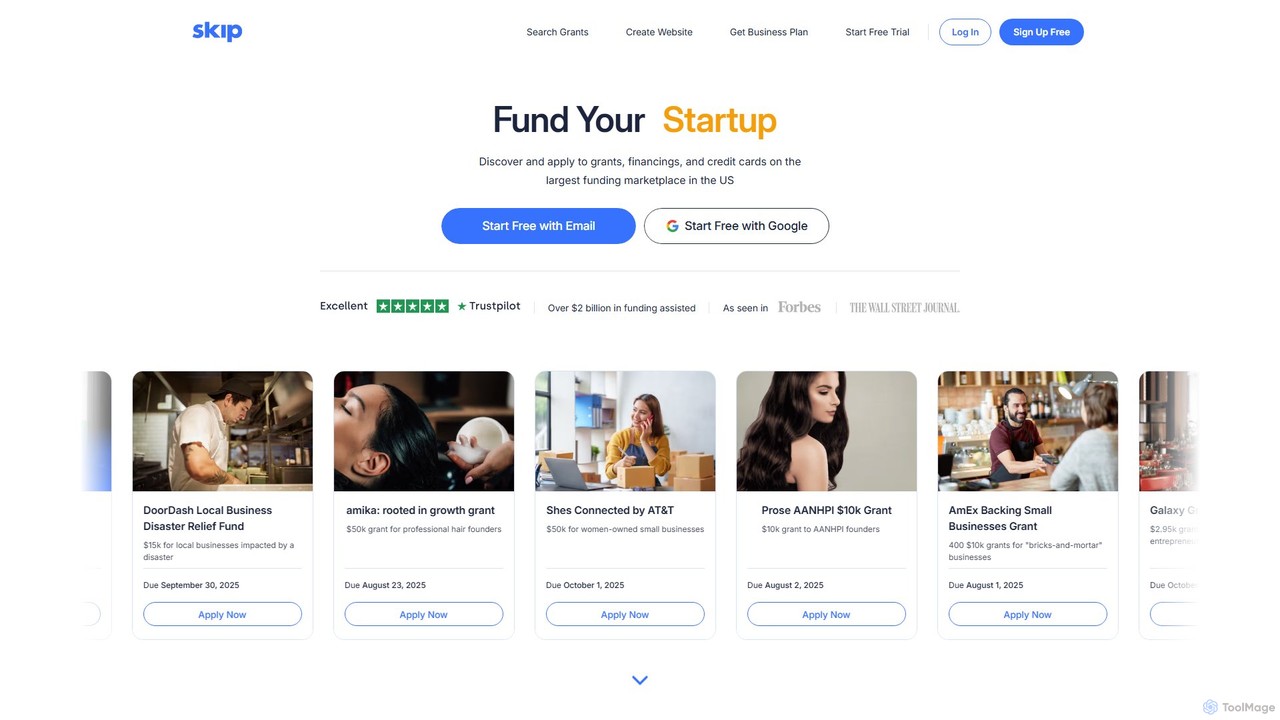
helloskip is an AI-powered funding marketplace for entrepreneurs and small businesses. It provides access to a vast database of grants, loans, and financing opportunities. The platform uses AI to help write compelling applications, generate business plans, and even create professional websites, streamlining the entire funding and business launch process.

Venture Capital
Visits 209.4KFavorites 148Likes 124

Menusso
Paid

Menusso

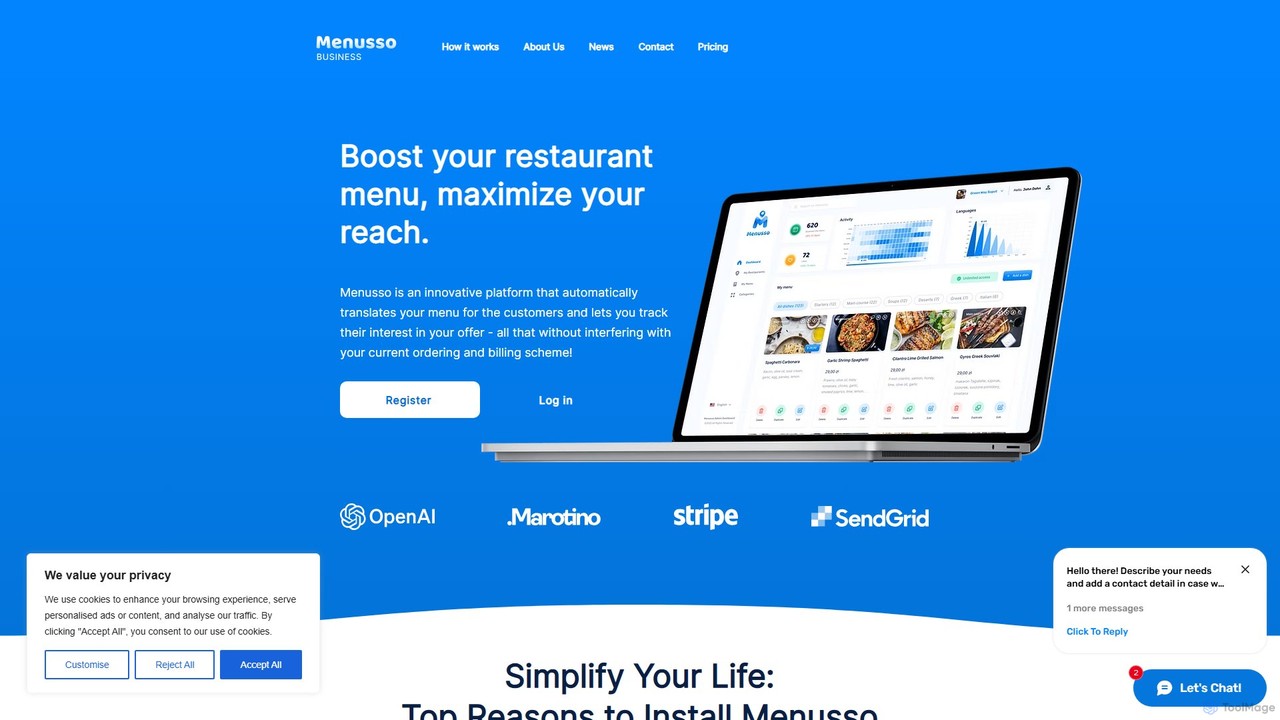
Menusso is an AI-powered digital menu system for restaurants. It offers real-time menu updates, automatic translation into 15 languages using ChatGPT 4.0, and customer preference analytics. This platform helps restaurants attract international diners, reduce printing costs, and dynamically manage promotions, all without needing complex POS integration.

Translation
Visits 5.9KFavorites 146Likes 149
Arc
Freemium

Arc

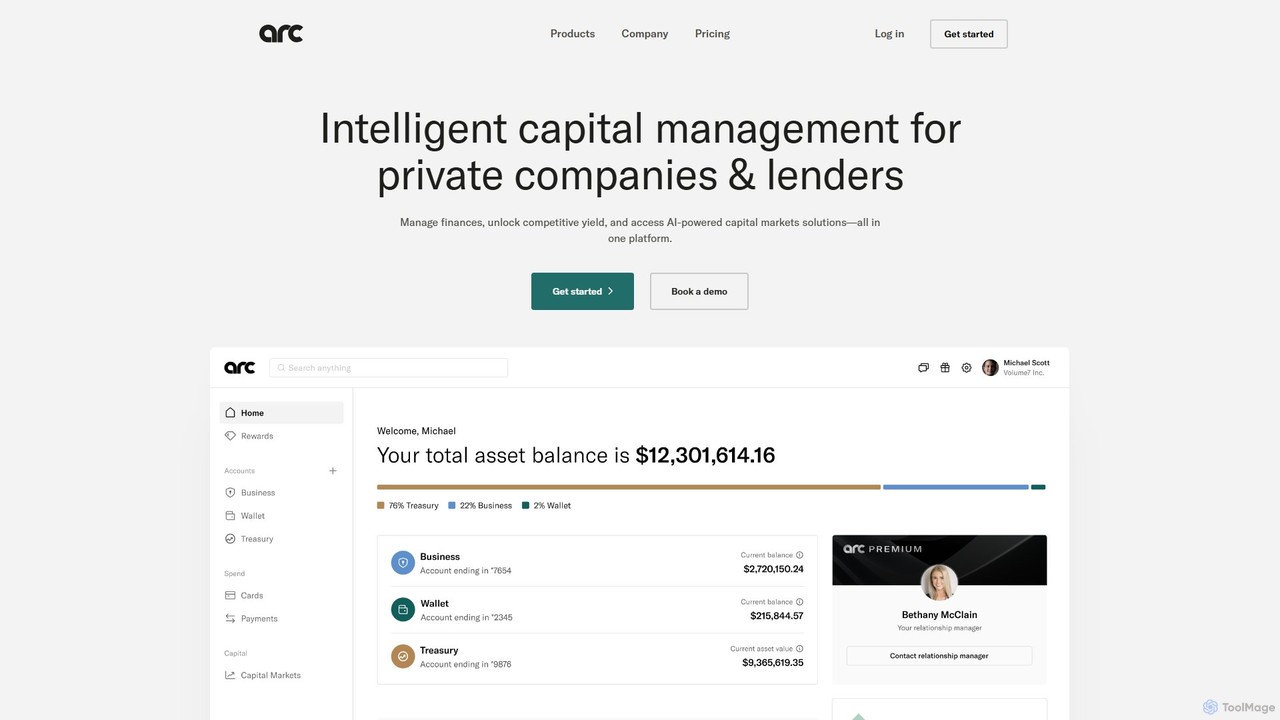
Arc is an AI-powered financial platform for startups and private companies, offering an all-in-one solution for intelligent capital management. It combines high-yield cash and treasury management with AI-driven access to non-dilutive capital markets. Manage finances, earn competitive yield on idle cash, and secure debt financing efficiently on a single, secure platform.

Banking
Visits 45.1KFavorites 114Likes 120

About Business Management

AI Business Management tools are a specialized category of productivity software that uses artificial intelligence to automate and optimize core business operations. Leveraging machine learning and predictive analytics, these platforms analyze vast amounts of data for tasks like financial forecasting, resource allocation, and strategic planning. They empower organizations to make data-driven decisions, improve operational efficiency, and proactively identify risks. Unlike general task managers, these tools provide a holistic, intelligent view of business health and performance.

Core Features

  • Predictive Analytics: Analyzes historical data to forecast sales, revenue, and market trends.
  • Automated Resource Allocation: Optimizes staff schedules, project assignments, and budget distribution.
  • Intelligent Workflow Automation: Automates complex processes like invoicing, supply chain management, and compliance checks.
  • AI-driven Risk Management: Identifies potential financial, operational, or market risks before they escalate.
  • Strategic Decision Support: Provides data-backed insights and scenario modeling to aid executive decisions.

Use Cases

These tools are valuable across various sectors, from startups needing accurate financial projections to retail chains optimizing staff schedules. They are particularly effective for operations managers, financial analysts, and business owners who need to manage complex, interconnected processes and make strategic decisions based on real-time data analysis.

How to Choose

When selecting a tool, first assess the specific functions you need to automate, such as finance, HR, or operations. Evaluate its integration capabilities with your existing software stack (e.g., CRM, accounting software). Consider the complexity of the AI models and whether your team has the expertise to manage them. Finally, compare pricing models to find a solution that fits your budget and scales with your growth.

Featured tool rankings

Business Management use cases

1

Automated Financial Forecasting for Startups

A startup founder needs a reliable financial model for a pitch deck. Instead of spending weeks on complex spreadsheets, they use an AI business management tool. By connecting their bank accounts and sales data, the tool automatically analyzes cash flow, projects revenue based on market trends, and calculates the company's burn rate and runway. The AI generates multiple scenarios (optimistic, pessimistic), providing a robust forecast that increases investor confidence and helps secure crucial seed funding.

2

Optimizing Retail Staff Scheduling

A manager of a multi-location retail chain faces the challenge of creating efficient weekly schedules. Using an AI management platform, they input historical sales data, local event calendars, and employee availability. The AI predicts customer foot traffic for each hour and automatically generates an optimized schedule that ensures adequate coverage during peak times while minimizing overstaffing. This reduces overtime costs by over 15% and improves customer service by aligning staff presence with actual demand.

3

AI-Powered Project Risk Assessment

A project manager for a large construction project needs to identify potential risks early. They use an AI business management tool that integrates with their project planning software. The AI analyzes the project timeline, budget, resource dependencies, and historical data from similar projects. It flags high-risk tasks, predicts potential delays due to supply chain issues, and suggests alternative resource allocations. This proactive risk assessment allows the team to develop mitigation plans, preventing costly overruns and ensuring the project stays on schedule.

4

Automating Supply Chain and Inventory Management

An e-commerce business owner struggles with stockouts of popular items and overstocking of slow-moving products. They implement an AI business management system that connects to their sales channels and supplier databases. The system continuously monitors sales velocity, analyzes seasonal trends, and predicts future demand for each product. It then automatically generates purchase orders when inventory levels hit a reorder point, ensuring optimal stock levels and improving cash flow by reducing capital tied up in excess inventory.

5

Streamlining Client Invoicing and Payment Tracking

A digital marketing agency manages dozens of clients with varying contract terms. They adopt an AI business management tool to automate their accounts receivable process. The system automatically generates and sends customized invoices based on project milestones or retainer agreements. It uses AI to send intelligent payment reminders and can even predict which clients are likely to pay late based on past behavior. This reduces administrative overhead by over 40% and significantly improves the agency's average collection period.

6

Data-Driven Strategic Planning for SMEs

The CEO of a small to medium-sized enterprise (SME) wants to develop a five-year growth plan. They utilize an AI business management platform that consolidates data from sales, marketing, finance, and operations into a single dashboard. The AI analyzes competitor performance, identifies emerging market opportunities, and models the potential impact of different strategic initiatives, such as launching a new product line. This provides the leadership team with clear, data-backed insights to build a confident and actionable long-term strategy.

Business Management FAQ

What are AI Business Management tools?

AI Business Management tools are advanced software platforms that use artificial intelligence to automate and enhance core operational processes. Unlike traditional software, they employ machine learning for tasks like predictive financial analysis, intelligent resource allocation, and automated workflow optimization. They are designed to provide strategic insights and improve decision-making across an entire organization, moving beyond simple task tracking to holistic business optimization.

How do I choose the right AI Business Management tool?

To choose the right tool, consider these key factors:

  • Define Your Needs: Identify the primary business function you want to optimize—finance, operations, HR, or project management.
  • Integration Capability: Ensure the tool can connect seamlessly with your existing systems like CRM, ERP, or accounting software.
  • User Experience: Evaluate the user interface and the level of technical expertise required. Choose a tool that your team can adopt easily.
  • Scalability and Pricing: Analyze the pricing structure and ensure it aligns with your budget and can scale as your business grows.
What's the difference between AI Business Management and standard Project Management tools?

The primary difference is scope. Standard Project Management tools focus on planning, executing, and tracking specific projects—managing tasks, timelines, and resources for a defined outcome. AI Business Management tools have a much broader, ongoing operational focus. They manage the entire business ecosystem, including finance, HR, and supply chains, often using AI to provide strategic insights and automate processes that extend far beyond the lifecycle of a single project.

What key business processes can be automated with these tools?

AI Business Management tools can automate a wide range of processes across different departments. Key examples include:

  • Financial Management: Automated invoicing, expense tracking, and predictive cash flow analysis.
  • Human Resources: Optimizing staff scheduling and automating payroll calculations based on hours worked and performance metrics.
  • Operations: Managing inventory levels, predicting demand, and automating supply chain logistics.
  • Strategic Planning: Consolidating performance data to generate reports and model future business scenarios.
Are AI Business Management tools suitable for small businesses?

Yes, many AI Business Management tools are designed specifically for small and medium-sized enterprises (SMEs). While historically such powerful tools were exclusive to large corporations, modern cloud-based solutions offer affordable subscription models. They provide small businesses with access to sophisticated analytics and automation, helping them compete more effectively by making smarter, data-driven decisions without needing a large internal data science team.