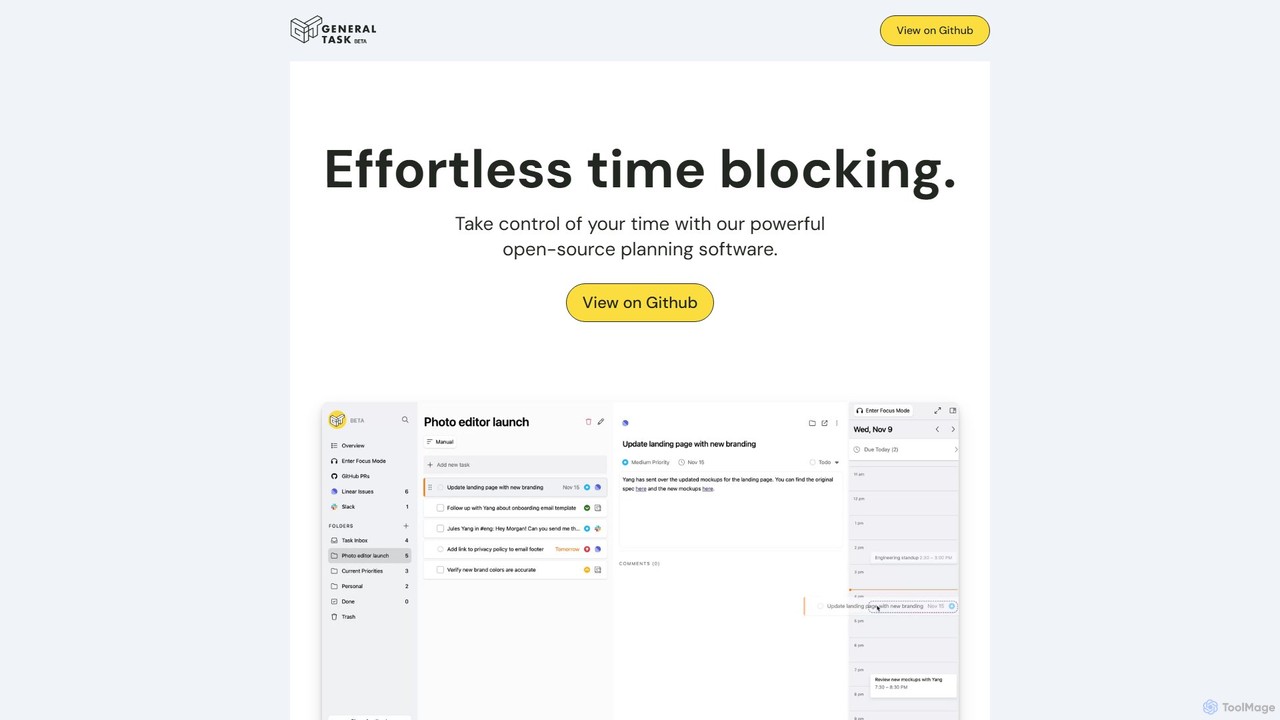
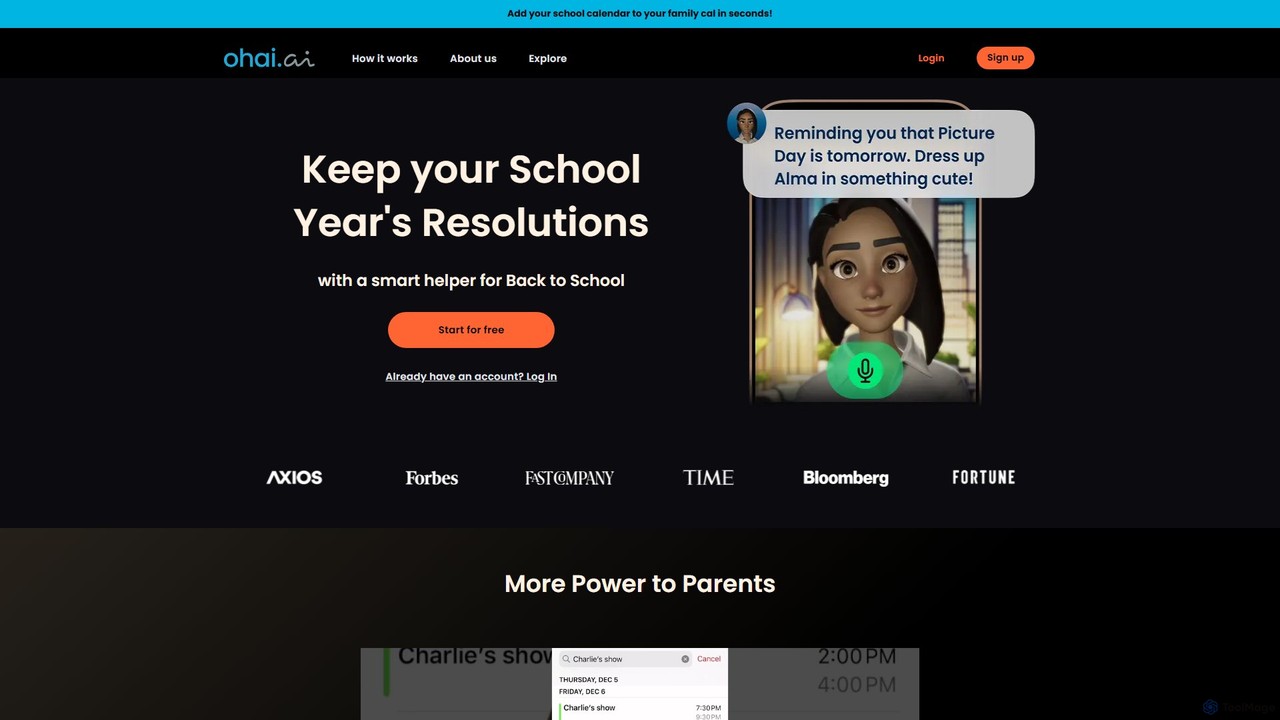
AI-powered Calendar & Scheduling tools are designed to automate, optimize, and enhance the management of appointments, meetings, and tasks. Leveraging artificial intelligence, these tools go beyond basic time blocking by understanding context, predicting optimal times, and intelligently resolving conflicts. They significantly reduce manual administrative effort, improve coordination, and ensure more efficient use of time for individuals and teams.
Core Features
- Natural Language Processing (NLP) Booking: Allows users to schedule meetings or tasks using conversational commands, interpreting complex requests and preferences.
- Predictive Scheduling: Analyzes past behavior, availability, and priorities to suggest optimal times for activities, minimizing disruptions and maximizing focus.
- Automated Conflict Resolution: Proactively identifies and resolves scheduling conflicts by suggesting alternative times or reordering priorities based on predefined rules.
- Smart Reminders & Follow-ups: Delivers intelligent, context-aware reminders and automates follow-up actions, ensuring tasks and meetings are not missed.
- Resource Optimization: Efficiently allocates shared resources like meeting rooms, equipment, or specific team members based on availability and project needs.
Use Cases
These tools are invaluable for busy professionals, project managers, and client-facing teams. They streamline the booking of client consultations, optimize internal team meeting cadences, and help individuals manage complex personal and professional commitments, ensuring deadlines are met and productivity is maintained across various projects and stakeholders.
How to Choose
When selecting an AI Calendar & Scheduling tool, consider its integration capabilities with existing calendars (e.g., Google Calendar, Outlook) and CRM systems. Evaluate the accuracy and flexibility of its NLP for booking, the depth of its predictive analytics, and its ability to handle complex conflict resolution. Scalability, customization options for scheduling rules, and robust privacy features are also crucial for long-term effectiveness.