Productivity Best in category 4 results Content Planning AI Tool

Popular AI tools in the Content Planning field of Productivity include BraidInnovations、CapitanPro、SayaAI、ViralVid360, etc., helping you quickly improve efficiency.

CapitanPro

CapitanPro

CapitanPro is an AI-powered tool designed to help users understand and develop effective, results-driven marketing plans. It focuses …

2.7K
BraidInnovations

BraidInnovations

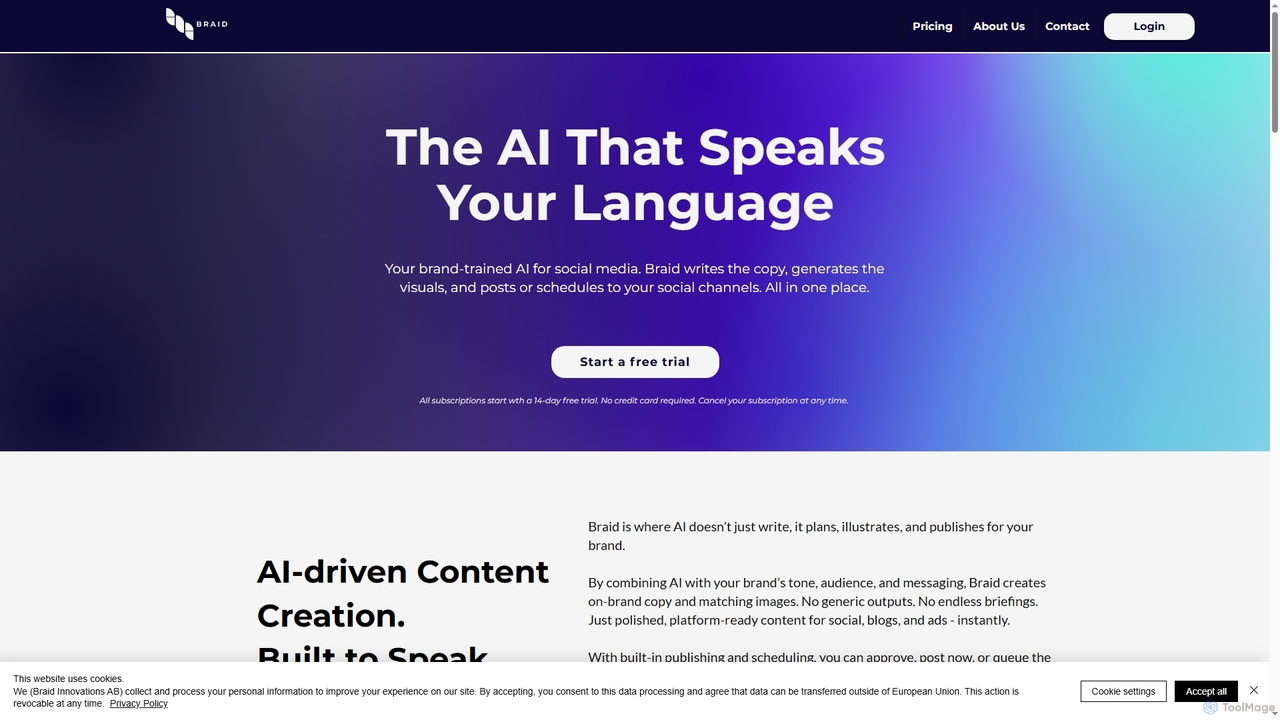
BraidInnovations is an AI-powered content studio designed for social media. It creates on-brand copy and matching visuals, then …

2.7K
SayaAI

SayaAI

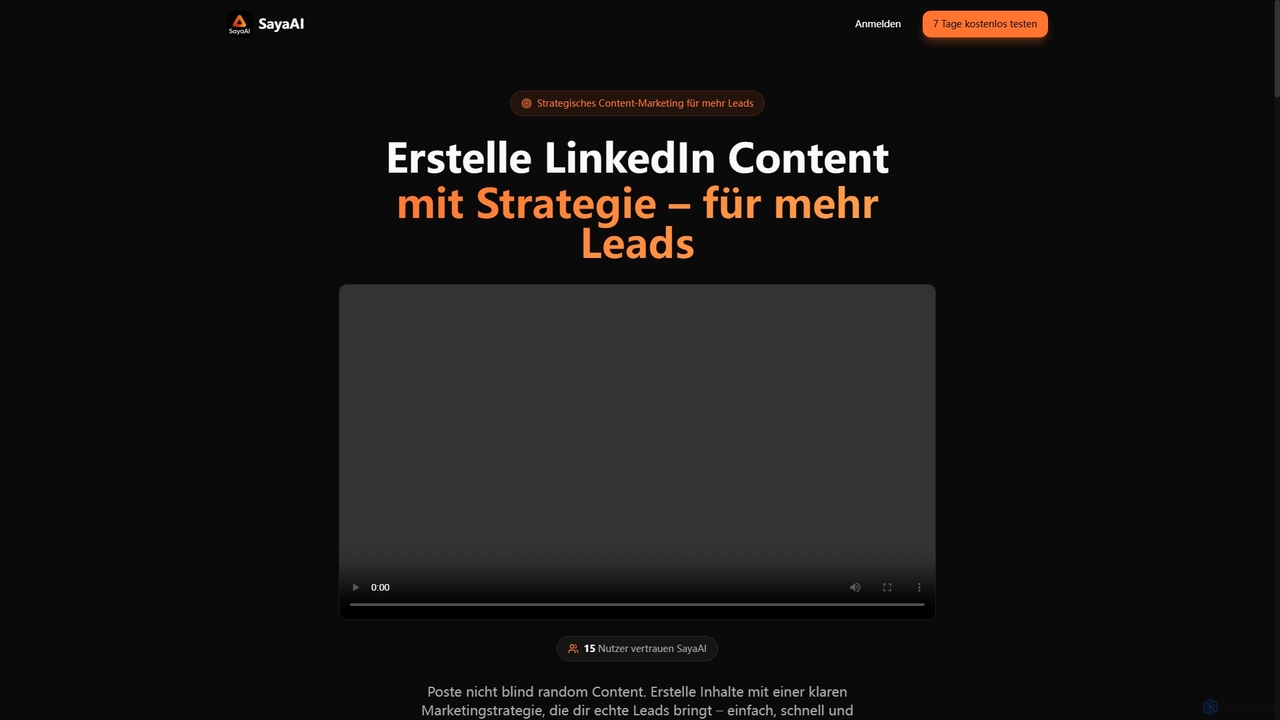
SayaAI is an AI-powered platform designed for solopreneurs and freelancers to strategically create high-quality LinkedIn content. It helps …

2.7K
ViralVid360

ViralVid360

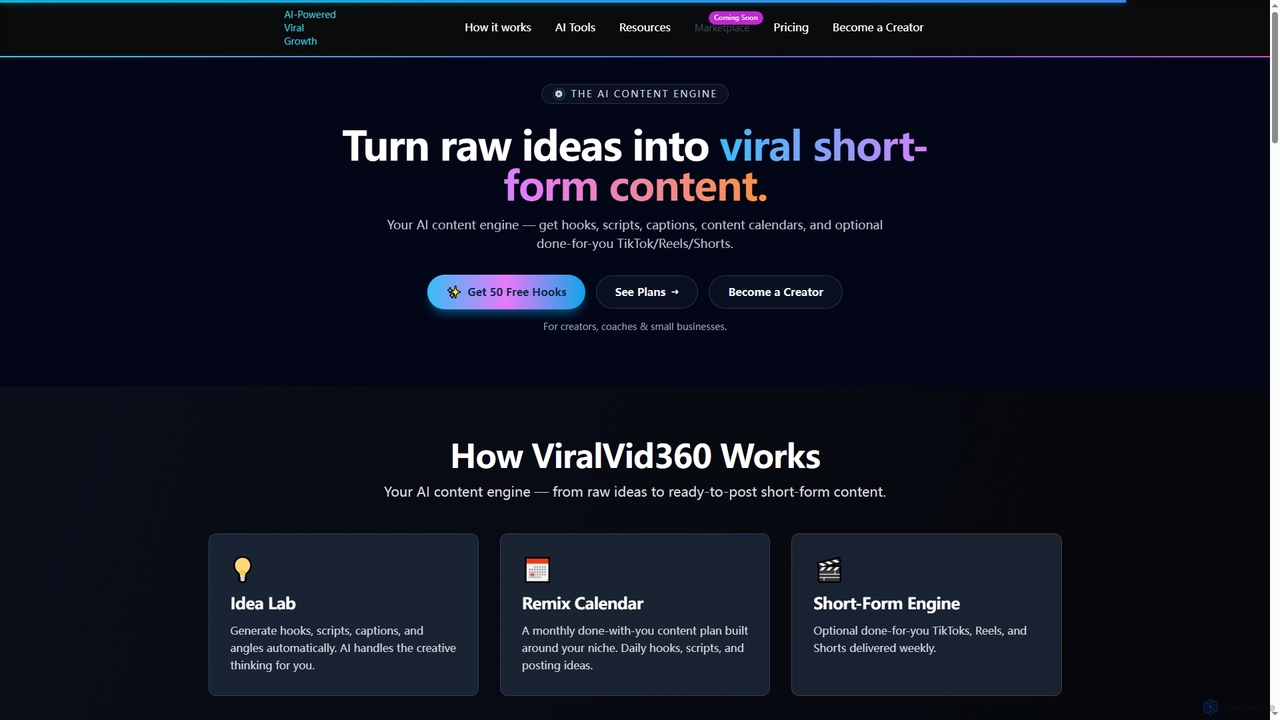
ViralVid360 is an AI content engine designed for creators, coaches, and small businesses to transform raw ideas into …

2.6K

About Content Planning

Content Planning tools are AI-powered platforms designed to streamline and optimize the entire content creation lifecycle. Leveraging advanced algorithms, these tools assist in identifying high-demand topics, structuring content, and managing publication schedules efficiently. They empower content creators and marketers to develop data-driven strategies, ensuring content resonates with target audiences and achieves specific business objectives.

Core Features

  • Keyword Research & Topic Generation: Identifies trending keywords and generates relevant content ideas based on search demand.
  • Content Calendar Management: Organizes, schedules, and tracks content production across various platforms and teams.
  • Audience & Competitor Analysis: Provides insights into target audience preferences and analyzes competitor content strategies.
  • SEO Optimization Suggestions: Offers recommendations for on-page SEO elements to improve search engine visibility.
  • Content Brief Generation: Automatically creates detailed content briefs for writers, outlining key requirements and objectives.

Use Cases

Content Planning tools are indispensable for marketing teams aiming to maintain a consistent online presence and for individual bloggers seeking to maximize their reach. They help agencies manage multiple client content strategies, ensuring timely delivery and brand consistency. Businesses utilize these tools to align their content with overarching marketing campaigns, track performance, and adapt strategies based on real-time data.

How to Choose

When selecting a Content Planning tool, consider its core functionalities like keyword research depth, content calendar flexibility, and integration capabilities with existing marketing stacks. Evaluate the accuracy of its AI-driven insights, the ease of collaboration features for teams, and its scalability to match your content volume. Pricing models and the quality of customer support are also crucial factors for long-term satisfaction.

Content PlanningUse Cases

1

Developing a Comprehensive Social Media Content Calendar

A social media manager needs to maintain a consistent online presence across multiple platforms. Content Planning AI tools enable them to analyze trending topics, identify optimal posting times, and generate diverse content ideas tailored to each platform's audience. This streamlines the creation of a detailed monthly calendar, including post captions, relevant hashtags, and visual prompts, ensuring a steady flow of engaging content and saving hours in manual research and scheduling.

2

Developing a Quarterly Content Strategy

Marketing managers in large enterprises utilize Content Planning tools to map out their content strategy for the next quarter. They input business objectives and target audiences, allowing the AI to suggest relevant topics, identify high-potential keywords, and forecast content performance. This ensures all content initiatives are strategically aligned, cover key themes, and are optimized for maximum reach and engagement, saving weeks of manual research.

3

Developing a Quarterly Content Strategy for a SaaS Startup

A marketing manager at a SaaS startup uses Content Planning tools to identify high-potential keywords and trending topics relevant to their product. The tool helps them map out a three-month content calendar, assigning topics to writers, setting deadlines, and integrating SEO best practices for each blog post and landing page, ensuring a consistent flow of valuable content.

4

Optimizing Blog Content Strategy for SEO

A content marketer aims to improve organic search rankings and drive traffic to their blog. Content Planning tools assist by performing in-depth keyword research, identifying content gaps, and analyzing competitor strategies. They suggest topic clusters, outline article structures, and even predict the SEO potential of new content ideas, enabling the marketer to create a data-driven editorial plan that targets high-value keywords and resonates with the target audience, leading to increased visibility and conversions.

5

Generating SEO-Optimized Blog Post Ideas

Individual bloggers and small business owners use Content Planning tools to overcome writer's block and ensure their content ranks well. By entering a broad niche or a few seed keywords, the tool generates a list of long-tail keyword opportunities, trending topics, and competitor analysis insights. This helps them create a steady stream of blog posts that attract organic traffic and resonate with their target audience, significantly boosting online visibility.

6

Streamlining Social Media Content Scheduling for an E-commerce Brand

An e-commerce social media manager leverages Content Planning tools to plan daily posts across Instagram, Facebook, and TikTok. The tool assists in generating diverse content ideas based on product launches and seasonal campaigns, scheduling posts in advance, and tracking engagement metrics to optimize future content, ensuring brand visibility and customer interaction.

7

Streamlining Content Production for E-commerce Product Launches

An e-commerce brand frequently launches new products and needs to generate a high volume of marketing content quickly. Content Planning tools help by suggesting content themes based on product features and target demographics, generating variations of product descriptions, and outlining promotional campaigns across email, social media, and website banners. This ensures a cohesive and timely content rollout for each launch, reducing manual effort and accelerating time-to-market for new offerings.

8

Managing a Multi-Channel Editorial Calendar

Content teams in media companies or agencies leverage these tools to centralize their editorial calendar across various platforms like blogs, social media, email newsletters, and video channels. The tool allows them to assign tasks, set deadlines, track progress, and visualize content flow, ensuring consistent brand messaging and timely publication. This prevents scheduling conflicts and improves cross-functional collaboration, streamlining content delivery.

9

Generating SEO-Optimized Blog Post Ideas for a Niche Blog

An independent blogger specializing in sustainable living uses Content Planning tools to discover underserved long-tail keywords and popular questions within their niche. The tool helps them brainstorm unique blog post titles, outline key sections, and suggest internal linking opportunities, ensuring each article is highly relevant and ranks well on search engines.

10

Crafting Engaging Email Marketing Sequences

A marketing team wants to improve the open rates and click-through rates of their email campaigns. Content Planning tools assist by analyzing past email performance, identifying optimal subject lines and call-to-actions, and suggesting personalized content segments for different subscriber groups. They help structure entire email sequences, from welcome series to promotional blasts, ensuring each email delivers maximum impact and guides recipients through the sales funnel effectively, boosting engagement and conversion rates.

11

Analyzing Audience Interests for Niche Content

Niche content creators or specialized B2B marketers employ Content Planning tools to deeply understand their specific audience segments. The AI analyzes social media discussions, forum trends, and search queries related to their niche, revealing unmet information needs and popular discussion points. This enables them to craft highly targeted content that directly addresses their audience's pain points and interests, fostering stronger community engagement.

12

Managing Multi-Client Content Calendars for a Digital Marketing Agency

A project manager at a digital marketing agency utilizes Content Planning platforms to oversee content production for multiple clients simultaneously. The tool provides a centralized dashboard to track each client's content pipeline, manage writer assignments, review drafts, and ensure all content aligns with client brand guidelines and campaign objectives, improving efficiency and client satisfaction.

13

Developing Educational Content for Online Courses

An online course creator needs to structure a new curriculum and develop engaging learning materials. Content Planning tools assist by mapping out course modules, suggesting sub-topics based on learning objectives, and identifying relevant examples or case studies. They can also help in outlining video scripts, quiz questions, and supplementary resources, ensuring a logical flow of information and a comprehensive learning experience for students, ultimately leading to higher course completion rates and student satisfaction.

14

Creating Detailed Content Briefs for Freelancers

Agencies outsourcing content creation to freelancers use Content Planning tools to generate comprehensive content briefs. After identifying a topic and keywords, the tool can automatically outline key headings, suggested word counts, target audience profiles, and even competitor examples. This ensures freelancers receive clear instructions, reducing revision cycles and guaranteeing that the final content meets quality and SEO standards efficiently.

15

Creating Data-Driven Content Briefs for Freelance Writers

A content lead at a medium-sized business employs Content Planning tools to generate comprehensive content briefs for their team of freelance writers. The briefs automatically include target keywords, desired word count, competitor analysis links, and specific calls to action, ensuring writers have all necessary information to produce high-quality, on-brand content efficiently.

16

Generating Ideas for Podcast Episodes and Series

A podcaster wants to consistently produce fresh and engaging episodes that resonate with their audience. Content Planning tools can analyze listener data, identify popular topics, and suggest potential guests or interview questions. They help in structuring entire podcast series, outlining episode themes, and even generating script prompts, ensuring a steady pipeline of relevant content that keeps listeners engaged and attracts new subscribers, fostering growth for the podcast channel.

17

Identifying Content Gaps in Existing Strategy

SEO specialists and content strategists use Content Planning tools to audit their current content library and identify gaps. The tool compares existing content against competitor strategies, trending topics, and unaddressed keyword opportunities. It highlights areas where new content could be created or existing content updated to capture missed traffic, ensuring comprehensive topic coverage and maintaining competitive advantage.

18

Analyzing Content Performance and Identifying Gaps for Improvement

A content strategist uses Content Planning tools to monitor the performance of published articles and campaigns. The tool provides analytics on traffic, engagement, and conversion rates, helping identify underperforming content or content gaps. This data-driven approach allows the strategist to refine future content plans, update existing articles, and allocate resources more effectively.

Content PlanningFrequently Asked Questions