Productivity Best in category 8 results Document Creation AI Tool

Popular AI tools in the Document Creation field of Productivity include Gamma、Baidu Wenku AI、aidocmaker、Designrr、NextDocs、Resumier、Proposa、MakeTheResume, etc., helping you quickly improve efficiency.

NextDocs

NextDocs

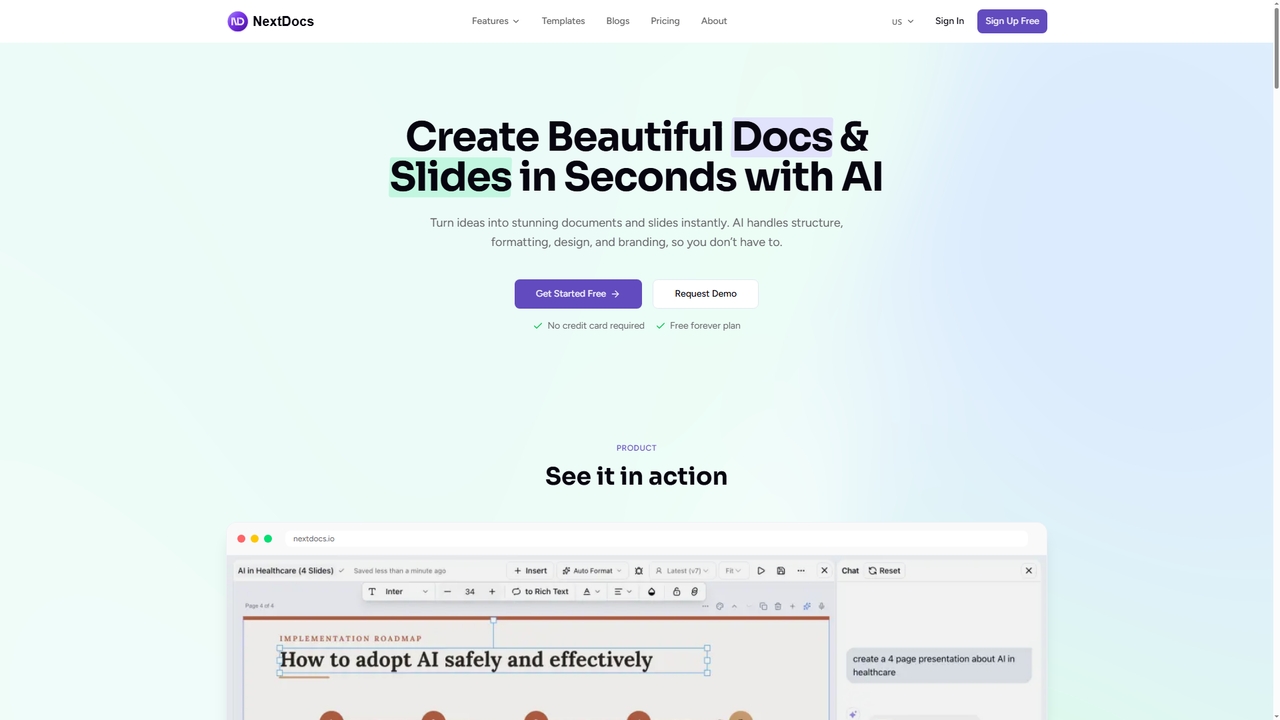
NextDocs is an AI-powered document and presentation generator that transforms ideas into polished documents and slides in seconds. …

72.2K
Resumier

Resumier

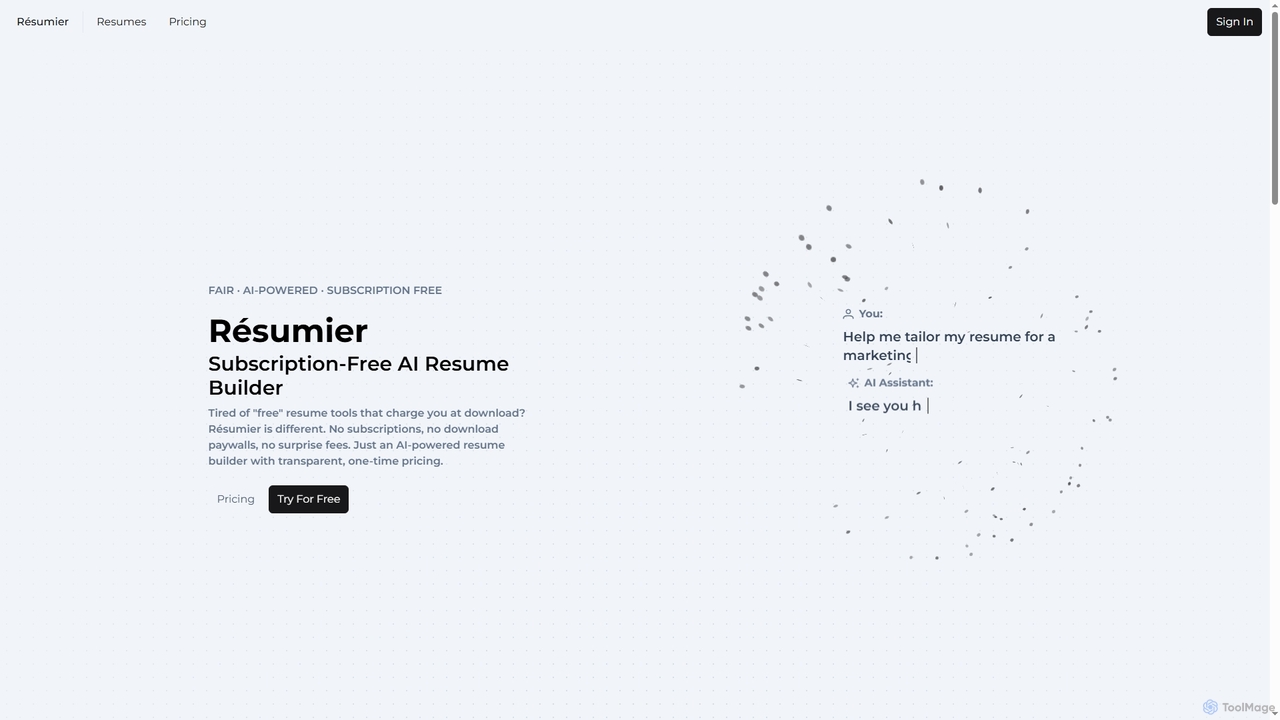
Resumier is an AI-powered resume builder designed for fairness and transparency. It offers intelligent assistance to help users …

3.3K
MakeTheResume

MakeTheResume

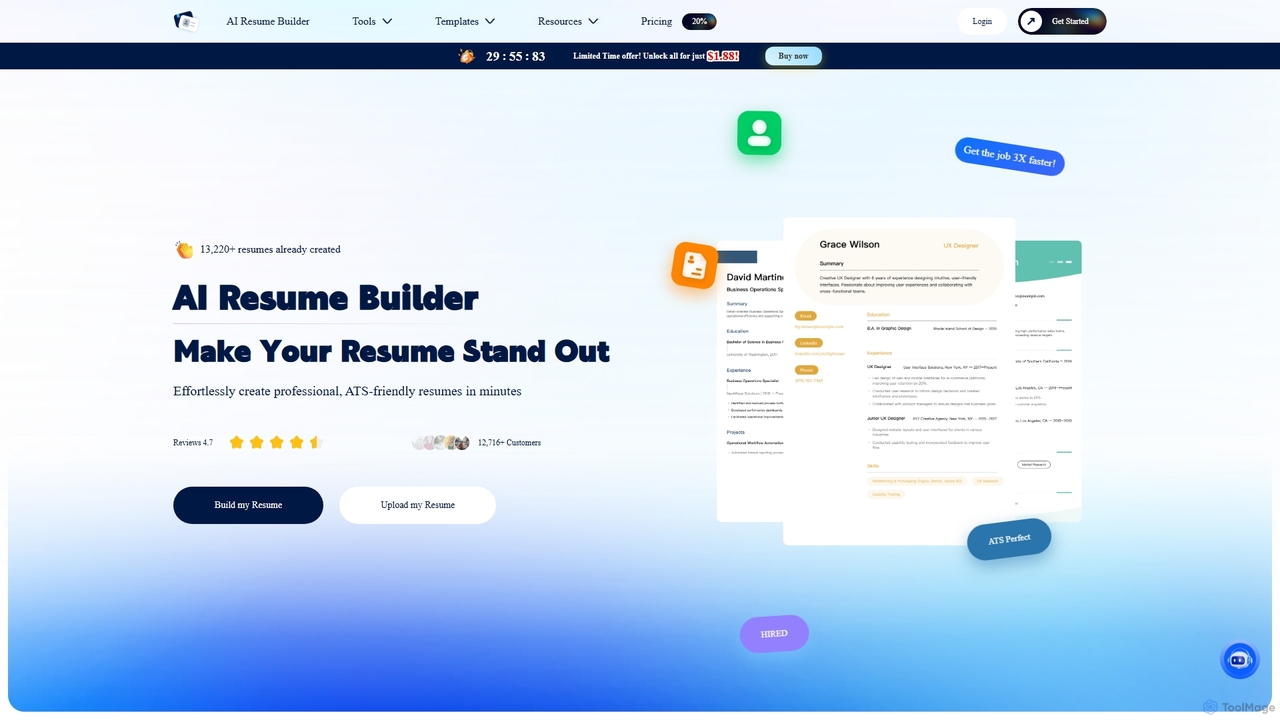
MakeTheResume is an AI-powered platform designed to help job seekers create professional, ATS-friendly resumes and cover letters quickly. …

2.5K
Baidu Wenku AI

Baidu Wenku AI

Baidu Wenku AI is an all-in-one intelligent document productivity platform powered by Baidu's ERNIE LLM. It transforms the …

14.6M
Gamma

Gamma

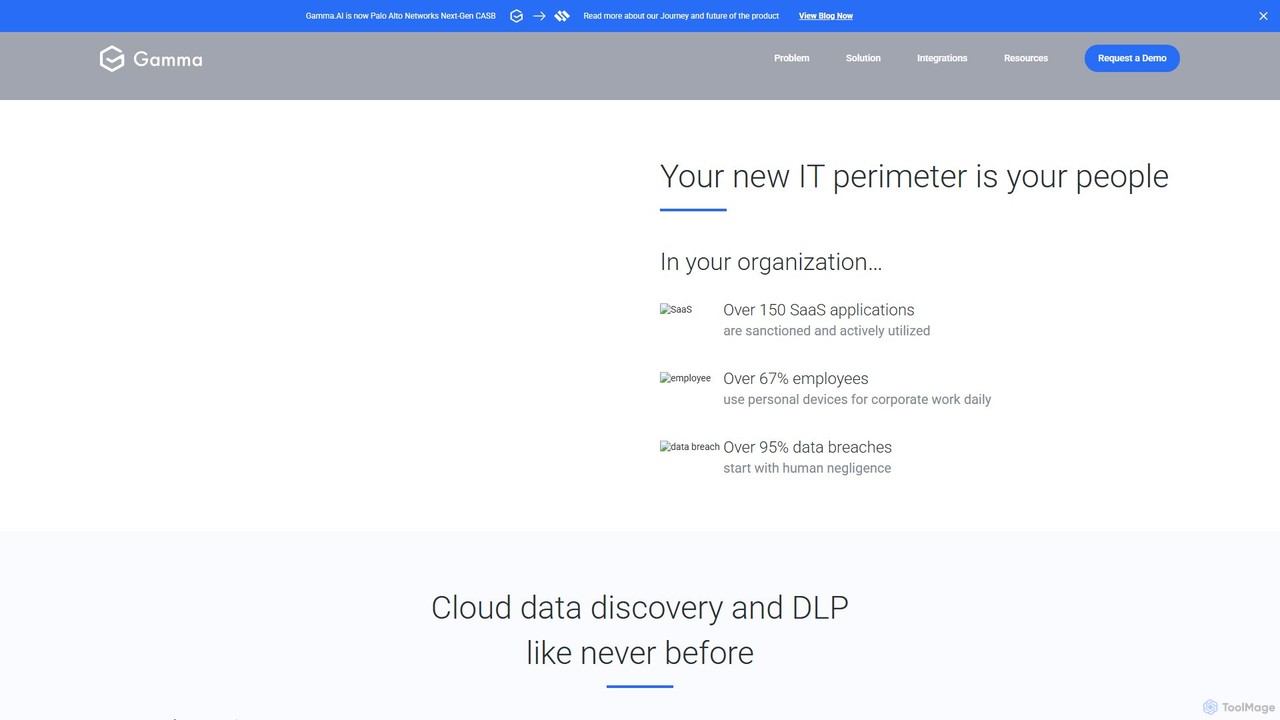
Gamma is an AI-powered design partner that revolutionizes content creation. It enables users to effortlessly generate polished presentations, …

33.1M
Proposa

Proposa

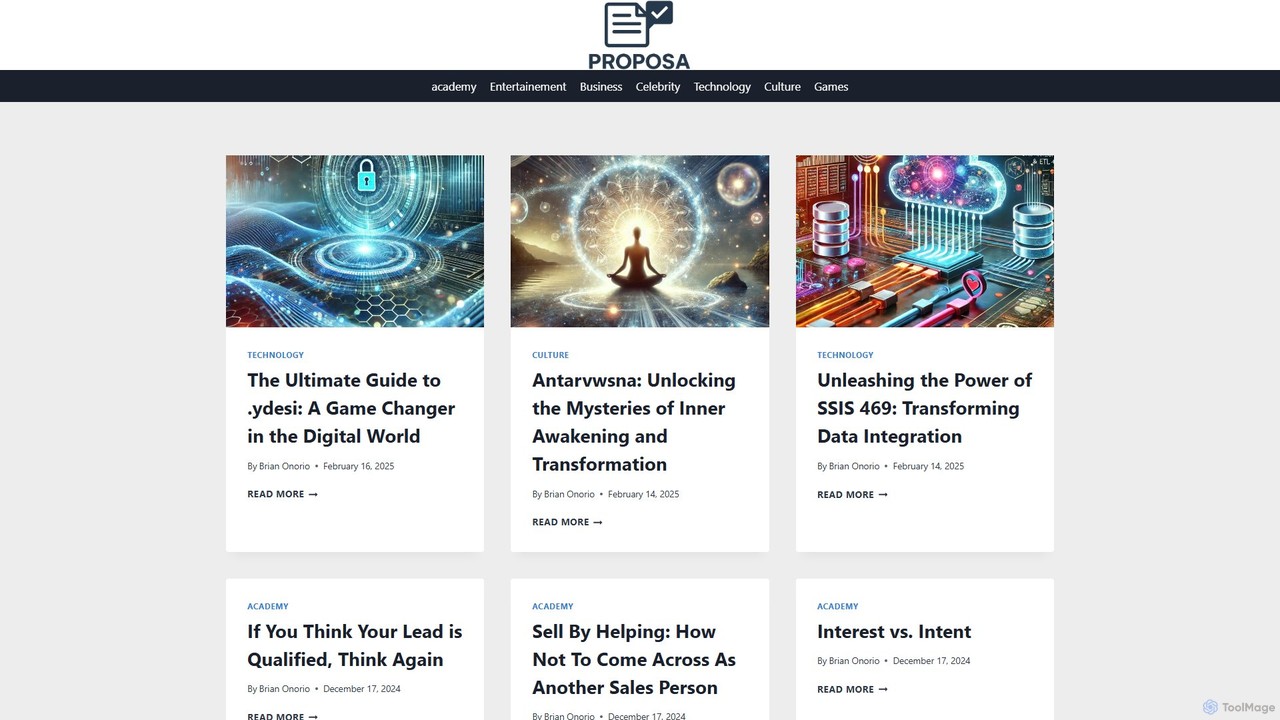
Proposa is an AI-powered platform designed to streamline the creation, management, and tracking of business proposals. It helps …

2.5K
Designrr

Designrr

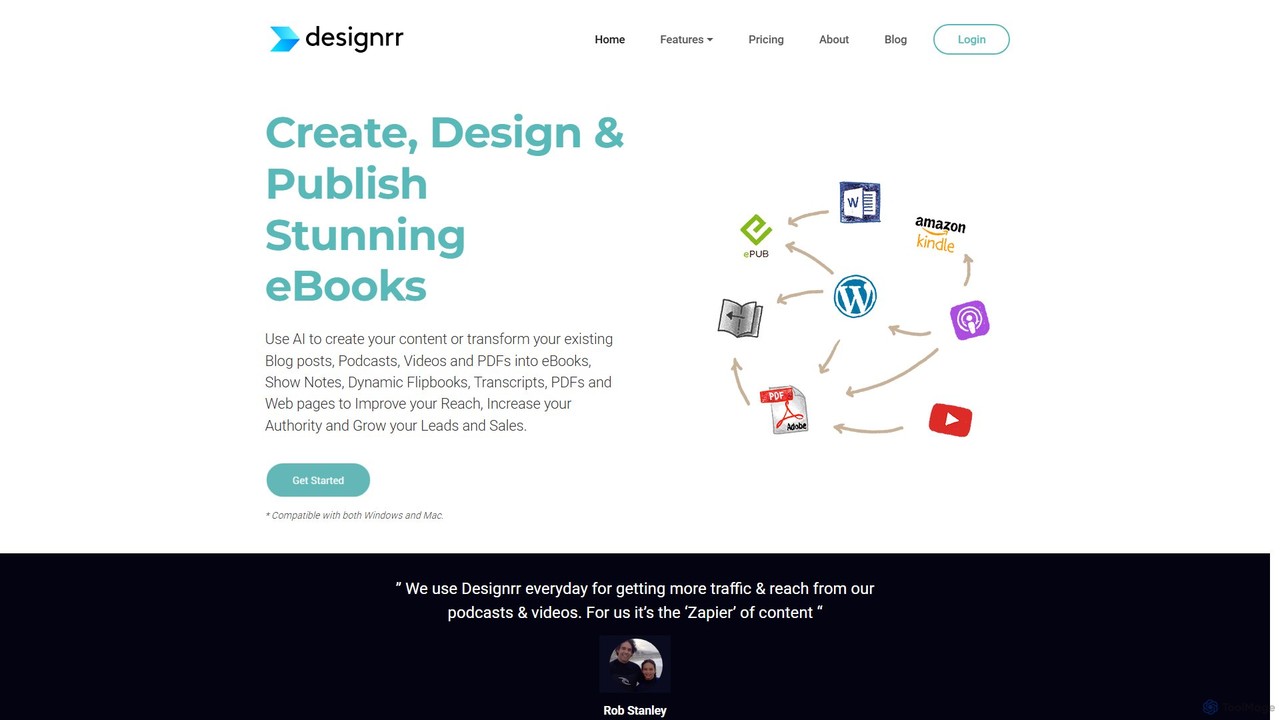
Designrr is an AI-powered platform that transforms your existing content—like blog posts, podcasts, videos, and PDFs—into professionally designed …

356.6K
aidocmaker

aidocmaker

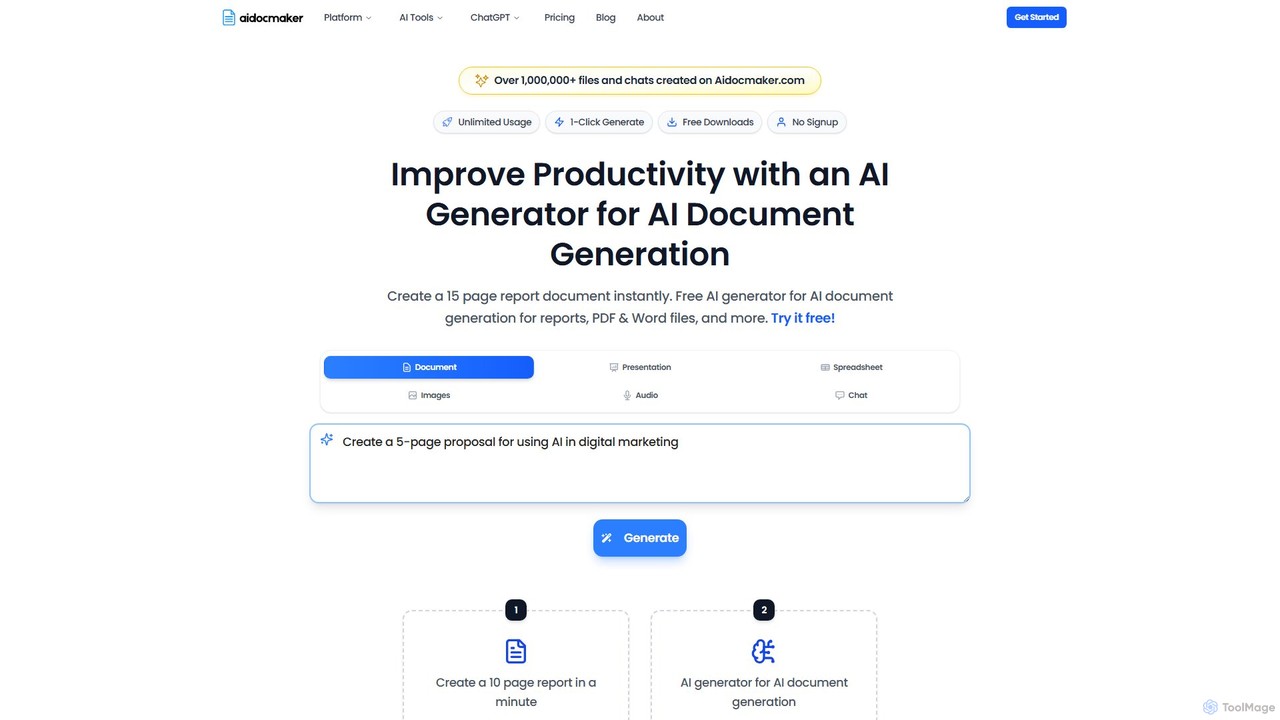
Aidocmaker is an all-in-one AI-powered generative studio that enables users to effortlessly create documents, presentations, spreadsheets, images, and …

566.9K

About Document Creation

Document Creation tools are a class of AI-powered software that automates the generation of structured, text-based documents. These tools leverage natural language generation (NLG) models and predefined templates to transform data, prompts, or outlines into complete reports, contracts, proposals, and articles. Their primary value lies in significantly reducing the time and effort required for repetitive writing tasks, ensuring consistency and accuracy across multiple documents. This allows professionals to focus on analysis and strategy rather than manual drafting.

Core Features

  • Template-Based Generation: Users select a document type (e.g., business report, legal agreement) and the AI populates it with relevant information based on inputs.
  • Data-to-Text Conversion: Automatically transforms structured data from spreadsheets, databases, or APIs into coherent narrative text and summaries.
  • Prompt-Driven Drafting: Generates entire sections or full documents from natural language instructions, outlines, or key points provided by the user.
  • Automated Formatting & Styling: Applies consistent branding, layouts, headings, and other stylistic elements according to predefined rules, ensuring professional presentation.
  • Content Customization: Allows for dynamic insertion of variables like client names, dates, and specific figures to create personalized documents at scale.

Use Cases

These tools are widely used in sectors that require high-volume document production. For instance, financial analysts use them to generate quarterly earnings reports from raw data. Legal teams automate the drafting of standard contracts like NDAs, while sales departments create customized proposals by pulling data from their CRM. Marketing teams also use them to produce personalized email campaigns and content briefs.

How to Choose

When selecting a Document Creation tool, first consider the specific document types it supports and its compatibility with your industry's standards. Evaluate its data integration capabilities—can it connect seamlessly with your existing data sources like Salesforce, Google Sheets, or SQL databases? Assess the level of customization available for templates and output style. Finally, consider collaboration features and security protocols, especially if handling sensitive information.

Document CreationUse Cases

1

Automate Quarterly Business Reports

A financial analyst for a mid-sized company needs to prepare a detailed quarterly performance report for the board. Instead of manually compiling data from spreadsheets and writing summaries, they connect an AI Document Creation tool to their financial database. The tool automatically pulls key metrics, generates narrative summaries for revenue, profit margins, and expenses, and populates a pre-designed report template. This process reduces the report generation time from three days to a few hours, minimizes human error, and allows the analyst to spend more time on interpreting the data rather than compiling it.

2

Draft Standard Legal Agreements

A small law firm frequently drafts non-disclosure agreements (NDAs) for its clients. To streamline this, they use an AI document tool with a pre-approved legal template. A paralegal inputs key variables for each new case—such as the names of the parties, the effective date, and the scope of confidential information—into a simple form. The AI instantly generates a complete, formatted NDA ready for attorney review. This reduces drafting time by over 80%, ensures all agreements are consistent with firm standards, and frees up legal staff to focus on more complex, billable work.

3

Generate Personalized Sales Proposals

A sales team at a B2B software company needs to create tailored proposals for dozens of potential clients each week. They integrate their AI Document Creation tool with their CRM (e.g., Salesforce). When a deal reaches the 'Proposal' stage, the tool automatically pulls the client's name, company details, identified pain points, and quoted price from the CRM. It then populates a proposal template, dynamically inserting the relevant information and even suggesting relevant case studies from a content library. This allows each salesperson to generate highly personalized, professional-looking proposals in minutes instead of hours.

4

Produce Technical Documentation from Code

A software development team needs to maintain up-to-date API documentation and user guides. They use a specialized AI document generator that can parse code comments and analyze the code structure. As developers push new code, the tool automatically updates the documentation, generating clear explanations of functions, parameters, and return values. It also creates step-by-step user guides based on predefined workflow templates. This ensures the documentation is always in sync with the product, reduces the burden on developers, and provides clear, accurate information for end-users and other developers.

5

Streamline HR Onboarding Paperwork

An HR department manages the onboarding for dozens of new hires each month. They use an AI document tool connected to their Applicant Tracking System (ATS). When a candidate is marked as 'Hired', the tool automatically generates a complete onboarding package, including a personalized offer letter with the correct salary and start date, an employment contract, and relevant policy documents. This automation eliminates manual data entry, reduces the risk of errors in critical documents, and ensures a consistent and professional experience for every new employee from day one.

6

Create Real Estate Property Descriptions

A real estate agency needs to write compelling property descriptions for hundreds of listings. A realtor inputs a list of key features for a property—such as square footage, number of bedrooms, unique amenities (e.g., 'hardwood floors', 'updated kitchen'), and location details—into an AI document tool. The AI then generates several variations of a well-written, engaging property description, highlighting the best features in a narrative format. This allows the agency to quickly produce high-quality marketing copy for websites and brochures, ensuring consistency in tone and style across all listings.

Document CreationFrequently Asked Questions