Engagedly
Engagedly is an AI-powered talent management platform designed to build high-performing teams. It integrates performance management, learning and …
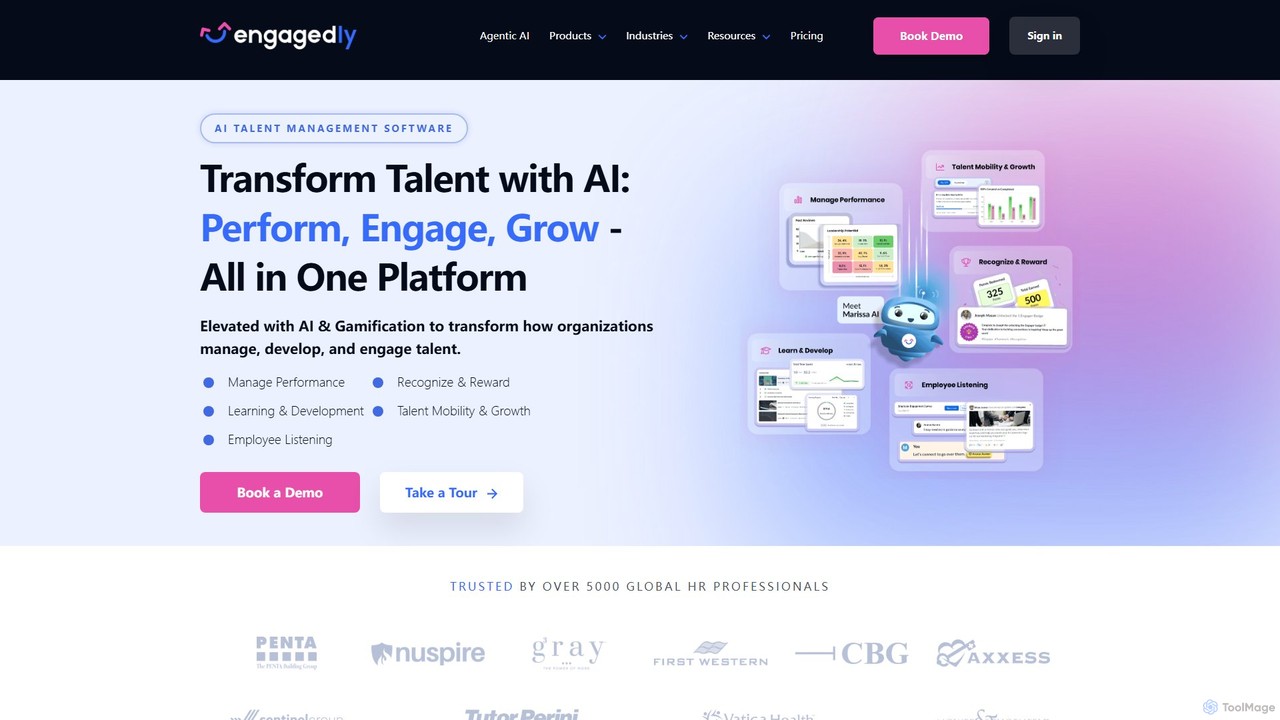
Engagedly is an AI-powered talent management platform designed to build high-performing teams. It integrates performance management, learning and development, employee engagement, and recognition into a single, unified system to align, motivate, and grow your workforce.
Engagerfy
Engagerfy is a human-centric AI platform designed to revolutionize HR by managing the entire employee lifecycle. It uses …
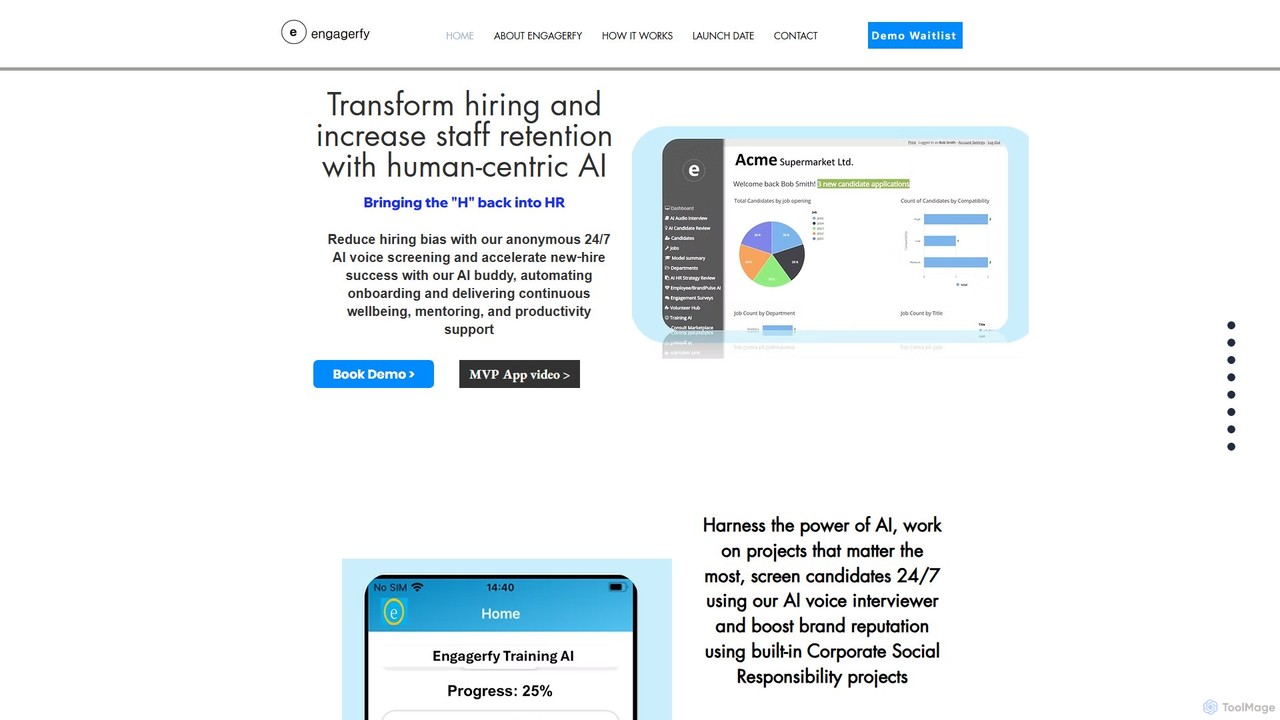
Engagerfy is a human-centric AI platform designed to revolutionize HR by managing the entire employee lifecycle. It uses AI for anonymous voice screening to reduce hiring bias, an AI buddy for onboarding and continuous support, and automated tools to enhance employee engagement and retention.
lapzo
lapzo is a 360-degree talent management platform designed to help businesses execute their talent strategy effectively. It integrates …
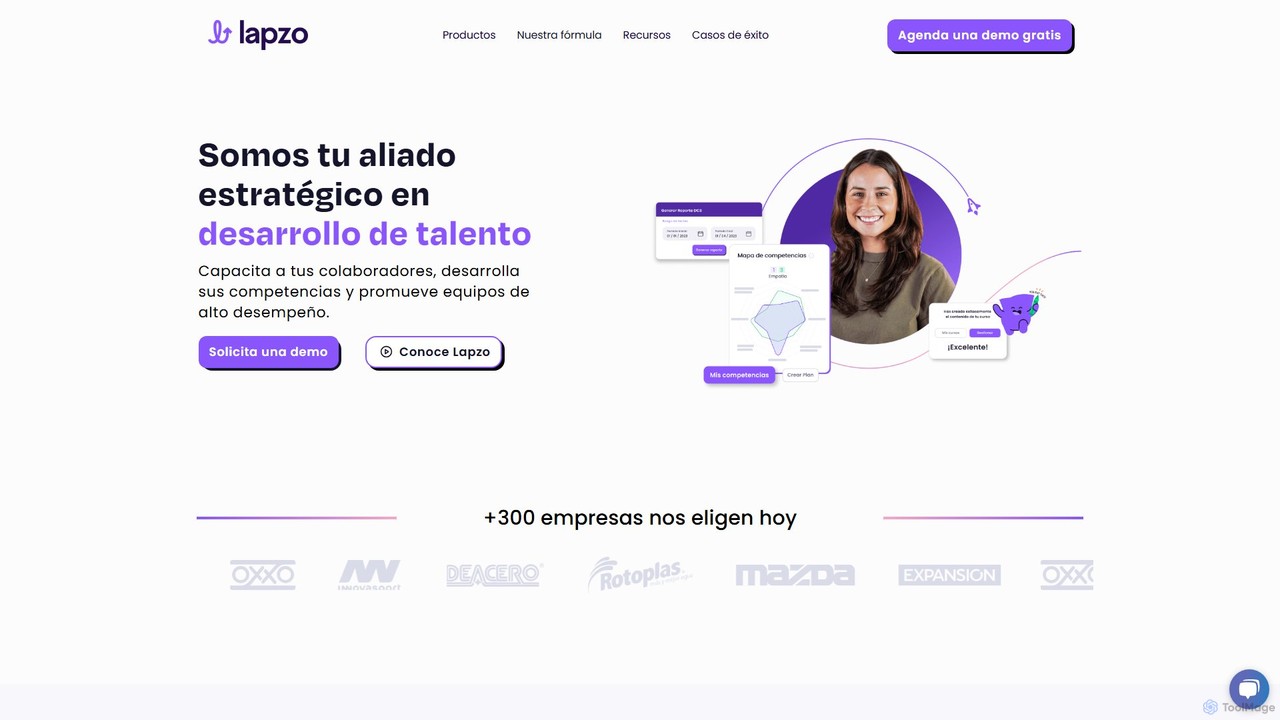
lapzo is a 360-degree talent management platform designed to help businesses execute their talent strategy effectively. It integrates tools for competency-based development, corporate training (LMS), performance evaluations, employee engagement, and AI-powered objective setting. By centralizing all talent management functions, lapzo empowers organizations to build high-performing teams, align employee goals with business objectives, and reduce turnover.
About Employee Engagement
AI Employee Engagement tools are specialized platforms designed to measure, analyze, and improve the workforce's connection to their organization. These tools leverage artificial intelligence, particularly natural language processing (NLP) and predictive analytics, to interpret employee feedback from surveys and communication channels. They provide actionable insights for managers and HR leaders to boost morale, reduce turnover, and build a positive company culture. Unlike general productivity tools that focus on tasks, these platforms concentrate on the human element of work.
Core Features
- Sentiment Analysis: Automatically analyzes text from surveys and communications to gauge employee mood and identify key themes.
- Predictive Attrition Modeling: Uses historical data to identify employees at high risk of leaving, allowing for proactive intervention.
- AI-Powered Pulse Surveys: Deploys short, frequent, and intelligent surveys to capture real-time feedback without causing survey fatigue.
- Personalized Action Plans: Provides managers with AI-generated recommendations and coaching based on their team's specific feedback.
- Automated Recognition: Facilitates peer-to-peer recognition and suggests opportunities to acknowledge employee contributions.
Use Cases
These tools are crucial for HR departments, team managers, and executive leadership in mid-to-large sized companies. They are particularly valuable in organizations undergoing change, managing remote or hybrid teams, or operating in highly competitive industries where retaining talent is a priority. For example, a manager can use the tool to understand the root cause of burnout in their team, while an HR leader can track engagement trends across the entire organization.
How to Choose
When selecting an AI Employee Engagement tool, consider its integration capabilities with your existing HRIS, Slack, or Microsoft Teams. Evaluate the depth of its analytics; does it offer simple dashboards or predictive insights? Assess the platform's commitment to employee anonymity and data privacy. Finally, consider the user experience for both employees and managers, as a complex tool may hinder adoption.
Employee EngagementUse Cases
Proactively Reducing Employee Turnover
An HR manager at a large tech company uses an AI engagement tool to analyze quarterly survey data and anonymous feedback from communication channels. The AI identifies a pattern of burnout symptoms and concerns about work-life balance within the engineering department. It flags several high-performing individuals as 'high flight risk' based on changes in their communication sentiment and feedback patterns. Armed with this data, HR partners with engineering managers to implement targeted interventions, such as adjusting workloads and introducing flexible work policies, successfully reducing departmental turnover by 15% in the following six months.
Improving Manager Effectiveness with AI Coaching
A newly promoted team lead receives access to the manager's dashboard of an engagement platform. The AI analyzes their team's anonymous feedback and identifies a recurring theme: a lack of clarity in project goals. Instead of just presenting the data, the tool provides the manager with personalized 'micro-coaching' tips. It suggests specific communication strategies, provides templates for clearer project briefs, and recommends scheduling regular check-ins. By following these AI-driven suggestions, the manager improves their team's clarity score by 30% in one quarter, leading to fewer project revisions and higher team satisfaction.
Measuring Morale in a Hybrid Workforce
A company transitions to a hybrid work model, and leadership is concerned about maintaining a cohesive culture. They use an AI engagement tool to deploy weekly pulse surveys with questions tailored to the remote and in-office experience. The AI's sentiment analysis reveals that remote employees feel disconnected from decision-making processes. The platform visualizes this data, comparing sentiment scores between work models. This insight prompts the company to overhaul its communication protocols, ensuring all major announcements and discussions happen on platforms accessible to everyone, regardless of location, thereby bridging the engagement gap.
Analyzing Open-Ended Survey Feedback
After its annual engagement survey, a retail company is left with over 10,000 open-ended comments. Manually analyzing this would take weeks. Instead, they upload the comments into their AI engagement platform. The tool's NLP capabilities instantly categorize comments into themes like 'Compensation', 'Management Support', and 'Store Operations'. It also performs sentiment analysis on each theme, revealing that while 'Compensation' is a neutral topic, 'Management Support' has a strongly negative sentiment. This allows the HR team to bypass manual sorting and immediately focus their efforts on developing better training programs for store managers.
Fostering a Culture of Recognition
A marketing agency wants to increase peer-to-peer recognition. They implement an engagement tool integrated with Slack. The tool's AI monitors public channels for positive language and keywords like 'thanks', 'great job', or 'kudos'. When it detects such an interaction, it prompts the sender to make the recognition official through the platform, linking it to a company value. This creates a public feed of appreciation, and the AI provides leaders with a dashboard showing recognition trends, highlighting unsung heroes and ensuring recognition is distributed fairly across teams, boosting overall morale and reinforcing company values.
Assessing Organizational Health During a Merger
Two companies are merging, and the executive team needs to monitor employee sentiment across both legacy organizations. They use an AI engagement platform to deploy consistent pulse surveys to all employees. The AI segments the data, allowing leaders to compare engagement levels, key concerns, and cultural alignment between the two groups. The analysis reveals that employees from one company are highly concerned about job security, while the other group is more worried about cultural integration. This data allows the integration team to tailor their communication and change management strategies to address the specific anxieties of each group, smoothing the transition process.