Productivity Best in category 5 results Feedback AI Tool

Popular AI tools in the Feedback field of Productivity include Wynter、ReviewPorto、Pitch Roasters、Roast My Landing Page、TestMyWebsite.AI, etc., helping you quickly improve efficiency.

Wynter

Wynter

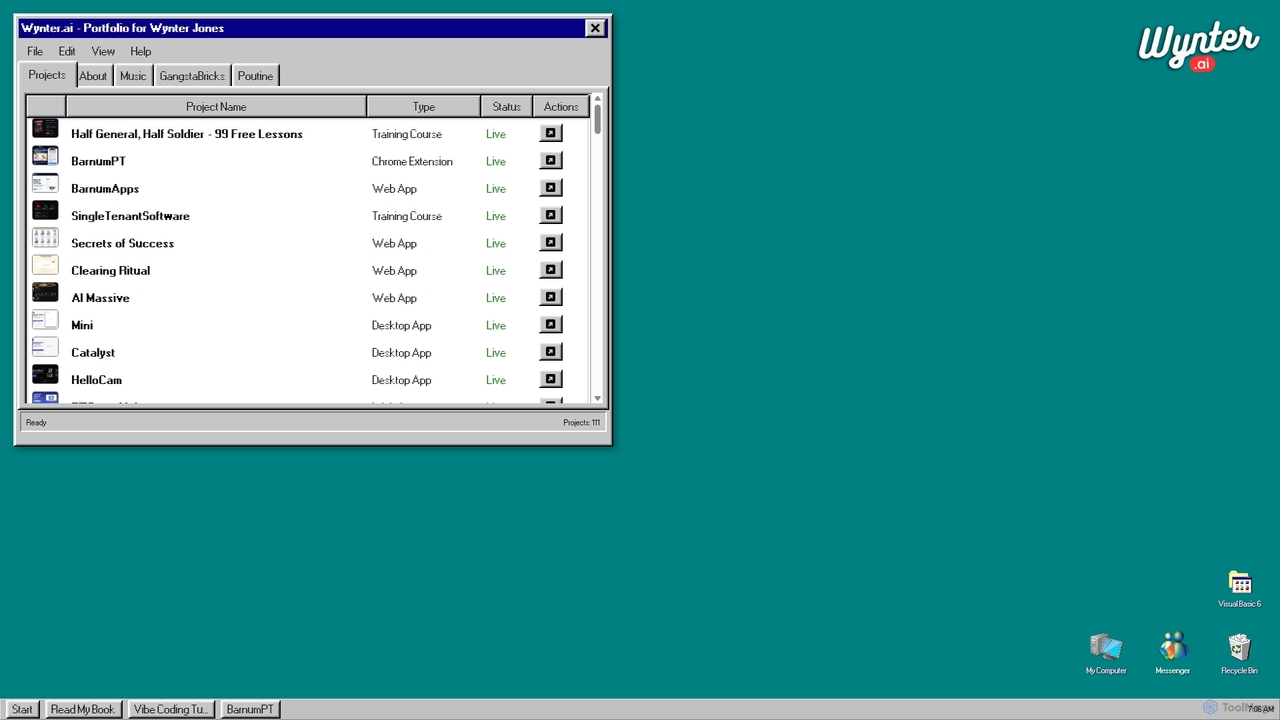
Wynter is a B2B message testing and audience research platform. It helps companies get rapid qualitative feedback on …

2.9K
Pitch Roasters

Pitch Roasters

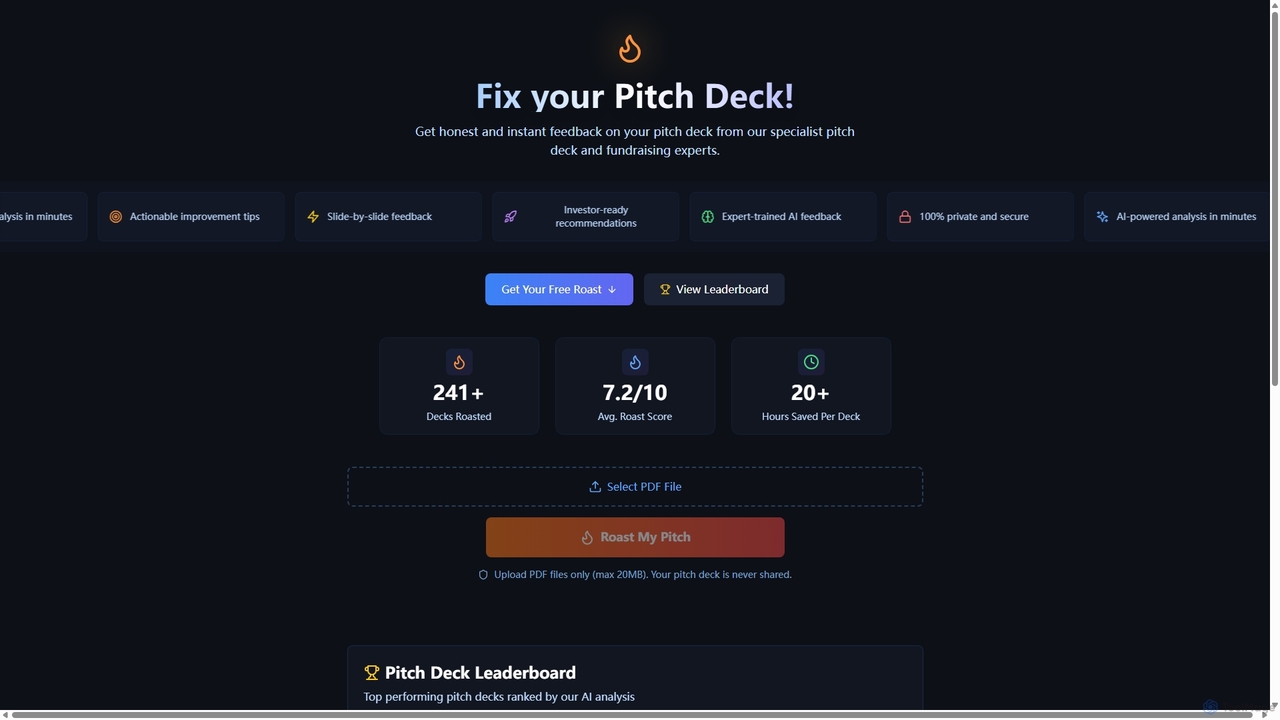
Pitch Roasters is an AI-powered platform that provides instant, expert-level feedback on startup pitch decks. Upload your presentation …

2.3K
Roast My Landing Page

Roast My Landing Page

Roast My Landing Page is an AI-powered service that delivers brutally honest, actionable feedback to optimize your landing …

2.2K
TestMyWebsite.AI

TestMyWebsite.AI

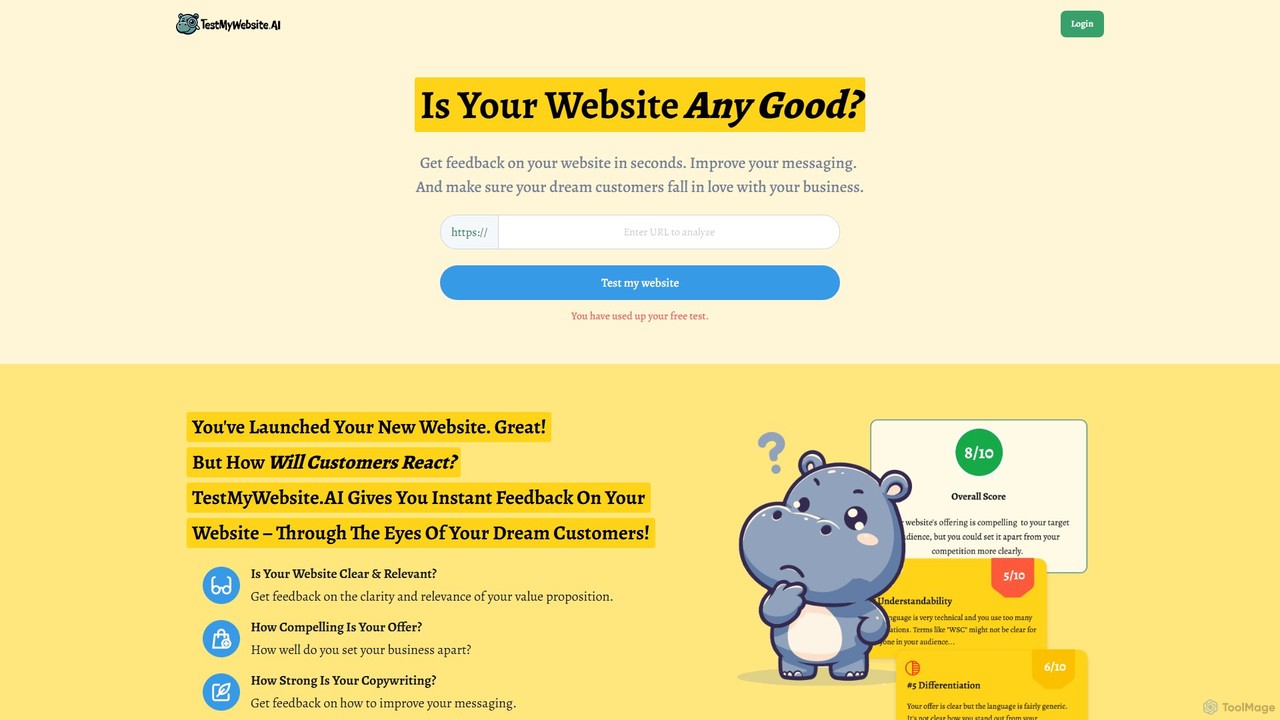
TestMyWebsite.AI is an AI-powered tool that provides instant feedback on your website's messaging, clarity, and value proposition. It …

2.2K
ReviewPorto

ReviewPorto

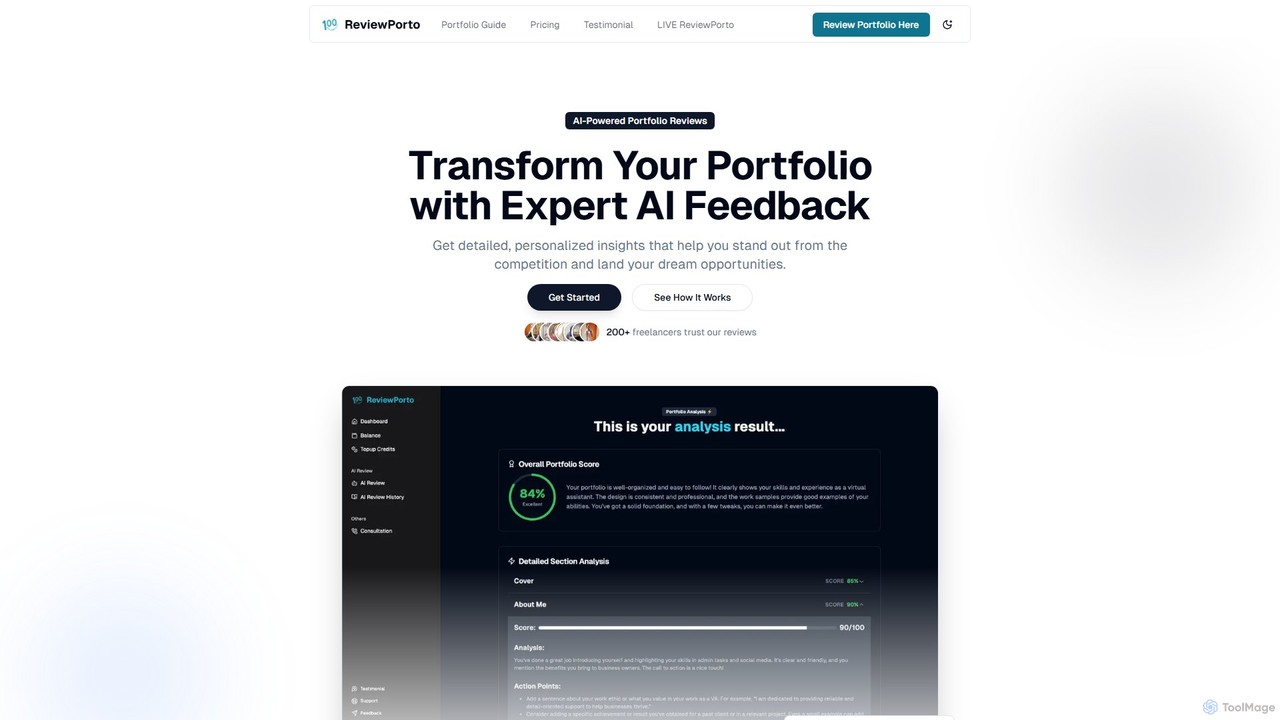
ReviewPorto is an AI-powered platform designed to help freelancers and professionals get instant, expert-level feedback on their portfolios. …

2.3K

About Feedback

Feedback tools are AI-powered platforms designed to efficiently collect, analyze, and act on user, customer, or team input. These tools leverage advanced natural language processing (NLP) and machine learning to transform raw qualitative and quantitative data into actionable insights. They streamline the process of understanding sentiment, identifying emerging trends, and pinpointing areas for improvement, significantly enhancing decision-making across product development, customer service, and internal operations. By automating the laborious aspects of feedback management, they empower organizations to be more responsive and data-driven.

Core Features

  • Automated Sentiment Analysis: AI algorithms automatically detect and categorize the emotional tone (positive, negative, neutral) within text-based feedback.
  • Intelligent Topic Clustering: Tools group similar feedback comments or issues into themes, revealing common pain points or popular requests without manual sorting.
  • Real-time Data Visualization: Dashboards provide instant, digestible insights into feedback trends, sentiment shifts, and key performance indicators.
  • Predictive Analytics: Some tools can forecast potential issues or customer churn based on feedback patterns, enabling proactive intervention.
  • Multi-channel Feedback Collection: Integrate with various sources like surveys, social media, app reviews, and support tickets to centralize data.

Applicable Scenarios

Product managers utilize these tools to prioritize feature development by understanding user needs and pain points from app store reviews and in-app surveys. Customer success teams employ them to monitor customer sentiment across support interactions, identifying common issues and improving service quality. HR departments can gather anonymous employee feedback to assess engagement, identify workplace issues, and foster a positive company culture.

How to Choose

When selecting an AI feedback tool, consider its integration capabilities with existing platforms (CRM, helpdesk), the depth and accuracy of its AI analysis (e.g., sentiment, topic detection), customization options for surveys and reports, and its scalability to handle varying volumes of feedback. Evaluate data security protocols and compliance, as well as the clarity of its user interface and reporting features for different stakeholders.

FeedbackUse Cases

1

Optimizing Product Feature Roadmaps

Product managers use AI feedback tools to analyze user suggestions and bug reports from multiple channels, automatically identifying high-priority features and critical issues based on sentiment and frequency, leading to data-driven roadmap decisions.

2

Enhancing Customer Service Experience

Customer support teams deploy AI feedback tools to process thousands of support tickets and chat transcripts. The AI identifies recurring customer pain points, common queries, and agent performance trends, enabling targeted training and FAQ improvements to reduce resolution times and boost satisfaction.

3

Boosting Employee Engagement & Retention

HR departments leverage AI feedback platforms for anonymous employee surveys and open-ended comments. The AI analyzes sentiment and themes, highlighting areas of concern like workload, management style, or benefits, allowing HR to proactively address issues and improve workplace culture.

4

Refining Marketing Campaign Effectiveness

Marketing teams utilize AI feedback tools to monitor social media mentions, campaign comments, and ad reviews. The AI quickly gauges public sentiment towards new campaigns or product launches, providing real-time insights to adjust messaging, target audiences, or creative elements for better engagement.

5

Improving Website & App Usability

UX/UI designers integrate AI feedback tools into their websites or mobile apps to collect user session feedback, bug reports, and feature requests. The AI automatically categorizes issues and identifies usability bottlenecks, guiding design iterations for a smoother and more intuitive user experience.

6

Streamlining Educational Program Evaluation

Academic institutions or online course providers use AI feedback tools to analyze student reviews, course evaluations, and forum discussions. The AI identifies common themes regarding content clarity, instructor effectiveness, or platform issues, enabling educators to refine curriculum and teaching methods for improved learning outcomes.

FeedbackFrequently Asked Questions