ToolMage
Sign in

Best 31 Habit Tracking AI tools for Productivity

Popular Habit Tracking AI tools in Productivity include AlterMe, Focus Bear, Forfeit, Peek, Thryve, QuitPorn.AI, Neurture, Squad, Evaari, and getdeltadriven, helping you work more efficiently.

GetZing
Freemium

GetZing

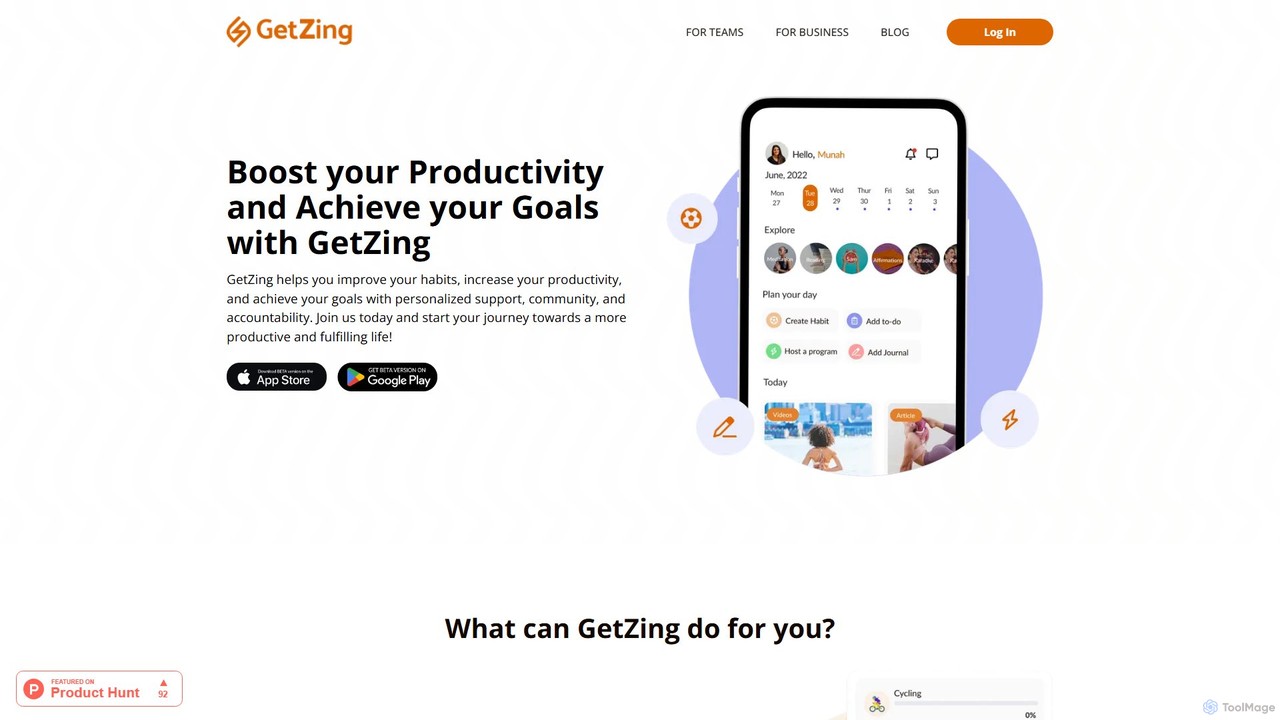
GetZing is an AI-powered productivity and habit management platform for individuals, teams, and businesses. It helps you build positive habits, increase productivity, and achieve goals through personalized support, smart reminders, and calendar integration. GetZing intelligently schedules time for your routines and tasks, making it a comprehensive tool for personal growth, employee well-being, and client management for coaches.

Coaching
Visits 6.4KFavorites 130Likes 116

prefit.ai
Free

prefit.ai

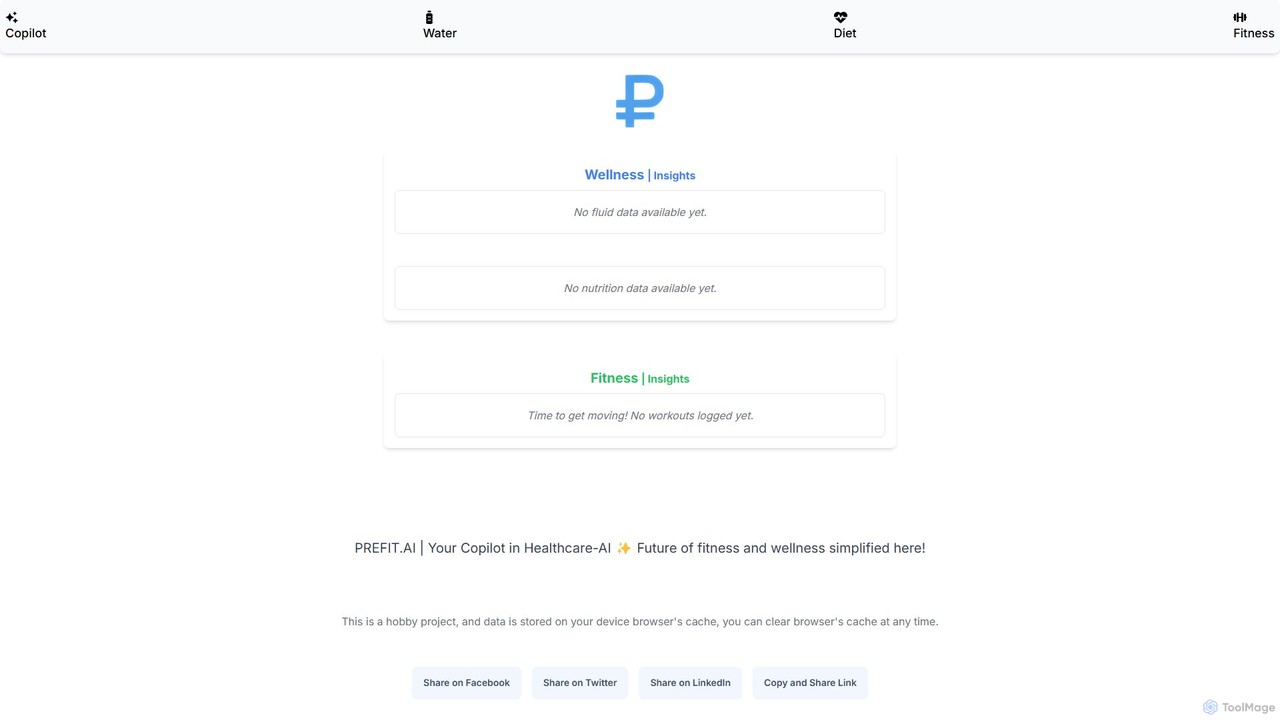
prefit.ai is a free, privacy-focused AI health copilot designed to simplify your fitness and wellness journey. Track your water intake, diet, and workouts on a unified dashboard. It provides AI-driven insights while ensuring all your data is stored locally in your browser for maximum privacy.

Diet Planner
Visits 6.1KFavorites 138Likes 133
Suratfit
Freemium

Suratfit

Suratfit is an AI-powered fitness companion that provides personalized workout plans, advanced progress tracking, and social features. It offers a vast library of exercises and workouts guided by a 3D character, tailored to goals like strength building, toning, or weight loss.

3D
Visits 6.1KFavorites 136Likes 125
YesCoach AI
Paid

YesCoach AI

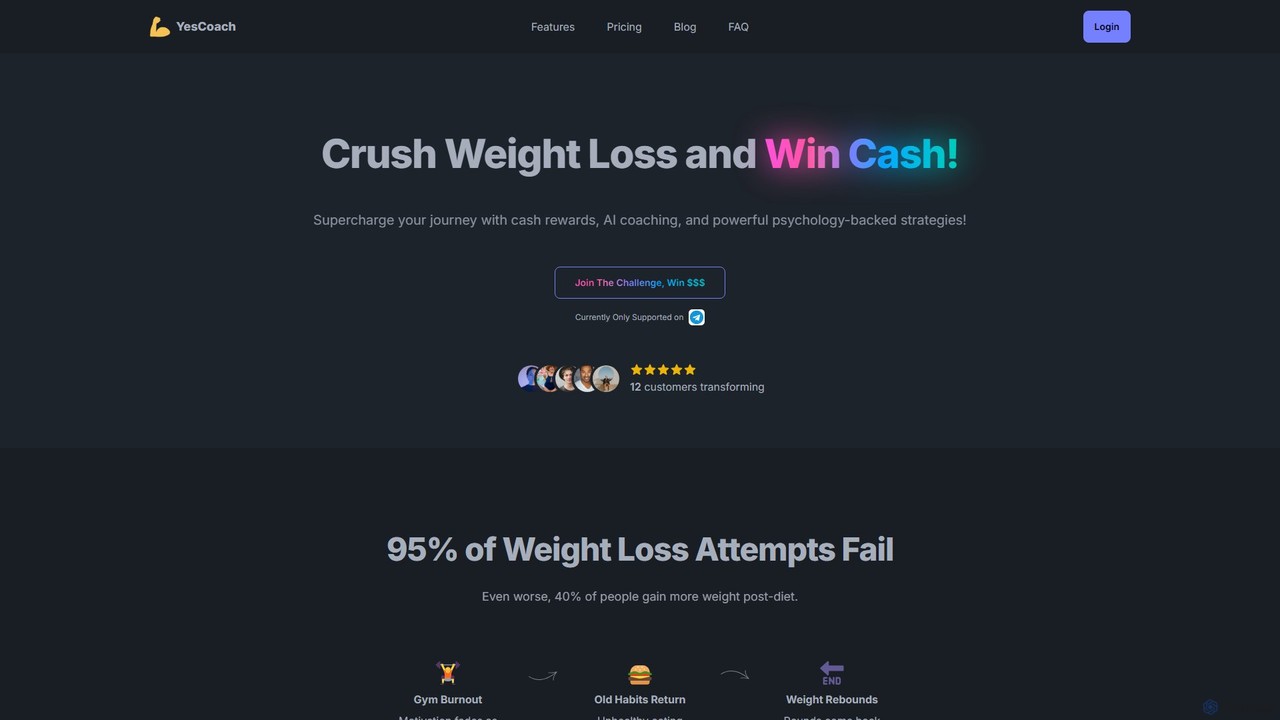
YesCoach AI is an AI-powered weight loss coach available on Telegram. It uses daily weigh-ins, personalized motivation, and cash reward challenges to help users achieve their fitness goals. By combining psychology-backed strategies with financial incentives, it provides a unique and effective way to stay accountable and motivated on your weight loss journey.

3D
Visits 5.9KFavorites 123Likes 141
YourHabitBuddy
Freemium

YourHabitBuddy

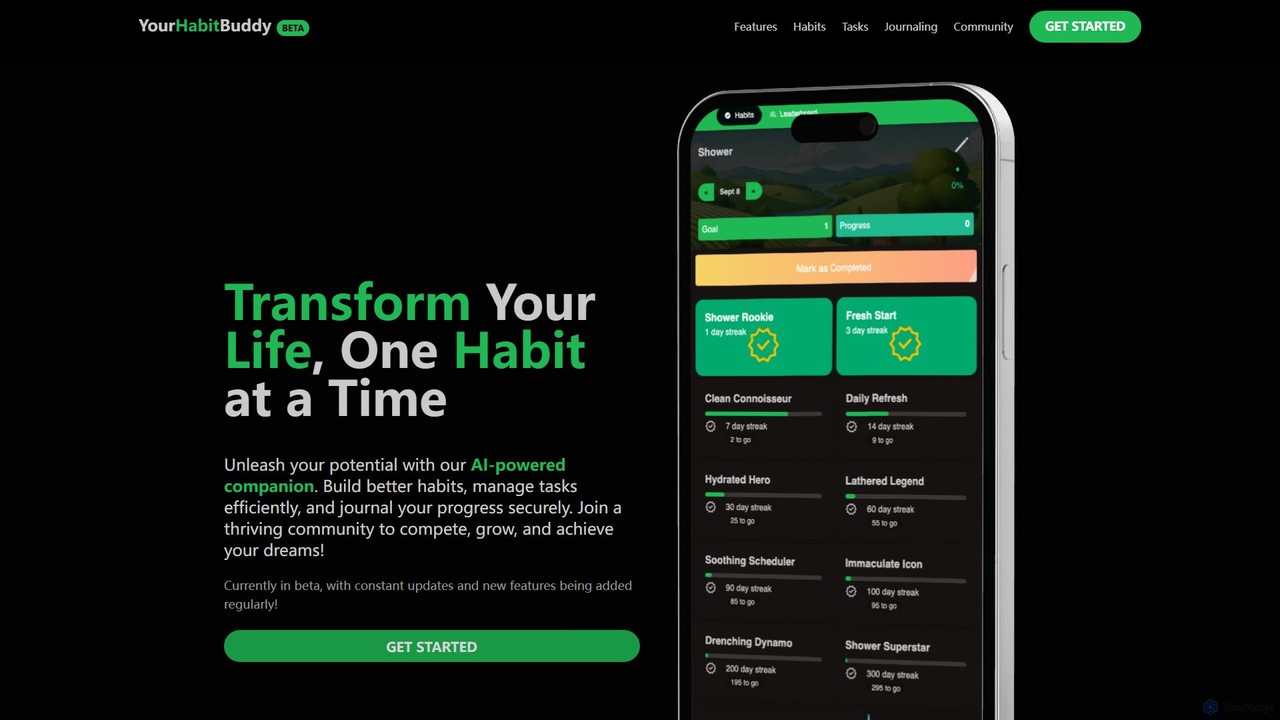
YourHabitBuddy is an AI-powered habit tracker designed to help you build positive habits and achieve personal growth. It combines personalized guidance, data-driven insights, and supportive community features to make your self-improvement journey engaging, secure, and effective.

Personal Wellness
Visits 5.8KFavorites 150Likes 143
getdeltadriven
Freemium

getdeltadriven

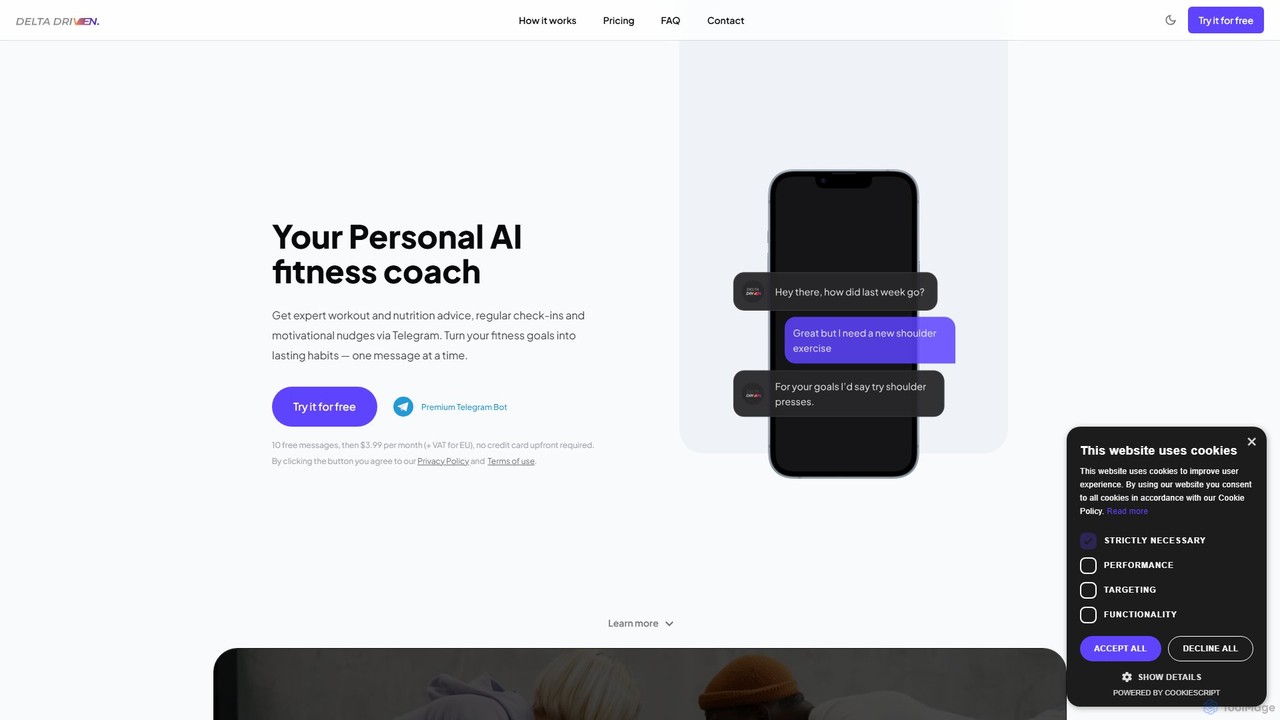
getdeltadriven is an AI-powered personal fitness coach available 24/7 on Telegram. It provides personalized workout plans, nutrition advice, and motivational support tailored to your unique goals. Track progress, get calorie estimates from food photos, and build lasting habits with this affordable and accessible pocket trainer.

3D
Visits 6.5KFavorites 135Likes 131
oakveda
Freemium

oakveda

Oakveda is an AI-powered wellness platform that blends ancient Ayurvedic wisdom with modern science. It offers personalized health plans, including diet, lifestyle, and mindfulness routines, based on an AI analysis of your unique mind-body constitution (dosha). Achieve holistic balance and well-being with data-driven, customized guidance.

3D
Visits 5.8KFavorites 136Likes 121

About Habit Tracking

AI Habit Tracking tools are applications that leverage artificial intelligence to help users build, maintain, and analyze personal routines. These tools go beyond simple checklists by using machine learning to provide personalized suggestions, adaptive reminders, and predictive insights into your behavior. They analyze your progress, identify patterns, and offer tailored feedback to increase the likelihood of forming lasting habits. This intelligent approach helps users achieve goals in areas like health, productivity, and personal development more effectively.

Core Features

  • Personalized Habit Recommendations: Suggests new habits based on your stated goals and existing routines.
  • Adaptive Reminders: Sends smart notifications based on your location, schedule, or past success patterns, not just fixed times.
  • Predictive Analytics: Analyms your data to forecast potential challenges in maintaining a habit and offers proactive encouragement.
  • Performance Insights: Provides detailed reports and visualizations that reveal correlations between your habits and outcomes like mood or energy.
  • AI-Powered Motivation: Delivers contextual, encouraging messages and gamified rewards to keep you engaged.

Applicable Scenarios

These tools are widely used by individuals for personal growth, including students building study routines, professionals developing new skills, and anyone focused on improving health and wellness. In a corporate wellness setting, they can support team-wide health initiatives by providing a personalized yet scalable platform for employees.

Selection Criteria

When choosing an AI Habit Tracking tool, consider the depth of its personalization features and the quality of its insights. Evaluate its data privacy policy, especially if you're tracking sensitive information. Also, check for integration capabilities with other apps you use, such as calendars or fitness trackers, and assess the user interface for its motivational design and ease of use.

Featured tool rankings

Habit Tracking use cases

1

Build a Consistent Fitness Routine

For individuals aiming to improve their physical health, an AI habit tracker can be a powerful ally. A user who wants to exercise three times a week can input this goal. The AI then analyzes their calendar for free slots and might even suggest optimal workout times based on past energy level data (if integrated with a wearable). It sends adaptive reminders, such as 'Looks like your schedule is clear this afternoon, a great time for that run!' instead of a generic alarm. By tracking completions and celebrating milestones like a 'four-week streak,' the tool uses positive reinforcement to solidify the exercise habit.

2

Master a New Professional Skill

A software developer wants to dedicate 30 minutes daily to learning a new programming language. An AI habit tracker helps structure this goal. The tool can integrate with their calendar to find small, consistent pockets of time. The AI might notice the user is most successful in the morning and suggest scheduling sessions then. If they miss a day, instead of just breaking the streak, the AI could offer a 'catch-up' plan, like two 15-minute sessions the next day. This intelligent scheduling and flexible approach prevents discouragement and supports long-term skill acquisition within a busy professional life.

3

Improve Mental Wellbeing Through Mindfulness

A user wants to start a daily meditation practice to reduce stress. An AI habit tracker can suggest an initial goal of just three minutes a day to make it feel achievable. The AI can analyze user-logged mood data to find correlations, showing a chart that illustrates how mood improves on days with meditation. It can also offer personalized encouragement, like 'You've mentioned feeling stressed today. A short meditation session helped you feel calmer last Tuesday.' This data-driven feedback makes the benefits of the habit tangible and provides context-specific motivation, which is more effective than a simple daily reminder.

4

Establish Healthy Eating and Hydration Habits

For someone aiming to drink eight glasses of water and eat five servings of vegetables daily, manual tracking can be tedious. An AI habit tracker simplifies this. The user can log intake with a few taps. The AI can then provide intelligent reminders, like a prompt to drink water after a logged workout or a suggestion to add a salad to their upcoming lunch, based on their calendar. Over time, the tool can show progress reports highlighting the correlation between consistent hydration and user-reported energy levels, reinforcing the positive impact of the new habits and motivating continued effort.

5

Enhance Academic Performance with Study Routines

A student preparing for exams can use an AI habit tracker to schedule regular study sessions for different subjects. The AI can help implement proven techniques like the Pomodoro Technique by automatically timing study and break intervals. It can analyze which study times lead to better self-reported focus and suggest optimizing the schedule accordingly. For example, it might notice that the student's focus dips in the late afternoon and recommend tackling more challenging subjects in the morning. This level of personalized scheduling and analysis helps students study smarter, not just harder.

6

Break a Bad Habit like Procrastination

Breaking a bad habit often requires understanding its triggers. A freelancer looking to reduce procrastination can use an AI tool to track 'deep work' sessions versus time spent on distracting activities. The user can log when they feel the urge to procrastinate and what they were doing. The AI can then identify patterns, for example, 'You tend to procrastinate most often before starting large, undefined tasks.' Based on this insight, the tool can suggest a counter-habit, such as breaking down large tasks into smaller, 25-minute steps. This analytical approach helps users address the root cause of the bad habit, not just the symptom.

Habit Tracking FAQ

What are AI Habit Tracking tools?

AI Habit Tracking tools are applications that use artificial intelligence to provide a smarter, more personalized approach to building habits. Unlike simple digital checklists, they analyze your data to offer personalized habit suggestions, send adaptive reminders based on your schedule and location, and provide predictive insights to help you overcome potential obstacles. The core purpose is to leverage data and machine learning to make the process of habit formation more effective and sustainable.

How do AI habit trackers differ from simple reminder apps?

The key difference is intelligence and adaptation. A simple reminder app is static; you set a reminder for 7 AM, and it goes off at 7 AM every day. An AI habit tracker is dynamic. It learns from your behavior. It might notice you're more likely to complete a habit in the evening and suggest moving the reminder. It analyzes your streaks to offer encouragement when you might be losing motivation and provides insights into how your habits affect other aspects of your life, like your mood. In essence, reminder apps are passive tools, while AI trackers are active partners in your self-improvement journey.

How to choose the right AI Habit Tracking tool?

Choosing the right tool depends on your specific needs. Consider the following factors:

  • Personalization Level: How well does the app tailor suggestions and reminders to you? Look for features like adaptive scheduling and personalized insights.
  • Data Privacy: You'll be sharing personal data. Review the app's privacy policy to ensure your information is secure and not sold to third parties.
  • Integrations: Does it connect with other tools you use, like your calendar, fitness tracker, or note-taking app? Good integrations can automate tracking and provide richer context.
  • User Interface and Motivation: Is the app easy and enjoyable to use? Look for a clean design, positive reinforcement mechanisms, and gamification elements that keep you engaged.
Who can benefit from using AI Habit Tracking tools?

A wide range of individuals can benefit from these tools. This includes students looking to build effective study habits, professionals aiming to learn new skills or improve work-life balance, and anyone focused on health and wellness goals like regular exercise or mindful eating. They are particularly useful for people who have struggled with consistency in the past, as the AI's personalized feedback and predictive encouragement can provide the extra support needed to stay on track. Essentially, anyone seeking a structured, data-informed, and motivational approach to self-improvement can find value in an AI habit tracker.

Is my data safe with AI Habit Tracking apps?

Data privacy is a valid concern, as these apps handle personal and sometimes sensitive information. Reputable developers prioritize security by using end-to-end encryption and anonymizing data used for model training. However, policies can vary significantly between apps. Before committing to a tool, it is crucial to read its privacy policy. Look for clear statements on how your data is stored, who has access to it, and whether it is sold or shared with third parties. Choosing apps from well-known developers with transparent privacy practices is a good way to mitigate risk.