ToolMage
Sign in

Best 3 Home Management AI tools for Productivity

Popular Home Management AI tools in Productivity include TasteOS, InstaDish, and Manorwatch, helping you work more efficiently.

TasteOS
Freemium

TasteOS

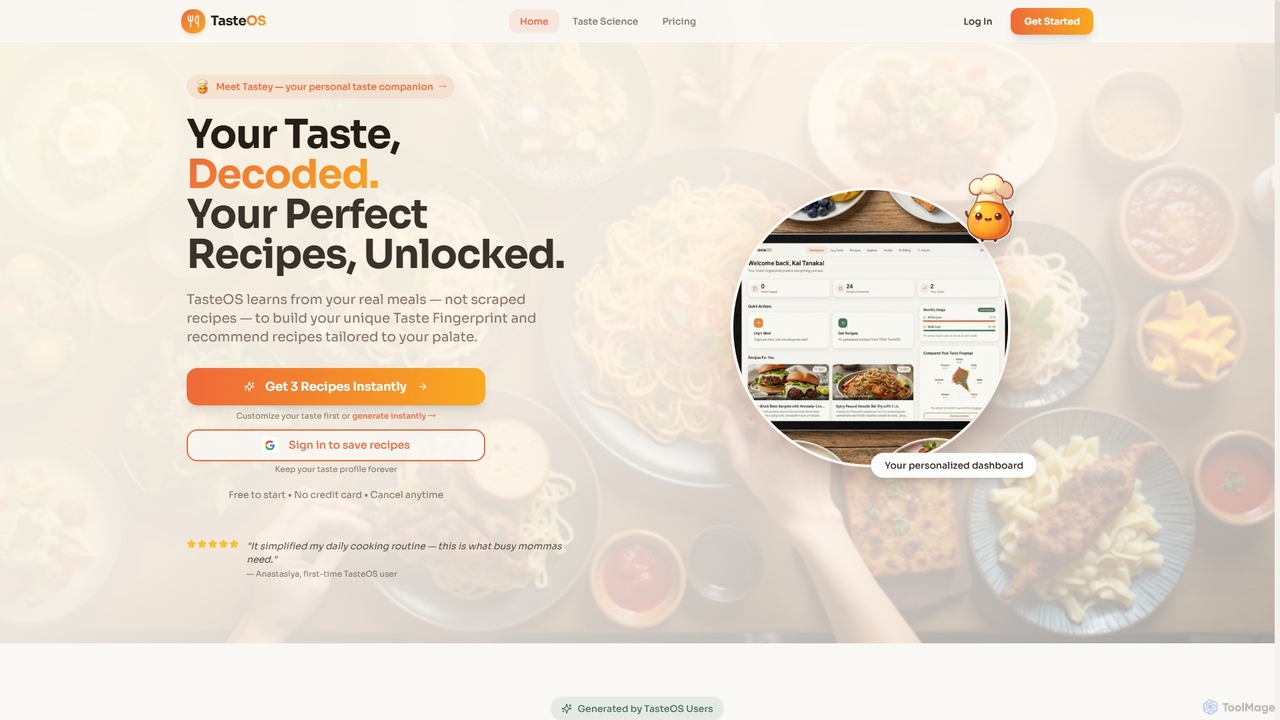
TasteOS is a personalized AI recipe generator that decodes your unique taste profile by learning from your real meals. It creates tailored recipes, helps you cook with existing ingredients, and adapts to your evolving palate, offering a truly custom culinary experience.

Recipe Generation
Visits 7.3KFavorites 35Likes 36
Manorwatch
Freemium

Manorwatch

Manorwatch is an AI-powered tool that helps homeowners prevent costly repairs by creating personalized maintenance schedules. It tracks critical tasks, sends smart reminders, and visualizes your savings, ensuring your home stays in perfect condition.

Expense Tracking
Visits 5.7KFavorites 104Likes 110
InstaDish
Freemium

InstaDish

InstaDish is an AI-powered recipe generator that transforms your available ingredients into delicious, customized meals. Simply upload a photo of your ingredients or list them manually to receive personalized recipes. It supports various dietary preferences like vegan, keto, and gluten-free, helping you reduce food waste and unlock your culinary creativity.

Recipe Generation
Visits 5.7KFavorites 126Likes 117

About Home Management

AI Home Management tools are a specialized category of productivity software that uses artificial intelligence to streamline and automate household operations. These tools leverage machine learning to understand family routines, predict needs, and manage resources like schedules, budgets, and groceries. Their primary value lies in reducing the mental load of running a household, automating repetitive planning tasks, and improving overall efficiency and organization for individuals and families. By centralizing various domestic responsibilities, they help create a more harmonious and smoothly run home environment.

Core Features

  • Predictive Scheduling: Automatically suggests and assigns family chores, appointments, and activities based on past patterns and member availability.
  • Automated Meal Planning: Generates weekly meal plans and shopping lists based on dietary preferences, available ingredients, and budget constraints.
  • Intelligent Budgeting: Connects to financial accounts to automatically categorize spending, track bills, and identify potential savings on household expenses.
  • Smart Inventory Management: Keeps track of pantry items, cleaning supplies, and other consumables, alerting you when items are running low.
  • Smart Home Integration: Connects with IoT devices like thermostats and lighting to learn routines and optimize energy consumption automatically.

Use Cases

These tools are ideal for busy families seeking to coordinate complex schedules and delegate chores fairly. They are also highly beneficial for couples managing joint finances and household responsibilities, as well as individuals aiming to optimize their personal time and resources through automated planning and budgeting. Anyone looking to reduce the daily stress of household administration can benefit from these intelligent assistants.

How to Choose

When selecting an AI Home Management tool, first consider its core focus—whether you need an all-in-one solution or a specialized tool for meal planning or budgeting. Evaluate its family sharing and collaboration features to ensure it fits your household size. Check for compatibility with your existing smart home devices for seamless integration. Finally, carefully review the tool's data privacy policy and subscription model to ensure it aligns with your security standards and budget.

Home Management use cases

1

Automated Weekly Meal Planning

A busy parent uses an AI home management tool to simplify their weekly meal preparation. They input their family's dietary restrictions, such as gluten-free and nut allergies, along with preferences for certain cuisines. The AI then generates a balanced seven-day meal plan, complete with recipes for breakfast, lunch, and dinner. Crucially, it also compiles an organized shopping list based on the recipes, which can be sent directly to a grocery delivery service. This process eliminates hours of manual planning and ensures the family eats varied, healthy meals without the repetitive stress of deciding 'what's for dinner'.

2

Intelligent Household Budget Tracking

A couple aiming to save for a down payment uses an AI home management tool to get control of their finances. They link their joint bank accounts and credit cards to the app. The AI automatically scans transactions, categorizes them into buckets like 'Utilities', 'Groceries', 'Entertainment', and 'Subscriptions', and visualizes the spending patterns in easy-to-read charts. It identifies recurring subscriptions they might have forgotten about and sends alerts when they are close to exceeding their monthly budget in a specific category. This provides a clear, real-time overview of their financial health, enabling them to make informed decisions and accelerate their savings goals.

3

Dynamic Family Chore Coordination

A family with two teenagers uses an AI tool to manage household chores and reduce arguments. Each family member has a profile with their schedule and capabilities. The AI system creates a weekly chore chart that automatically rotates difficult tasks, assigns age-appropriate duties, and balances the workload fairly. It sends reminders to each person's phone when a task is due. The system can also include a points-based reward system, where completing chores earns points that can be redeemed for privileges like extra screen time. This gamified, automated approach fosters responsibility and minimizes the need for constant parental nagging.

4

Smart Pantry and Grocery Inventory

A tech-savvy individual uses an AI home management app to prevent running out of essentials. They scan grocery receipts with their phone's camera, and the AI automatically populates a digital pantry with the purchased items and their typical shelf life. The system learns their consumption patterns—for example, how quickly they go through milk or coffee. Based on this data, it predicts when an item is about to run out and automatically adds it to a running shopping list. This proactive inventory management ensures they always have what they need on hand and reduces last-minute trips to the store.

5

Optimizing Home Energy Consumption

A homeowner integrates their AI management tool with their smart home ecosystem, including a smart thermostat and smart plugs. The AI learns the family's daily schedule, recognizing when the house is typically empty. It then creates an automated energy-saving routine, such as lowering the thermostat by a few degrees after everyone leaves for work and school, and raising it again just before they return. It also identifies devices on smart plugs that consume significant 'phantom power' when idle and automatically turns them off during inactive periods. This results in lower monthly utility bills without any manual adjustments or sacrifice in comfort.

6

Centralizing Household Documents and Warranties

A new homeowner uses an AI tool to create a digital hub for all important household information. They scan appliance manuals, warranty cards, insurance policies, and repair receipts. The AI's optical character recognition (OCR) technology makes all the text within these documents searchable. When an appliance malfunctions, instead of searching through a messy file cabinet, they can simply type 'washing machine warranty' into the app to instantly find the document, purchase date, and customer service number. The tool can also set reminders for when warranties are about to expire or when regular maintenance, like changing an air filter, is due.

Home Management FAQ

What are AI Home Management tools?

AI Home Management tools are advanced software applications designed to help automate and organize various aspects of running a household. Unlike simple to-do lists or calendars, they use artificial intelligence to learn your patterns, predict needs, and proactively manage tasks. Key functions often include automated meal planning, intelligent budget tracking, dynamic chore scheduling, and smart inventory management. The goal is to reduce the mental workload and time spent on administrative household tasks, creating a more efficient and less stressful home environment.

How do I choose the right AI Home Management tool?

Choosing the right tool depends on your primary needs. Consider the following factors:

  • Core Functionality: Do you need an all-in-one solution, or a specialized tool for meal planning, budgeting, or scheduling? Prioritize tools that excel at the tasks most important to you.
  • Family Sharing: If you live with others, check for robust multi-user support, role assignments, and shared visibility features.
  • Integrations: Look for compatibility with other services you use, such as grocery delivery apps, financial institutions, or smart home devices (like Alexa or Google Home).
  • User Interface: The tool should be intuitive and easy for all family members to use. A complex interface can defeat the purpose of simplification.
  • Privacy and Security: Since these apps handle sensitive data, verify their privacy policy and security measures, such as data encryption.
How do AI Home Management tools differ from standard to-do list apps?

The key difference is intelligence and automation. A standard to-do list app is a passive tool; you must manually input every task, reminder, and deadline. In contrast, an AI Home Management tool is proactive. It learns from your behavior to automate and predict tasks. For example, instead of you manually adding 'buy milk' to a list, the AI tool tracks your pantry inventory and consumption, predicting when you'll run out and adding it to the shopping list for you. It connects different domains of home life (like budget, schedule, and meals) to provide a holistic and automated management experience, whereas a to-do list only tracks isolated, manually entered tasks.

What are the main benefits of using an AI for home management?

The primary benefits center on saving time, money, and mental energy. Key advantages include:

  • Reduced Mental Load: The AI handles the tracking and remembering of countless small details, freeing up your cognitive resources for more important things.
  • Time Savings: Automating tasks like meal planning, shopping list creation, and scheduling can save several hours each week.
  • Cost Savings: Intelligent budget tracking helps identify unnecessary spending, while smart home integration can lower utility bills by optimizing energy use.
  • Improved Organization: Centralizing all household information, from schedules to documents, creates a single source of truth and reduces clutter and confusion.
  • Better Household Coordination: For families, these tools can fairly distribute chores and keep everyone aligned on schedules and responsibilities, leading to less conflict.
Is my personal and financial data safe with these tools?

Security is a critical consideration for AI Home Management tools, as they often handle sensitive information. Reputable providers prioritize security with measures like end-to-end encryption, which protects your data both in transit and at rest. Before choosing a tool, it is essential to read its privacy policy to understand what data is collected, how it is used, and if it is shared with third parties. Opt for tools that offer two-factor authentication (2FA) for an extra layer of account security. Ultimately, while leading companies invest heavily in security, users should always practice good digital hygiene and choose services with transparent and robust security practices.