ToolMage
Sign in

Best 2 Household Management AI tools for Productivity

Popular Household Management AI tools in Productivity include Larna and ohapotato, helping you work more efficiently.

Larna
Freemium

Larna

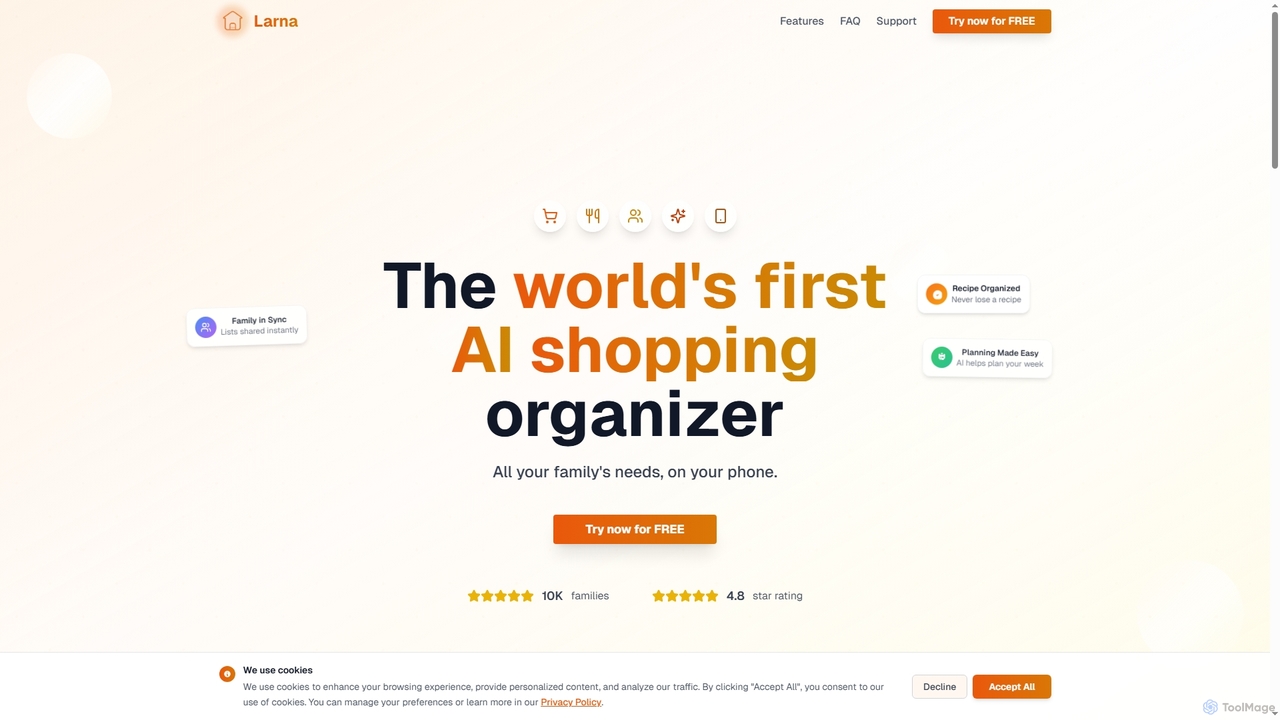
Larna is an AI-powered household manager designed to simplify family organization. It centralizes meal planning, recipe management, and smart grocery lists, helping families stay in sync, save time, reduce waste, and eat better. Experience effortless home management with personalized AI assistance.

Meal Planning
Visits 8.3KFavorites 132Likes 159
ohapotato
Freemium

ohapotato

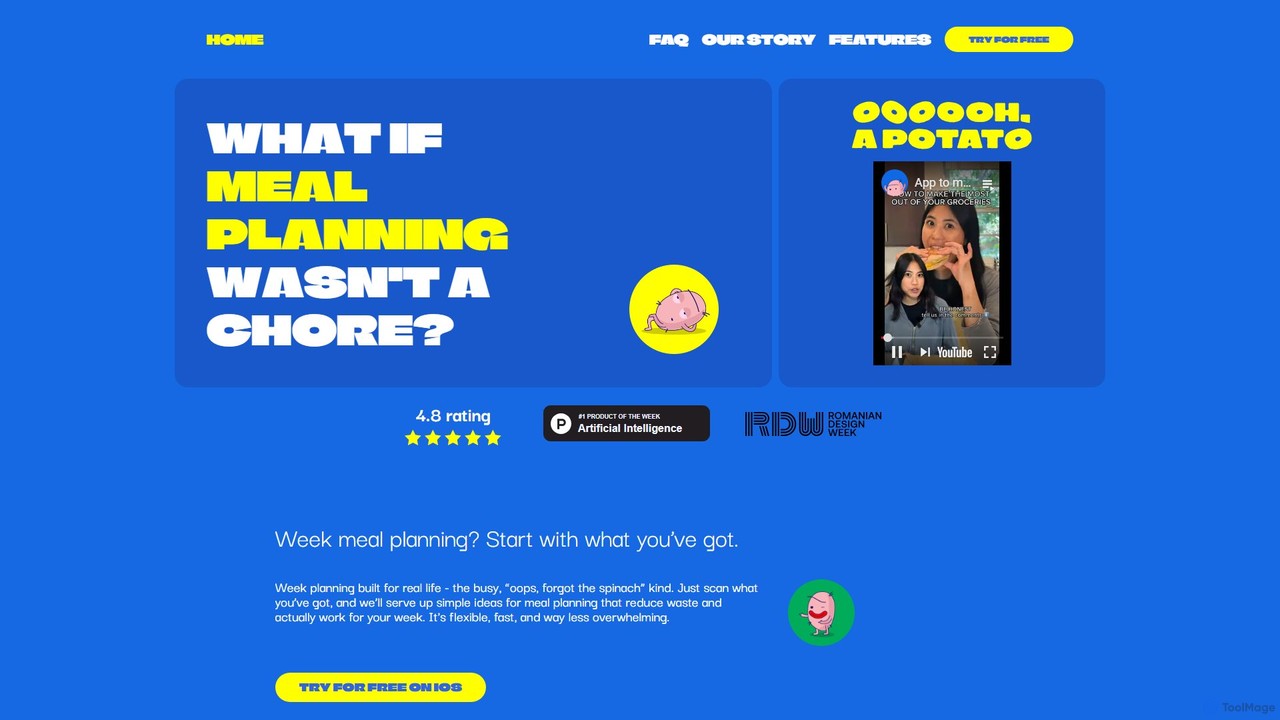
ohapotato is an AI-powered meal planning app designed to reduce food waste. By scanning your existing fridge and pantry ingredients, it intelligently suggests recipes, creates automated grocery lists, and consolidates recipes from social media and websites. It makes weekly meal planning simple, fun, and efficient, ending the 'what's for dinner' dilemma.

Recipe Management
Visits 7.5KFavorites 142Likes 147

About Household Management

AI Household Management tools are specialized applications that use artificial intelligence to organize, automate, and simplify domestic life. These tools leverage algorithms to manage schedules, track budgets, plan meals, and delegate chores, effectively acting as a digital home assistant. Their primary value lies in reducing the mental load associated with running a household, freeing up time and improving family coordination. As a focused category within Productivity, they apply project management principles specifically to the unique challenges of the home environment.

Core Features

  • Smart Scheduling: Automatically organizes family appointments, events, and reminders in a shared calendar, preventing conflicts.
  • AI Meal Planner: Generates weekly meal plans based on dietary preferences, available ingredients, and budget, creating automated grocery lists.
  • Expense Tracking & Budgeting: Connects to financial accounts to automatically categorize spending, monitor budgets, and provide savings insights.
  • Chore Management: Intelligently assigns and rotates household tasks among family members, sending reminders and tracking completion.
  • Inventory Management: Keeps a digital record of pantry items, cleaning supplies, and other household goods, alerting you when items are running low.

Use Cases

These tools are ideal for busy families coordinating multiple schedules for parents and children. They also serve individuals seeking to streamline meal preparation and personal finances, as well as roommates or co-living groups needing a fair system for managing shared responsibilities and expenses.

How to Choose

When selecting an AI Household Management tool, consider its multi-user support and permission levels for different family members. Evaluate the scope of its features—whether you need an all-in-one solution or a specialized tool for meal planning. Also, check for integration capabilities with smart home devices and review the platform's data privacy policy.

Household Management use cases

1

Automated Family Schedule Coordination

For a busy family with two working parents and children involved in various after-school activities, coordinating everyone's schedule is a constant challenge. Using an AI Household Management tool, the parents can input all appointments, classes, and social events into a shared digital calendar. The AI automatically detects scheduling conflicts and suggests alternative times. It sends personalized daily or weekly agendas to each family member's device, ensuring everyone knows where they need to be, reducing missed appointments and last-minute stress by over 90%.

2

AI-Powered Weekly Meal Planning

A health-conscious individual wants to maintain a balanced diet but lacks the time for extensive meal planning. They use an AI household tool's meal planner feature, inputting their dietary restrictions (e.g., gluten-free), calorie goals, and favorite cuisines. The AI generates a complete 7-day meal plan with recipes and nutritional information. It then automatically compiles a grocery list based on the recipes, which can be sent directly to an online grocery service. This process saves hours of planning each week and helps the user stick to their health goals consistently.

3

Smart Household Budgeting and Expense Tracking

A young couple aims to save for a down payment on a house but struggles to track their spending. They connect their bank accounts and credit cards to an AI household management app. The tool automatically categorizes every transaction—from groceries to entertainment—and visualizes their spending habits in easy-to-read charts. It identifies areas of overspending and suggests a realistic monthly budget. By receiving real-time alerts when they approach budget limits, they gain control over their finances and increase their monthly savings by an average of 15%.

4

Fair Chore Distribution for Roommates

A group of roommates living in a shared apartment struggles with dividing chores fairly, leading to conflicts. They adopt an AI household management tool to create a chore schedule. The app allows them to list all weekly tasks, assign point values based on difficulty, and set up a rotating schedule. The AI ensures that the workload is distributed evenly over time. It sends reminders to the person whose turn it is and maintains a public log of completed tasks, fostering accountability and reducing household disputes significantly.

5

Pantry and Home Inventory Management

A homeowner frequently finds themselves running out of essential items like coffee, paper towels, or specific cooking ingredients mid-week. They use an AI tool to create a digital inventory of their pantry and household supplies. By scanning receipts or barcodes, items are automatically added. The tool learns consumption patterns and predicts when items will run low, adding them to a 'to-buy' list. This proactive system prevents last-minute store runs, reduces food waste from expired items, and ensures the home is always well-stocked.

6

Managing Home Maintenance and Documents

For homeowners, keeping track of regular maintenance schedules and important documents can be overwhelming. An AI household management app serves as a central hub for all home-related information. A user can set recurring reminders for tasks like changing air filters or servicing the HVAC system. They can also securely store digital copies of warranties, receipts for major purchases, and contact information for trusted contractors. This creates an organized digital file cabinet for the home, simplifying maintenance and providing easy access to crucial information when needed.

Household Management FAQ

What are AI Household Management tools?

AI Household Management tools are software applications designed to help individuals and families organize their domestic lives more efficiently. They use artificial intelligence to automate tasks like scheduling, meal planning, budget tracking, and chore delegation. Unlike simple digital calendars or to-do lists, these tools can learn user preferences, predict needs (like when groceries will run low), and intelligently manage complex, overlapping schedules. The core goal is to reduce the mental effort required to run a household, freeing up users' time and energy for other activities.

How do I choose the right AI Household Management tool?

Choosing the right tool depends on your specific needs. Consider these factors:

  • Scope of Features: Do you need an all-in-one app that handles schedules, budgets, and meals, or a specialized tool focused on one area, like meal planning?
  • User Interface (UI): The app should be intuitive and easy for all family members, including children or less tech-savvy individuals, to use.
  • Multi-User Support: If you're managing a family or roommates, ensure the tool offers robust sharing features, shared calendars, and different permission levels.
  • Integrations: Check if it connects with other services you use, such as Google Calendar, smart home devices (like Alexa), or online grocery stores.
  • Pricing Model: Evaluate whether a free version meets your needs or if a subscription is justified by the features offered.
What's the difference between a Household Management tool and a general Productivity tool?

The main difference lies in their focus and feature set. General productivity tools (like project managers or note-taking apps) are designed for broad applications, often in a professional context. AI Household Management tools are a specialized subset of productivity tools tailored specifically for the domestic environment. They include home-centric features that general tools lack, such as recipe databases, automated grocery list creation from meal plans, chore rotation algorithms, and family-focused interfaces. While you could adapt a general tool for home use, a dedicated household management tool is designed from the ground up to solve common domestic challenges more effectively.

Can these tools help me save money?

Yes, many AI Household Management tools can significantly help with saving money. Their budgeting and expense tracking features provide clear visibility into where your money is going, helping you identify and cut unnecessary spending. The meal planning function reduces impulse buys at the grocery store and minimizes food waste by planning meals around ingredients you already have. Furthermore, by managing a home inventory, you avoid buying duplicate items. Finally, reminders for regular home maintenance can help prevent costly emergency repairs down the line.

Who can benefit most from AI Household Management tools?

While anyone can benefit from better home organization, certain groups find these tools particularly valuable:

  • Busy Parents and Families: For coordinating complex schedules, managing children's activities, planning family meals, and delegating chores.
  • Couples and Roommates: For fairly dividing shared expenses and responsibilities, preventing conflicts over chores and finances.
  • Individuals Living Alone: For streamlining personal finance, meal prep, and staying on top of household tasks without feeling overwhelmed.
  • Individuals with Specific Dietary Needs: For easily planning meals that adhere to complex dietary restrictions or health goals.
  • New Homeowners: For tracking maintenance schedules, storing important documents, and managing the new responsibilities of homeownership.