Picarta
Picarta is an AI-powered image geolocalization tool that accurately identifies the location where a photo was taken. By …
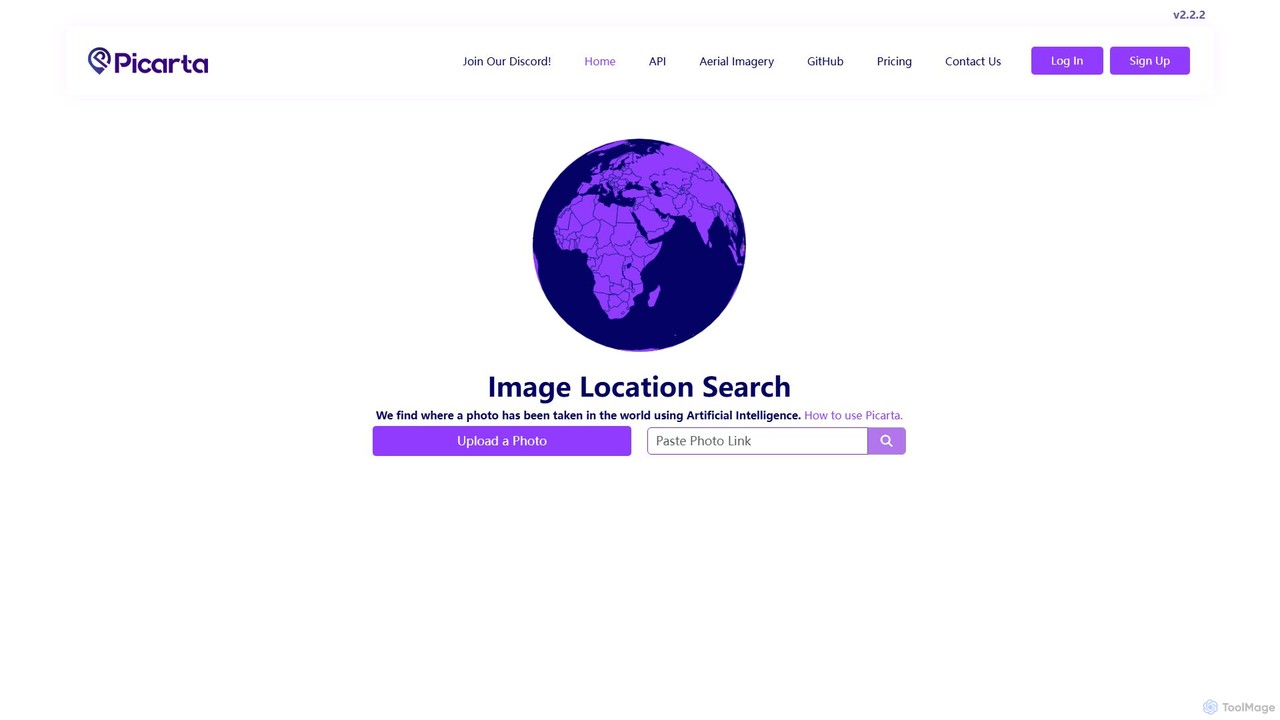
Picarta is an AI-powered image geolocalization tool that accurately identifies the location where a photo was taken. By analyzing visual cues with its advanced Vision Transformer model, it pinpoints GPS coordinates even without EXIF data. Ideal for photographers, OSINT analysts, and businesses, it helps verify authenticity, counter misinformation, and uncover the stories behind images.
Face Index
Face Index is an advanced AI-powered facial recognition search engine. Upload a photo to find anyone across the …
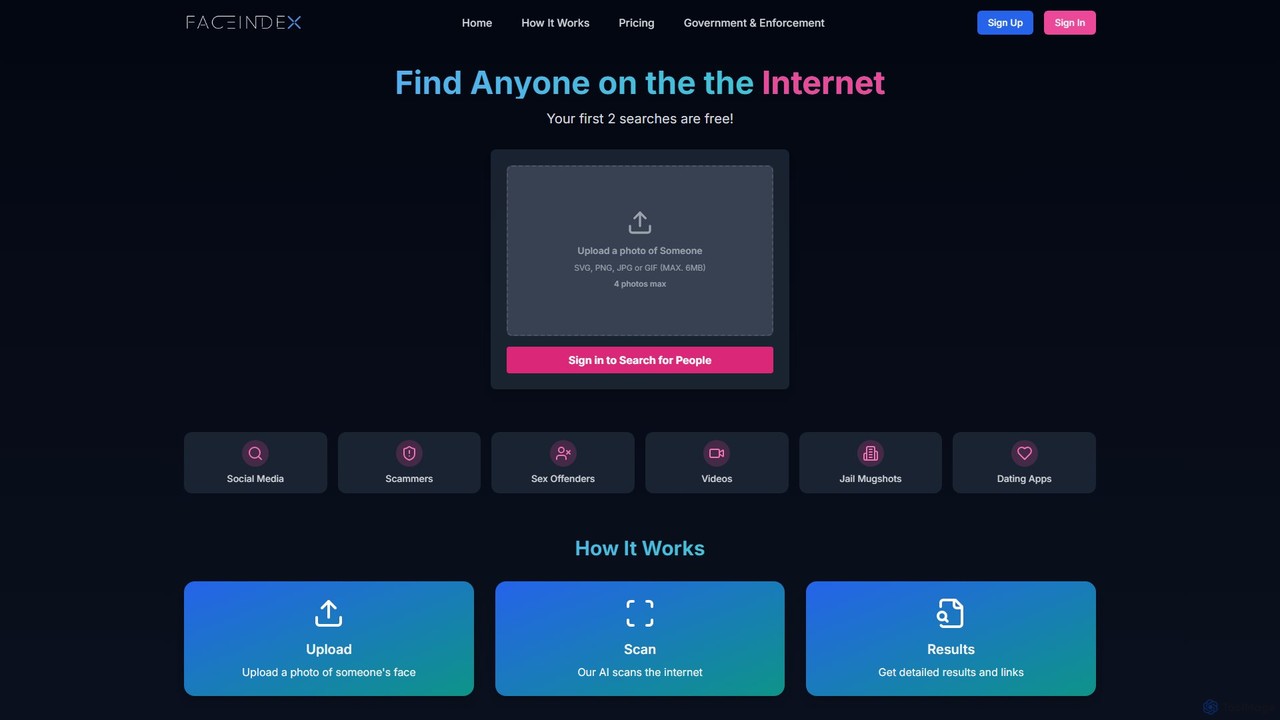
Face Index is an advanced AI-powered facial recognition search engine. Upload a photo to find anyone across the internet, including social media, dating apps, and public records. It's designed for identity verification, background checks, and online safety.
SocialFinder.ai
SocialFinder.ai is an AI-powered reverse image search engine that finds anyone online using a single photo. It scans …
SocialFinder.ai is an AI-powered reverse image search engine that finds anyone online using a single photo. It scans the web for social media profiles, determines image geolocation, and helps verify a person's identity, providing a comprehensive digital footprint in seconds.
About Investigation
AI Investigation tools are a specialized category of AI-powered software designed to streamline and enhance the process of gathering, analyzing, and synthesizing information for various investigative purposes. Leveraging advanced algorithms, these tools can process vast datasets, identify complex patterns, extract critical entities, and generate actionable insights far more efficiently than traditional methods. They significantly boost productivity by automating tedious data analysis, accelerating discovery, and revealing hidden connections.
Core Features
- Automated Data Collection: Efficiently scrapes and aggregates information from diverse sources, including public records, social media, and internal databases.
- Advanced Text & Sentiment Analysis: Utilizes NLP to analyze large volumes of unstructured text, identifying key themes, entities, and emotional tones.
- Pattern & Anomaly Detection: Employs machine learning to uncover unusual activities, relationships, or trends that might indicate fraud, threats, or emerging opportunities.
- Relationship Mapping & Visualization: Automatically identifies and visualizes connections between disparate data points, making complex networks of information understandable.
- Intelligent Report Generation: Compiles analyzed data into comprehensive, customizable reports, often with interactive dashboards for deeper exploration.
Applicable Scenarios
These tools are indispensable for professionals across various sectors. For instance, financial analysts use them to detect fraud by scrutinizing transaction anomalies and communication patterns. Legal teams leverage AI investigation tools to accelerate e-discovery, quickly sifting through millions of documents to find relevant evidence. Additionally, market researchers employ them to analyze vast public data for competitive intelligence and emerging trend identification, providing a significant strategic advantage.
How to Choose
When selecting an AI investigation tool, consider its compatibility with your required data sources, ensuring it can ingest and process the specific types of information you need. Evaluate the depth and customization options for its analytical capabilities, such as specific NLP models or pattern recognition algorithms. Assess its reporting and visualization features for clarity and ease of insight generation. Finally, prioritize tools with robust security protocols and compliance certifications, especially when dealing with sensitive or regulated data.

InvestigationUse Cases
Financial Fraud & Compliance Audits
Financial institutions utilize AI investigation tools to automatically monitor vast streams of transaction data, identify unusual spending patterns, and cross-reference with known fraud indicators. This helps compliance officers quickly flag suspicious activities, such as money laundering or insider trading, significantly reducing investigation time and improving detection rates.
Legal E-Discovery & Due Diligence
Legal professionals employ these tools to rapidly review millions of documents, emails, and communications during litigation or corporate mergers. AI can identify relevant keywords, entities, and relationships, categorize documents by topic, and highlight privileged information, drastically cutting down the manual effort and cost associated with large-scale document review.
Market Research & Competitive Intelligence
Businesses leverage AI investigation platforms to gather and analyze public data from news articles, social media, forums, and competitor websites. This allows market analysts to identify emerging trends, gauge public sentiment towards products or brands, and gain deep insights into competitor strategies, informing strategic business decisions.
Cybersecurity Threat Hunting
Security analysts use AI investigation tools to aggregate and correlate data from various sources like network logs, threat intelligence feeds, and dark web monitoring. The AI identifies anomalous network behavior, potential malware signatures, and emerging attack vectors, enabling proactive threat detection and faster incident response.
Journalistic & Investigative Reporting
Journalists utilize these tools to sift through public records, government databases, social media archives, and news reports to uncover hidden connections, verify facts, and build comprehensive narratives. AI helps in identifying key individuals, organizations, and events, accelerating the research phase of complex investigative stories.
Supply Chain Risk Assessment
Companies deploy AI investigation tools to conduct due diligence on suppliers and partners by analyzing public records, news mentions, financial health reports, and regulatory compliance data. This helps in identifying potential risks such as financial instability, ethical violations, or geopolitical exposure, ensuring a resilient and compliant supply chain.