Productivity Best in category 6 results Language Learning AI Tool

Popular AI tools in the Language Learning field of Productivity include HeyWatcher、CloudTTS、NeonLingo、Polyglot Media、LangGPT、FictionGenie, etc., helping you quickly improve efficiency.

Free
LangGPT

LangGPT

LangGPT is a free AI tool that enhances ChatGPT by enabling users to communicate in over 10 regional …

2.3K
FictionGenie

FictionGenie

FictionGenie is an AI-powered, multilingual storybook platform for children. It offers interactive and adaptive stories designed to foster …

2.3K
Free
CloudTTS

CloudTTS

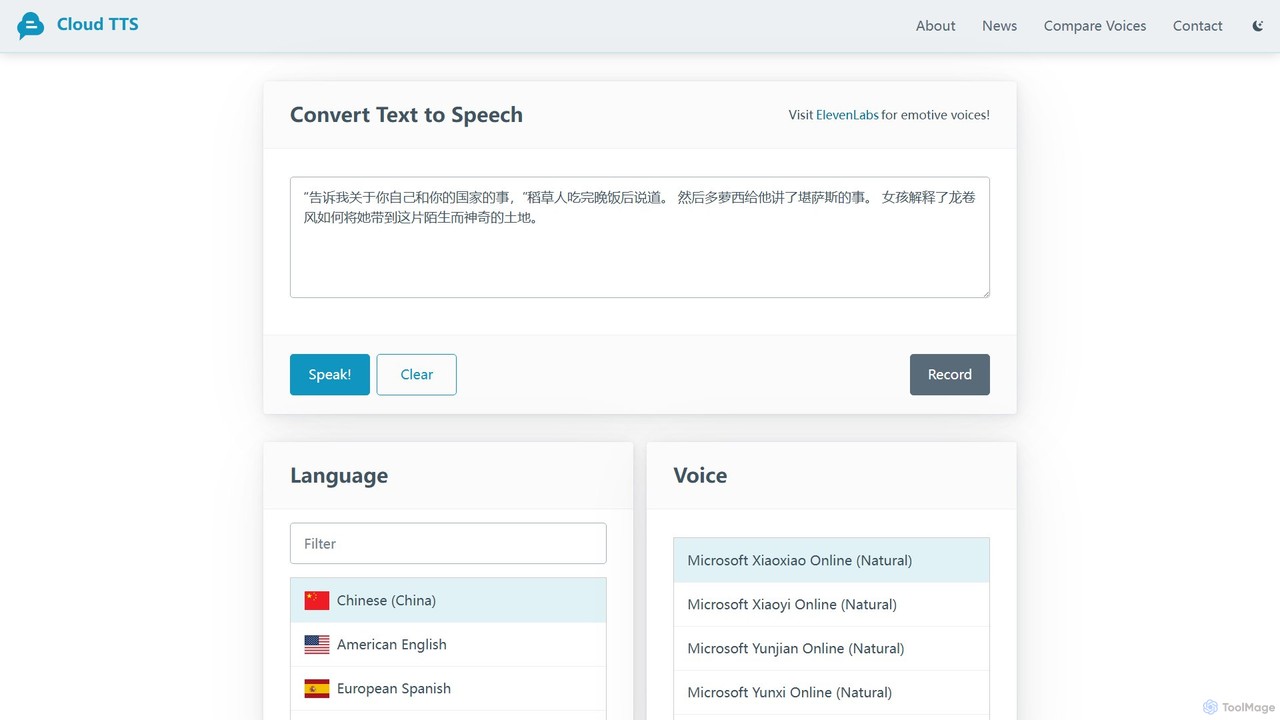
CloudTTS is a completely free, AI-powered text-to-speech tool that converts text into natural-sounding audio. It supports approximately 140 …

19.8K
HeyWatcher

HeyWatcher

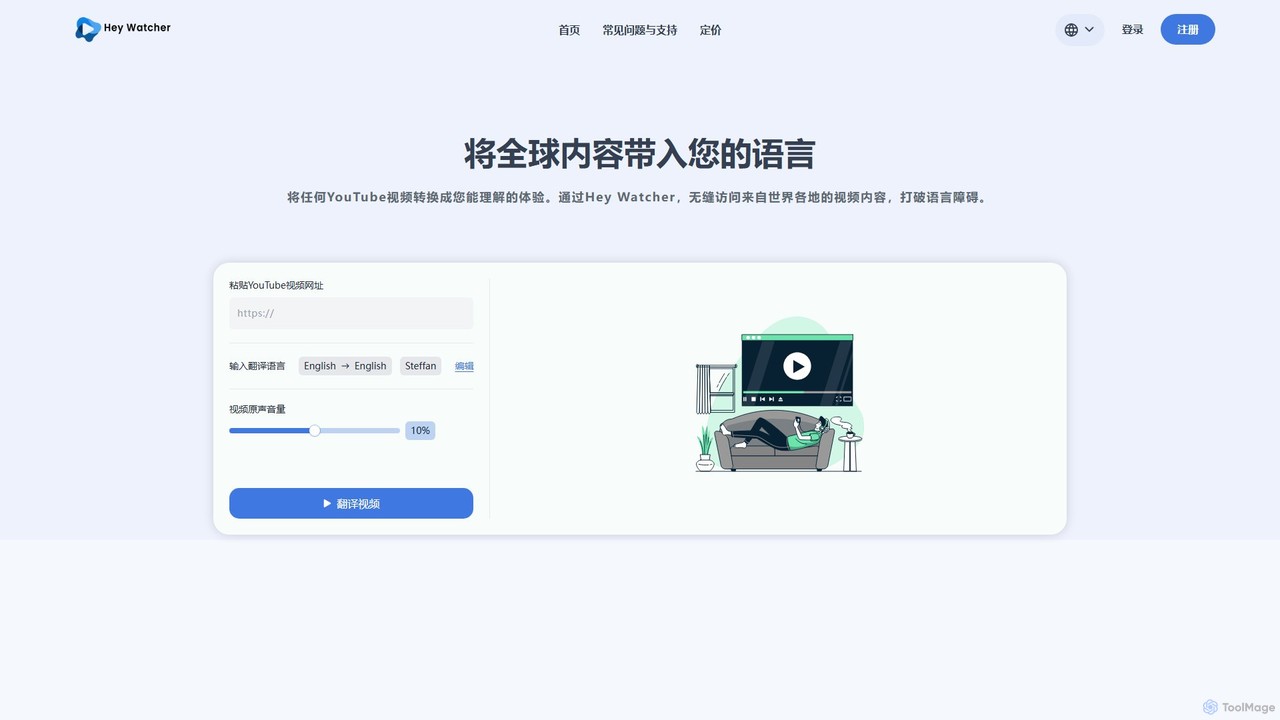
HeyWatcher is an AI-powered tool that instantly translates and dubs YouTube videos into your desired language. Simply paste …

23.8K
Polyglot Media

Polyglot Media

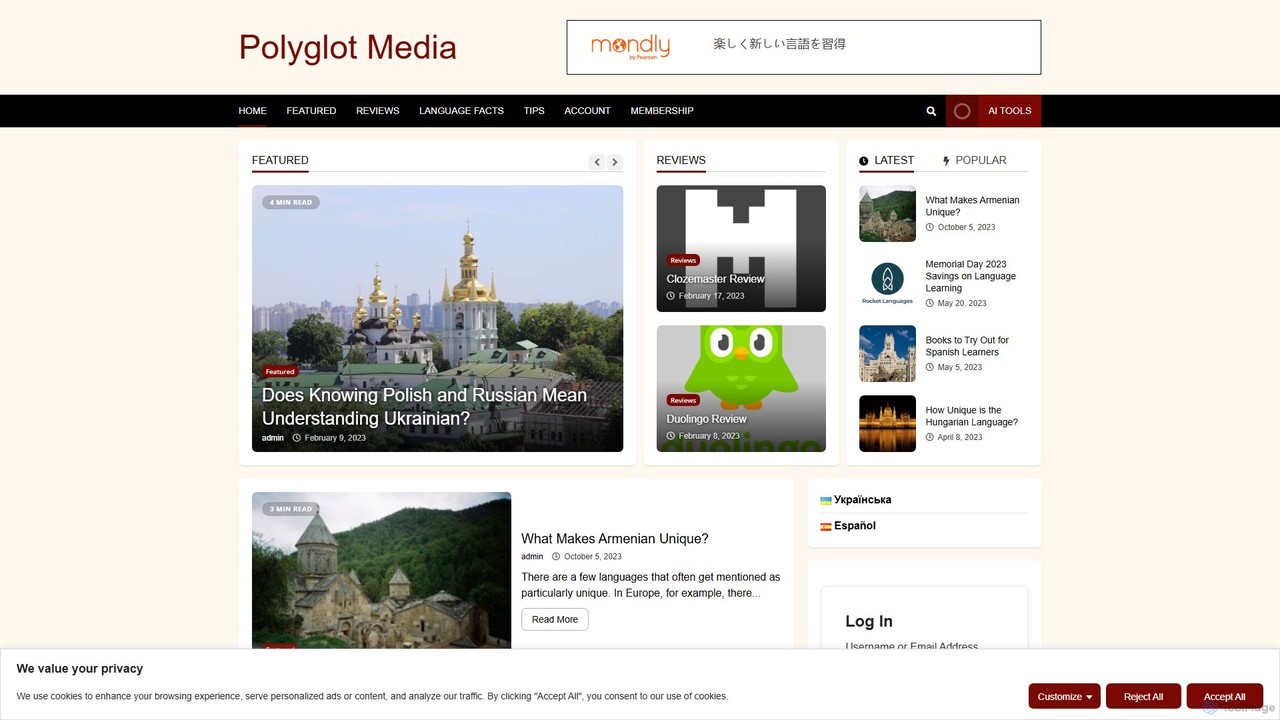
Polyglot Media is an AI-powered platform for seamless video and audio content localization. It enables creators and businesses …

2.4K
NeonLingo

NeonLingo

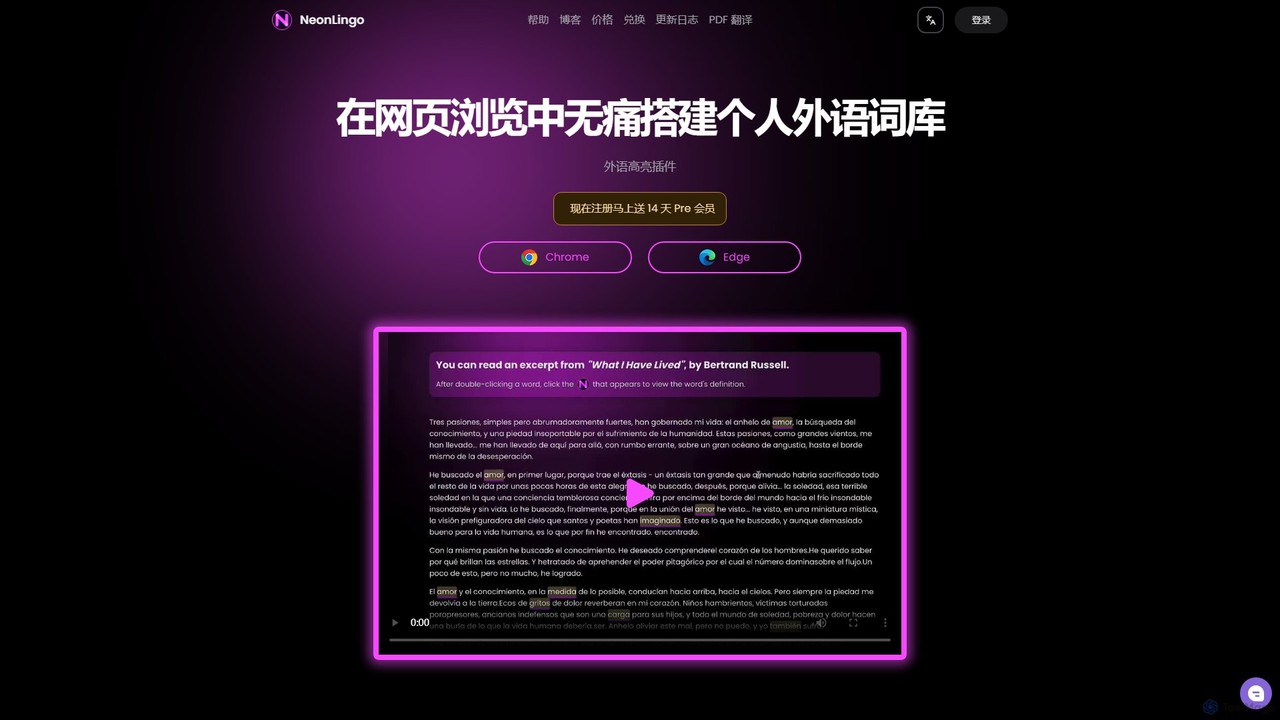
NeonLingo is an AI-powered browser extension designed for seamless language learning while you browse. It intelligently translates and …

3.4K

About Language Learning

Language Learning tools are AI-powered applications designed to facilitate and enhance the acquisition of new languages. These tools leverage advanced artificial intelligence, including natural language processing (NLP) and machine learning, to offer personalized, interactive, and efficient learning experiences. By adapting to individual learning styles and progress, they significantly boost productivity in language acquisition, making the process more engaging and effective for learners worldwide.

Core Features

  • Personalized Learning Paths: AI algorithms analyze user performance to create customized lesson plans and exercises, focusing on areas needing improvement.
  • Pronunciation Feedback: Advanced speech recognition technology provides instant, accurate feedback on pronunciation, helping users refine their accent and intonation.
  • Grammar and Writing Correction: AI-driven engines identify and correct grammatical errors, suggest stylistic improvements, and offer explanations for better understanding.
  • Interactive Conversational Practice: AI chatbots and virtual tutors simulate real-life conversations, allowing users to practice speaking and listening in a safe, low-pressure environment.
  • Vocabulary Building & Spaced Repetition: Tools use intelligent algorithms to introduce new vocabulary and schedule reviews based on spaced repetition, optimizing retention.

Applicable Scenarios

These tools are invaluable for individual learners aiming to master a new language for personal growth, travel, or academic purposes. Professionals use them to enhance communication skills for international business, while students leverage them for test preparation and supplementary study. Educators can also integrate them to provide personalized practice and feedback outside the classroom.

How to Choose

When selecting a language learning AI tool, consider the range of languages offered, the depth of its personalization features, and the quality of its interactive exercises. Evaluate the accuracy of pronunciation feedback and grammar correction, as well as the availability of conversational practice. Look for tools that align with your learning style, offer clear progress tracking, and fit your budget, ensuring a comprehensive and effective learning journey.

Language LearningUse Cases

1

Create Personalized Study Plans

An individual learner aiming for a specific language proficiency level can use AI language learning tools to generate a tailored study plan. By inputting their current level, learning goals (e.g., travel, business, exam), and available time, the AI creates a dynamic curriculum. This plan prioritizes grammar points, vocabulary sets, and practice exercises, ensuring efficient progress towards their objectives and saving hours of manual planning.

2

Receive Instant Pronunciation Feedback

A student practicing a new language can utilize AI tools to improve their speaking accuracy. By speaking phrases or sentences into the tool, the AI's speech recognition analyzes their pronunciation, intonation, and rhythm. It then provides immediate, visual, and auditory feedback, highlighting specific sounds or words that need correction. This iterative process allows the student to refine their accent quickly, leading to more confident and natural communication.

3

Improve Grammar and Writing Skills

A professional needing to write emails or reports in a foreign language can use AI language learning tools for grammar and style correction. After drafting their text, they paste it into the tool, which identifies grammatical errors, awkward phrasing, and suggests more natural expressions. The AI also provides explanations for the corrections, helping the user understand the rules and improve their writing proficiency over time, ensuring professional and error-free communication.

4

Engage in AI-Powered Conversational Practice

A traveler preparing for a trip abroad can practice conversational skills with an AI tutor. Instead of waiting for a human partner, they can engage in simulated dialogues on various topics, such as ordering food, asking for directions, or checking into a hotel. The AI responds dynamically, corrects errors, and offers alternative phrases, building the traveler's confidence and fluency for real-world interactions without the fear of judgment.

5

Efficient Vocabulary Acquisition with Spaced Repetition

A student preparing for a language proficiency exam needs to memorize a large volume of vocabulary. AI language learning tools employ spaced repetition systems (SRS) that track which words the student knows and which they struggle with. The AI then schedules reviews for difficult words at optimal intervals, maximizing retention and minimizing study time. This ensures the student efficiently builds a robust vocabulary essential for exam success.

6

Prepare for Language Proficiency Tests

Students aiming for certifications like TOEFL, IELTS, or HSK can leverage AI language learning tools for targeted test preparation. These tools often include mock exams, practice questions tailored to specific test formats, and performance analytics. The AI identifies weak areas in grammar, vocabulary, reading comprehension, and listening, providing focused exercises to improve scores. This structured approach helps students efficiently prepare and achieve their desired test results.

Language LearningFrequently Asked Questions