Productivity Best in category 4 results Logistics AI Tool

Popular AI tools in the Logistics field of Productivity include Flexport、Rose Rocket、RideAI、Pathway, etc., helping you quickly improve efficiency.

Rose Rocket

Rose Rocket

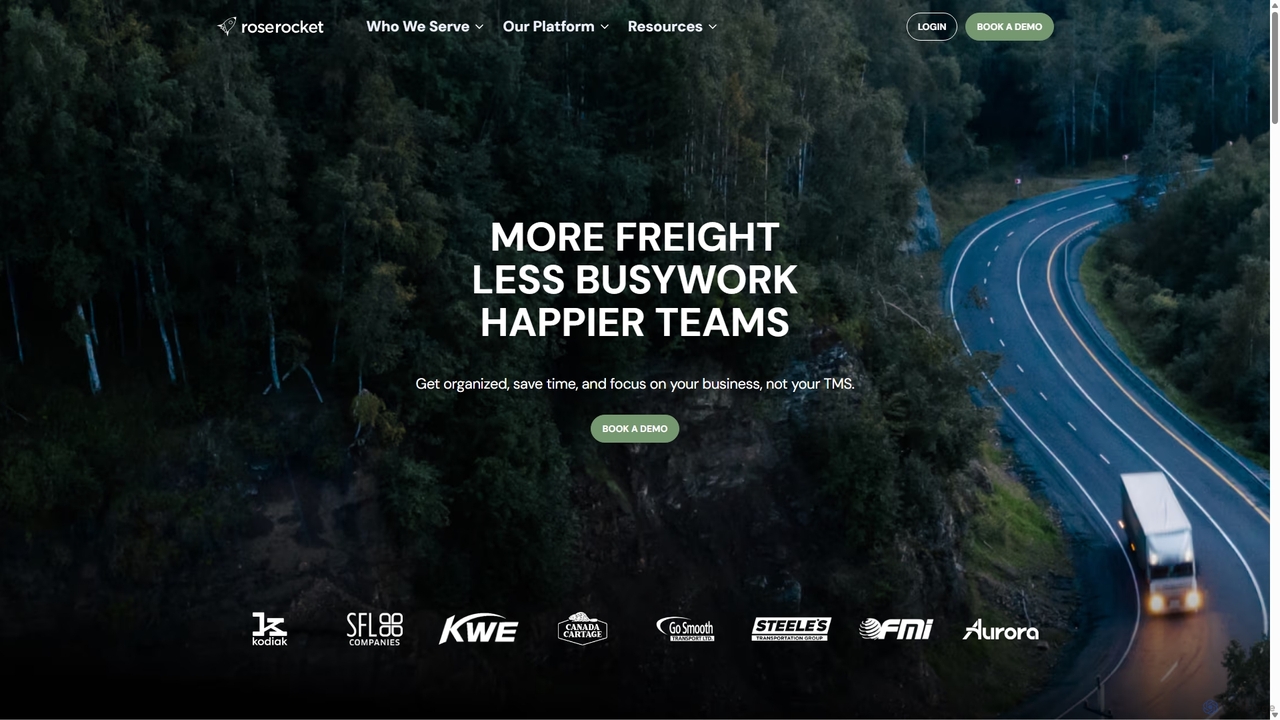
Rose Rocket is the first AI-native Transportation Management System (TMS) designed for the modern freight industry. It helps …

182.2K
RideAI

RideAI

RideAI is an intelligent platform for transportation logistics and fleet management. It uses AI to provide real-time route …

4.0K
Flexport

Flexport

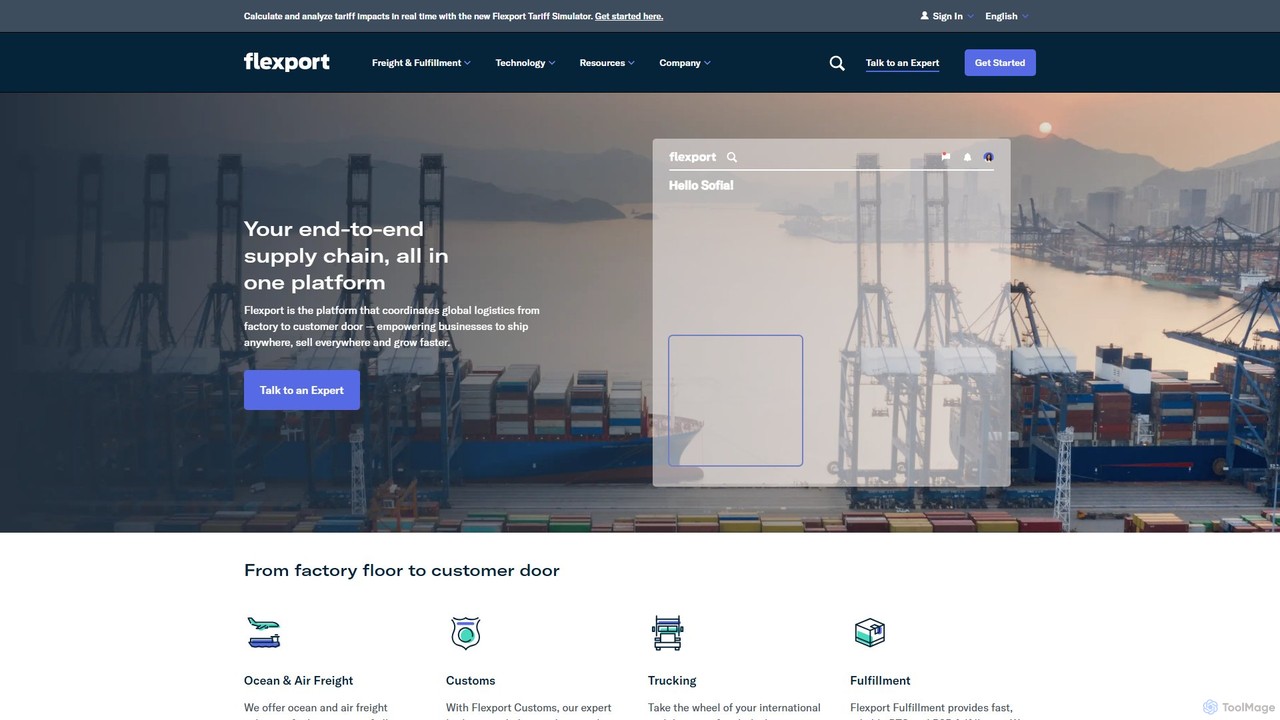
Flexport is a technology-driven logistics and supply chain platform that digitizes global trade. It offers a unified, cloud-based …

950.4K
Pathway

Pathway

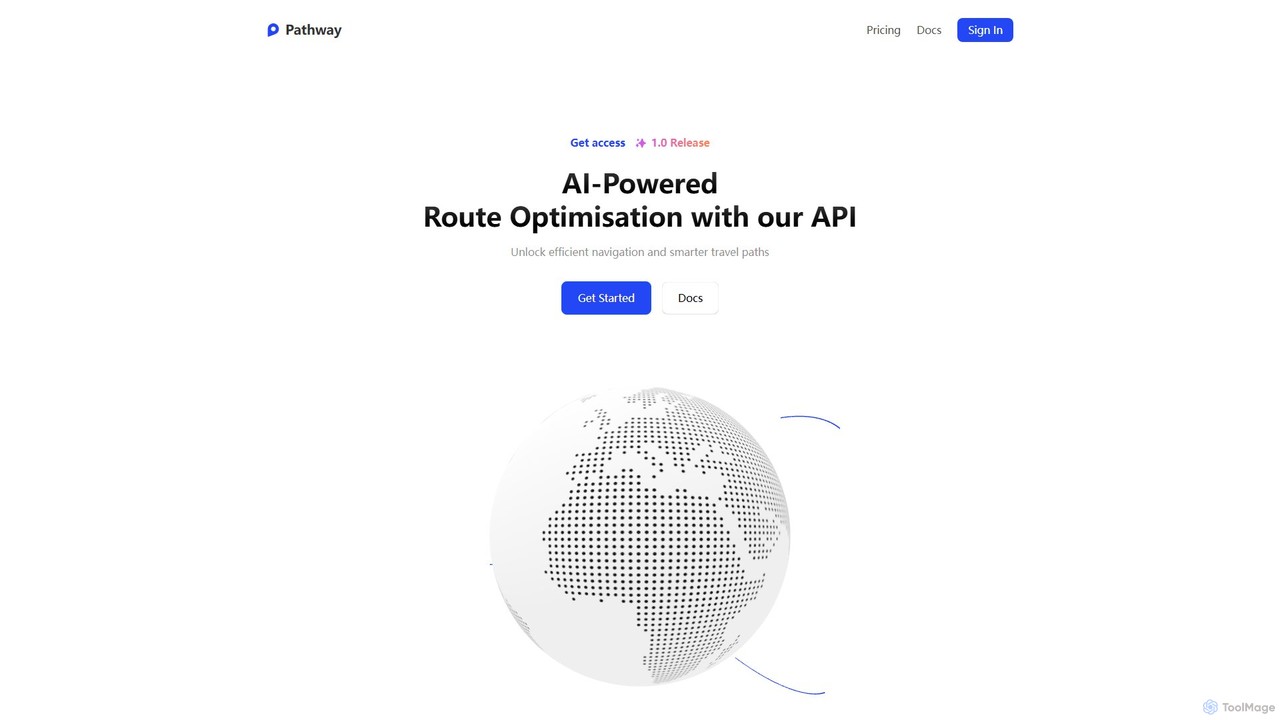
Pathway offers an AI-powered route optimization API designed for businesses to create the most efficient travel paths. It …

3.3K

About Logistics

AI Logistics tools are a specialized category of productivity software designed to optimize supply chain and transportation operations. These platforms use machine learning, predictive analytics, and automation to analyze vast amounts of data from sources like GPS, inventory systems, and weather forecasts. This enables businesses to improve delivery efficiency, reduce operational costs, and enhance supply chain visibility. Unlike general productivity tools, these platforms focus specifically on complex logistical challenges such as route optimization, demand forecasting, and warehouse management.

Core Features

  • Route Optimization: Analyzes real-time traffic, delivery windows, and vehicle capacity to calculate the most efficient delivery routes.
  • Demand Forecasting: Uses historical data and market trends to predict future product demand, preventing stockouts and reducing excess inventory.
  • Warehouse Automation: Manages inventory placement, coordinates robotic systems for picking and packing, and optimizes warehouse layouts for faster fulfillment.
  • Predictive Maintenance: Monitors vehicle and equipment data to predict potential failures, allowing for proactive maintenance and minimizing downtime.

Use Cases

AI Logistics tools are widely used in e-commerce, retail, manufacturing, and by third-party logistics (3PL) providers. They are essential for roles such as supply chain managers, logistics coordinators, and fleet managers to streamline operations from first-mile pickup to last-mile delivery and manage complex inventory systems.

How to Choose

When selecting an AI Logistics tool, consider its integration capabilities with your existing ERP, WMS, or TMS systems. Evaluate its scalability to handle your operational volume and complexity. Also, assess its specialization—whether it excels in last-mile delivery, freight forwarding, or warehouse management—to ensure it aligns with your core business needs. Finally, examine the depth of its data analytics and reporting features.

LogisticsUse Cases

1

Real-Time Route Optimization for Last-Mile Delivery

A fleet manager for an e-commerce delivery company uses an AI logistics platform to manage daily routes for 50 drivers. The system continuously analyzes live traffic data, weather conditions, and new pickup requests. It automatically re-routes drivers in real-time to avoid congestion and meet tight delivery windows. This dynamic optimization reduces fuel consumption by over 15% and increases the on-time delivery rate to 98%, significantly improving customer satisfaction and operational efficiency.

2

AI-Powered Demand Forecasting for Retail Inventory

A supply chain manager for a national retail chain uses an AI tool to predict demand for thousands of products across 200 stores. The AI analyzes historical sales data, promotional calendars, local events, and even social media trends. Based on its forecasts, the system automatically suggests optimal stock levels for each store, preventing stockouts of popular items and reducing overstock of slow-moving goods. This leads to a 10% increase in sales and a 25% reduction in carrying costs.

3

Automating Warehouse Slotting and Management

A warehouse manager at a large distribution center implements an AI system to optimize inventory placement (slotting). The AI analyzes product velocity (how often an item is picked), seasonality, and physical dimensions. It then recommends the optimal location for each SKU within the warehouse, placing fast-moving items in easily accessible locations near packing stations. This automated slotting strategy reduces picker travel time by 30% and increases order fulfillment capacity by 20% without adding staff.

4

Predictive Maintenance for a Trucking Fleet

A fleet maintenance coordinator for a logistics company uses an AI platform connected to sensors on 300 trucks. The system monitors engine performance, tire pressure, and brake wear in real-time. By analyzing patterns in the data, it predicts when a specific part is likely to fail, often weeks in advance. The platform automatically schedules maintenance appointments before a breakdown occurs, reducing unexpected roadside failures by 40% and extending the lifespan of the vehicles.

5

Optimizing International Freight Forwarding

A logistics specialist at an import/export company uses an AI tool to manage international shipments. The platform compares thousands of options from air, sea, and land carriers in real-time, considering costs, transit times, and carrier reliability scores. It also automates the generation of customs documentation and flags potential compliance issues. By identifying the most cost-effective and reliable shipping routes, the company reduces its freight spending by 12% and cuts down on customs-related delays.

6

Enhancing Supply Chain Visibility with a Digital Twin

A global manufacturing company uses an AI platform to create a 'digital twin' of its entire supply chain—a virtual model that mirrors real-world operations. This allows managers to visualize the flow of goods from suppliers to factories to customers in real-time. They can run simulations to test the impact of potential disruptions, such as a port closure or a supplier delay, and evaluate different response strategies. This enhanced visibility and predictive capability improves supply chain resilience and reduces decision-making time by 50% during a crisis.

LogisticsFrequently Asked Questions