Mindfulness AI tools are applications and platforms that leverage artificial intelligence to guide users through meditation, stress reduction, and mental well-being exercises. These tools often utilize AI to personalize content, track progress, and provide real-time feedback, making mindfulness practices more accessible and effective for a wide range of individuals. By integrating advanced algorithms, they help individuals cultivate greater awareness, improve emotional regulation, and enhance overall mental clarity, thereby contributing to a more balanced, focused, and productive lifestyle.
Core Features
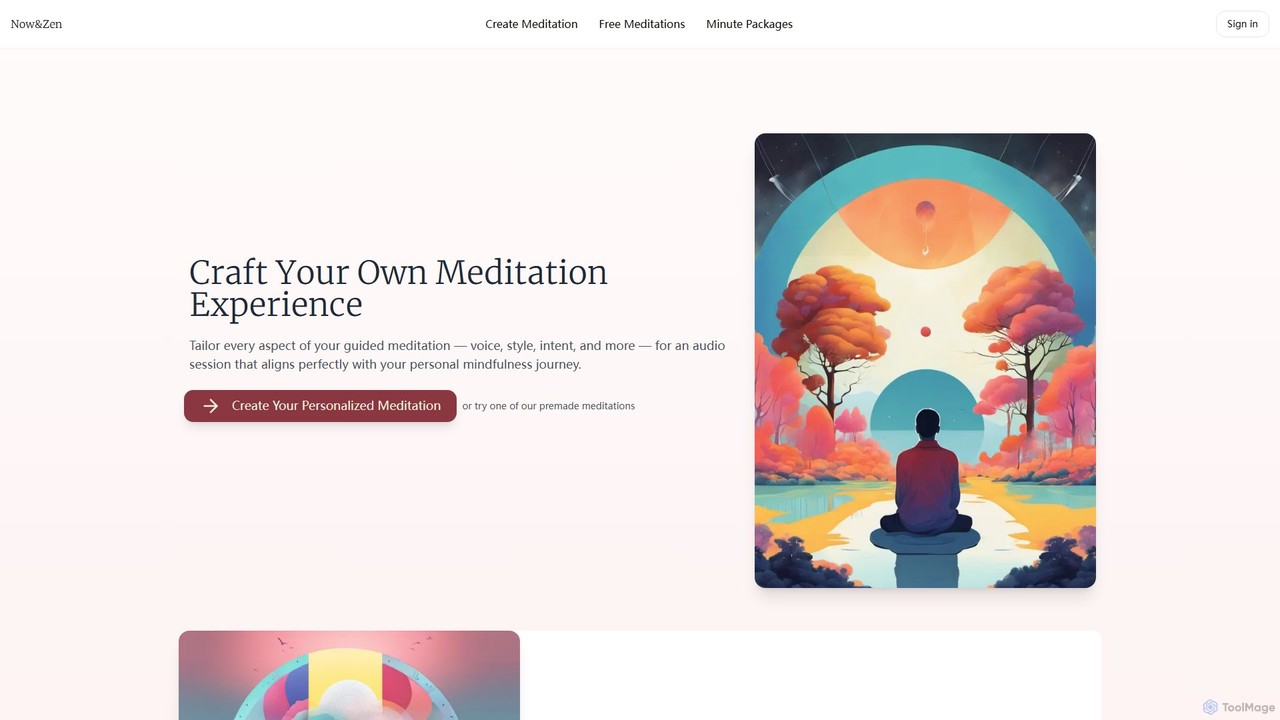
- Personalized Meditation Guides: AI algorithms adapt meditation sessions based on user mood, goals, and past performance, offering tailored audio guides, visual prompts, and exercises to deepen practice.
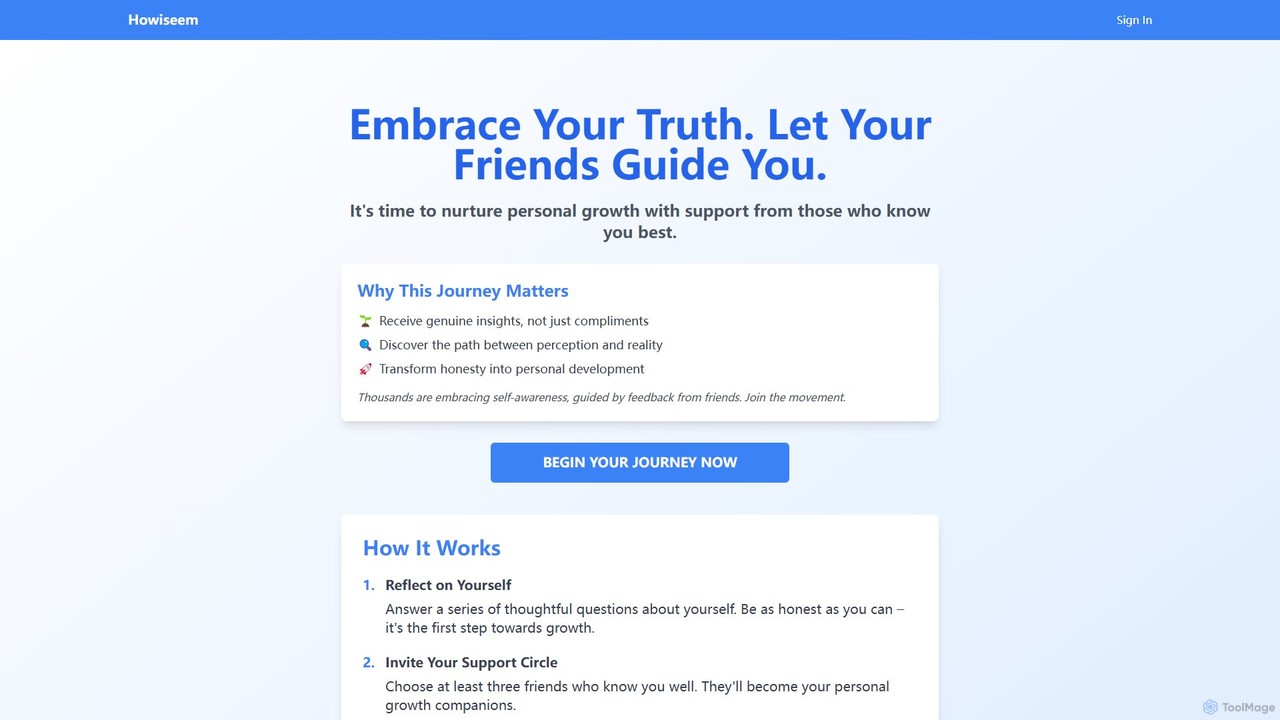
- Stress and Mood Tracking: These tools analyze user input, journal entries, and potentially biometric data (if integrated with wearables) to identify stress triggers and track emotional states, providing insights into mental well-being trends.
- Real-time Biofeedback Integration: Advanced mindfulness AI tools can connect with wearables to provide immediate feedback on physiological responses like heart rate variability, breath patterns, or even brainwave activity during exercises, helping users adjust their practice.
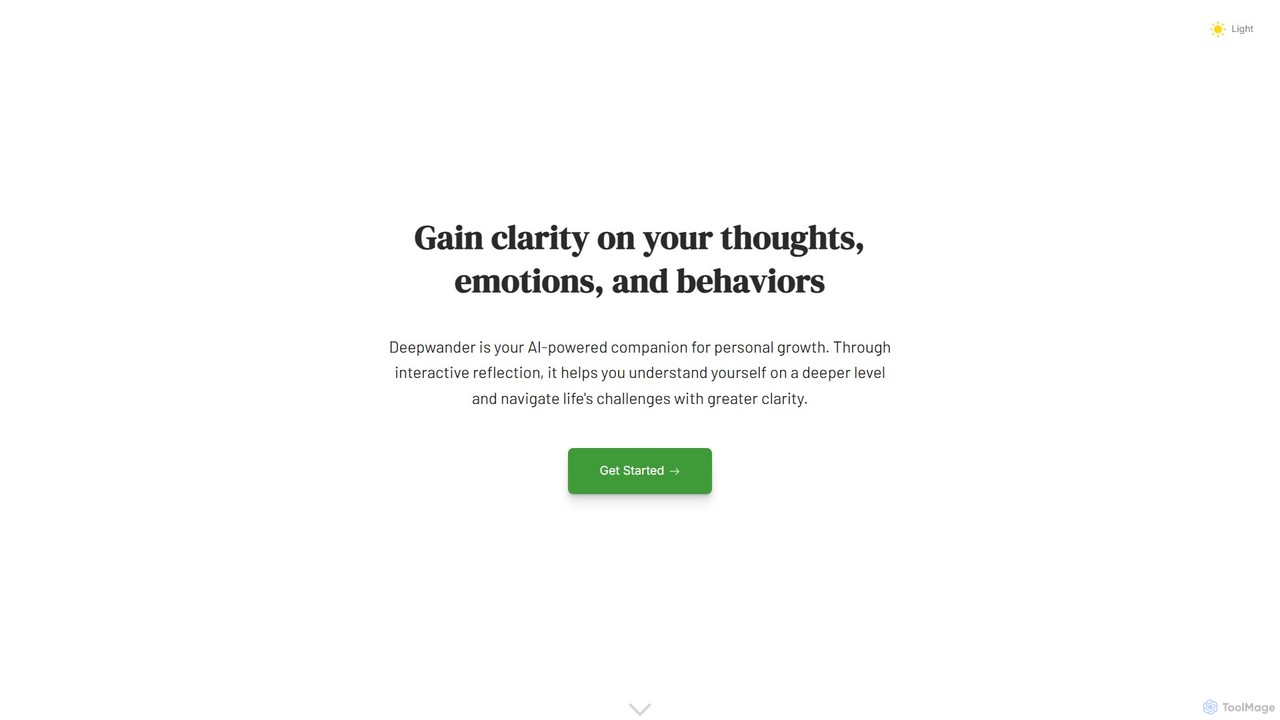
- Cognitive Behavioral Therapy (CBT) & DBT Elements: Many AI-driven modules incorporate principles from CBT and Dialectical Behavior Therapy (DBT), offering guided exercises, thought record prompts, and coping strategies to help users reframe negative thought patterns and manage intense emotions.
- Intelligent Reminders & Nudges: Systems send timely prompts for short mindfulness breaks, breathing exercises, or reflective moments, often customized based on user schedules, detected stress levels, or location, encouraging consistent practice.
Applicable Scenarios
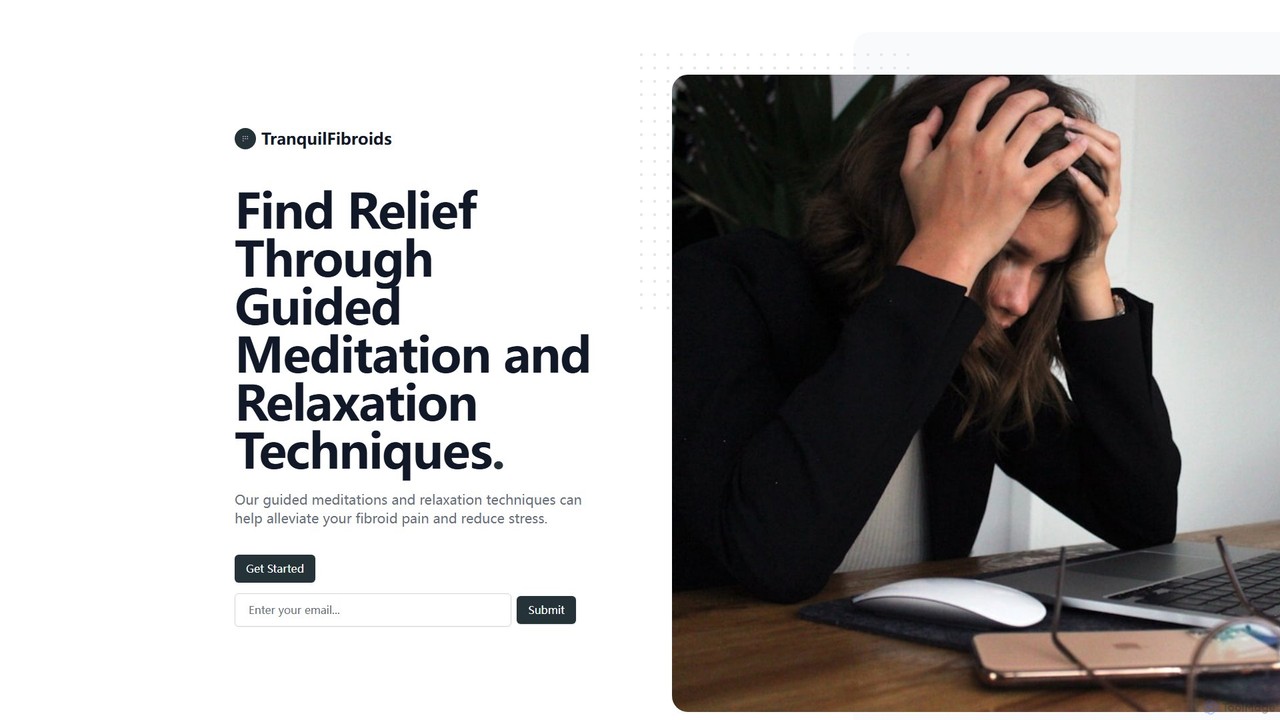
Individuals seeking to manage daily stress and anxiety can use these tools for guided meditations and breathing exercises to calm their minds and improve emotional resilience. Professionals aiming to improve focus, enhance creativity, and make better decisions can integrate short mindfulness breaks into their workday, thereby boosting cognitive performance and reducing burnout. Students can utilize AI-guided sessions to reduce exam-related stress, improve concentration during study periods, and develop healthier coping mechanisms. Furthermore, teams in high-pressure environments can use these tools to foster collective well-being and improve team cohesion.
How to Choose
When selecting a Mindfulness AI tool, consider the breadth and depth of guided practices offered, such as various meditation styles, CBT exercises, or sleep aids, to ensure it aligns with your personal well-being goals. Evaluate its personalization capabilities, including how effectively it adapts content, tracks your progress, and provides actionable insights. Check for integration with other health apps or wearables if you are interested in biofeedback features and a holistic view of your health. Finally, assess the user interface for intuitiveness, the quality of audio content, and the availability of offline content for consistent practice without internet access.