Productivity Best in category 3 results Model Management AI Tool

Popular AI tools in the Model Management field of Productivity include SiliconFlow、Braintrust、GiGOS, etc., helping you quickly improve efficiency.

SiliconFlow

SiliconFlow

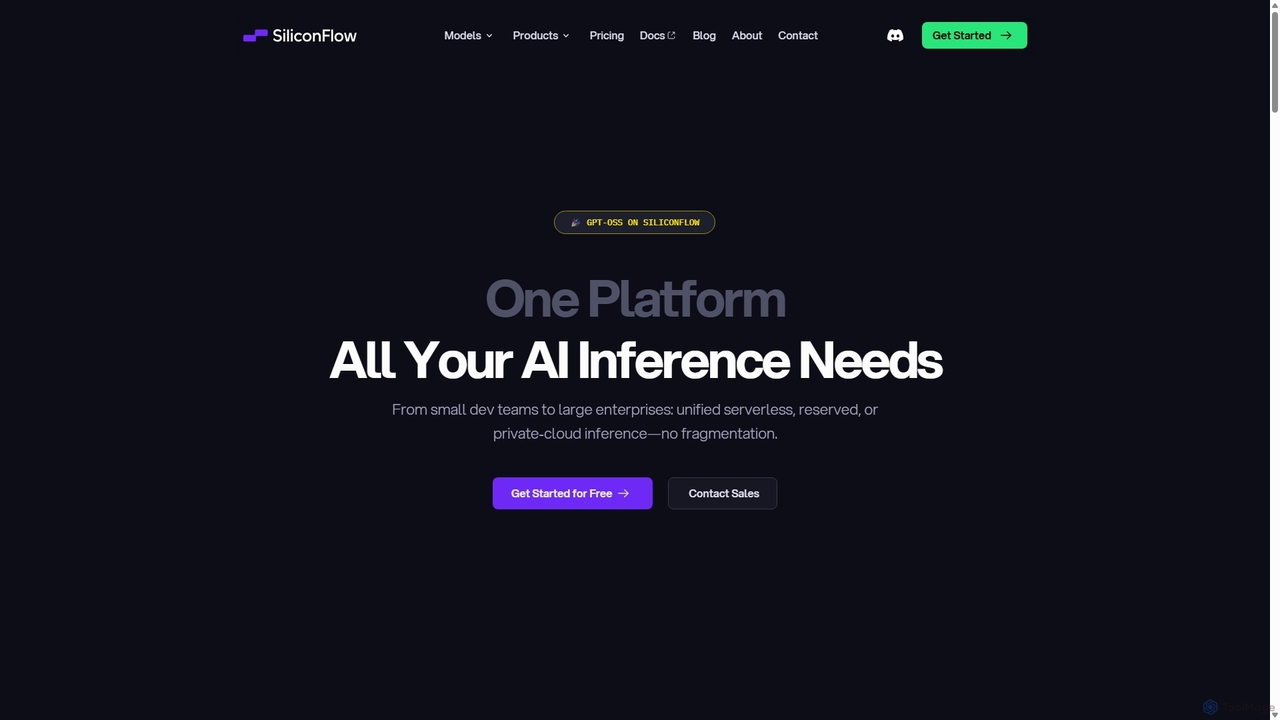
SiliconFlow is a unified AI infrastructure platform designed for high-performance inference of Large Language Models (LLMs) and multimodal …

470.8K
GiGOS

GiGOS

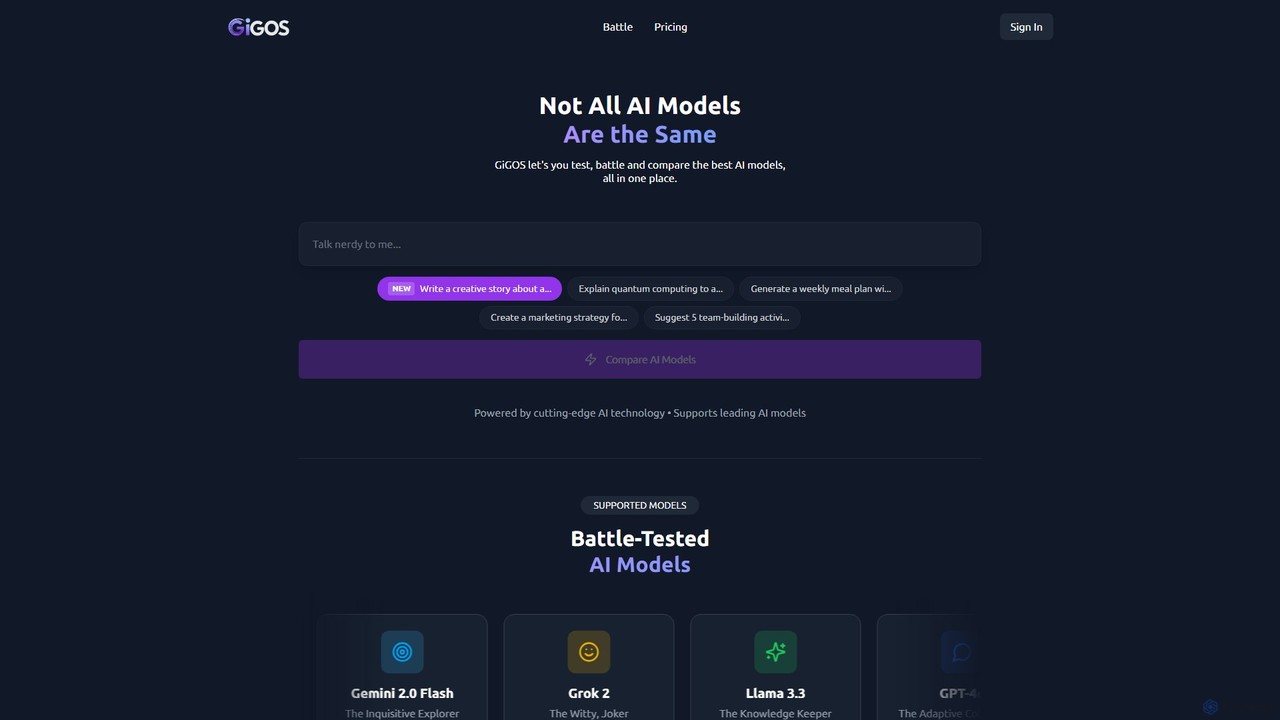
GiGOS is an all-in-one platform that allows users to test, compare, and utilize a variety of leading AI …

4.9K
Braintrust

Braintrust

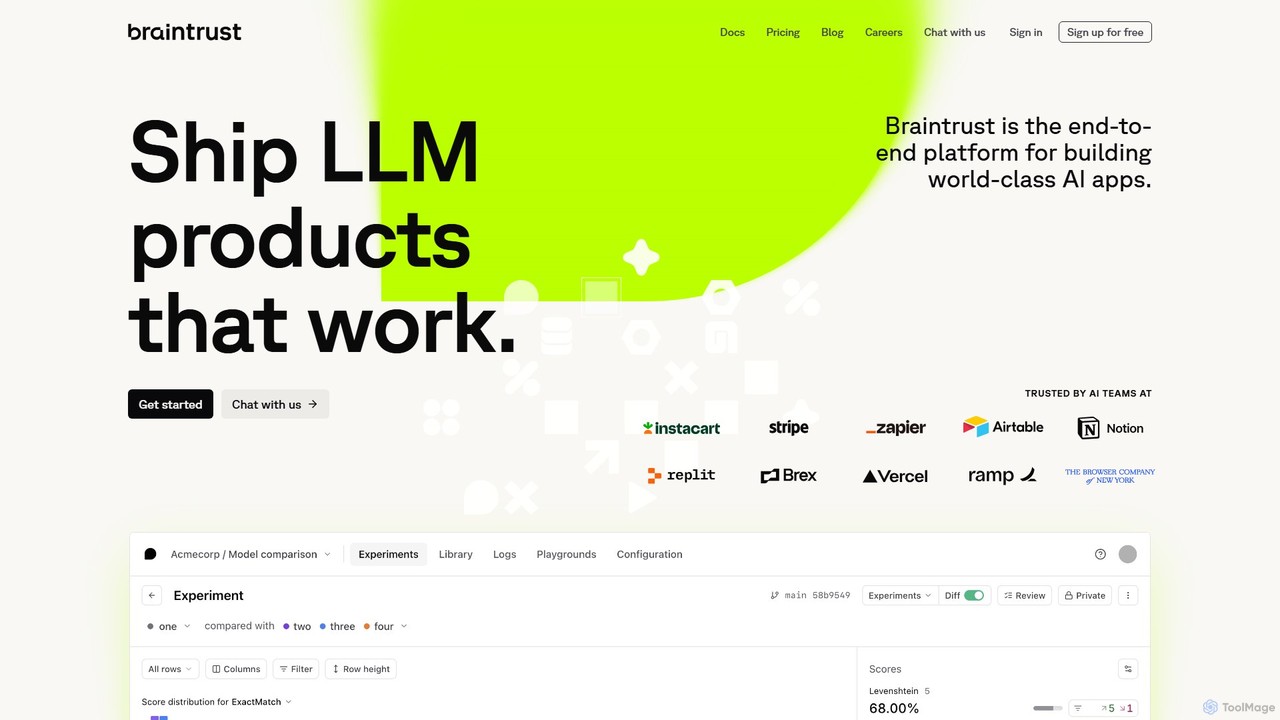
Braintrust is an end-to-end platform for developing, evaluating, and deploying robust LLM applications. It provides a comprehensive suite …

234.5K

About Model Management

Model Management tools are specialized platforms for overseeing the entire lifecycle of AI and machine learning models. They provide a centralized system for versioning, deploying, monitoring, and governing models in production environments. By automating key MLOps (Machine Learning Operations) processes, these tools enhance the productivity of data science teams, ensure model reliability, and accelerate the delivery of AI-powered applications. They effectively bridge the gap between experimental model development and robust business operations.

Core Features

  • Model Registry: A central repository to store, catalog, and manage all model versions and their associated metadata.
  • Automated Deployment: Streamlines the process of deploying models as scalable APIs or services into production or staging environments.
  • Performance Monitoring: Continuously tracks key metrics like accuracy, latency, and data drift to detect performance degradation.
  • Versioning Control: Manages distinct versions of models, datasets, and code to ensure experiment reproducibility and traceability.
  • Governance and Security: Implements access controls, audit trails, and compliance checks to support responsible AI practices.

Use Cases

These tools are crucial for organizations with mature data science practices, such as technology companies, financial institutions, and healthcare providers. They are used by MLOps engineers to build robust CI/CD pipelines, by data scientists for collaborative model development, and by IT and compliance teams to manage risk and ensure regulatory adherence.

How to Choose

When selecting a Model Management tool, consider its integration with your existing tech stack (e.g., cloud providers, data sources), the scope of its features (from a simple registry to a full MLOps suite), its scalability to handle your model volume, and its support for governance requirements specific to your industry. Also, evaluate the user interface and the level of technical expertise required for operation.

Model ManagementUse Cases

1

Automating CI/CD for Machine Learning Models

An MLOps team at a software company needs to reduce the time it takes to deploy new recommendation algorithms. Using a Model Management platform, they connect their code repository to the tool's model registry. When a data scientist pushes a new model version, it automatically triggers a pipeline that packages the model, runs validation tests, and deploys it to a staging environment. The platform monitors its performance, and with one-click approval, the model is promoted to production, cutting deployment cycles from weeks to hours.

2

Ensuring Enterprise AI Governance and Compliance

A financial institution must maintain a complete audit trail for its credit scoring models to comply with regulations. They use a Model Management platform to enforce access controls, ensuring only authorized personnel can approve model changes. Every action, from training to deployment, is logged automatically. The platform generates compliance reports on demand, detailing model versions, training data lineage, and performance metrics. This simplifies regulatory audits and helps the risk management team oversee model fairness and bias, ensuring responsible AI practices across the organization.

3

Monitoring Production Models for Performance Drift

A healthcare tech company deploys an AI model to predict patient readmission risks. Over time, changes in patient demographics or treatment protocols can cause the model's accuracy to degrade, an issue known as 'model drift'. Their Model Management tool continuously monitors the live model's predictions against actual outcomes. It automatically alerts the data science team when performance metrics fall below a predefined threshold. The dashboard visualizes the data drift, helping the team quickly diagnose the issue, retrain the model with new data, and deploy an updated version with minimal downtime.

4

Facilitating Collaboration for Data Science Teams

A distributed data science team is working on a customer churn prediction model. Using a Model Management platform with a central model registry, team members can easily share, review, and iterate on each other's work. The platform versions not only the model code but also the datasets and configurations used for each experiment. This ensures that any team member can reproduce a colleague's results perfectly. When a model is ready for review, it can be shared with stakeholders via a simple link, streamlining communication and accelerating the feedback loop before deployment.

5

A/B Testing and Champion-Challenger Model Deployment

An e-commerce company wants to test a new product recommendation algorithm ('challenger') against their current one ('champion'). Using a Model Management platform, they deploy both models simultaneously. The platform routes a small percentage of user traffic (e.g., 10%) to the new challenger model while the rest goes to the champion. It then collects and compares performance metrics like click-through rates and conversion rates for both models in real-time. Based on this data, the team can make an informed decision to either promote the challenger model to 100% of traffic or roll it back without disrupting the user experience.

6

Centralizing AI Assets for a Large Enterprise

A multinational corporation has multiple business units, each developing their own AI models, leading to duplicated effort and inconsistent standards. They implement a central Model Management platform to create a single source of truth for all AI assets. The model registry allows teams to discover and reuse existing models, saving significant development time. The platform enforces standardized security and deployment protocols across the entire organization. This centralized approach not only boosts productivity and reduces costs but also provides senior management with a clear overview of all AI initiatives and their performance.

Model ManagementFrequently Asked Questions