ToolMage
Sign in

Best 4 Monetization AI tools for Productivity

Popular Monetization AI tools in Productivity include bidinfluence, Carambola, Datalis, and MindRoomAI, helping you work more efficiently.

Datalis
Freemium

Datalis

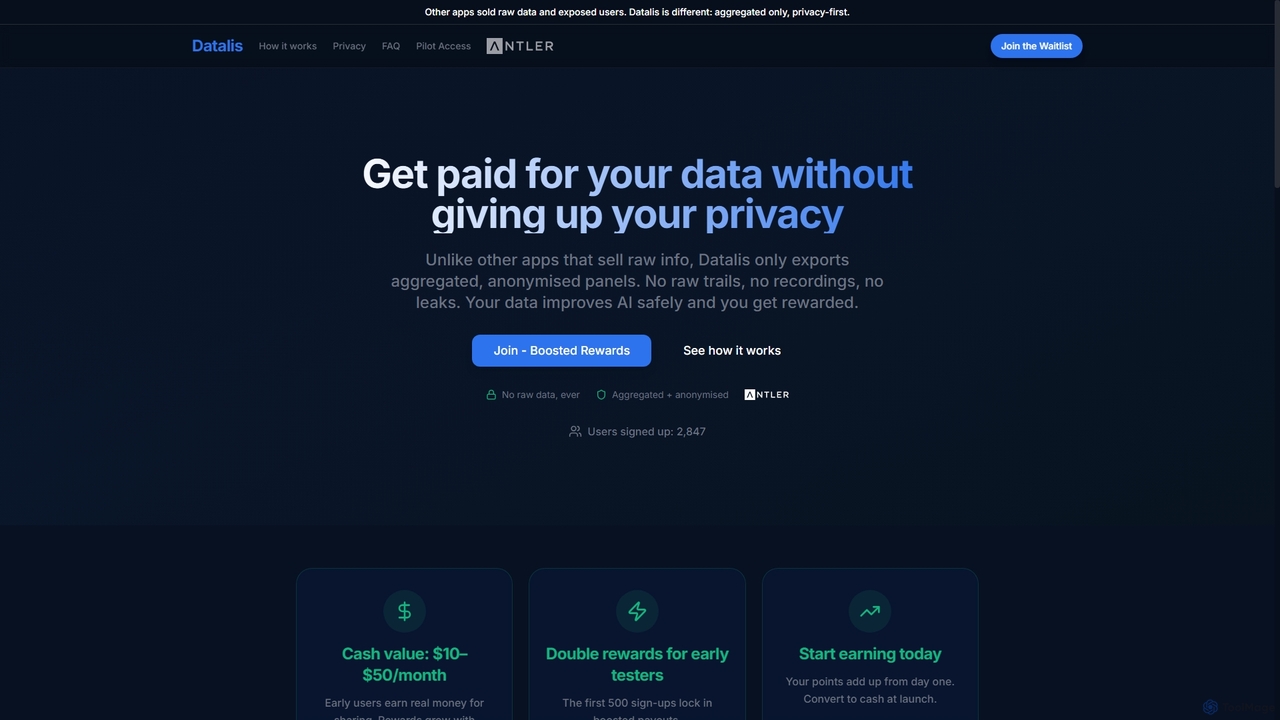
Datalis is a privacy-first platform that allows users to get paid for their data safely. It provides AI developers with aggregated, anonymized, and consent-verified datasets to test for bias and improve model fairness, ensuring user privacy is never compromised.

Ethical Ai
Visits 4.1KFavorites 110Likes 121
MindRoomAI
Freemium

MindRoomAI

MindRoomAI is an AI platform that enables content creators and thought leaders to build and monetize a virtual clone of themselves. This AI twin can interact with audiences 24/7, answer questions, and provide a scalable way to engage with fans, creating a new revenue stream.

Custom Assistants
Visits 4.1KFavorites 122Likes 121
bidinfluence
Paid

bidinfluence

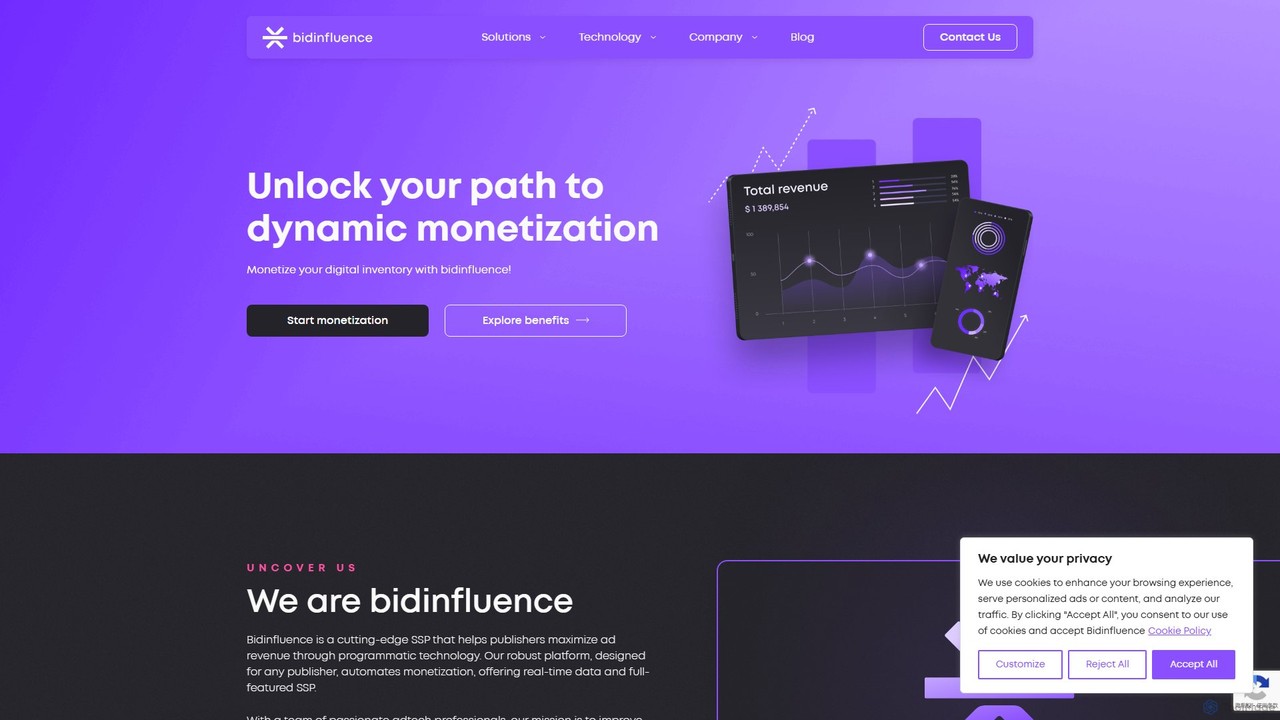
Bidinfluence is a cutting-edge Supply-Side Platform (SSP) that leverages AI and machine learning to help publishers maximize their ad revenue. It offers a robust programmatic advertising solution for websites, apps, and video content, providing competitive CPMs, high fill rates, and real-time analytics.

Analytics
Visits 6.4KFavorites 136Likes 132
Carambola

Carambola

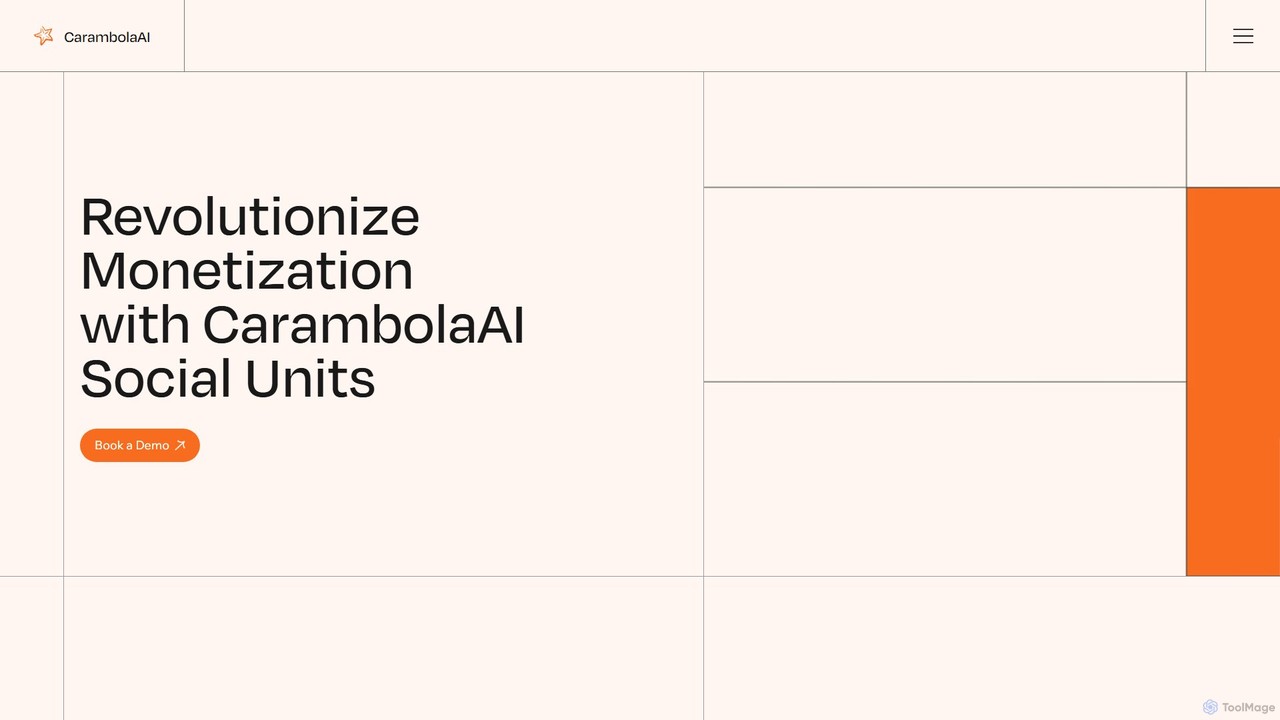
Carambola is an AI-powered platform for digital publishers that enhances website monetization and user engagement. It seamlessly integrates dynamic, monetized social content units into articles, creating new revenue streams and increasing visitor time-on-site through interactive feeds and stories.

Content Enrichment
Visits 4.7KFavorites 123Likes 115

About Monetization

AI Monetization tools are a class of software that leverages artificial intelligence to help creators and businesses generate revenue from their digital content, platforms, or services. These tools analyze user behavior, automate subscription management, and optimize pricing models to maximize income potential. By streamlining the process of converting user engagement into financial return, they enable the implementation of sophisticated and data-driven revenue strategies. As a key component of the Productivity suite, they focus specifically on the financial output of creative and business efforts.

Core Features

  • Subscription Management: Automates recurring billing, manages user tiers, and uses AI to predict and reduce customer churn.
  • Dynamic Pricing: Implements algorithms that adjust prices in real-time based on demand, user segmentation, and competitor data.
  • Content Gating & Paywalls: Intelligently restricts access to premium content, offering personalized subscription prompts to convert users.
  • Revenue Analytics: Provides AI-driven insights into revenue streams, customer lifetime value (LTV), and key financial metrics.

Use Cases

These tools are widely used by digital publishers to manage paid newsletters, SaaS companies to handle tiered subscription plans, and online course creators to sell access to educational content. They are also essential for community managers building paid membership groups and individual creators monetizing exclusive content on platforms like Patreon or Ghost.

How to Choose

When selecting an AI Monetization tool, consider the specific monetization models you need (e.g., subscriptions, one-time payments, metered usage). Evaluate its integration capabilities with your existing website, CMS, and payment gateways. Assess the depth of its analytics and reporting features. Finally, compare pricing structures and ensure the platform can scale with your business growth.

Featured tool rankings

Monetization use cases

1

Managing Paid Newsletter Subscriptions

A content creator running a popular newsletter on Substack or Ghost wants to offer a premium version with exclusive articles. They use an AI monetization tool to set up a tiered subscription model (e.g., free, monthly, annual). The tool automates the entire process: it handles user sign-ups, securely processes recurring payments via Stripe, and automatically grants or revokes access to premium content based on subscription status. AI-powered analytics help the creator understand which content drives the most subscriptions and identify subscribers at risk of churning.

2

Implementing Dynamic Pricing for an E-commerce Store

An online retail business aims to optimize its pricing strategy to stay competitive and maximize profits. By integrating an AI monetization tool with their Shopify store, they can implement dynamic pricing. The AI algorithm continuously analyzes market data, competitor prices, inventory levels, and customer demand patterns. Based on this analysis, it automatically adjusts product prices in real-time. For example, it might lower the price of a slow-moving item to boost sales or increase the price of a popular product during peak demand, ensuring the store achieves optimal revenue on every sale.

3

Monetizing a Private Community on Discord

A community manager has built a thriving community on Discord and wants to create a paid, members-only section for exclusive content and events. They use an AI monetization tool that integrates with Discord. The tool allows them to create different membership tiers with varying access levels and prices. When a user purchases a membership through a custom checkout page, the tool's bot automatically assigns them the correct role in Discord, granting access to private channels. It also handles recurring billing and automatically removes roles if a subscription is canceled, saving the manager hours of manual administrative work.

4

Selling Digital Products with Automated Access

An expert in graphic design creates a set of premium templates and wants to sell them as a one-time purchase. They use an AI monetization platform to host and sell these digital products. The platform provides a simple-to-use storefront, handles secure payment processing, and most importantly, automates the delivery of the digital files. Once a customer completes a purchase, the system instantly sends them a secure, time-limited download link. This removes the need for manual email follow-ups and ensures a smooth, professional customer experience, allowing the designer to focus on creating more products.

5

Reducing Churn for a SaaS Business

A Software-as-a-Service (SaaS) company is experiencing a high customer churn rate. They implement an AI monetization platform that includes predictive analytics. The AI analyzes user activity, support ticket history, and payment patterns to identify customers who are likely to cancel their subscriptions. The system then automatically triggers retention campaigns, such as offering a personalized discount to an at-risk user or sending a targeted email with helpful resources to a user who seems disengaged. This proactive approach helps the company reduce churn and increase overall customer lifetime value without manual intervention.

6

Offering Metered Billing for API Access

A developer creates a powerful API and wants to offer it to other developers on a pay-as-you-go basis. They use an AI monetization tool designed for API products. The tool tracks each user's API call volume in real-time. It then automatically calculates their monthly bill based on their usage, applying different rates for different endpoints or usage tiers. The platform provides developers with a dashboard to monitor their consumption and handles the entire invoicing and payment collection process, allowing the API creator to focus on improving their service rather than building a complex billing system from scratch.

Monetization FAQ

What are AI Monetization tools?

AI Monetization tools are software platforms that use artificial intelligence to automate and optimize the process of generating revenue from digital products or content. Unlike simple payment processors, they manage the entire revenue lifecycle. Key functions include managing subscriptions, implementing dynamic pricing, analyzing customer behavior to reduce churn, and automating access control to paid content. They help businesses and creators implement sophisticated, data-driven strategies to maximize their income.

How to choose the right AI Monetization tool?

Choosing the right tool depends on your specific needs. Consider the following factors:

  • Monetization Model: Does the tool support your desired model (e.g., subscriptions, one-time sales, metered usage, donations)?
  • Integrations: Can it easily connect with your website platform (WordPress, Webflow), payment gateways (Stripe, PayPal), and other essential tools (like Discord or email marketing services)?
  • User Experience: Is the checkout process smooth for your customers and is the admin dashboard intuitive for you to manage?
  • Scalability and Pricing: Will the tool's features and pricing structure support your business as it grows? Check for transaction fees and monthly costs.
What's the difference between an AI Monetization tool and a payment gateway like Stripe?

A payment gateway like Stripe or PayPal is a service that securely processes transactions; its main job is to handle the transfer of money. An AI Monetization tool is a more comprehensive platform that sits on top of a payment gateway. It manages the entire customer and revenue lifecycle. While it uses a payment gateway to process the actual payments, its core value lies in automating subscriptions, managing access to content, providing revenue analytics, and using AI to optimize pricing and reduce churn. In short, a payment gateway is a utility, while a monetization tool is a strategic management system.

Who can benefit from using AI Monetization tools?

A wide range of users can benefit from these tools. This includes:

  • Content Creators: Bloggers, podcasters, and video creators who want to sell premium content or memberships.
  • SaaS Businesses: Companies that need to manage complex subscription tiers, billing cycles, and reduce customer churn.
  • Educators & Coaches: Individuals selling online courses, digital workbooks, or coaching sessions.
  • Community Managers: Those running paid communities on platforms like Discord, Slack, or Circle.
  • Developers: Programmers who want to monetize their APIs or software products with usage-based billing.
Do I need coding skills to use these monetization tools?

It depends on the tool. Many modern AI monetization platforms are designed to be no-code or low-code. They offer simple integrations with popular website builders like WordPress, Shopify, or Webflow, often through plugins or simple script embeds. This allows non-technical creators to set up paywalls, subscriptions, and digital product sales easily. However, more advanced use cases, such as monetizing a custom-built application or API, may require some development knowledge to integrate the tool's SDK or API.