Productivity Best in category 3 results Operations AI Tool

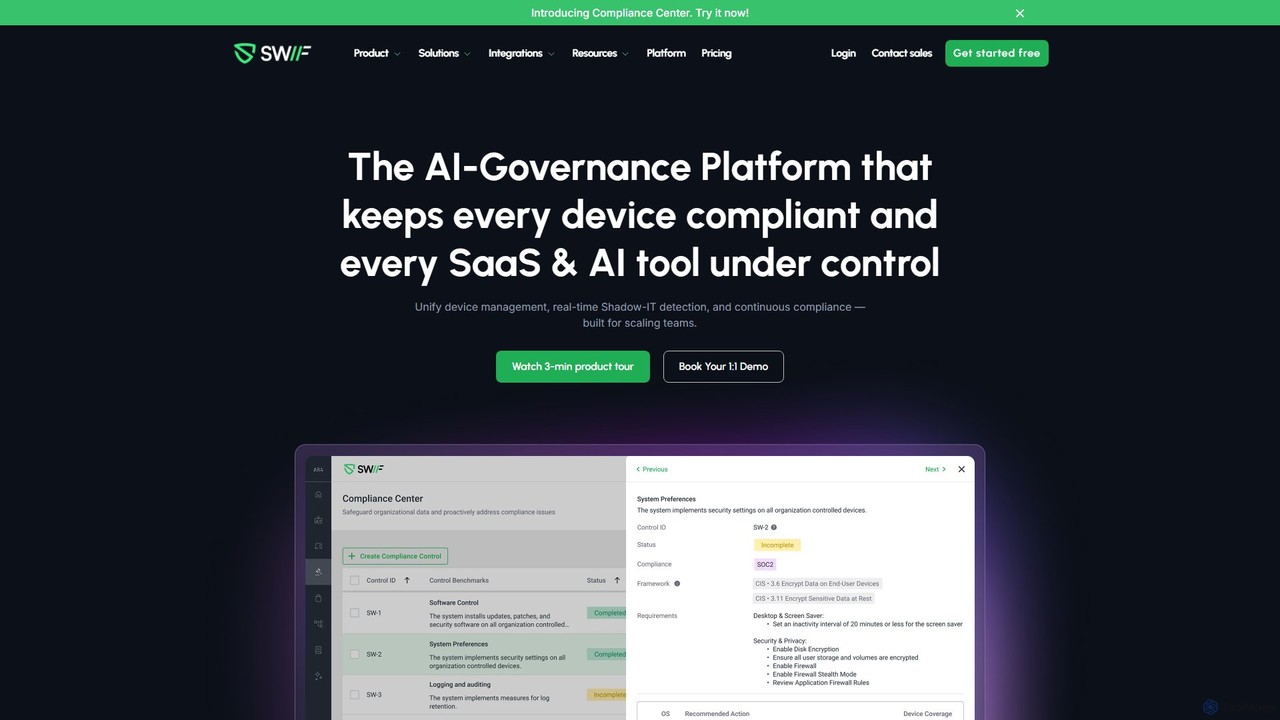
Popular AI tools in the Operations field of Productivity include Swif.ai、VergeSense、Gymconnect, etc., helping you quickly improve efficiency.

Gymconnect

Gymconnect

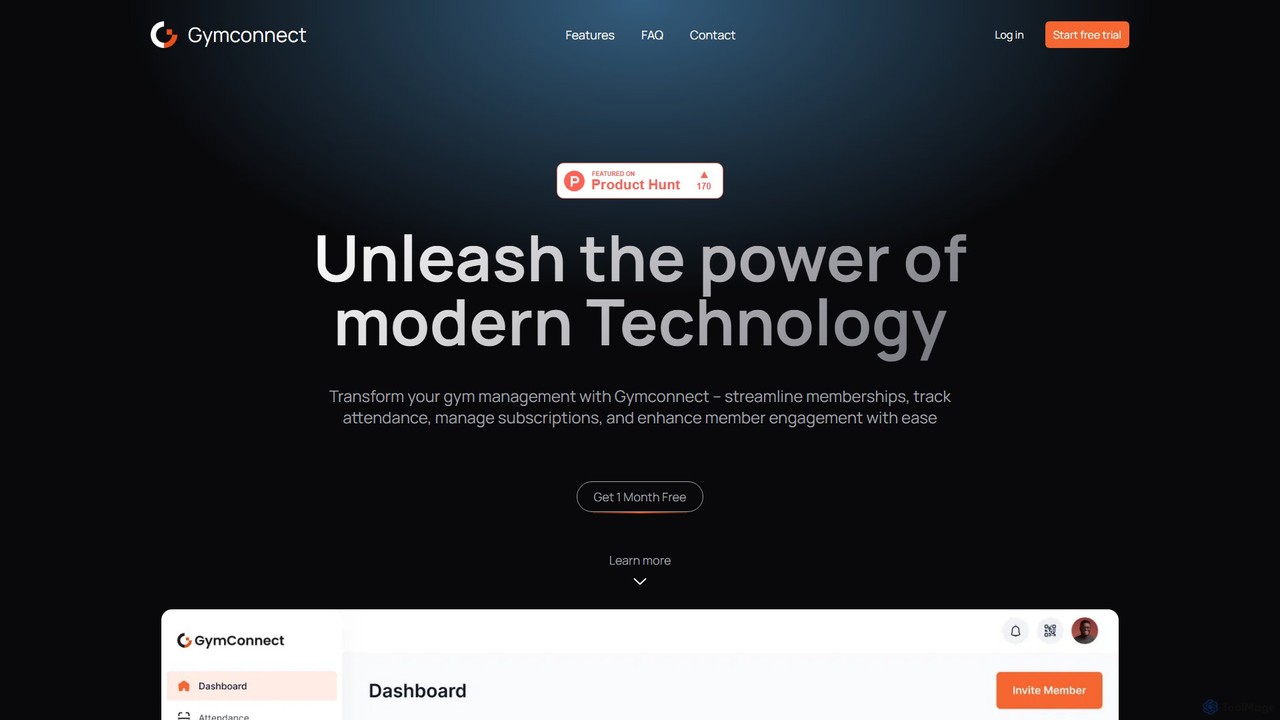
Gymconnect is an advanced, AI-powered gym management software designed to streamline all aspects of fitness center operations. It …

2.7K
VergeSense

VergeSense

VergeSense is an AI-powered occupancy intelligence platform that helps businesses optimize their workplaces. By analyzing real-time space utilization …

9.2K
Swif.ai

Swif.ai

Swif.ai is an AI-powered governance platform that unifies device management (MDM), continuous compliance, and Shadow IT detection. It's …

34.2K

About Operations

Operations AI tools are a specialized category within productivity solutions designed to automate, optimize, and streamline various business processes and workflows. Leveraging artificial intelligence, these tools analyze data, predict outcomes, and execute tasks to enhance efficiency, reduce costs, and improve strategic decision-making across an organization. They transform manual, repetitive operational tasks into intelligent, automated systems, contributing significantly to overall business agility and performance.

Core Features

  • Process Automation: Automates repetitive tasks and multi-step workflows, from data entry to report generation.
  • Predictive Analytics: Utilizes historical data to forecast future trends, such as demand, resource needs, or potential bottlenecks.
  • Resource Optimization: Intelligently allocates personnel, equipment, and budget to maximize output and minimize waste.
  • Intelligent Decision Support: Provides data-driven insights and recommendations to guide strategic and tactical operational choices.

Applicable Scenarios

Operations AI tools are invaluable for businesses seeking to enhance efficiency and responsiveness. They are widely adopted by enterprise managers for optimizing supply chains, by marketing teams for automating campaign management, and by customer service departments for intelligent ticket routing and chatbot support. These tools empower organizations to manage complex processes with greater precision and speed.

How to Choose

When selecting an AI Operations tool, consider its scalability to grow with your business, its integration capabilities with existing systems (CRM, ERP), and the level of customization offered. Evaluate the user interface for ease of adoption, assess data security protocols, and compare pricing models to ensure alignment with your budget and technical expertise.

OperationsUse Cases

1

Automated Customer Service Management

Customer service managers can deploy AI-powered chatbots and virtual assistants to handle routine inquiries, provide instant support, and automatically route complex issues to human agents. This reduces response times, improves customer satisfaction, and frees up human staff to focus on more critical tasks, leading to significant operational cost savings and enhanced service quality.

2

Predictive Inventory and Supply Chain Optimization

Supply chain managers utilize AI Operations tools to analyze historical sales data, market trends, and external factors to accurately forecast demand. This enables optimized inventory levels, reduces stockouts and overstocking, and streamlines logistics, resulting in lower carrying costs, improved delivery efficiency, and a more resilient supply chain.

3

Intelligent Project and Resource Allocation

Project managers leverage AI to analyze project requirements, team skills, and resource availability to intelligently assign tasks and schedule timelines. The AI can identify potential bottlenecks, suggest optimal resource reallocation, and adapt schedules in real-time, ensuring projects stay on track, resources are utilized efficiently, and deadlines are met more consistently.

4

Automated Marketing Campaign Optimization

Marketing operations teams use AI tools to automate the optimization of digital advertising campaigns. This involves real-time analysis of ad performance, audience segmentation, and budget allocation across various platforms. The AI can automatically adjust bids, target audiences, and content delivery to maximize ROI and achieve campaign goals more effectively than manual adjustments.

5

Data-Driven Financial Forecasting and Budgeting

Finance and operations departments employ AI to process vast amounts of financial data, market indicators, and internal performance metrics to generate highly accurate financial forecasts. This supports more informed budgeting, risk assessment, and strategic planning, allowing businesses to anticipate market changes and make proactive financial decisions.

6

Streamlined HR Onboarding and Talent Acquisition

HR operations professionals use AI to automate and enhance the onboarding process for new hires, from document collection to training module assignments. Additionally, AI can screen resumes, identify qualified candidates based on specific criteria, and even schedule initial interviews, significantly reducing the administrative burden and accelerating the talent acquisition cycle.

OperationsFrequently Asked Questions