Productivity Best in category 7 results Performance Tracking AI Tool

Popular AI tools in the Performance Tracking field of Productivity include trophi.ai、Wingfield、Cheers、iSWIM、mentis.gg、TraderTrak、gptping, etc., helping you quickly improve efficiency.

TraderTrak

TraderTrak

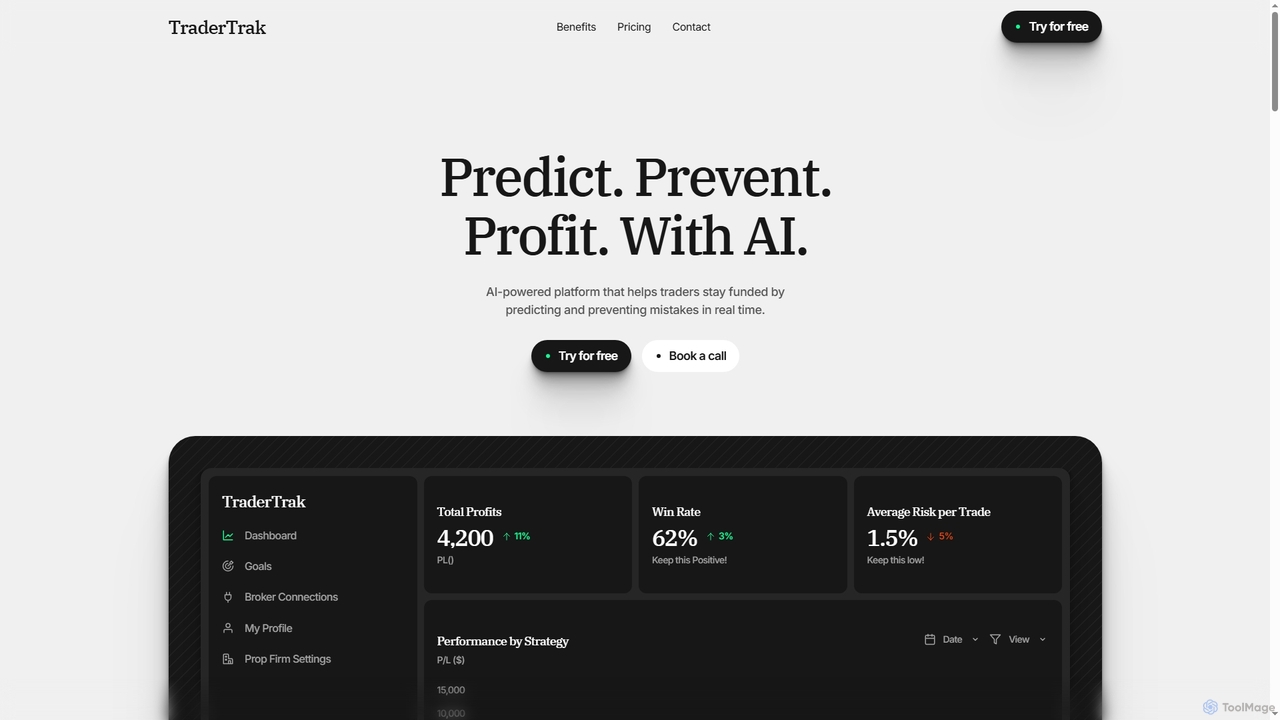
TraderTrak is an AI-powered trade management platform designed to help traders predict and prevent costly mistakes in real-time, …

2.1K
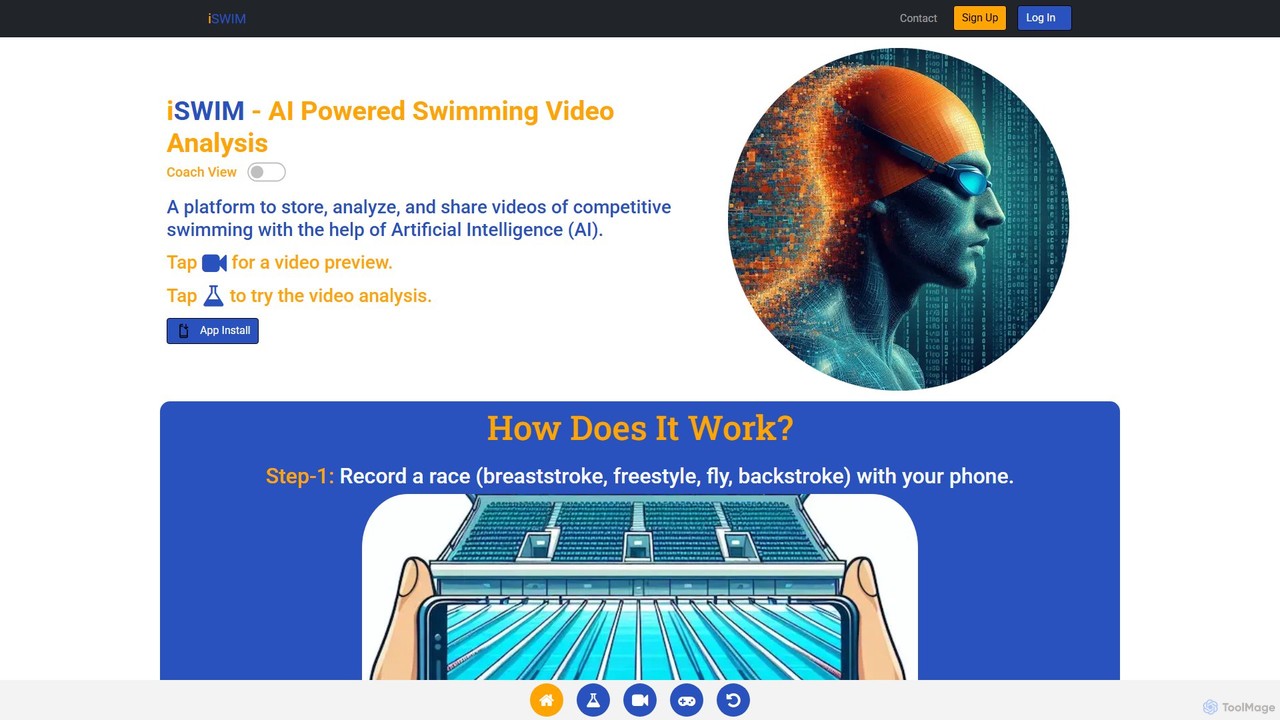
iSWIM

iSWIM

iSWIM is an AI-powered platform for competitive swimmers and coaches. It analyzes swimming videos to provide detailed performance …

3.4K
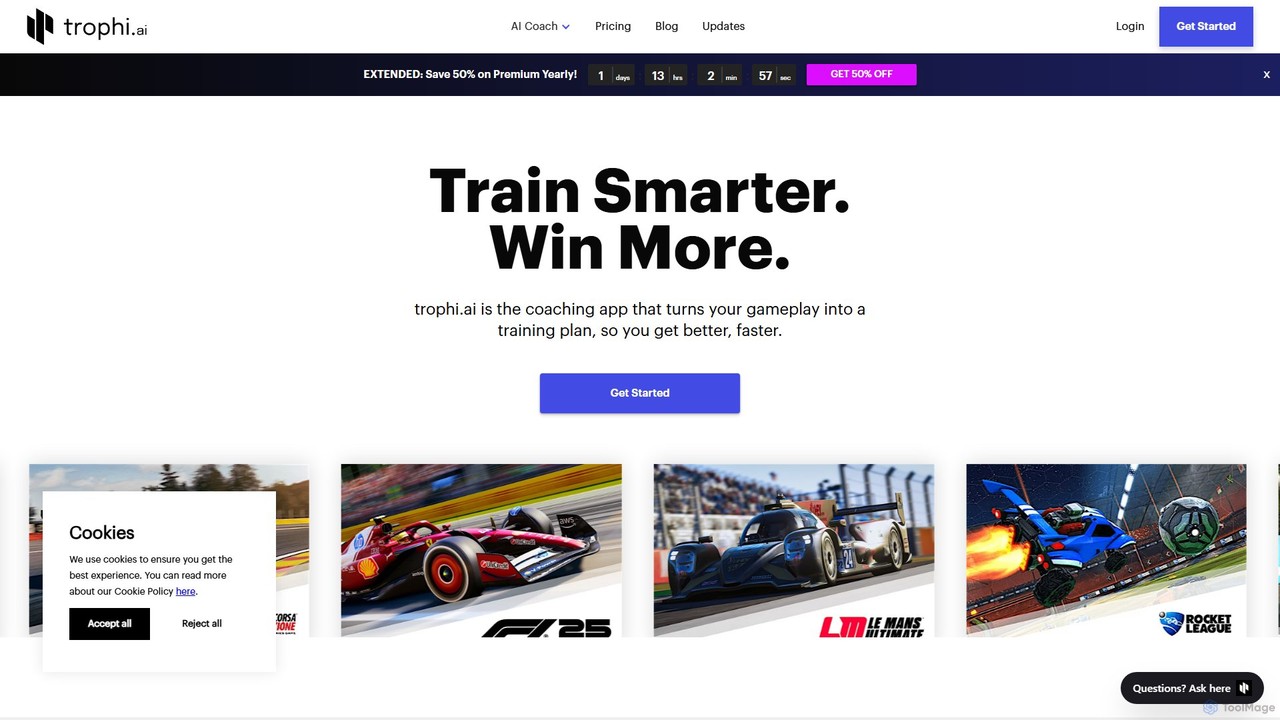
trophi.ai

trophi.ai

trophi.ai is an AI-powered coaching platform for sim racers that analyzes your gameplay to create personalized training plans. …

139.7K
Cheers

Cheers

Cheers is a data-driven frontline optimization platform that uses NFC-enabled badges to connect hourly employees' real-world interactions with …

13.7K
Wingfield

Wingfield

Wingfield is an AI-powered video and tracking technology for tennis, pickleball, and padel. It uses a smart court …

15.6K
gptping

gptping

An AI-powered platform for monitoring and benchmarking the performance, latency, and cost of various Large Language Models (LLMs). …

2.1K
mentis.gg

mentis.gg

mentis.gg is an AI-powered gaming coach that analyzes your gameplay to provide personalized insights, strategies, and performance tracking. …

2.2K

About Performance Tracking

Performance Tracking tools are AI-powered solutions designed to systematically monitor, analyze, and report on various metrics related to individual, team, or project output. These tools leverage advanced analytics and machine learning to aggregate data from diverse sources, providing real-time insights into efficiency, progress, and resource utilization. By identifying patterns, bottlenecks, and areas for improvement, they empower users to optimize workflows, enhance decision-making, and ultimately boost overall productivity within the broader context of productivity management.

Core Features

  • Automated Data Collection: Gathers performance data from multiple platforms and applications without manual input.
  • Real-time Analytics Dashboards: Provides interactive visualizations of key performance indicators (KPIs) and trends.
  • Predictive Insights: Uses AI to forecast future performance, identify potential risks, and suggest proactive interventions.
  • Anomaly Detection: Automatically flags unusual performance deviations that may indicate issues or opportunities.
  • Customizable Reporting: Generates tailored reports on demand, summarizing performance against set goals and benchmarks.

Applicable Scenarios

These tools are invaluable for project managers monitoring team progress, sales leaders tracking individual rep performance, or HR departments analyzing employee engagement and output. They help identify high-performing areas, pinpoint training needs, and ensure projects stay on track by providing objective, data-driven insights into operational efficiency.

How to Choose

When selecting a Performance Tracking AI tool, consider its integration capabilities with your existing software ecosystem, the breadth and depth of metrics it can track, and the customization options for dashboards and reports. Evaluate the accuracy of its predictive analytics, the ease of data visualization, and its scalability to accommodate future growth, ensuring it aligns with your specific performance goals and data privacy requirements.

Performance TrackingUse Cases

1

Optimizing Software Development Team Performance

Engineering managers utilize AI performance tracking tools to monitor key metrics like code commit frequency, pull request review times, and task completion rates. This helps identify bottlenecks in the development pipeline, assess individual and team productivity, and allocate resources more effectively to accelerate project delivery and maintain code quality.

2

Enhancing Sales Team Productivity and Forecasting

Sales leaders deploy these tools to analyze individual sales representative performance, tracking call volumes, conversion rates, deal velocity, and customer engagement. The AI provides predictive insights into sales trends, helps identify top performers, and offers data-driven coaching opportunities to improve overall team efficiency and achieve revenue targets.

3

Improving Customer Service Agent Efficiency

Customer support centers use performance tracking AI to monitor agent response times, resolution rates, and customer satisfaction scores across various channels. By analyzing interaction patterns and sentiment, the tools help identify training needs, optimize staffing levels, and ensure consistent, high-quality service delivery, leading to improved customer loyalty.

4

Measuring Marketing Campaign Effectiveness

Marketing teams leverage AI performance tracking to monitor the real-time ROI of digital campaigns. They track metrics such as ad spend, lead generation, conversion rates, and customer acquisition costs across different platforms. This enables rapid optimization of campaign strategies, allocation of budget to best-performing channels, and a clear understanding of marketing impact.

5

Streamlining Project Progress and Resource Allocation

Project managers employ these tools to gain a comprehensive overview of project health. They track task completion, resource utilization, budget adherence, and potential delays. The AI can highlight critical path issues and suggest resource reallocations, ensuring projects stay on schedule and within budget, while maximizing team output.

6

Gaining Insights into Employee Engagement and Well-being

HR departments and team leads use anonymized performance data to understand work patterns, collaboration dynamics, and potential signs of employee burnout. By tracking workload distribution and engagement metrics, these tools can help foster a healthier work environment, identify areas for support, and proactively address factors impacting overall team well-being and productivity.

Performance TrackingFrequently Asked Questions