robomua
robomua is an AI-powered beauty technology from yshade.ai that revolutionizes makeup shopping. By analyzing a user's photo, its …
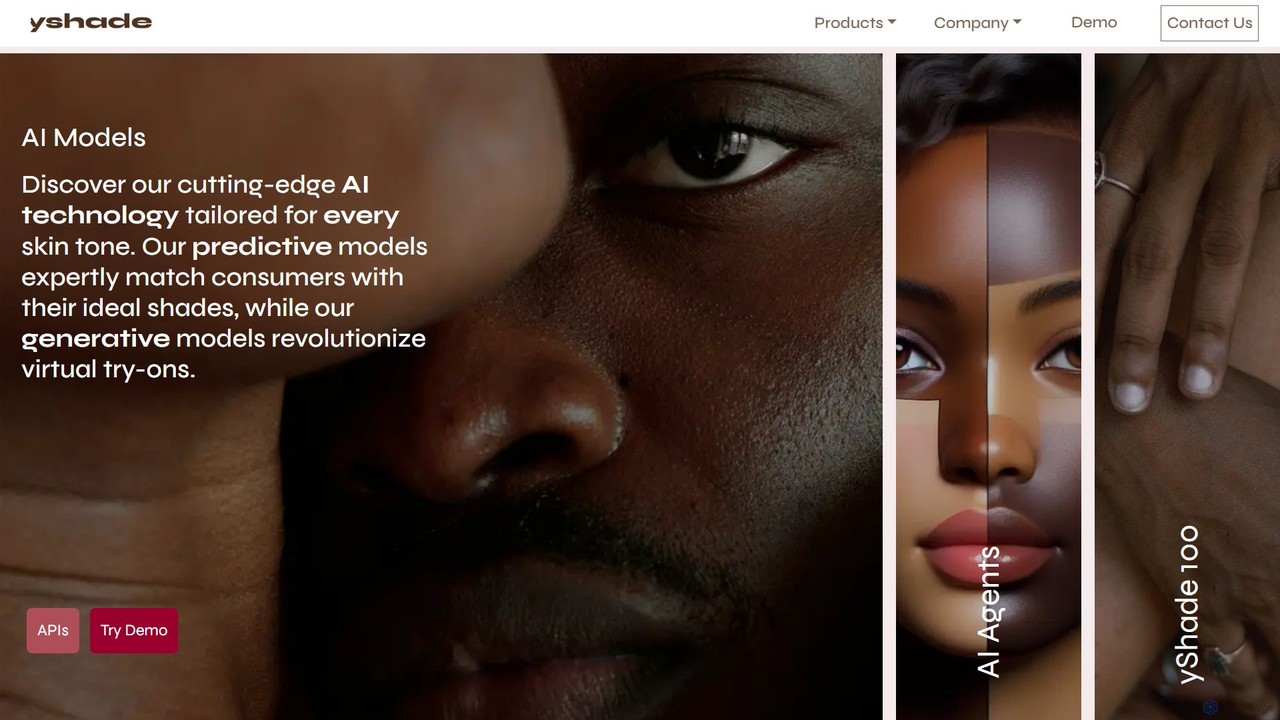
robomua is an AI-powered beauty technology from yshade.ai that revolutionizes makeup shopping. By analyzing a user's photo, its predictive models accurately find the perfect foundation, concealer, and skin tint shades. It features a virtual try-on powered by generative AI and an AI beauty assistant, Aiysha, to provide personalized recommendations. Designed for all skin tones, it helps consumers buy with confidence and enables beauty brands to enhance their e-commerce experience through API integration.
Clinikally
Clinikally is an AI-powered digital health platform for personalized skin and hair care. It combines an AI diagnostic …
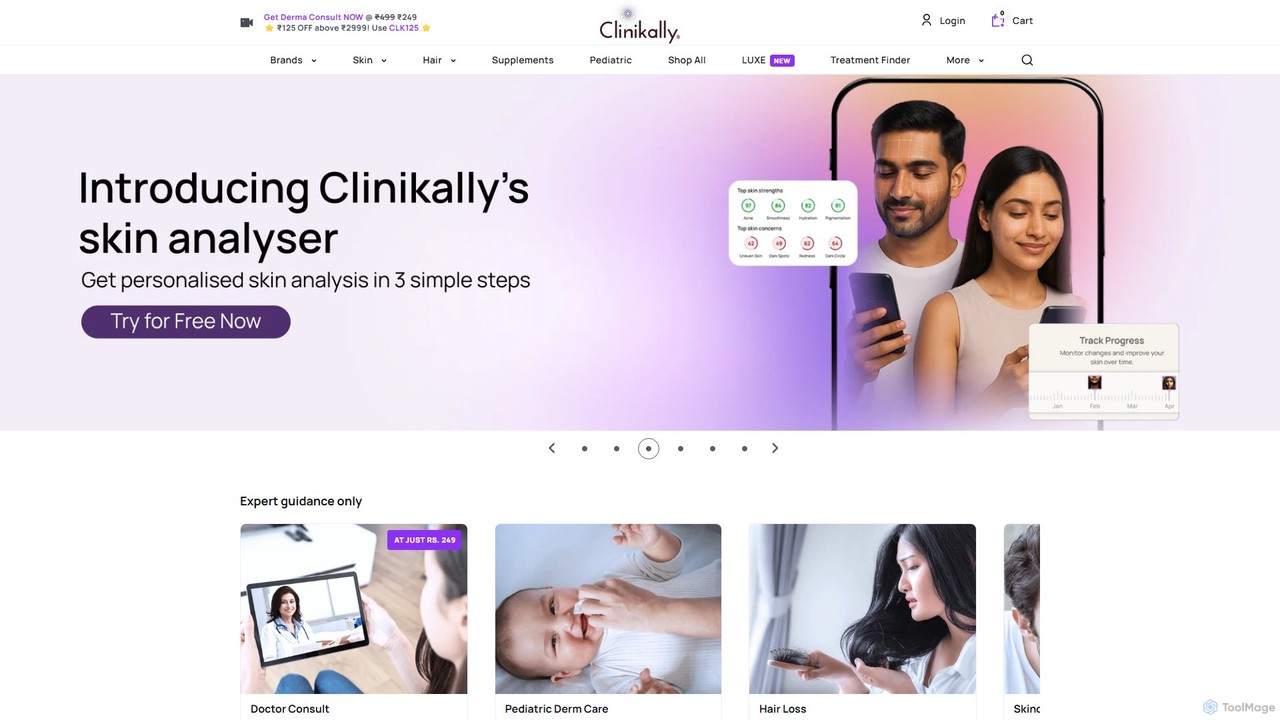
Clinikally is an AI-powered digital health platform for personalized skin and hair care. It combines an AI diagnostic tool, online consultations with top dermatologists, and a curated e-commerce store for doctor-recommended products. Users receive customized treatment plans and have products delivered to their doorstep, making expert dermatological care accessible and convenient, primarily in India.
About Personalized Recommendations
Personalized Recommendations tools are AI-powered systems designed to predict and suggest relevant items, such as products, content, or services, to individual users. These tools analyze vast amounts of data—including user behavior, historical preferences, and item attributes—using machine learning algorithms like collaborative and content-based filtering. The primary value is to enhance user experience by making discovery effortless and relevant, which in turn drives engagement, conversion rates, and customer loyalty. As a key component of productivity, they automate the process of curation and sales assistance, allowing businesses to scale personalized interactions efficiently.
Core Features
- Behavioral Data Analysis: Tracks and interprets user interactions like clicks, views, purchases, and time spent to build a comprehensive user profile.
- Recommendation Algorithms: Employs various models (e.g., collaborative filtering, content-based, hybrid) to generate accurate and diverse suggestions.
- Real-time Personalization: Adapts recommendations instantly based on a user's current session activity for a dynamic experience.
- A/B Testing & Optimization: Allows for testing different recommendation strategies to identify which models yield the best results for key metrics.
- Performance Analytics: Provides dashboards and reports to measure the impact of recommendations on sales, engagement, and other KPIs.
Use Cases
These tools are essential for businesses with large catalogs, such as e-commerce platforms, media streaming services, and news publishers. In e-commerce, they power "Customers also bought" sections. For media services like Netflix or Spotify, they curate personalized homepages. Digital marketers also use them to personalize email campaigns and on-site content displays.
How to Choose
When selecting a tool, consider its data integration capabilities—how easily it connects to your existing data sources (CRM, website analytics). Evaluate the sophistication and customizability of its recommendation algorithms. Assess its scalability to handle your user traffic and data volume. Finally, check for robust analytics and reporting features to prove its return on investment.

Personalized RecommendationsUse Cases
Boosting E-commerce Sales with Product Recommendations
An e-commerce manager aims to increase the average order value (AOV). By implementing a personalized recommendation tool, they can automatically display sections like 'Frequently Bought Together' on product pages and 'You Might Also Like' in the shopping cart. The AI analyzes the shopping behavior of thousands of customers to identify product associations. This strategy encourages customers to add complementary items to their cart, directly leading to a measurable increase in AOV and overall revenue without requiring manual product curation.
Increasing User Retention for Streaming Services
A product manager at a video streaming platform is tasked with reducing user churn. They integrate a recommendation engine that personalizes the user's homepage with carousels of movies and shows based on their viewing history, ratings, and genres they prefer. The AI continuously learns and adapts to the user's evolving tastes. By consistently surfacing highly relevant content, the platform keeps users engaged, increases session duration, and significantly improves long-term retention rates, as users feel the service understands their preferences.
Personalizing Content for Digital Publishers
A content strategist for an online news portal wants to increase reader engagement and time on site. They use a recommendation tool to analyze a reader's browsing history and display a 'Recommended for You' widget with articles related to topics they've previously read. This prevents readers from hitting a dead end after finishing an article and guides them to other relevant content. This automated content discovery process leads to more page views per session and strengthens the reader's loyalty to the publication as a trusted source of interesting information.
Creating Personalized Learning Paths in EdTech
An instructional designer for an e-learning platform needs to improve course completion rates. By using a recommendation engine, the platform can suggest the next best course or module for a student based on their learning progress, quiz scores, and stated career goals. For example, after a student completes an 'Introduction to Python' course, the system can recommend 'Data Structures in Python' or 'Web Development with Flask'. This guided, personalized learning journey keeps students motivated and on a clear path, significantly boosting engagement and completion rates.
Enhancing Travel Bookings with Destination Suggestions
A product owner for an online travel agency (OTA) wants to inspire users and simplify their vacation planning process. They deploy a recommendation system that suggests destinations, hotels, and activities. The AI considers factors like the user's past travel history, budget preferences, and even the current season. If a user frequently books beach vacations, the system will proactively feature tropical destinations. This not only improves user experience by reducing search time but also increases booking conversions by presenting appealing and relevant travel options.
Automating B2B Lead Nurturing with Relevant Content
A B2B marketing manager needs to nurture leads more effectively through their long sales cycle. They use a recommendation tool on their company's resource center. As a lead browses blog posts and case studies, the tool tracks their interests (e.g., 'cybersecurity for finance'). It then automatically suggests relevant whitepapers, webinars, or product datasheets. This provides genuine value to the lead by offering tailored information, while also qualifying them for sales follow-up based on their content consumption, thus improving marketing efficiency and sales alignment.