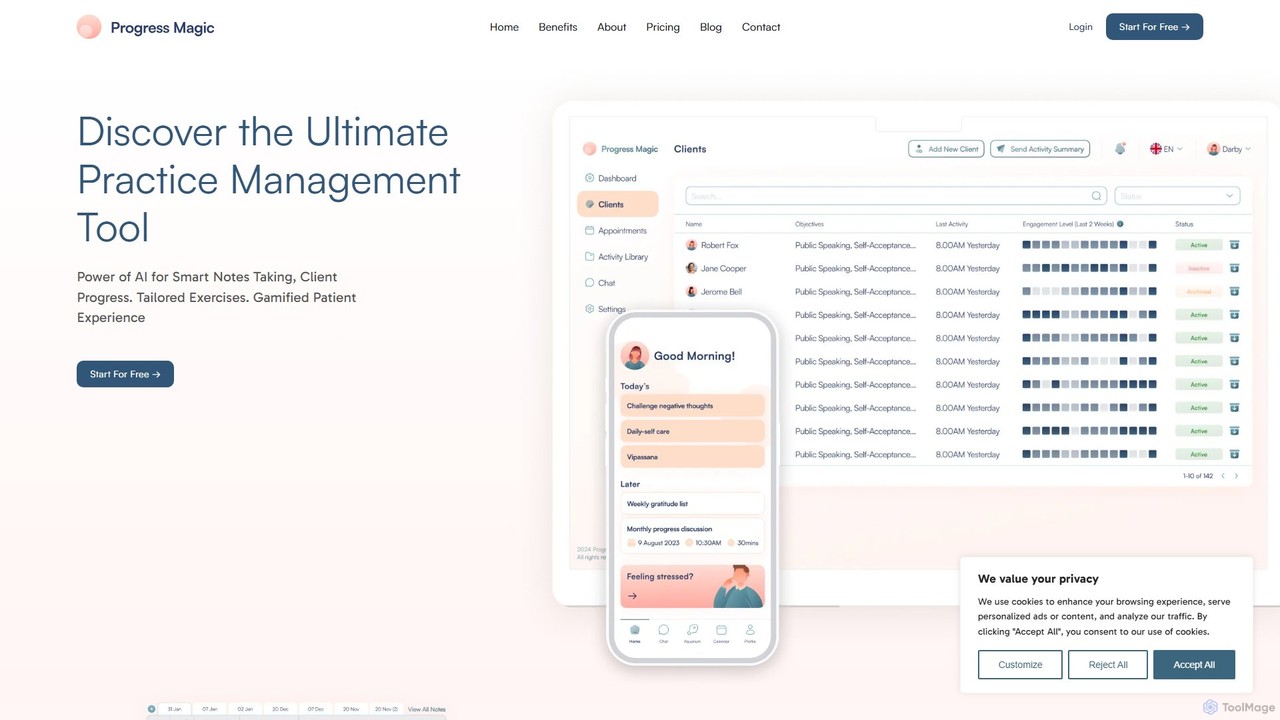
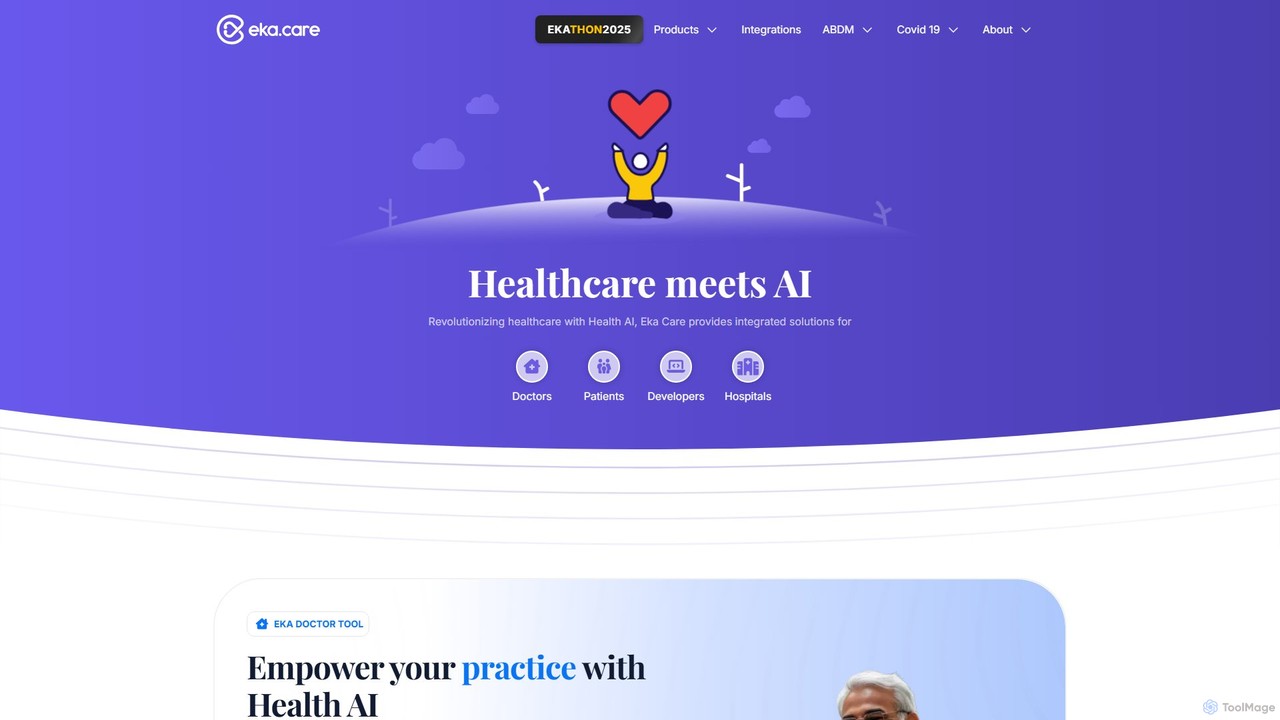
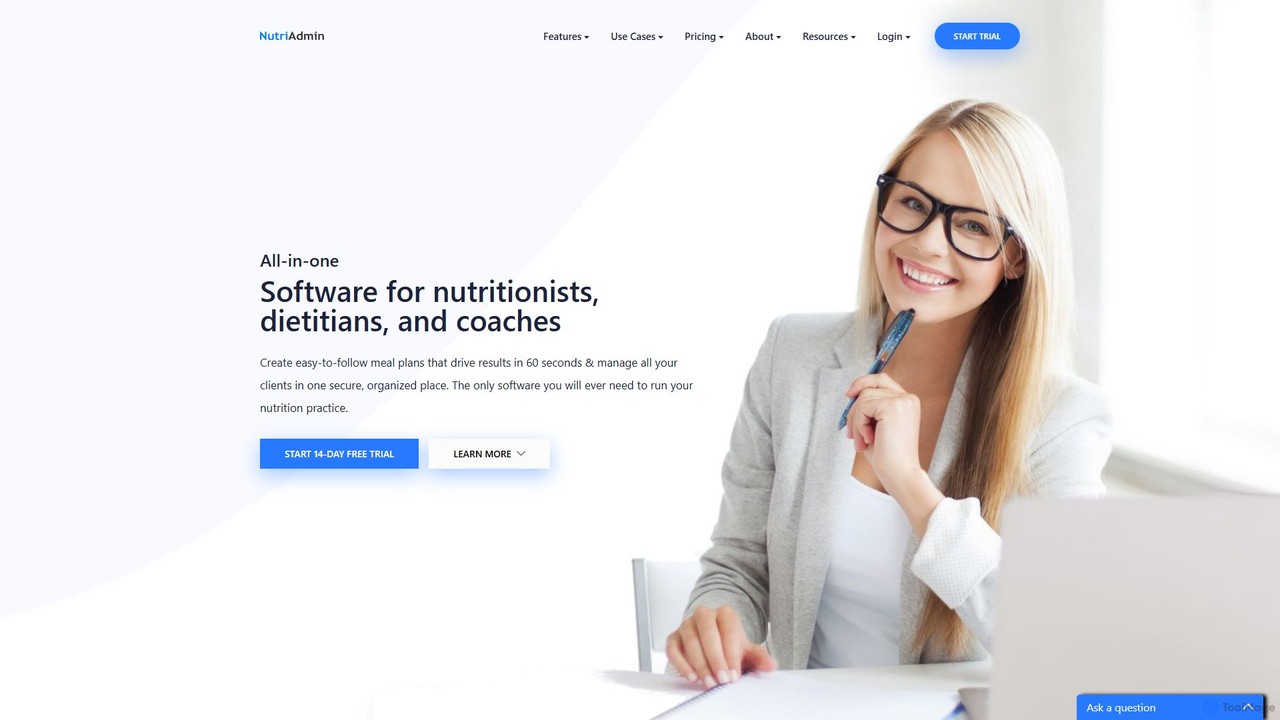
Practice Management tools are specialized AI-powered platforms designed to streamline the operational workflows of professional service firms. These systems integrate core business functions like client management, scheduling, billing, and document handling into a single, cohesive environment. By automating administrative tasks and centralizing critical data, they enable professionals such as lawyers, doctors, and consultants to focus more on client service and less on back-office operations. The use of AI enhances features like intelligent scheduling, automated invoicing, and predictive analytics for firm performance.
Core Features
- Client & Case Management: Centralizes all client information, communication history, case files, and important deadlines in one accessible database.
- Automated Scheduling & Calendaring: Intelligently manages appointments, checks for conflicts across multiple staff calendars, and sends automated reminders to reduce no-shows.
- Billing & Invoicing Automation: Tracks billable hours, expenses, and retainers, then automatically generates and sends professional invoices to clients.
- Secure Document Management: Provides a compliant and secure repository for storing, sharing, and managing sensitive client documents and records.
- Performance Reporting & Analytics: Generates detailed reports on firm productivity, client profitability, accounts receivable, and other key performance indicators.
Applicable Scenarios
These tools are essential for professional service industries where managing client relationships, appointments, and billing is critical. They are widely used in law firms for case management, medical and dental clinics for patient administration, accounting firms for client services, and consulting agencies for project tracking. Roles like practice managers, paralegals, medical receptionists, and firm partners rely on this software daily.
Selection Criteria
When choosing a Practice Management tool, first consider industry-specific compliance requirements, such as HIPAA for healthcare or legal ethics rules for law firms. Evaluate its integration capabilities with other essential software like accounting systems or electronic health records (EHR). Assess the platform's scalability to ensure it can grow with your practice. Finally, prioritize robust data security features and a user-friendly interface to ensure team adoption.