Productivity Best in category 6 results Simulation AI Tool

Popular AI tools in the Simulation field of Productivity include Comand AI、Scios.ai、Blobfish AI、UnravelX、twinsync、CatchThat, etc., helping you quickly improve efficiency.

Blobfish AI

Blobfish AI

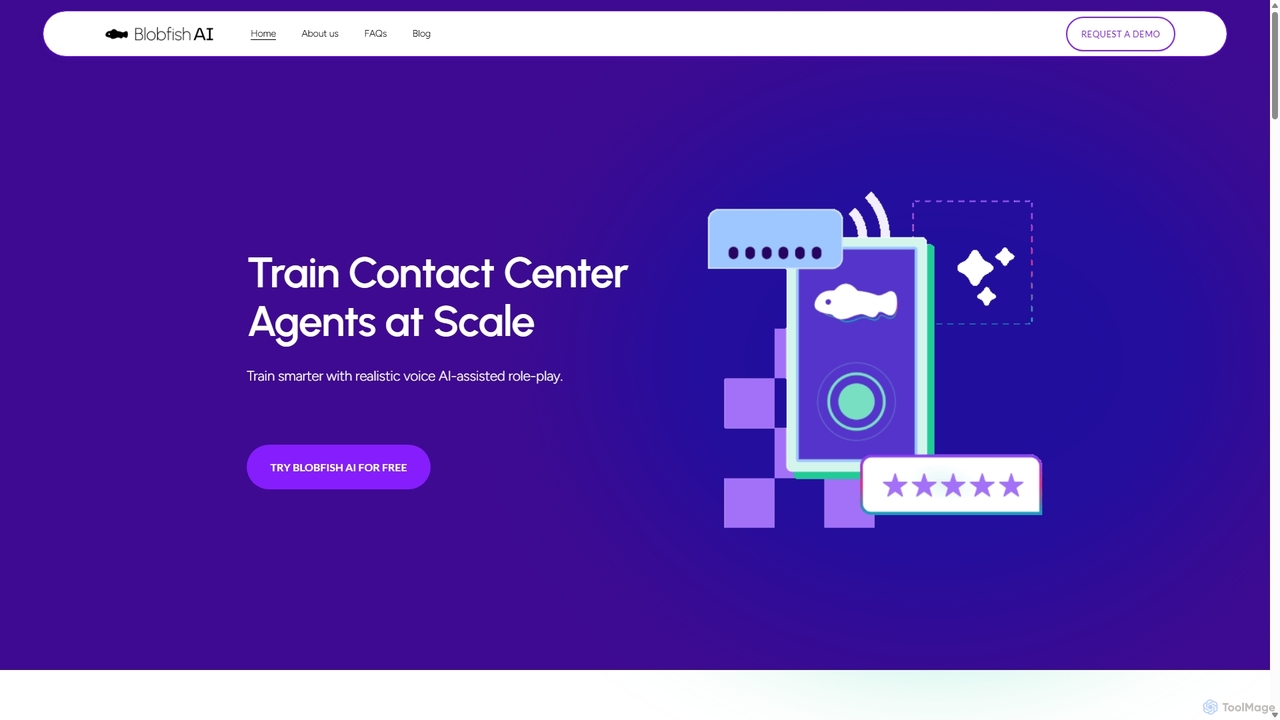
Blobfish AI is a voice AI-powered training platform for contact center agents. It provides realistic, interactive role-playing simulations …

2.4K
twinsync

twinsync

An AI-powered platform for creating and managing Digital Twins of physical assets, processes, and systems. TwinSync enables real-time …

2.1K
CatchThat

CatchThat

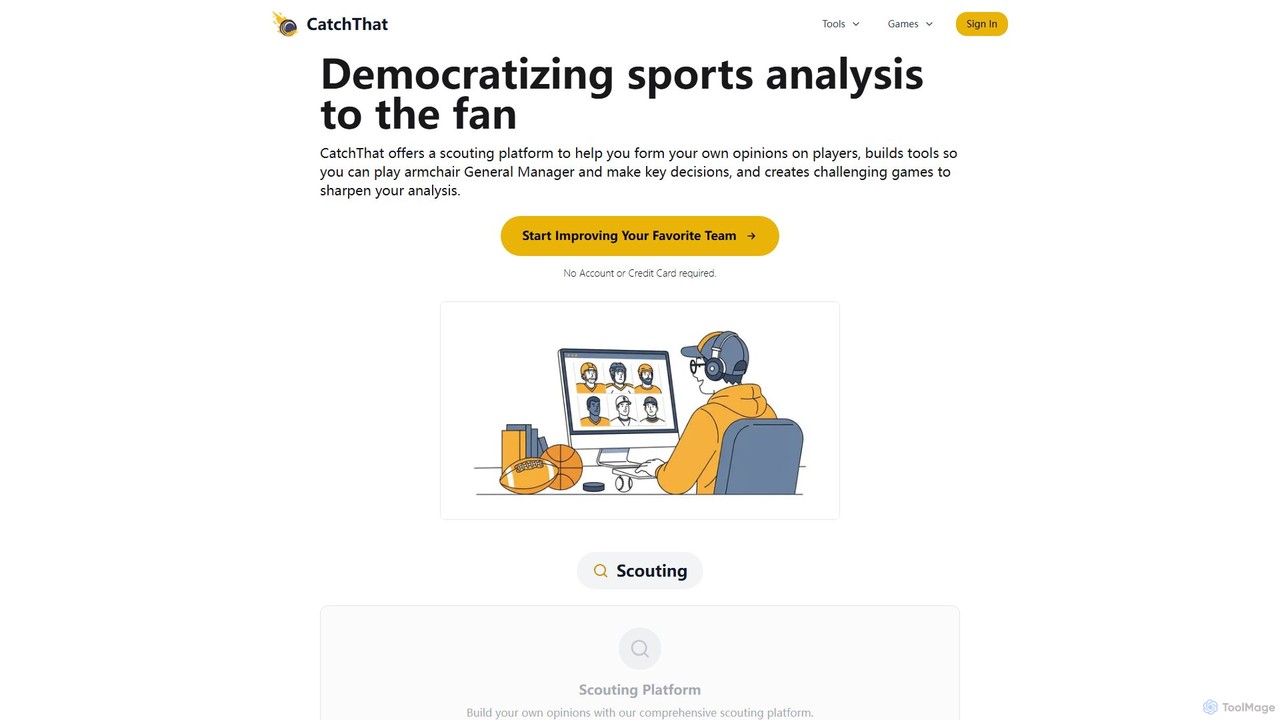
CatchThat is a platform for sports fans, offering tools and games to democratize sports analysis. Act as an …

2.0K
Comand AI

Comand AI

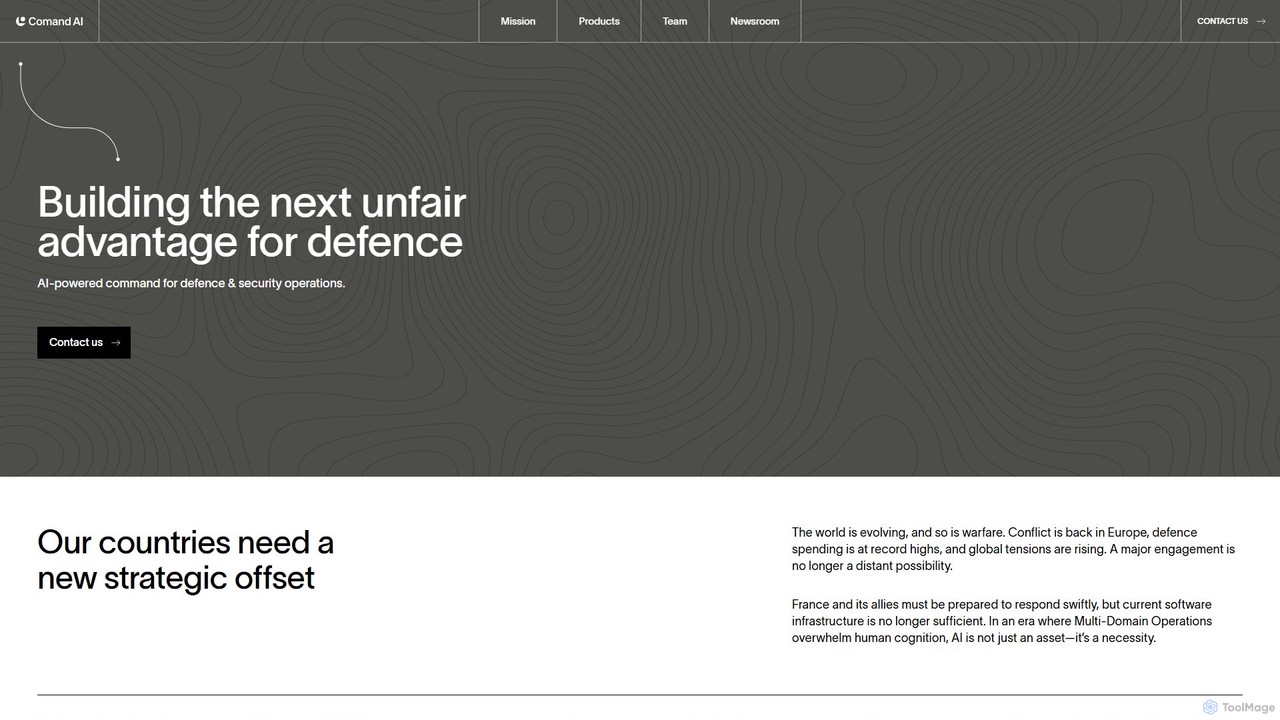
Comand AI is a cutting-edge AI-powered command and control platform designed for defense and security operations. It provides …

6.8K
Scios.ai

Scios.ai

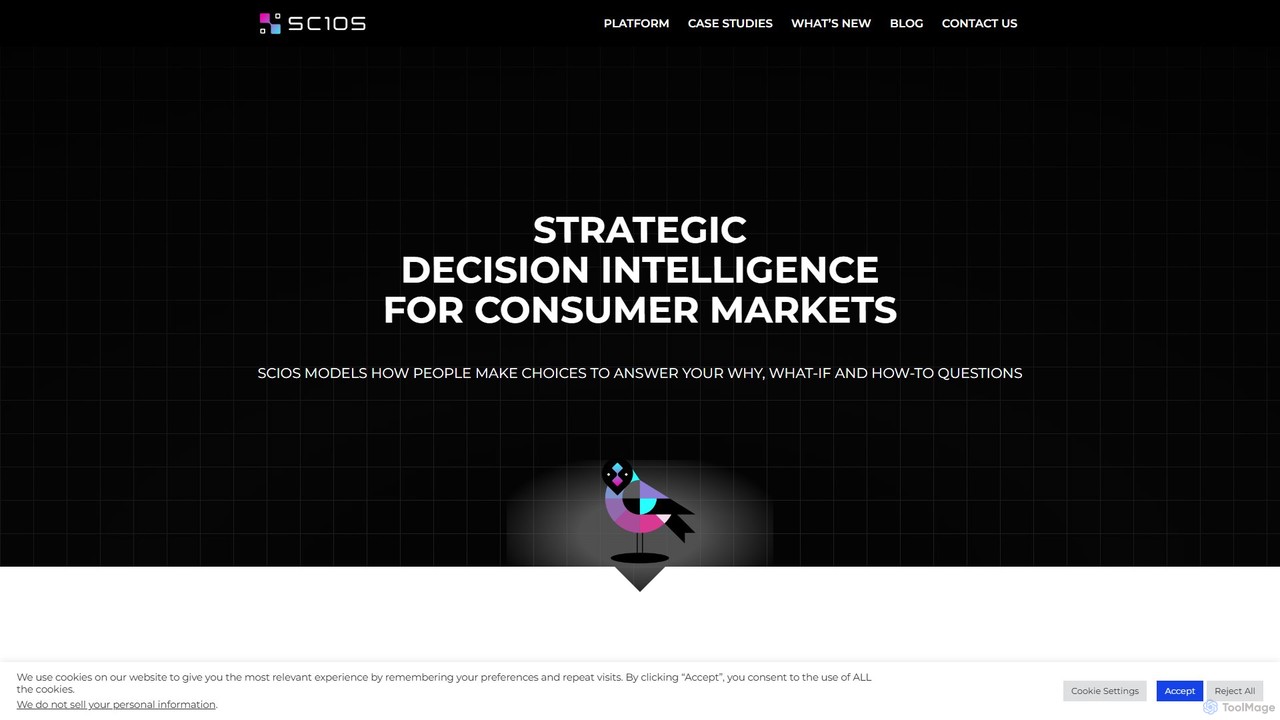
Scios.ai is a strategic decision intelligence platform for consumer markets. It uses human-centric AI, digital consumer twins, and …

2.7K
UnravelX

UnravelX

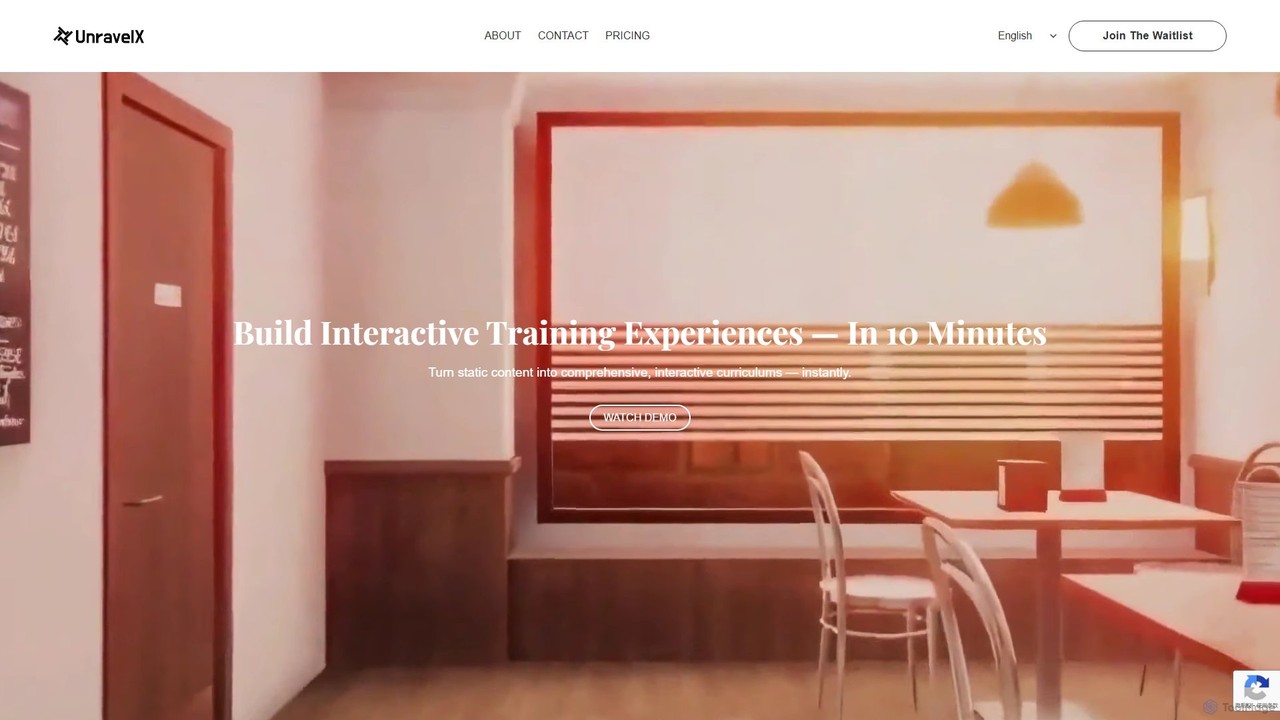
UnravelX is an AI-powered platform that transforms static training documents into dynamic, interactive 3D simulation experiences. It enables …

2.1K

About Simulation

AI Simulation tools are a sophisticated category of AI-powered applications designed to create dynamic virtual models and environments that accurately mimic real-world systems, processes, or phenomena. By leveraging advanced machine learning, deep learning, and reinforcement learning algorithms, these tools enable intelligent, adaptive, and highly predictive simulations. They are invaluable for rigorous testing of hypotheses, optimizing complex operational systems, and making robust, data-driven decisions without incurring the significant risks, costs, and time associated with physical experimentation. This capability profoundly enhances productivity, accelerates innovation, and fosters informed strategic planning across a multitude of industries.

Core Features

  • Intelligent & Adaptive Modeling: Creates highly dynamic and realistic virtual representations that continuously learn from data and adapt to changing conditions, mirroring real-world complexities with greater fidelity than traditional methods.
  • Advanced Predictive Analytics: Utilizes AI to forecast potential outcomes, behaviors, and performance metrics of systems under various hypothetical conditions, providing critical insights for proactive strategic planning and risk mitigation.
  • Comprehensive Scenario Testing: Empowers users to rigorously evaluate an extensive range of "what-if" scenarios by systematically altering input parameters and observing the simulated impact, thereby identifying optimal strategies and potential vulnerabilities.
  • Reinforcement Learning Environments: Offers safe, scalable, and controlled virtual spaces specifically designed for training and validating AI agents and autonomous systems, significantly accelerating their development, testing, and deployment cycles.
  • Automated Parameter Optimization: Employs AI algorithms to automatically fine-tune multiple variables within a simulated system, iteratively searching for configurations that yield the most efficient performance, cost savings, or desired outcomes.

Applicable Scenarios

AI Simulation tools are indispensable for engineers, researchers, and strategists across diverse sectors. They are crucial in product development for virtual prototyping and stress testing new designs, in logistics for optimizing complex supply chain networks, and in urban planning for modeling traffic patterns and infrastructure impacts. These tools provide a critical platform for understanding intricate interactions and predicting outcomes with high confidence before committing to costly real-world implementations.

How to Choose

When selecting an AI Simulation tool, prioritize its accuracy and realism in modeling your specific domain. Assess its scalability for complex data and large simulations, and its integration capabilities with existing systems. Evaluate the user interface for ease of use and customization options. Finally, consider cost-effectiveness, vendor support, and compliance with industry-specific technical or regulatory requirements.

SimulationUse Cases

1

Optimize Product Design & Virtual Prototyping

Product development teams and engineers leverage AI simulation to create virtual prototypes and rigorously test new designs under various environmental and operational conditions. This allows for early identification of design flaws, performance bottlenecks, and potential failures, significantly reducing the need for expensive physical prototypes and accelerating the iterative design process. For example, simulating a new car part's aerodynamics or a circuit board's thermal performance saves months of development time and millions in costs.

2

Enhance Logistics & Supply Chain Efficiency

Supply chain managers and logistics planners utilize AI simulation to model and optimize complex networks, including warehousing, transportation routes, and inventory management. By simulating different strategies for demand fluctuations, disruptions, or new distribution centers, businesses can predict impacts on delivery times, costs, and resource utilization. This enables proactive decision-making to minimize operational risks, improve service levels, and achieve substantial cost savings across the entire supply chain.

3

Advanced Urban Planning & Infrastructure Assessment

City planners and civil engineers employ AI simulation to model the impact of new infrastructure projects, urban development, or policy changes on city dynamics. This includes simulating traffic flow patterns, public transport efficiency, pedestrian movement, and even environmental factors like air quality. Such simulations provide critical insights for optimizing urban layouts, mitigating congestion, and designing sustainable, resilient cities, ensuring better resource allocation and improved citizen quality of life.

4

Train & Validate Autonomous Systems

Robotics engineers and AI developers use AI simulation to create safe, scalable, and diverse virtual environments for training and validating autonomous vehicles, industrial robots, and other AI agents. These simulations allow agents to learn complex behaviors, react to unforeseen scenarios, and refine decision-making algorithms without the risks or costs of real-world deployment. This accelerates the development cycle, improves system reliability, and ensures safer operation once deployed in physical environments.

5

Financial Market Analysis & Strategy Testing

Financial analysts and quantitative traders apply AI simulation to model market behaviors, test investment strategies, and predict asset price movements under various economic conditions. By simulating historical data and hypothetical market events, they can evaluate the robustness of trading algorithms, optimize portfolio allocations, and assess risk exposure. This provides a powerful tool for developing more resilient investment strategies and making informed financial decisions with a clearer understanding of potential outcomes.

6

Accelerate Scientific Research & Drug Discovery

Researchers in fields like biology, chemistry, and materials science leverage AI simulation to model complex molecular interactions, chemical reactions, and biological processes. This is particularly vital in drug discovery, where simulating how potential drug compounds interact with target proteins can significantly narrow down candidates, reducing costly and time-consuming laboratory experiments. It accelerates the understanding of fundamental scientific principles and the development of new materials or therapeutic solutions.

SimulationFrequently Asked Questions