Geekbench
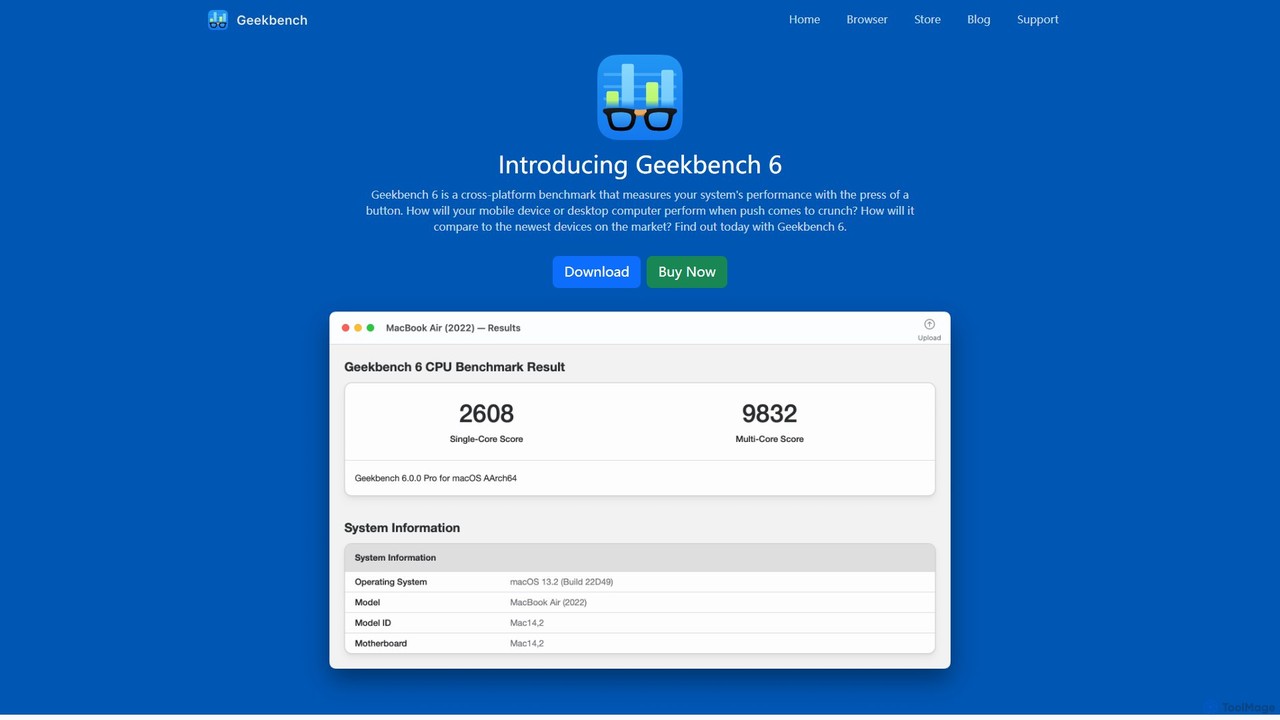
Geekbench is a leading cross-platform benchmarking tool that measures the performance of CPUs, GPUs, and AI/ML workloads. It …
Geekbench is a leading cross-platform benchmarking tool that measures the performance of CPUs, GPUs, and AI/ML workloads. It uses real-world tests to provide accurate single-core and multi-core scores, allowing users to compare performance across a wide range of devices, operating systems (Windows, macOS, Linux, iOS, Android), and processor architectures.
About System Analysis
System Analysis tools are AI-powered solutions that leverage artificial intelligence to examine, understand, and optimize complex systems. These tools automate the collection, processing, and interpretation of vast amounts of data to identify patterns, anomalies, and bottlenecks. They provide critical insights for better decision-making, resource allocation, and predictive maintenance, ultimately enhancing efficiency and reliability across various domains.
Core Features
- Automated Data Collection: Gathers data from diverse sources like logs, sensors, and databases for comprehensive analysis.
- Pattern Recognition & Anomaly Detection: Uses machine learning to identify normal operating patterns and flag deviations indicating issues.
- Root Cause Analysis: Pinpoints the underlying reasons for system failures, performance degradation, or inefficiencies.
- Predictive Modeling: Forecasts future system behavior, potential failures, or resource needs based on historical data.
- Performance Optimization Recommendations: Suggests actionable steps to improve system efficiency, speed, and resource utilization.
Use Cases
Organizations across IT, manufacturing, logistics, and finance utilize AI system analysis for proactive problem-solving and strategic planning. For instance, IT operations teams use them to monitor network health and predict outages, while manufacturing facilities apply them for predictive maintenance of machinery, minimizing downtime and optimizing production schedules.
How to Choose
When selecting a System Analysis tool, consider its data integration capabilities with your existing infrastructure, the breadth and depth of its analytical features (e.g., anomaly detection, root cause analysis), scalability to handle your data volume, and the clarity of its visualization and reporting. Evaluate the ease of implementation and the level of technical expertise required for operation.
System AnalysisUse Cases
Proactive IT Infrastructure Monitoring
IT operations teams can deploy AI system analysis tools to continuously monitor server performance, network traffic, and application logs. The AI identifies subtle anomalies and predicts potential hardware failures or network bottlenecks before they impact services, allowing for proactive maintenance and preventing costly downtime.
Optimizing Manufacturing Production Lines
In manufacturing, these tools analyze data from sensors on machinery, production rates, and quality control metrics. They detect inefficiencies, predict equipment breakdowns, and recommend adjustments to optimize production flow, reduce waste, and improve overall output quality.
Enhancing Supply Chain Efficiency
Logistics managers use AI system analysis to scrutinize supply chain data, including inventory levels, shipping routes, and delivery times. The tools identify bottlenecks, forecast demand fluctuations, and suggest optimal routing or inventory strategies to reduce costs and improve delivery reliability.
Predictive Maintenance for Industrial Equipment
For heavy industries, AI tools analyze vibration, temperature, and operational data from critical equipment. By recognizing patterns indicative of wear and tear, they predict when maintenance is needed, shifting from reactive repairs to scheduled, cost-effective interventions, extending asset lifespan.
Business Process Optimization
Business analysts can apply system analysis AI to map and evaluate complex business processes, such as customer onboarding or claims processing. The AI identifies redundant steps, delays, and areas for automation, providing data-driven recommendations to streamline operations and improve customer satisfaction.
Financial System Fraud Detection
Financial institutions leverage these tools to analyze transaction data, user behavior, and network access patterns. The AI identifies unusual activities or deviations from normal behavior that could indicate fraudulent transactions or security breaches, enabling rapid response and mitigation.