Productivity Best in category 8 results Url Shortener AI Tool

Popular AI tools in the Url Shortener field of Productivity include CVL、SonicLink、Bitly.cx、PicSee、Pxl、Lonk、Sourmize、Shrinkify, etc., helping you quickly improve efficiency.

Lonk

Lonk

Lonk is a powerful URL shortener and link management platform. It allows users to create custom short links, …

3.0K
Sourmize

Sourmize

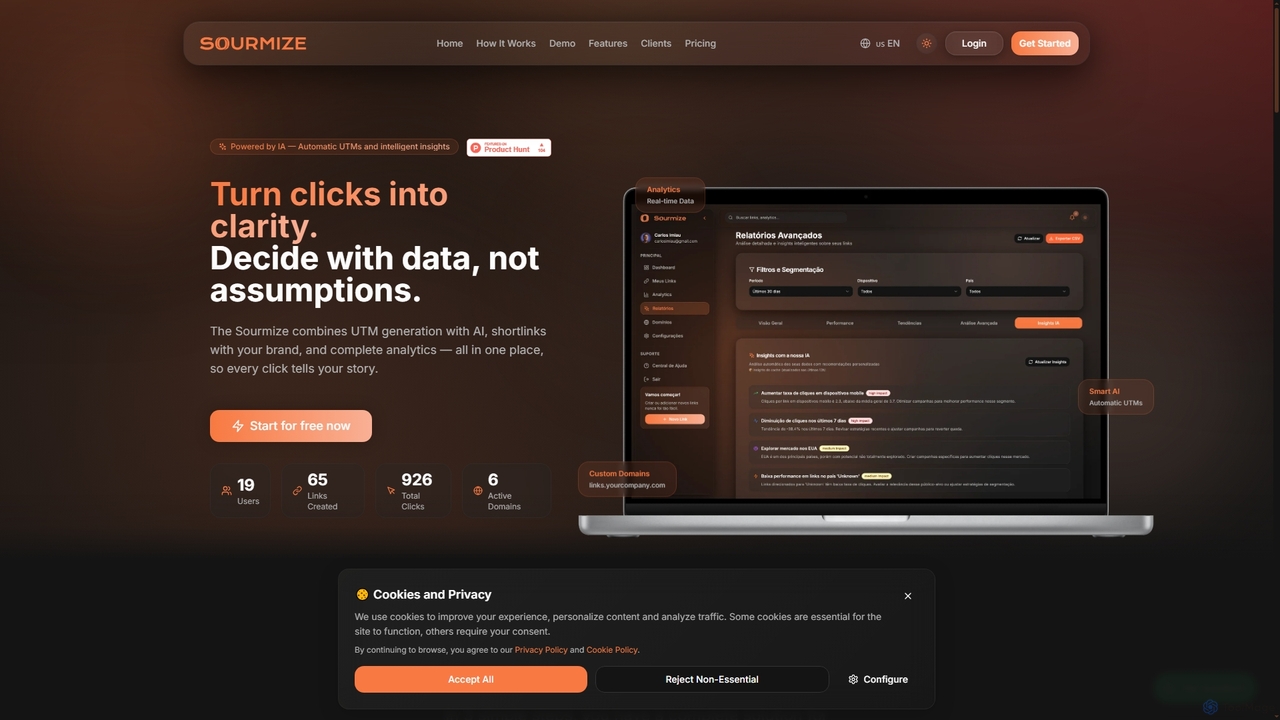
Sourmize is an AI-powered platform for intelligent link management. It automates UTM parameter creation, generates branded short links, …

3.0K
Shrinkify

Shrinkify

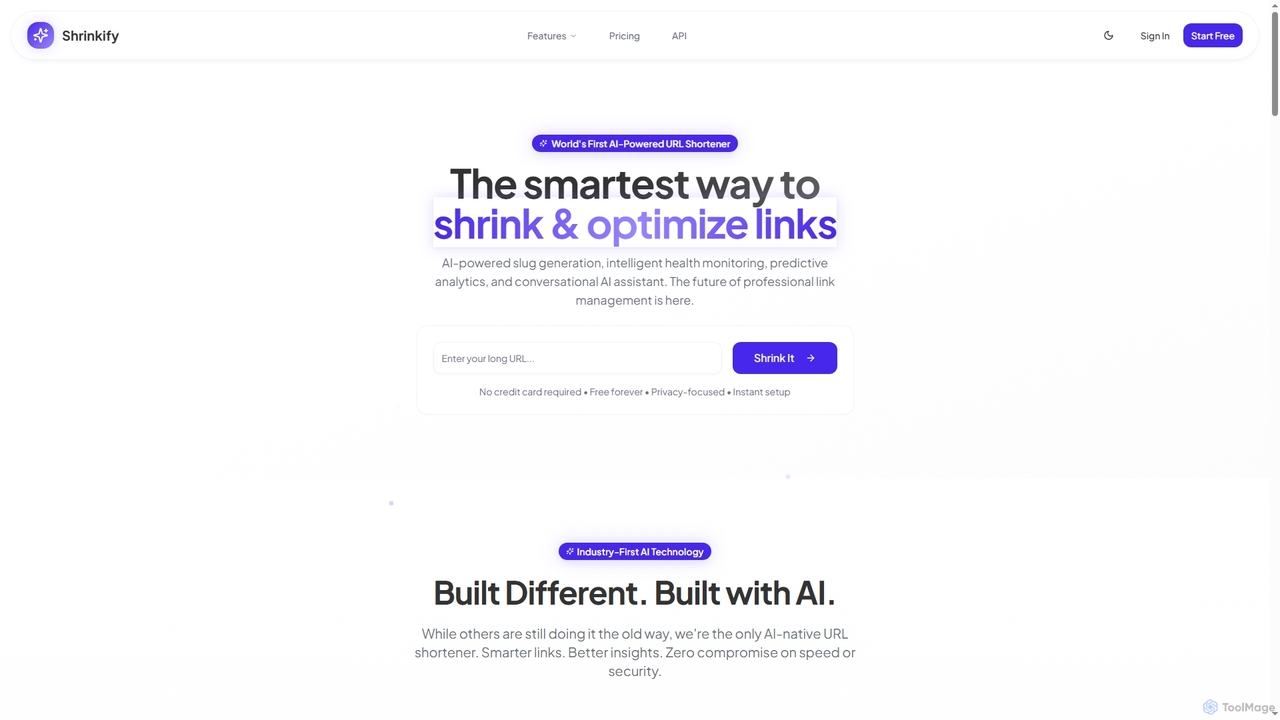
Shrinkify is the world's first AI-powered URL shortener designed for intelligent link management. It offers unique features like …

2.9K
PicSee

PicSee

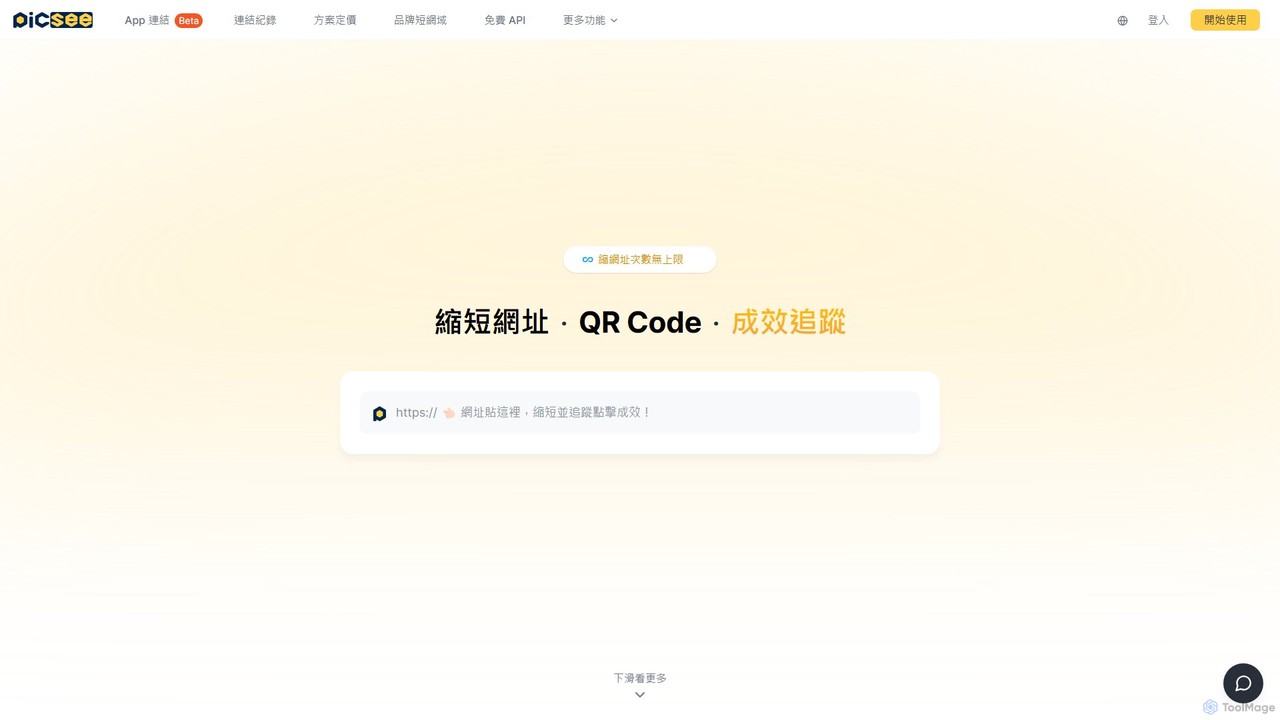
PicSee is a powerful link management platform designed for marketers and creators. It shortens URLs, creates branded links, …

209.4K
CVL

CVL

CVL is a powerful link management platform for creating, sharing, and tracking custom branded short links. Boost your …

6.1M
SonicLink

SonicLink

SonicLink is an AI-powered smart link management platform designed for marketers, creators, and businesses. It transforms long URLs …

3.2M
Pxl

Pxl

Pxl is a privacy-first marketing platform for creating dynamic QR codes, AI-powered microsites, and branded short links. It …

54.8K
Free
Bitly.cx

Bitly.cx

Bitly.cx is a free, powerful, and intelligent URL shortening service. It allows users to transform long, cumbersome URLs …

315.6K

About Url Shortener

URL Shorteners are tools that convert long, cumbersome web addresses into short, manageable, and shareable links. These tools work by creating a unique, short alias that permanently redirects to the original destination URL. Their primary value lies in enhancing marketing campaigns, improving social media post aesthetics, and providing detailed click analytics. As a key component of a productivity toolkit, they streamline the process of sharing and tracking digital information, making communication more efficient and measurable.

Core Features

  • Custom Branded Links: Replace generic short domains with your own brand name to increase trust and click-through rates.
  • Link Analytics: Track the number of clicks, geographic location of users, referral sources, and device types.
  • Link Management: Organize links into campaigns, add tags for easy filtering, and set expiration dates or password protection.
  • QR Code Generation: Instantly create scannable QR codes for your shortened links, bridging offline and online marketing.
  • UTM Parameter Builder: Add campaign tracking parameters directly within the tool to measure performance in analytics platforms like Google Analytics.

Use Cases

URL Shorteners are widely used by digital marketers, social media managers, content creators, and businesses of all sizes. They are essential for tracking engagement on social media posts, measuring the effectiveness of email marketing campaigns, and making links on printed materials (like posters or business cards) user-friendly. They also help in A/B testing by creating different links for the same destination to see which source or creative performs better.

How to Choose

When selecting a URL Shortener, consider the following: Does it support custom domains for branding? What level of detail do its analytics provide? Does it offer an API for integration with other marketing tools? Evaluate the pricing plans based on the number of links you need to create and the volume of clicks you anticipate. Also, consider team features like shared workspaces and user roles if you are working with a group.

Url ShortenerUse Cases

1

Enhance Social Media Campaign Tracking

A social media manager for an e-commerce brand needs to promote a new product line across Twitter, Instagram, and Facebook. Instead of using the long, raw product URLs, they use a URL shortener to create a unique, branded short link for each platform (e.g., `brand.co/tw-promo`, `brand.co/ig-promo`). This not only keeps the posts clean and professional but also allows them to precisely track which social network drives the most clicks and conversions. By analyzing the click data, they can allocate their advertising budget more effectively for future campaigns.

2

Optimize Offline Marketing with QR Codes

A local restaurant wants to measure the effectiveness of its new flyer campaign. They use a URL shortener to create a link to their online menu and special offers page. The tool then generates a QR code from this short link, which is printed on all flyers. When customers scan the code, they are taken to the menu. The restaurant owner can log into the URL shortener's dashboard to see exactly how many people scanned the code each day, providing direct, measurable feedback on the flyer's reach and impact.

3

Manage and Cloak Affiliate Links

An affiliate marketer promotes products from various merchants on their blog. The original affiliate links are often long, filled with tracking parameters, and look untrustworthy. They use a URL shortener with a custom domain to transform these links into clean, professional-looking URLs (e.g., `go.myblog.com/product-a`). This process, known as link cloaking, not only improves aesthetics and user trust but also allows the marketer to manage all their affiliate links from one central dashboard. If a merchant changes their URL structure, the marketer only needs to update the destination link in the shortener, not on every blog post where it appears.

4

Analyze Email Newsletter Engagement

A digital marketing team sends out a weekly newsletter with multiple links: one to a new blog post, another to a product page, and a third in the footer to their social media profile. To understand what content resonates most with their audience, they use a URL shortener to create distinct links for each call-to-action. After sending the email, they can review the analytics to see which link received the most clicks. This data-driven insight helps them tailor future newsletter content to better match subscriber interests, improving overall engagement and click-through rates.

5

Simplify Internal Resource Sharing

An HR department needs to share a link to the company's new benefits enrollment portal. The actual URL is long and complex, hosted on a third-party platform (e.g., `provider.com/portal/123-xyz/login?cid=456`). To make it easy for employees to remember and access, the HR manager uses a company-branded URL shortener to create a simple, intuitive link like `ourcompany.link/benefits`. This link can be easily shared in emails, presentations, and internal chat channels, reducing confusion and support requests while maintaining a professional appearance.

6

A/B Test Landing Page Variations

A conversion rate optimization (CRO) specialist wants to test two versions of a landing page to see which one converts better. Page A has a video, and Page B has a static image. They create two separate short links using a URL shortener, both pointing to their respective landing page versions but appearing identical or similar to the user. They then split their ad traffic, sending 50% to the first link and 50% to the second. The URL shortener's analytics dashboard shows the click-through rate for each link, providing an initial layer of data to complement the conversion data from their web analytics platform, helping them declare a winning variation.

Url ShortenerFrequently Asked Questions