Productivity Best in category 2 results Workspace Management AI Tool

Popular AI tools in the Workspace Management field of Productivity include Eunoia、Starbase, etc., helping you quickly improve efficiency.

Eunoia

Eunoia

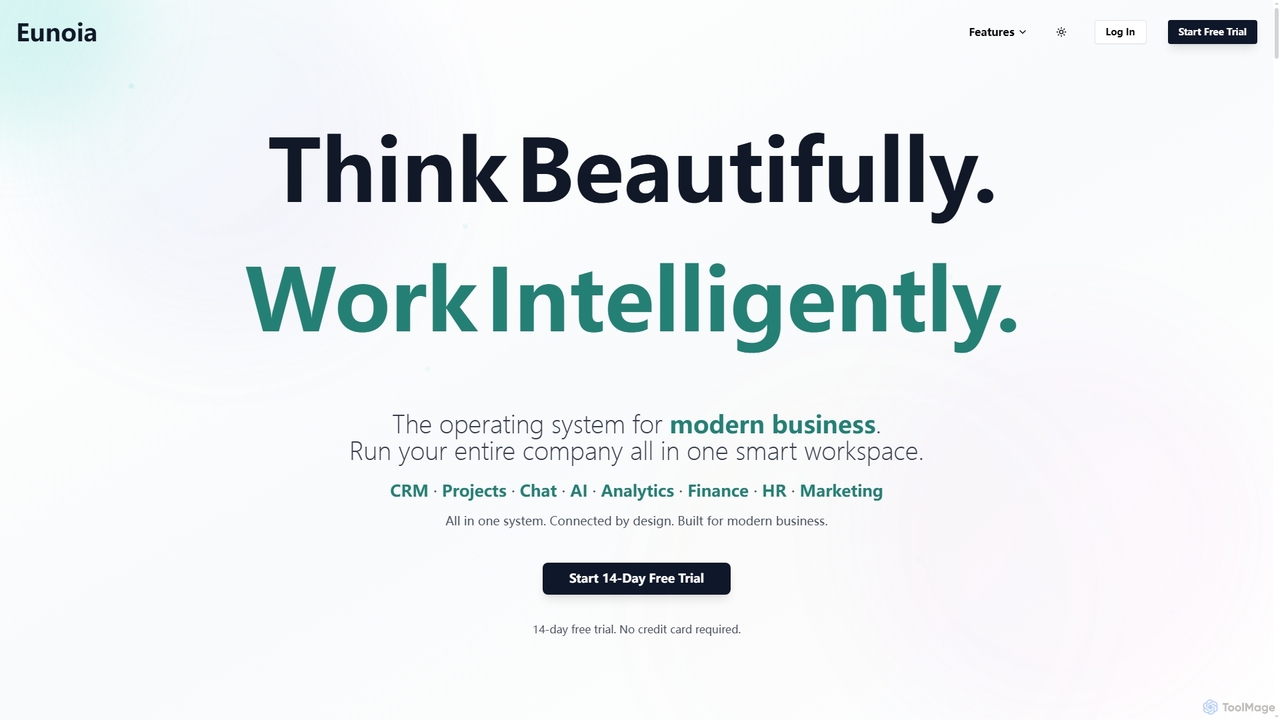
Eunoia is an all-in-one AI-powered business workspace designed to streamline operations by integrating CRM, project management, chat, AI, …

1.9K
Starbase

Starbase

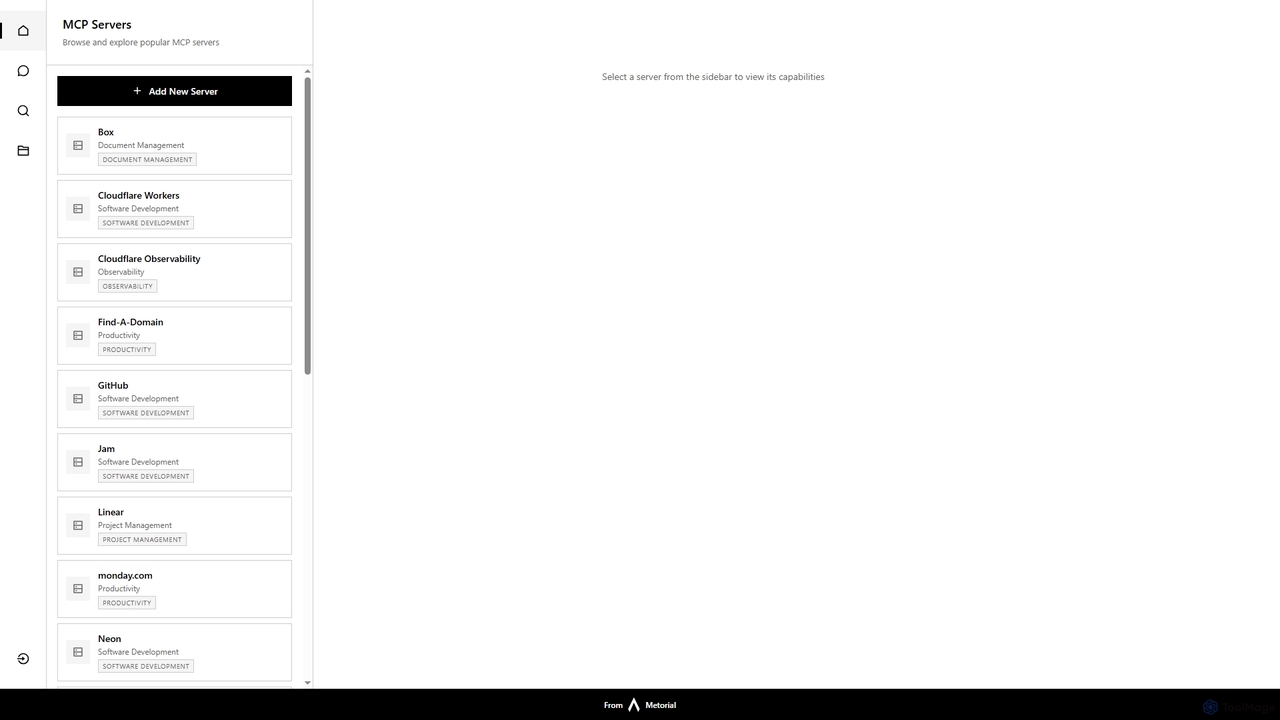
Starbase by Metorial is a comprehensive platform designed to centralize the browsing, exploration, and management of various popular …

1.8K

About Workspace Management

Workspace Management tools are AI-powered solutions designed to optimize and streamline an individual's or team's work environment. These tools leverage artificial intelligence to automate routine tasks, intelligently organize resources, and enhance collaboration within digital and physical workspaces. They aim to reduce operational friction, improve efficiency, and foster a more productive and organized work setting. By integrating smart automation and data-driven insights, they transform how work is structured and executed.

Core Features

  • Intelligent Task Prioritization: AI analyzes deadlines, dependencies, and user habits to suggest optimal task sequences.
  • Automated Resource Allocation: Dynamically assigns meeting rooms, equipment, or personnel based on availability and project needs.
  • Smart Scheduling & Calendar Management: Optimizes meeting times, sends reminders, and resolves conflicts using AI algorithms.
  • Communication Streamlining: Consolidates messages, summarizes discussions, and suggests relevant responses across platforms.
  • Performance Analytics & Insights: Provides data-driven reports on team productivity, resource utilization, and workflow bottlenecks.

Use Cases

Professionals in project management, human resources, and operations benefit significantly from Workspace Management tools. For instance, a project manager can use these tools to automatically assign tasks to team members based on their skills and current workload, ensuring balanced distribution and timely completion. HR departments can optimize office space utilization by intelligently scheduling hot desks and meeting rooms, reducing overheads and improving employee experience. Operations teams can streamline daily stand-ups by having AI summarize previous discussions and highlight urgent action items, making meetings more focused and efficient.

How to Choose

When selecting Workspace Management tools, consider the specific needs of your team or organization. Evaluate the tool's integration capabilities with existing software (e.g., calendars, communication platforms, project management systems) to ensure seamless workflow. Assess its automation scope, looking for features that address your most time-consuming routine tasks. Consider the scalability of the solution to accommodate future growth and changing team structures. Finally, examine the user interface and experience to ensure it is intuitive and encourages adoption across your workforce.

Workspace ManagementUse Cases

1

Optimizing Meeting Scheduling for Distributed Teams

For global teams spread across multiple time zones, finding a suitable meeting slot can be a significant challenge. Workspace Management tools leverage AI to analyze team members' calendars, preferred working hours, and time zone differences to automatically suggest the most efficient meeting times. This reduces the back-and-forth emails, minimizes scheduling conflicts, and ensures maximum attendance and engagement, saving administrative time and improving collaboration effectiveness.

2

Automating Office Space Allocation in Hybrid Work

Companies adopting hybrid work models often struggle with managing fluctuating office attendance and hot-desking. AI-powered Workspace Management platforms allow employees to book desks, meeting rooms, and other resources effortlessly. The system can predict peak usage times, suggest optimal seating arrangements based on team proximity, and even automate cleaning schedules, ensuring efficient space utilization, reducing administrative burden, and providing a seamless experience for employees.

3

Intelligent Task Prioritization for Individual Productivity

Individual professionals frequently face an overwhelming number of tasks and struggle with prioritizing them effectively. Workspace Management tools use AI to analyze task deadlines, estimated effort, dependencies, and personal work patterns. They then provide intelligent recommendations on which tasks to tackle first, helping users focus on high-impact activities, avoid procrastination, and maintain a clear overview of their workload, significantly boosting personal productivity.

4

Streamlining Project Resource Management

Project managers often spend considerable time allocating resources like personnel, equipment, and budget across various projects. AI-driven Workspace Management solutions can analyze project requirements, team members' skills, availability, and current workload to suggest optimal resource assignments. This ensures that projects are adequately staffed, prevents resource overallocation or underutilization, and helps in forecasting future resource needs, leading to smoother project execution and cost efficiency.

5

Consolidating and Summarizing Team Communications

In modern workplaces, communication often happens across multiple channels (email, chat, project management tools). Workspace Management AI can integrate these channels, summarize key discussions, extract action items, and identify critical information. This helps team members quickly catch up on conversations, reduces information overload, and ensures that important decisions and tasks are not missed, fostering better communication flow and decision-making.

6

Proactive Identification of Workflow Bottlenecks

Operations managers and team leads need to identify inefficiencies in their workflows to improve overall productivity. Workspace Management tools with AI analytics can monitor task completion rates, resource utilization, and inter-task dependencies. By analyzing this data, the AI can proactively flag potential bottlenecks, suggest process improvements, or reallocate resources before delays occur, enabling continuous optimization of operational processes.

Workspace ManagementFrequently Asked Questions