ToolMage
Sign in

Best 11 Document Analysis AI tools for Research

Popular Document Analysis AI tools in Research include flowith, Zemith, Iweaver, iFlow, Cosmicup, aethera, Pansophy, NowSummarize, Open Muse Chat, and EpsteinGPT, helping you work more efficiently.

Proffor

Proffor

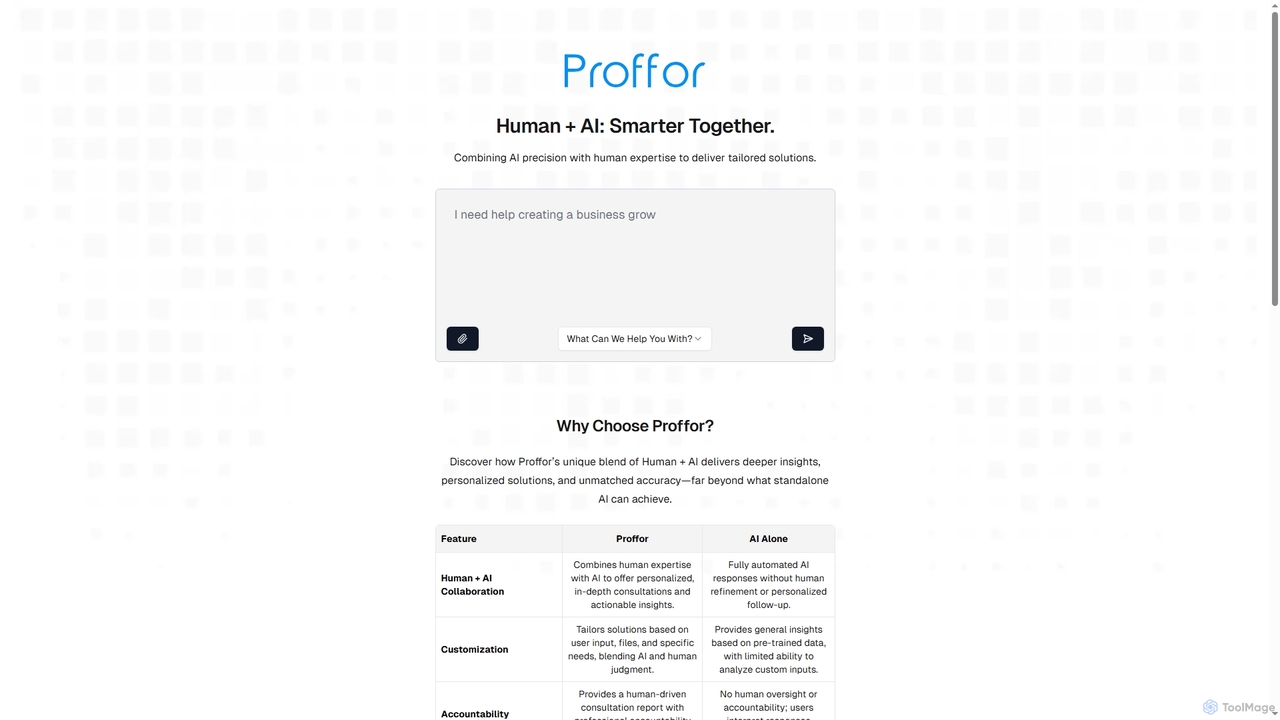
Proffor is a Human + AI consulting platform that blends artificial intelligence's efficiency with human expertise to deliver personalized, actionable solutions. It offers tailored insights for business, technology, marketing, and personal development, ensuring depth, accuracy, and accountability beyond standalone AI tools.

Business Strategy
Visits 4.8KFavorites 73Likes 77
EpsteinGPT

EpsteinGPT

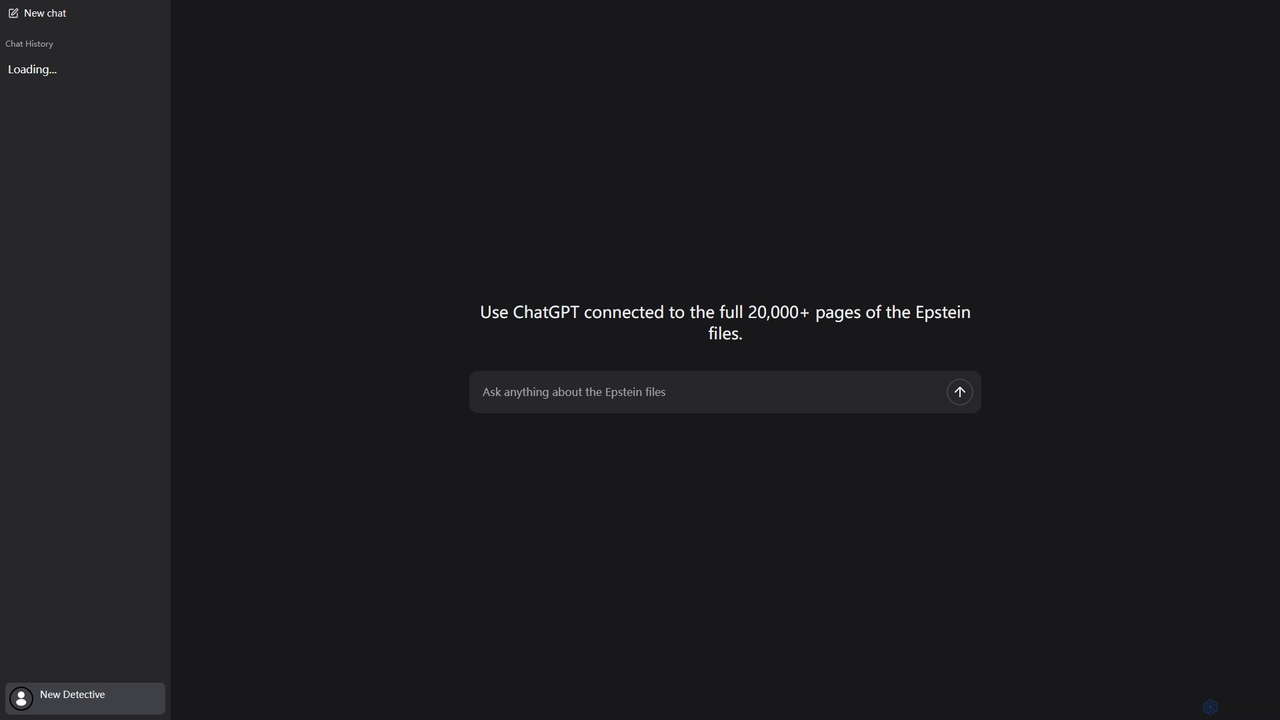
EpsteinGPT is an AI-powered research tool that leverages ChatGPT to provide conversational access and analysis of over 20,000 pages of the publicly available Epstein files. It acts as a specialized detective, enabling users to explore complex information and uncover insights from this extensive document collection.

Legal Documents
Visits 4.9KFavorites 87Likes 85
Open Muse Chat
Freemium

Open Muse Chat

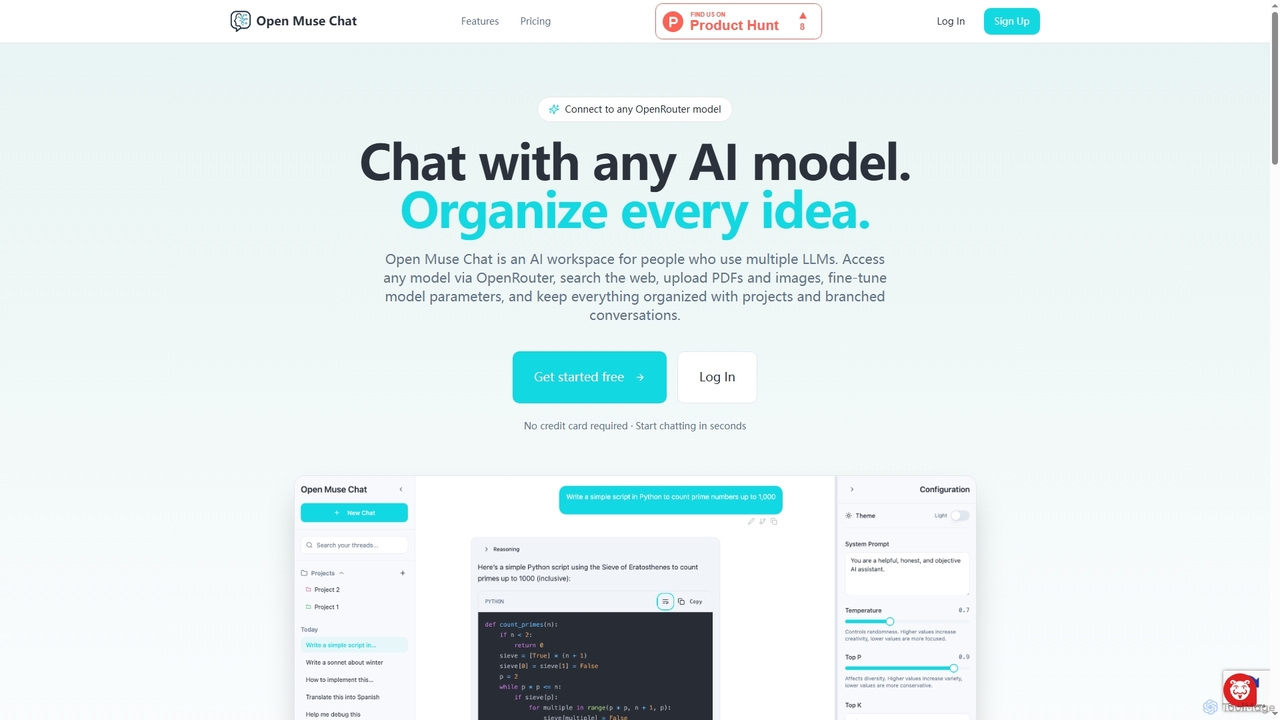
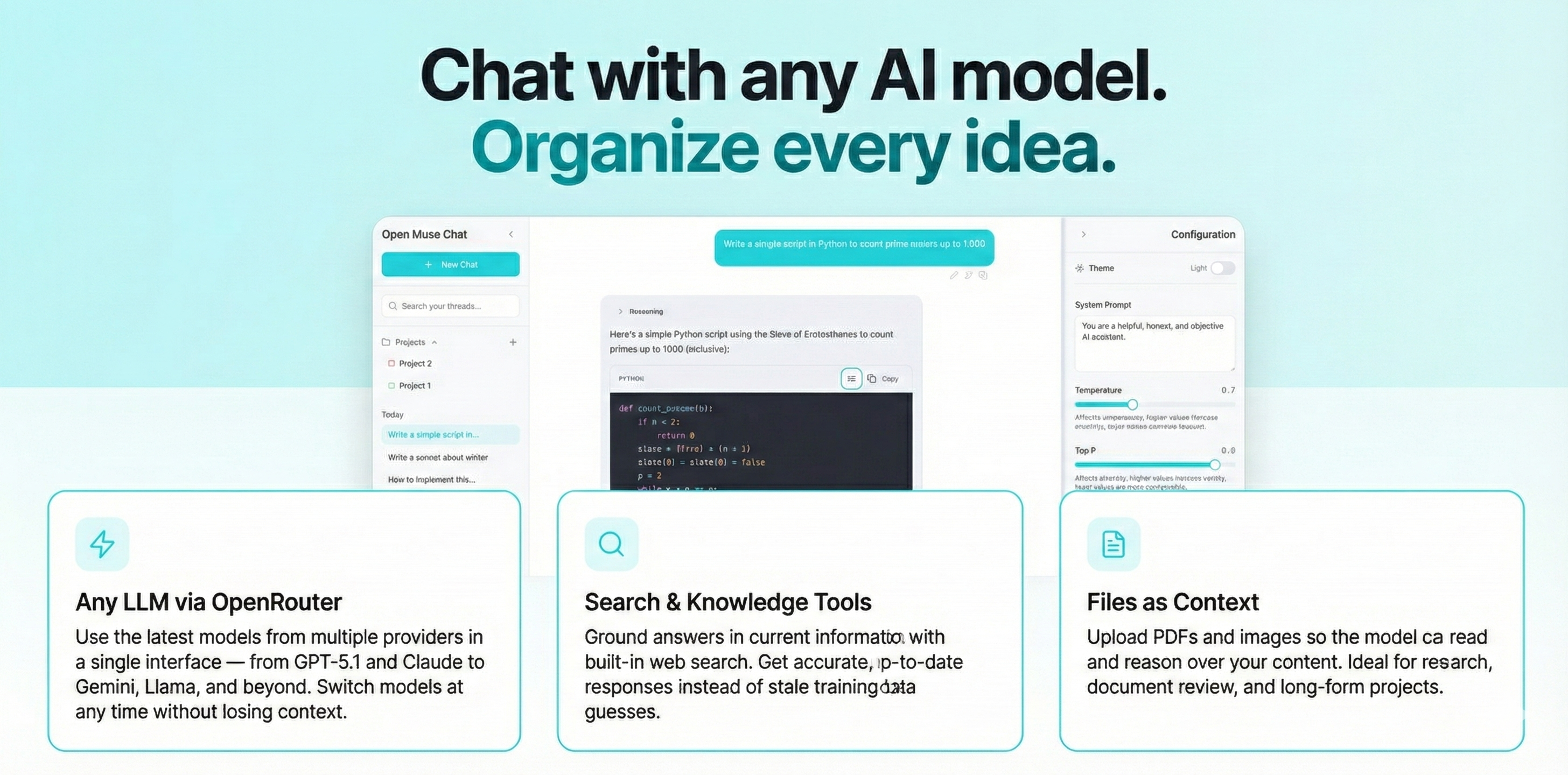
Open Muse Chat is an advanced multi-model AI chat interface designed for users who leverage various large language models. It connects to any OpenRouter model, offers web search, file uploads (PDFs, images) for context, and provides fine-grained control over model parameters, all within an organized workspace featuring projects and branched conversations.

Multi Model
Visits 4.9KFavorites 129Likes 127
Cosmicup
Freemium

Cosmicup

Cosmicup is an all-in-one AI platform offering unlimited access to a wide array of advanced AI models like ChatGPT 5, Claude 4.5, Gemini 2.5, and Grok 4 through a single subscription. It streamlines workflows with features including multi-model interaction, code assistance, document analysis, real-time web search, deep research, and AI image generation, eliminating the need for multiple subscriptions.

Multimodal Ai
Visits 19.1KFavorites 106Likes 112
NowSummarize
Freemium

NowSummarize

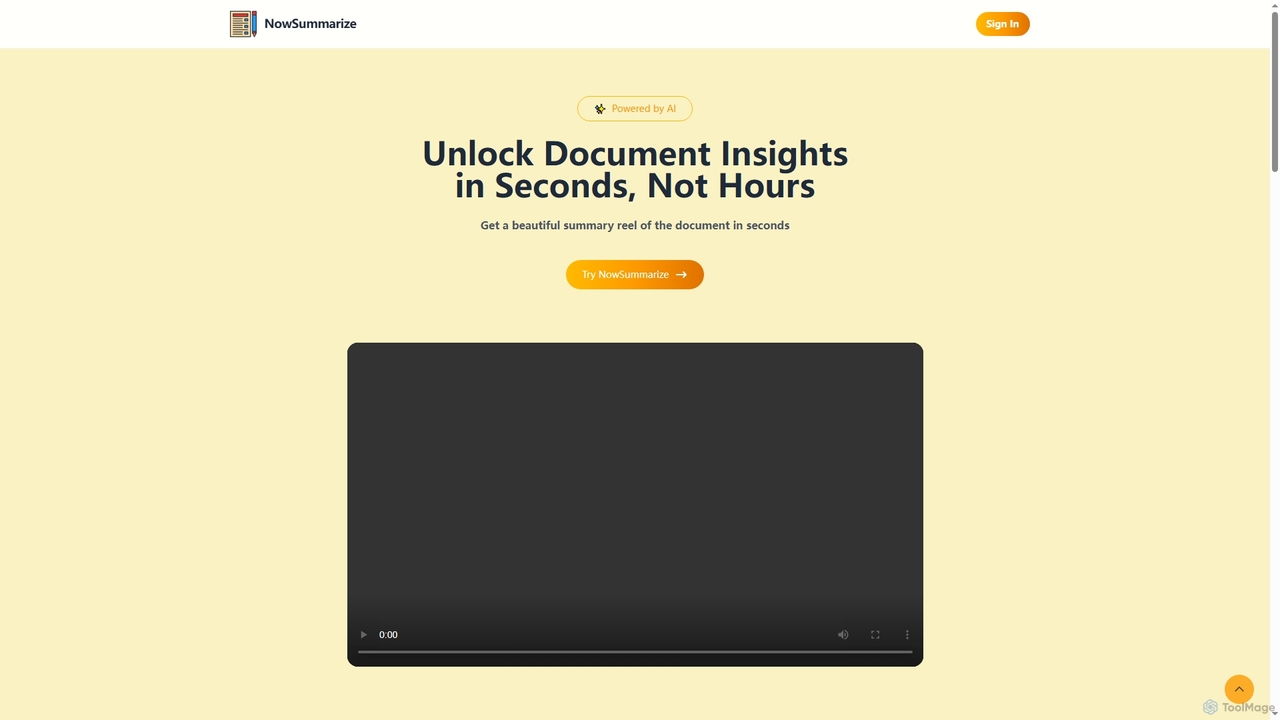
NowSummarize is an AI-powered tool that transforms lengthy documents into concise, actionable summaries in seconds. It helps professionals, researchers, and students save significant reading time and quickly extract key insights from various document types.

Study Tools
Visits 4.9KFavorites 153Likes 145
Iweaver
Freemium

Iweaver

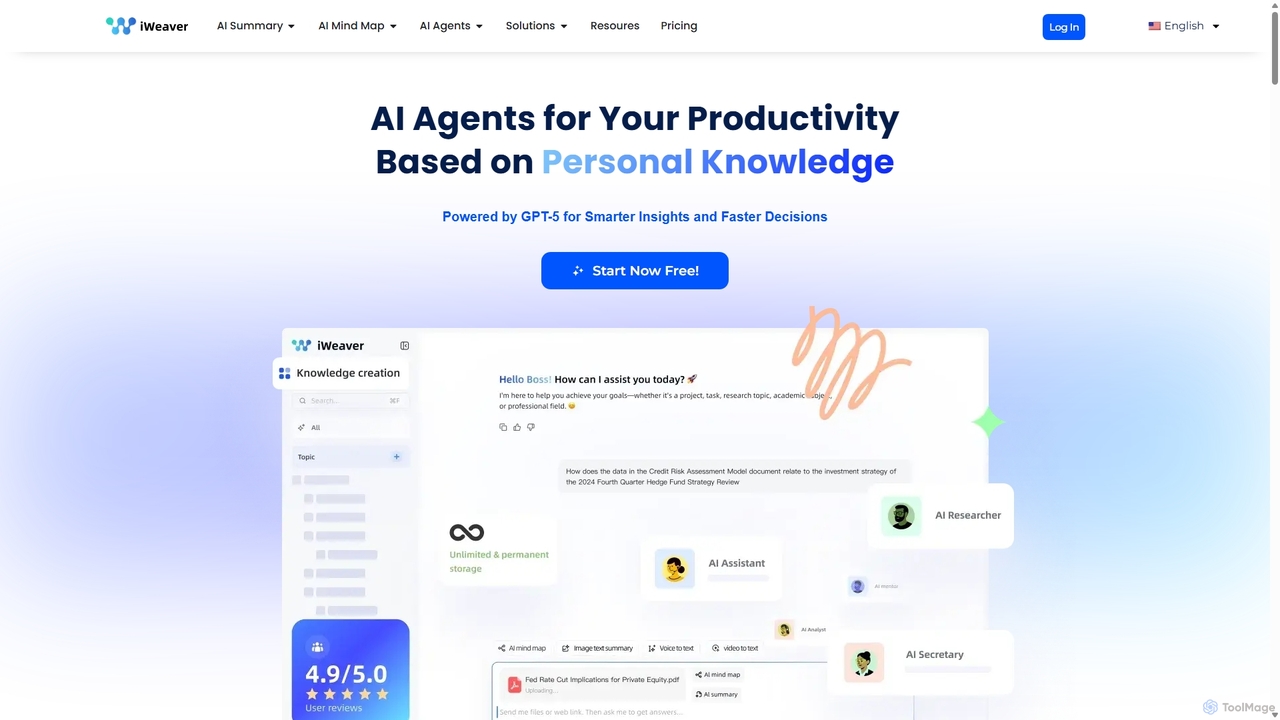
Iweaver is an AI-powered personal knowledge management platform that transforms your documents, images, and videos into an intelligent knowledge base. Utilize over 200 specialized AI agents to automate tasks, generate summaries, create mind maps, and get precise answers from your data. It learns your work habits to provide personalized, context-aware assistance, streamlining workflows for professionals in finance, research, law, and content creation.

Study Tools
Visits 257.4KFavorites 118Likes 127
iFlow
Freemium

iFlow

iFlow is an intelligent AI assistant designed for knowledge Q&A and smart reading. It helps you solve problems, assists with creative tasks, and enhances learning and work efficiency by interacting with your documents, images, and web links.

Study
Visits 200.3KFavorites 137Likes 144
Zemith
Freemium

Zemith

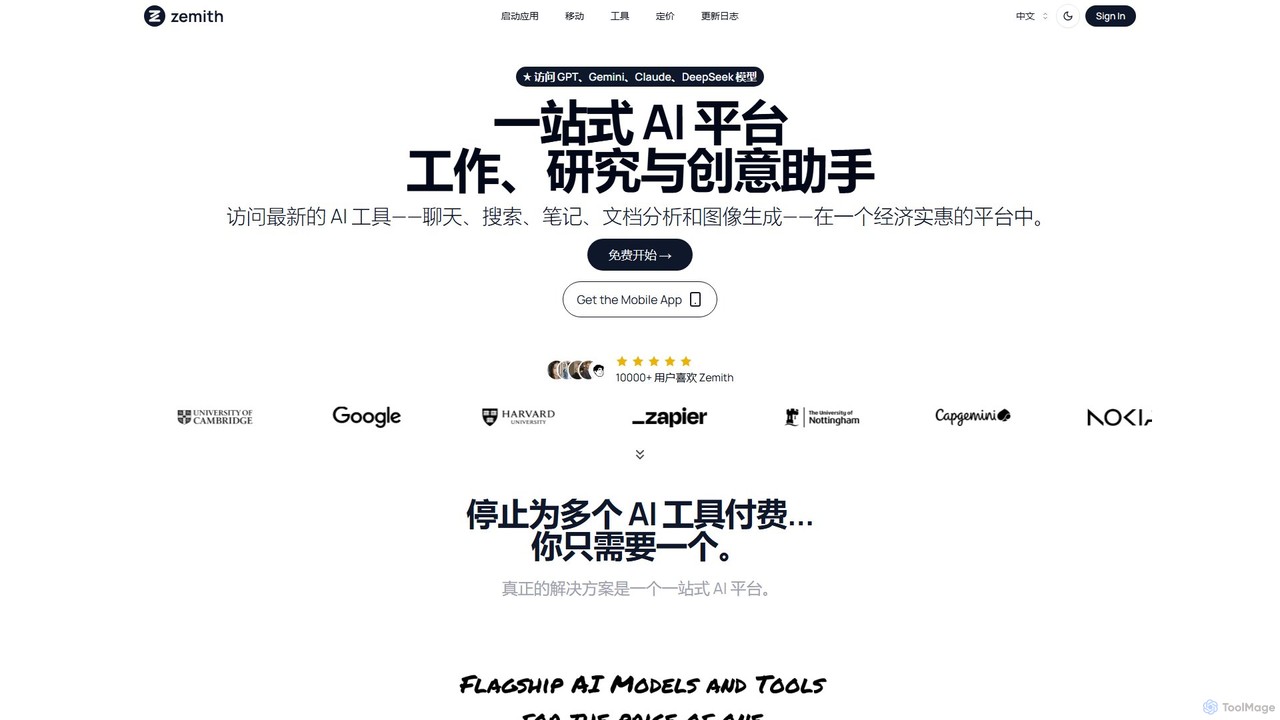
Zemith is an all-in-one AI platform that integrates leading AI models like GPT, Gemini, and Claude. It offers a suite of tools for chat, search, document analysis, image generation, and coding, designed to boost productivity and creativity while reducing costs and eliminating the need for multiple subscriptions.

Code Assistant
Visits 302.9KFavorites 127Likes 114
aethera
Freemium

aethera

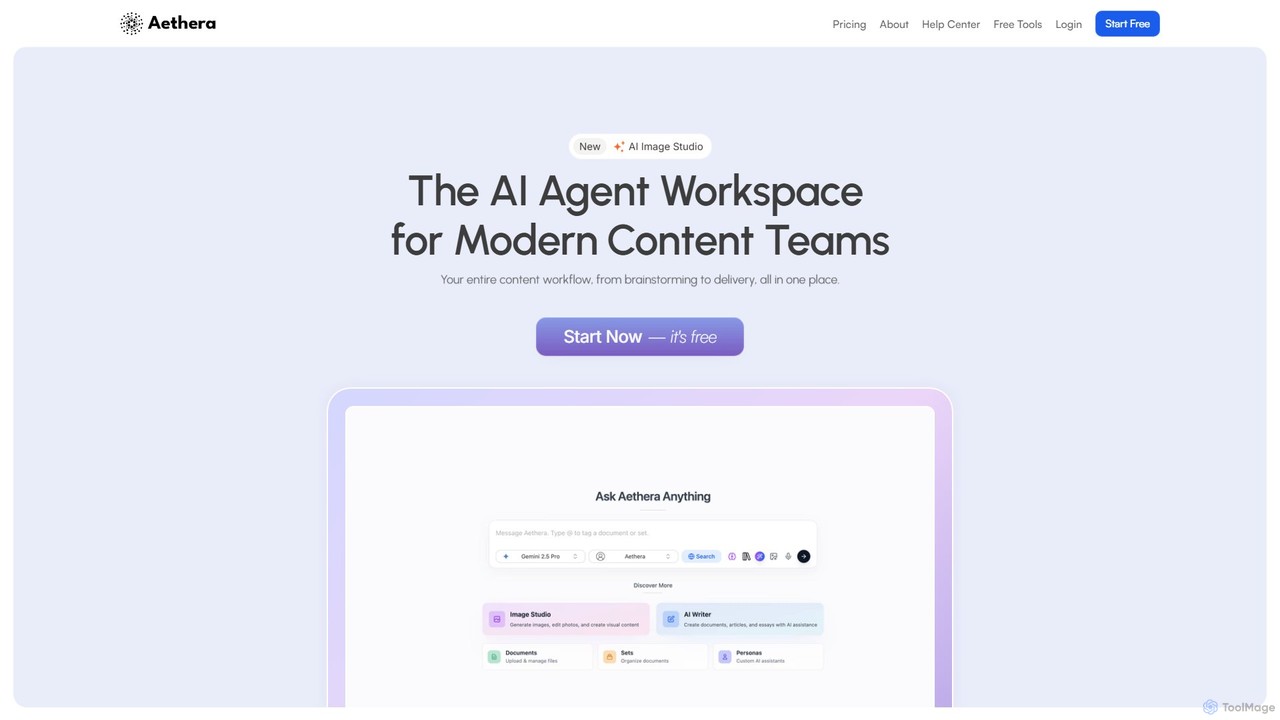
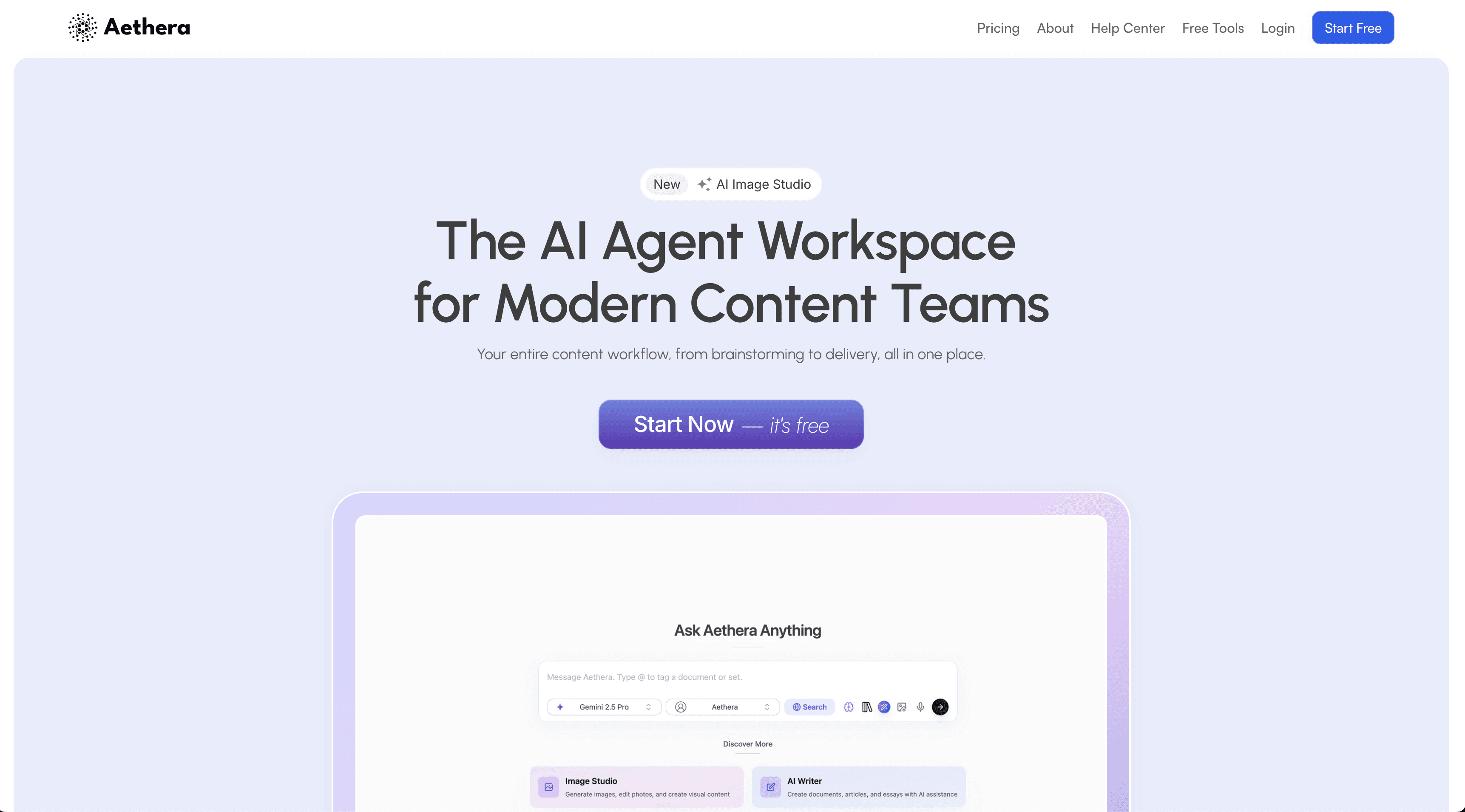
Aethera is an all-in-one AI agent workspace designed for modern content teams. It integrates AI-powered writing, image generation, document analysis, and research into a single, unified platform, eliminating the need to juggle multiple tools. It provides access to over 30 language models and 15 image models to streamline the entire content workflow from brainstorming to delivery.

Image Generation
Visits 11KFavorites 132Likes 142
flowith
Freemium

flowith

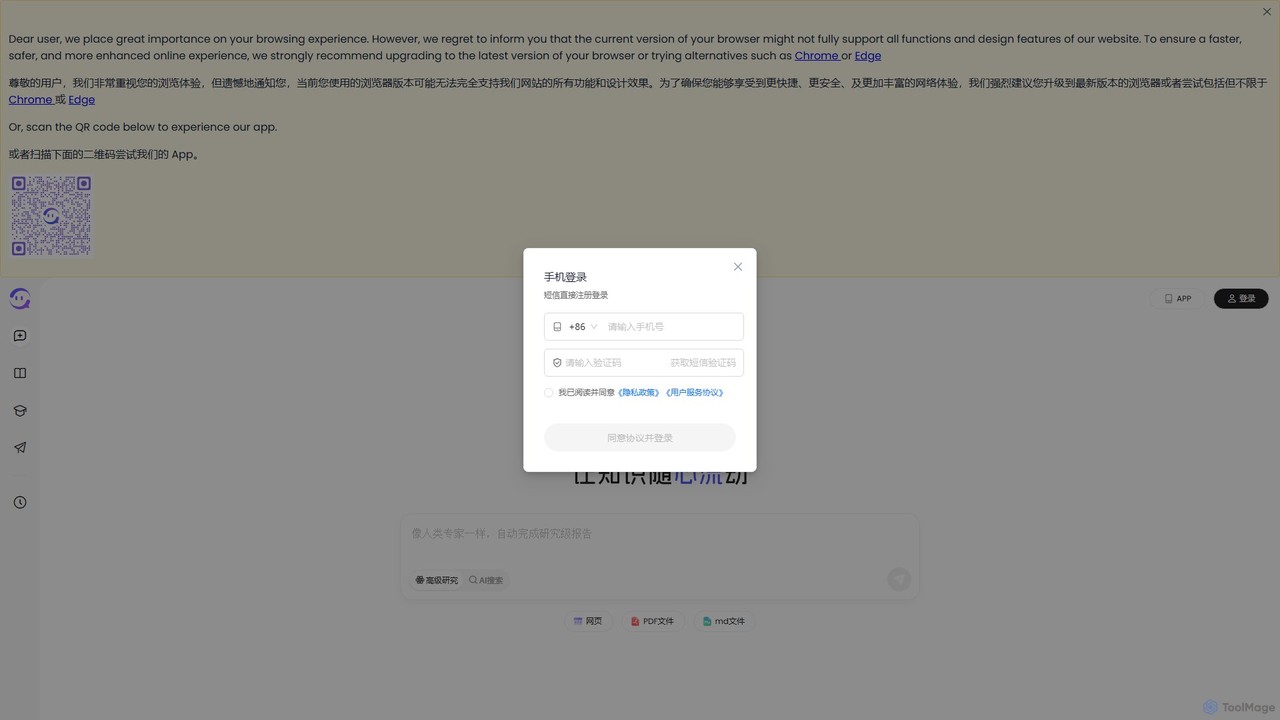
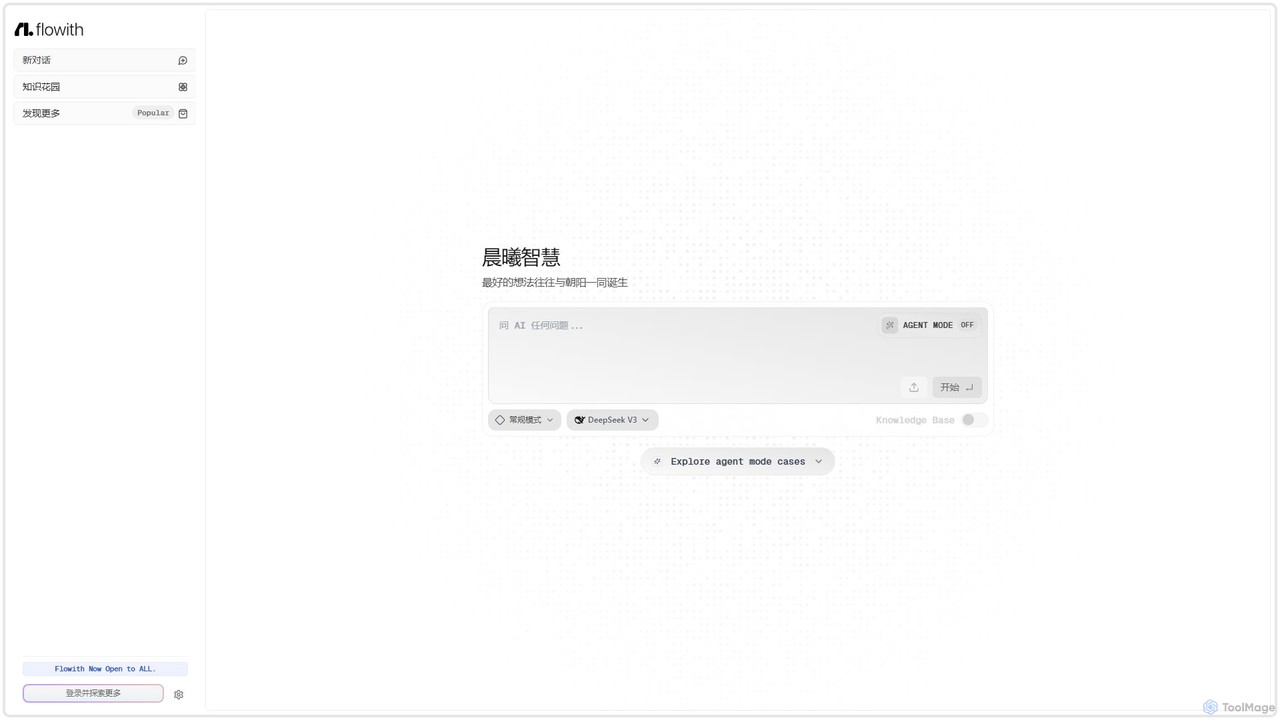
flowith is an AI creation workspace that integrates your personal knowledge base to build powerful, customized AI agents. It combines a conversational AI with an 'Agent Mode' to automate complex tasks, analyze documents, and provide context-aware insights based on your data.

No Code & Low Code
Visits 681.9KFavorites 107Likes 127

About Document Analysis

Document Analysis tools are AI-powered solutions designed to automatically extract, interpret, and summarize information from various types of unstructured text documents. Leveraging advanced Natural Language Processing (NLP), machine learning, and sometimes computer vision, these tools transform raw textual data into structured, actionable insights. They are invaluable for researchers, businesses, and legal professionals seeking to efficiently process large volumes of text, uncover hidden patterns, and make data-driven decisions.

Core Features

  • Information Extraction: Automatically identifies and extracts key entities, facts, and relationships from text, such as names, dates, locations, and specific data points.
  • Content Summarization: Generates concise summaries of lengthy documents, articles, or reports, preserving the main ideas and critical information.
  • Sentiment Analysis: Determines the emotional tone and subjective opinions expressed within text, categorizing them as positive, negative, or neutral.
  • Topic Modeling: Discovers abstract "topics" that occur in a collection of documents, helping to organize and understand large text corpora.
  • Document Classification: Categorizes documents into predefined classes or labels based on their content, streamlining organization and retrieval.

Applicable Scenarios

These tools are essential for professionals dealing with vast amounts of textual data. Researchers use them to analyze academic papers and literature reviews, legal teams apply them for e-discovery and contract analysis, and businesses leverage them for market research, customer feedback analysis, and compliance auditing. They significantly reduce manual effort and accelerate the process of gaining insights from text.

How to Choose

When selecting a Document Analysis tool, consider its accuracy in information extraction, the breadth of supported document formats (PDF, Word, scanned images), and its integration capabilities with existing workflows. Evaluate the scalability for handling large datasets, the customization options for specific industry needs, and the clarity of its user interface. Data security and compliance with regulations are also critical factors.

Featured tool rankings

Document Analysis use cases

1

Automating Legal Contract Review

Legal professionals can use document analysis tools to quickly scan thousands of contracts, identifying specific clauses, obligations, and potential risks. This significantly reduces the time spent on manual review, ensuring compliance and highlighting discrepancies across multiple agreements, thereby accelerating due diligence processes.

2

Analyzing Customer Feedback at Scale

Marketing and product teams can feed customer reviews, social media comments, and survey responses into these tools. The AI extracts key themes, sentiment, and common pain points, providing a comprehensive overview of customer satisfaction and areas for product improvement without manually reading every piece of feedback.

3

Expediting Academic Literature Reviews

Researchers can upload hundreds of academic papers to identify relevant studies, extract methodologies, key findings, and author information. This accelerates the literature review process, helps in synthesizing information across diverse sources, and identifies gaps in existing research, enabling more focused study design.

4

Streamlining Compliance and Regulatory Audits

Compliance officers utilize document analysis to monitor internal policies, regulatory documents, and communication logs. The tools automatically flag non-compliant language, missing information, or potential violations, ensuring adherence to industry standards and reducing the risk of penalties.

5

Extracting Data from Invoices and Receipts

Finance departments can automate the extraction of critical data like vendor names, invoice numbers, dates, and line items from scanned invoices and receipts. This eliminates manual data entry, reduces errors, and speeds up expense processing and reconciliation, improving overall financial management efficiency.

6

Market Research and Competitor Intelligence

Business strategists use document analysis to process industry reports, news articles, and competitor publications. The tools identify market trends, competitor strategies, product launches, and public perception, offering valuable insights for strategic planning and competitive positioning.

Document Analysis FAQ

What are Document Analysis tools?

Document Analysis tools are AI-powered software that process and understand unstructured text data from documents. They use Natural Language Processing (NLP) and machine learning to extract key information, summarize content, analyze sentiment, and classify documents, transforming raw text into structured insights for various applications.

How do Document Analysis tools differ from general Research AI tools?

While both fall under the broader "Research" category, Document Analysis tools specifically focus on the in-depth processing and interpretation of textual documents. General Research AI tools might encompass a wider range of data types (e.g., images, numerical data) and methodologies, whereas Document Analysis is specialized in extracting meaning and structure from text, making it a crucial component for text-heavy research tasks.

What types of documents can AI Document Analysis tools process?

These tools can process a wide variety of document types, including PDFs, Word documents, plain text files, emails, web pages, and even scanned images (via OCR). They are designed to handle contracts, reports, academic papers, customer reviews, legal briefs, financial statements, and more, regardless of their original format.

What are the main benefits of using AI for Document Analysis?

The primary benefits include significant time savings by automating manual data extraction and summarization, improved accuracy in identifying key information, and the ability to process vast volumes of data that would be impossible for humans. This leads to faster insights, better decision-making, enhanced compliance, and reduced operational costs.

How accurate are AI Document Analysis tools?

The accuracy of AI Document Analysis tools has significantly improved with advancements in NLP and machine learning. While not always 100% perfect, especially with highly complex or poorly structured documents, modern tools achieve high levels of precision for tasks like entity extraction and classification. Many offer confidence scores and human-in-the-loop review options to ensure data quality.