ToolMage
Sign in

Best 26 Literature Review AI tools for Research

Popular Literature Review AI tools in Research include Consensus, scite, Connected Papers, AnswerThis, Emergent Mind, txyz, textero, ChatDOC, OpenRead, and scienceOS, helping you work more efficiently.

Doclime
Freemium

Doclime

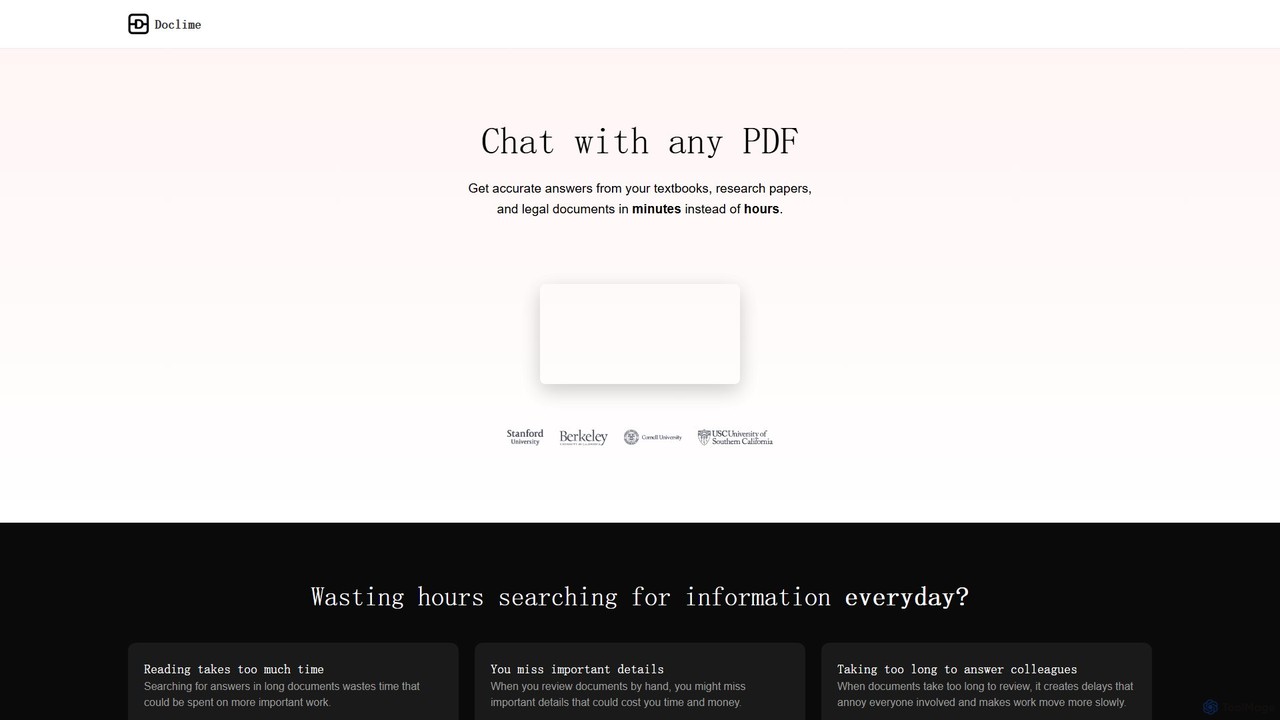
Doclime is an AI-powered document assistant that lets you chat with your PDFs. Upload any document, ask questions in plain English, and get instant, accurate answers with citations. It's designed to help students, researchers, and professionals quickly extract information and insights from dense materials.

Study
Visits 6KFavorites 144Likes 151
thepaperlens
Paid

thepaperlens

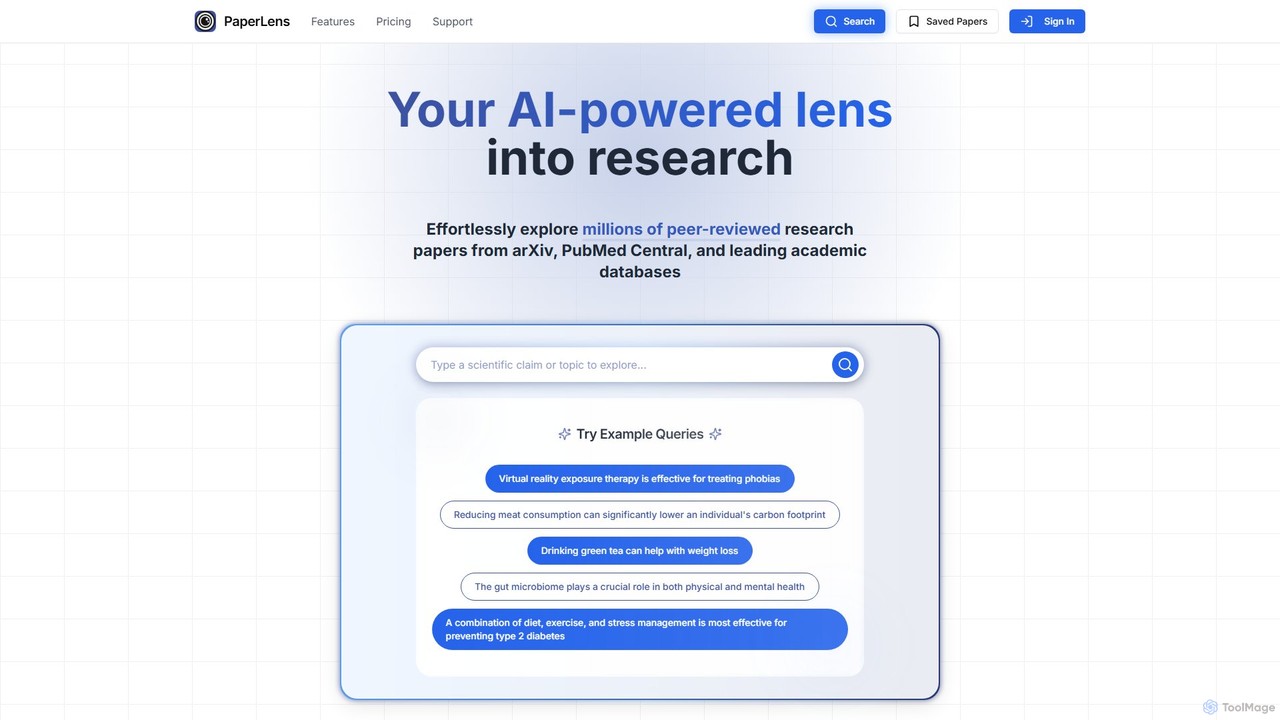
ThePaperLens is an AI-powered research platform that simplifies literature reviews. Using advanced RAG technology, it provides precise semantic search across millions of papers from databases like arXiv and PubMed Central. Features include an interactive AI research assistant chatbot for summaries and insights, smart filtering, and paper-saving capabilities. It's designed for students, academics, and professionals to accelerate their research process and uncover key information efficiently.

Academic
Visits 6.4KFavorites 146Likes 143

About Literature Review

Literature Review tools are specialized AI platforms that automate the process of finding, analyzing, and synthesizing scholarly articles. They use Natural Language Processing (NLP) to screen papers, extract key data, and identify thematic patterns across vast datasets. This allows researchers to quickly understand the current state of a field, pinpoint research gaps, and build a comprehensive theoretical framework. Unlike simple search engines, these tools provide deep analytical capabilities, transforming raw information into structured knowledge.

Core Features

  • Automated Screening: Uses AI to filter thousands of articles based on predefined inclusion and exclusion criteria, saving significant manual effort.
  • Thematic Synthesis: Identifies and clusters recurring concepts, themes, and arguments from a collection of papers.
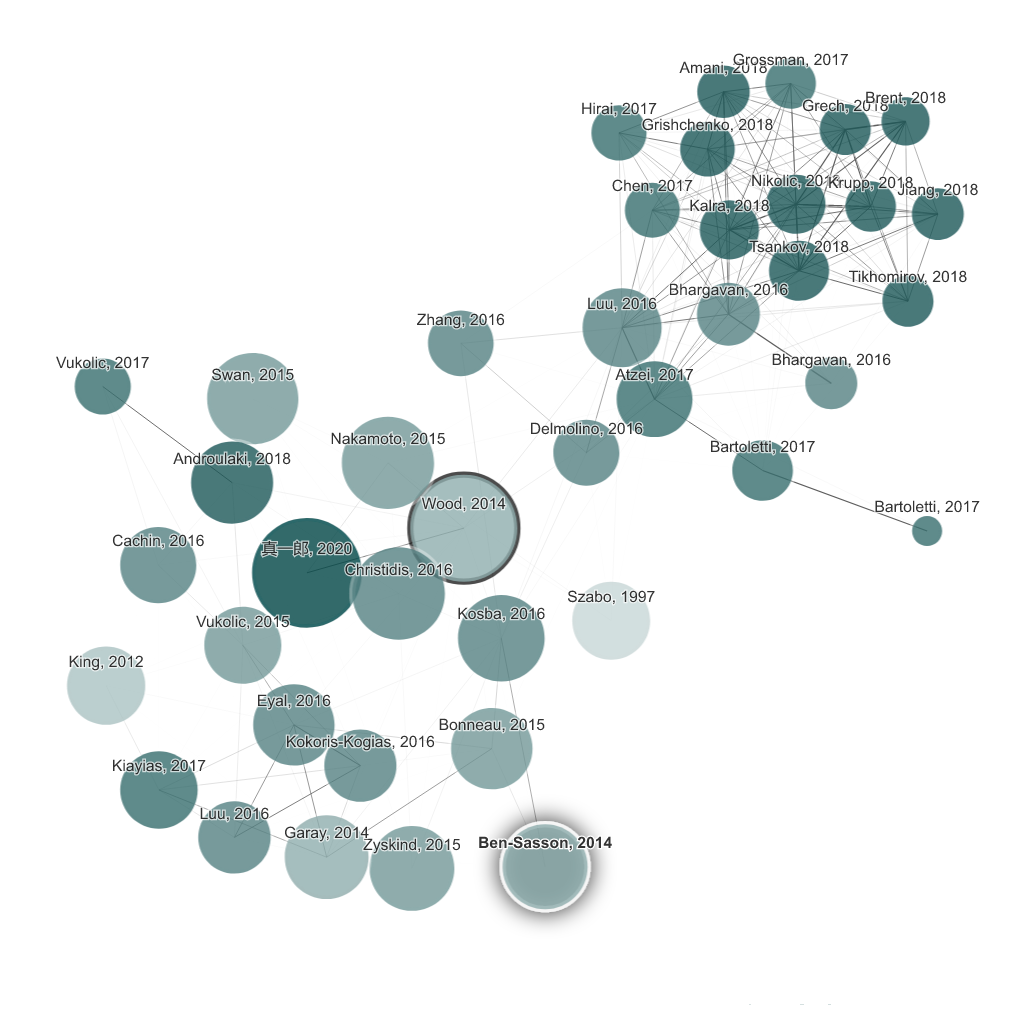
  • Citation Network Analysis: Visualizes the relationships between studies, authors, and key ideas to identify influential works and research trajectories.
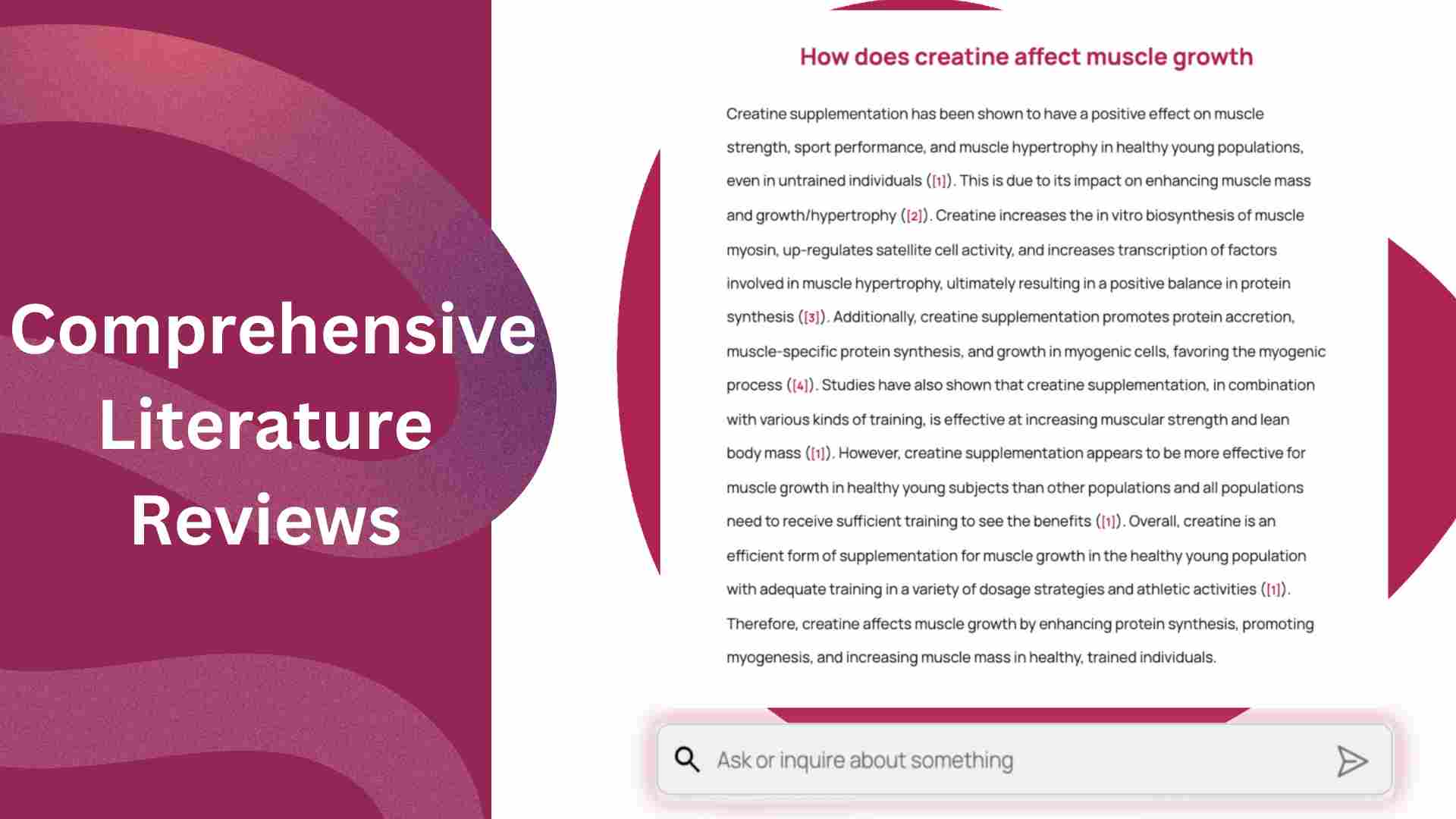
  • AI-Powered Summarization: Generates concise, structured summaries of individual articles or groups of related documents.
  • Data Extraction: Automatically pulls specific information, such as methodologies, sample sizes, or outcomes, from papers into a structured format.

Use Cases

These tools are primarily used by academics, PhD students, medical researchers, and R&D professionals in corporate settings. They are essential for conducting systematic reviews, meta-analyses, scoping reviews, or simply staying current with the latest advancements in a specific domain. For example, a medical researcher can use them to synthesize evidence for clinical guidelines, while a doctoral student can map the intellectual landscape of their topic.

How to Choose

When selecting a Literature Review tool, consider the following: the breadth of supported academic databases, the sophistication of its analytical features (e.g., thematic analysis vs. simple keyword search), compatibility with reference managers like Zotero or EndNote, and collaborative features for team-based projects. Also, evaluate the user interface's intuitiveness and whether the pricing model aligns with your project's duration and scale.

Featured tool rankings

Literature Review use cases

1

Accelerating Systematic Reviews for Medical Research

A medical research team is conducting a systematic review to evaluate the efficacy of a new treatment protocol. They face the challenge of screening over 5,000 abstracts from databases like PubMed and Scopus. By using an AI literature review tool, they can set up automated screening filters based on PICO (Population, Intervention, Comparison, Outcome) criteria. The AI processes the abstracts, flags relevant studies, and excludes irrelevant ones with high accuracy, reducing the manual screening workload by over 80%. This allows the team to focus their expertise on full-text analysis and evidence synthesis, significantly shortening the project timeline from months to weeks.

2

Mapping the Intellectual Landscape for a PhD Thesis

A PhD student in social sciences needs to establish the theoretical foundation for their dissertation. Instead of manually reading hundreds of papers to understand the key debates, they use an AI tool to analyze a curated list of 200 seminal articles. The tool generates a citation network map, visualizing which authors and papers are most influential. It also performs thematic analysis, clustering the articles into major schools of thought and identifying emerging trends. This provides the student with a clear, data-driven overview of the field, helping them to position their own research and identify a unique contribution more effectively.

3

Identifying Research Gaps for Corporate R&D

An R&D department at a pharmaceutical company needs to identify promising new areas for drug development. They use an AI literature review tool to analyze thousands of recent publications and clinical trial reports. The tool's thematic analysis feature identifies well-researched pathways but also highlights areas with conflicting results or a lack of studies. By visualizing research clusters, the R&D team can spot 'white spaces' in the literature—unexplored molecular targets or patient populations. This data-driven approach helps them prioritize their research efforts and allocate budget to projects with a higher potential for novel discoveries.

4

Creating Annotated Bibliographies for Coursework

An undergraduate student is tasked with creating an annotated bibliography for a history course. They gather 30 relevant sources but find the process of summarizing each one time-consuming. Using an AI literature review tool, they upload the PDFs of the articles. The tool's summarization feature generates a concise overview for each source, highlighting the main argument, methodology, and key findings. The student then reviews and refines these AI-generated summaries, adding their own critical analysis. This approach streamlines the initial summarization step, allowing the student to spend more time on the critical evaluation required for the assignment.

5

Conducting a Scoping Review for Policy Making

A government policy advisor needs to conduct a scoping review to understand the breadth of research on urban green spaces and public health. The goal is not to synthesize findings but to map the existing literature. They use an AI tool to search across multiple disciplines (public health, urban planning, sociology) and identify relevant studies. The tool helps categorize the literature by study type, geographic location, and specific health outcomes measured. This provides a comprehensive map of what has been studied, how, and where, enabling the advisor to quickly identify key themes and gaps to inform future policy and research directions.

6

Collaborative Literature Review for Interdisciplinary Teams

An interdisciplinary team of engineers and biologists is working on a bio-inspired robotics project. They need to review literature from both fields, which use different terminologies. They use a collaborative AI literature review platform where all team members can upload and share papers. The platform standardizes the screening process with shared tags and criteria. Its AI can also suggest connections between papers from different fields that a single researcher might miss. This shared workspace ensures everyone is on the same page and accelerates the synthesis of knowledge from disparate domains, fostering true interdisciplinary innovation.

Literature Review FAQ

What are AI Literature Review tools?

AI Literature Review tools are software platforms designed to streamline and automate the academic research process. They use artificial intelligence, particularly natural language processing (NLP), to help researchers find relevant papers, screen large volumes of text, extract key information, and synthesize findings. Unlike traditional search engines that just return a list of documents, these tools provide analytical features like thematic analysis, citation network mapping, and automated summarization to help users understand the landscape of a research field more efficiently.

How do AI literature review tools differ from reference managers like Zotero or EndNote?

The primary difference lies in their core function: analysis versus organization.

  • Reference Managers (Zotero, EndNote): These are primarily for organizing, storing, and citing sources. Their main job is to manage your library of papers and format citations and bibliographies correctly.
  • AI Literature Review Tools: These go a step further by actively analyzing the content of the papers. They help you synthesize information, identify themes, visualize connections, and screen articles at scale.
In short, you use a reference manager to manage what you've found, while you use an AI literature review tool to help you find, understand, and analyze the literature itself.

Who can benefit most from using AI for literature reviews?

A wide range of individuals can benefit, but they are particularly valuable for:

  • PhD Students and Academics: To quickly get up to speed on a new field, identify research gaps for their thesis or papers, and conduct comprehensive systematic reviews.
  • Medical and Clinical Researchers: To synthesize evidence from numerous studies for meta-analyses, clinical guidelines, and drug discovery.
  • Corporate R&D Teams: To monitor competitor research, identify emerging technological trends, and inform innovation strategy.
  • Policy Makers and Analysts: To conduct rapid evidence reviews to inform policy decisions on complex social or scientific issues.
Essentially, anyone who needs to understand and synthesize a large body of scholarly information can save significant time and gain deeper insights.

How should I choose the right AI tool for my literature review?

Choosing the right tool depends on your specific needs. Consider these factors:

  • Scope of Your Review: For a large systematic review, you need a tool with robust, automated screening and data extraction. For exploring a new topic, a tool with strong visualization and thematic analysis might be better.
  • Database Integration: Ensure the tool can import from or connect to the primary databases in your field (e.g., PubMed, Scopus, Web of Science).
  • Collaboration Needs: If you're working with a team, look for features like shared projects, simultaneous screening, and conflict resolution.
  • Technical Skill: Some tools are very user-friendly, while others may offer more powerful features but have a steeper learning curve.
  • Budget: Pricing models vary from free/freemium options to expensive enterprise subscriptions. Evaluate the cost against the features you truly need.

Can AI tools completely replace the human researcher in a literature review?

No, AI tools are best viewed as powerful assistants, not replacements. They excel at tasks involving scale and speed, such as screening thousands of papers or identifying patterns in data that a human might miss. However, they lack the critical thinking, domain expertise, and nuanced understanding required to interpret findings, assess the quality of a study, and synthesize a coherent narrative. The most effective workflow combines the computational power of AI for the heavy lifting with the intellectual judgment of a human researcher for analysis and interpretation.