ToolMage
Sign in

Best 34 Identity Verification AI tools for Security

Popular Identity Verification AI tools in Security include FaceCheck.id, World, Veriff, Shufti Pro, Truora, Verificient, facia, AiPrise, ComplyCube, and SocialFinder.ai, helping you work more efficiently.

facia
Freemium

facia

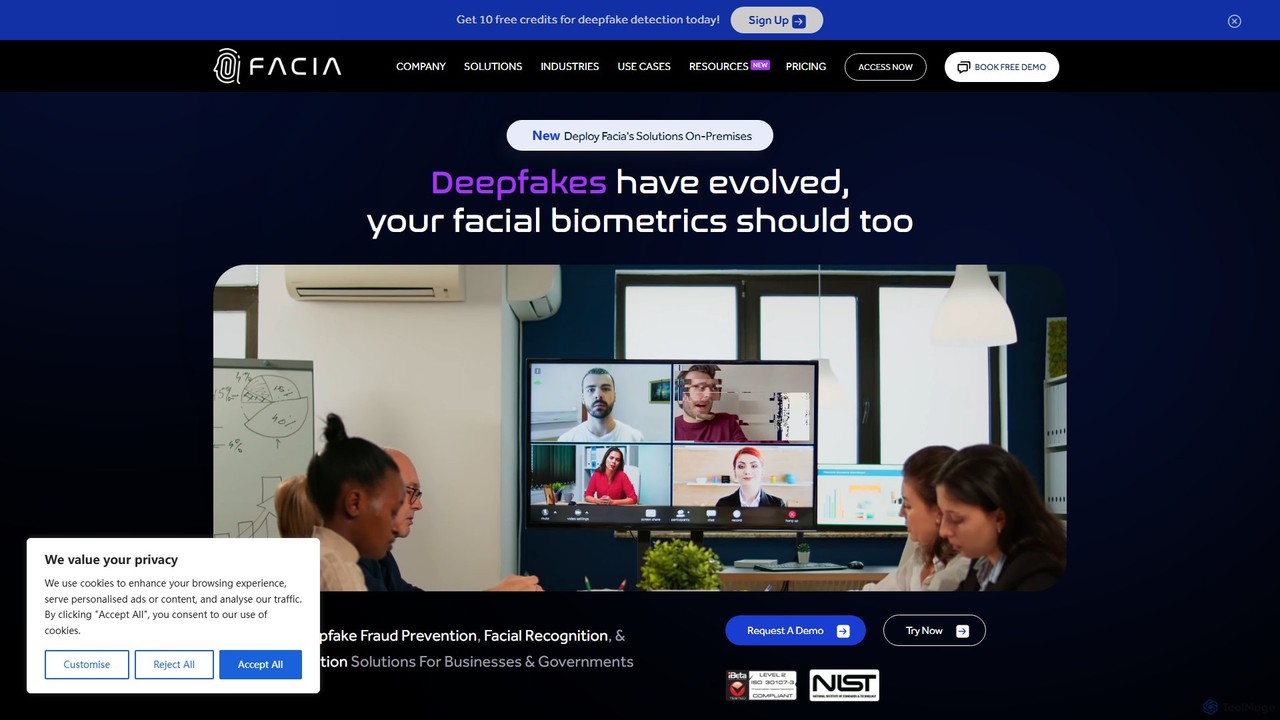
Facia is an advanced AI-powered identity verification and security platform. It specializes in deepfake detection, liveness detection, and age verification using facial biometrics. Designed for businesses, it helps prevent fraud, ensure regulatory compliance (like KYC and COPPA), and secure online interactions across various industries.

Api
Visits 100.7KFavorites 118Likes 112
Shufti Pro
Paid

Shufti Pro

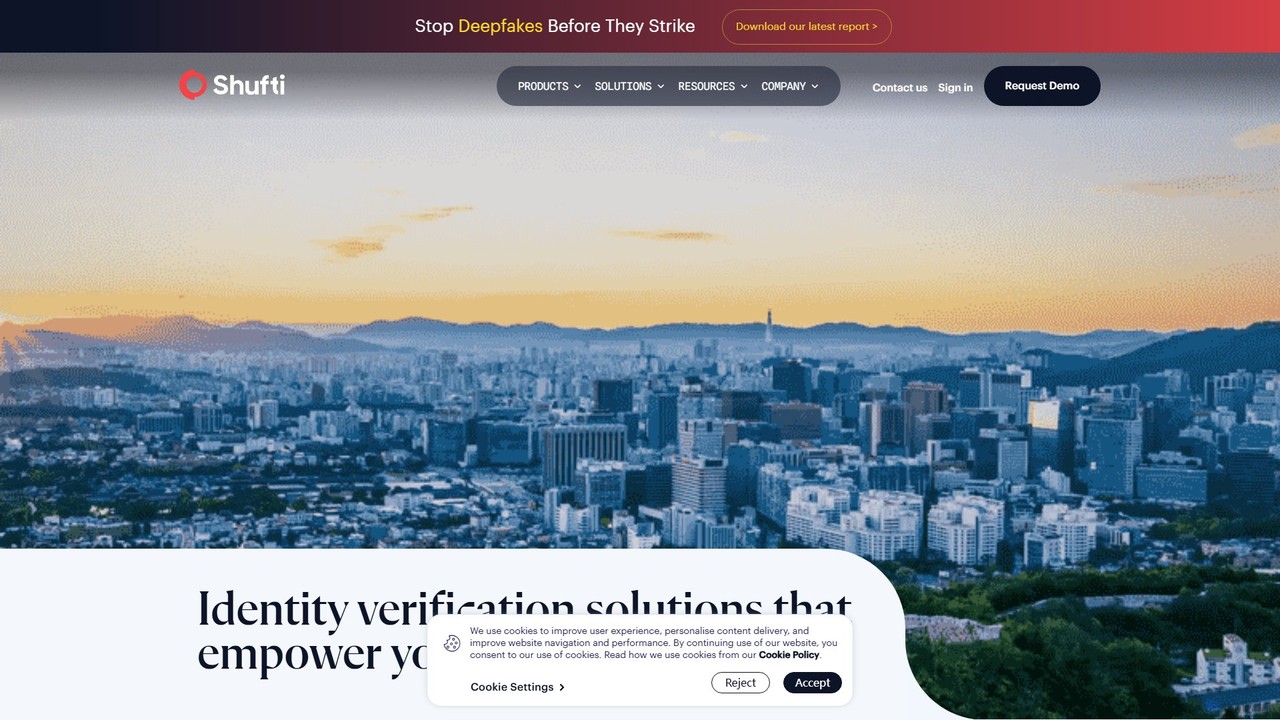
Shufti Pro is an AI-powered identity verification platform offering comprehensive KYC, KYB, and AML solutions. It uses advanced facial recognition, biometric analysis, and document verification to prevent fraud, ensure regulatory compliance, and streamline customer onboarding. With global coverage across 240+ countries and support for 150+ languages, Shufti Pro provides a secure, accurate, and seamless verification experience for industries like fintech, gaming, and e-commerce.

Kyc & Aml
Visits 266.3KFavorites 110Likes 111
Verificient
Paid

Verificient

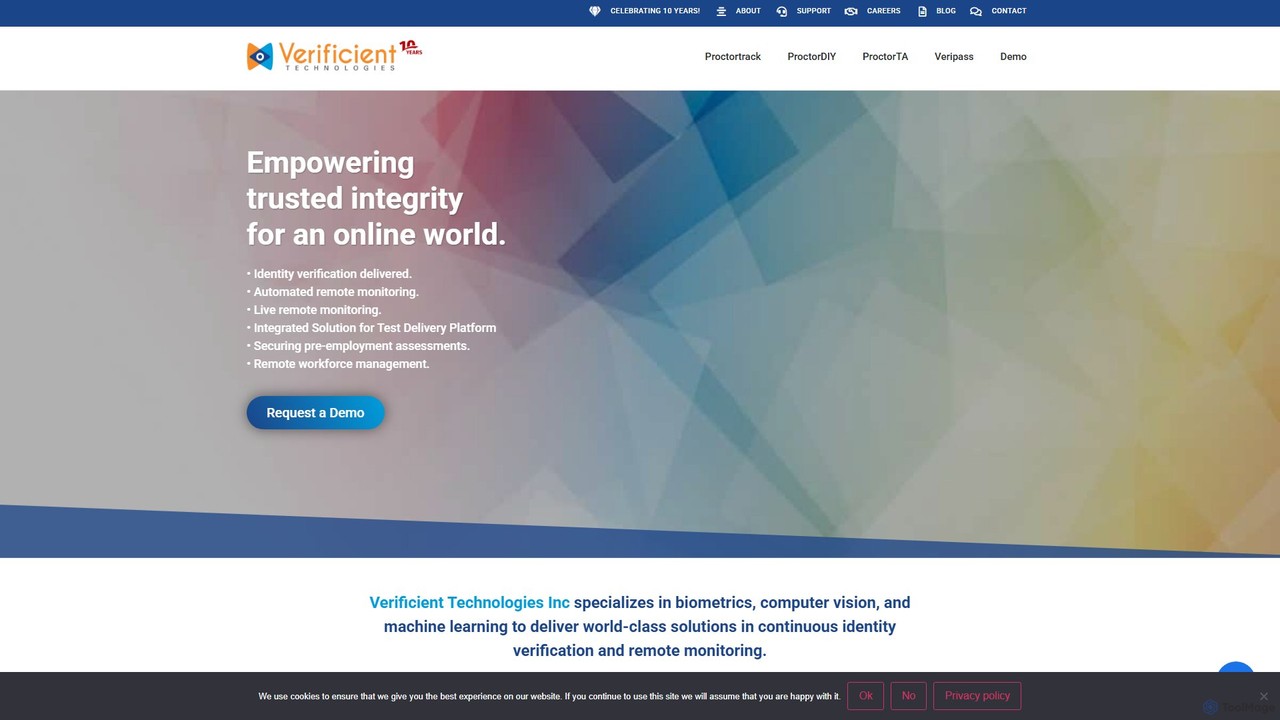
Verificient is an AI-powered identity verification and remote proctoring platform. It leverages biometrics, computer vision, and machine learning to ensure the integrity of online assessments, pre-employment screening, and remote workforce management. Its suite of tools provides continuous, automated, and live monitoring to create a secure and trusted online environment.

Online Proctoring
Visits 120.8KFavorites 121Likes 135
SocialFinder.ai
Paid

SocialFinder.ai

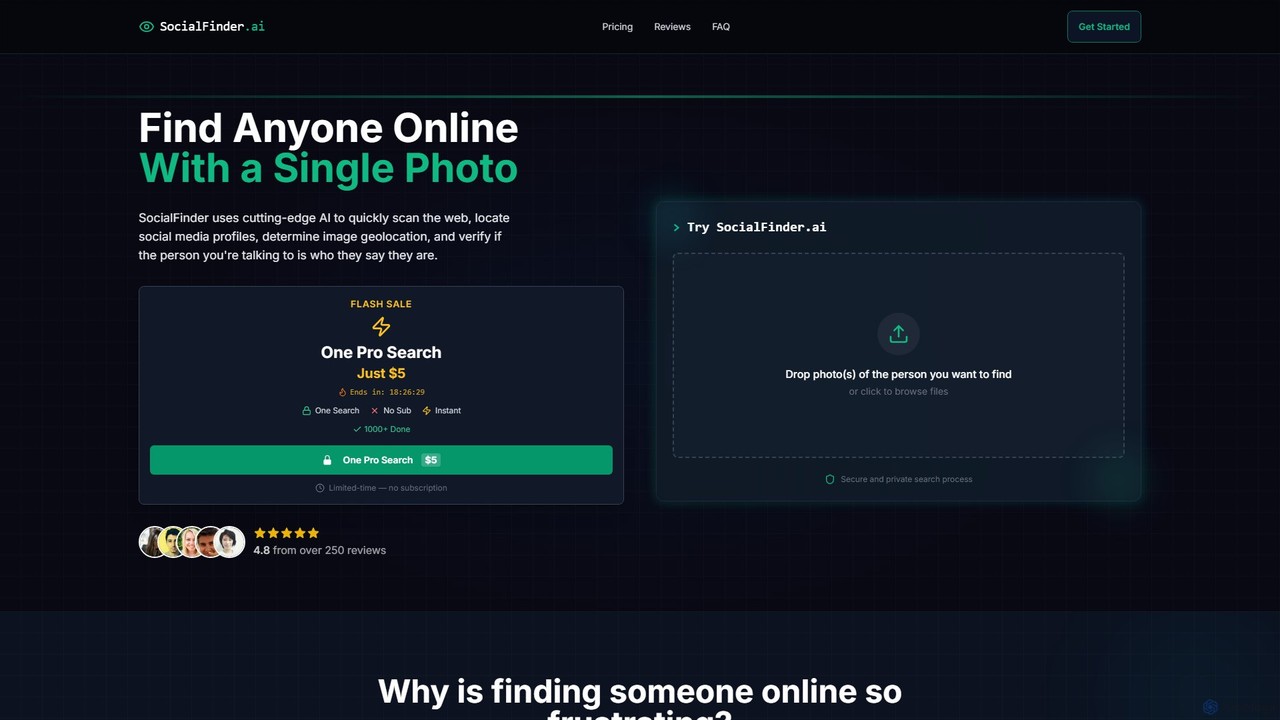
SocialFinder.ai is an AI-powered reverse image search engine that finds anyone online using a single photo. It scans the web for social media profiles, determines image geolocation, and helps verify a person's identity, providing a comprehensive digital footprint in seconds.

Investigation
Visits 74.5KFavorites 137Likes 120
IDWise
Freemium

IDWise

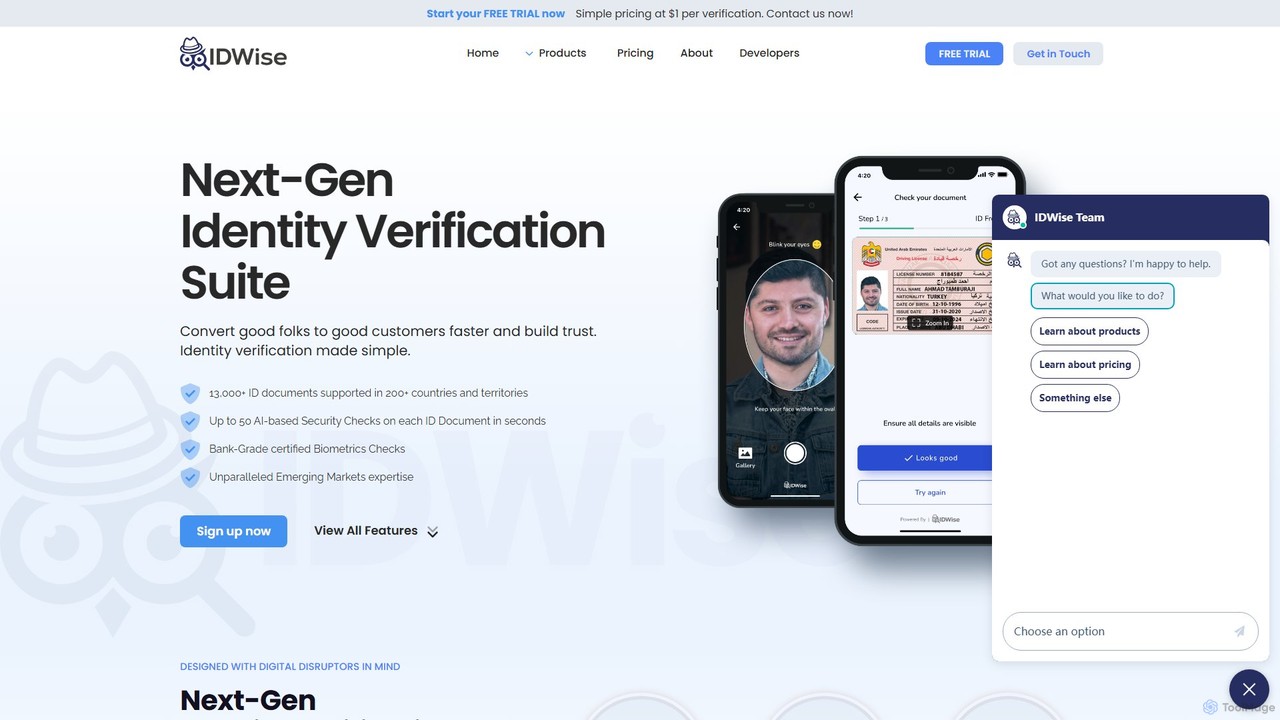
IDWise is a next-generation, AI-powered identity verification suite designed for global businesses. It offers rapid and secure customer onboarding by supporting over 13,000 ID documents from 200+ countries, combined with bank-grade facial biometrics, liveness detection, and comprehensive e-KYC/AML compliance checks. It's built to maximize conversion rates while minimizing fraud.

Api
Visits 12.8KFavorites 166Likes 149
digitap
Paid

digitap

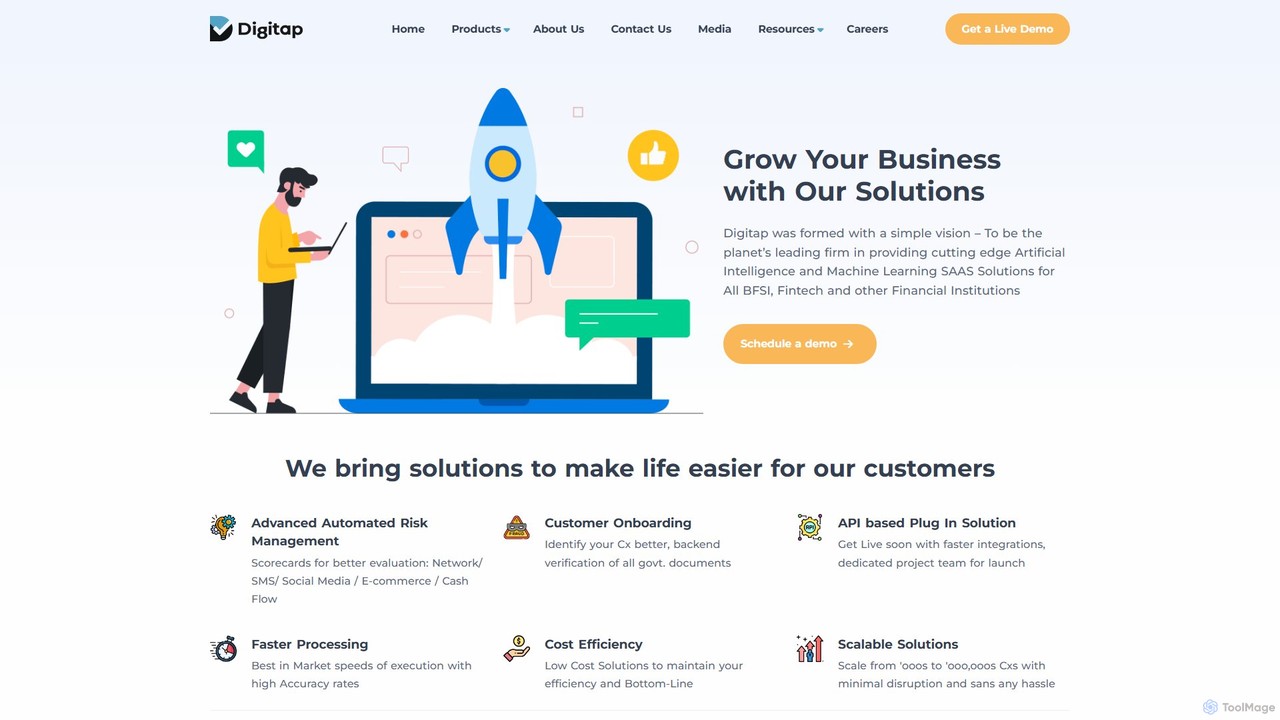
An AI-powered, end-to-end API platform for the banking and FinTech sectors, offering solutions for digital customer onboarding, credit risk assessment using alternative data, and financial data aggregation.

Risk Management
Visits 62.1KFavorites 126Likes 125
Helloverify
Paid

Helloverify

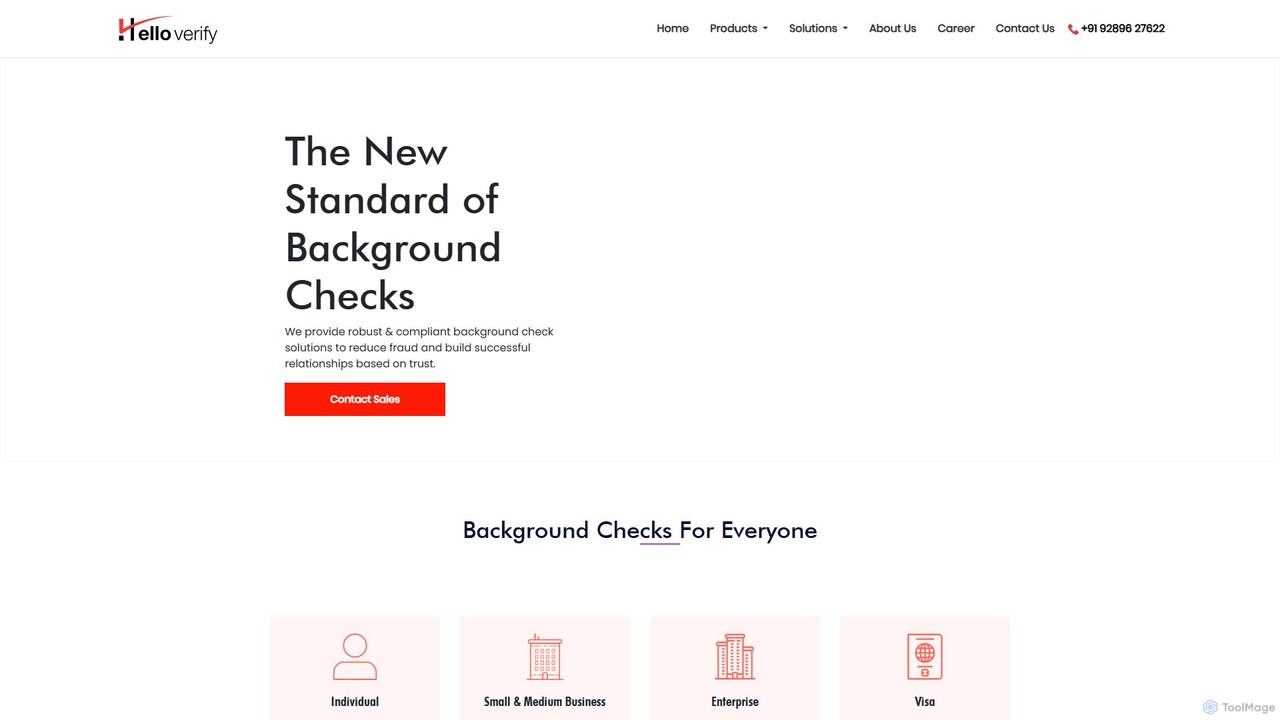
Helloverify is an AI-powered background screening platform that automates and accelerates verification processes for businesses and individuals. Using AI and machine learning, it provides fast, accurate, and compliant background checks across various industries, from IT and staffing to the gig economy. The platform offers a fully digital, paperless onboarding experience, ensuring security and efficiency in hiring.

Recruiting
Visits 72KFavorites 151Likes 150
smarttrust
Paid

smarttrust

smarttrust is an AI-powered platform designed for digital trust and security. It offers a comprehensive suite of tools for identity verification (KYC/AML), real-time fraud detection, and brand safety monitoring. By leveraging advanced machine learning algorithms, smarttrust helps businesses secure their platforms, ensure regulatory compliance, and build a trustworthy environment for their users.

Compliance
Visits 5.5KFavorites 130Likes 134
Nametag
Paid

Nametag

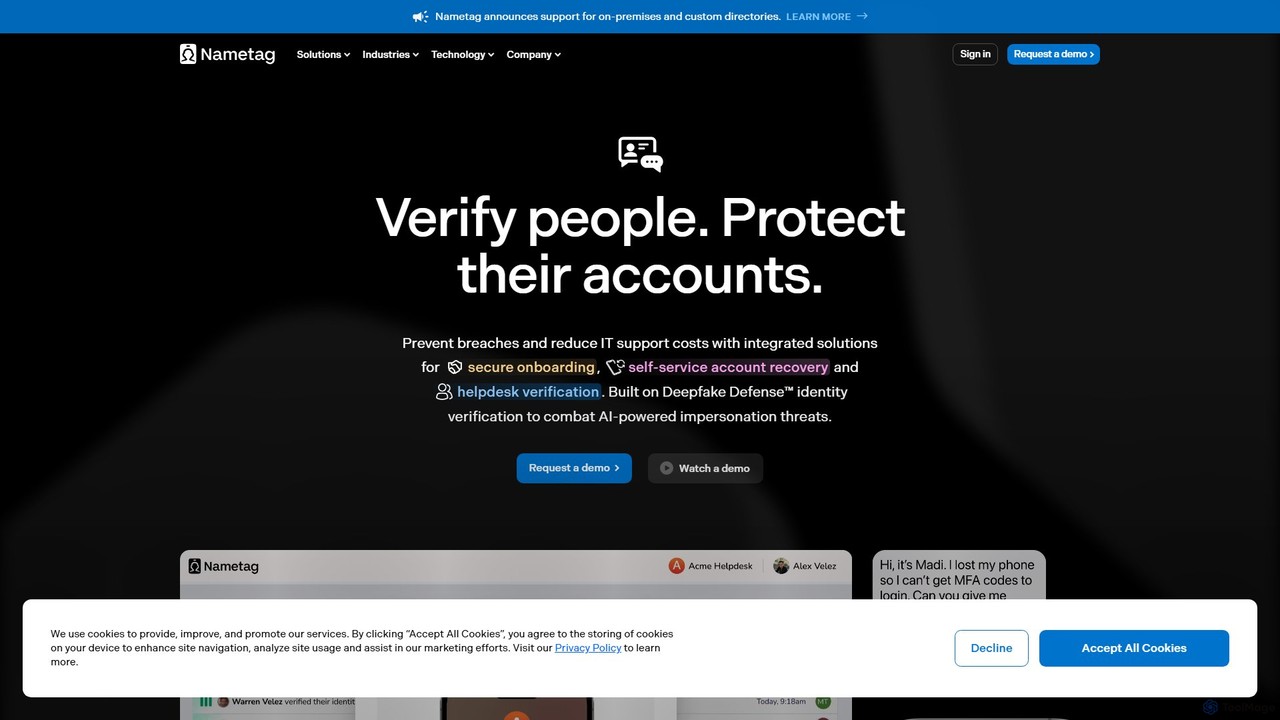
Nametag is an AI-powered identity verification platform designed to protect online accounts. It uses advanced technology, including Deepfake Defense™, to quickly and securely verify users via their government ID and a selfie, streamlining support operations and preventing fraud.

Helpdesk
Visits 21.9KFavorites 139Likes 150
japancv
Paid

japancv

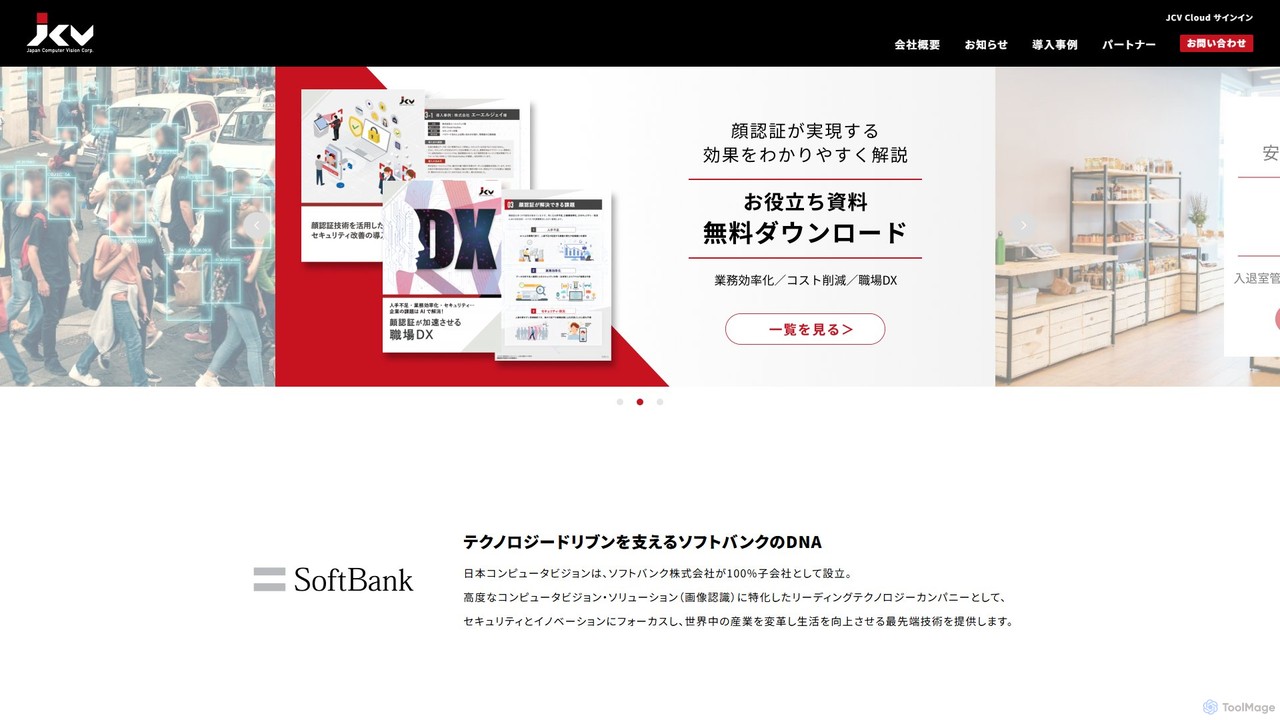
Japan Computer Vision (JCV), a SoftBank subsidiary, provides advanced AI-powered computer vision solutions. Specializing in facial recognition, JCV offers products for smart buildings and smart retail, including secure access control, passwordless login, attendance management, and in-store customer analytics to enhance security and efficiency.

Workforce Management
Visits 7.6KFavorites 138Likes 141

About Identity Verification

Identity Verification tools are AI-powered solutions that automate the process of confirming a person's identity online. These systems typically use computer vision and machine learning to analyze government-issued documents, such as passports or driver's licenses, and compare them with the user's biometric data, like a live selfie. They are essential for building trust in digital interactions, preventing fraud, and meeting regulatory compliance requirements like Know Your Customer (KYC). Advanced features often include liveness detection to ensure the user is physically present and not using a spoof.

Core Features

  • Document Analysis: Uses OCR to extract data from IDs and AI to check for authenticity, tampering, and holograms.
  • Biometric Matching: Employs facial recognition algorithms to compare the photo on the ID with a user's live selfie.
  • Liveness Detection: Verifies the user is a real, live person through active (e.g., head movements) or passive analysis to prevent spoofing attacks.
  • Database Cross-Referencing: Checks user information against global watchlists for Anti-Money Laundering (AML) and fraud prevention.
  • Data Extraction: Automatically captures and populates user information from documents into forms, speeding up onboarding.

Use Cases

These tools are widely used in industries requiring high levels of security and trust. Financial institutions use them for KYC/AML compliance during customer onboarding. Sharing economy platforms like ride-sharing and home rentals verify users to enhance safety. Online gaming and e-commerce sites also use them for age verification and preventing fraudulent transactions.

How to Choose

When selecting an Identity Verification tool, consider its accuracy rate and ability to minimize false rejections. Evaluate its global document coverage to ensure it supports your users' nationalities. Assess the speed and user-friendliness of the verification process to reduce customer drop-off. Finally, confirm its compliance with data privacy regulations like GDPR and CCPA and its ease of integration via API or SDK.

Featured tool rankings

Identity Verification use cases

1

Automating KYC for Financial Services

A fintech startup needs to onboard thousands of new users daily while complying with strict Know Your Customer (KYC) regulations. They integrate an AI Identity Verification API into their mobile app. New users are prompted to scan their government-issued ID and take a selfie. The AI system instantly verifies the document's authenticity, matches the user's face with the ID photo, and performs a liveness check. This automates over 98% of verifications, reducing manual review costs by 80% and cutting onboarding time from days to under two minutes.

2

Verifying Users on a Rental Marketplace

A peer-to-peer marketplace for high-value equipment rentals aims to build trust and safety. They implement mandatory identity verification for both renters and owners. Before a user can list or book an item, they must complete a verification process using their driver's license. This step significantly reduces instances of fraud and theft, increases user confidence, and allows the platform to offer insurance with greater certainty. The verified status badge on user profiles becomes a key factor in transaction decisions.

3

Enforcing Age Restrictions for Online Services

An online gaming platform that features mature content must comply with age verification laws. To provide a seamless experience, they use an AI identity tool that quickly checks a user's age from their ID without storing sensitive personal data long-term. During registration, users who wish to access age-restricted games are asked to verify their age. The system extracts only the date of birth for confirmation and then discards the document image, ensuring both compliance and user privacy. This prevents minors from accessing inappropriate content effectively.

4

Securing High-Value Account Recovery

A cryptocurrency exchange needs a highly secure method for users to recover their accounts if they lose their password or 2FA device. To prevent account takeovers, they implement AI identity verification as a mandatory step in the recovery process. The user must submit their ID and a live selfie to prove they are the legitimate owner. This biometric verification acts as a powerful deterrent against attackers and ensures that only the rightful owner can regain access to their valuable digital assets, maintaining the platform's reputation for security.

5

Streamlining HR Onboarding and Background Checks

A large enterprise's HR department automates the initial step of its background check process. Before investing in a full background screening, they use an AI tool to verify a candidate's identity using their passport or national ID. This ensures they are screening the correct individual from the very beginning, preventing identity fraud in the hiring process. The process is completed remotely in minutes, creating a positive and efficient first impression for new hires while reducing administrative workload for the HR team.

6

Verifying Patient Identity in Telemedicine

A telehealth provider must ensure they are treating the correct patient and prevent insurance fraud. They integrate an AI identity verification service into their patient portal. Before their first virtual appointment, a new patient verifies their identity by scanning their ID and taking a selfie. This one-time verification links their biometric identity to their medical record, ensuring that all future interactions are secure and compliant with healthcare regulations like HIPAA. It builds patient trust and protects sensitive medical data from unauthorized access.

Identity Verification FAQ

What is AI Identity Verification?

AI Identity Verification is a technology that automates the process of confirming a person's identity, usually for online services. It uses artificial intelligence to perform several tasks: scanning and validating government-issued IDs, extracting data using OCR, and comparing the ID photo to a live selfie using facial recognition. A key component is liveness detection, which ensures the person is physically present and not a spoof, making it a cornerstone of modern digital security and fraud prevention.

How do I choose the right AI Identity Verification tool?

When choosing a tool, consider these key factors:

  • Accuracy and Reliability: Look for high success rates and low false acceptance/rejection rates to ensure legitimate users get through smoothly while fraudsters are blocked.
  • Global Document Coverage: Ensure the tool supports the types of IDs (passports, licenses, etc.) from the countries where your users are located.
  • User Experience: The process should be fast, intuitive, and mobile-friendly to minimize user drop-off during onboarding.
  • Security and Compliance: Verify that the provider complies with data protection regulations like GDPR or CCPA and has robust security measures.
  • Integration: Check for well-documented APIs and SDKs that make it easy to integrate the service into your existing website or mobile app.
What's the difference between Identity Verification and authentication?

Identity Verification and authentication are both security processes, but they serve different purposes. Identity Verification is the one-time process of proving you are who you say you are, typically during account creation (onboarding). It answers the question, "Is this person real and legitimate?" Authentication is the ongoing process of verifying a user's identity each time they log in or access a secure area. It answers the question, "Is this the same person who was verified earlier?" Common authentication methods include passwords, 2FA codes, or biometrics.

What is liveness detection in identity verification?

Liveness detection is a critical feature of AI identity verification systems that determines if the biometric sample (like a selfie) is from a live person who is physically present. It is designed to prevent spoofing attacks where a fraudster might use a photo, video, or mask of someone else to trick the system. There are two main types: Active Liveness, which requires the user to perform an action like blinking or turning their head, and Passive Liveness, which analyzes a single image or short video for subtle cues like texture and light reflection without requiring user action.

Are AI Identity Verification tools secure and private?

Reputable AI Identity Verification providers prioritize security and privacy. They use end-to-end encryption to protect data in transit and at rest. Many are certified for standards like ISO 27001 and are compliant with data privacy regulations such as GDPR and CCPA, which mandate strict rules on how personal data is collected, processed, and stored. Typically, sensitive data like ID images are deleted after verification is complete to minimize risk. However, it's crucial to choose a provider that is transparent about its security practices and data retention policies.