ToolMage
Sign in
Claude-Mem
Ai Assistant · 307K monthly visits

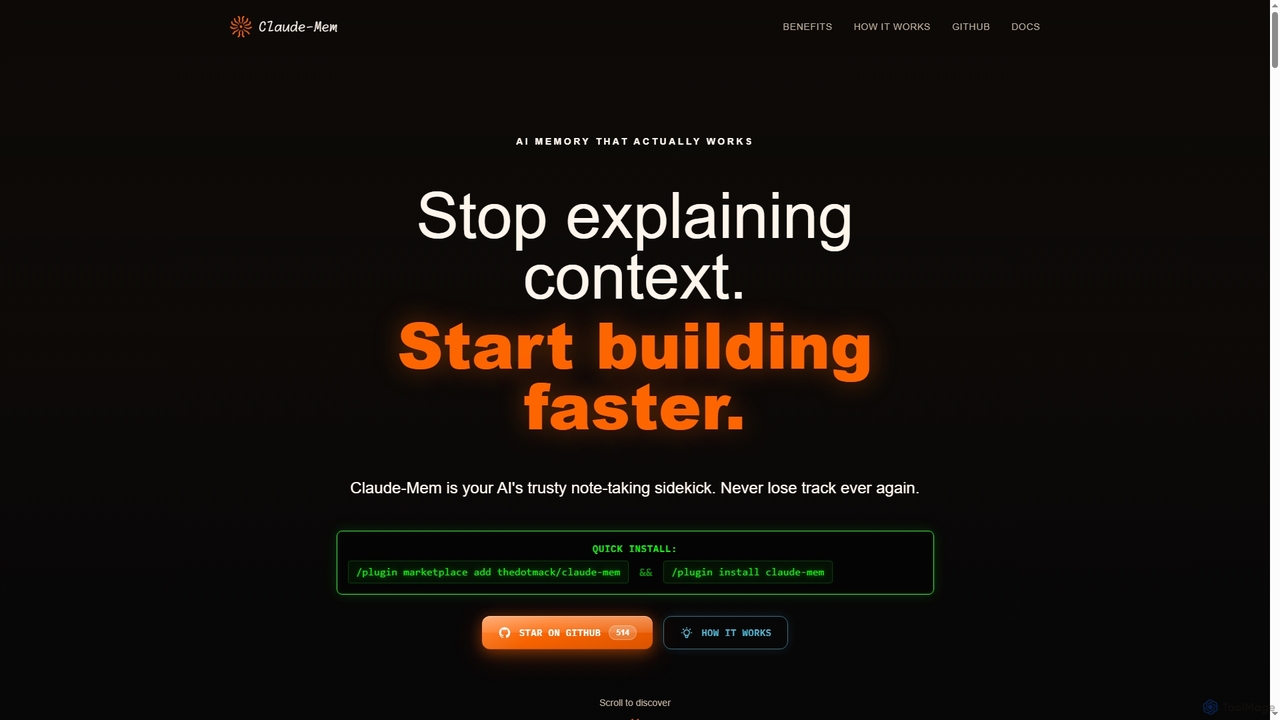
Claude-Mem is an AI memory archive designed for coding assistants. It acts as a note-taking sidekick, automatically observing and recording development context like decisions, bug fixes, and architectural choices in real-time. This provides your AI with a persistent memory across sessions, enhancing productivity and eliminating repetitive explanations.

VS
Contextberg
Memory Management · 4.6K monthly visits

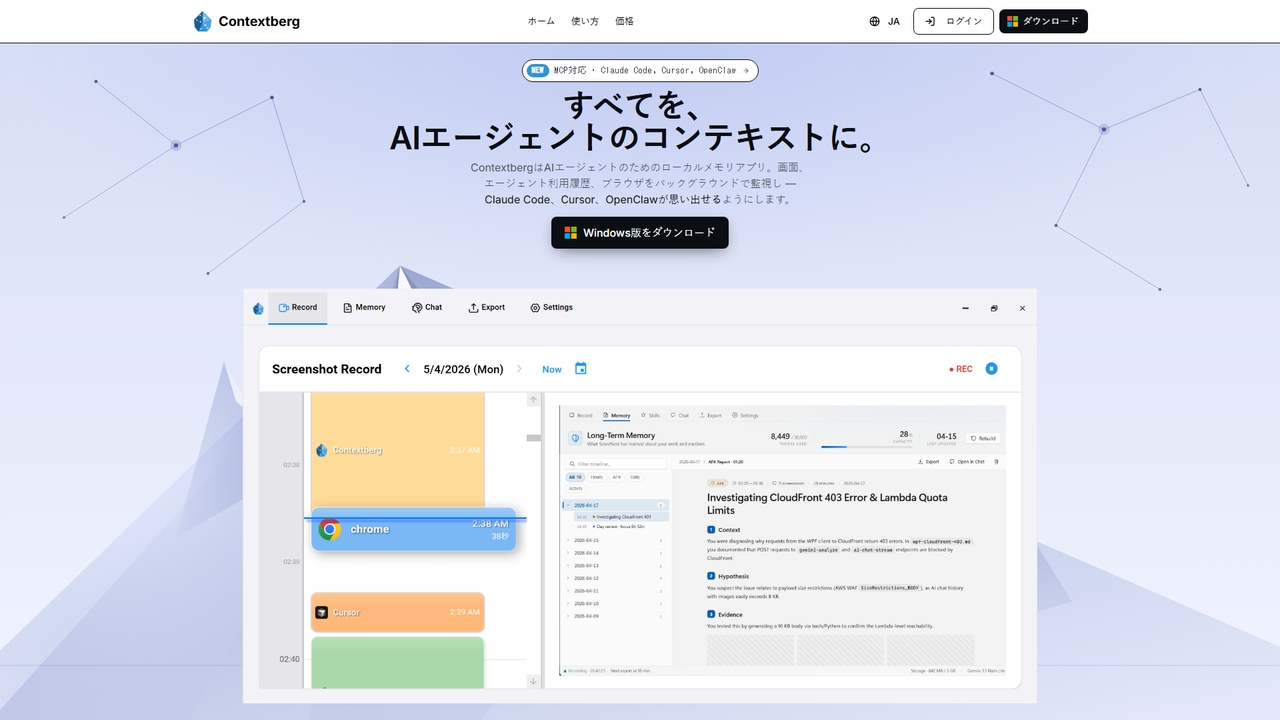
A local-first memory application for AI agents. It monitors screen activity, inputs, and browser usage in the background to provide context via MCP to coding agents like Claude Code, Cursor, and OpenClaw, enhancing productivity by eliminating repetitive re-entry.

Claude-Mem vs Contextberg: pricing, features, traffic, and use cases

Compare Claude-Mem and Contextberg across positioning, pricing, traffic, and user feedback using structured factual data.

Updated Aug 21, 2026

Product overview

Claude-Mem Product overview

Claude-Mem is an AI memory archive designed for coding assistants. It acts as a note-taking sidekick, automatically observing and recording development context like decisions, bug fixes, and architectural choices in real-time. This provides your AI with a persistent memory across sessions, enhancing productivity and eliminating repetitive explanations.
Preview

Contextberg Product overview

A local-first memory application for AI agents. It monitors screen activity, inputs, and browser usage in the background to provide context via MCP to coding agents like Claude Code, Cursor, and OpenClaw, enhancing productivity by eliminating repetitive re-entry.

Preview

Detailed feature comparison

FeatureClaude-MemContextberg
Primary categoryAi AssistantMemory Management
Added2025-12-092026-05-22
PricingNot verifiedFreemium
Official websiteclaude-mem.aicontextberg.com
Product typeBrowser extensionApp
Performance data
User ratingNot verifiedNot verified
Comments00
Monthly visits307K4.6K
Monthly growth-19.5%Not verified
Favorites12410
DetailsView detailsView details

Claude-Mem vs Contextberg monthly traffic

Compare Claude-Mem and Contextberg by monthly reach, traffic trend, visit depth, top regions, and acquisition sources.

How to interpret the traffic data

In the Claude-Mem vs Contextberg monthly traffic comparison, Claude-Mem currently shows 307K visits and Contextberg shows 4.6K; Claude-Mem has about 67.2 times the visible traffic of Contextberg, an absolute difference of about 302.4K visits. This reflects visible reach, not feature quality or paid users.

Only Claude-Mem has complete third-party traffic details; Contextberg uses visits recorded inside ToolMage. These scopes cannot estimate market share directly, and on-site views should not be treated as the product’s total website traffic.

Claude-Mem monthly traffic:

Latest traffic

Monthly visits
307K
Avg. visit duration
1:11
Pages per visit
1.99
Bounce rate
48.61%
Data updated 2026-06-15

Monthly traffic trend

  • 2026/1: 78.1K Monthly visits
  • 2026/2: 172.6K Monthly visits
  • 2026/3: 250.8K Monthly visits
  • 2026/4: 381.3K Monthly visits
  • 2026/5: 307K Monthly visits

Top regions

Top 5 countries/regions
Country/regionPercentageTraffic
🇺🇸United States39.49%121.2K
🇨🇳China39.44%121.1K
🇻🇳Vietnam7.29%22.4K
🇷🇺Russia6.93%21.3K
🇮🇳India6.85%21K

Traffic sources

Source typePercentageTraffic
Direct67.78%208.1K
Referral31.76%97.5K
Email0.46%1.4K

Search keywords

claude memclaude-memclaudememclaude memeprogressive disclosure

Contextberg monthly traffic:

Latest traffic

Monthly visits
4.6K
Traffic-based selection guidance: The current traffic scope is not sufficient for a reliable product ranking. Treat monthly visits as a market-interest signal, then decide using taxonomy, use cases, pricing, and a like-for-like trial rather than reading exposure as product capability.

Usage comparison

Compare the core capabilities of Claude-Mem and Contextberg

Claude-Mem Core features

Ai Assistant
Code Assistant
Knowledge Management

Contextberg Core features

Memory Management
Note Taking
Task Analysis

Use cases

Claude-Mem Use cases

coding assistant
context management
developer tool
AI memory
Claude
code generation
knowledge base
persistent memory
plugin
software development

Contextberg Use cases

coding assistant
context management
developer tool
AI agent
local memory
MCP
offline
privacy
productivity
task resumption

Best suited roles

Claude-Mem Best suited roles

DevOps Engineer
Full-Stack Developer
Software Developer
AI Engineer
Machine Learning Engineer
Software Architect

Contextberg Best suited roles

DevOps Engineer
Full-Stack Developer
Software Developer
Content Creator
Data Scientist
Programmer
Technical Writer

Claude-Mem vs Contextberg:In-depth comparison and selection guidance

First decide whether the products solve the same kind of need

This in-depth Claude-Mem vs Contextberg comparison uses only the product records, taxonomy, audience, traffic, and community signals available on this page. Claude-Mem is primarily listed under “Ai Assistant”, while Contextberg is primarily listed under “Memory Management”, so the first decision is whether your actual task matches their recorded scope.

The structured fields currently show these decision-relevant differences: Primary category (Claude-Mem: Ai Assistant; Contextberg: Memory Management); Product type (Claude-Mem: Browser extension; Contextberg: App); Pricing (Claude-Mem: Not disclosed; Contextberg: Freemium); Monthly visits (Claude-Mem: 307K; Contextberg: 4.6K); Favorites (Claude-Mem: 124; Contextberg: 10). These facts are more useful for selection than brand visibility alone.

What market visibility and monthly traffic mean

In the Claude-Mem vs Contextberg monthly traffic comparison, Claude-Mem currently shows 307K visits and Contextberg shows 4.6K; Claude-Mem has about 67.2 times the visible traffic of Contextberg, an absolute difference of about 302.4K visits. This reflects visible reach, not feature quality or paid users.

Only Claude-Mem has complete third-party traffic details; Contextberg uses visits recorded inside ToolMage. These scopes cannot estimate market share directly, and on-site views should not be treated as the product’s total website traffic.

The current traffic scope is not sufficient for a reliable product ranking. Treat monthly visits as a market-interest signal, then decide using taxonomy, use cases, pricing, and a like-for-like trial rather than reading exposure as product capability.

Product positioning, use cases, and roles

Claude-Mem and Contextberg currently overlap in shared tags: coding assistant, context management, and developer tool; shared roles: DevOps Engineer, Full-Stack Developer, and Software Developer. This can place both on the same shortlist, but it does not prove equal implementation, depth, or cost.

Claude-Mem's unique categories/tags are Ai Assistant, Code Assistant, Knowledge Management, AI memory, Claude, code generation, knowledge base, and persistent memory; Contextberg's are Memory Management, Note Taking, Task Analysis, AI agent, local memory, MCP, offline, and privacy. These unique fields are the strongest differentiators: validate the product whose recorded scope matches the task instead of following traffic alone.

What ratings, comments, and favorites can tell you

Claude-Mem has no verified rating, 0 comments, 124 favorites, and 120 likes;Contextberg has no verified rating, 0 comments, 10 favorites, and 14 likes。

Neither product has enough rating or comment samples for a credible reputation ranking.

Selection guidance by actual need

When to evaluate Claude-Mem first

Put Claude-Mem on the priority trial list when the task aligns with “Ai Assistant” and especially Ai Assistant, Code Assistant, Knowledge Management, AI memory, Claude, and code generation, or the users include AI Engineer, Machine Learning Engineer, and Software Architect. This follows recorded positioning and does not imply unlisted capabilities are absent.

Claude-Mem also currently records: pricing is not verified, product type is browser extension, 307K verified monthly visits, no verified user rating. Verify any hard requirement around price, platform, or reach before trial, and do not let sparse review data substitute for testing.

When to evaluate Contextberg first

Put Contextberg on the priority trial list when the task aligns with “Memory Management” and especially Memory Management, Note Taking, Task Analysis, AI agent, local memory, and MCP, or the users include Content Creator, Data Scientist, Programmer, and Technical Writer. This follows recorded positioning and does not imply unlisted capabilities are absent.

Contextberg also currently records: pricing is freemium, product type is app, 4.6K on-site monthly views, no verified user rating. Verify any hard requirement around price, platform, or reach before trial, and do not let sparse review data substitute for testing.

How to validate the recommendation before deciding

The available data describes positioning, public visibility, and community signals, but it cannot prove output quality, speed, integration effort, privacy, or long-term cost in your workflow. Before deciding, run the same representative tasks in Claude-Mem and Contextberg, then record completion time, accuracy, manual corrections, and the real paid threshold. A like-for-like trial turns this comparison into a defensible adoption decision.

Comparison FAQ

How should I choose between Claude-Mem and Contextberg?
Compare positioning, pricing, taxonomy, and traffic maturity, then verify the latest details on each official website.
Where does this comparison data come from?
The factual baseline is derived from product, taxonomy, traffic, and community data. Reviewed editorial conclusions show their source and verification date.
What do unknown fields mean?
Unknown means there is not enough reliable evidence; the page does not fill gaps with assumptions.

Related AI tools

16x Prompt
Freemium

16x Prompt

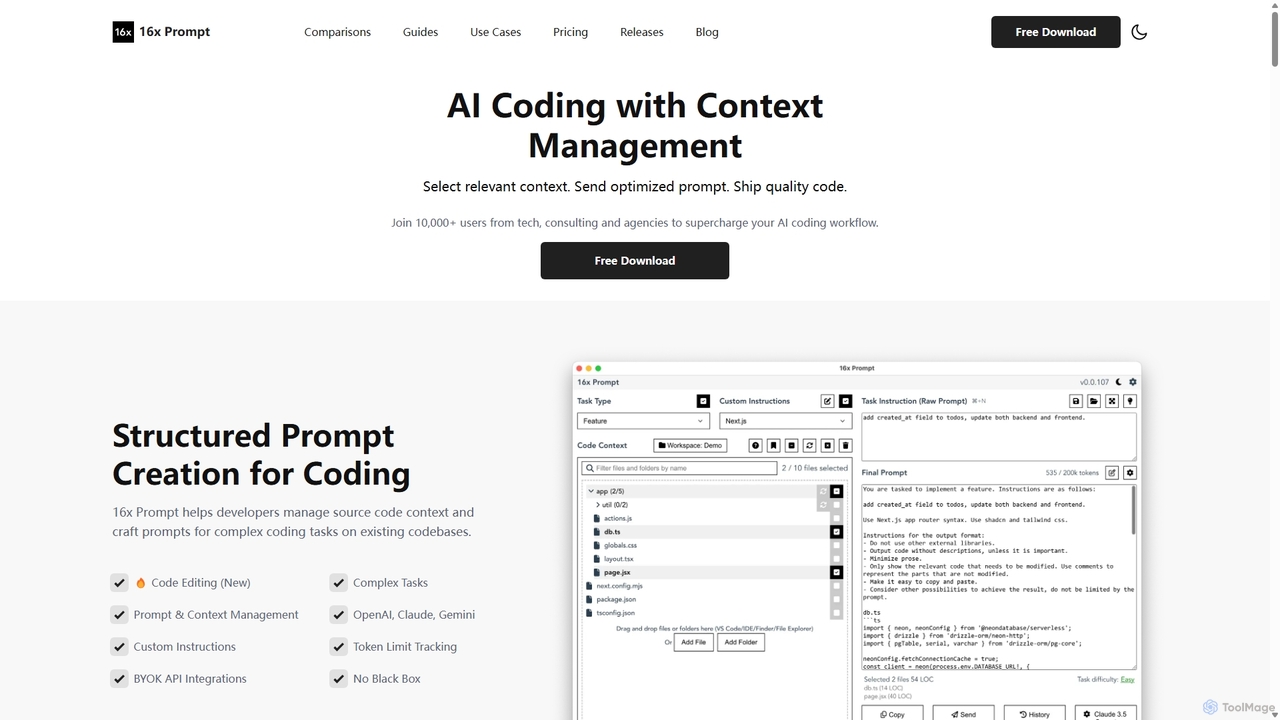
16x Prompt is a desktop application for developers that enhances AI-assisted coding by enabling advanced context management. It helps you compose complex, context-rich prompts from task instructions and multiple source code files to get superior code generation from any LLM, all while running locally to ensure data privacy and IP protection.

Code Generation
Visits 25.2KFavorites 102Likes 104
Plandex
Freemium

Plandex

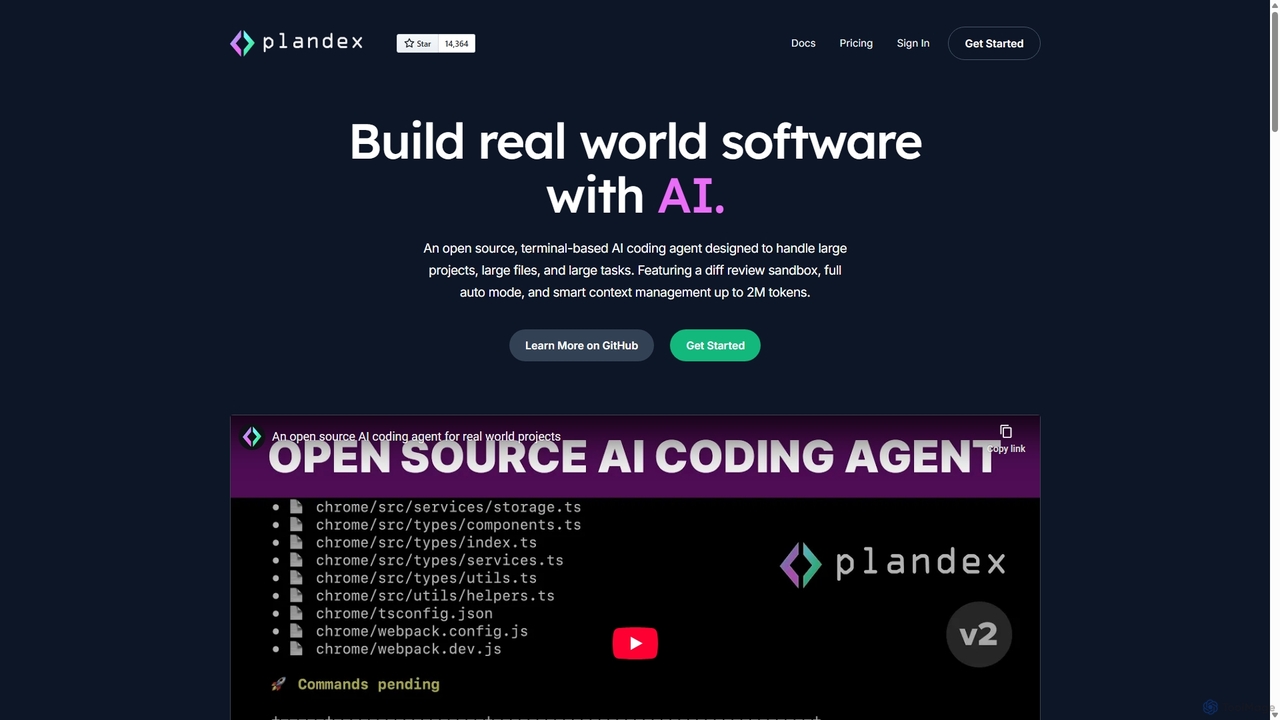
Plandex is an open-source, terminal-based AI coding agent designed for complex, large-scale software development tasks. It excels at handling large projects and files with its 2M token context window. Featuring a diff review sandbox, configurable autonomy, and multi-model support, Plandex empowers developers to build, debug, and refactor entire applications with AI assistance, ensuring control and productivity in a dev-friendly workflow.

Code Generation
Visits 25.5KFavorites 96Likes 105
Vibedock
Paid

Vibedock

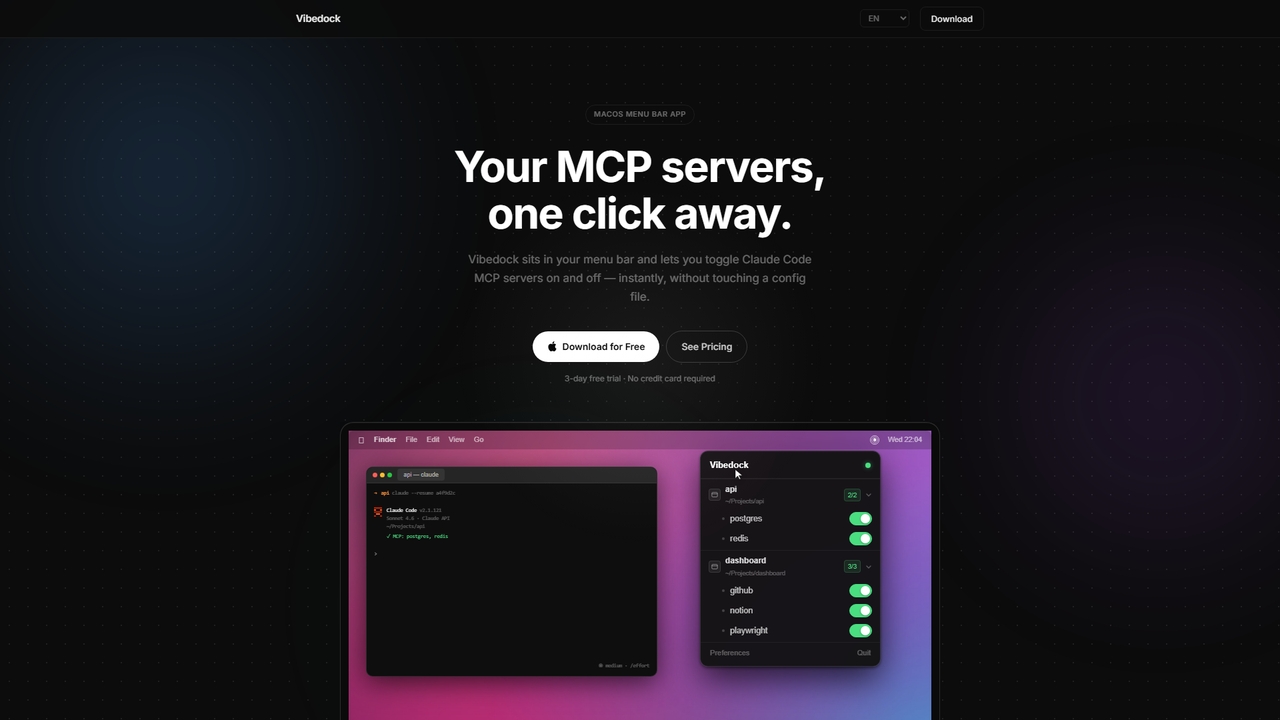
A macOS menu bar application for developers to instantly toggle Claude MCP servers on or off per project, saving context window tokens and eliminating manual config file editing.

Mac Menu Bar Apps
Visits 5.1KFavorites 12Likes 13
OpenMemory MCP
Freemium

OpenMemory MCP

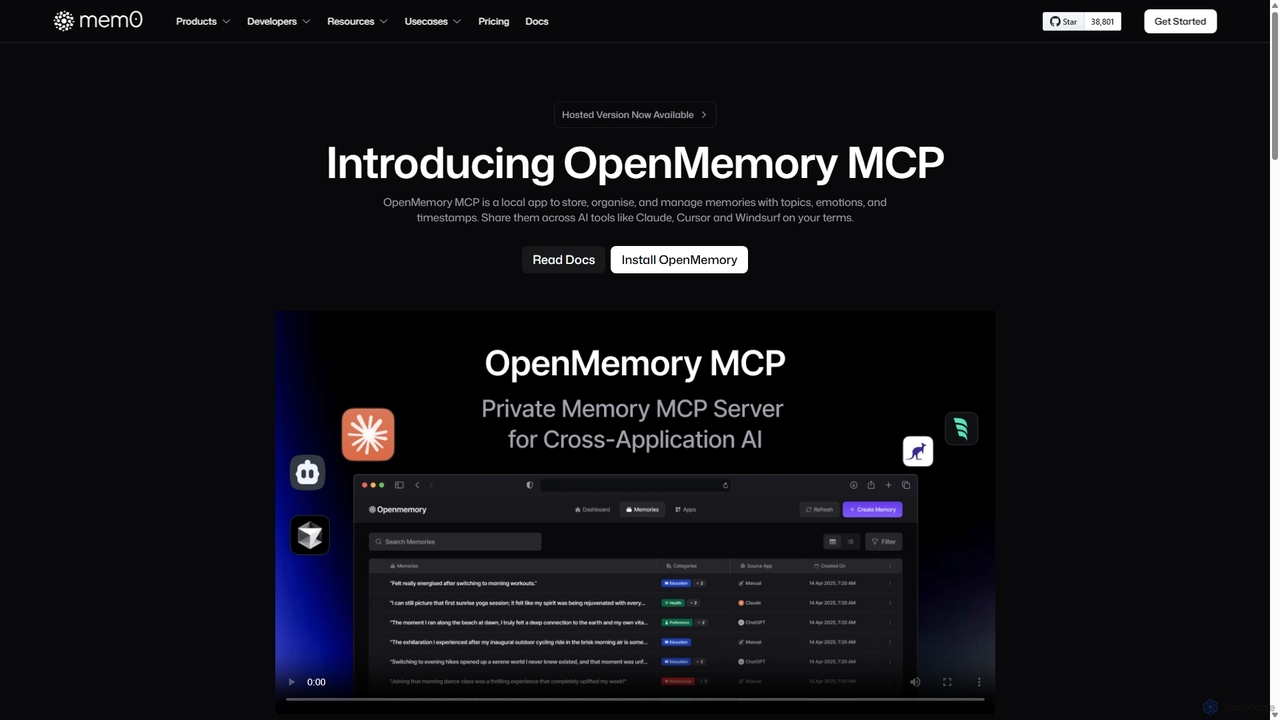
OpenMemory MCP is a local-first application designed to give your AI tools a persistent, private memory. It allows you to store, organize, and manage context like project details, code snippets, and personal preferences, sharing them securely across different AI applications like Claude and Cursor to enhance personalization and workflow continuity.

Personalization
Visits 4.9KFavorites 123Likes 114
Imbue

Imbue

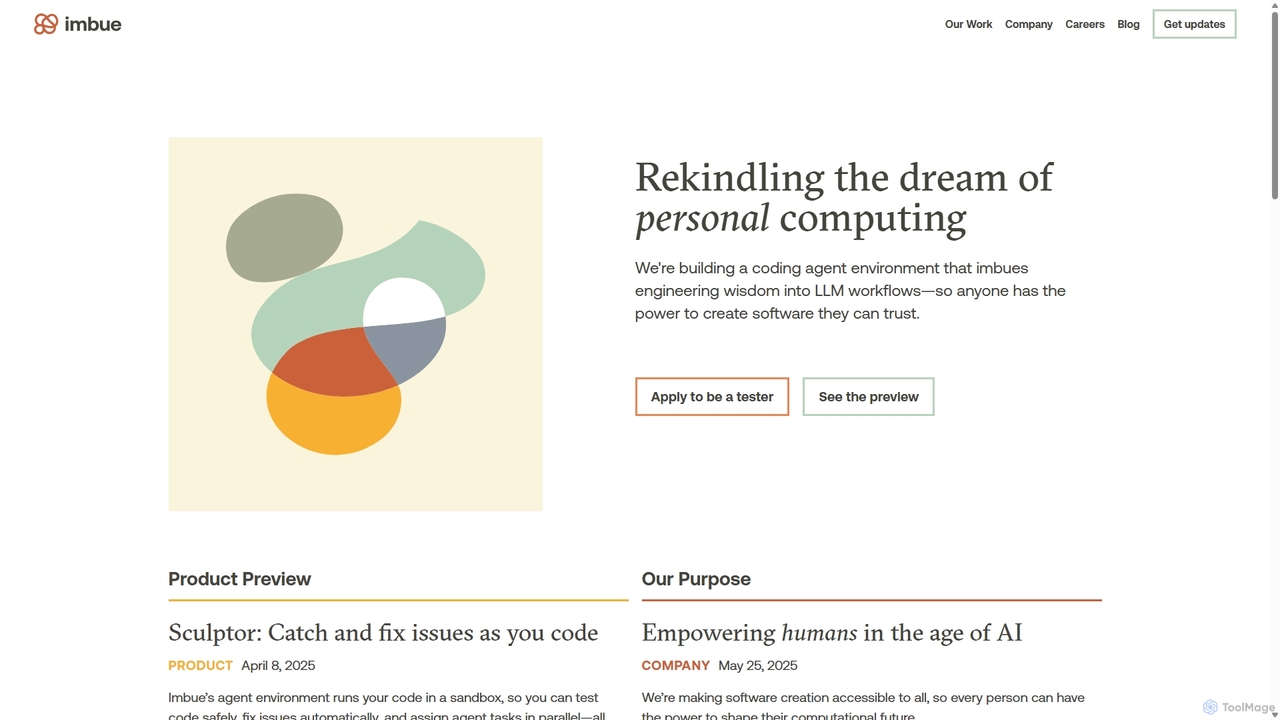
Imbue is an AI research and product company building AI agents that can reason and code. Its flagship product, Sculptor, is a coding agent environment that helps developers write high-quality, reliable software by automatically detecting issues, generating tests, and fixing bugs in a safe, sandboxed environment.

Machine Learning
Visits 54.4KFavorites 136Likes 136
Enso
Freemium

Enso

Enso is an AI-powered development environment designed for developers to parallelize intelligence across multiple AI agents within a single project. It integrates advanced Git control, a robust code editor, and AI-driven code review, offering a seamless workflow with persistent AI sessions for each branch.

Development
Visits 4.3KFavorites 38Likes 34
Buildt
Freemium

Buildt

Buildt is an AI-powered code search and understanding tool for developers. It integrates directly into your IDE, allowing you to search your entire codebase using natural language, understand complex code snippets, and generate or modify code on the fly, acting as an intelligent assistant.

Code Generation
Visits 4.3KFavorites 129Likes 108
Grov
Freemium

Grov

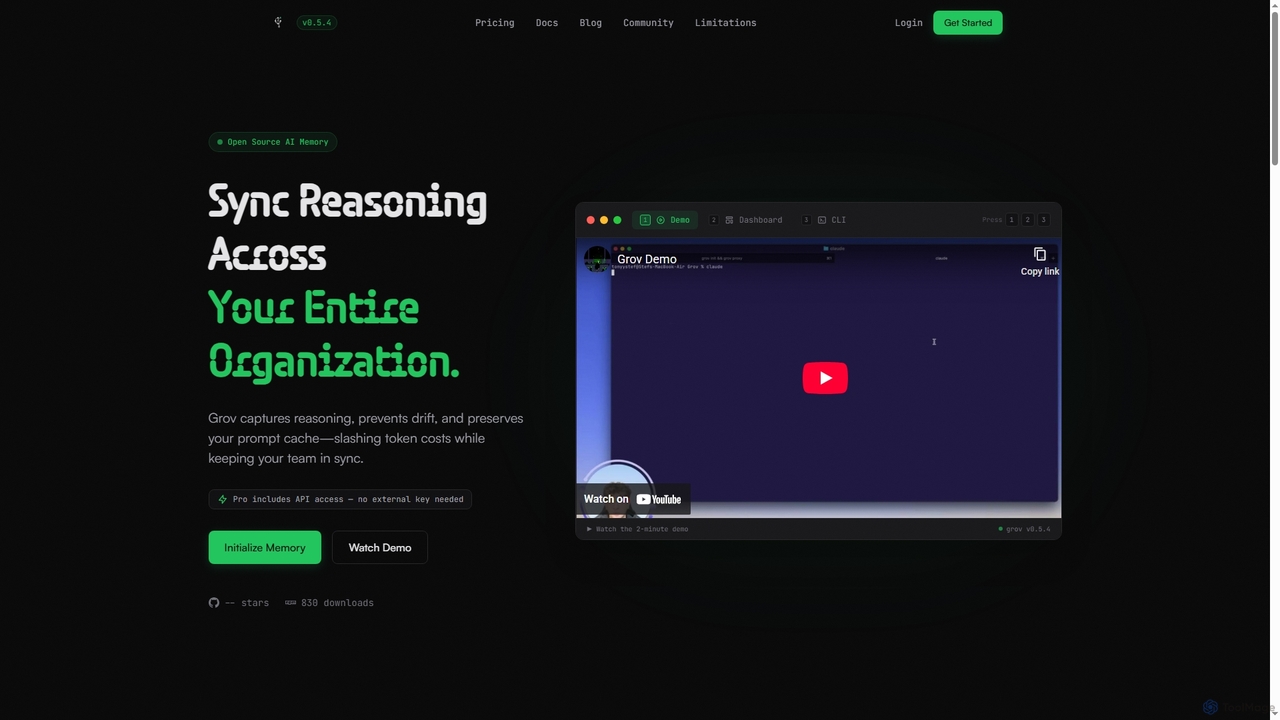
Grov is an open-source collective AI memory for engineering teams, designed to optimize Claude Code sessions. It captures reasoning, prevents AI drift, and preserves prompt caches, significantly reducing token costs and enhancing team synchronization.

Code Assistant
Visits 4.3KFavorites 45Likes 45
Morph
Freemium

Morph

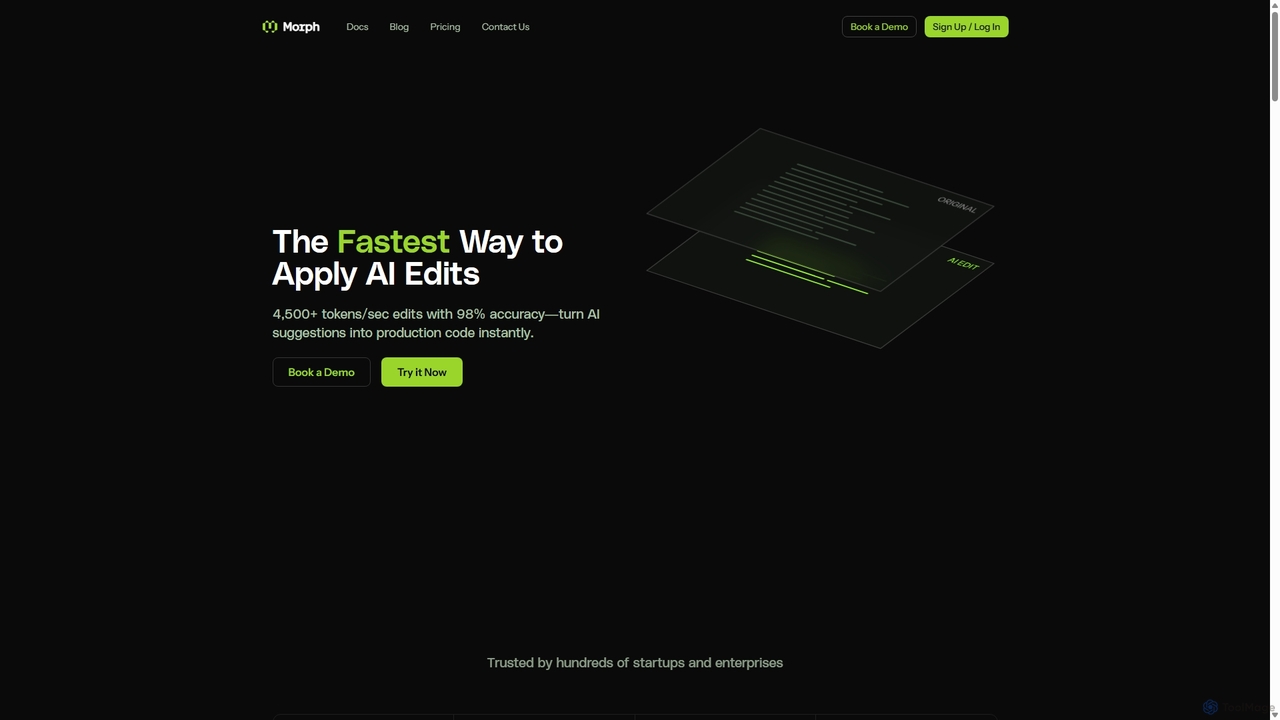
Morph is an API-first platform for developers, providing the fastest and most accurate way to apply AI-generated edits to code and files. With speeds of 4,500+ tokens/sec and 98% accuracy, it empowers AI agents to perform reliable, semantic modifications, bridging the gap between AI suggestions and production-ready implementation.

Infrastructure
Visits 342.8KFavorites 116Likes 111
Momentum AI
Freemium

Momentum AI

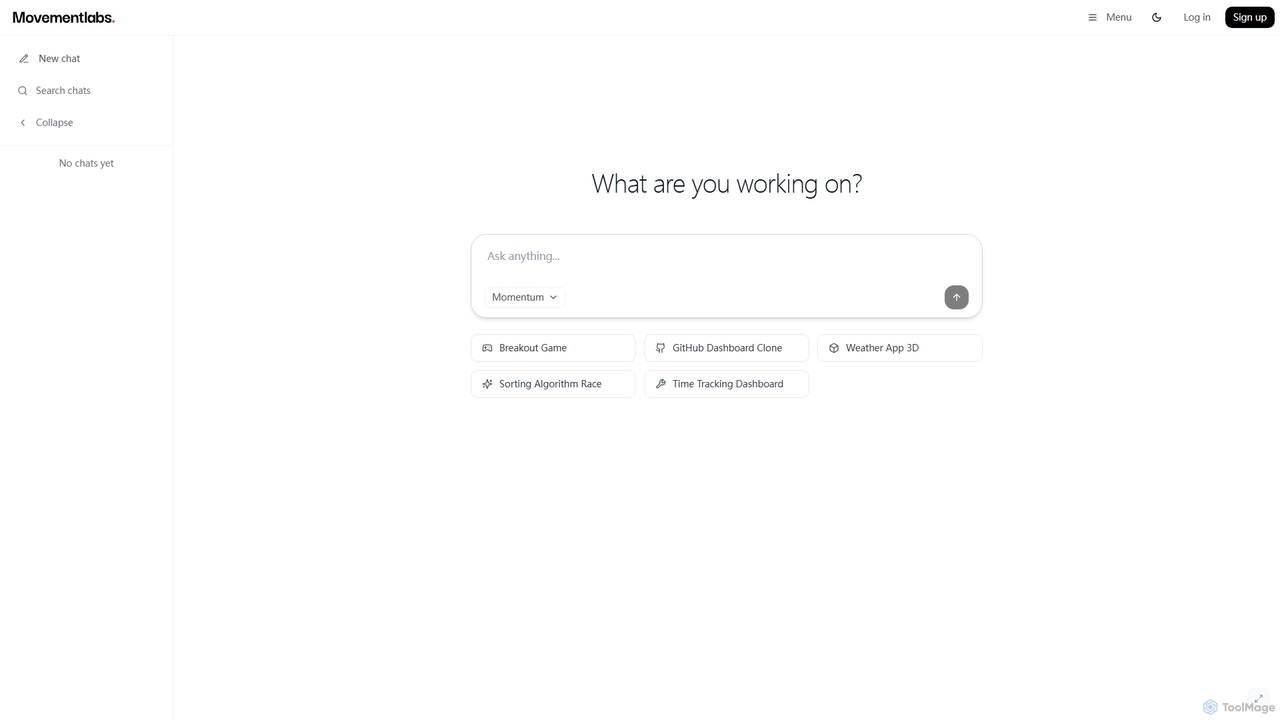
Momentum AI, developed by Movement Labs, is a high-performance artificial intelligence platform renowned for its ultra-fast inference speeds, up to 20 times faster than competitors. Powered by the exclusive Movement Processing Unit (MPU), it delivers benchmark-leading performance for real-time AI applications, including advanced reasoning, code generation, and natural conversations, designed to serve humanity's long-term well-being.

Inference Optimization
Visits 4.4KFavorites 126Likes 116
Aider
Free

Aider

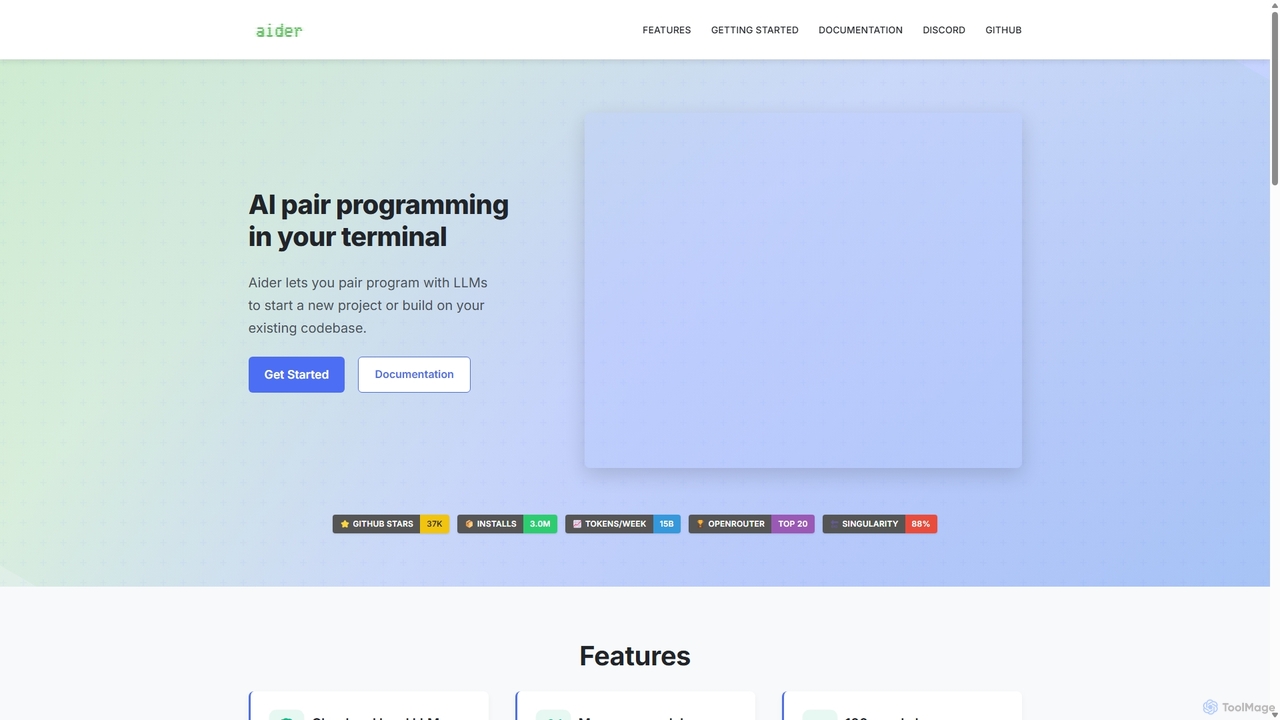
Aider is an AI-powered pair programmer that operates directly in your terminal. It intelligently maps your entire codebase, providing full project context for complex tasks. Seamlessly integrated with Git, it automates commits and allows you to manage AI-driven changes with familiar tools. Aider supports over 100 programming languages, connects to leading cloud and local LLMs, and even accepts voice and image inputs, making it a versatile and powerful assistant for any developer seeking to accelerate their workflow and improve code quality.

Programming
Visits 483.1KFavorites 159Likes 155
Unfold AI
Freemium

Unfold AI

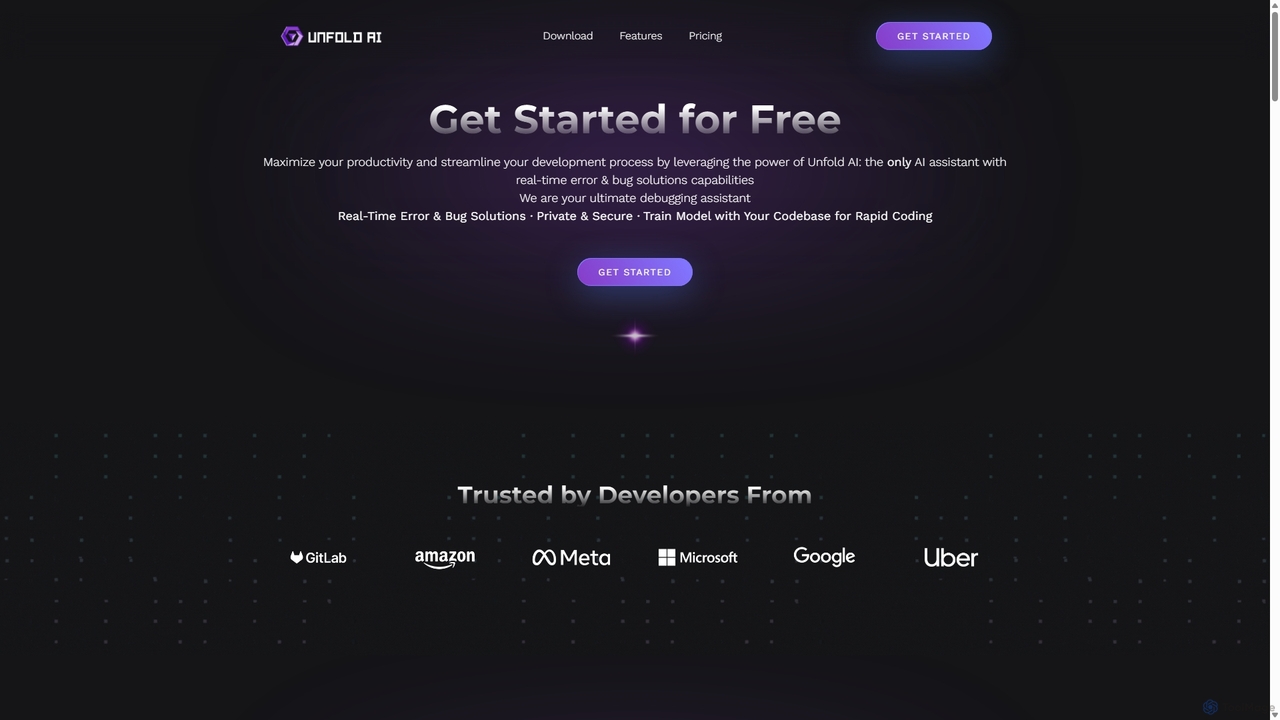
Unfold AI is an all-in-one AI coding assistant designed for developers. It integrates into your IDE to provide real-time error and bug solutions, generate code from natural language, and complete code snippets. A key feature is its ability to be trained on your private codebase for highly customized and accurate assistance across 20+ programming languages.

Code Assistant
Visits 9.5KFavorites 141Likes 139
CodeWiz
Freemium

CodeWiz

CodeWiz is an AI-powered coding assistant designed to accelerate software development. It integrates into your IDE to provide intelligent code completion, real-time debugging, code explanation, and automated test generation, helping developers write better code faster and with fewer errors.

Code Assistant
Visits 4.4KFavorites 95Likes 90
Devgen
Freemium

Devgen

Devgen is an AI-powered coding assistant designed to accelerate the software development lifecycle. It helps developers write better code faster by providing intelligent code generation, completion, refactoring, and automated testing, directly within their IDE.

Code Assistant
Visits 56.9KFavorites 155Likes 143
Readit
Freemium

Readit

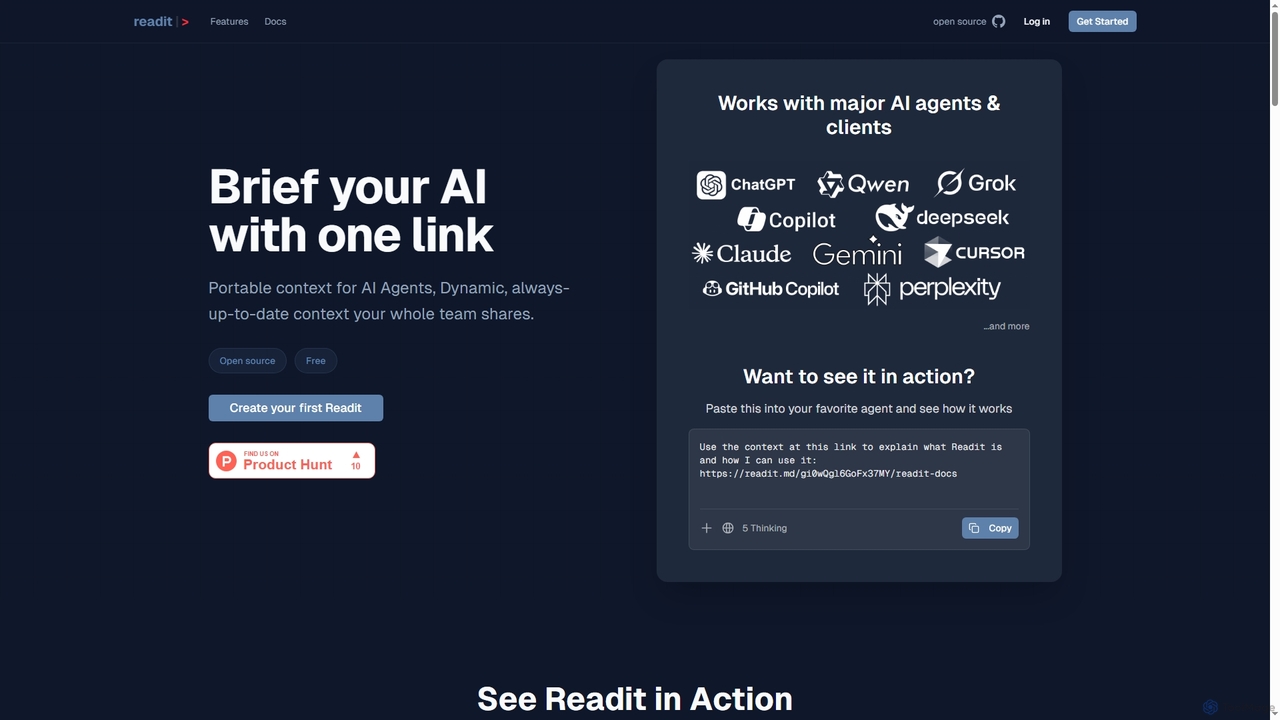
Readit is an open-core platform providing portable, dynamic, and always-up-to-date context for AI agents and teams. It centralizes instructions, files, and references into a single shareable link, eliminating the need for repetitive copy-pasting and ensuring consistent knowledge across different AI tools and collaborators.

Prompt Engineering
Visits 8KFavorites 102Likes 104