Fabric is an AI-powered workspace and smart organizer that acts as your second brain. It automatically centralizes and connects all your notes, files, links, and ideas, eliminating the need for manual organization. Search your entire digital library with natural language and collaborate with an intelligent AI partner.
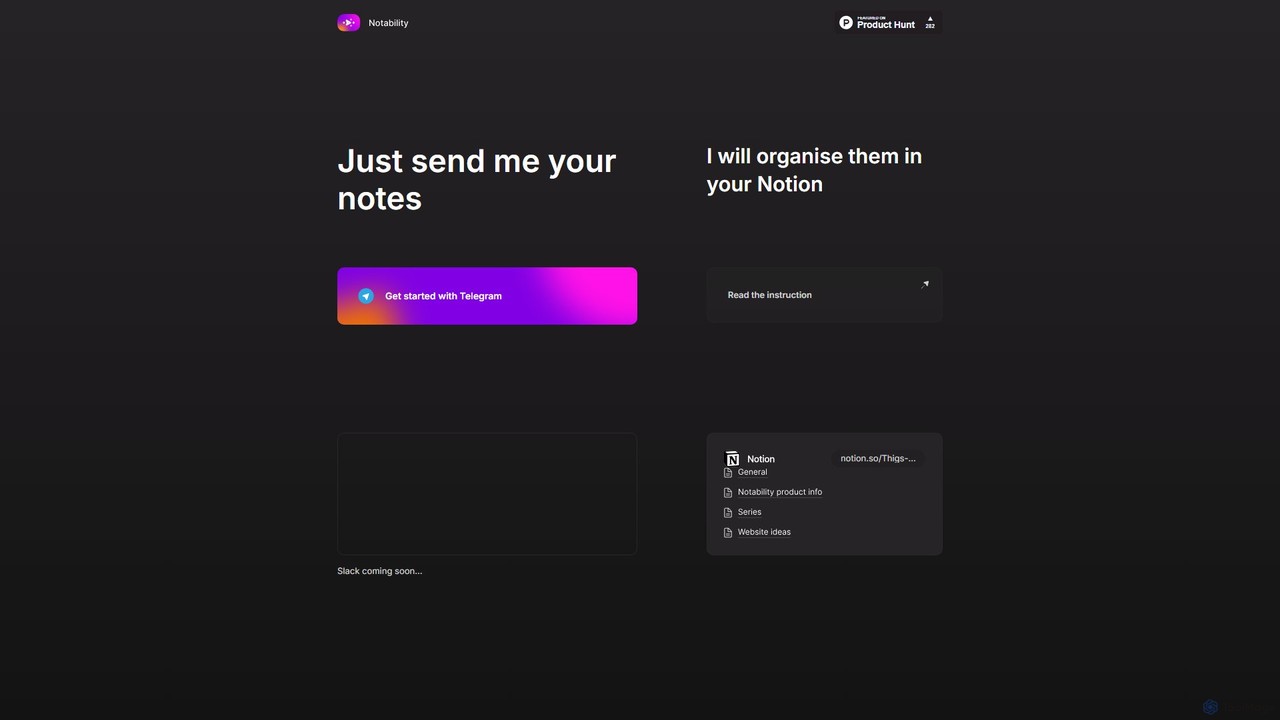
Notability is an AI-powered assistant that streamlines your workflow by automatically organizing notes from Telegram directly into your Notion workspace. Simply send text, voice notes, or links to the Telegram bot, and the AI will intelligently process, categorize, and structure the information within your designated Notion pages and databases. It's designed to eliminate manual data entry and create a frictionless knowledge management system.
Product overview
Fabric Product overview
Fabric is an AI-powered workspace and smart organizer that acts as your second brain. It automatically centralizes and connects all your notes, files, links, and ideas, eliminating the need for manual organization. Search your entire digital library with natural language and collaborate with an intelligent AI partner.
Notability Product overview
Notability is an AI-powered assistant that streamlines your workflow by automatically organizing notes from Telegram directly into your Notion workspace. Simply send text, voice notes, or links to the Telegram bot, and the AI will intelligently process, categorize, and structure the information within your designated Notion pages and databases. It's designed to eliminate manual data entry and create a frictionless knowledge management system.
Detailed feature comparison
| Feature | Fabric | Notability |
|---|---|---|
| Primary category | Personal Assistant | Workflow Automation |
| Added | 2025-08-14 | 2025-08-10 |
| Pricing | Freemium | Freemium |
| Official website | fabric.so | notability.ai |
| Product type | Website | Website |
| Performance data | ||
| User rating | Not verified | Not verified |
| Comments | 0 | 0 |
| Monthly visits | 277.4K | 3.6K |
| Monthly growth | 18.9% | Not verified |
| Favorites | 103 | 106 |
| Details | View details | View details |
Fabric vs Notability monthly traffic
Compare Fabric and Notability by monthly reach, traffic trend, visit depth, top regions, and acquisition sources.
How to interpret the traffic data
In the Fabric vs Notability monthly traffic comparison, Fabric currently shows 277.4K visits and Notability shows 3.6K; Fabric has about 77.8 times the visible traffic of Notability, an absolute difference of about 273.9K visits. This reflects visible reach, not feature quality or paid users.
Only Fabric has complete third-party traffic details; Notability uses visits recorded inside ToolMage. These scopes cannot estimate market share directly, and on-site views should not be treated as the product’s total website traffic.
Fabric monthly traffic:
Latest traffic
Monthly traffic trend
- 2025/9: 228.4K Monthly visits
- 2026/1: 253.6K Monthly visits
- 2026/2: 240.2K Monthly visits
- 2026/3: 254.4K Monthly visits
- 2026/4: 233.4K Monthly visits
- 2026/5: 277.4K Monthly visits
Top regions
Top 5 countries/regions
| Country/region | Percentage | Traffic |
|---|---|---|
| 🇺🇸United States | 56.14% | 155.8K |
| 🇵🇪Peru | 14.33% | 39.8K |
| 🇮🇳India | 10.35% | 28.7K |
| 🇨🇴Colombia | 9.64% | 26.7K |
| 🇧🇪Belgium | 9.54% | 26.5K |
Traffic sources
| Source type | Percentage | Traffic |
|---|---|---|
| Direct | 87.67% | 243.2K |
| Referral | 8.63% | 23.9K |
| 3.7% | 10.3K |
Search keywords
Notability monthly traffic:
Latest traffic
Usage comparison
Compare the core capabilities of Fabric and Notability
Fabric Core features
Notability Core features
Use cases
Fabric Use cases
Notability Use cases
Fabric vs Notability:In-depth comparison and selection guidance
First decide whether the products solve the same kind of need
This in-depth Fabric vs Notability comparison uses only the product records, taxonomy, audience, traffic, and community signals available on this page. Fabric is primarily listed under “Personal Assistant”, while Notability is primarily listed under “Workflow Automation”, so the first decision is whether your actual task matches their recorded scope.
The structured fields currently show these decision-relevant differences: Primary category (Fabric: Personal Assistant; Notability: Workflow Automation); Monthly visits (Fabric: 277.4K; Notability: 3.6K); Favorites (Fabric: 103; Notability: 106); Website (Fabric: fabric.so; Notability: notability.ai); Added (Fabric: 2025-08-14; Notability: 2025-08-10). These facts are more useful for selection than brand visibility alone.
What market visibility and monthly traffic mean
In the Fabric vs Notability monthly traffic comparison, Fabric currently shows 277.4K visits and Notability shows 3.6K; Fabric has about 77.8 times the visible traffic of Notability, an absolute difference of about 273.9K visits. This reflects visible reach, not feature quality or paid users.
Only Fabric has complete third-party traffic details; Notability uses visits recorded inside ToolMage. These scopes cannot estimate market share directly, and on-site views should not be treated as the product’s total website traffic.
The current traffic scope is not sufficient for a reliable product ranking. Treat monthly visits as a market-interest signal, then decide using taxonomy, use cases, pricing, and a like-for-like trial rather than reading exposure as product capability.
Product positioning, use cases, and roles
Fabric and Notability currently overlap in shared categories: Note Taking; shared tags: AI assistant, knowledge management, note-taking, and productivity. This can place both on the same shortlist, but it does not prove equal implementation, depth, or cost.
Fabric's unique categories/tags are Personal Assistant, Knowledge Management, AI workspace, collaboration, document editor, file organizer, personal knowledge base, and search; Notability's are Workflow Automation, Knowledge Management, automation, note organization, Notion, task management, Telegram, and workflow. These unique fields are the strongest differentiators: validate the product whose recorded scope matches the task instead of following traffic alone.
What ratings, comments, and favorites can tell you
Fabric has no verified rating, 0 comments, 103 favorites, and 118 likes;Notability has no verified rating, 0 comments, 106 favorites, and 101 likes。
Neither product has enough rating or comment samples for a credible reputation ranking.
Selection guidance by actual need
When to evaluate Fabric first
Put Fabric on the priority trial list when the task aligns with “Personal Assistant” and especially Personal Assistant, Knowledge Management, AI workspace, collaboration, document editor, and file organizer. This follows recorded positioning and does not imply unlisted capabilities are absent.
Fabric also currently records: pricing is freemium, product type is website, 277.4K verified monthly visits, no verified user rating. Verify any hard requirement around price, platform, or reach before trial, and do not let sparse review data substitute for testing.
When to evaluate Notability first
Put Notability on the priority trial list when the task aligns with “Workflow Automation” and especially Workflow Automation, Knowledge Management, automation, note organization, Notion, and task management. This follows recorded positioning and does not imply unlisted capabilities are absent.
Notability also currently records: pricing is freemium, product type is website, 3.6K on-site monthly views, no verified user rating. Verify any hard requirement around price, platform, or reach before trial, and do not let sparse review data substitute for testing.
How to validate the recommendation before deciding
The available data describes positioning, public visibility, and community signals, but it cannot prove output quality, speed, integration effort, privacy, or long-term cost in your workflow. Before deciding, run the same representative tasks in Fabric and Notability, then record completion time, accuracy, manual corrections, and the real paid threshold. A like-for-like trial turns this comparison into a defensible adoption decision.
Comparison FAQ
How should I choose between Fabric and Notability?
Where does this comparison data come from?
What do unknown fields mean?
Related AI tools

Mem
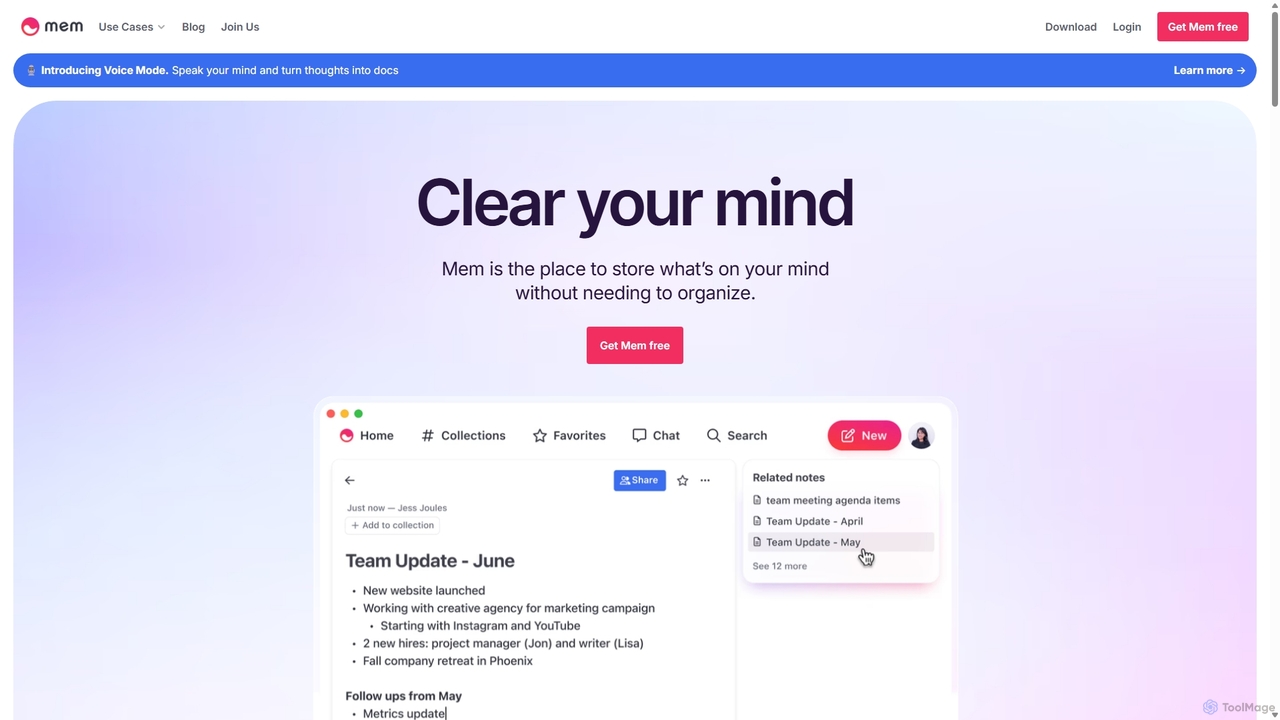
Mem is a self-organizing workspace powered by AI, designed to act as your personal second brain. It captures, connects, and resurfaces your notes automatically, eliminating the need for manual organization. With its integrated AI chat, you can search, summarize, and generate content from your own knowledge base.
Personal Assistant
DeClutr
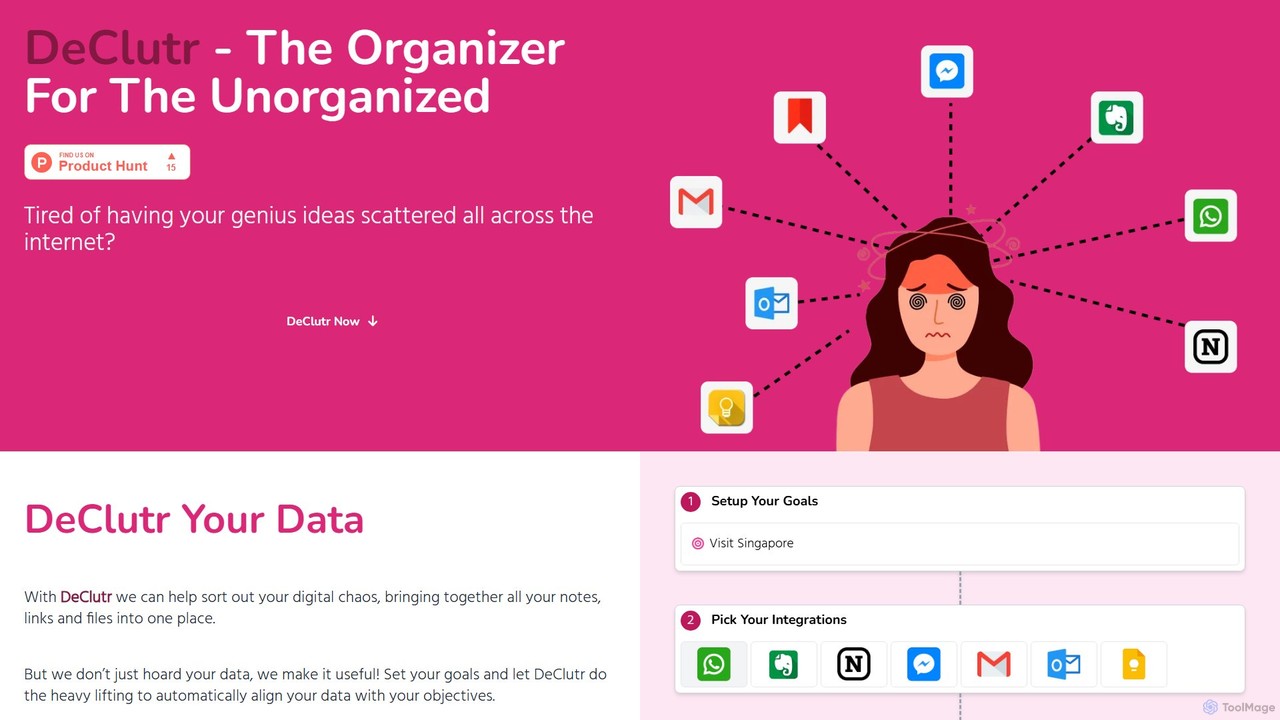
DeClutr is an AI-powered organizer designed for the unorganized. It centralizes your scattered notes, links, and files into a single, intelligent workspace. The platform not only aggregates your data but also uses AI to align it with your goals, providing actionable insights and tasks to help you achieve your objectives.
Knowledge Management
Notis
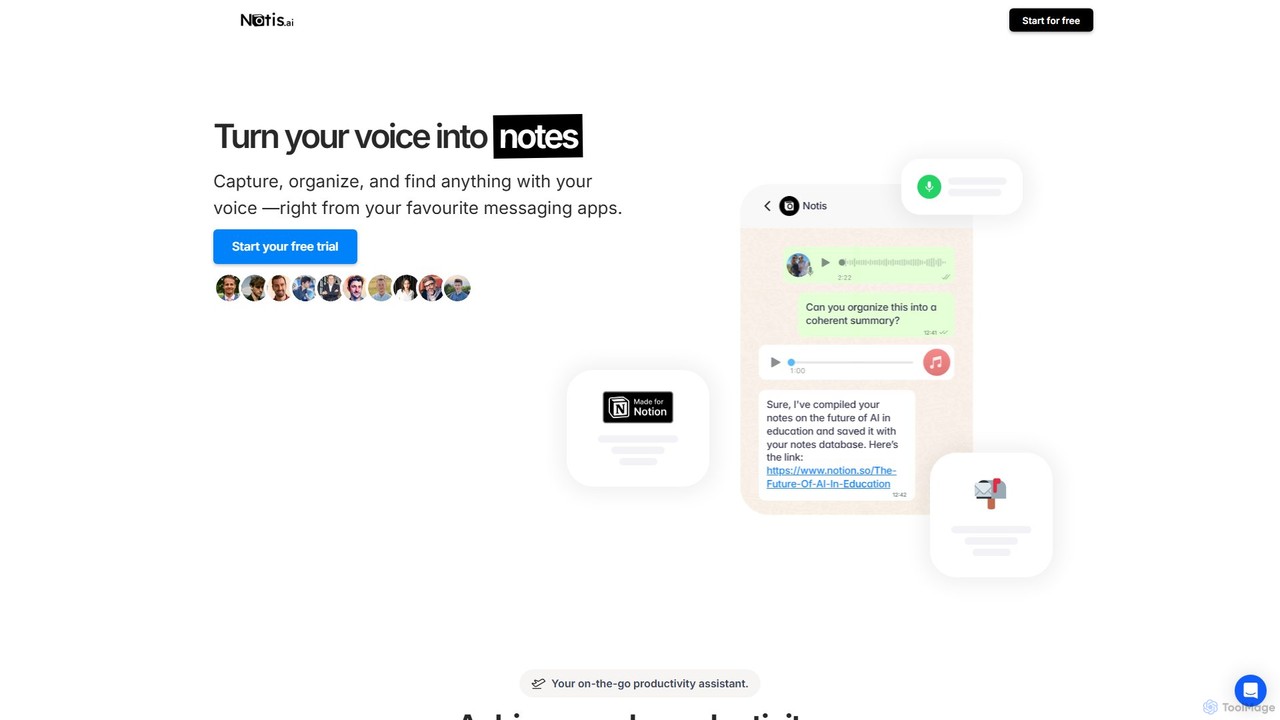
Notis is an AI-powered productivity assistant that turns your voice, text, and images into structured entries in Notion. Operating directly from messaging apps like WhatsApp and Telegram, it helps you capture ideas, manage tasks, draft content, and organize your life without ever opening the Notion app.
Content Creation
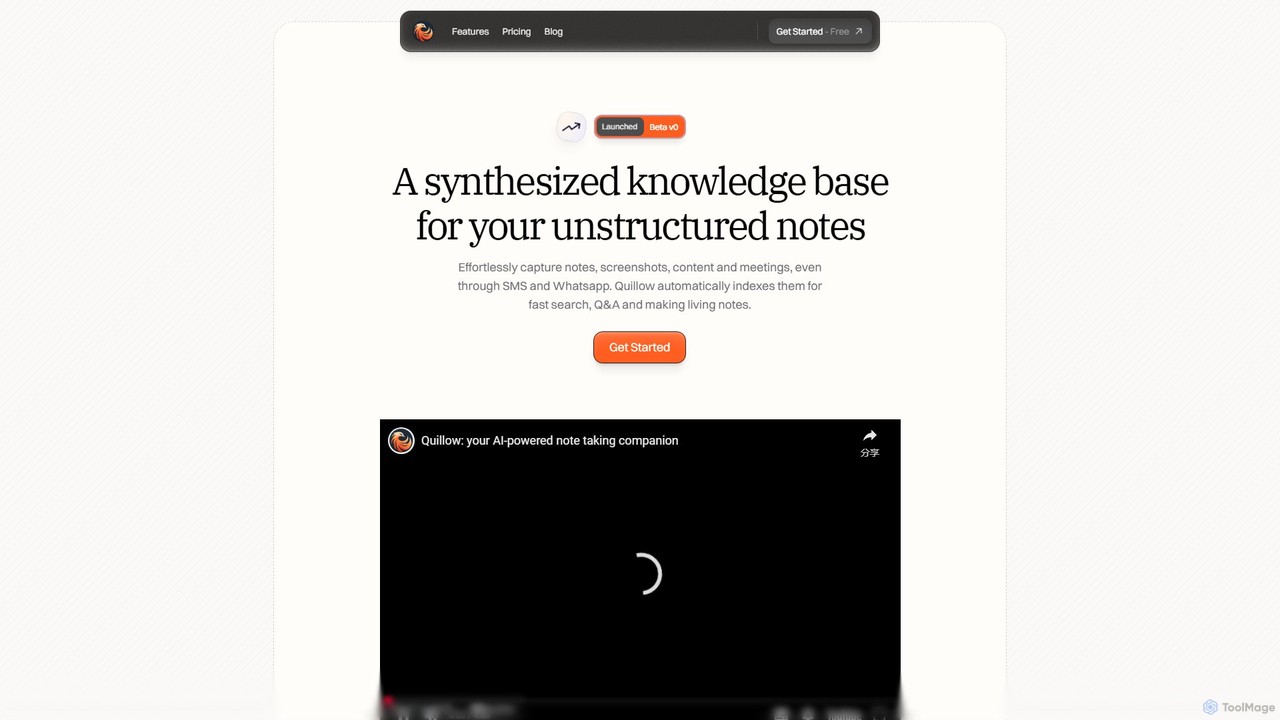
Quillow
Quillow is an AI-powered note-taking app that functions as your second brain. It effortlessly captures unstructured notes, screenshots, and content from various sources, including SMS and WhatsApp, and automatically organizes them into a searchable, queryable knowledge base. Ask questions to your notes and let AI synthesize the answers.
Personal
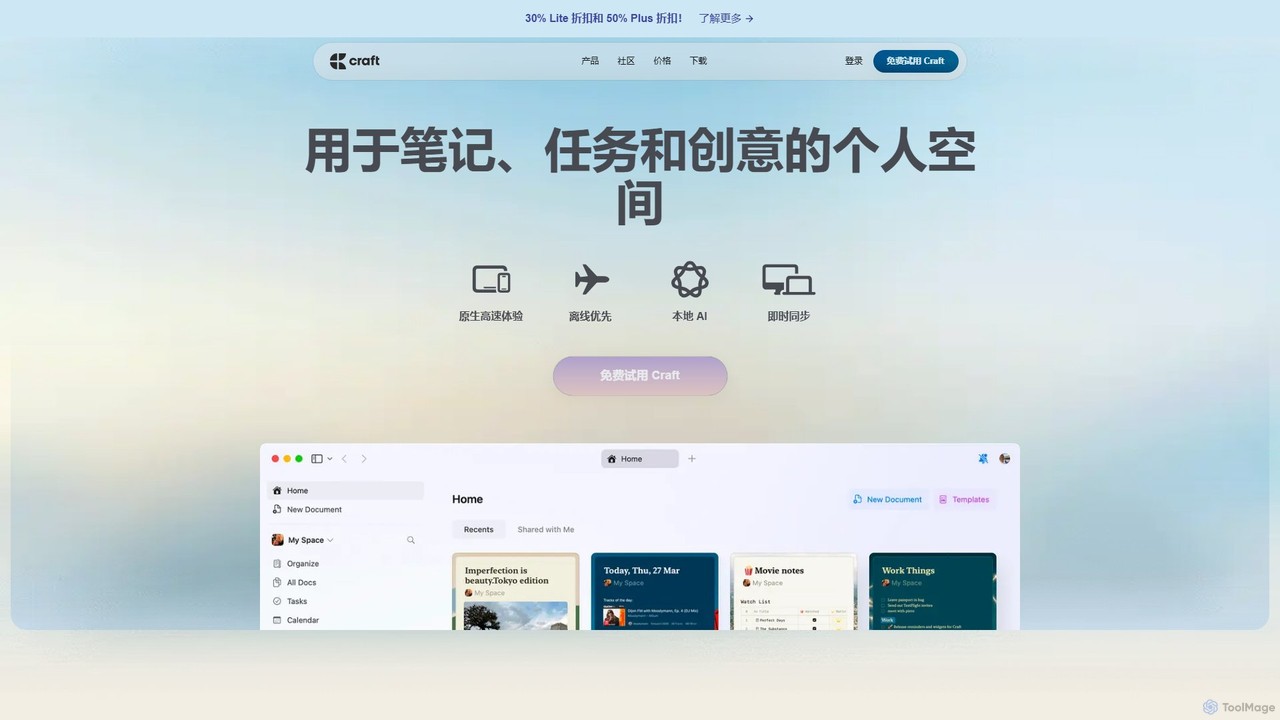
Craft
Craft is a beautifully designed, native document editor for notes, tasks, and ideas. It combines powerful features like a local AI assistant, task management, and flexible organization with a joyful, fast, and offline-first user experience, making it the perfect tool for writers, thinkers, and teams to capture and structure their thoughts.
Knowledge Management
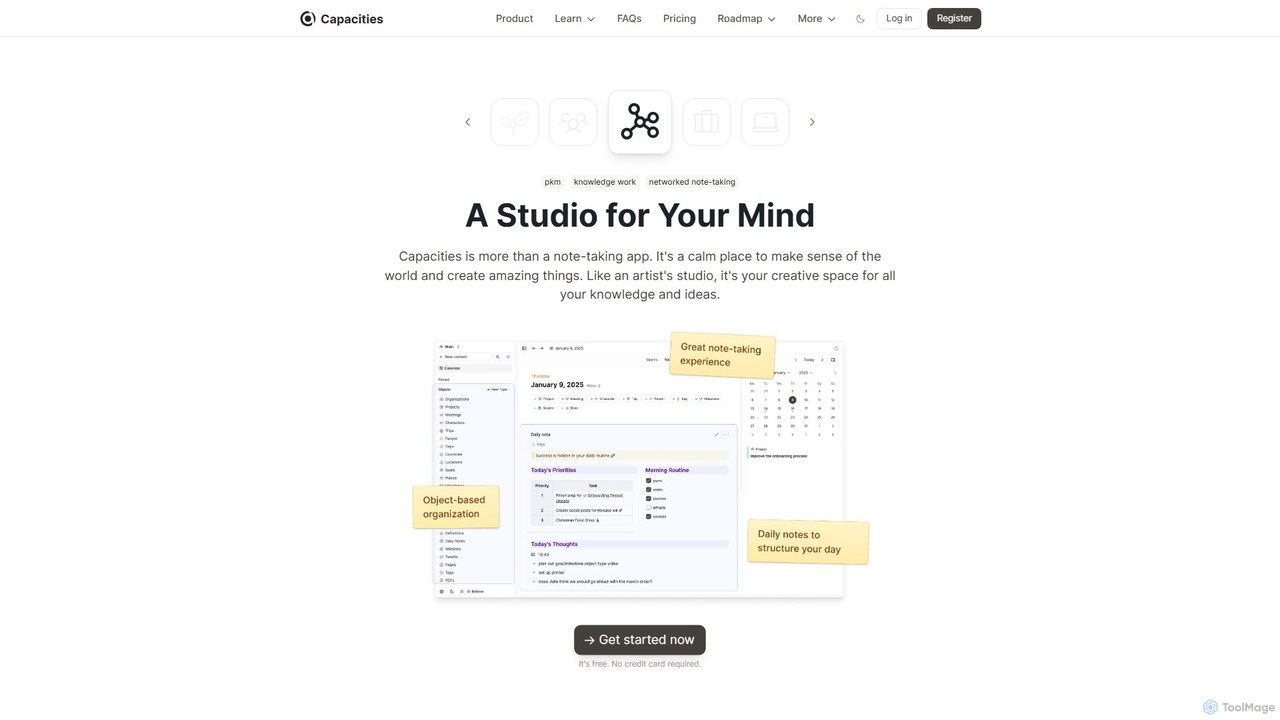
Capacities
Capacities is a next-generation note-taking and knowledge management tool designed as a "studio for your mind." It replaces traditional folders with a flexible, object-based network, allowing you to connect ideas naturally. Features include an integrated AI assistant, powerful linking, custom content types, and cross-platform availability, making it ideal for building a personal knowledge base or "second brain."
Second Brain
Findr
Findr is an AI-powered second brain for personal and enterprise knowledge management. It unifies all your information—from apps like Google Drive, Notion, and Slack, to documents, notes, and bookmarks—into a single, searchable workspace. Ask questions in natural language to get context-aware answers from your own data, streamline research, and never lose an idea again.
Knowledge Management
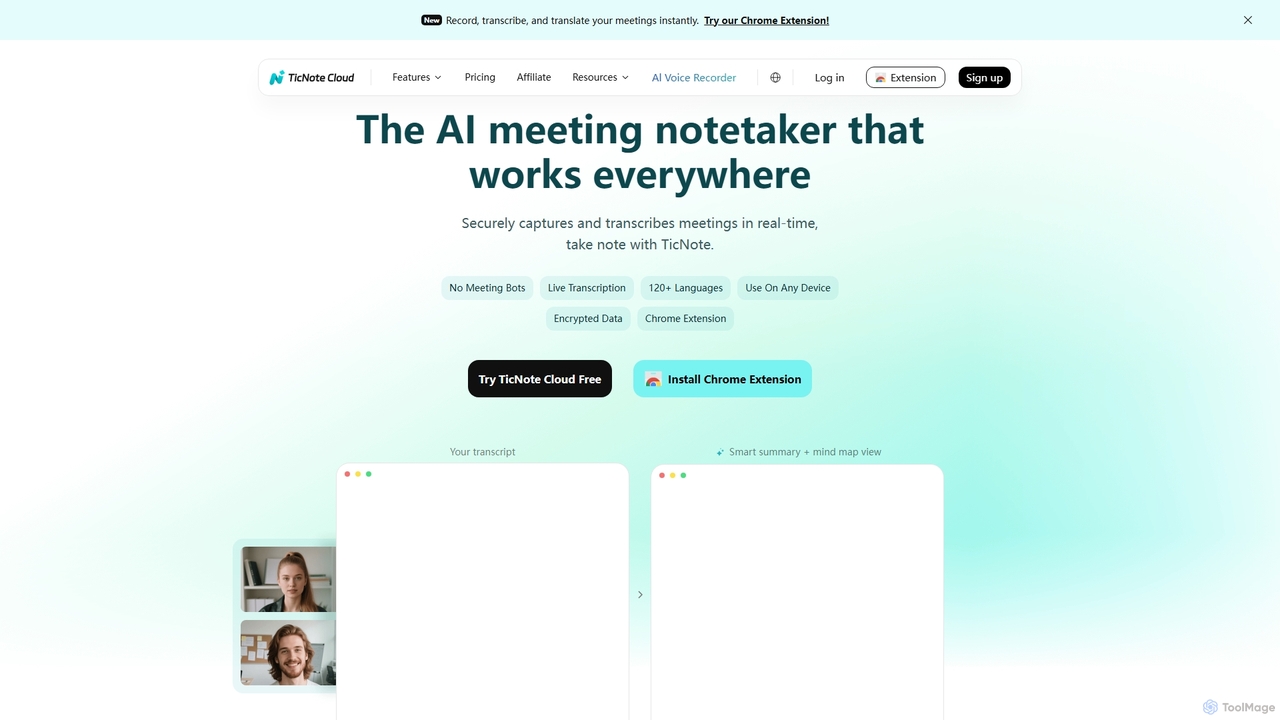
TicNote
TicNote is an AI-powered meeting notetaker that transcribes, summarizes, and organizes conversations in real-time across 120+ languages. It uses on-device AI to generate smart summaries, mind maps, and action items without meeting bots, enhancing productivity and knowledge management for professionals.
Language Processing
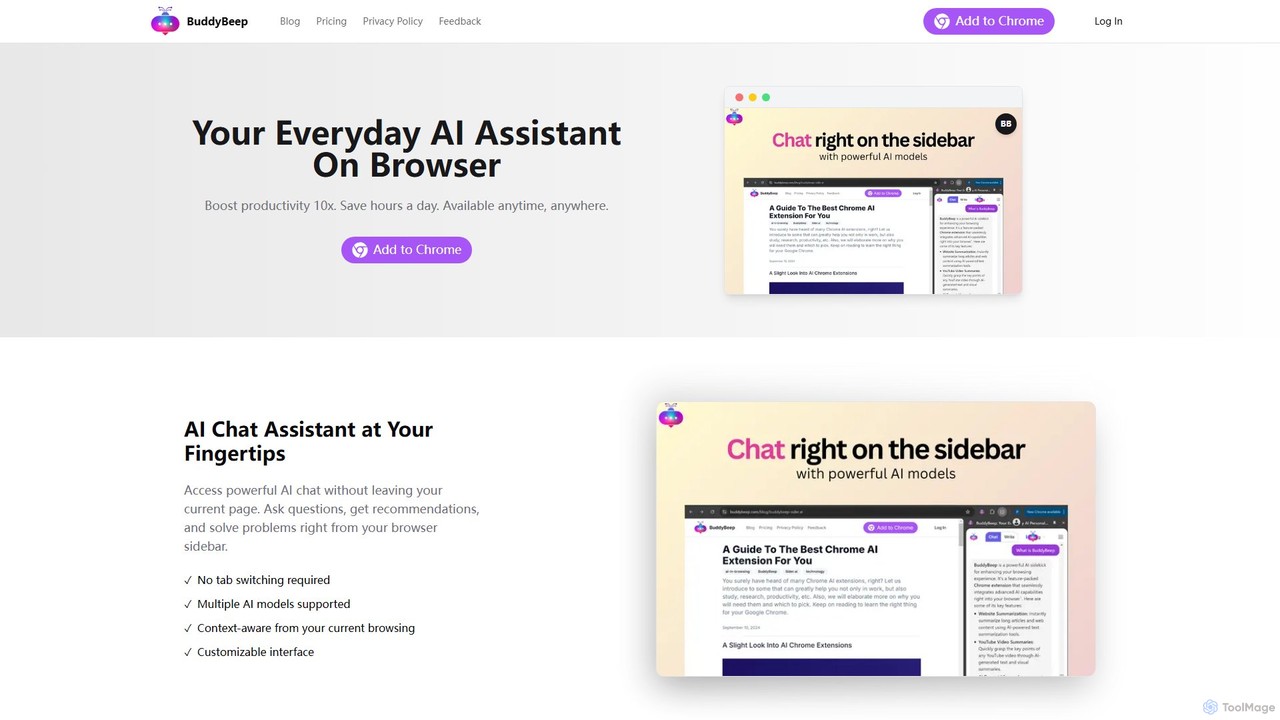
BuddyBeep
BuddyBeep is an AI-powered Chrome extension that acts as your personal browsing assistant. It boosts productivity by offering an in-page AI chat, one-click summarization for articles and YouTube videos, and a smart knowledge repository to build your "second brain". Capture, organize, and retrieve information effortlessly without switching tabs, transforming your browsing into a more efficient and insightful experience.
Browser Extension
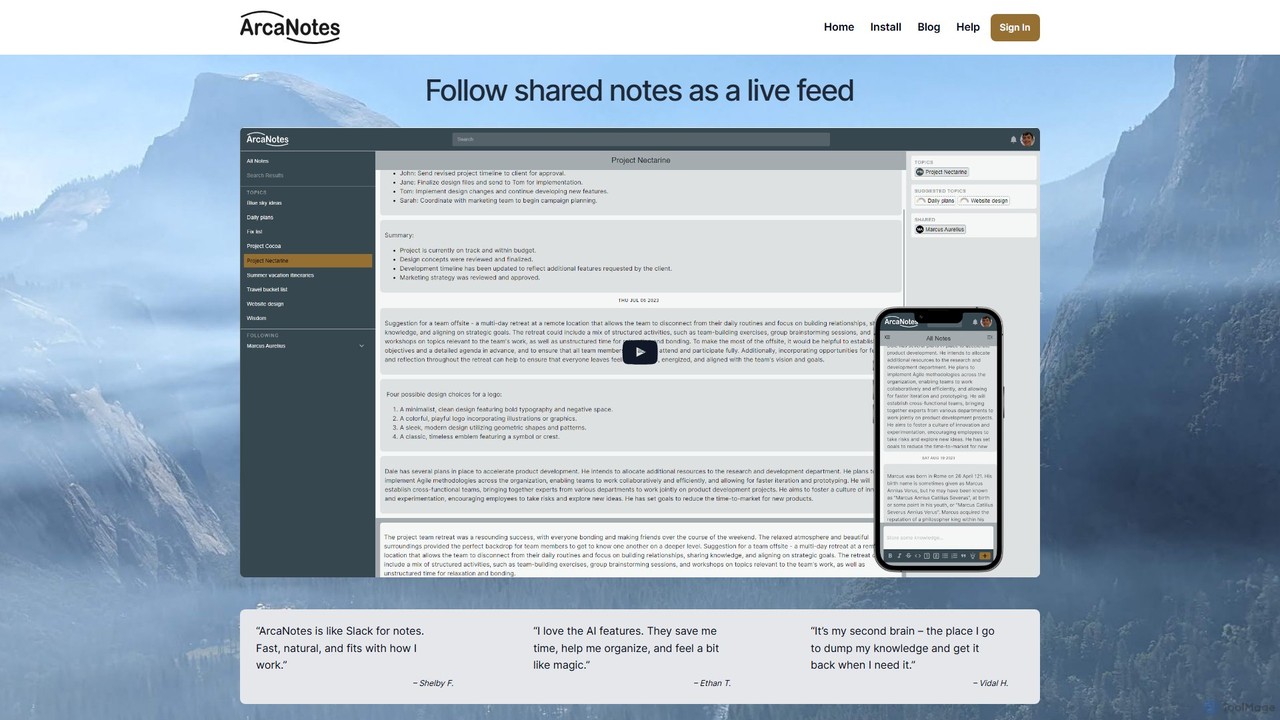
ArcaNotes
ArcaNotes is an AI-enhanced micro-note app designed for elevated productivity and knowledge management. It acts as your second brain, allowing you to quickly capture, organize, and retrieve information. With on-device AI, it offers intelligent topic suggestions, natural language Q&A with your notes, and collaborative sharing features, all while prioritizing user privacy with robust encryption.
Personal Assistant

88lingo
88lingo is an AI-powered collaborative platform that integrates note-taking, knowledge management, and content creation. It's designed for teams and individuals to streamline workflows, enhance productivity, and centralize information in a flexible, all-in-one workspace.
Ai Writing Assistant
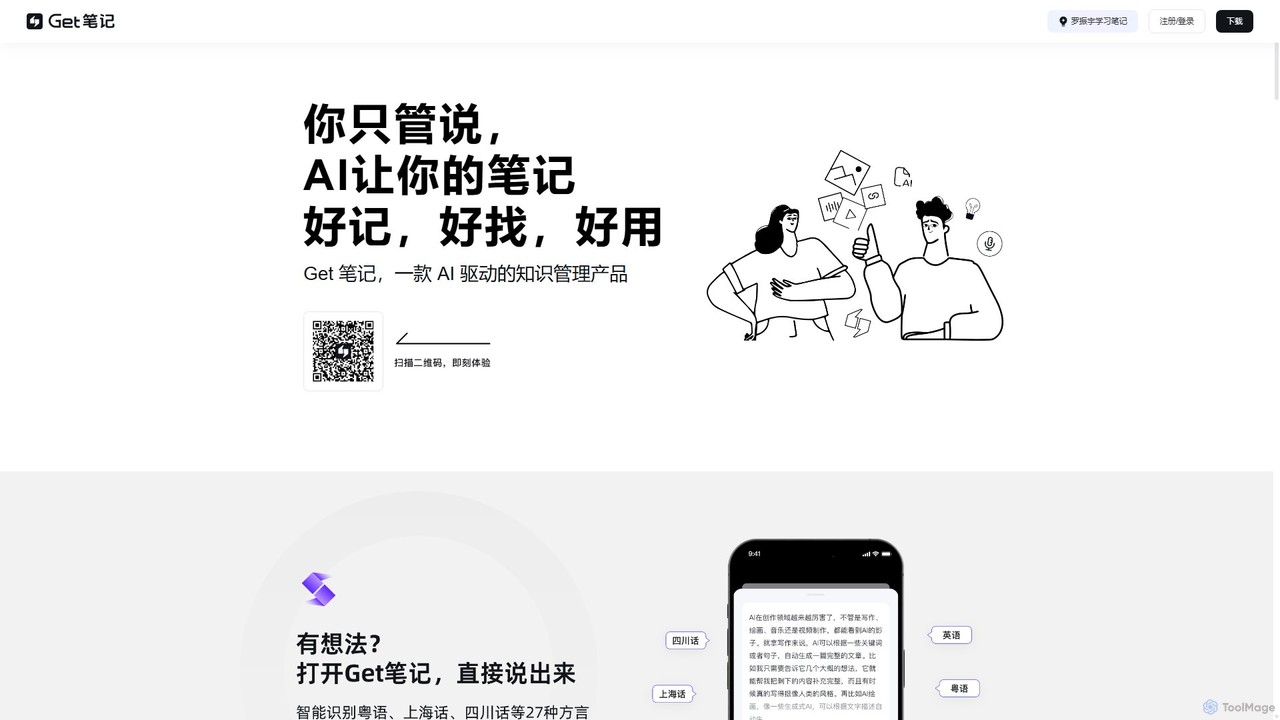
biji
biji is an AI-driven knowledge management app that transforms your spoken ideas into structured, searchable, and usable notes. Just talk, and biji's AI will handle transcription, summarization, and organization, making it effortless to capture and manage your thoughts, meetings, and learnings.
Transcription
moyonote
moyonote is an AI-powered tool that automatically transforms documents, text, and various files into structured, interactive mind maps. It helps users quickly sort and acquire knowledge, enhancing productivity for students, professionals, and teams by simplifying complex information.
Document Analysis
Horsy.ai
Horsy.ai is an AI-powered Chrome extension that acts as a productivity layer for the web. It summarizes web pages and YouTube videos, allows you to chat with content, fact-checks information, and organizes your bookmarks into a searchable knowledge base. It's designed to help users save time, learn faster, and enhance their online research.
Learning