
StyleGuardAI Overview
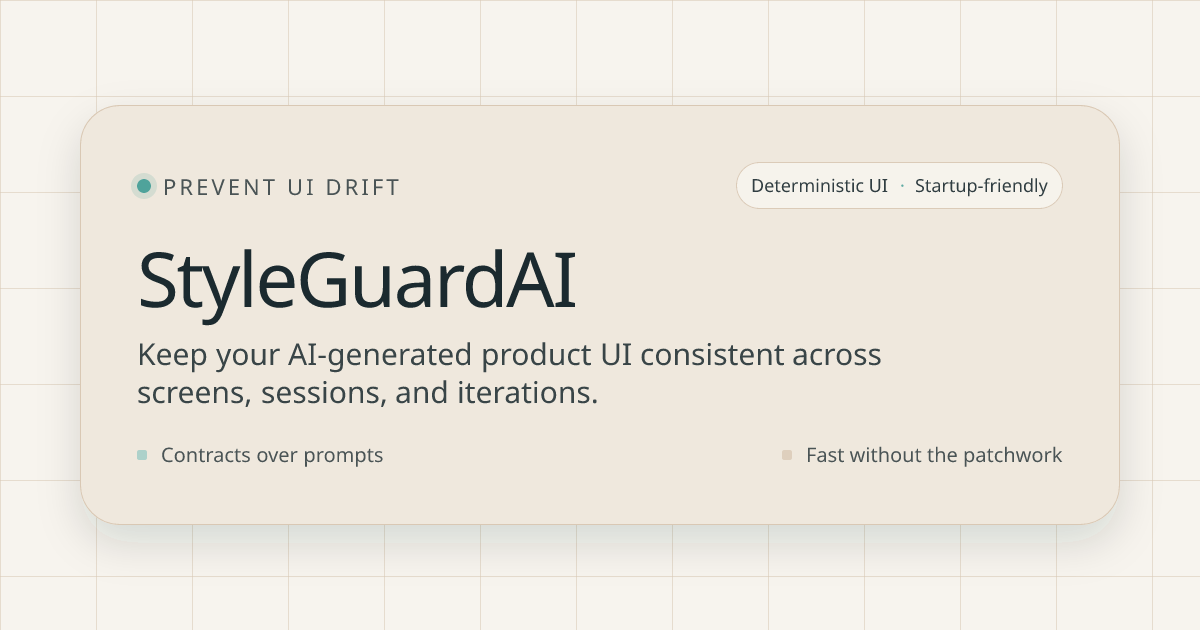
StyleGuardAI is a specialized AI design enforcement layer engineered to prevent UI drift in interfaces generated by artificial intelligence. By moving design intent from natural language prompts into versioned contracts, StyleGuardAI enables AI agents to produce consistent, stable, and predictable UI output across different sessions, teams, and development stacks. It addresses critical challenges such as untraceable styling changes and inconsistent component generation, ensuring design integrity and accelerating development workflows.
How to use StyleGuardAI
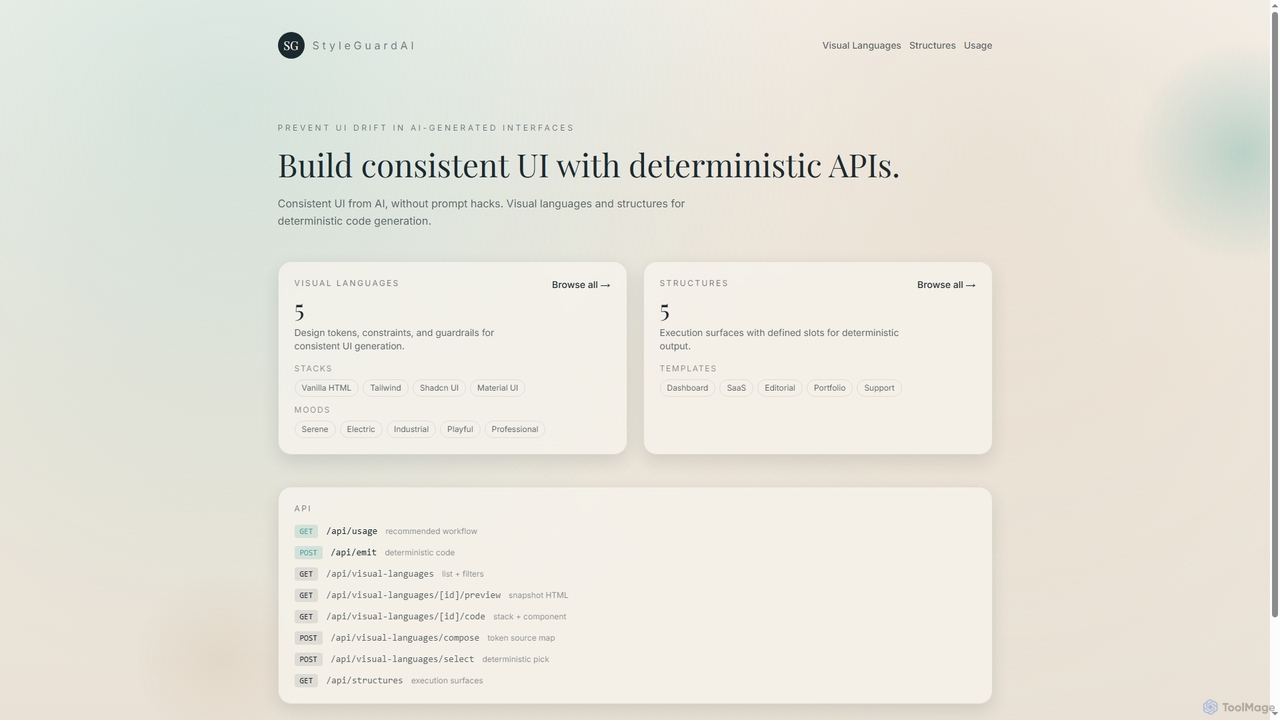
To use StyleGuardAI, developers and AI agents interact with its deterministic APIs. The core workflow involves selecting a "visual language" and a "structure." Visual languages are versioned contracts defining design tokens, constraints, and stability markers, while structures are execution surfaces with defined slots for UI elements. Once a visual language (e.g., "quiet-lattice" v0.1.1) and a structure (e.g., "editorial") are chosen, they are sent to the POST /api/emit endpoint to generate deterministic code artifacts. For team collaboration and consistent output, a shared .styleguardai.json lockfile is used to pin visual language IDs, versions, and structure IDs. Agents are instructed to check for this lockfile and reuse its values for subsequent UI generation tasks, or create one if it doesn't exist, as detailed in the API usage guidelines.
Core Features of StyleGuardAI
- Deterministic UI Generation: Emits stable design code by pairing versioned visual languages with slot-based structures, ensuring consistent output.
- Visual Language Contracts: Offers versioned design systems with explicit tokens, constraints, and stability markers (e.g., Aurora Grid, Brutal Signal), supporting various styles and densities.
- Structured Execution Surfaces: Provides predefined UI structures (e.g., Dashboard, SaaS, Editorial, Portfolio, Support) with required and optional slots for systematic content placement.
- API-Driven Workflow: Features a comprehensive API surface with endpoints for usage, listing/filtering visual languages and structures, pinning contracts, deterministic emission, and drift validation.
- Design Lock Mechanism: Utilizes a shared
.styleguardai.jsonlockfile to enforce consistent design choices across multiple AI agents and development sessions, preventing UI drift. - Multi-Stack Support: Generates UI code for popular frontend stacks including Vanilla HTML, Tailwind, Shadcn UI, and Material UI.
- Advanced API Endpoints: Includes functionalities for deterministic selection of visual languages from natural language briefs, token composition, fetching component templates, and previewing generated HTML.
Use Cases for StyleGuardAI
StyleGuardAI is ideal for scenarios where maintaining design consistency in AI-generated user interfaces is paramount. It can be used by development teams leveraging AI for rapid prototyping and component generation, ensuring all AI-powered outputs adhere to established brand guidelines and design systems. This includes creating consistent dashboards, SaaS marketing pages, editorial layouts, portfolios, and support interfaces. It is particularly useful for large teams or projects with multiple AI agents contributing to UI development, where preventing design drift and ensuring a unified user experience is critical. Furthermore, it aids in automating the generation of UI elements while maintaining strict adherence to visual language contracts and structural integrity.
Advantages of StyleGuardAI
The primary advantage of StyleGuardAI lies in its ability to enforce design consistency and prevent UI drift in AI-generated interfaces, which is a common challenge in AI-powered development. By externalizing design intent into versioned contracts, it liberates developers and AI agents from complex prompt engineering for styling, leading to more predictable and reliable output. This approach significantly reduces the time spent on UI adjustments and ensures a cohesive user experience across all digital products. Its API-first design allows seamless integration into existing development workflows and AI agent pipelines, enhancing productivity and maintaining high-quality design standards without manual oversight for every AI-generated component.
StyleGuardAI FAQ
StyleGuardAI Alternatives
Vibefyre
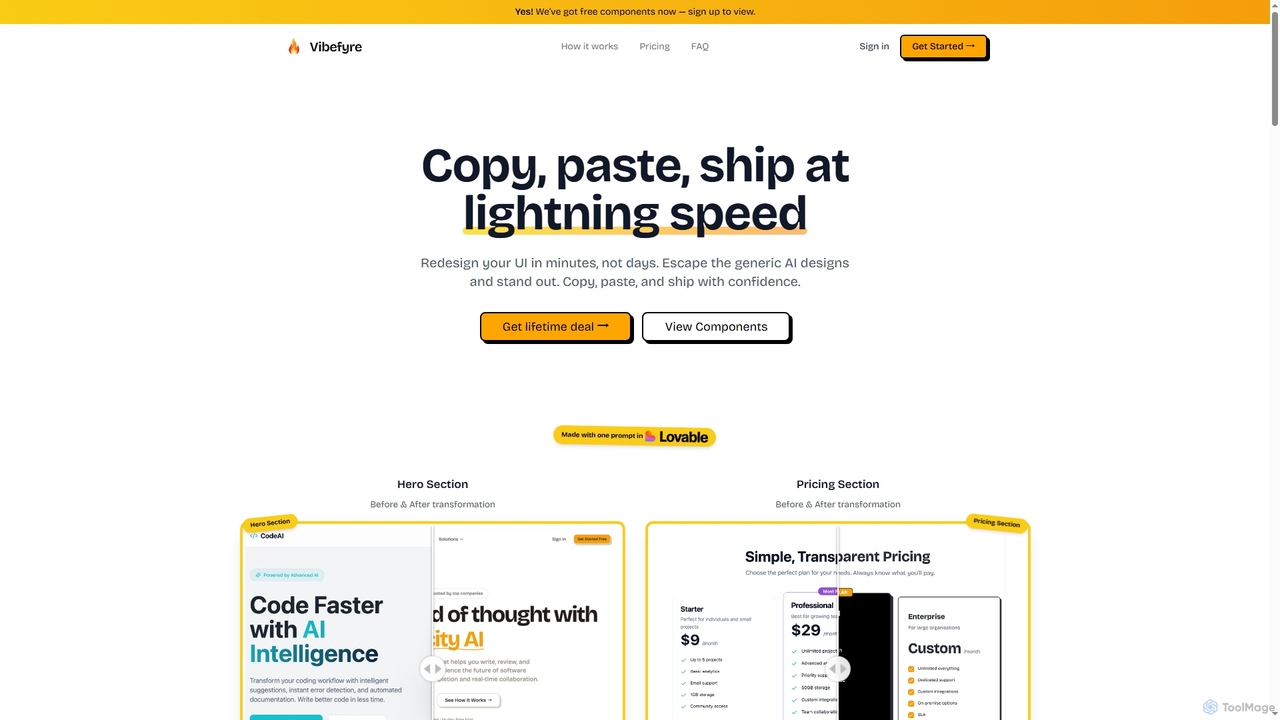
Vibefyre is an AI-powered UI kit designed to accelerate web development by providing high-quality, pre-designed components and prompts. It enables developers to quickly generate unique and consistent user interfaces using their favorite AI coding tools, significantly reducing design and development time for React/TSX applications.
Web Design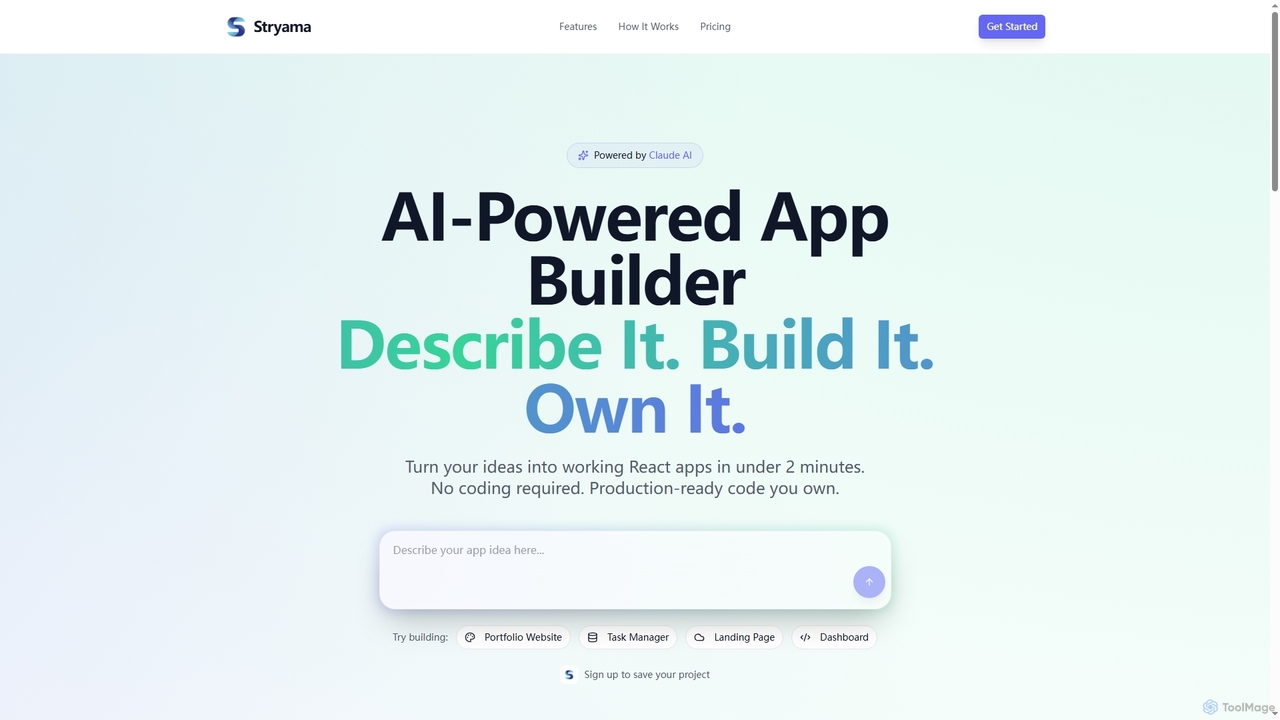
Stryama
Stryama is an AI-powered app builder that transforms your ideas into functional React applications in minutes, requiring no coding. It generates production-ready code that you fully own, enabling rapid development and deployment for various web projects.
App Development
HeroUI Chat
HeroUI Chat is an AI-powered tool that generates UI components and pages from simple text prompts. Built on NextUI and Tailwind CSS, it allows developers and designers to rapidly create beautiful, responsive, and accessible user interfaces by describing them in natural language, significantly accelerating the prototyping and development workflow.
Ui Ux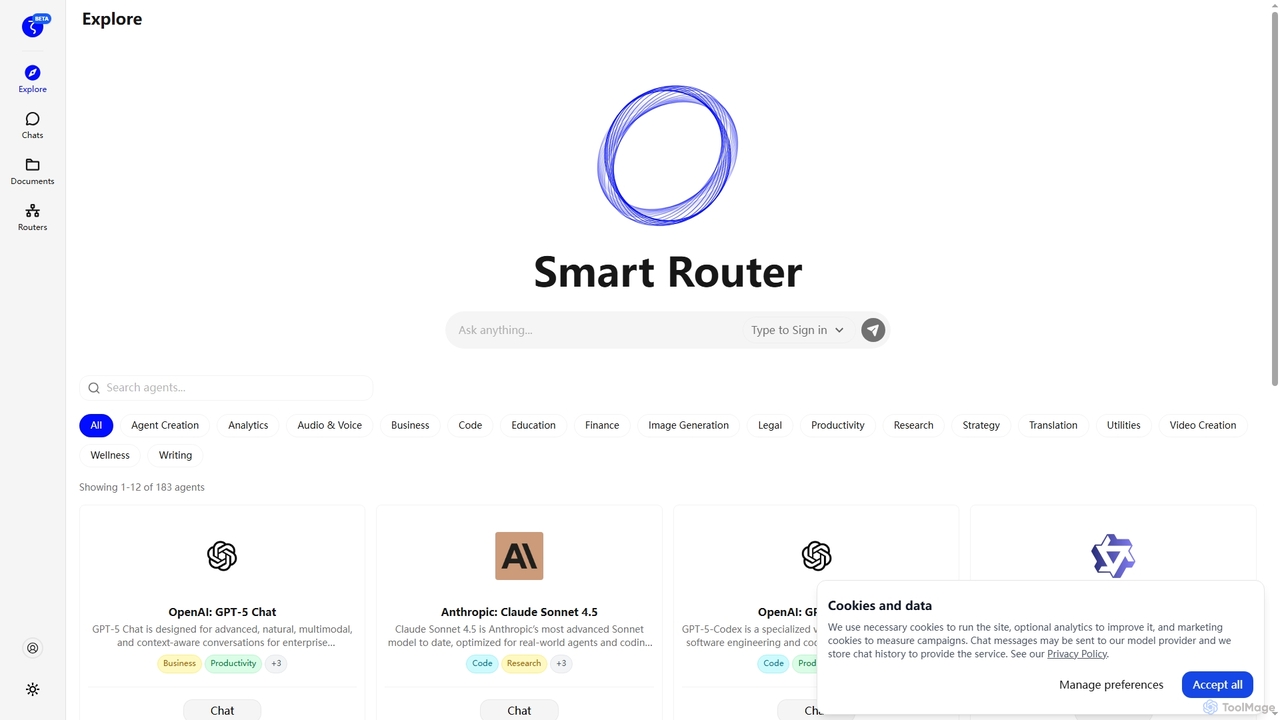
Zuvu
Zuvu is a next-generation AI agents platform that acts as a Smart Router, providing access to a diverse range of advanced AI models like OpenAI GPT-5, Anthropic Claude, and Google Gemini for complex, agentic workflows across various domains.
Automation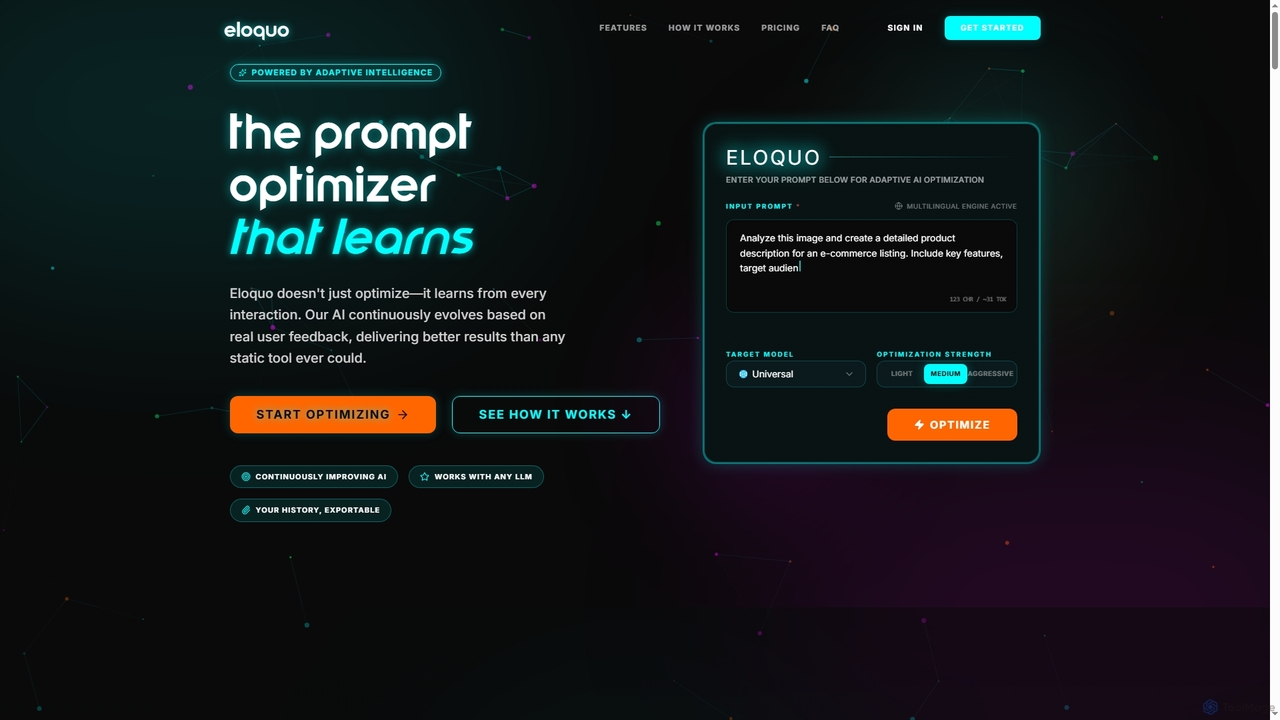
Eloquo
Eloquo is an adaptive AI prompt optimizer that continuously learns from user feedback to generate high-quality, production-ready prompts for ChatGPT, Claude, and Gemini. It streamlines AI interactions, ensuring consistent outputs and reducing iteration time for various professional applications.
Writing AssistantStyleGuardAI Categories
StyleGuardAI Jobs
StyleGuardAI Embed Widget
Copy this embed code to place the badge on your blog, article, or product site and send readers directly to this ToolMage detail page.

Related AI tools
Thesys
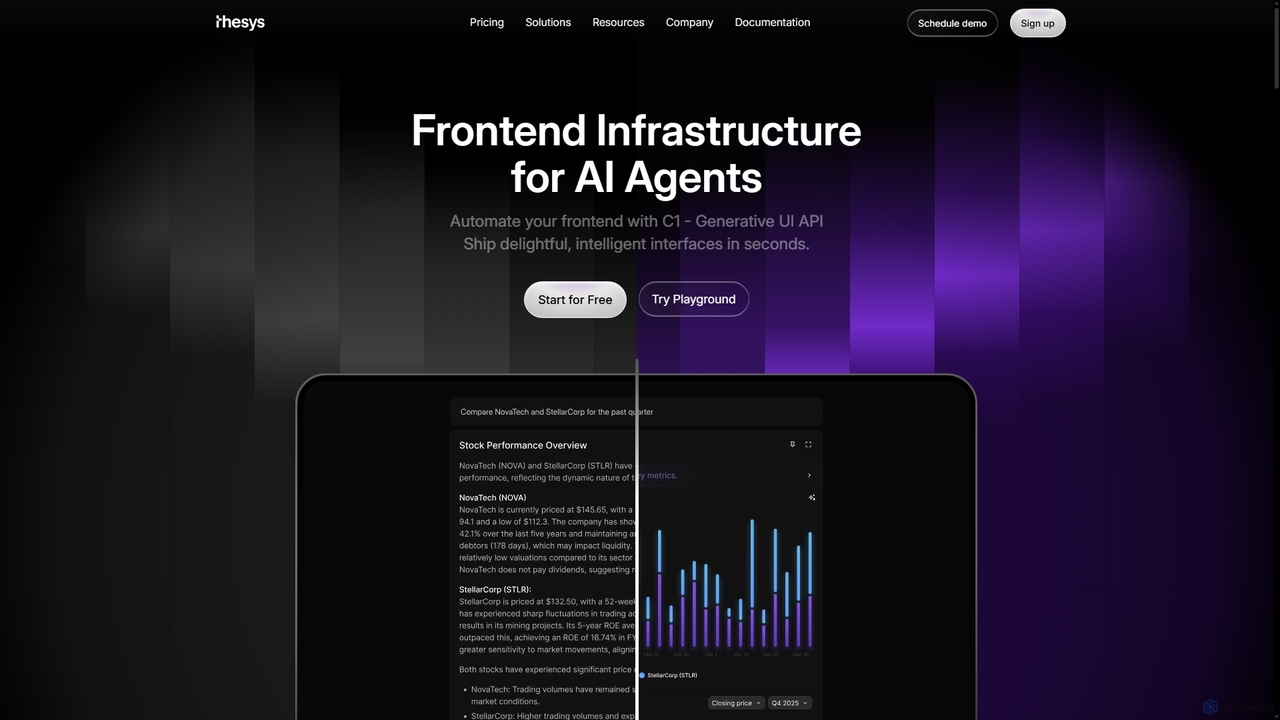
Thesys provides C1, a Generative UI API that transforms LLM responses into dynamic, interactive user interfaces in real-time. Designed for developers building AI agents and applications, it automates frontend development by converting text outputs into live UI components like forms, charts, and tables. This allows for the creation of adaptive, engaging, and intelligent interfaces without the limitations of hardcoded UI, accelerating AI product development.
Api
Vaultic
Vaultic is a centralized prompt management platform for AI development teams. It enables users to version, test, collaborate on, and deploy AI prompts at scale, eliminating hardcoded prompts and streamlining the entire AI logic workflow from a single, organized interface.
Prompt ManagementVibefyre
Vibefyre is an AI-powered UI kit designed to accelerate web development by providing high-quality, pre-designed components and prompts. It enables developers to quickly generate unique and consistent user interfaces using their favorite AI coding tools, significantly reducing design and development time for React/TSX applications.
Web DesignStryama
Stryama is an AI-powered app builder that transforms your ideas into functional React applications in minutes, requiring no coding. It generates production-ready code that you fully own, enabling rapid development and deployment for various web projects.
App Development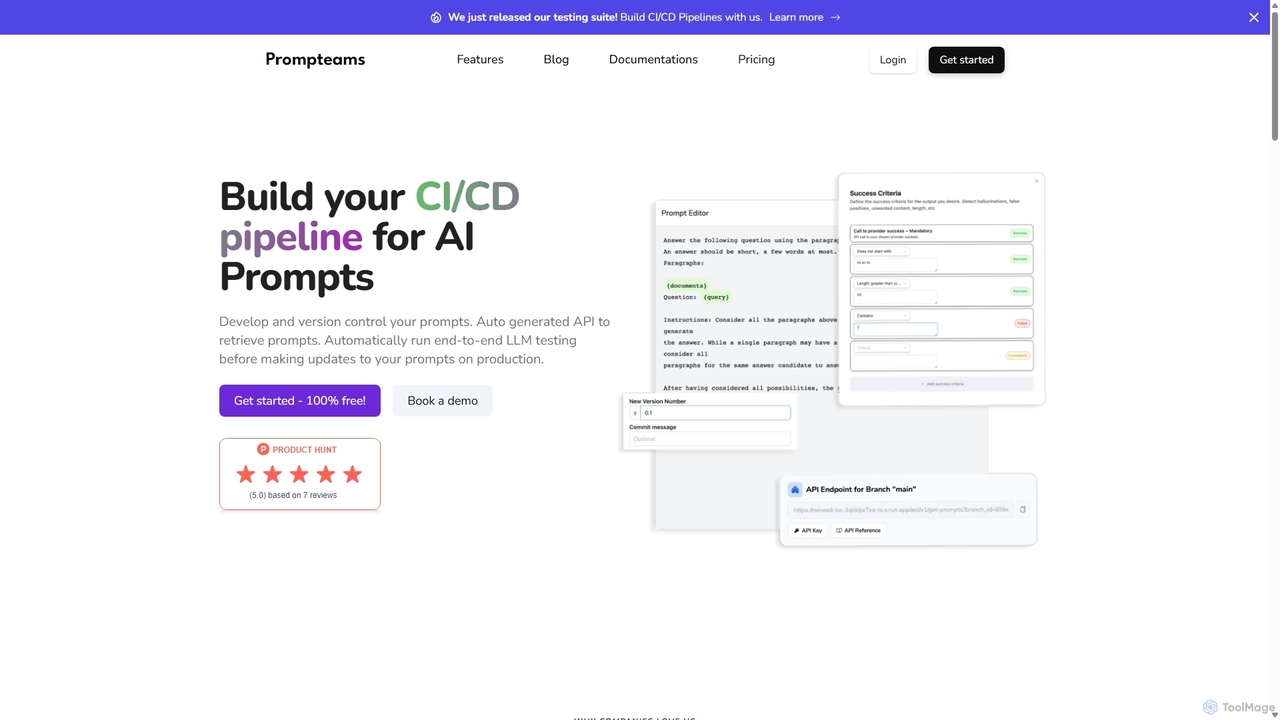
Prompteams
Prompteams is a comprehensive AI prompt management system designed for teams. It provides a Git-like workflow with versioning, branching, and commits to manage and iterate on LLM prompts. The platform features a robust testing suite for quality assurance, real-time APIs for instant deployment, and collaborative tools that bridge the gap between engineers and industry specialists. It's a one-stop solution for building a CI/CD pipeline for AI prompts, ensuring quality, consistency, and rapid development.
Model Management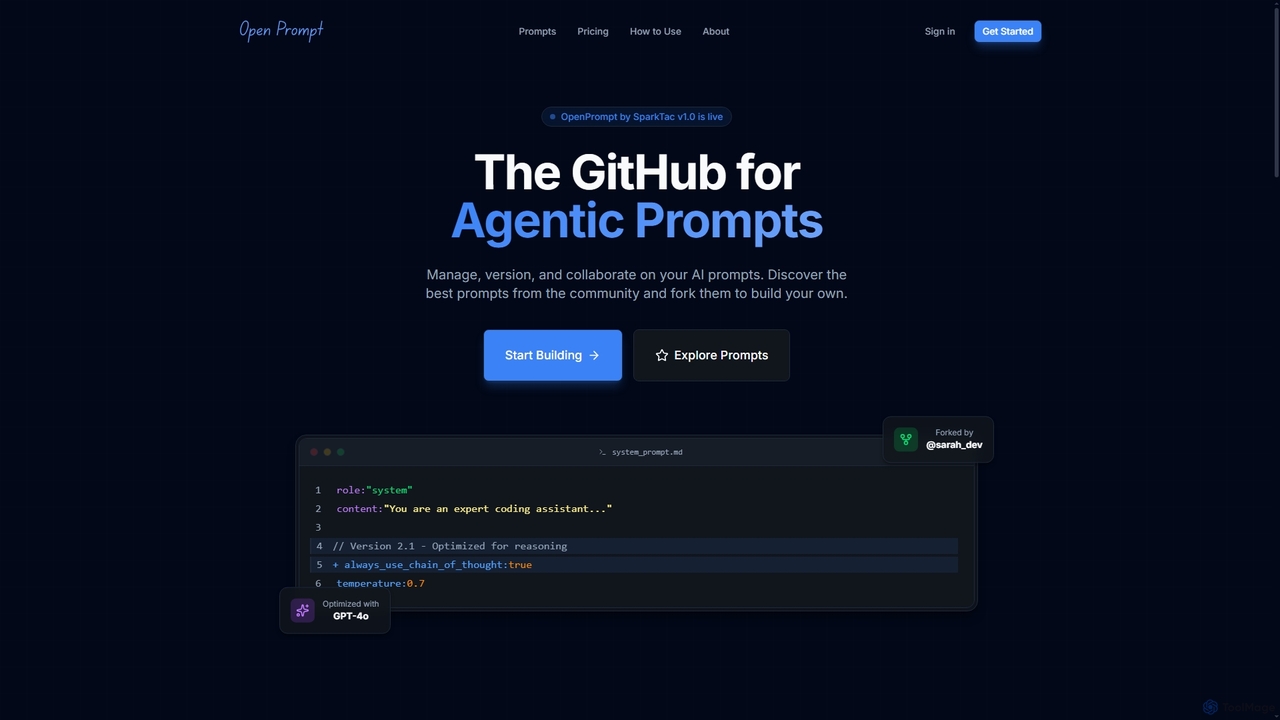
OpenPrompt
OpenPrompt is a collaborative platform for AI prompt engineering, designed for developers and teams. It functions like a GitHub for prompts, offering version control, real-time collaboration, instant forking, and API integration to manage, test, and deploy prompts efficiently.
Prompt Management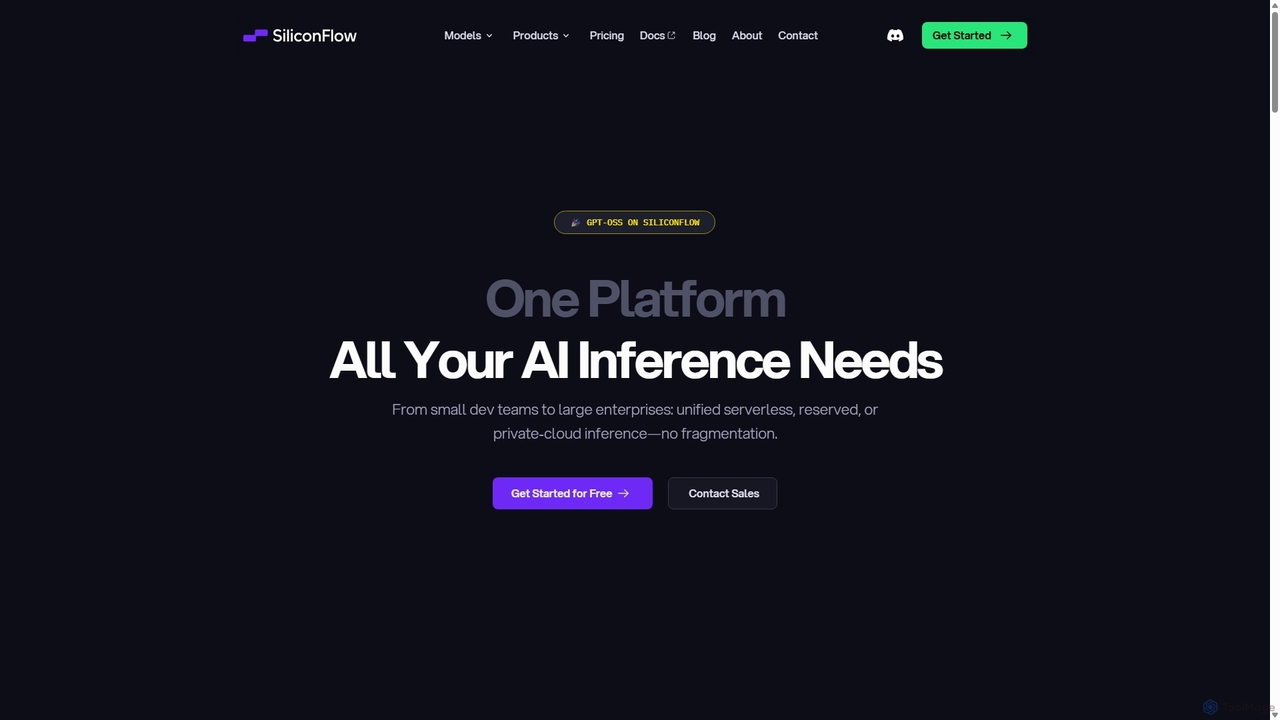
SiliconFlow
SiliconFlow is a unified AI infrastructure platform designed for high-performance inference of Large Language Models (LLMs) and multimodal models. It provides developers and enterprises with scalable, cost-effective, and flexible deployment options, including serverless APIs, reserved GPUs, and fine-tuning capabilities, all accessible through a single, OpenAI-compatible API.
Ai & Machine Learning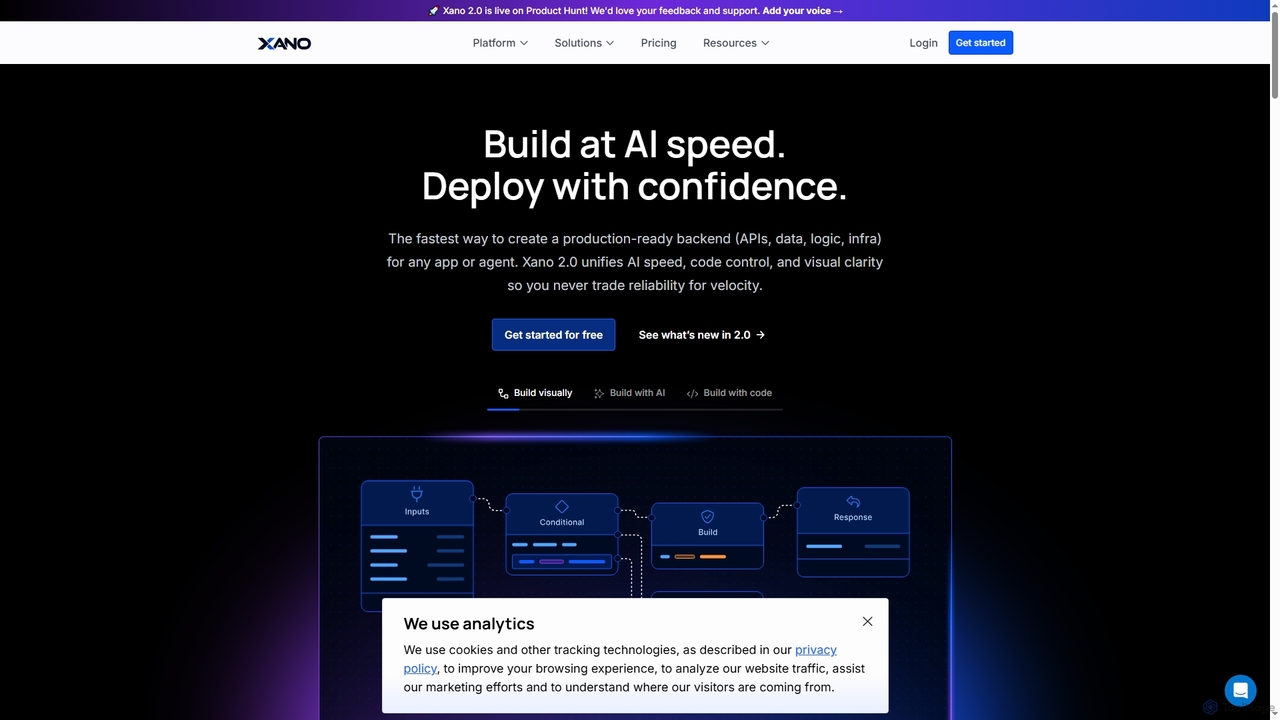
Xano
Xano is a scalable no-code backend platform that empowers developers and teams to build production-ready applications and AI agents at speed. It provides a unified solution for APIs, a managed Postgres database, visual logic, and auto-scaling infrastructure, eliminating the need for complex DevOps.
Agent Building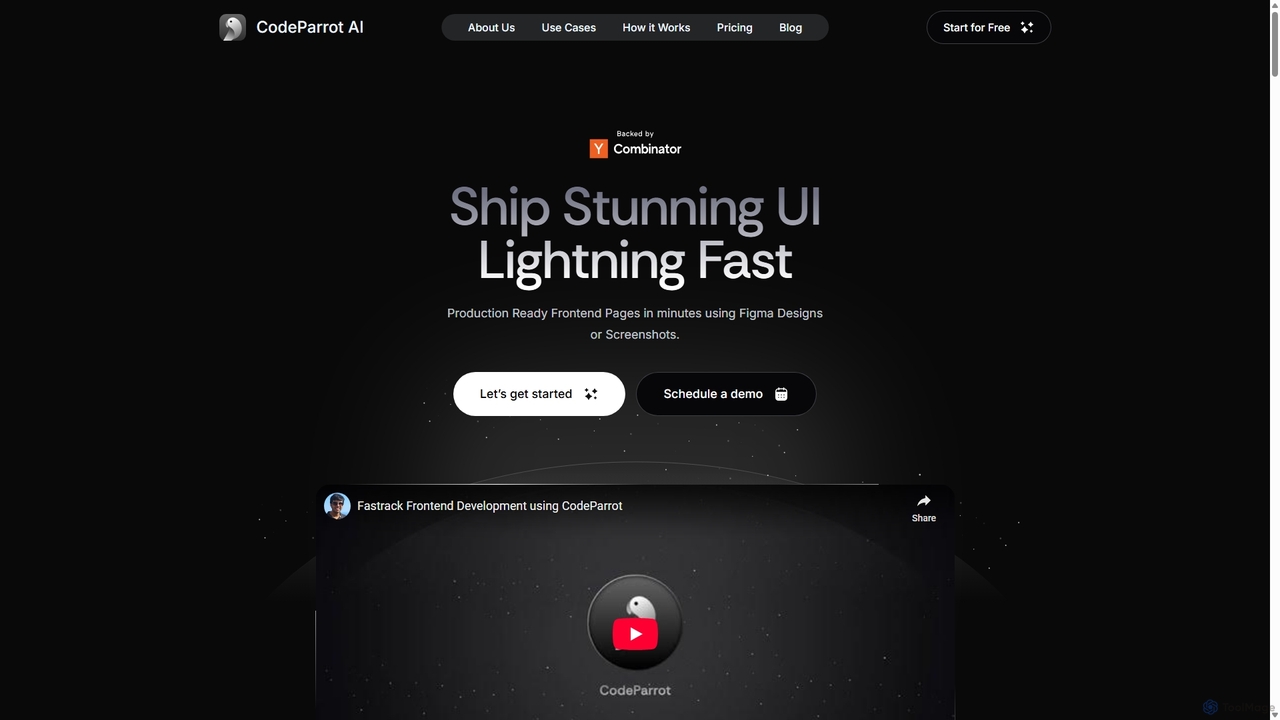
CodeParrot
CodeParrot is an AI-powered copilot that transforms Figma designs and screenshots into production-ready frontend code. It intelligently understands your existing codebase, reuses components, and adheres to your coding standards, dramatically accelerating UI development for frameworks like React, Vue, and Angular.
Design To Code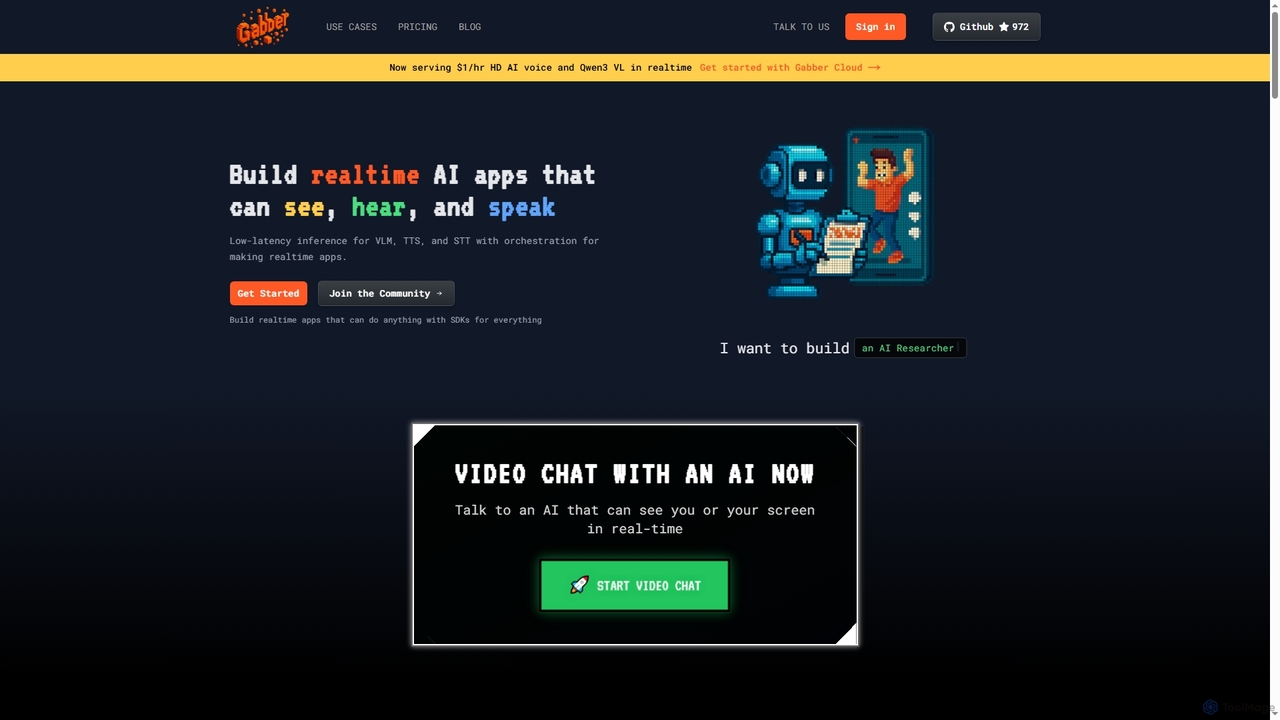
Gabber
Gabber is a powerful platform for building real-time, multimodal AI applications that can see, hear, and speak. It offers low-latency inference for Vision Language Models (VLM), Text-to-Speech (TTS), and Speech-to-Text (STT), coupled with a graph-based orchestration system for rapid development and deployment.
Conversational Ai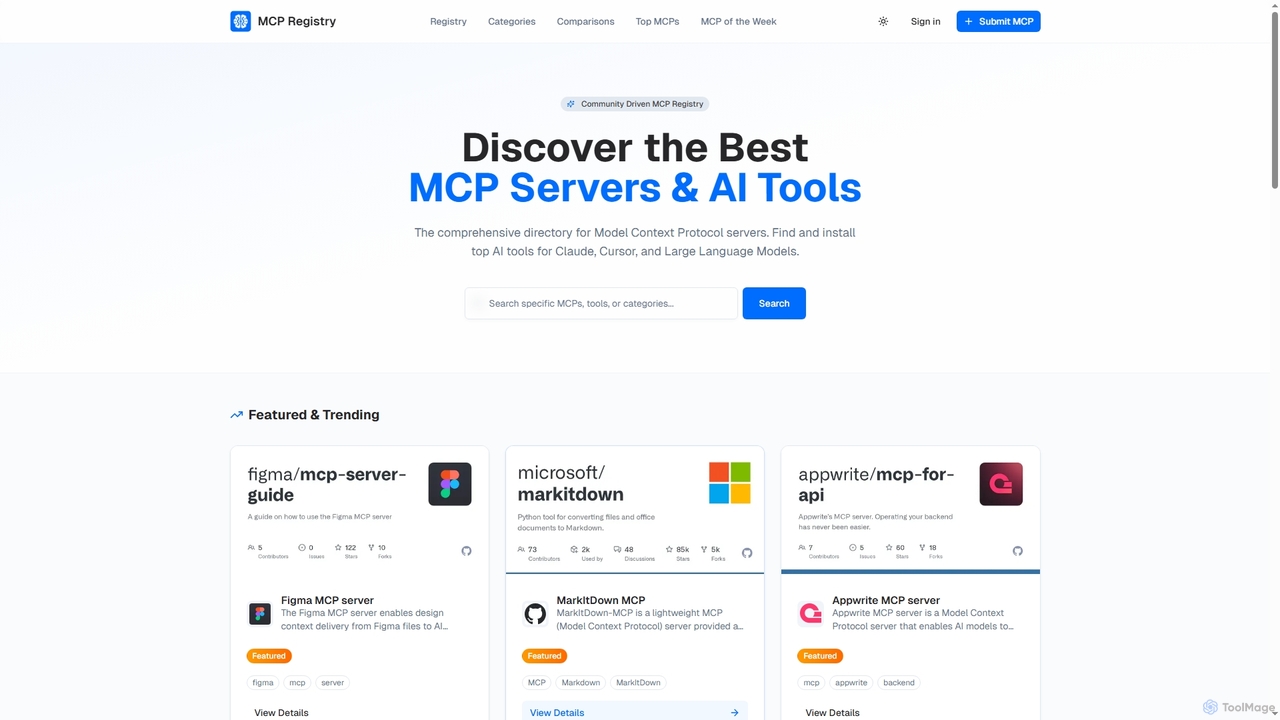
Public MCP Registry
Public MCP Registry is a comprehensive, community-driven directory for Model Context Protocol (MCP) servers. It helps developers discover, find, and install top AI tools for Large Language Models, Claude, and Cursor, streamlining AI-assisted development and workflow automation.
Ai Integration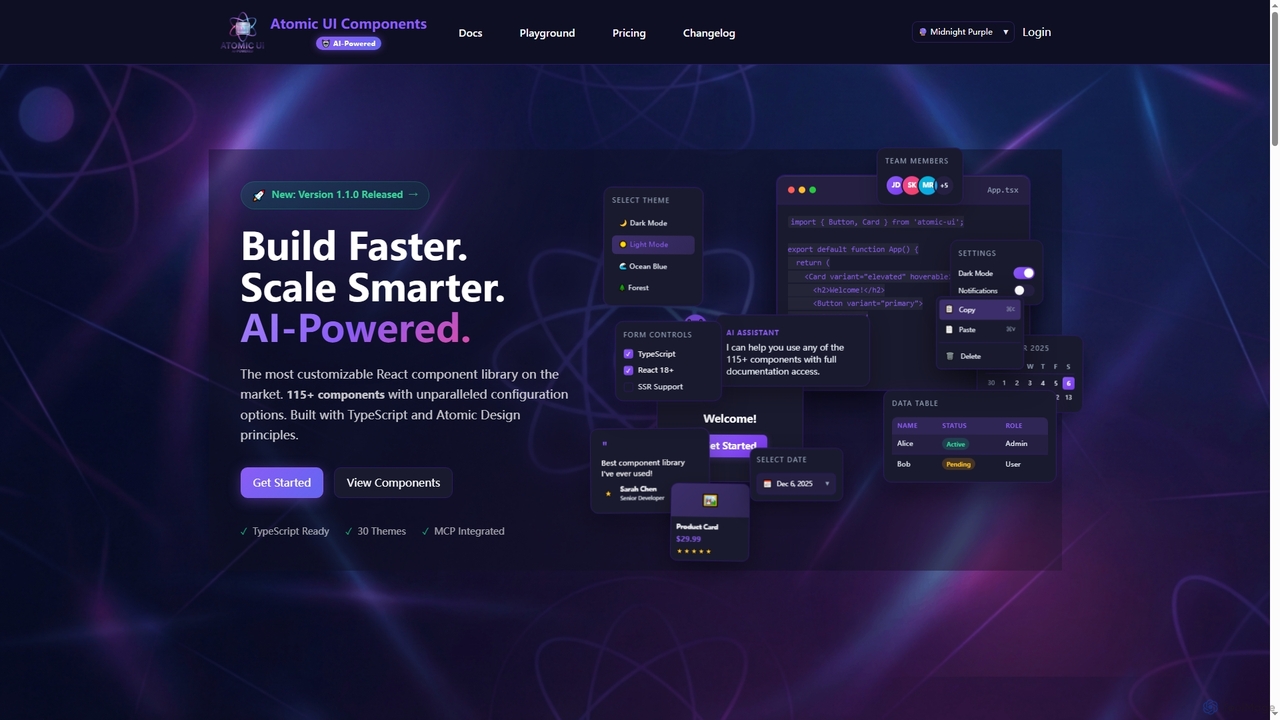
AtomicComponents
AtomicComponents is an AI-powered React component library designed for building modern, scalable, and accessible user interfaces faster. It offers over 115 highly customizable components, 30 built-in themes, and seamless integration with AI assistants like Claude and GitHub Copilot via its Model Context Protocol (MCP) server.
Design SystemsEloquo
Eloquo is an adaptive AI prompt optimizer that continuously learns from user feedback to generate high-quality, production-ready prompts for ChatGPT, Claude, and Gemini. It streamlines AI interactions, ensuring consistent outputs and reducing iteration time for various professional applications.
Writing Assistant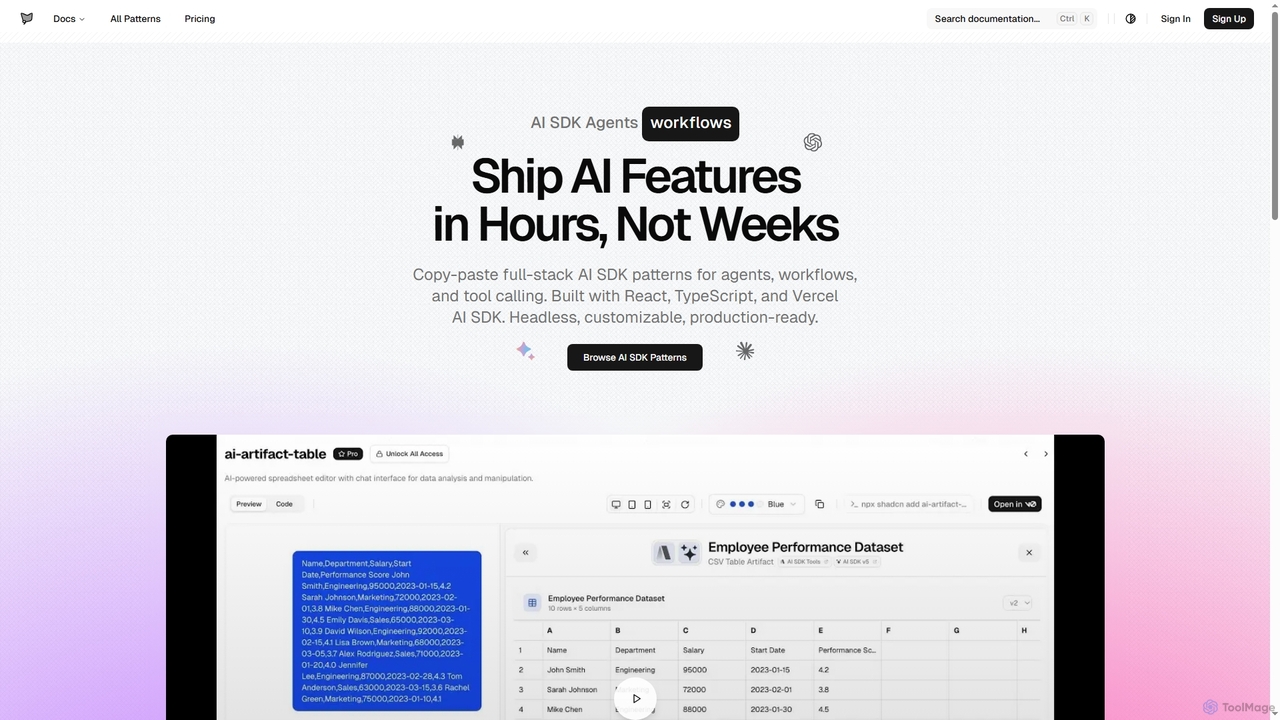
AI SDK Agents
AI SDK Agents provides production-ready React components for rapidly building AI applications. Leverage copy-paste patterns for agents, workflows, tool calling, and streaming responses, built with React, TypeScript, and Vercel AI SDK. Accelerate your AI feature development from weeks to hours, ensuring customizable and headless integration into your projects.
Ui ComponentsHeroUI Chat
HeroUI Chat is an AI-powered tool that generates UI components and pages from simple text prompts. Built on NextUI and Tailwind CSS, it allows developers and designers to rapidly create beautiful, responsive, and accessible user interfaces by describing them in natural language, significantly accelerating the prototyping and development workflow.
Ui Ux
StyleGuardAI Comments (0)
Sign in to comment.
Sign inNo comments yet.