Best of the Year 25 results Ai Model AI Tools

Popular AI tools in the Ai Model field include NVIDIA Build、Jina AI、Baseten、Amazon Nova、scrapetoai、getmaxim、PPIO、FriendliAI、Leap、Adept, etc., helping you quickly improve efficiency.

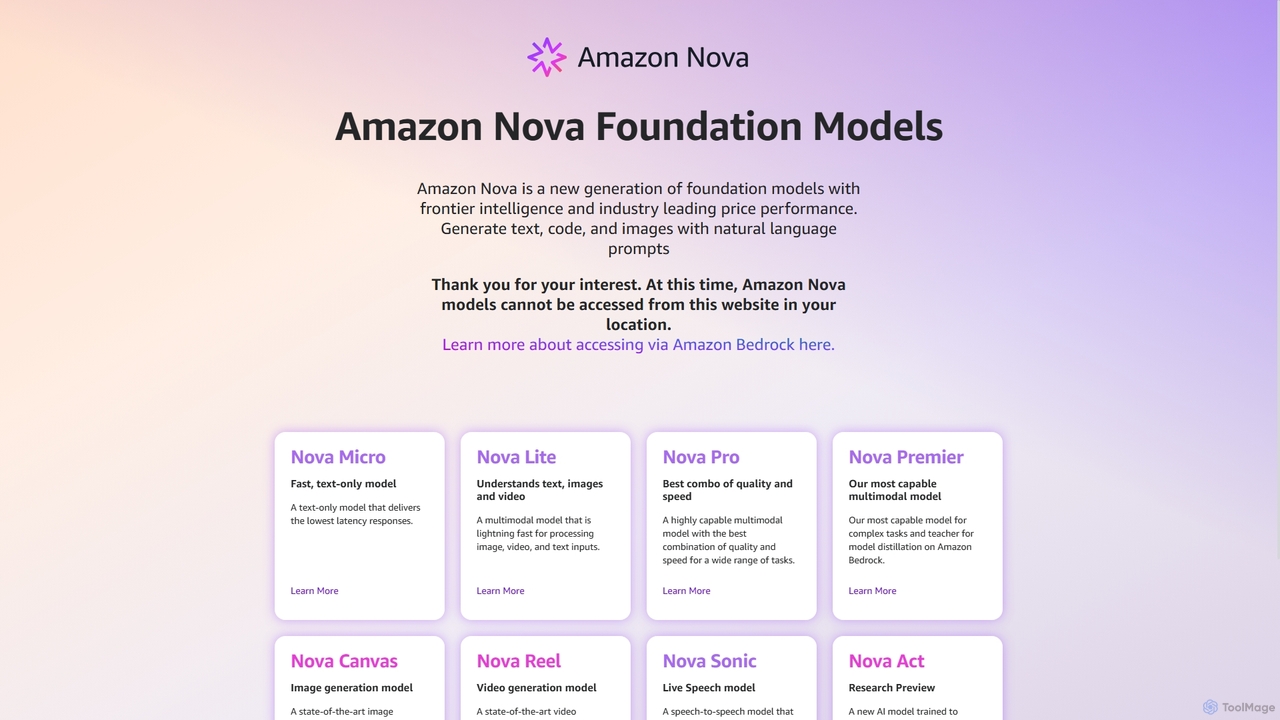
Amazon Nova

Amazon Nova

Amazon Nova is a suite of next-generation foundation models developed by Amazon. It offers a range of specialized …

214.4K
Baseten

Baseten

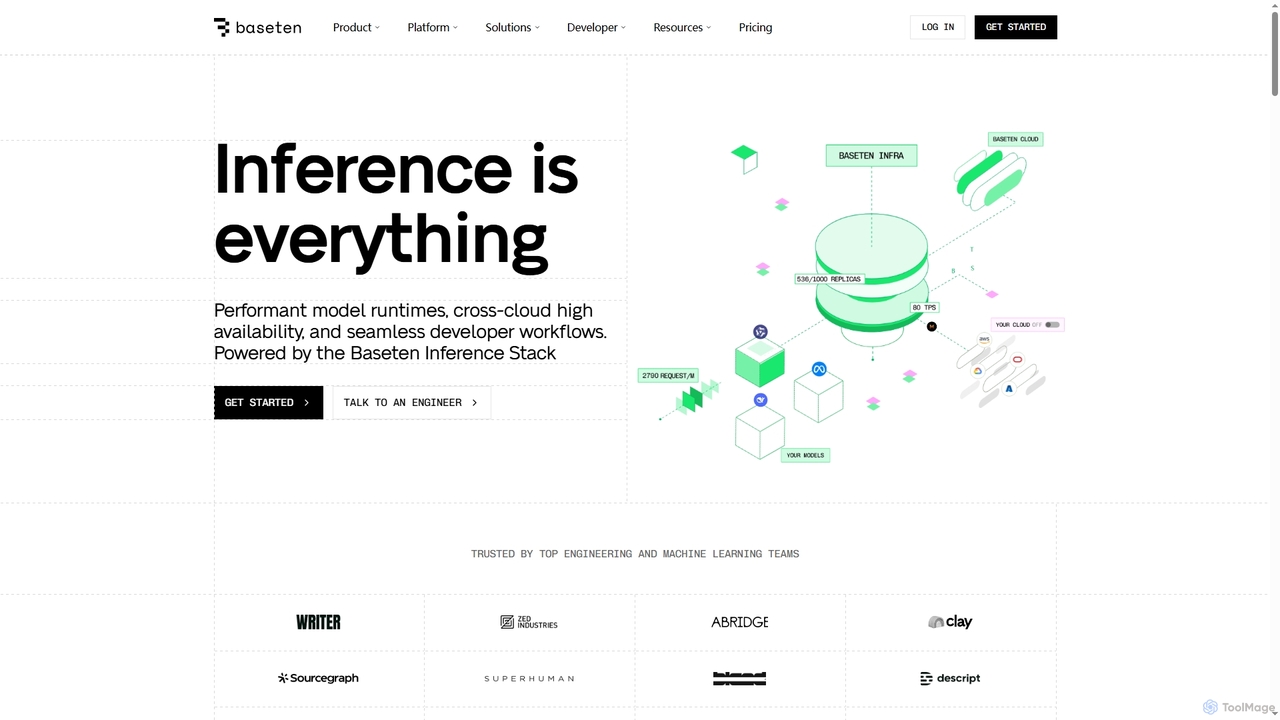
Baseten is a production-grade inference platform for deploying, scaling, and managing AI models. It offers high-performance runtimes, seamless …

250.2K
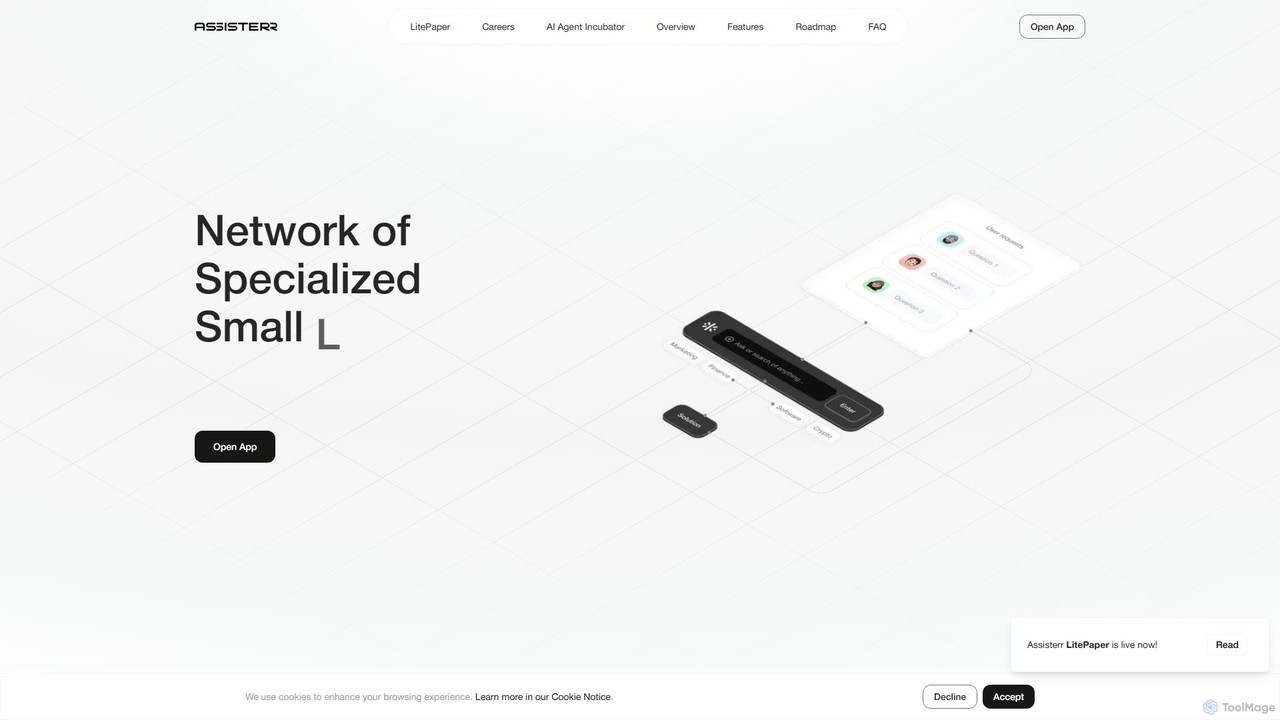
Assisterr AI

Assisterr AI

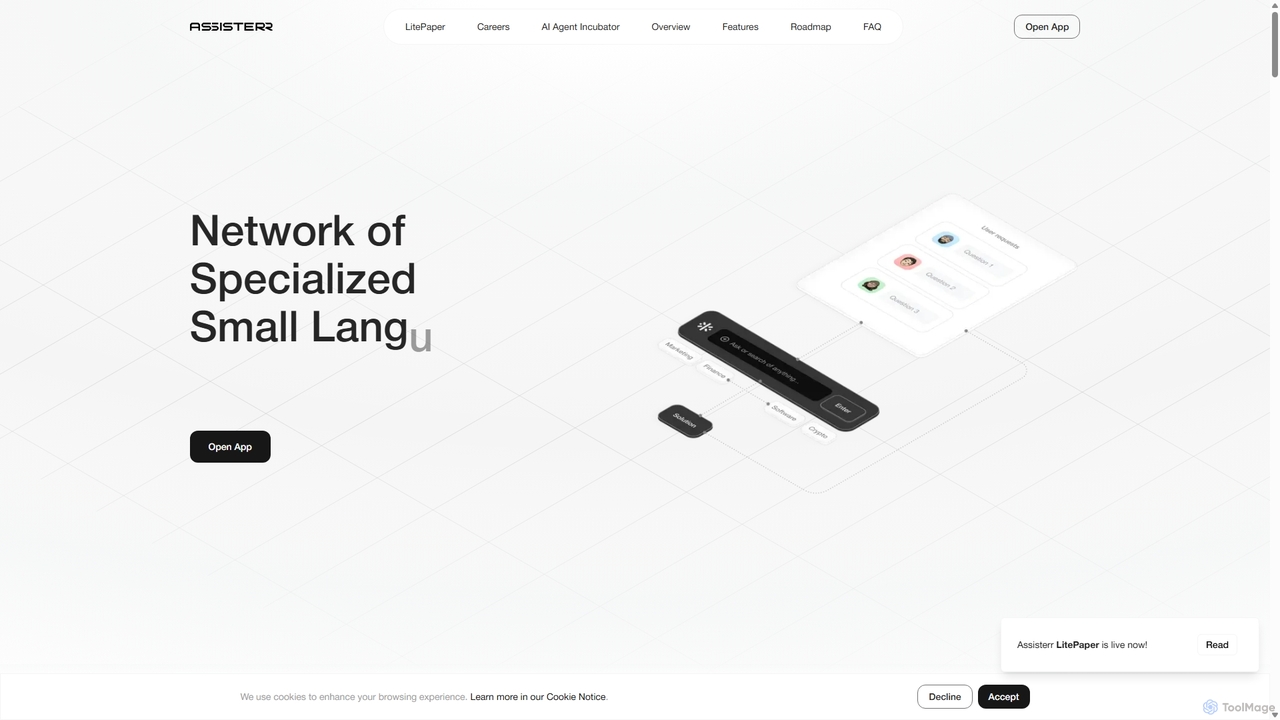
Assisterr AI is a decentralized platform that empowers users to create, own, and monetize specialized Small Language Models …

2.4K
LastMile AI

LastMile AI

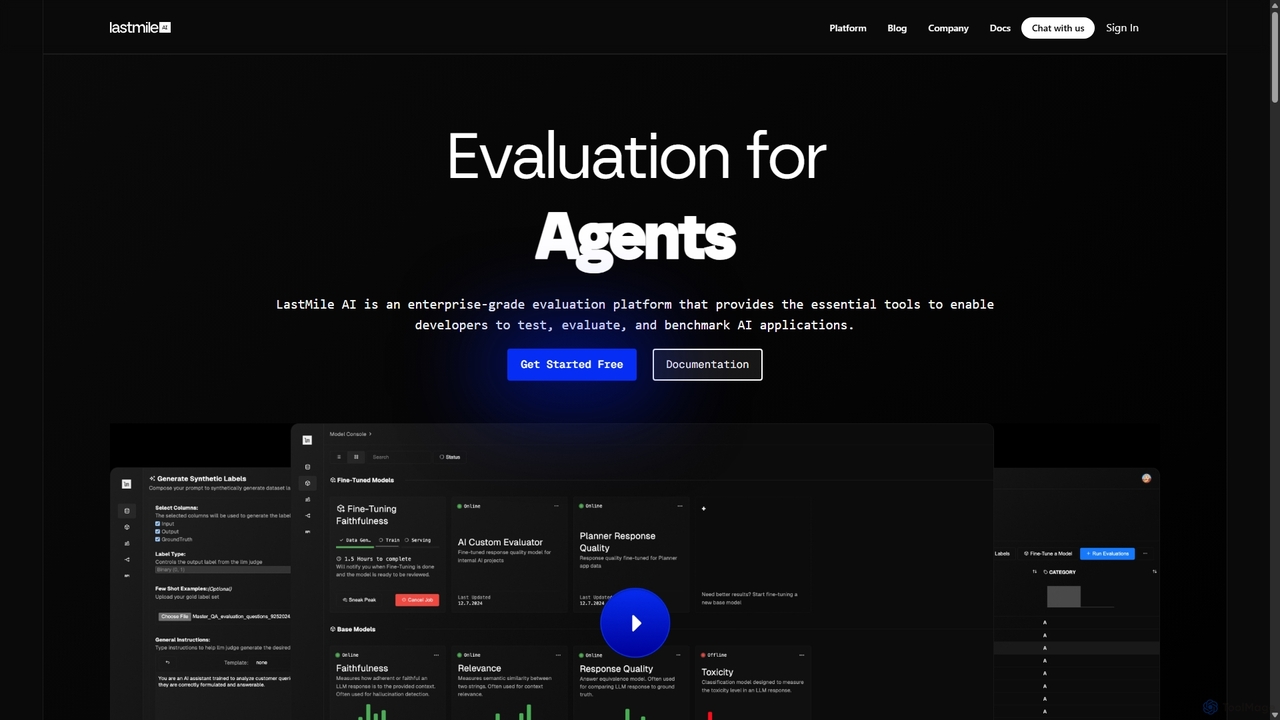
LastMile AI is an enterprise-grade developer platform for testing, evaluating, and monitoring generative AI applications. It provides tools …

4.8K
Qwen3 Coder

Qwen3 Coder

Qwen3 Coder is a state-of-the-art, open-source large language model by Alibaba Cloud, engineered for advanced code generation, comprehension, …

2.5K
Forefront

Forefront

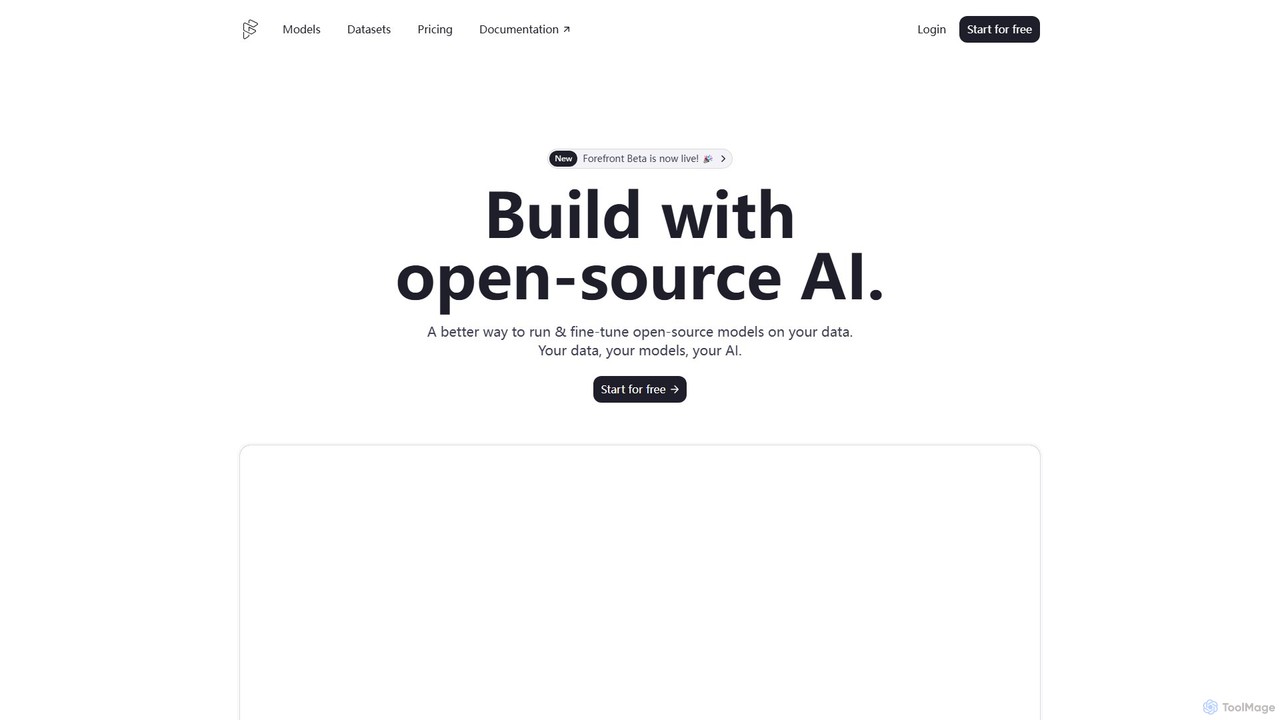
Forefront is a developer platform for building with open-source AI. It simplifies running, fine-tuning, and deploying large language …

49.2K
Tensorfuse

Tensorfuse

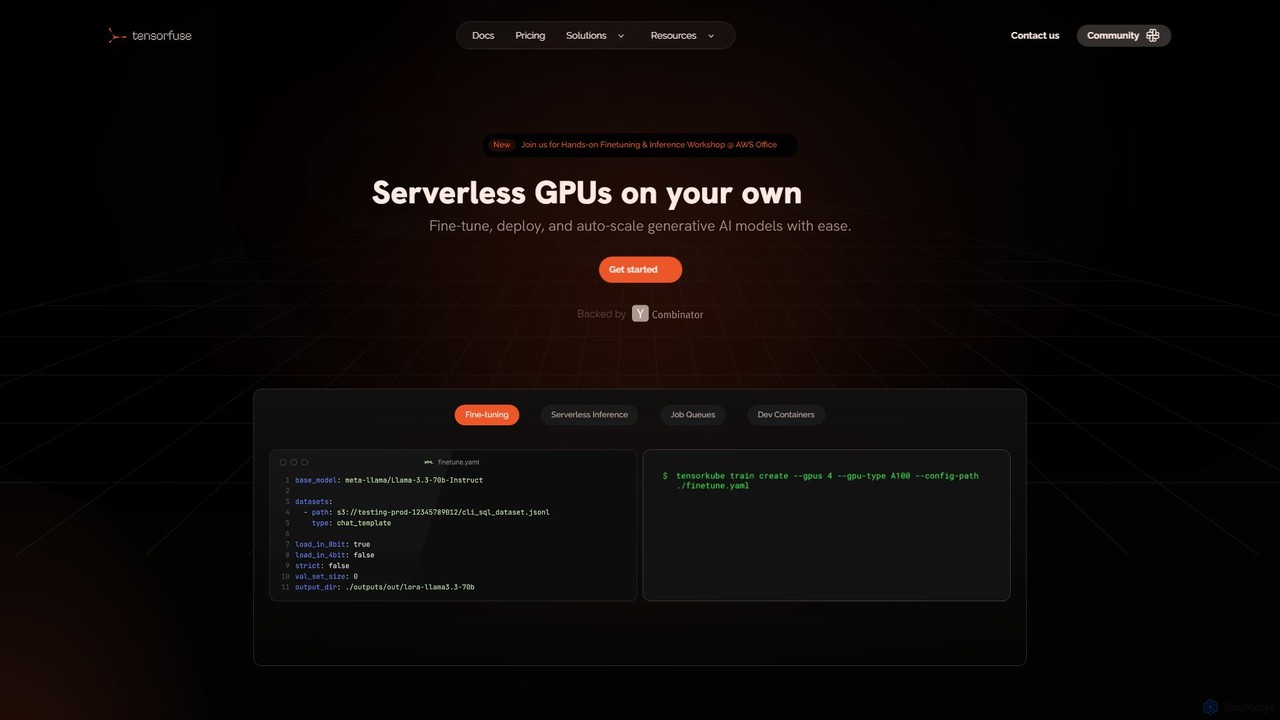
Tensorfuse is a serverless GPU platform that allows developers to fine-tune, deploy, and auto-scale generative AI models on …

7.7K
FriendliAI

FriendliAI

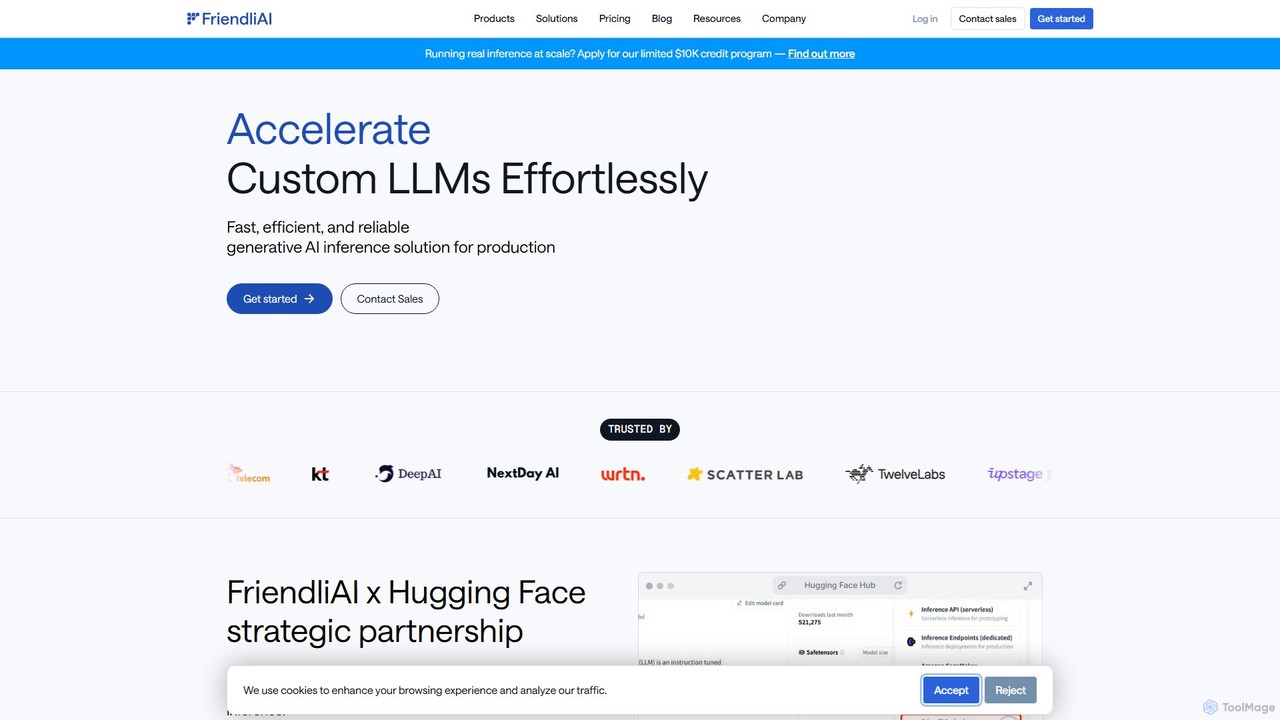
FriendliAI is a generative AI infrastructure platform designed to accelerate and optimize AI model inference. It offers high-performance, …

75.3K
NVIDIA Build

NVIDIA Build

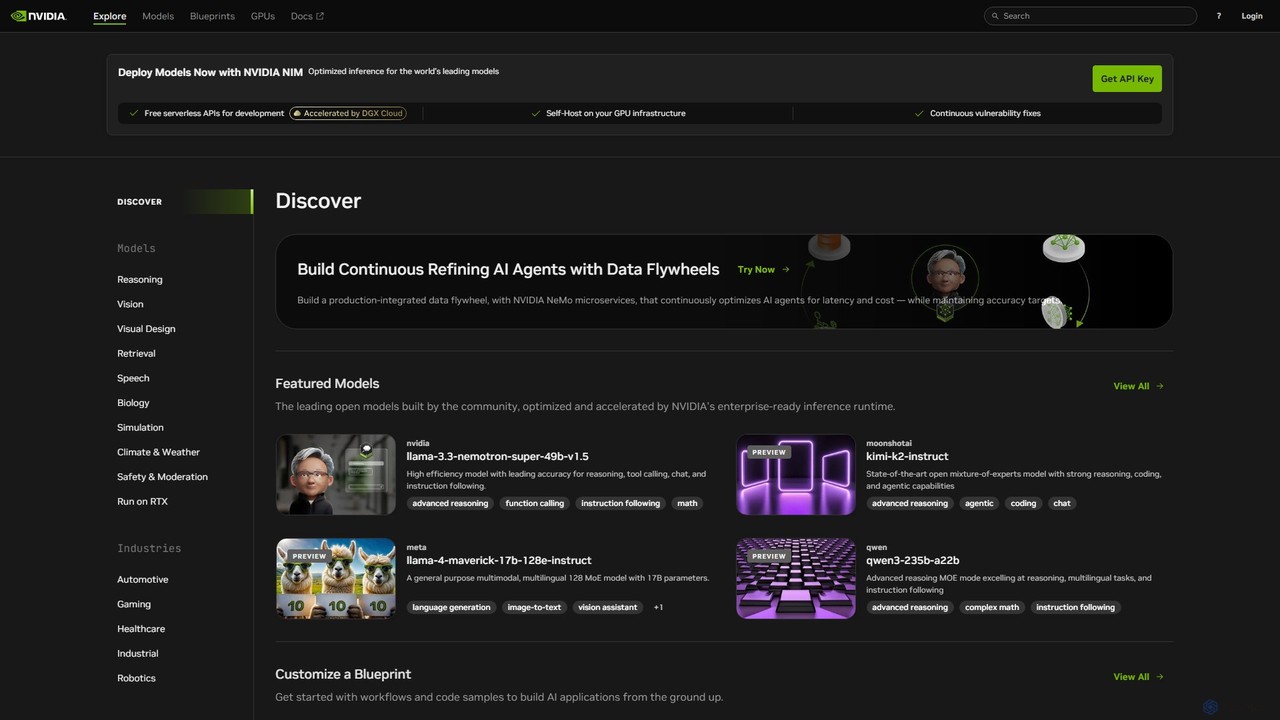
NVIDIA Build is a comprehensive platform for developers and enterprises to discover, customize, and deploy production-ready generative AI …

2.8M
Prompt Picker

Prompt Picker

Prompt Picker is an AI-powered tool for developers and users to optimize generative AI prompts. It enables A/B …

2.5K
PPIO

PPIO

PPIO is a leading distributed cloud computing platform providing cost-effective, high-performance AI computing power, model APIs, and edge …

83.7K
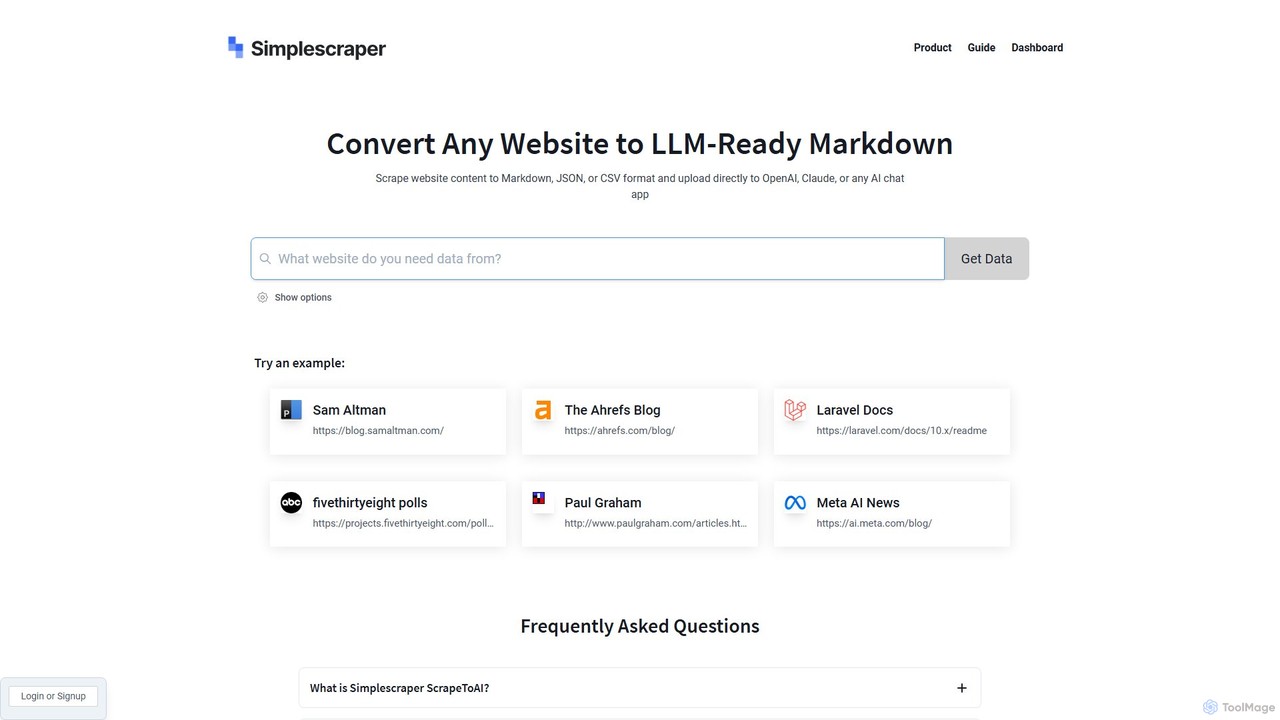
scrapetoai

scrapetoai

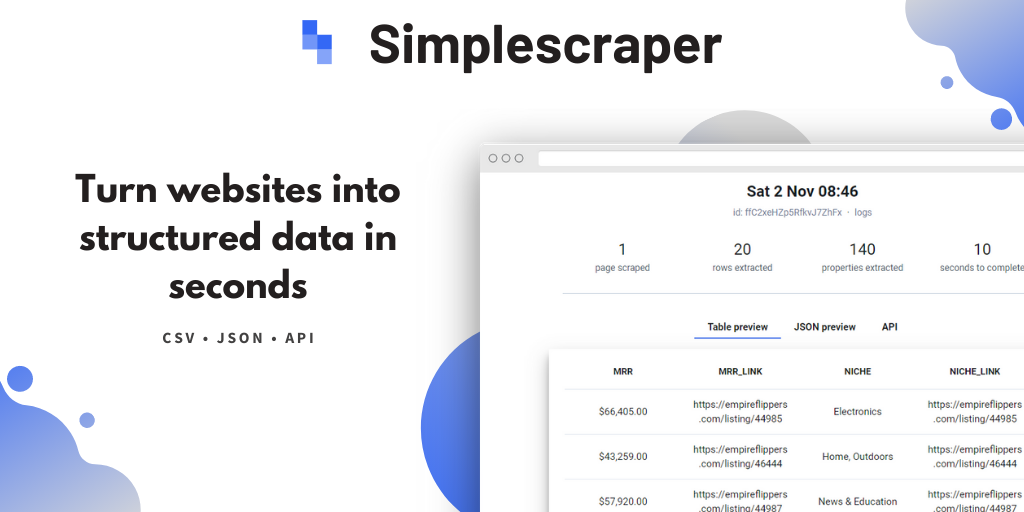
scrapetoai is a free online tool that converts any website's content into clean, LLM-ready formats like Markdown, JSON, …

119.2K
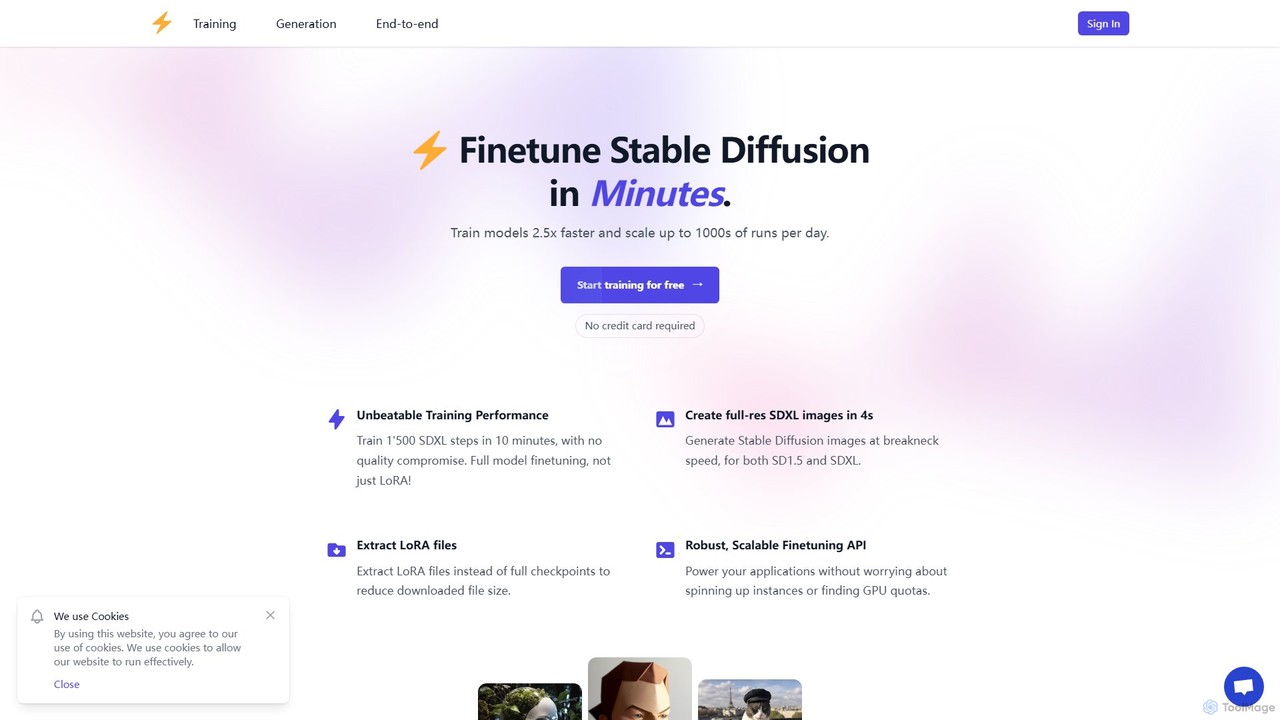
dreamlook.ai

dreamlook.ai

dreamlook.ai is a high-speed platform for fine-tuning Stable Diffusion models (SD1.5 & SDXL). Train custom models on your …

3.8K
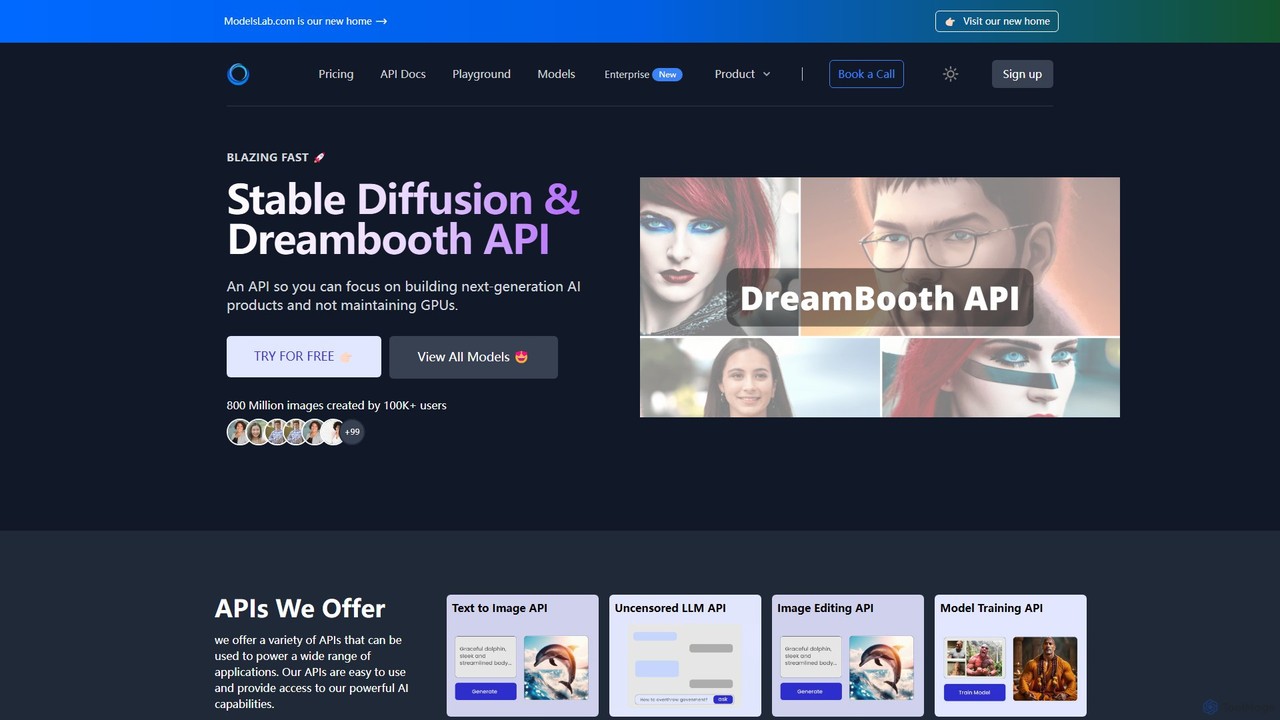
Stable Diffusion API

Stable Diffusion API

A developer-focused API platform providing blazing-fast access to Stable Diffusion, Dreambooth, SDXL, and over 1000 other AI models. …

38.1K
Assisterr

Assisterr

Assisterr is a decentralized platform for creating, owning, and monetizing specialized Small Language Models (SLMs) using no-code tools. …

16.3K
Free
hypermink

hypermink

HyperMink provides Inferenceable, a free, open-source, and self-hostable AI inference server. Built on Node.js and llama.cpp, it allows …

2.5K
Jina AI

Jina AI

Jina AI provides a state-of-the-art Search Foundation platform, offering a suite of powerful APIs for multimodal embeddings, reranking, …

634.5K
Adept

Adept

Adept is an AI research and product lab building agentic AI to automate complex software workflows. Using natural …

49.4K
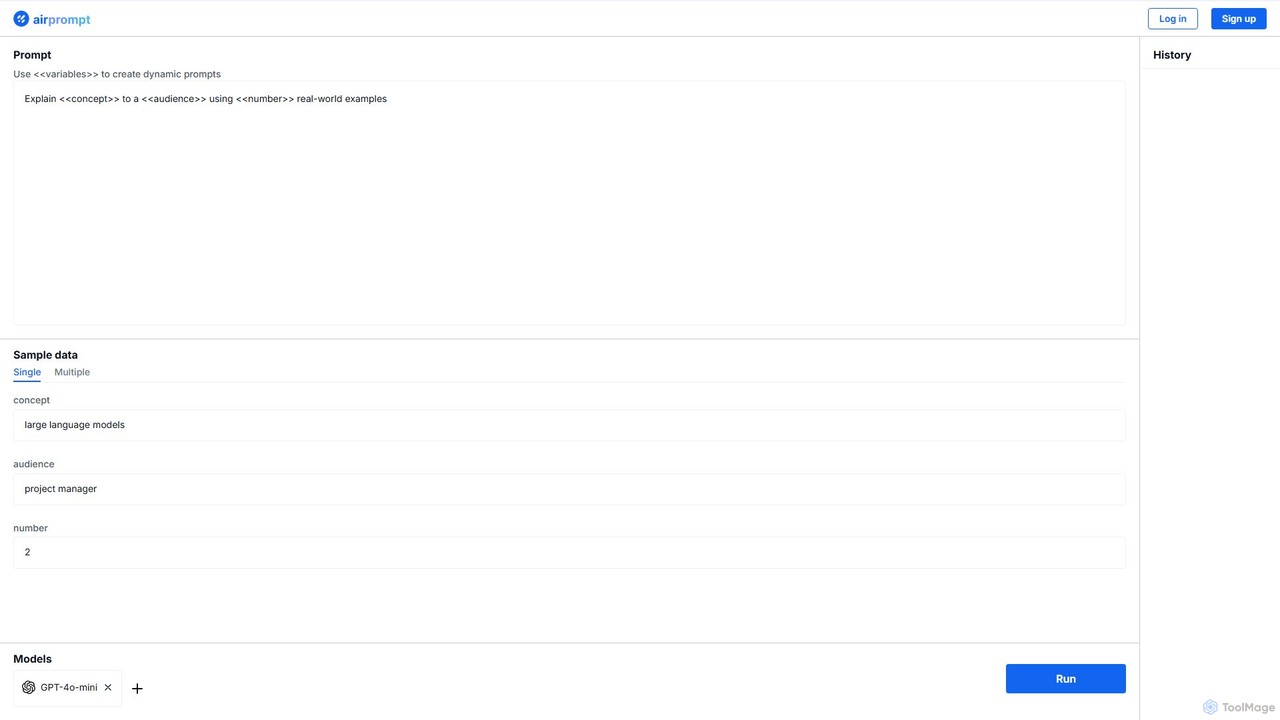
AirPrompt

AirPrompt

AirPrompt is a powerful prompt engineering and testing platform. It enables users to simultaneously test, compare, and optimize …

2.5K
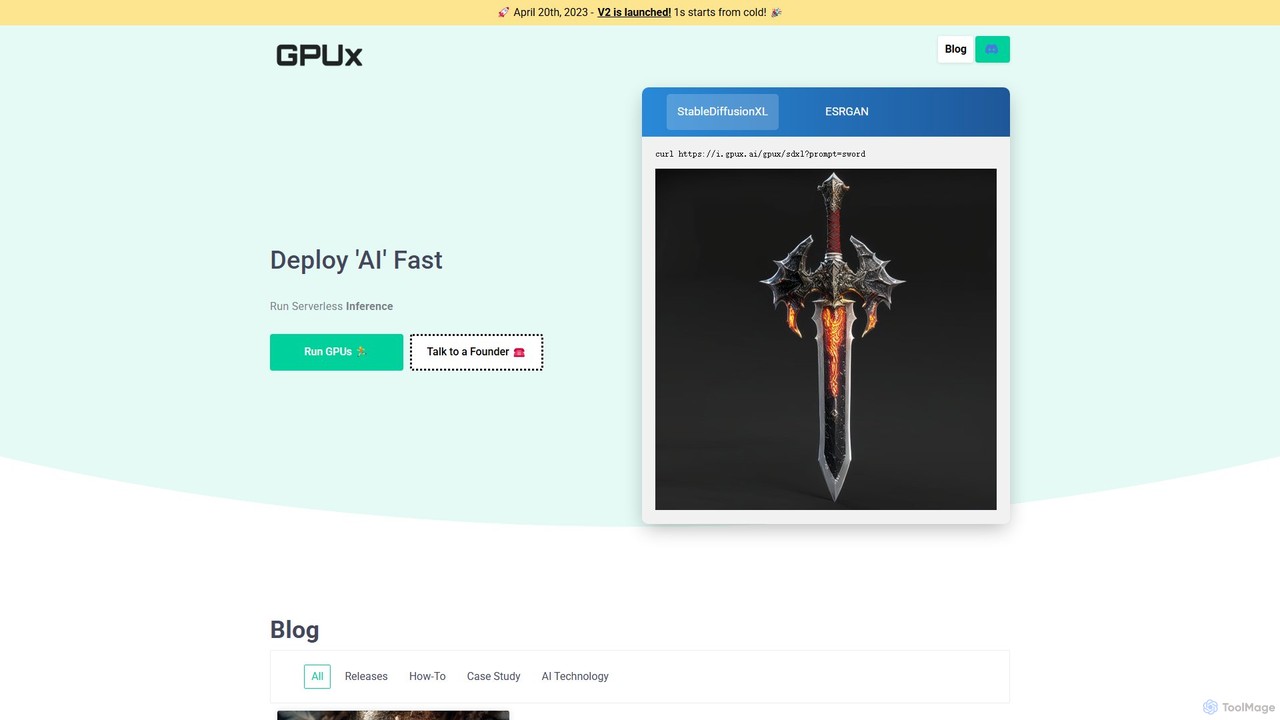
GPUX

GPUX

GPUX is a serverless, decentralized GPU cloud platform for fast and affordable AI model inference. It allows developers …

3.4K
Free
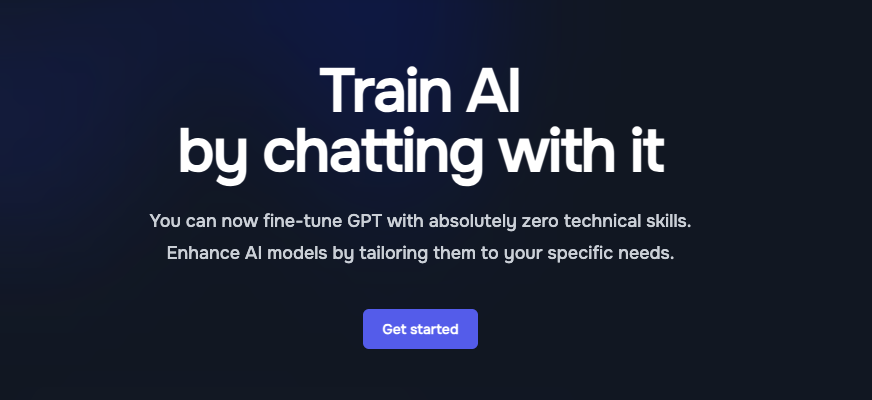
prompteasy.ai

prompteasy.ai

prompteasy.ai is a no-code platform that simplifies the fine-tuning of GPT models. By chatting with an AI assistant, …

4.9K
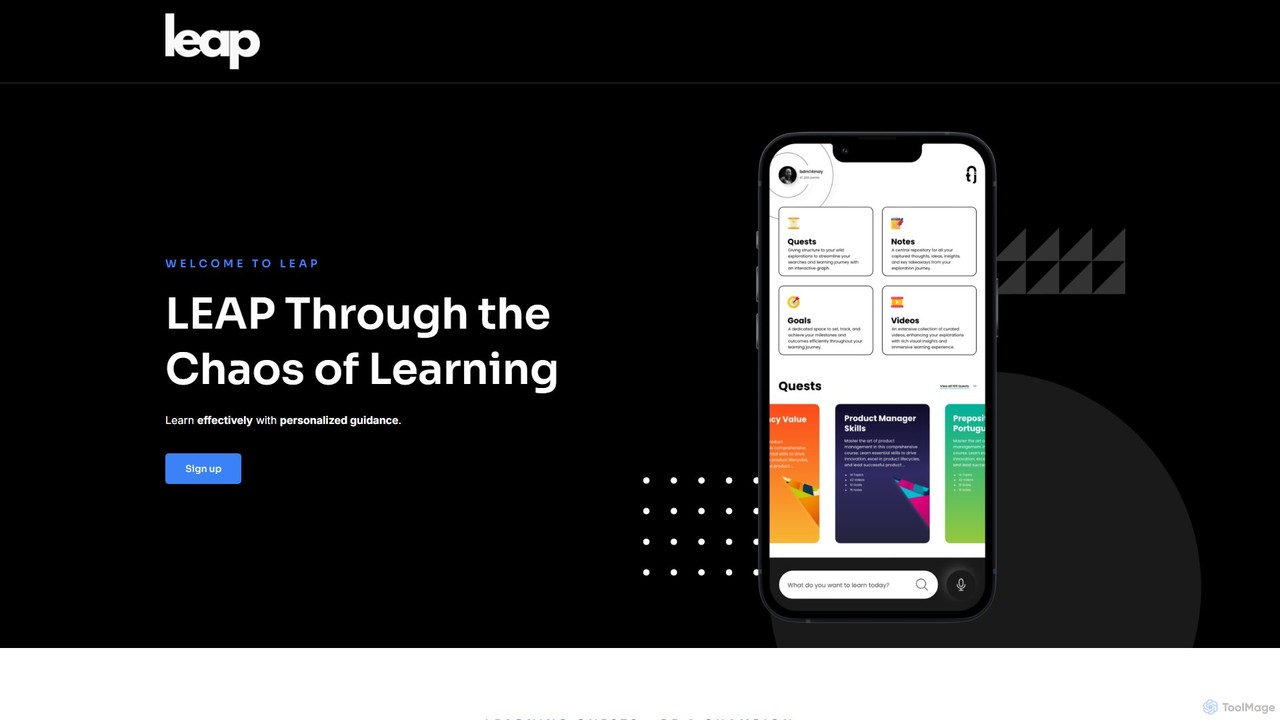
Leap

Leap

A developer-first platform offering a suite of generative AI APIs for image generation, model fine-tuning, and more. Easily …

51.1K
Free
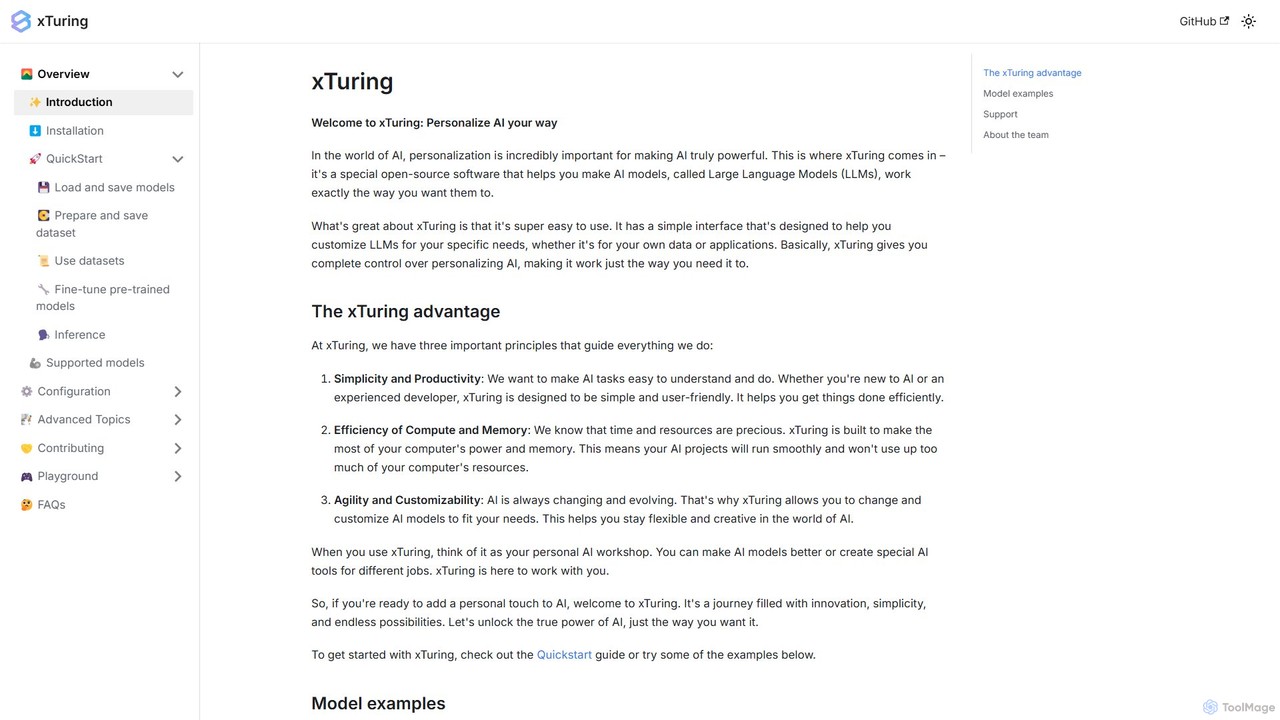
xTuring

xTuring

xTuring is an open-source Python library designed to simplify the process of building, fine-tuning, and controlling Large Language …

2.5K
Myple

Myple

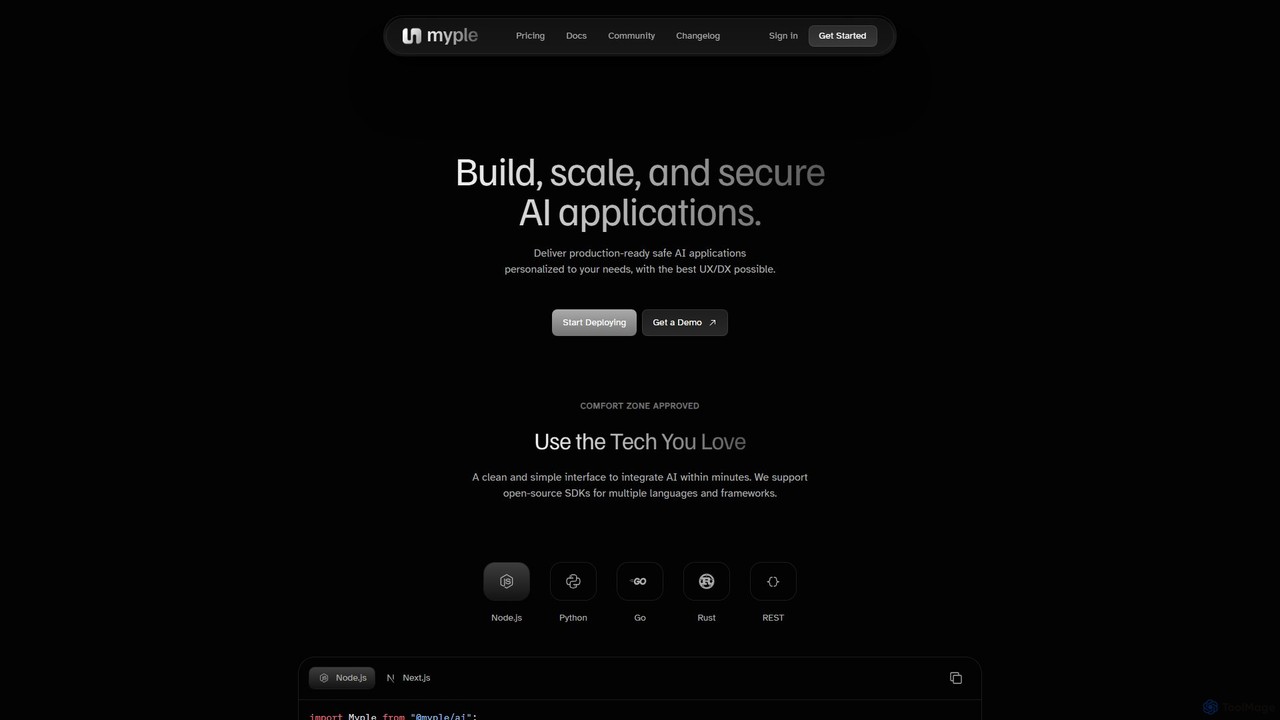
Myple is a comprehensive platform for developers to build, scale, and secure production-ready AI applications. It offers a …

2.6K
getmaxim

getmaxim

getmaxim is a comprehensive GenAI evaluation and observability platform designed for AI development teams. It enables users to …

110.7K

About Ai Model

AI Models are the core computational engines that power artificial intelligence applications, trained on vast datasets to recognize patterns, make predictions, or generate new content. These models, such as large language models (LLMs) or computer vision models, use complex neural network architectures to process information and produce outputs. They serve as the foundational layer for a wide range of tools, enabling developers and researchers to build sophisticated, custom AI-driven solutions. Accessing these models directly allows for greater control, fine-tuning, and integration into specific workflows.

Core Features

  • Predictive Analysis: Forecasts future outcomes or trends based on historical data.
  • Generative Capabilities: Creates new and original content, including text, images, code, and audio.
  • Natural Language Understanding (NLU): Interprets and comprehends the meaning and intent behind human language.
  • Pattern Recognition: Identifies recurring patterns, objects, or anomalies within large datasets.
  • Fine-Tuning & Customization: Allows adaptation of a pre-trained model for specialized tasks using custom data.

Use Cases

AI Models are primarily used by developers, data scientists, and enterprises. Developers integrate them via APIs to power applications like custom chatbots or recommendation engines. Data scientists use them for research, such as predicting protein structures or analyzing market trends. Enterprises deploy them to automate internal processes, like fraud detection or quality control in manufacturing.

How to Choose

When selecting an AI Model, consider its specific task alignment (e.g., text generation vs. image classification). Evaluate its performance metrics, such as accuracy, latency, and resource consumption. Assess the accessibility and cost of its API or the requirements for self-hosting. Finally, consider the quality of its documentation and the level of community or commercial support available.

Ai ModelUse Cases

1

Developing a Custom Customer Service Chatbot

A software developer at an e-commerce company uses a foundational large language model (LLM) accessed via an API. They fine-tune this model with their company's internal knowledge base, including product specifications and past customer support tickets. The goal is to create a highly specialized chatbot that understands industry-specific jargon and provides accurate, context-aware answers to customer queries 24/7. This directly reduces the workload on human support agents and improves customer satisfaction by providing instant responses.

2

Building a Visual Inspection System for Manufacturing

A manufacturing engineer uses a pre-trained computer vision model specialized in object detection. They fine-tune the model by training it on thousands of images of their factory's products, with defective items clearly labeled. Once deployed, the model is integrated with a camera system on the assembly line. It automatically identifies products with subtle defects, such as cracks or misalignments, that are difficult for the human eye to spot consistently. This process significantly improves quality control, reduces waste, and increases production throughput.

3

Powering a Content Generation Application

A startup building a marketing automation platform integrates a powerful generative text model via its API. This allows their application to offer features like generating blog post outlines, social media captions, and email marketing copy based on user prompts. By leveraging a state-of-the-art AI model, the startup can provide high-quality content generation capabilities to its users without investing millions in developing its own model from scratch. This enables their customers, typically small business owners, to create professional marketing materials quickly and affordably.

4

Conducting Scientific Research with Predictive Models

A data scientist in a pharmaceutical research lab uses a specialized predictive model to analyze molecular data. By inputting the chemical structures of potential drug compounds, the model predicts their efficacy and potential side effects with a high degree of accuracy. This allows the research team to prioritize the most promising compounds for further lab testing, drastically reducing the time and cost associated with traditional trial-and-error drug discovery methods. The model acts as a powerful screening tool, accelerating the path to developing new medicines.

5

Creating a Personalized Recommendation Engine

An e-commerce platform integrates a collaborative filtering model to enhance user experience. The model analyzes user behavior, including purchase history, viewed items, and items added to the cart. Based on this data and the behavior of similar users, it generates personalized product recommendations displayed on the homepage and product pages. This not only helps customers discover products they are likely to be interested in but also significantly increases user engagement, conversion rates, and average order value for the business.

6

Automating Financial Fraud Detection

A financial institution employs a machine learning model trained on historical transaction data to detect fraudulent activities in real-time. The model analyzes patterns in transaction amounts, frequencies, locations, and device information. When a transaction deviates significantly from a user's normal behavior, the model flags it as suspicious and can trigger an immediate alert or temporarily block the transaction. This automated system operates continuously, providing a higher level of security than manual review and protecting both the institution and its customers from financial loss.

Ai ModelFrequently Asked Questions