ToolMage
Sign in

Best 111 Accounting AI tools for Finance

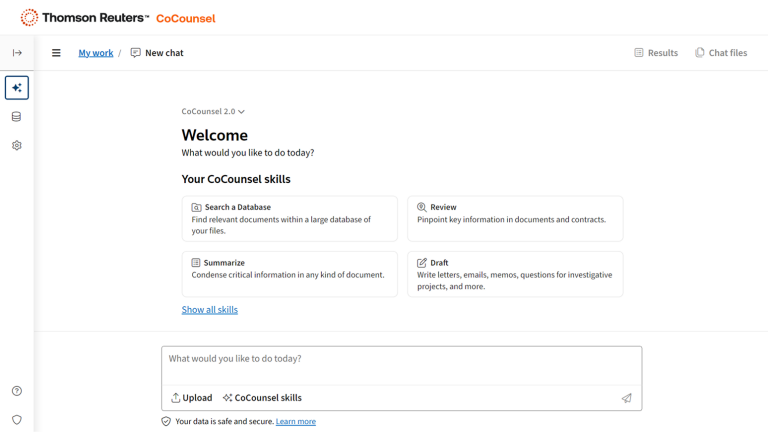
Popular Accounting AI tools in Finance include Intuit, SAP, CoCounsel, Workday, TaxPilot.ai, Nanonets, ANNA Money, LiveFlow, Beam AI, and Pilot, helping you work more efficiently.

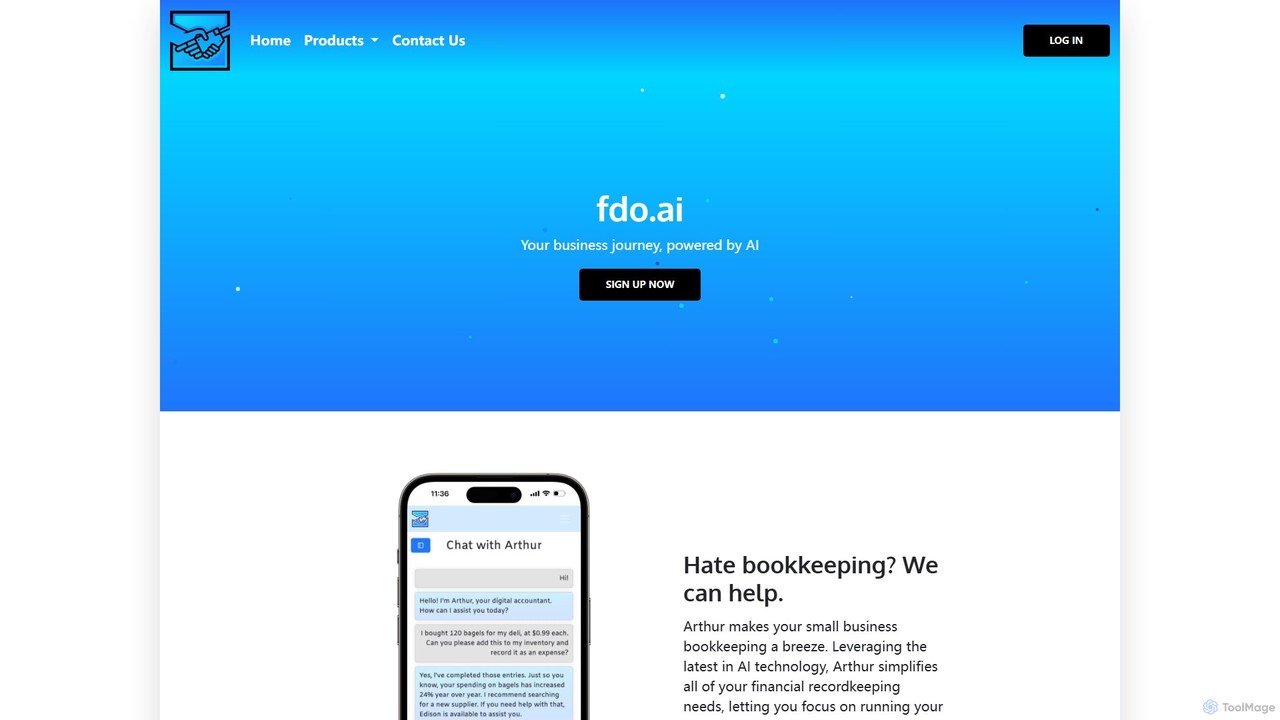
fdo.ai

fdo.ai

fdo.ai is an AI-powered platform designed for small businesses and entrepreneurs. It features two core tools: Edison, an AI business advisor for strategy and growth, and Arthur, an AI bookkeeper for automated financial management. It's a comprehensive solution for starting, managing, and scaling a business.

Startup Tools
Visits 5.8KFavorites 90Likes 85
Kaoffee
Freemium

Kaoffee

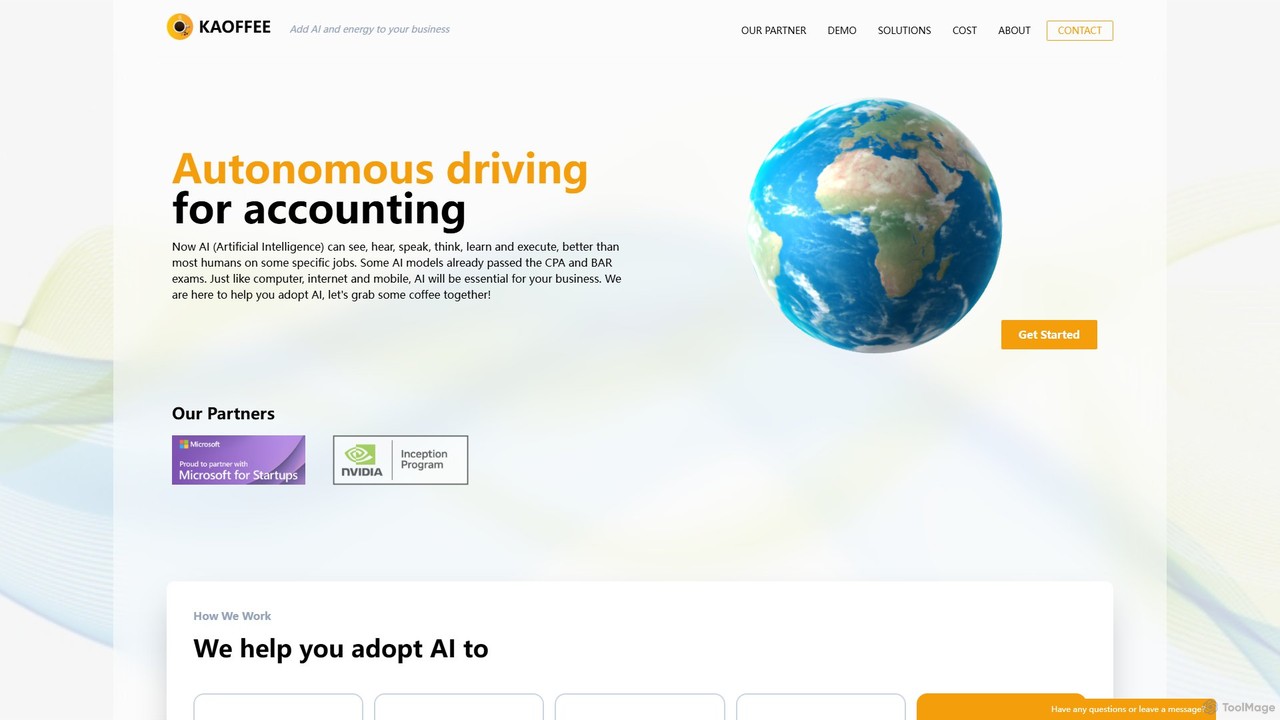
Kaoffee provides autonomous AI solutions for accounting, helping businesses automate tasks like bookkeeping, payroll, and tax filing. By leveraging advanced AI for vision, learning, and automation, it aims to reduce costs, increase productivity 24/7, and enhance financial security for business owners.

Data Analysis
Visits 5.8KFavorites 158Likes 139
Geniussheets
Freemium

Geniussheets

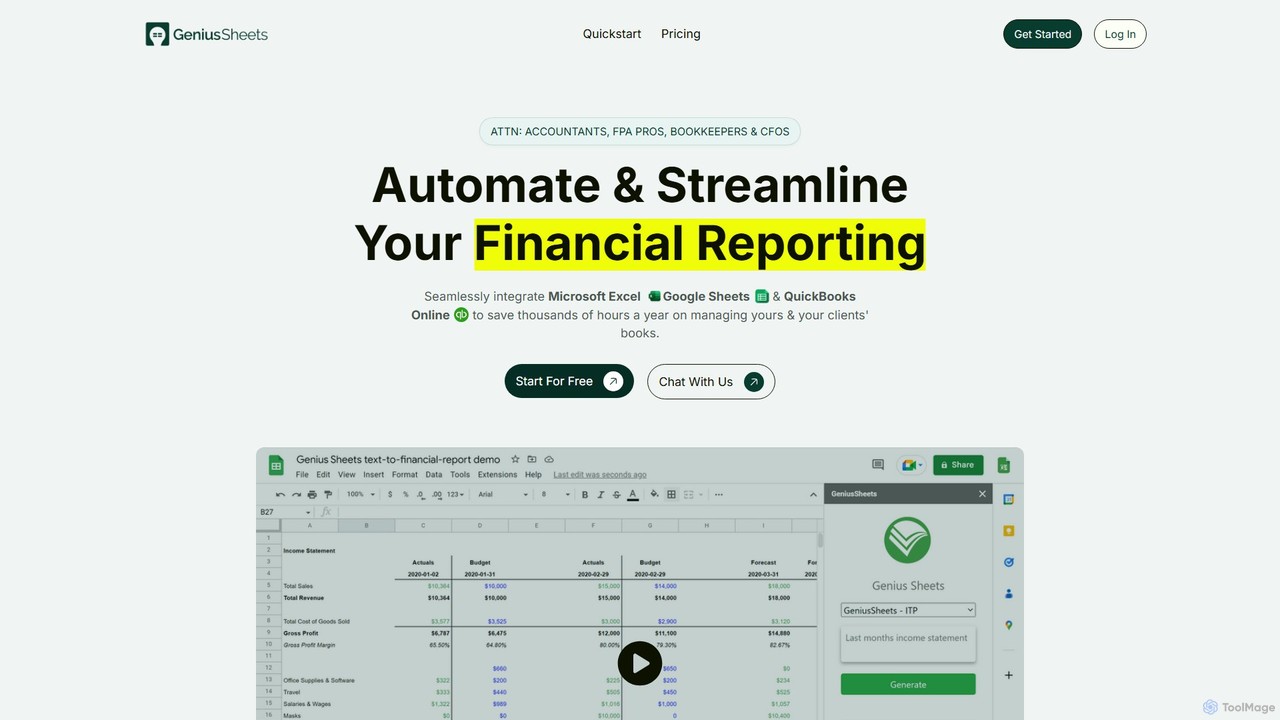
Geniussheets automates financial reporting by seamlessly integrating QuickBooks Online with Google Sheets and Microsoft Excel. It eliminates manual data entry, providing real-time, accurate financial data directly in your spreadsheets. Designed for accountants, FP&A professionals, and CFOs to save time, improve accuracy, and build dynamic financial models and dashboards.

Automation
Visits 5.9KFavorites 110Likes 124
Minerva
Paid

Minerva

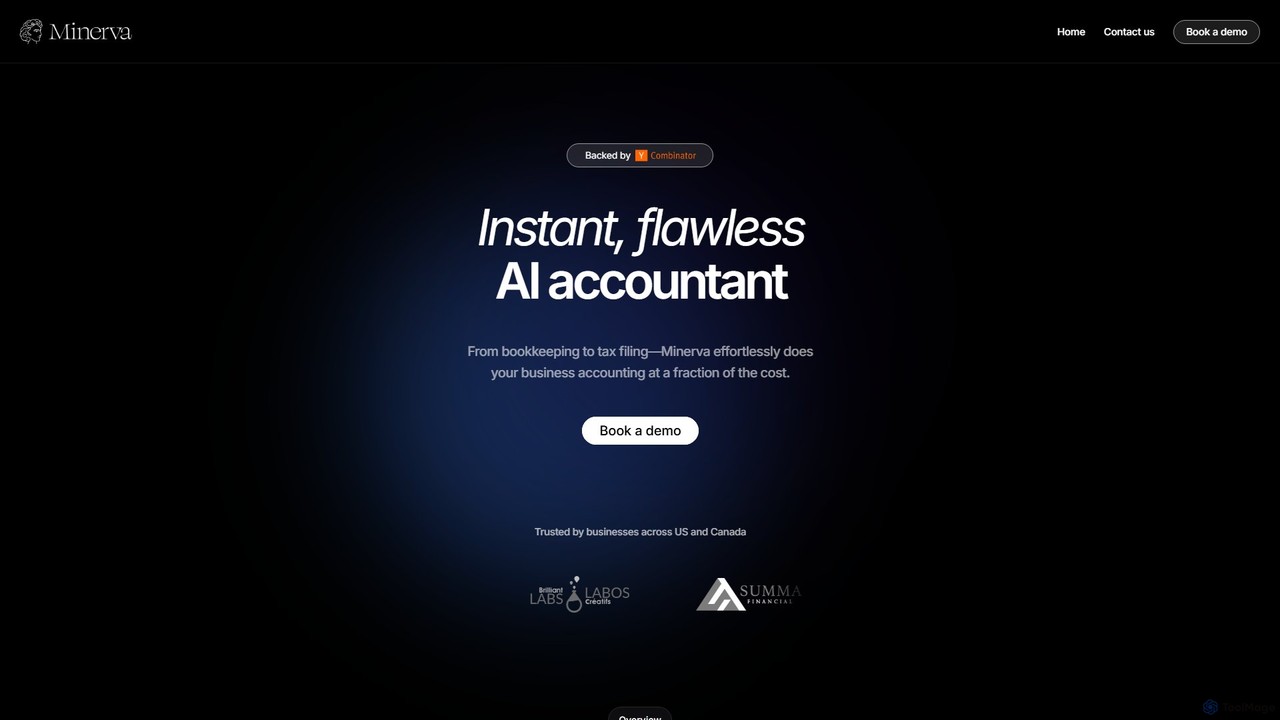
Minerva is an AI-powered accountant for SMBs, automating the entire accounting workflow from bookkeeping and expense categorization to bank reconciliation and tax filing preparation. It scans data from emails and other platforms to provide real-time financial insights, all supervised by human CPAs for accuracy.

Operations
Visits 9.4KFavorites 146Likes 120
Handl
Paid

Handl

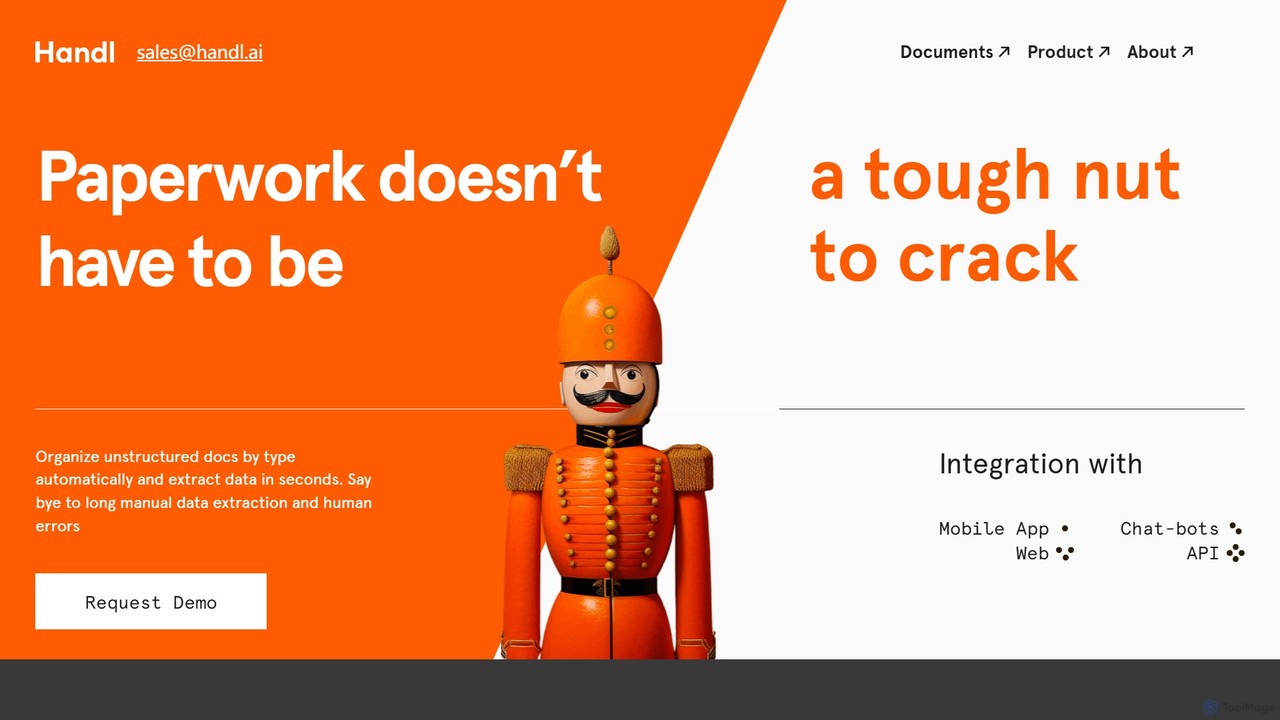
Handl is an intelligent AI document processing platform that automates data extraction from any document type. It combines advanced AI with human-in-the-loop validation to deliver up to 98% accuracy, reducing manual work, costs, and processing time while offering robust antifraud capabilities for businesses.

Data Extraction
Visits 7KFavorites 125Likes 151
ExtractNinja
Freemium

ExtractNinja

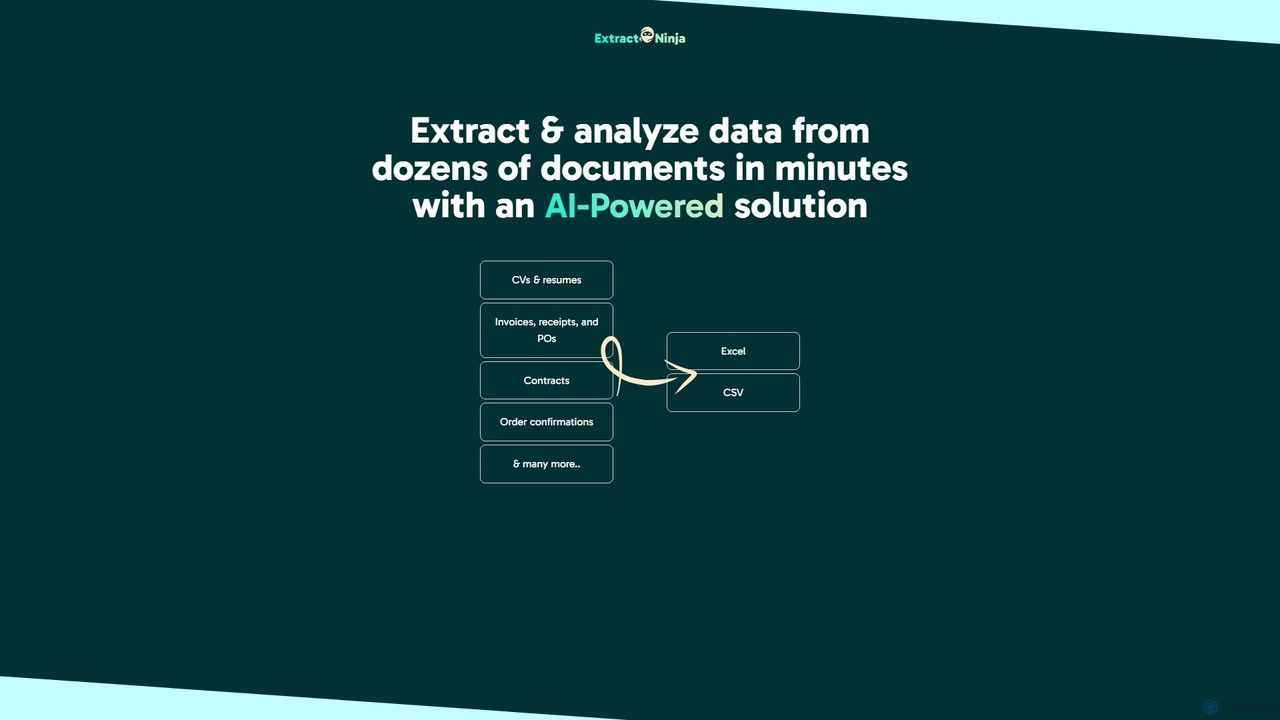
ExtractNinja is an AI-powered platform that automates data extraction from various documents like invoices, resumes, and contracts in minutes. It eliminates manual data entry, allowing users to define custom data fields and export structured data to Excel or CSV, turning unstructured documents into actionable insights.

Document Management
Visits 5.8KFavorites 126Likes 147
Kudra
Freemium

Kudra

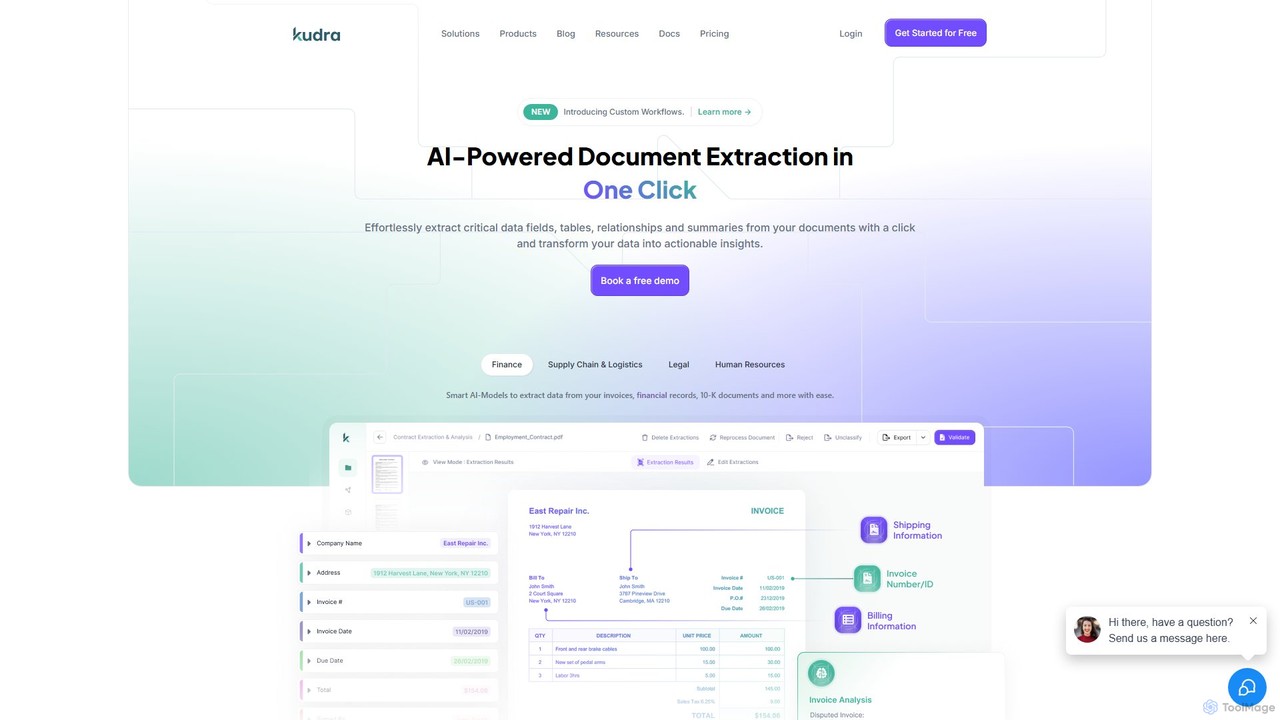
Kudra is an AI-powered platform that automates data extraction from any document in one click. It transforms unstructured data from PDFs, emails, and images into structured, actionable information. Ideal for finance, logistics, legal, and HR, Kudra offers customizable models, workflow automation, and seamless integrations to boost efficiency and reduce errors.

Data Analysis
Visits 12.5KFavorites 160Likes 145
ReceiptUp
Freemium

ReceiptUp

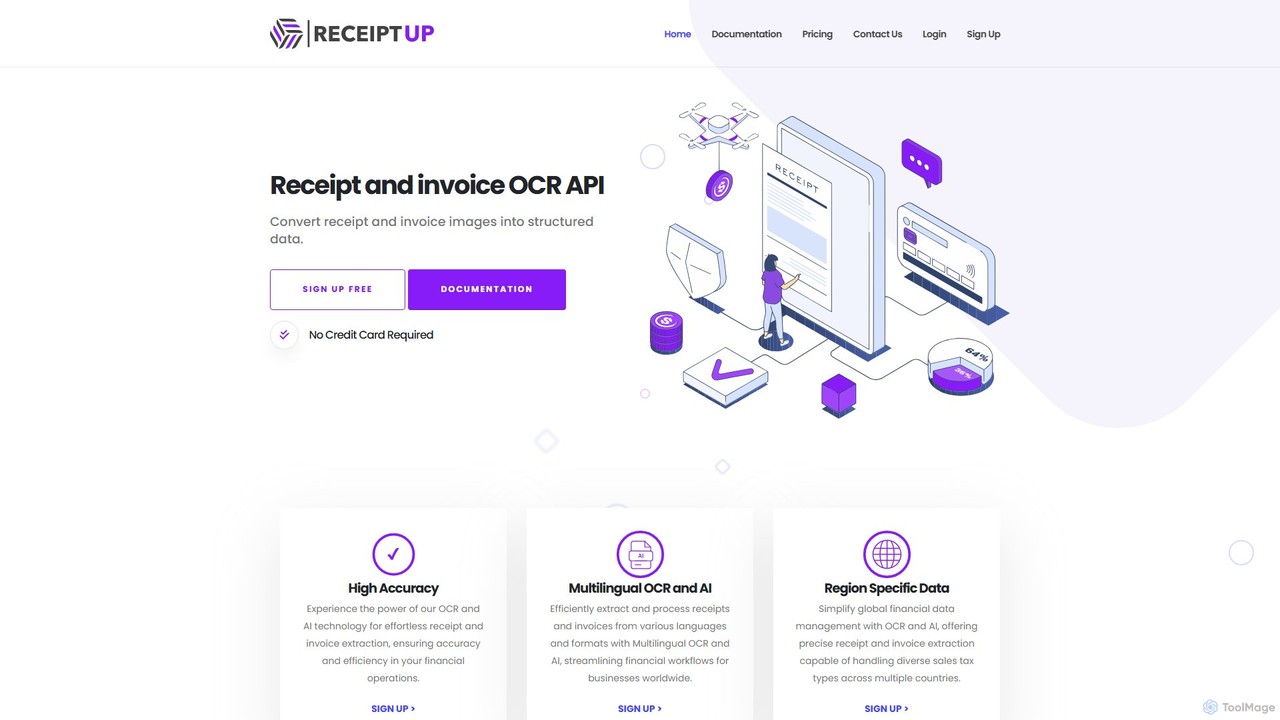
ReceiptUp is a powerful OCR and AI-powered API that automatically converts receipt and invoice images into structured JSON data. Designed for developers and businesses, it accurately extracts key information like merchant details, totals, taxes, and line items. With multilingual support and region-specific data handling, it streamlines financial workflows, automates expense management, and enhances data analytics, offering a free trial to get started.

Api
Visits 6KFavorites 135Likes 141
Mesh
Paid

Mesh

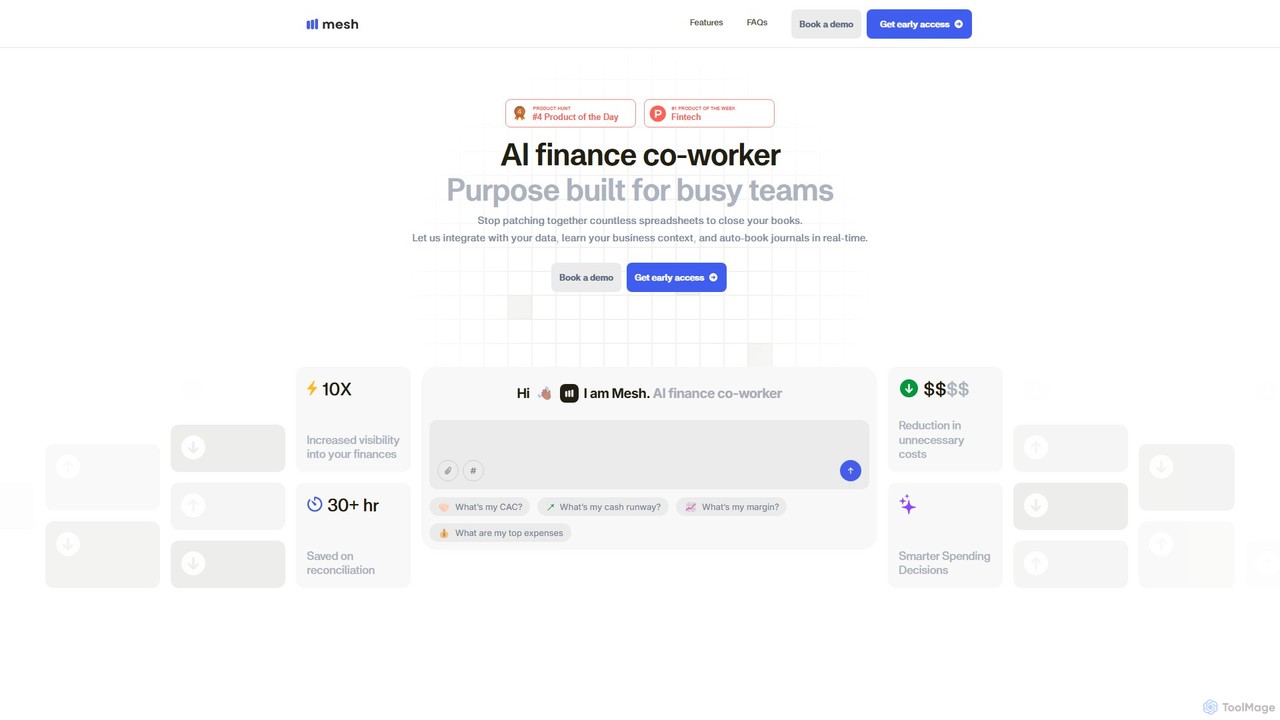
Mesh is an AI finance co-worker designed for busy teams. It automates bookkeeping, performs continuous real-time reconciliation, and provides instant financial insights through a conversational interface. By integrating with your existing financial tools, Mesh eliminates manual data entry, reduces accounting costs, and offers 24/7 visibility into your business's financial health.

Analytics
Visits 8.6KFavorites 129Likes 118
InvoiceOCR
Freemium

InvoiceOCR

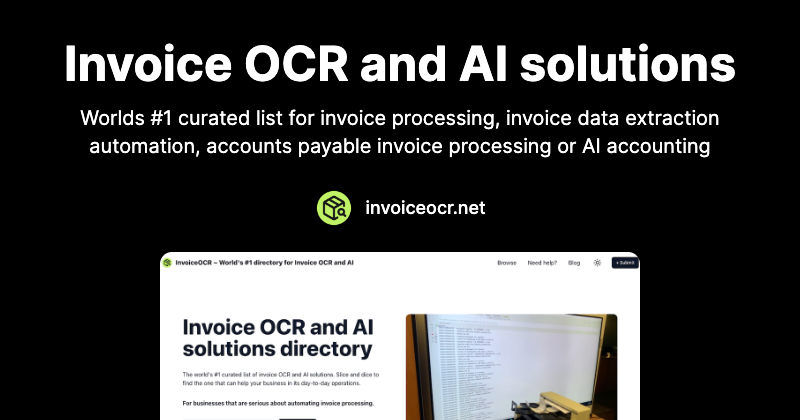
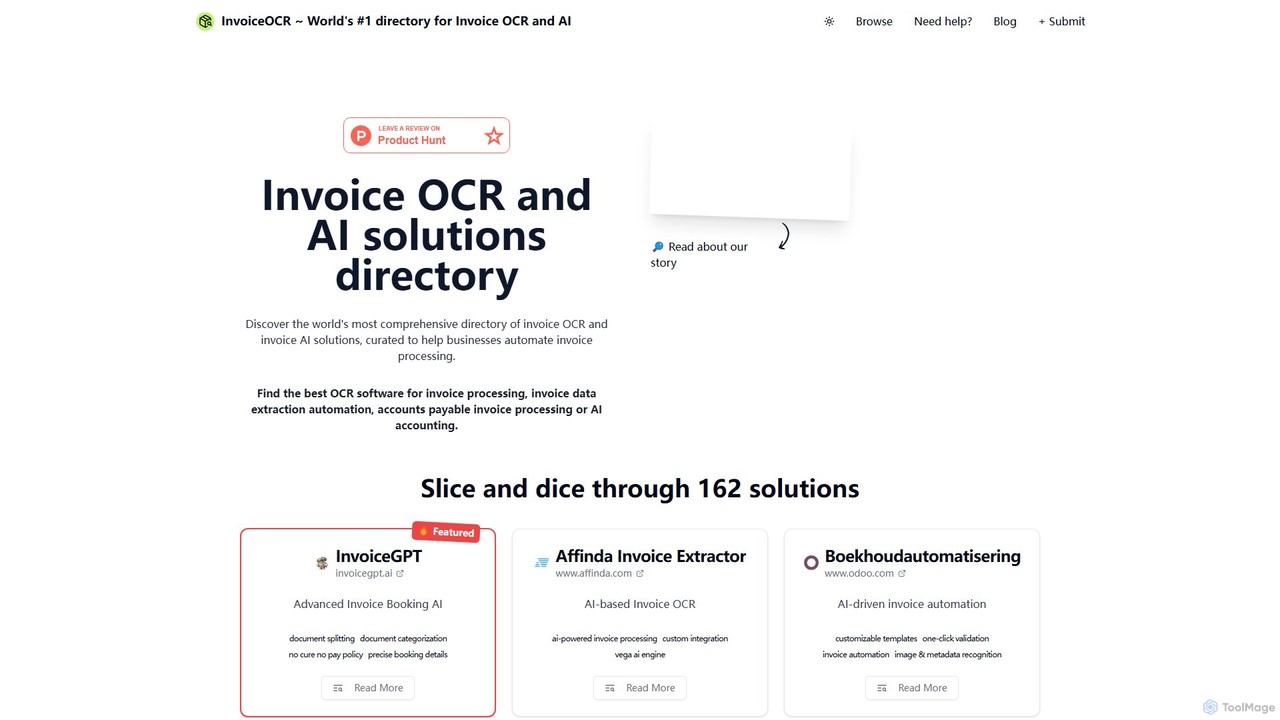
InvoiceOCR is the world's #1 directory for AI-powered invoice processing and accounts payable automation solutions. It's a comprehensive resource hub designed to help businesses discover, compare, and select the best OCR and AI accounting tools. The platform offers detailed reviews, curated lists, and a unique expert consultation service for personalized guidance in achieving end-to-end financial automation.

Automation
Visits 6KFavorites 165Likes 169
Soraban
Paid

Soraban

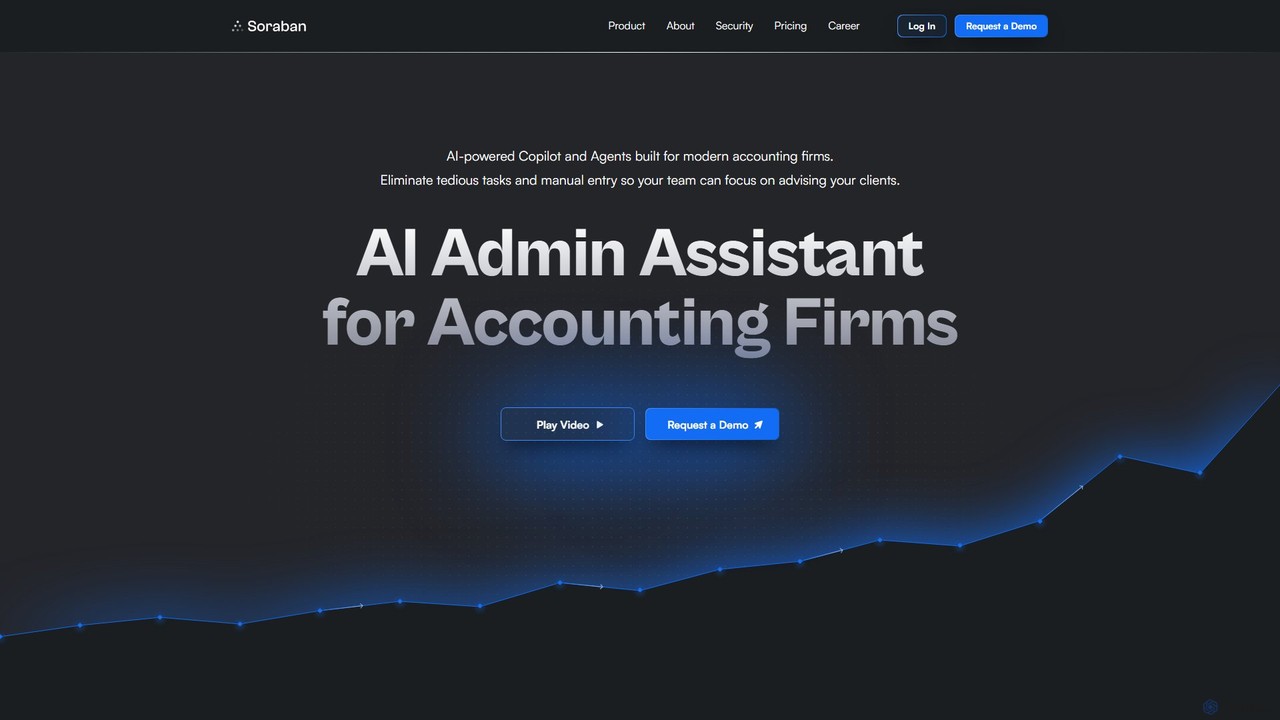
Soraban is an AI-powered platform for accounting firms, designed to automate administrative tasks like document collection and client communication. It features an AI copilot, dynamic questionnaires, and a white-labeled client portal to streamline workflows, enhance efficiency, and improve the client experience, allowing professionals to focus on high-value advisory services.

Client Management
Visits 23.9KFavorites 121Likes 140
globalintegra
Paid

globalintegra

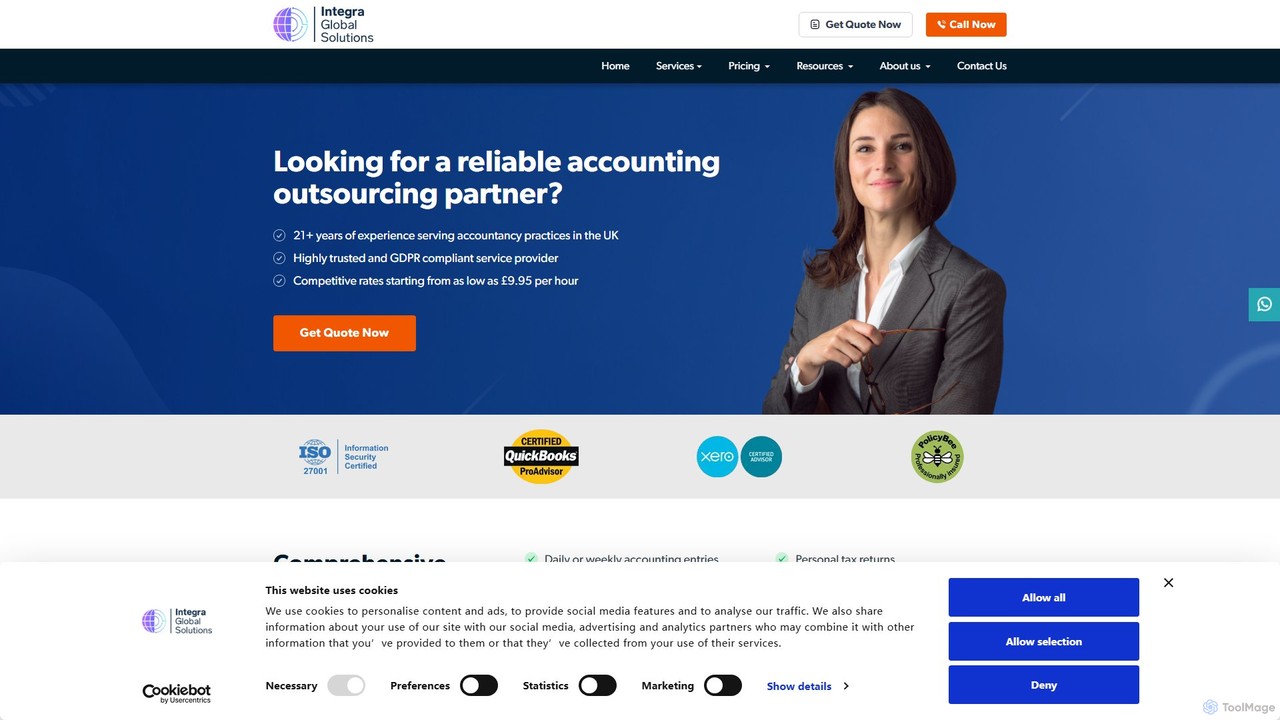
Global Integra offers AI-powered outsourced accounting services for UK businesses and accounting firms. It streamlines financial operations, including bookkeeping, VAT returns, payroll, and year-end accounts. By leveraging automation and expert accountants, Global Integra enhances accuracy, ensures compliance, and provides significant cost savings, allowing businesses to focus on their core activities while maintaining robust financial management and data security.

Outsourcing
Visits 6.7KFavorites 120Likes 118
Tailride
Freemium

Tailride

Tailride is an AI-powered accounting automation platform that saves businesses hundreds of hours. It automatically scans inboxes (Gmail, Outlook) and online portals to find, extract, and organize invoices and receipts. With integrations for QuickBooks, Xero, and Google Drive, it streamlines the entire accounts payable workflow, from data capture to reconciliation.

Document Management
Visits 63.8KFavorites 135Likes 129
iNymbus
Paid

iNymbus

iNymbus is an AI-powered, cloud-based Robotic Process Automation (RPA) platform designed to automate retail deduction management. It helps suppliers and distributors recover funds from chargebacks and claims by automatically processing, managing, and disputing deductions from over 40 major retailers, significantly reducing costs and increasing recovery speed.

Supply Chain Management
Visits 13.7KFavorites 127Likes 116
Img2Sheet
Freemium

Img2Sheet

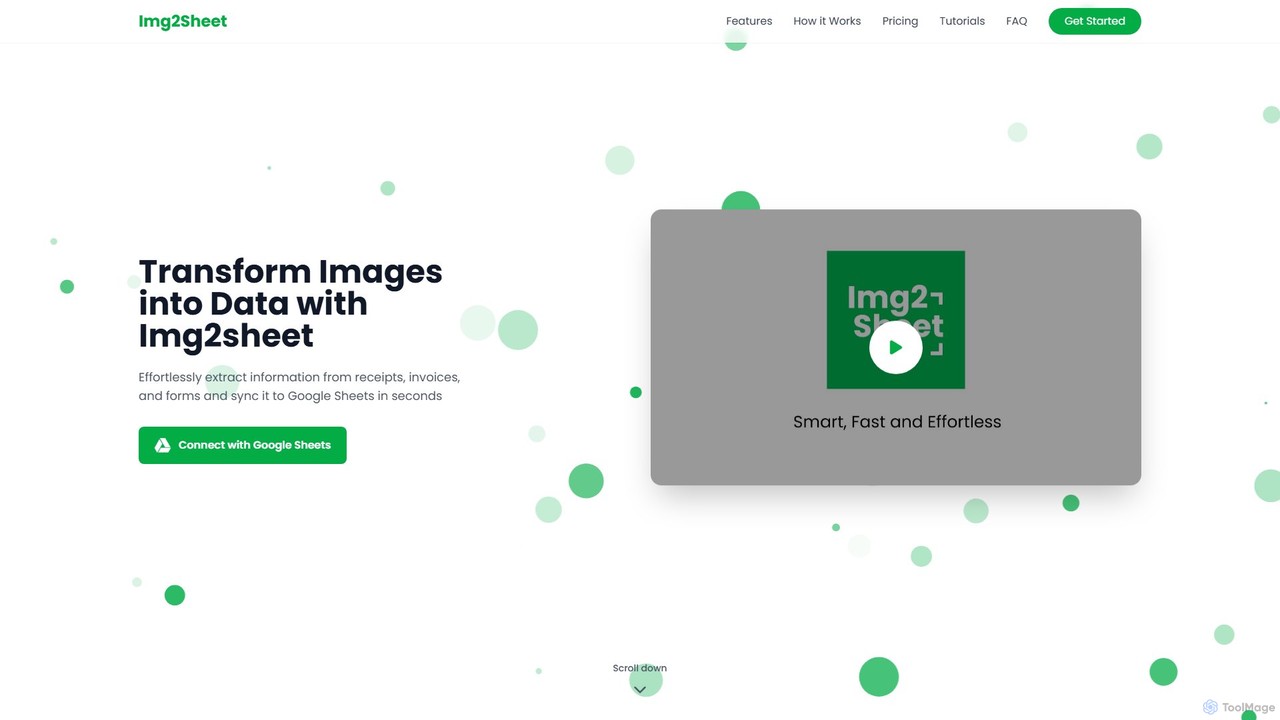
Img2Sheet is an AI-powered tool that automates data extraction from images like receipts, invoices, and forms, syncing the information directly into Google Sheets. It eliminates manual data entry, saves time, and increases accuracy with a simple, pay-per-use model.

Extraction
Visits 16.1KFavorites 105Likes 119

About Accounting

AI Accounting tools are a specialized category of financial software that automates and enhances traditional accounting tasks like bookkeeping, invoicing, and reporting. By leveraging machine learning (ML) and optical character recognition (OCR), these platforms automatically extract and categorize data from receipts, invoices, and bank statements. This automation significantly reduces manual data entry, minimizes human error, and provides businesses with real-time financial insights for better decision-making. Unlike standard accounting software, AI-powered tools can often detect anomalies, forecast cash flow, and streamline compliance processes with greater intelligence.

Core Features

  • Automated Data Entry & Categorization: Automatically captures data from financial documents and intelligently assigns transactions to the correct accounts.
  • Intelligent Invoice & Expense Management: Manages the entire lifecycle of invoices and employee expenses, from creation and approval to payment and reconciliation.
  • Real-time Financial Reporting: Generates dynamic and customizable financial statements, including profit & loss, balance sheets, and cash flow statements.
  • Fraud & Anomaly Detection: Uses ML algorithms to identify unusual spending patterns, duplicate invoices, or potential fraudulent activities.
  • Smart Reconciliation: Automatically matches bank transactions with recorded entries, highlighting discrepancies for quick resolution.

Applicable Scenarios

These tools are widely used by small and medium-sized businesses (SMBs) to manage their day-to-day finances without a dedicated accounting team. Accounting firms and bookkeepers leverage them to serve more clients efficiently by automating routine tasks. Corporate finance departments also use them to streamline their accounts payable (AP) and accounts receivable (AR) workflows, accelerating the monthly closing process.

Selection Criteria

When choosing an AI Accounting tool, consider its integration capabilities with your existing systems, such as banking, payroll, and e-commerce platforms. Evaluate the tool's scalability to ensure it can handle your growing transaction volume. Assess the specificity of its features—does it support multi-currency, project accounting, or industry-specific compliance? Finally, prioritize robust security protocols and data privacy compliance to protect sensitive financial information.

Featured tool rankings

Accounting use cases

1

Automate Invoice Processing for a Small Business

A small business owner is overwhelmed with manually entering data from dozens of supplier invoices each week into their accounting software. This process is time-consuming and prone to errors. By implementing an AI Accounting tool, they can simply forward PDF invoices or upload scans. The tool's OCR technology automatically extracts key information like vendor name, invoice number, date, and line items, then creates a draft bill for approval. This reduces the time spent on data entry by over 90%, eliminates costly mistakes, and ensures vendors are paid on time.

2

Streamline Expense Report Management

A company's finance team spends days each month manually reviewing employee expense reports, cross-checking receipts, and ensuring compliance with company policy. Using an AI Accounting tool, employees can snap photos of receipts with their phones. The AI instantly digitizes the receipt, categorizes the expense, and flags any submissions that are out of policy (e.g., over budget, missing information). This automates the entire workflow, leading to faster reimbursements for employees and freeing up the finance team to focus on more strategic financial analysis.

3

Generate Real-time Cash Flow Forecasts

A startup founder needs a clear, forward-looking view of their company's cash position to manage runway and make informed spending decisions. Manually updating spreadsheets is inefficient and often outdated. An AI Accounting tool connects directly to the company's bank accounts and accounting data. It analyzes historical payment patterns and current receivables/payables to generate dynamic, multi-scenario cash flow projections. This provides an accurate, real-time dashboard for strategic planning, helping to prevent unexpected cash shortages.

4

Enhance Audit Preparedness and Compliance

An accounting firm is preparing a client's financial records for an annual audit. The process involves manually verifying thousands of transactions to ensure accuracy and create a clear audit trail. An AI tool can automate this preparation. It performs continuous reconciliation of accounts, identifies missing documentation or unusual entries that could be audit risks, and organizes all financial data into a structured, audit-ready format. This significantly reduces pre-audit preparation time and increases the auditor's confidence in the financial statements.

5

Automate Bank Reconciliation for E-commerce

An online store owner struggles to reconcile thousands of individual sales from their e-commerce platform (like Shopify) with the lump-sum payouts deposited into their bank account. This manual matching process is a major bottleneck for closing the books each month. An AI Accounting tool with direct e-commerce integration automatically fetches sales data, matches it to bank deposits, and accounts for transaction fees. It turns a complex, multi-day task into a fully automated process, providing an accurate and timely view of profitability.

6

Simplify Tax Preparation for Freelancers

A freelance consultant needs to track business expenses throughout the year to prepare for quarterly estimated tax payments and their annual tax filing. Manually sorting personal and business transactions is tedious. By connecting their bank accounts to an AI Accounting tool, the system automatically identifies and categorizes business-related expenses, such as software subscriptions, travel, and office supplies. It generates reports that clearly show deductible expenses, simplifying the tax preparation process and helping to maximize potential tax savings.

Accounting FAQ

What are AI Accounting tools?

AI Accounting tools are software applications that use artificial intelligence, primarily machine learning, to automate and streamline financial record-keeping tasks. They go beyond simple data storage by actively interpreting financial data. Key features include automatic data extraction from invoices, intelligent categorization of transactions, and automated bank reconciliation. They are designed to reduce manual labor, minimize human error, and provide real-time financial insights for businesses and accountants.

How do I choose the right AI Accounting tool?

Choosing the right tool depends on your specific needs. Consider these four key factors:

  • Business Scale: A freelancer's needs differ from a growing business. Select a tool that matches your transaction volume and complexity.
  • Integrations: Ensure the tool connects seamlessly with your bank, payroll system, e-commerce platform, and other essential software.
  • Core Features: Identify your primary pain point. Do you need robust invoicing, expense management, project accounting, or multi-currency support?
  • Security: Since you are handling sensitive financial data, verify that the provider has strong encryption and data protection policies.

What is the difference between AI and traditional accounting software?

The primary difference is the level of automation and intelligence. Traditional accounting software often acts as a digital ledger, requiring significant manual data entry and rule-based categorization. AI Accounting software automates these processes. For example, instead of you creating a rule for a vendor, an AI tool learns to categorize transactions from that vendor based on past behavior. AI tools also offer predictive capabilities, like cash flow forecasting and anomaly detection, which are typically absent in traditional systems.

What are the main benefits of using AI in accounting?

The main benefits of integrating AI into accounting workflows are significantly improved efficiency and accuracy. By automating repetitive tasks like data entry and reconciliation, AI frees up valuable time for financial professionals to focus on strategic analysis. It reduces the risk of human error, leading to more reliable financial statements. Furthermore, AI provides real-time data processing, offering up-to-date insights for better decision-making and enhanced fraud detection capabilities by identifying unusual patterns that a human might miss.

Who can benefit from using AI Accounting tools?

A wide range of users can benefit from AI Accounting tools. Small business owners can manage their finances with greater ease and accuracy, even without a deep accounting background. Accountants and bookkeeping firms can automate client work, allowing them to handle a larger client base and offer more advisory services. Corporate finance departments can accelerate their monthly closing procedures and improve internal controls. Finally, freelancers and self-employed individuals can simplify their expense tracking and tax preparation.