ToolMage
Sign in

Best 39 Generative Ai AI tools

Popular Generative Ai AI tools include AWS, Nano Banana, Stability AI, Snap AR, AIAI, AIVector, DeepNude, Insider Memes, Longhair, and Tashvi, helping you work more efficiently.

Longhair
Freemium

Longhair

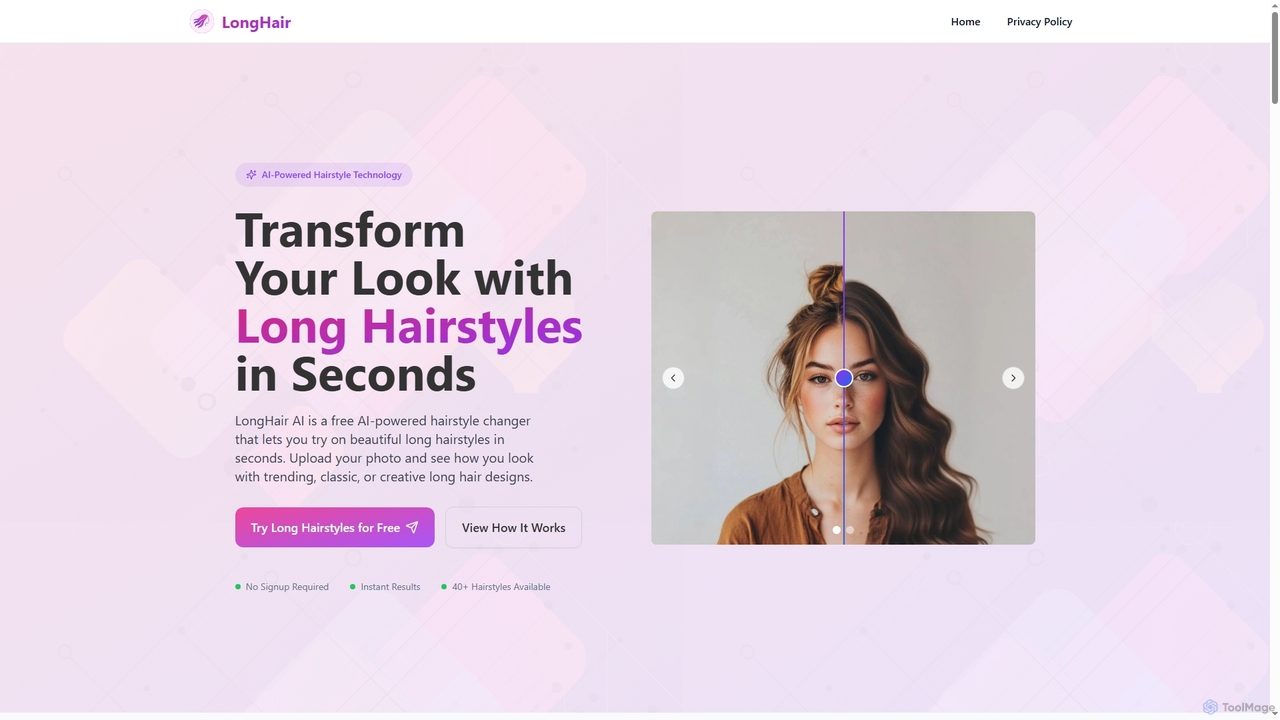
Longhair is a free AI-powered online tool that allows users to instantly visualize themselves with various long hairstyles. Simply upload a front-facing photo and experiment with over 40 trending, classic, or creative long hair designs and colors in seconds, all without requiring any signup or app downloads. It's perfect for exploring new looks before committing to a salon visit.

Virtual Try On
Visits 46KFavorites 146Likes 131
Nano Banana
Freemium

Nano Banana

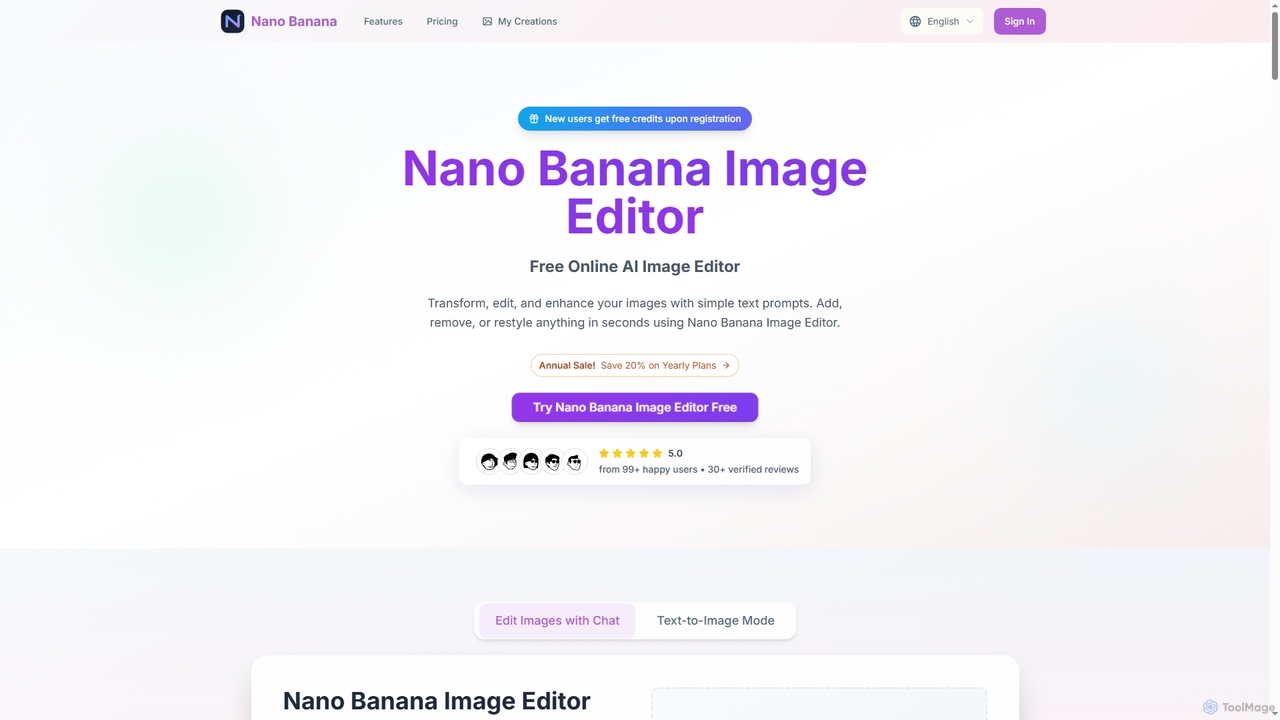
Nano Banana is an advanced online AI image editor that allows users to transform, edit, and enhance their images using simple text prompts. It enables quick additions, removals, or restyling of elements, generating high-quality, 2K resolution visuals in seconds, making professional image editing accessible to everyone.

Photo Enhancement
Visits 6.5KFavorites 100Likes 96
Nano Banana
Freemium

Nano Banana

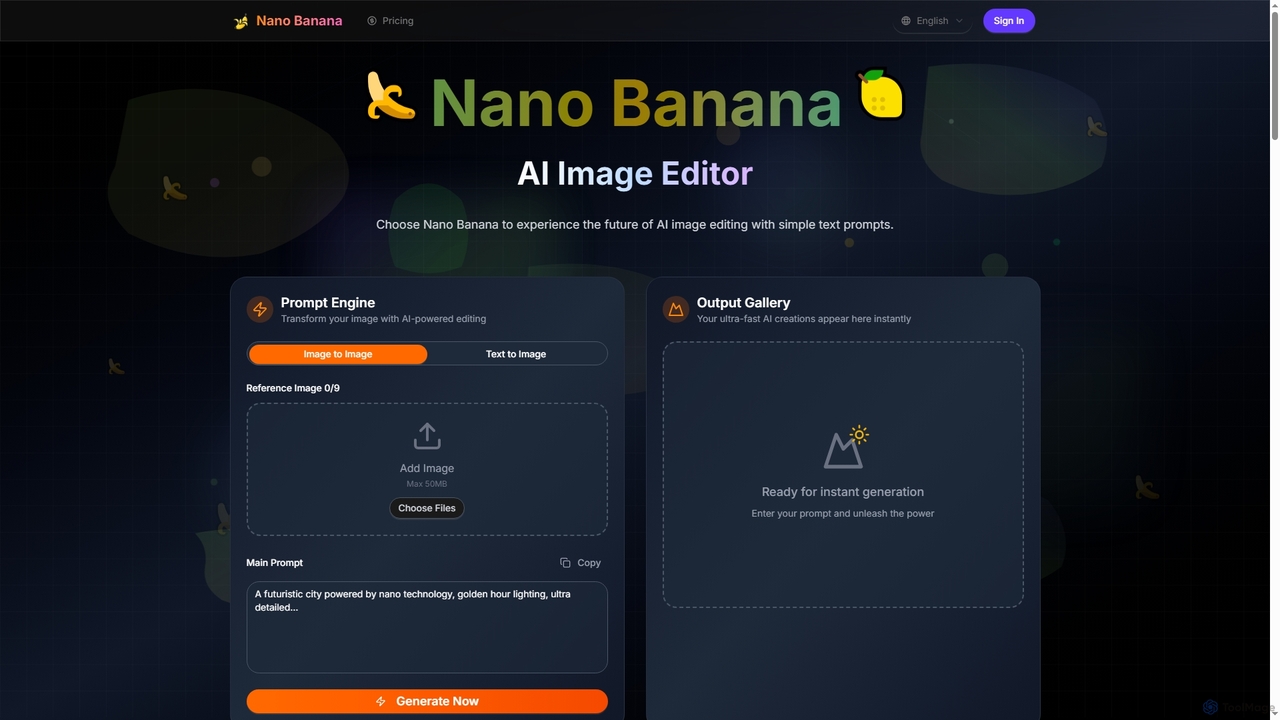
Nano Banana is an advanced AI image editor and generator that transforms text prompts into stunning visuals and offers comprehensive image manipulation capabilities. It provides over 20 unique artistic styles, professional editing features like object addition and background transformation, and even video generation from text, catering to both casual users and creative professionals.

Digital Art
Visits 5.4KFavorites 135Likes 132
AIAI
Freemium

AIAI

AIAI is an all-in-one AI creative suite designed to transform ideas into stunning visuals and provide intelligent assistance. It offers powerful tools for generating images, videos, and text content, alongside specialized features like an AI Homework Helper and a productivity-boosting browser extension.

Homework Assistance
Visits 108.1KFavorites 130Likes 128
WavTool
Freemium

WavTool

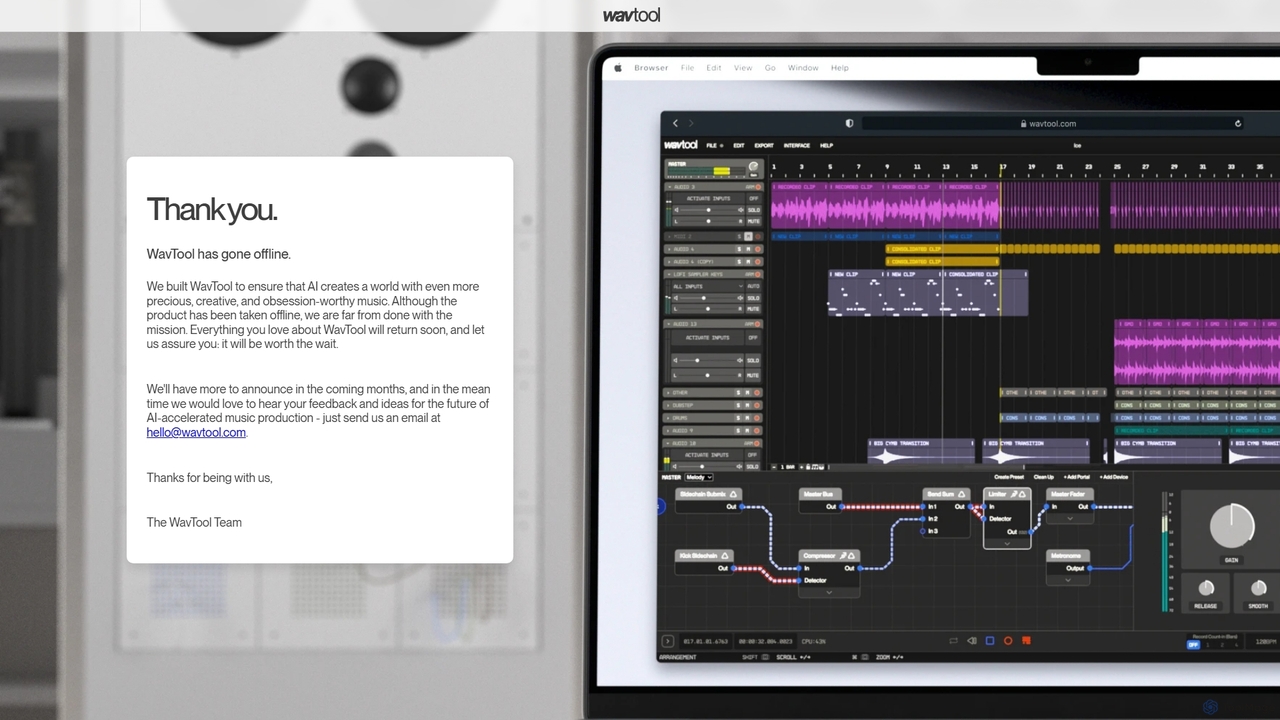
WavTool is an innovative, AI-accelerated online digital audio workstation (DAW) designed to revolutionize music production. It combines a full-featured, in-browser DAW with powerful generative AI. Users can compose, record, edit, mix, and master music using natural language prompts and intelligent tools, making professional-grade music creation accessible to everyone from beginners to seasoned producers.

Music Production
Visits 11.1KFavorites 121Likes 119
Fotol AI
Freemium

Fotol AI

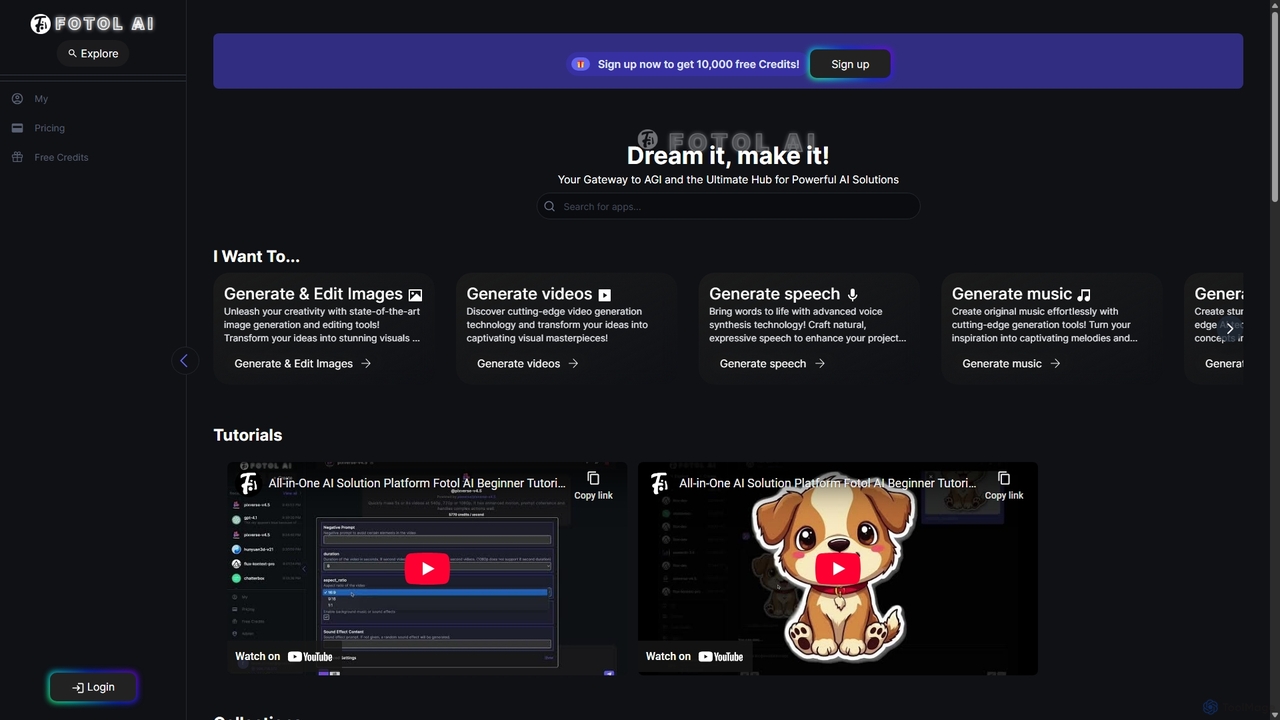
Fotol AI is an all-in-one platform serving as a gateway to the world's most powerful generative AI models. It aggregates cutting-edge tools for image, video, speech, music, and 3D asset creation, alongside a vast library of advanced conversational AI models from providers like OpenAI, Google, and Anthropic. Users can access and switch between these diverse applications seamlessly through a unified interface and a single credit-based system, streamlining creative and development workflows.

3D Generation
Visits 5.6KFavorites 136Likes 136
wendystoryteller
Freemium

wendystoryteller

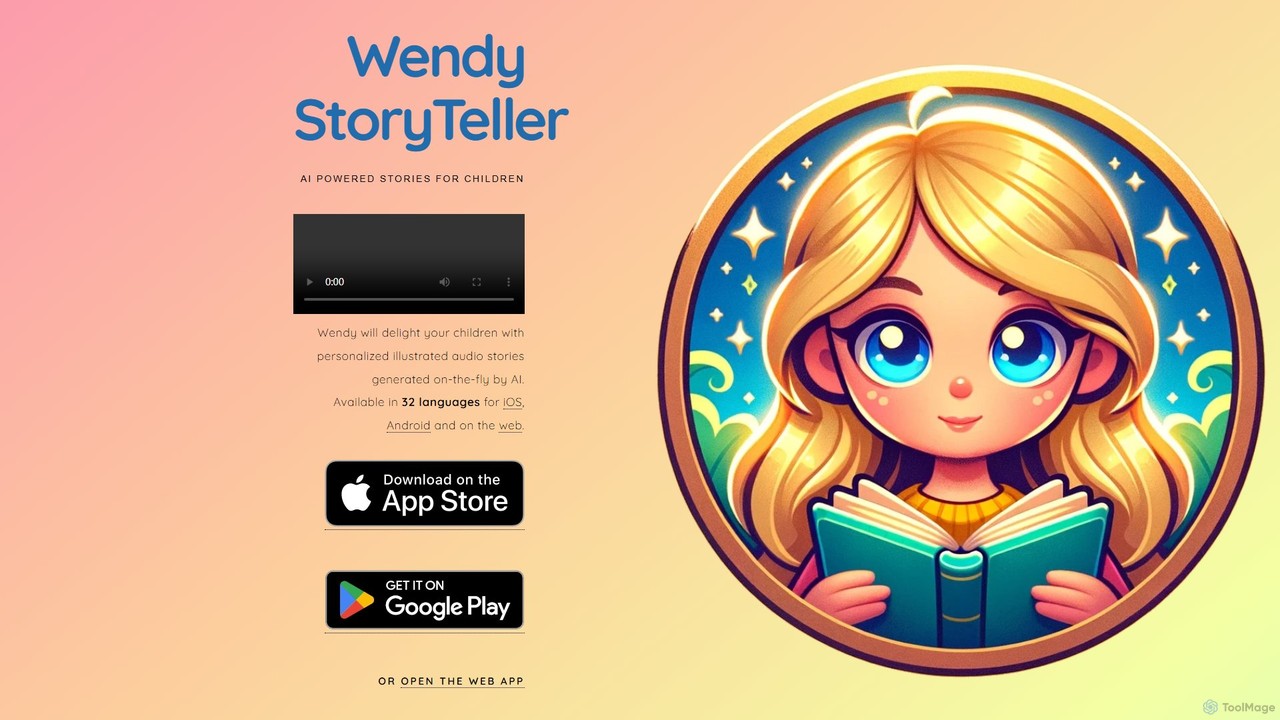
An AI-powered platform that generates personalized, illustrated audio stories for children on demand. Available in 32 languages, it creates unique tales with custom characters and themes, accessible on iOS, Android, and the web, making storytelling magical and interactive.

Storytelling
Visits 5.4KFavorites 143Likes 134
infinityflicks
Freemium

infinityflicks

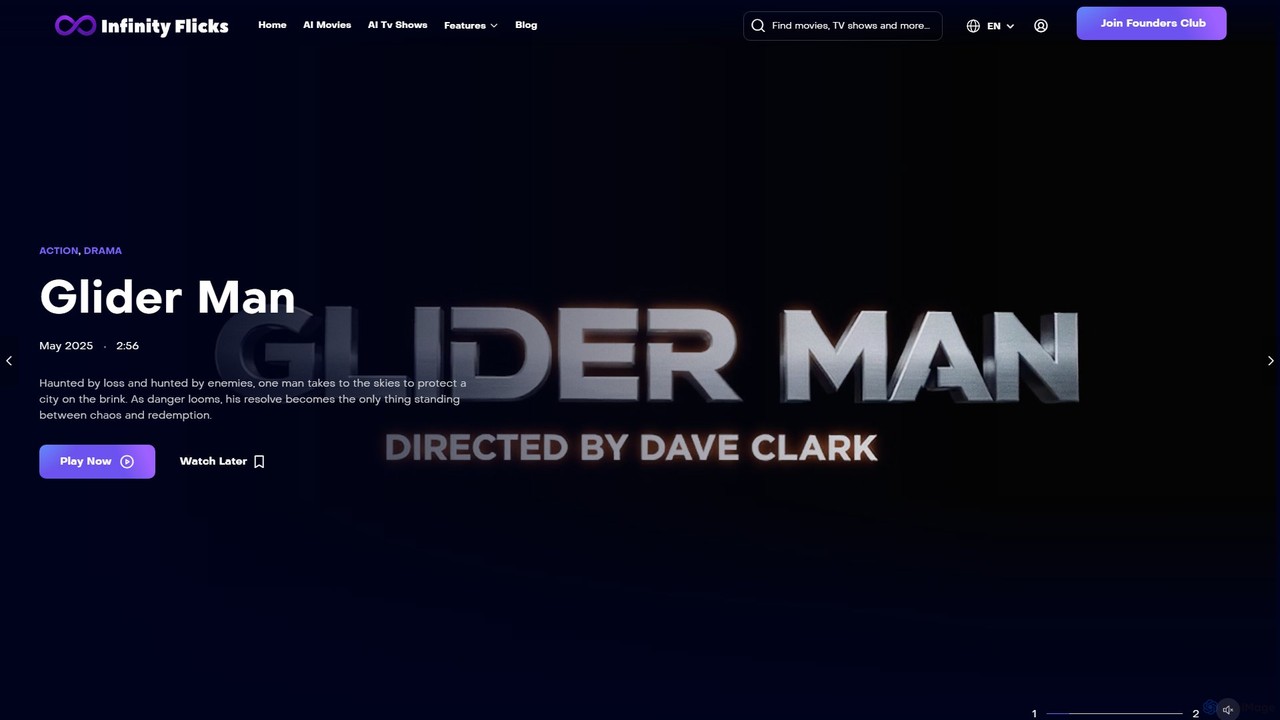
infinityflicks is a pioneering streaming platform dedicated exclusively to AI-generated movies and TV shows. Discover a constantly growing library of original content across various genres like sci-fi, drama, and anime. Watch for free with ad support, or join the Founders Club to directly fund visionary AI creators and help shape the future of cinema.

Movies
Visits 6.9KFavorites 137Likes 153
myunite
Freemium

myunite

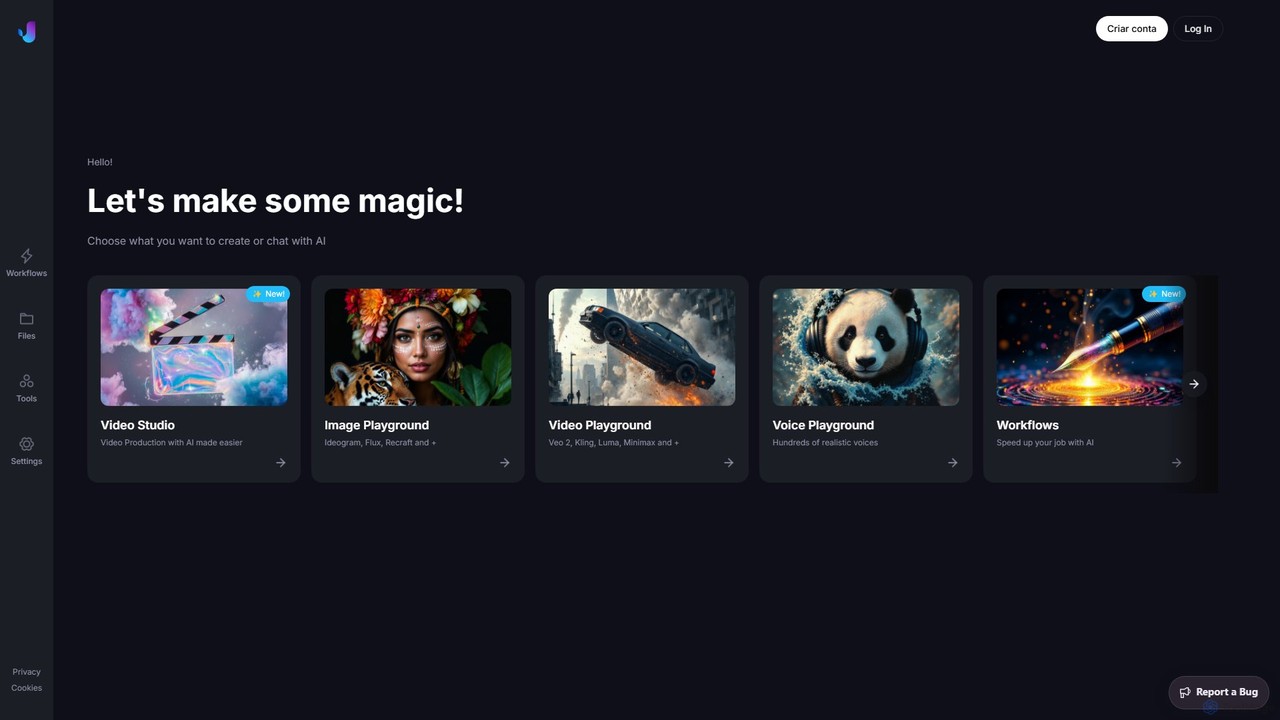
myunite is a unified AI creative platform that consolidates leading generative AI models for video, image, and voice into a single, streamlined interface. Access top-tier tools like Veo 2, Kling, Luma, Ideogram, and Flux to effortlessly create stunning multimedia content. With its powerful workflow automation, myunite simplifies the entire creative process, making it the ultimate all-in-one solution for marketers, creators, and businesses.

Voice Synthesis
Visits 6.8KFavorites 139Likes 131
DeepNude

DeepNude

A controversial and discontinued AI application that used Generative Adversarial Networks (GANs) to create synthetic, non-consensual nude images from clothed photos. Its release sparked widespread ethical debate and condemnation, leading to its removal by the creators.

Image Synthesis
Visits 75.7KFavorites 120Likes 105
Snap AR
Freemium

Snap AR

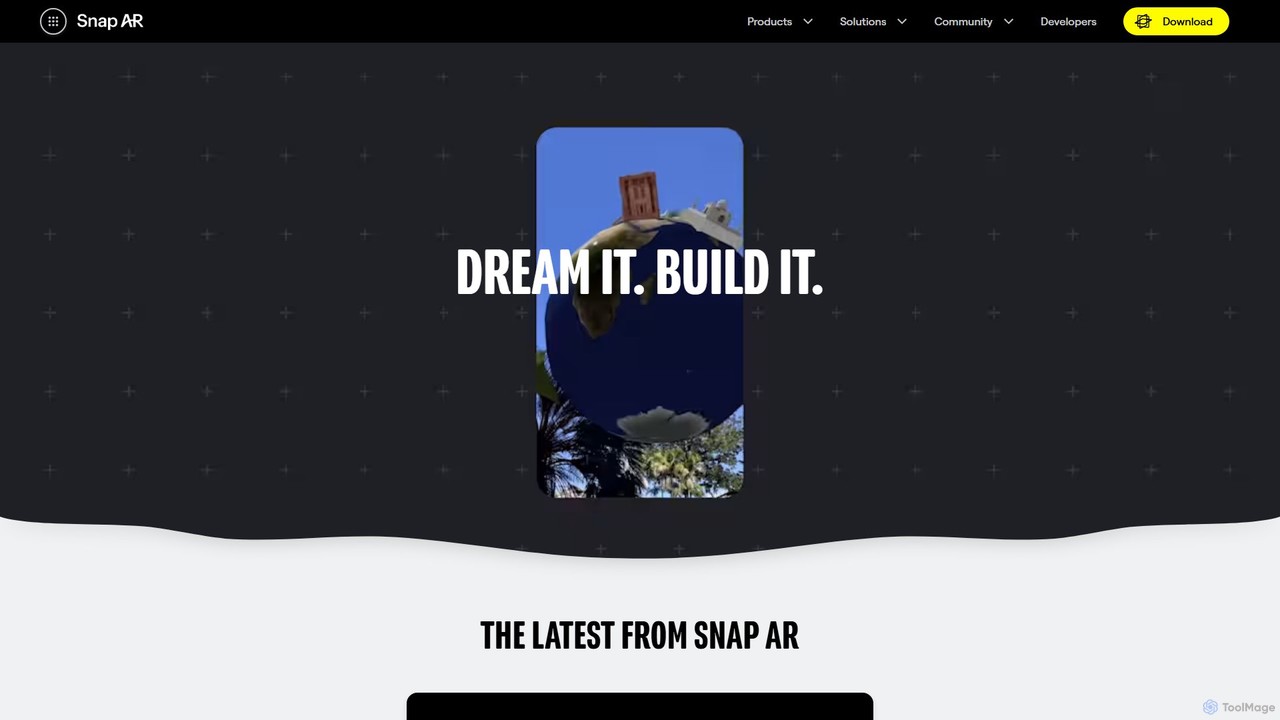
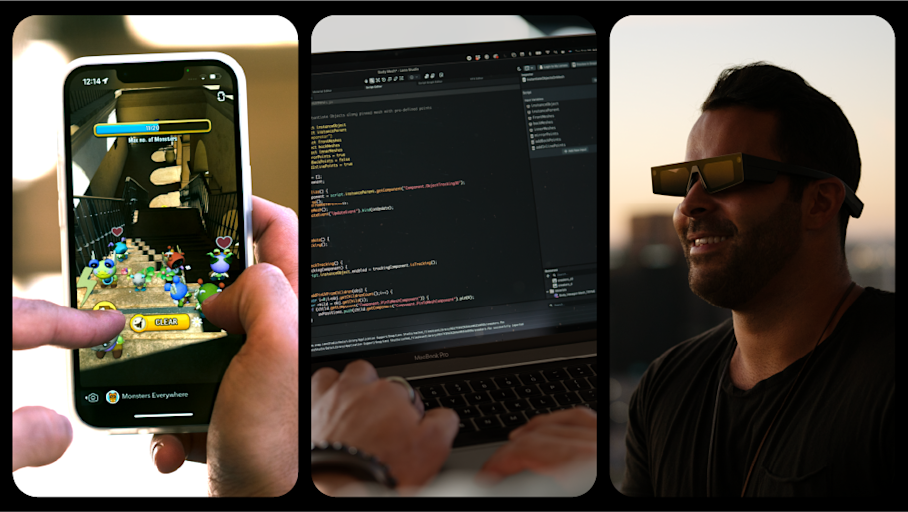
Snap AR is a comprehensive platform for creators, developers, and brands to build and deploy powerful augmented reality experiences. It features the advanced Lens Studio for creation, the Camera Kit SDK for cross-platform integration, and a new GenAI Suite to accelerate development from a simple prompt to a published AR Lens.

3D
Visits 270.3KFavorites 126Likes 159
Stability AI
Freemium

Stability AI

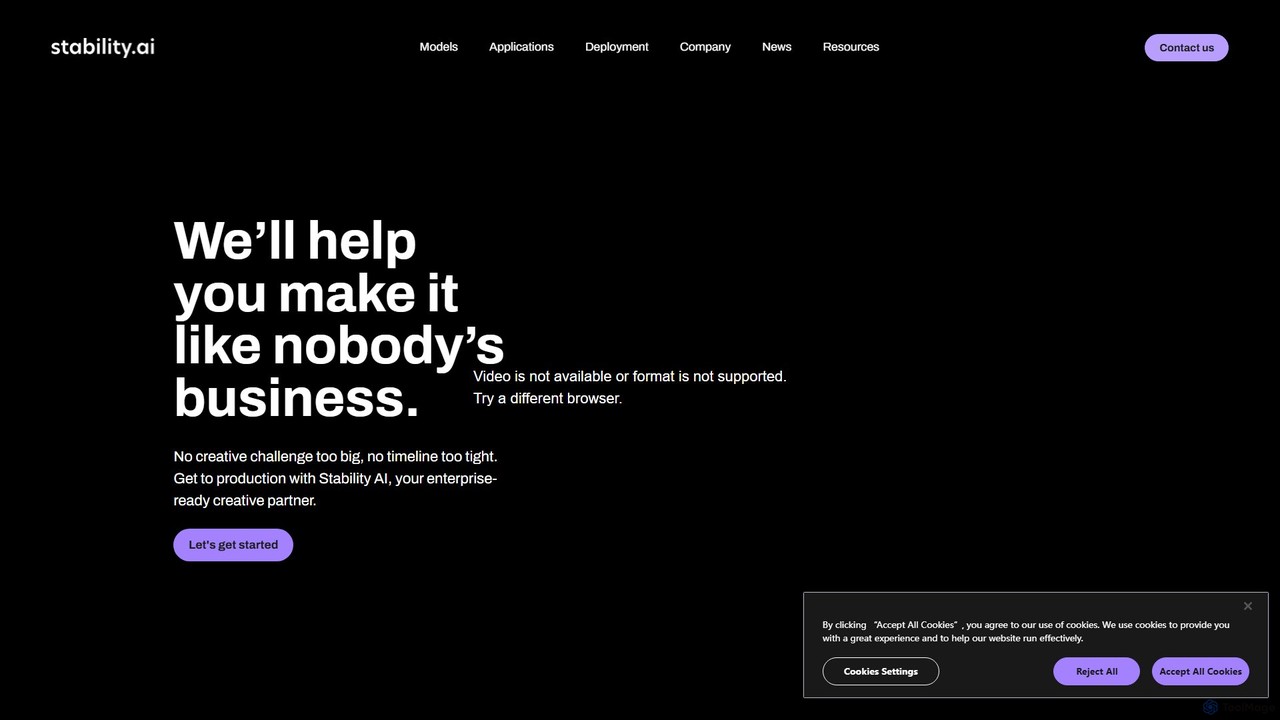
Stability AI is a leading open-source generative AI company that develops foundational models for creating images, video, audio, 3D assets, and more. It provides powerful, accessible tools for creators, developers, and enterprises, most notably the world-renowned Stable Diffusion model series. It offers flexible deployment options including APIs, self-hosting, and cloud services.

Api
Visits 478.6KFavorites 146Likes 135
AWS
Freemium

AWS

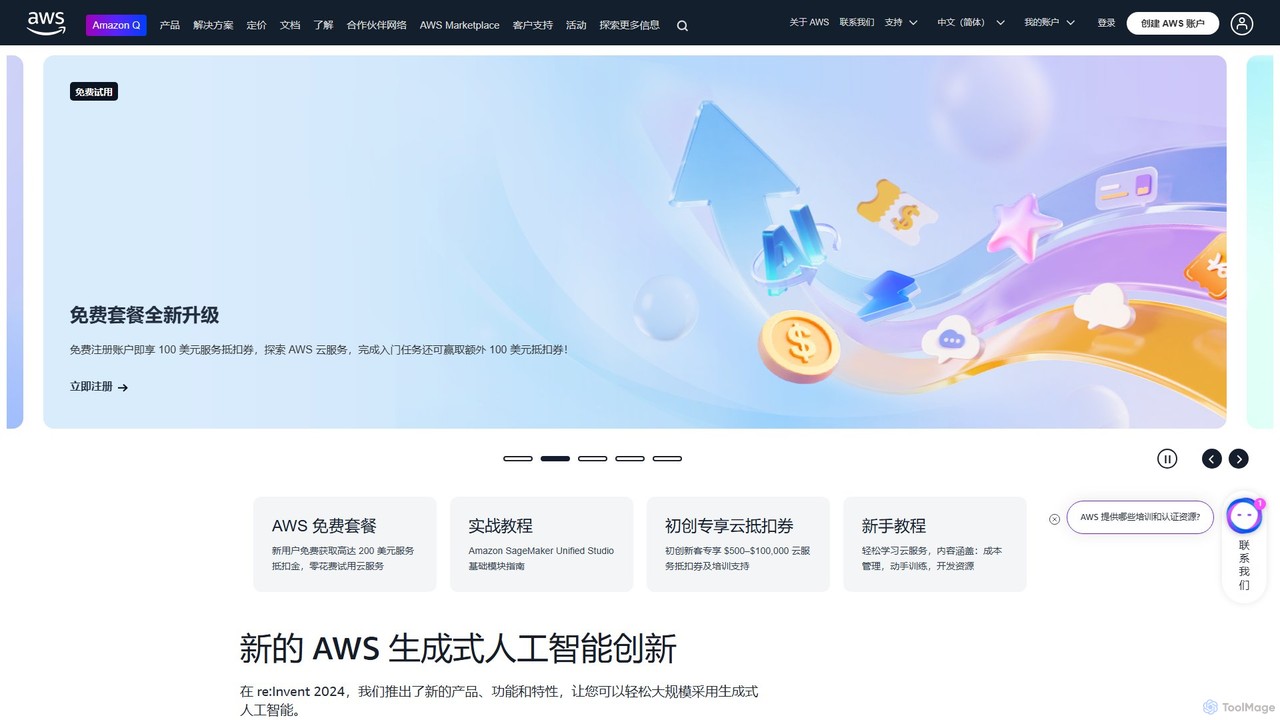
Amazon Web Services (AWS) is the world's most comprehensive and broadly adopted cloud platform, offering over 200 fully featured services from data centers globally. It provides a vast suite of AI and machine learning tools, including Amazon Bedrock for building generative AI applications with leading foundation models, Amazon SageMaker for the complete ML lifecycle, and the powerful Amazon Nova models for advanced text, image, and video generation.

Machine Learning
Visits 59.1MFavorites 114Likes 112
PhotoStudio AI
Freemium

PhotoStudio AI

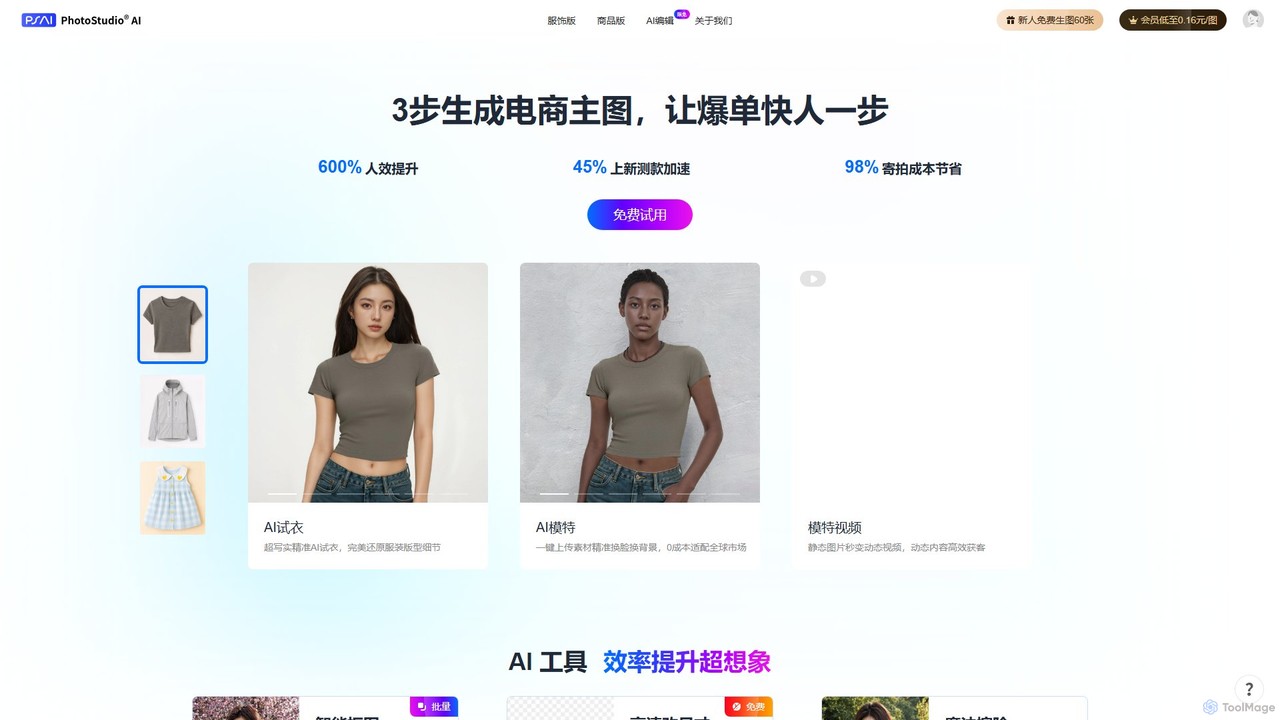
PhotoStudio AI is a generative AI platform by ArcSoft, designed for e-commerce. It creates professional product and fashion photoshoots instantly, featuring AI models, virtual try-on, and powerful editing tools. This helps businesses dramatically reduce photography costs, accelerate product launches, and enhance marketing visuals.

Image Generation
Visits 5.5KFavorites 137Likes 126
MusicGen
Free

MusicGen

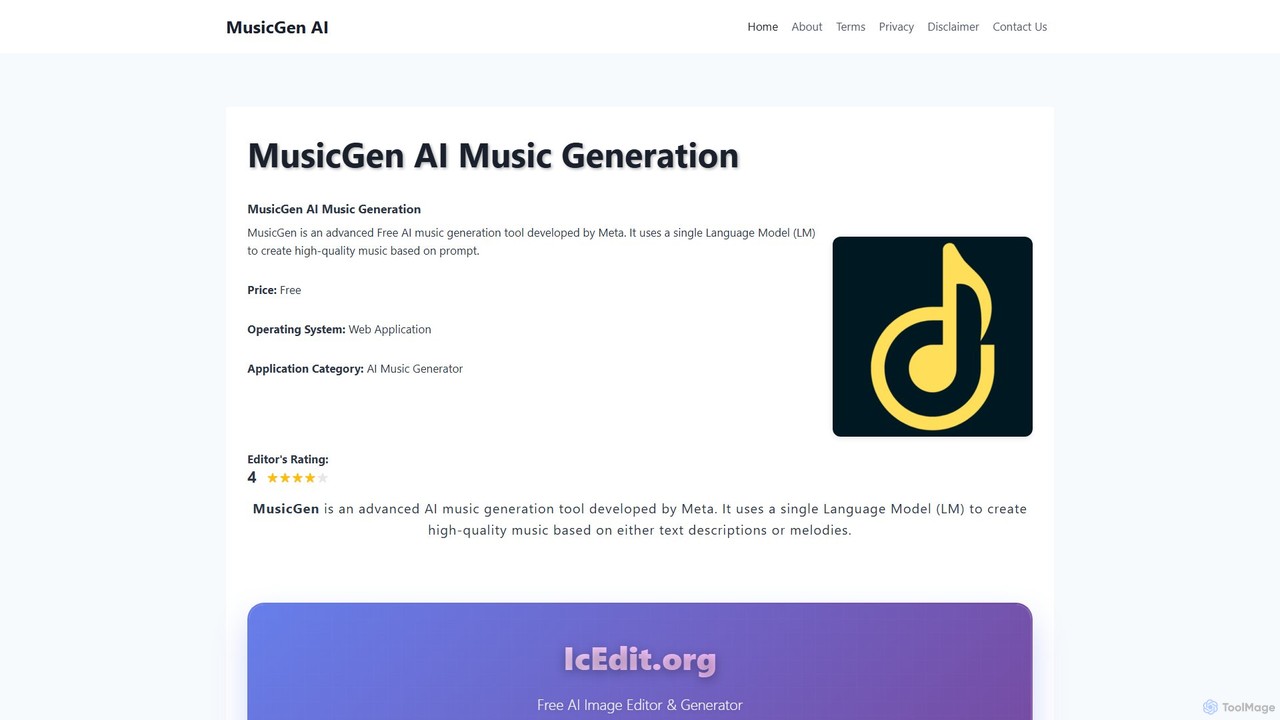
MusicGen is a free, advanced AI music generation tool developed by Meta. It utilizes a single language model to create high-quality, original music from text descriptions or existing melodies. Accessible via Hugging Face or local installation, it's perfect for musicians, content creators, and developers seeking customizable, royalty-free audio.

Music Generation
Visits 5.7KFavorites 119Likes 122

About Generative Ai

Generative AI tools are a class of artificial intelligence systems designed to create new, original content. They operate by learning patterns and structures from vast datasets of existing text, images, or code, and then use this knowledge to produce novel outputs. This capability enables the automation of creative and analytical tasks, from writing articles and generating marketing copy to designing unique images and synthesizing complex data. Unlike traditional AI that primarily analyzes or classifies information, Generative AI focuses on synthesis and creation, opening up new possibilities for content production and problem-solving.

Core Features

  • Multi-Modal Content Creation: Generate diverse outputs including text, images, audio, video, and code from a single prompt or input.
  • Contextual Understanding and Adaptation: Interpret complex user instructions to tailor outputs to specific styles, tones, formats, and contextual requirements.
  • Iterative Refinement: Allow users to provide feedback and modify prompts to progressively improve the quality and relevance of the generated content.
  • Pattern Synthesis: Analyze underlying patterns in training data to synthesize new, coherent, and plausible content that mimics human creativity and logic.

Use Cases

Generative AI is widely used across various sectors. In marketing, it automates the creation of ad copy, social media posts, and blog articles. Software developers use it to generate boilerplate code, write unit tests, and debug issues. Designers and artists leverage these tools for rapid prototyping, concept art generation, and creating visual assets.

How to Choose

When selecting a Generative AI tool, first consider its primary modality—whether you need text, image, code, or audio generation. Evaluate the quality, coherence, and originality of its outputs. Assess its ease of use and the level of control it offers for refining results. Finally, consider the pricing model (e.g., subscription, pay-per-use) and its integration capabilities via APIs or plugins for your existing workflows.

Featured tool rankings

Generative Ai use cases

1

Automating Content Creation for Marketing Campaigns

A marketing manager needs to produce a high volume of blog posts, social media captions, and ad copy for a new product launch. By using a text-based Generative AI, they can input product details, target audience personas, and key messages. The tool then generates multiple drafts for each content type in various tones and styles. This process reduces content creation time by over 70%, allowing the team to focus on strategic planning and A/B testing different creative angles to optimize campaign performance.

2

Rapid Prototyping for UI/UX Design

A UI/UX designer is in the brainstorming phase for a new mobile app interface. Instead of spending hours creating manual wireframes, they use an image-based Generative AI. They input simple text descriptions like 'a minimalist banking app dashboard with a dark theme and green accents'. The AI generates dozens of distinct visual mockups in minutes. This accelerates the ideation phase, provides a wide range of creative directions, and facilitates early feedback from stakeholders before committing significant resources to a specific design.

3

Generating Boilerplate Code for Software Development

A software developer is starting a new project and needs to write repetitive setup code, API integrations, or unit tests. They provide a natural language description of the required function, such as 'create a Python function that fetches user data from a REST API and handles errors'. A code generation AI produces a ready-to-use, syntactically correct code snippet. This speeds up development cycles by automating foundational coding tasks, reduces the chance of human error in boilerplate code, and allows developers to focus on complex business logic.

4

Creating Unique Soundtracks for Video Projects

A video creator needs royalty-free background music that matches the specific mood and pacing of their content. Instead of searching through stock music libraries, they use a music generation AI. They can specify parameters like genre (e.g., 'lo-fi chill'), mood ('uplifting'), instruments, and duration. The tool composes an original, copyright-clear audio track tailored to their needs. This provides a custom-fit soundtrack instantly, saving significant time and cost while ensuring the final video has a unique auditory identity.

5

Personalized Email Responses for Customer Support

A customer support team handles a large volume of similar but not identical inquiries. By integrating a Generative AI with their helpdesk system, the AI can analyze incoming emails, understand the customer's specific issue, and draft a personalized, empathetic response based on the company's knowledge base. A human agent then quickly reviews and sends the draft. This improves first-response time by over 50%, ensures a consistent and high-quality tone, and frees up agents to focus on more complex or sensitive customer cases that require human intervention.

6

Concept Art Generation for Game and Film Production

A concept artist or art director is exploring visual ideas for characters and environments in pre-production. They use an image generation AI by inputting detailed textual prompts describing the desired aesthetic, such as 'cyberpunk city street at night, raining, neon signs, style of Syd Mead'. The model produces a wide array of high-quality visual concepts in seconds. This serves as a powerful brainstorming tool, allowing the creative team to visualize and iterate on ideas much faster than traditional sketching, establishing a strong visual direction early in the project.

Generative Ai FAQ

What is Generative AI?

Generative AI is a type of artificial intelligence that can create new and original content, such as text, images, music, and code. Unlike traditional AI models that are designed to recognize patterns or make predictions (analytical AI), generative models learn the underlying structure of data and use it to produce novel outputs. For example, it can write an email, compose a song, or design a product image from a simple text prompt. This capability makes it a powerful tool for creativity, automation, and problem-solving.

How to choose the right Generative AI tool?

To choose the right Generative AI tool, consider these key factors:

  • Primary Use Case: Identify what you need to create. Tools are often specialized for text (writing assistants), images (art generators), code (coding copilots), or audio (music composers).
  • Output Quality and Control: Evaluate the relevance, coherence, and creativity of the generated content. Check how much control you have over the output's style, tone, and specific details.
  • Ease of Use: Determine if you need a simple, user-friendly interface for quick tasks or a more complex tool with API access for integration into professional workflows.
  • Pricing Model: Compare costs, which can range from free, open-source models to subscription-based services or pay-per-use APIs. Ensure the pricing aligns with your expected usage volume.
What is the difference between Generative AI and Discriminative AI?

The main difference lies in their purpose. Generative AI creates new data. It learns the distribution of a dataset to generate new, similar data points. For example, it can generate a new image of a cat that has never existed. Discriminative AI (or analytical AI) classifies existing data. It learns the boundary between different categories to make a prediction. For example, it can look at an image and decide whether it is a cat or a dog. In simple terms, generative models are like artists who create, while discriminative models are like critics who judge.

What are the main types of Generative AI models?

While the field is constantly evolving, some of the main types of Generative AI models include:

  • Large Language Models (LLMs): These are transformer-based models trained on vast amounts of text data to understand and generate human-like language. They power chatbots, writing assistants, and summarization tools.
  • Diffusion Models: These models excel at creating high-quality images. They work by starting with random noise and gradually refining it into a coherent image that matches a text prompt.
  • Generative Adversarial Networks (GANs): A GAN consists of two competing neural networks—a generator that creates data and a discriminator that evaluates it. They are known for producing realistic images and other data types.
  • Variational Autoencoders (VAEs): VAEs are effective at learning a compressed representation of data and then using it to generate new, similar data.
Who can benefit from using Generative AI tools?

A wide range of professionals and creators can benefit from Generative AI. Content creators and marketers use it to draft articles, social media posts, and ad copy. Software developers leverage it to generate code, write documentation, and debug programs. Designers and artists use it for brainstorming, creating concept art, and producing visual assets. Business professionals can use it to summarize reports, draft emails, and create presentations. Essentially, anyone whose work involves creating or synthesizing information can find value in using these tools to enhance productivity and creativity.