ToolMage
Sign in

Best 40 Platform for No Code & Low Code

Popular Platform in No Code & Low Code include Nyckel, Lyzr, Xunfei Spark Agent Development Platform, ChatBotKit, Rowboat, BlazeSQL, LowTech AI, Tonkean, Lume AI, and Graphite Note, helping you work more efficiently.

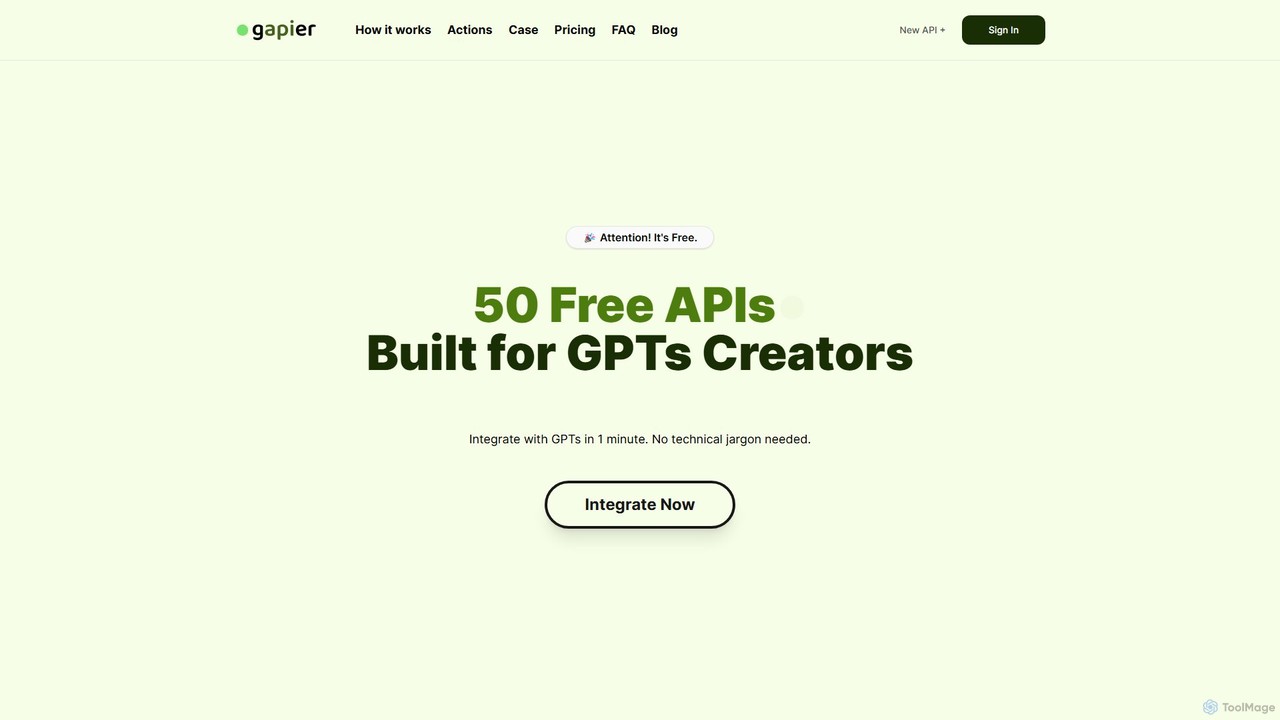
Gapier
Freemium

Gapier

Gapier is a no-code platform that enhances ChatGPT by providing over 50 free, pre-built Actions for custom GPTs. It allows non-technical users to easily integrate external functionalities like web searching, data retrieval, and task automation into their GPTs in just one minute, transforming them into powerful, multi-functional agents.

Api & Integration
Visits 7.1KFavorites 132Likes 144
Graphite Note
Freemium

Graphite Note

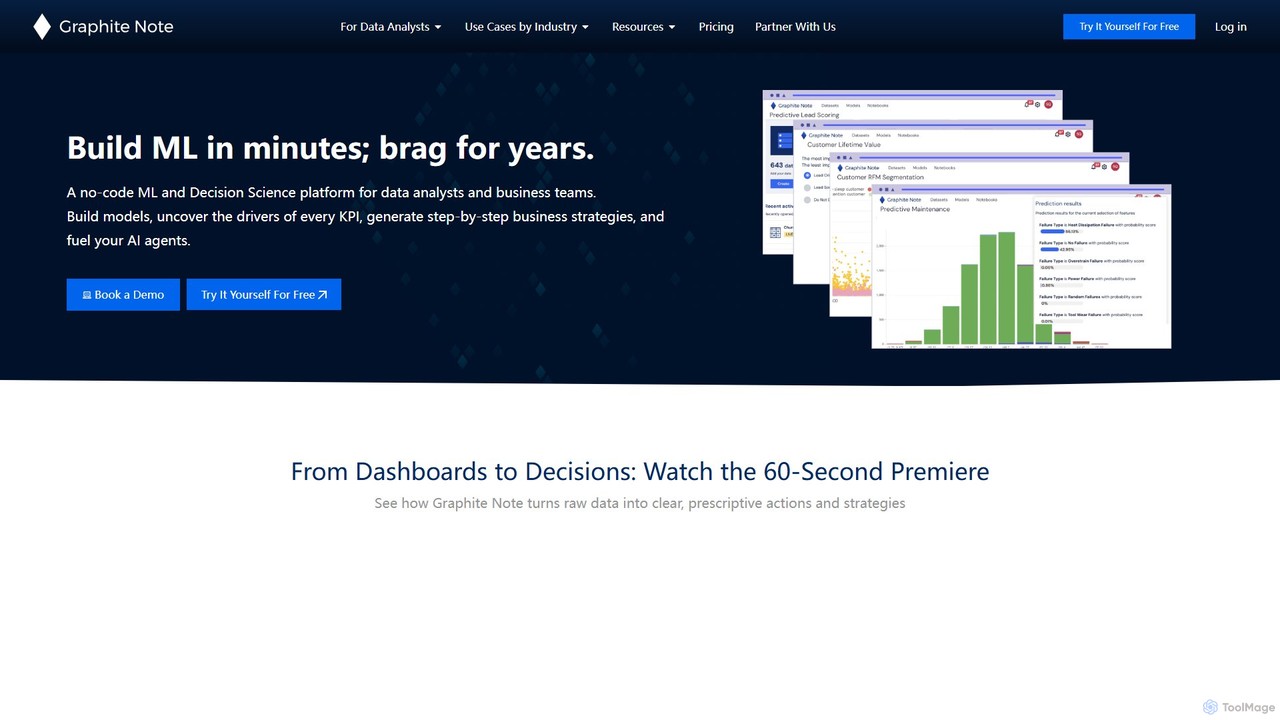
Graphite Note is a no-code AI platform designed for data analysts and business users to build, deploy, and manage predictive analytics models. It simplifies machine learning, enabling users to gain actionable insights from their data, optimize marketing campaigns, and make data-driven decisions without any coding expertise. The platform supports various data sources and automates model selection to deliver fast and accurate results.

Business Intelligence
Visits 21.6KFavorites 143Likes 151
AI Query
Paid

AI Query

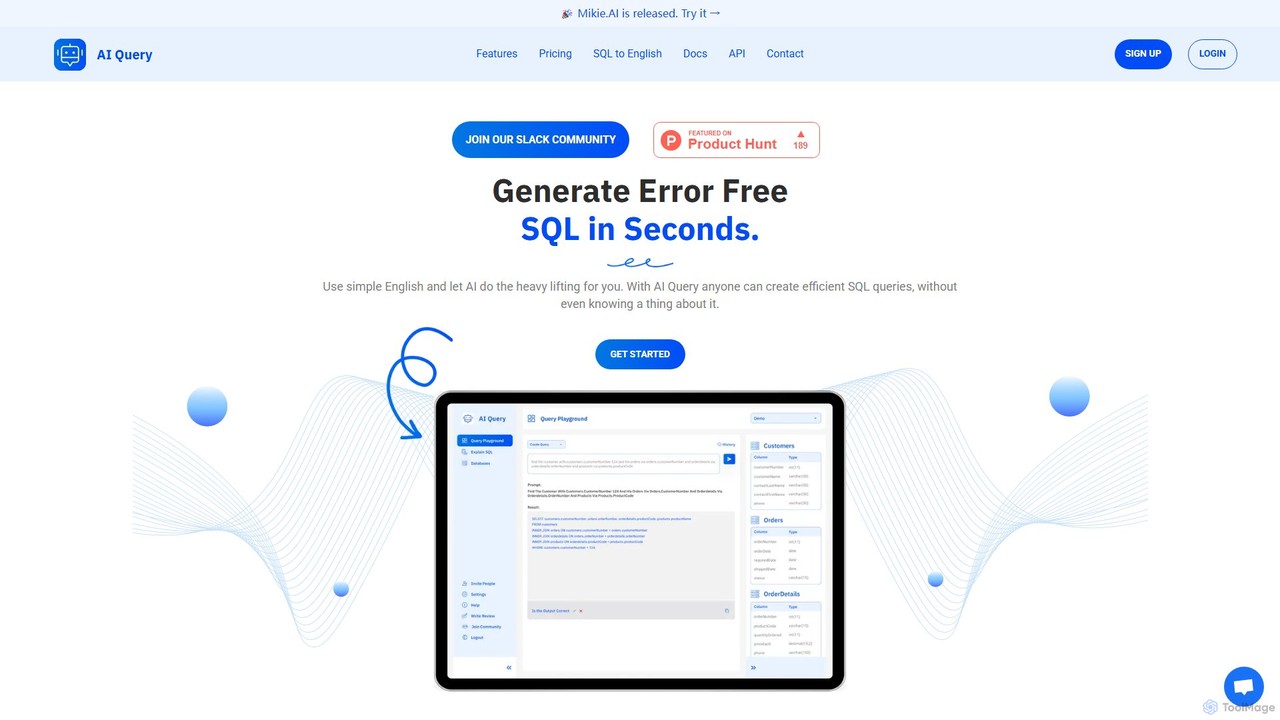
AI Query is an AI-powered tool that translates plain English into complex, error-free SQL queries in seconds. It's designed for developers, data analysts, and non-technical users to simplify database interactions, explain existing queries, and accelerate data retrieval workflows.

Querying
Visits 6.6KFavorites 147Likes 167
Datrics
Paid

Datrics

Datrics is a no-code/low-code AI and data analytics platform designed to democratize data science. It enables users to build automated data pipelines, create machine learning models, and generate insights through a drag-and-drop interface, with specialized solutions for healthcare, finance, and retail.

Finance
Visits 8.1KFavorites 144Likes 162
AskYourDatabase
Freemium

AskYourDatabase

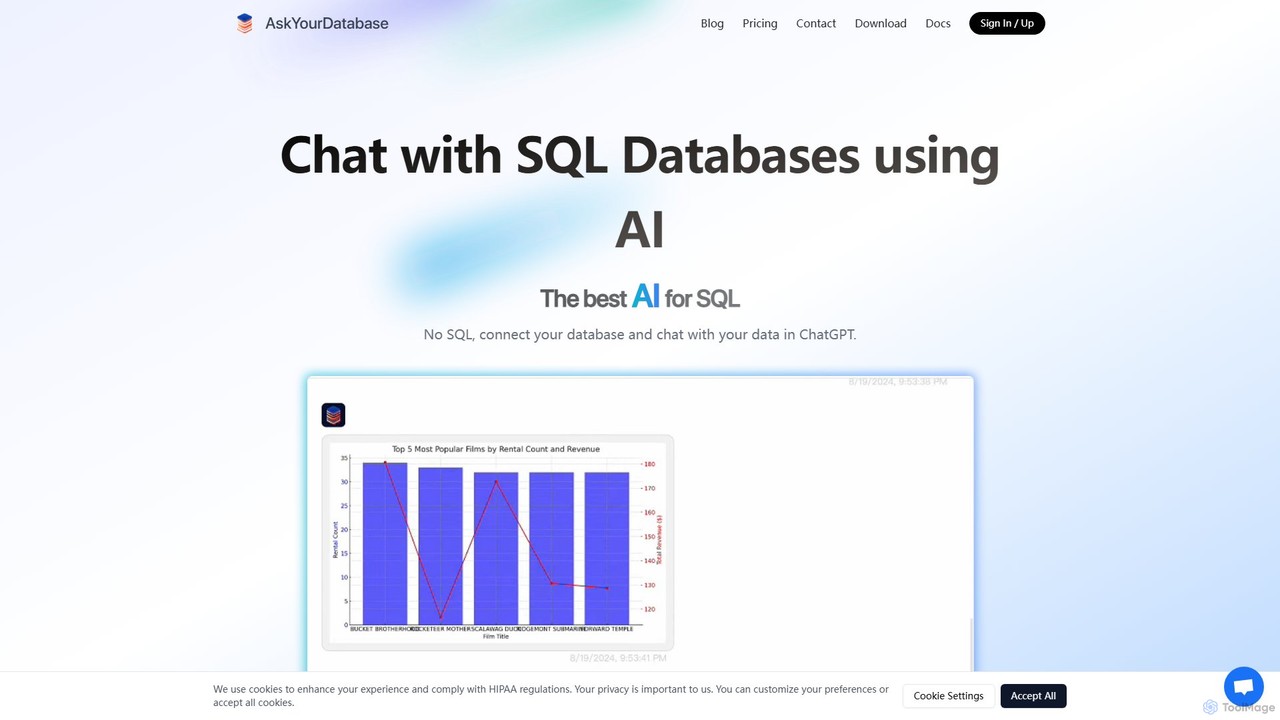
AskYourDatabase is a powerful AI SQL assistant that allows you to interact with your databases using natural language. Query data, create visualizations, and build interactive dashboards without writing a single line of SQL. It supports various databases, offers both desktop and embeddable chatbot versions, and prioritizes data security with on-premise deployment options.

Data Analysis
Visits 16.9KFavorites 153Likes 128
LowTech AI
Freemium

LowTech AI

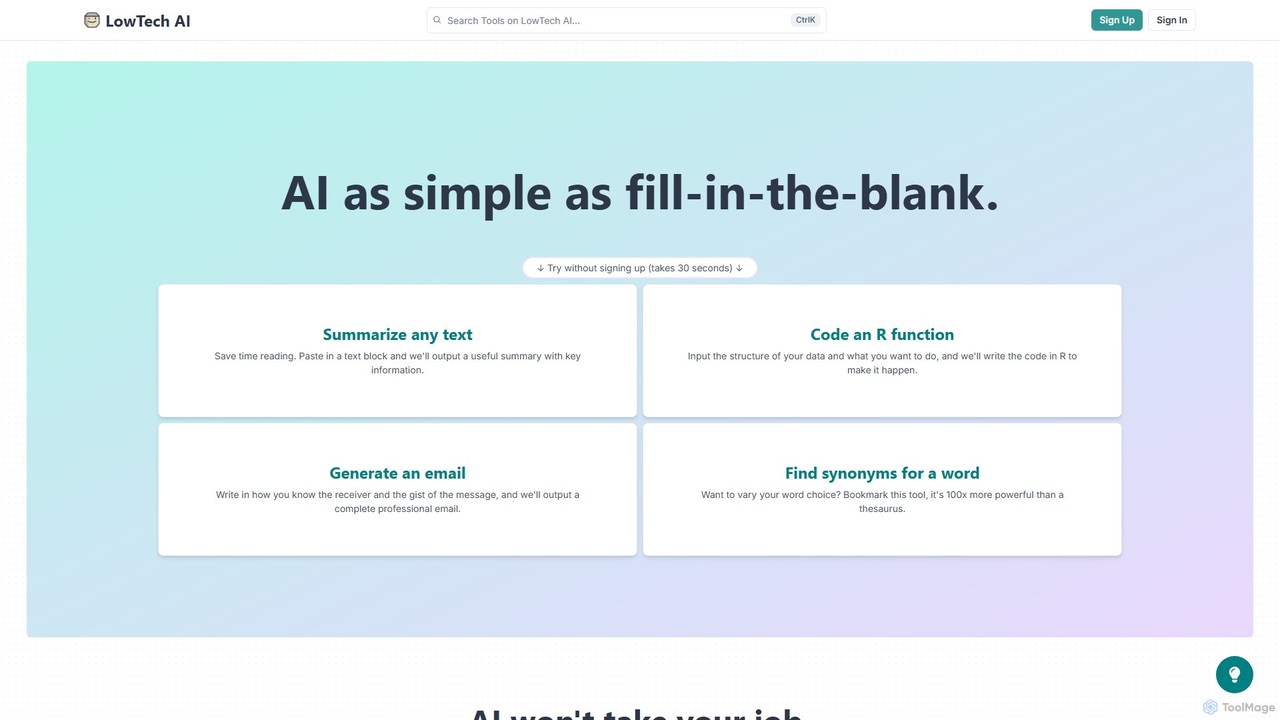
A no-code platform that allows anyone to create and use custom AI tools with a simple "fill-in-the-blank" interface. Boost productivity by automating tasks like writing, summarizing, coding, and brainstorming without needing any technical expertise.

Assistant
Visits 28.3KFavorites 154Likes 128
oneconnectsolutions

oneconnectsolutions

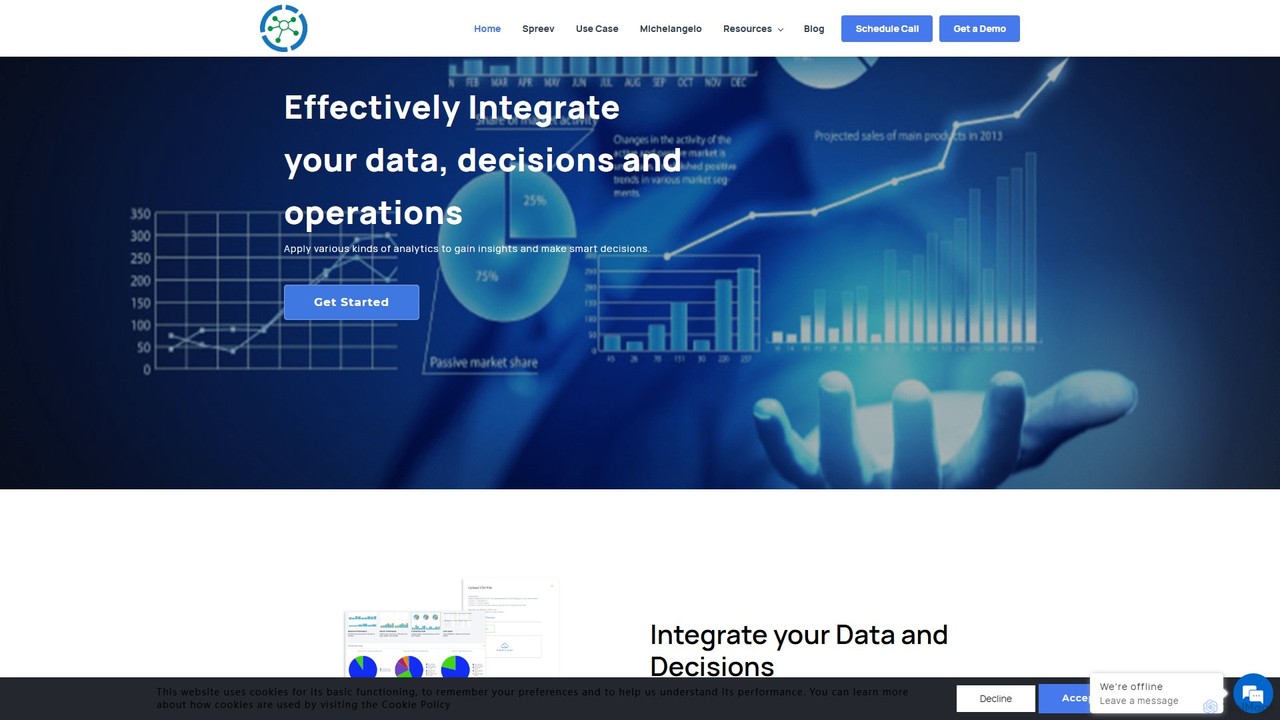
OneConnect Solutions is a no-code/low-code platform for data integration, automated machine learning (AutoML), and semantic analytics. It empowers businesses to transform data, build AI models, and improve decision-making without extensive technical expertise.

Platform
Visits 7KFavorites 140Likes 137
Lyzr
Paid

Lyzr

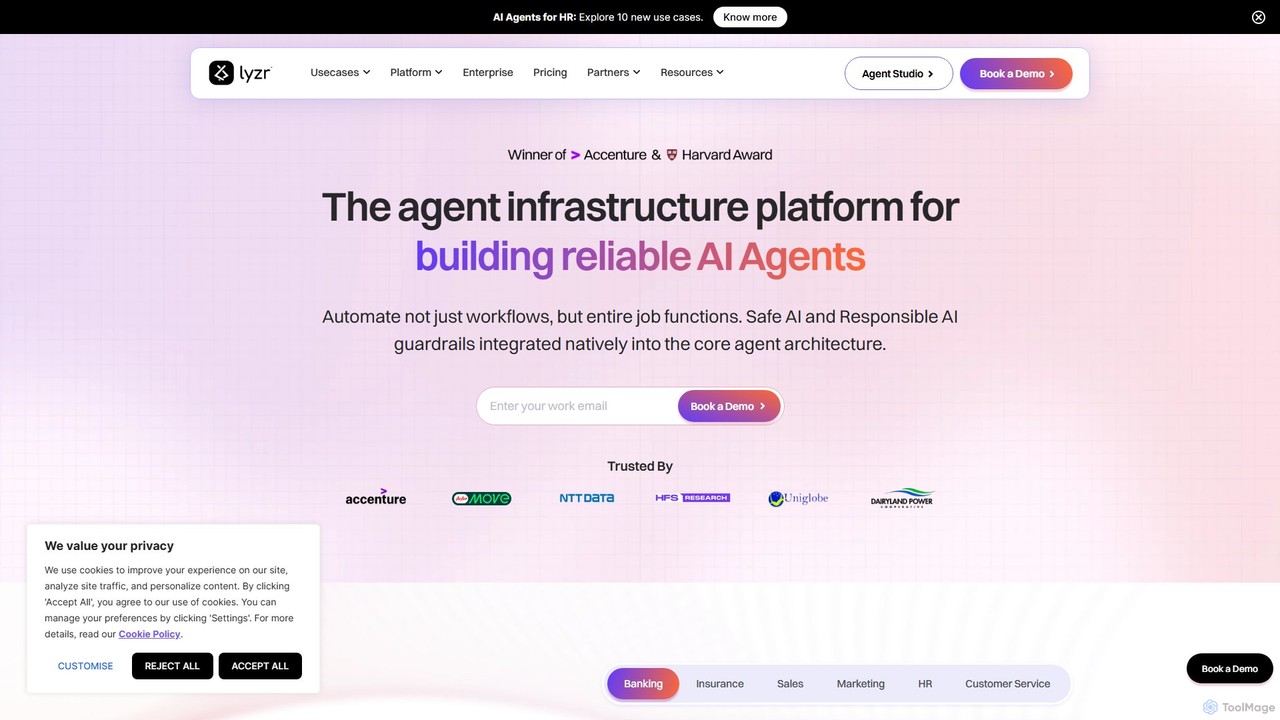
Lyzr is an enterprise-grade agent infrastructure platform designed for building, deploying, and managing a reliable AI workforce. It enables businesses to automate not just simple tasks but entire job functions through custom and pre-built AI agents, featuring robust security and responsible AI guardrails.

Enterprise Solutions
Visits 170.5KFavorites 111Likes 126
nocodesites.ai
Freemium

nocodesites.ai

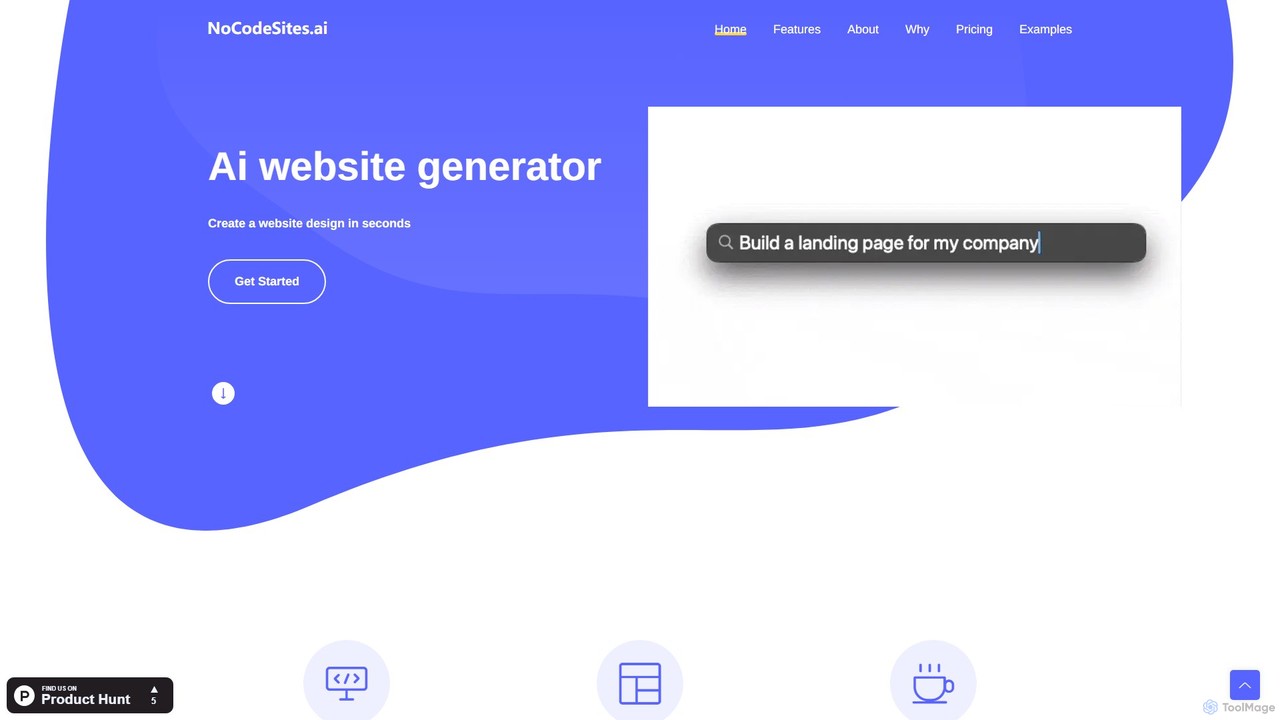
A powerful AI-driven website builder that transforms your text descriptions into fully functional websites in seconds. No coding required. Simply describe your desired site, and the AI will generate the design, layout, and even integrate necessary APIs for dynamic content like stock tickers or weather forecasts.

Platform
Visits 6.3KFavorites 158Likes 173
Rowboat
Freemium

Rowboat

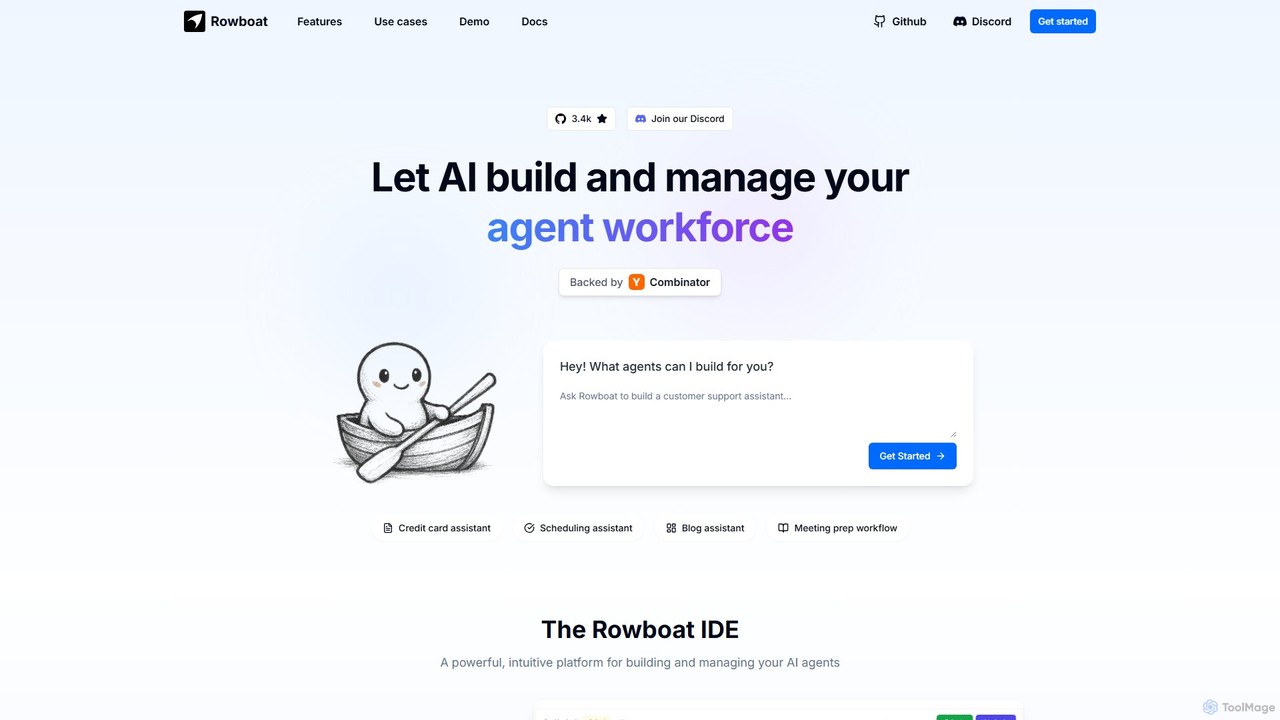
Rowboat is a powerful, AI-powered IDE for building, managing, and deploying complex multi-agent systems. Backed by Y Combinator, it allows users to describe workflows in plain English, and its AI copilot automatically generates the entire agent graph, including roles, prompts, and tool integrations. It's designed to simplify the creation of robust, real-world AI agents for productivity, e-commerce, support, and more, with features like open-source flexibility and support for over 100 LLMs.

Agent Builder
Visits 56.2KFavorites 137Likes 155
Tonkean
Paid

Tonkean

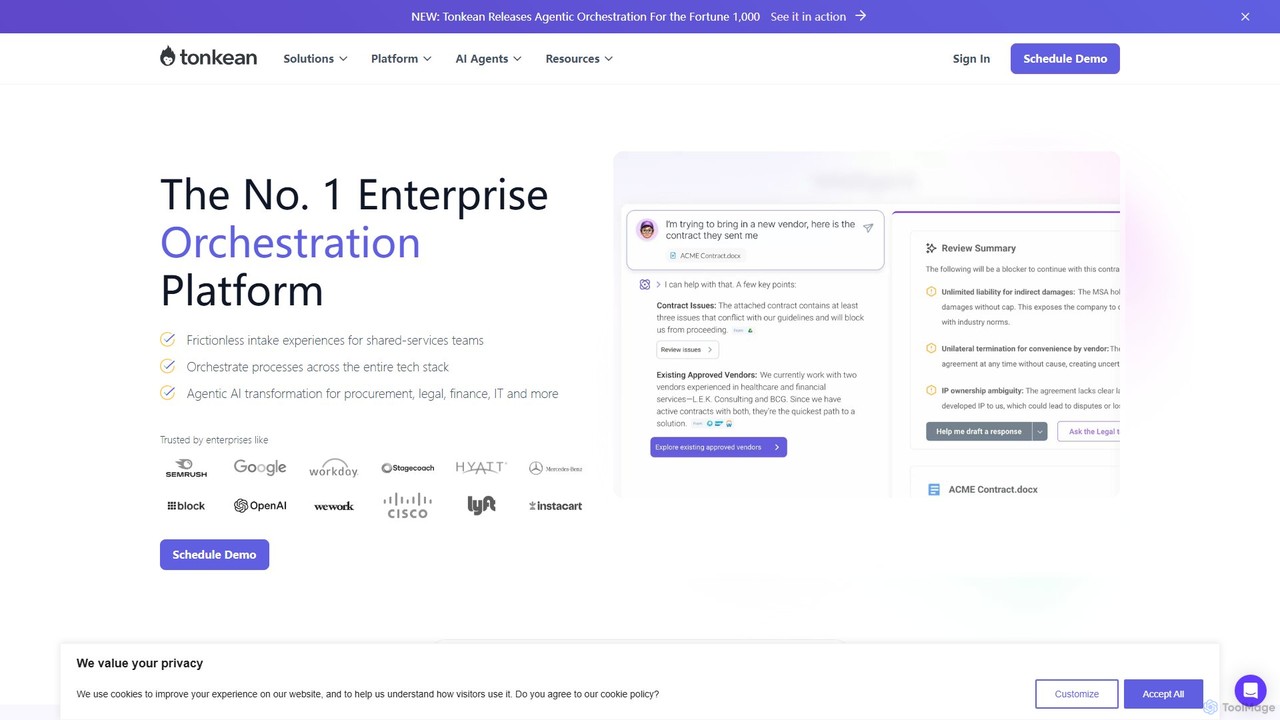
Tonkean is an AI-powered, no-code platform for enterprise process orchestration and intake management. It empowers operations teams to automate complex workflows, such as procurement and legal, by connecting existing systems and guiding employees through processes. Tonkean combines autonomous AI with rules-based logic to increase efficiency, ensure compliance, and accelerate business operations without writing a single line of code.

Workflow Automation
Visits 24.5KFavorites 157Likes 121
BlazeSQL
Freemium

BlazeSQL

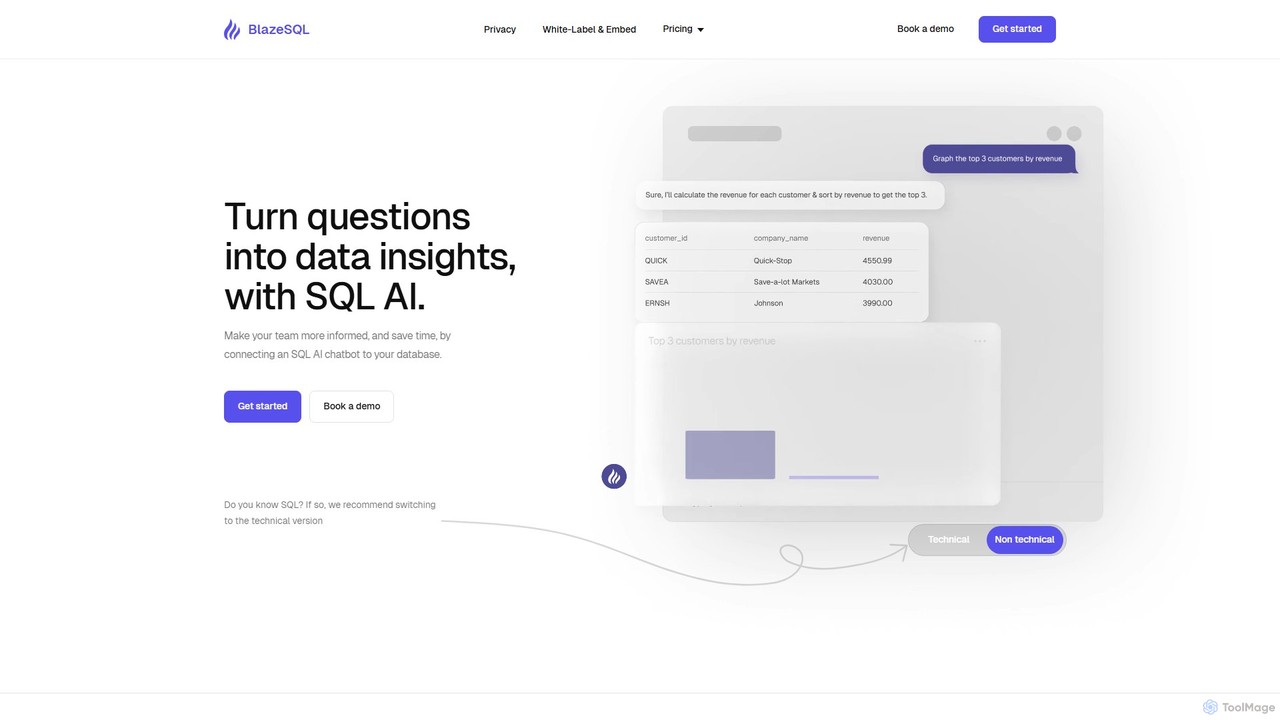
BlazeSQL is an AI-powered data analyst that connects to your database, allowing anyone on your team to ask questions in natural language and receive SQL queries, data insights, and visualizations in seconds. It streamlines data access, automates reporting, and empowers both technical and non-technical users to make data-driven decisions without needing to write code.

Analytics
Visits 29.8KFavorites 134Likes 126
echo.win
Freemium

echo.win

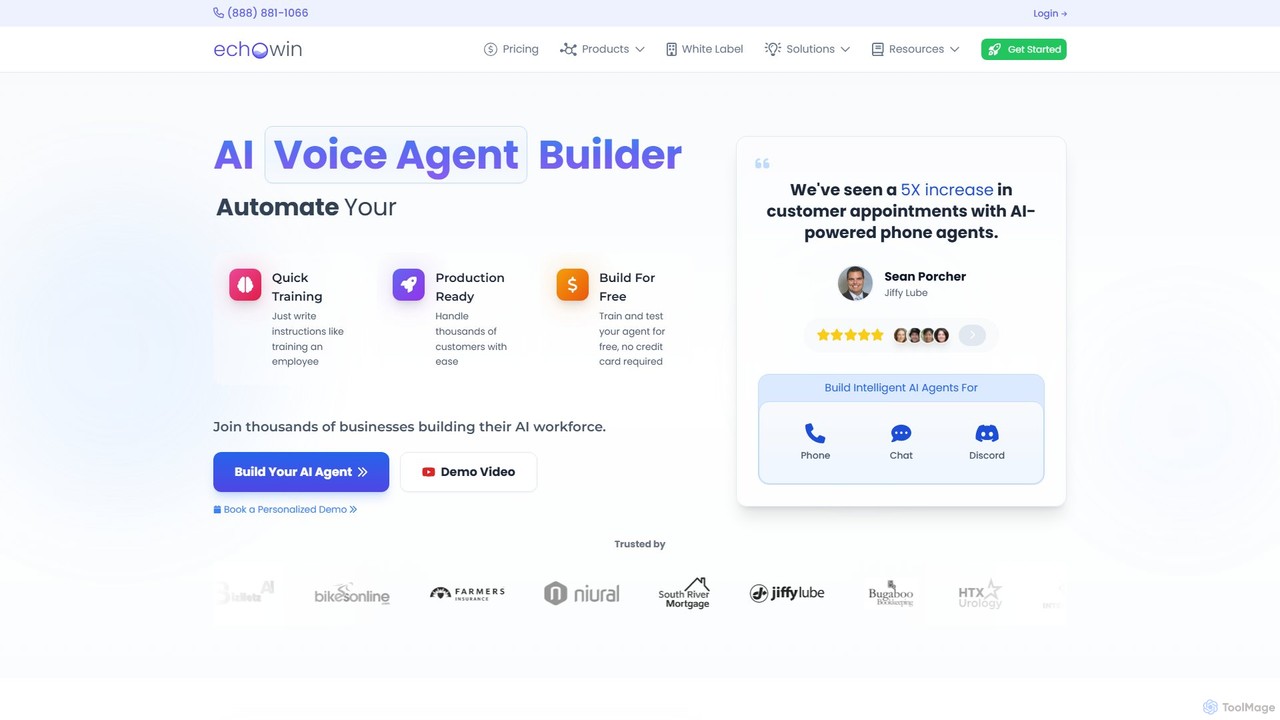
echo.win is a no-code platform for building and deploying intelligent AI voice agents. Automate customer support, schedule appointments, and handle inquiries 24/7 across phone, web chat, and Discord. Train agents with plain English, connect to your knowledge base, and integrate with over 8000 apps to streamline your business communications and workflows.

Voicebots
Visits 18.3KFavorites 130Likes 147
AnyAPI
Freemium

AnyAPI

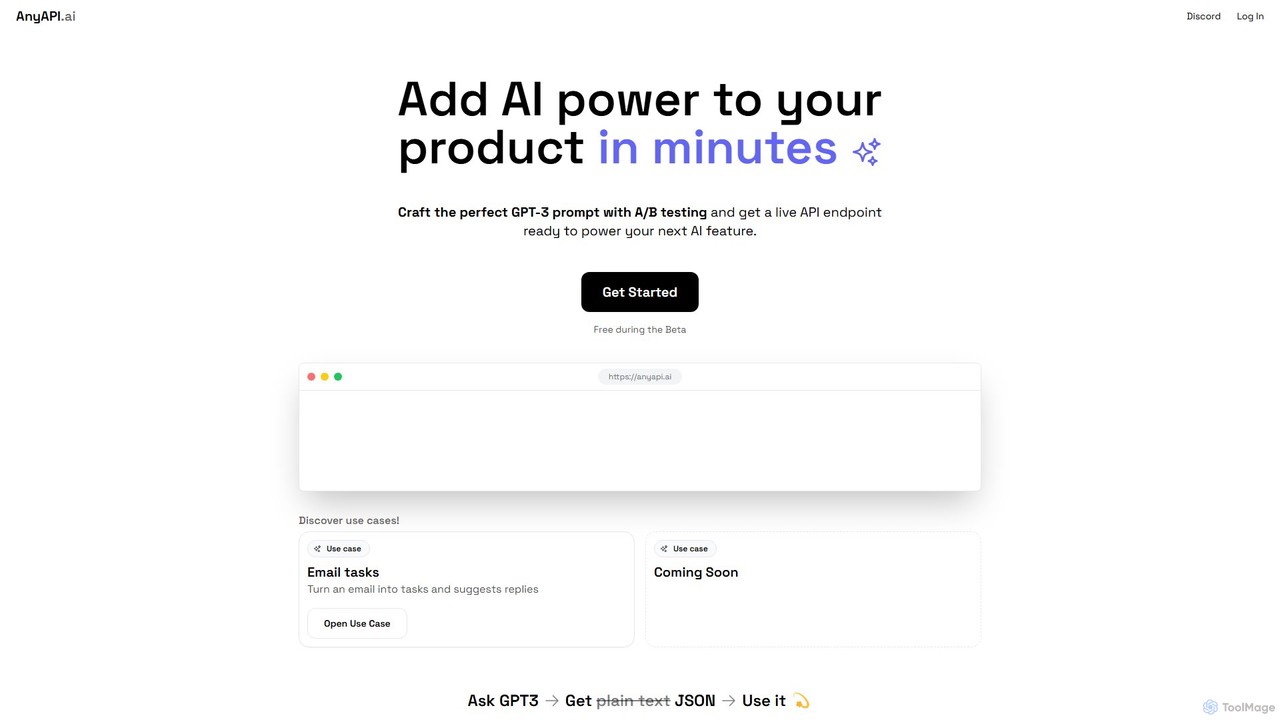
AnyAPI is a developer platform that enables you to add AI features to your product in minutes. It provides tools for crafting and A/B testing GPT-3 prompts, and instantly generates a live API endpoint for seamless integration. Simplify your AI development workflow and deploy powerful features without managing complex infrastructure.

Api
Visits 6.2KFavorites 123Likes 111
Lume AI
Paid

Lume AI

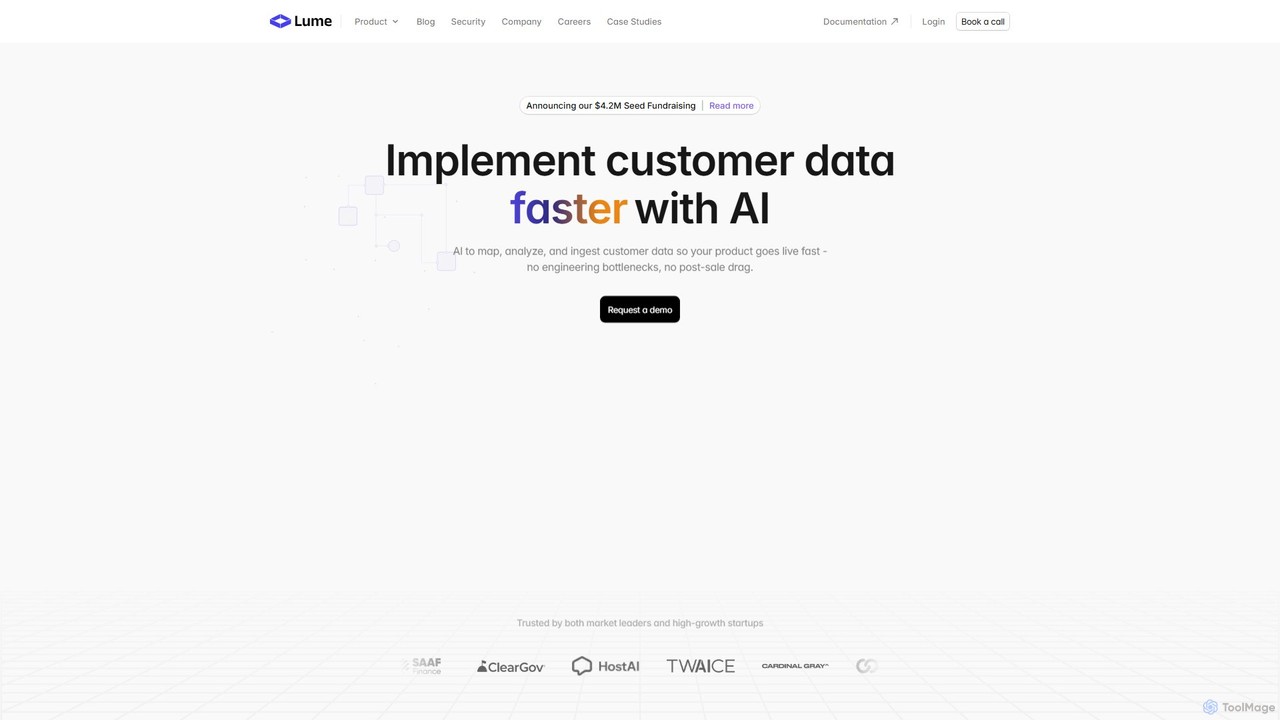
Lume AI is an AI-powered platform designed to automate and accelerate customer data implementation. It intelligently maps, analyzes, and ingests customer data, eliminating engineering bottlenecks and reducing onboarding time from weeks to days. By offering both a no-code interface and a flexible API, Lume AI helps businesses streamline data integration, normalize data from various sources, and manage complex data pipelines, allowing teams to focus on their core product value.

Data Management
Visits 21.9KFavorites 126Likes 134
Respell
Freemium

Respell

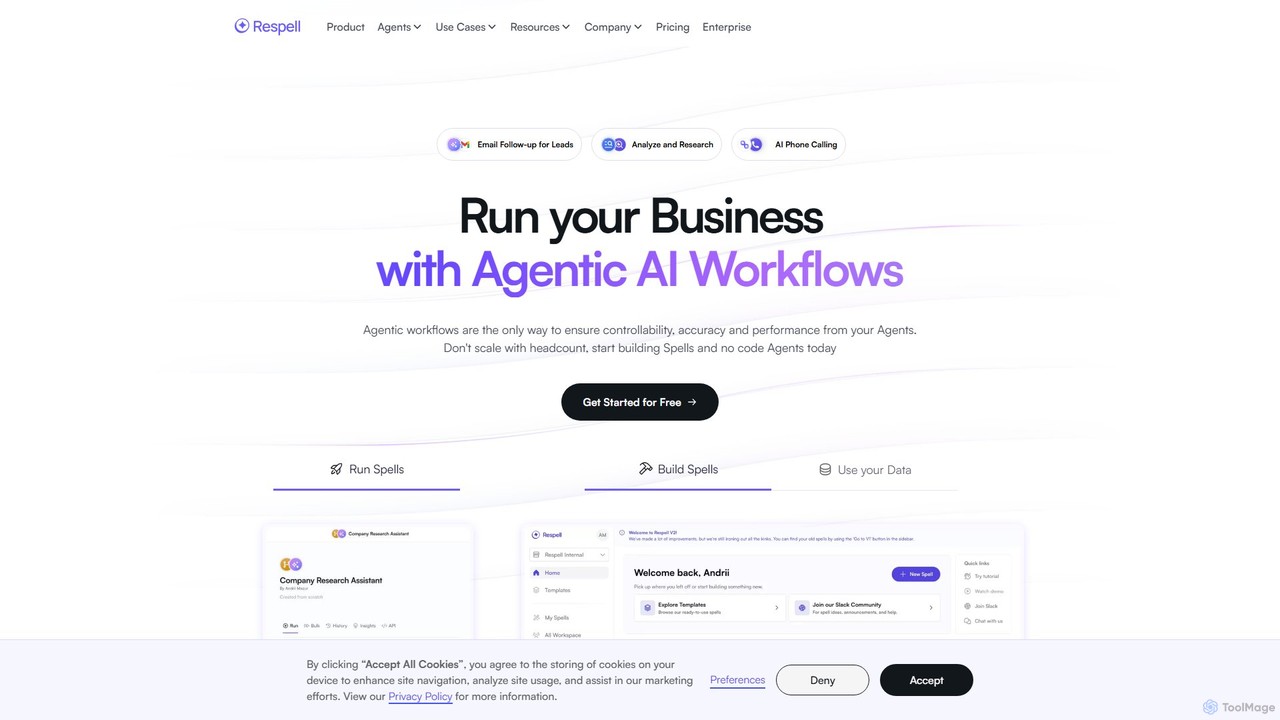
Respell is a no-code platform for building and deploying agentic AI workflows to automate complex business processes. It integrates with hundreds of apps like Salesforce and Slack, allowing teams in sales, marketing, and support to automate tasks like lead generation, data analysis, and customer outreach, thereby increasing efficiency and reducing manual work.

Workflow Management
Visits 8.1KFavorites 134Likes 146

About Platform

No-code/low-code platforms are comprehensive development environments that enable users to build and deploy applications with minimal or no traditional coding. These platforms leverage visual interfaces, drag-and-drop components, and pre-built templates to streamline the entire software development lifecycle. They empower citizen developers and IT professionals to rapidly create custom web, mobile, and internal applications, significantly accelerating digital transformation and reducing development costs.

Core Features

  • Visual Application Builder: Intuitive drag-and-drop interfaces for designing user interfaces and defining application logic without writing code.
  • Workflow Automation: Tools to create automated business processes, integrate with various services, and manage data flows efficiently.
  • Data Management & Integration: Capabilities to connect to databases, manage data models, and integrate with external APIs and third-party systems.
  • Deployment & Hosting: Built-in functionalities for publishing, hosting, and managing applications securely across different environments.
  • Collaboration Tools: Features that allow multiple team members to work together on application development and project management.

Applicable Scenarios

These platforms are ideal for businesses needing to quickly develop custom internal tools like CRM systems or HR portals, create customer-facing applications such as self-service portals, or rapidly prototype new product ideas. They are also widely used for automating complex business processes across departments, enhancing operational efficiency.

How to Choose

When selecting a no-code/low-code platform, consider its scalability to grow with your needs, the breadth of its integration capabilities with existing systems, and its ease of use for your team's technical skill level. Evaluate the security features, deployment options, and the vendor's support and community resources to ensure long-term viability and success.

Featured tool rankings

Platform use cases

1

Develop Custom Internal Tools

An operations manager needs a custom application to track inventory, manage approvals, or streamline HR processes. Using a no-code/low-code platform, they can visually design forms, define workflows, and integrate with existing databases without relying on IT, significantly reducing development time from months to weeks and empowering departmental autonomy.

2

Create Customer-Facing Portals

A small business wants to offer a self-service portal where customers can view order history, update information, or submit support tickets. A no-code/low-code platform allows them to quickly build a secure, branded portal with user authentication and integration to their CRM, enhancing customer experience and reducing the load on their support team by 30%.

3

Rapid Prototyping and MVP Development

A startup founder needs to quickly validate a new product idea by building a Minimum Viable Product (MVP) to gather user feedback. Using a no-code/low-code platform, they can launch a functional prototype with core features in days or weeks, rather than months, allowing for agile iteration and faster market entry without significant upfront coding investment.

4

Automate Complex Business Processes

A large enterprise seeks to automate a multi-departmental approval process that currently involves manual paperwork and emails. A no-code/low-code platform allows them to map out the entire workflow visually, assign tasks, set conditional logic, and integrate with various internal systems, reducing processing time by 50% and minimizing human error across the organization.

5

Build Data Collection and Reporting Apps

A research team needs a custom mobile application to collect field data efficiently and generate real-time reports. With a no-code/low-code platform, they can design user-friendly data entry forms, incorporate GPS tagging, offline capabilities, and automatically push data to a central dashboard, improving data accuracy by 25% and accelerating reporting cycles.

6

Manage Event Registrations and Logistics

An event organizer frequently hosts workshops and conferences and needs a flexible system for registration, attendee management, and communication. A no-code/low-code platform enables them to build a custom event app with dynamic forms, payment integration, automated email confirmations, and real-time attendee lists, streamlining logistics and improving participant experience for each event.

Platform FAQ

What is a No-Code/Low-Code Platform?

A No-Code/Low-Code Platform is a comprehensive development environment that allows users to build software applications with minimal or no manual coding. It provides visual tools, drag-and-drop interfaces, and pre-built components to accelerate the development process. These platforms are designed to empower both technical and non-technical users to create custom solutions, bridging the gap between business needs and IT capabilities within the broader No Code & Low Code paradigm.

How do No-Code/Low-Code Platforms differ from traditional software development?

No-code/low-code platforms primarily differ by minimizing or eliminating the need for manual coding, relying instead on visual development. This approach significantly accelerates development cycles, reduces costs, and makes application creation accessible to a broader range of users, including business analysts and domain experts. Traditional development, conversely, requires extensive coding knowledge, longer development times, and specialized IT teams, offering greater customization but at a higher resource cost.

What types of applications can be built using these Platforms?

No-code/low-code platforms are versatile and can be used to build a wide array of applications. This includes internal business tools like CRM systems, HR portals, project management dashboards, and inventory trackers. They are also effective for creating customer-facing applications such as self-service portals, mobile apps for specific services, and event registration platforms. While highly capable, they are generally best suited for applications that don't require highly complex, custom algorithms or extremely high-performance, low-level system interactions.

What are the key benefits of using a No-Code/Low-Code Platform?

The primary benefits of using a no-code/low-code platform include significantly faster development times, leading to quicker market entry for new solutions. They also reduce development costs by requiring fewer specialized developers and less coding. Furthermore, these platforms enhance business agility, allowing organizations to respond rapidly to changing market demands. They democratize application development, empowering non-technical users to contribute to digital innovation and reduce the IT backlog, fostering greater collaboration between business and IT teams.

How secure are applications built on No-Code/Low-Code Platforms?

The security of applications built on no-code/low-code platforms largely depends on the platform provider's inherent security measures and the developer's implementation practices. Reputable platforms offer enterprise-grade security features, including data encryption, access controls, compliance certifications (e.g., GDPR, HIPAA), and regular security audits. Users should ensure they configure applications securely, manage user permissions diligently, and choose platforms with robust security frameworks. While platforms handle much of the underlying infrastructure security, application-level security remains a shared responsibility.