Productivity Best in category 14 results Analysis AI Tool

Popular AI tools in the Analysis field of Productivity include CT Read、Osum、Scrabblecam、pestel、SERPrecon、scopy、Confix、Predictive Equations、Product Roaster、Deal Protectors, etc., helping you quickly improve efficiency.

Confix

Confix

Confix is an AI-powered landing page analyzer that delivers actionable recommendations to boost conversions in 30 seconds. Upload …

2.6K
Yourbrandstrategy

Yourbrandstrategy

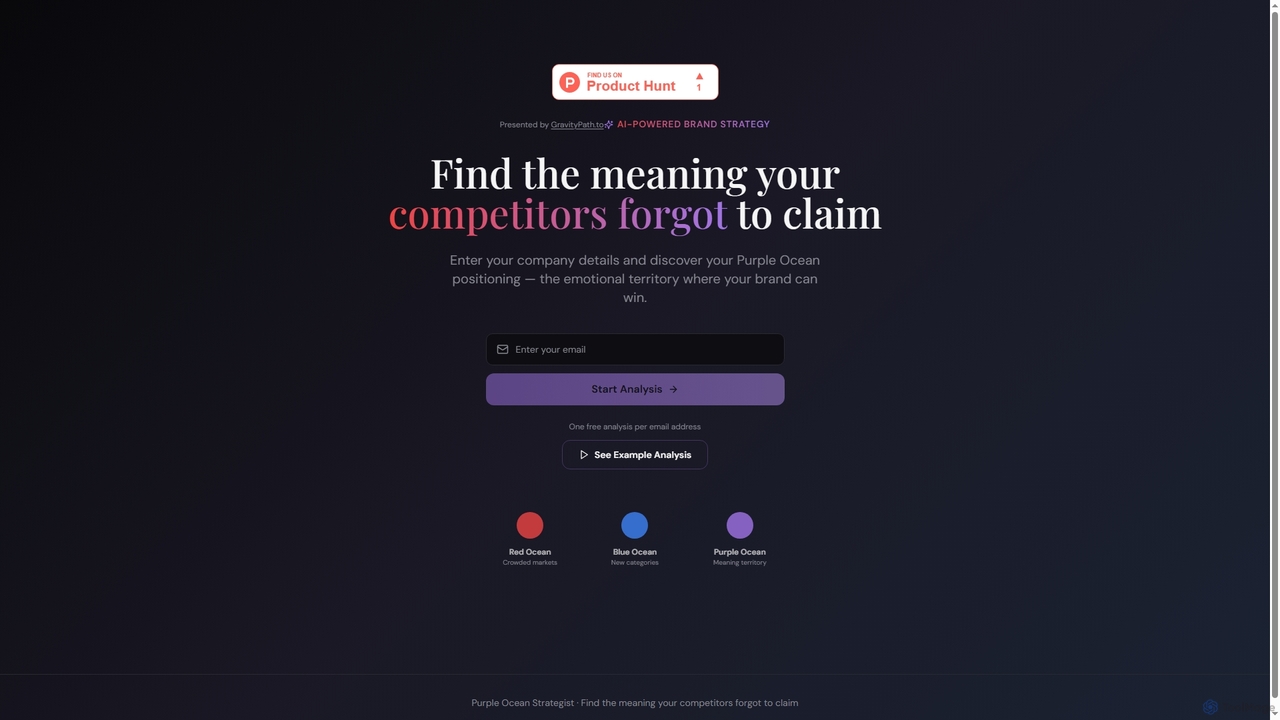
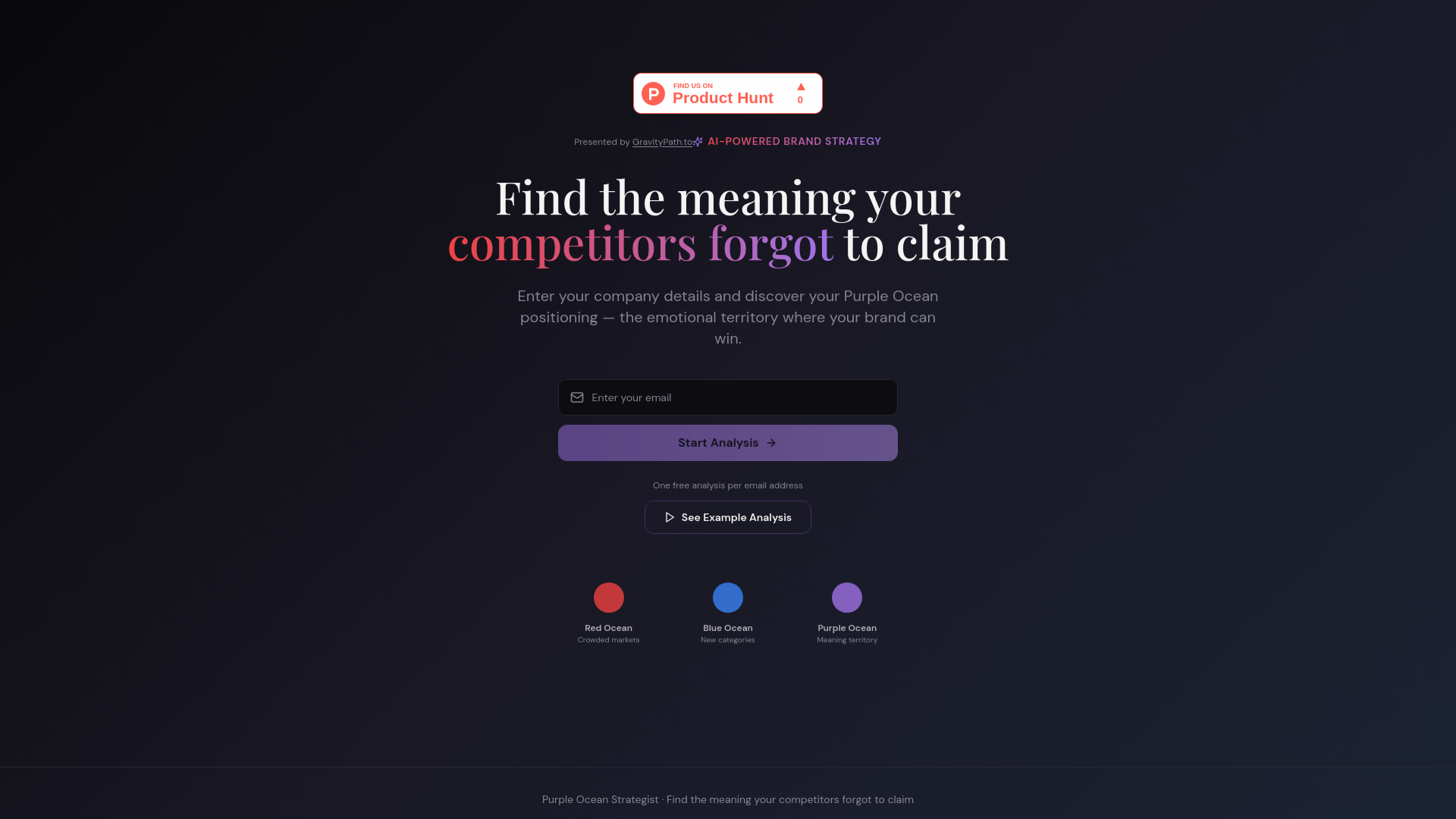
An AI-powered tool designed to help businesses discover their unique 'Purple Ocean' positioning. By analyzing company details, it …

2.0K
Osum

Osum

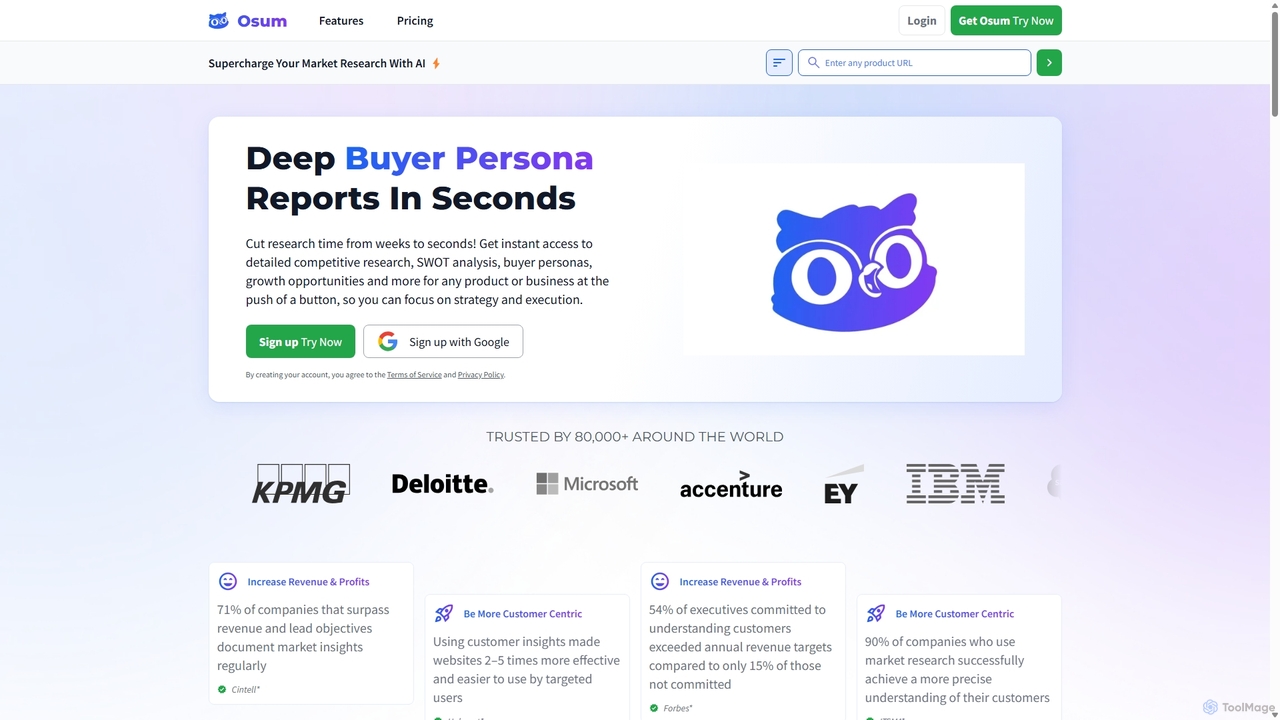
Osum is an AI-powered platform that supercharges market research, delivering deep SWOT analyses, buyer personas, and comprehensive competitive …

14.1K
Fforward

Fforward

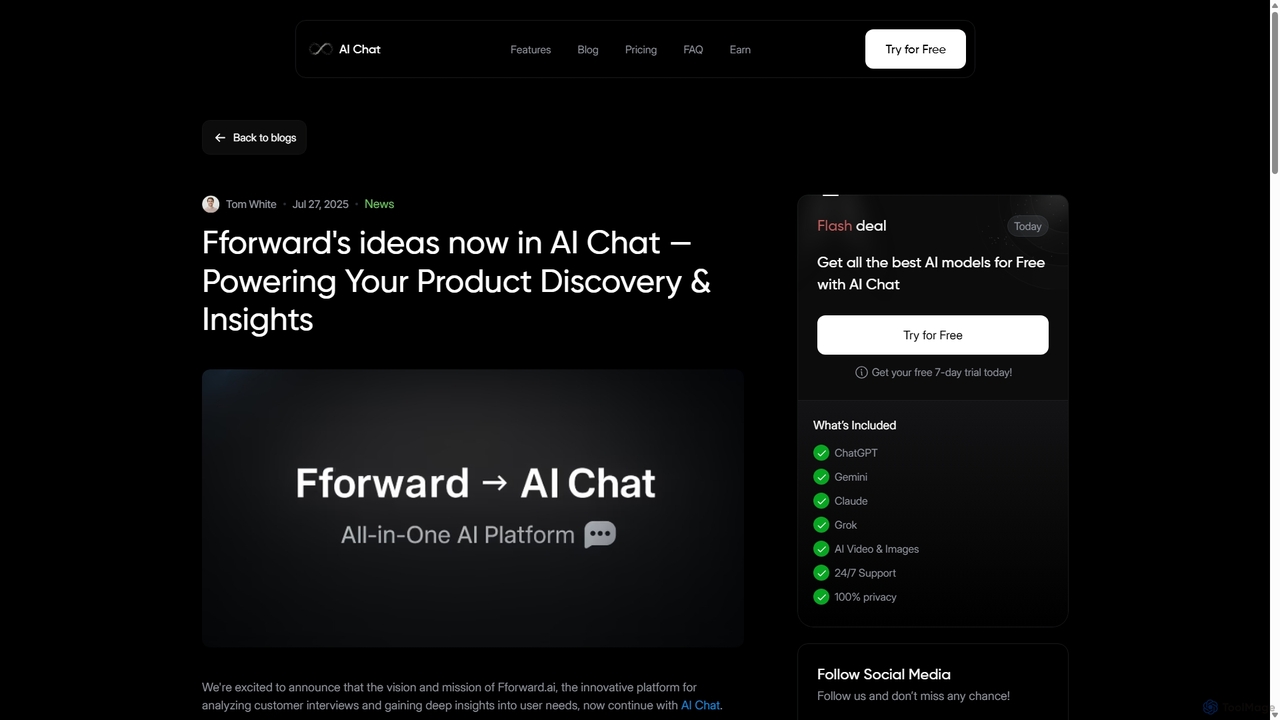
Fforward is an advanced AI-driven platform designed for product managers, UX researchers, and founders to analyze customer interviews. …

2.1K
AI Consulting Tools

AI Consulting Tools

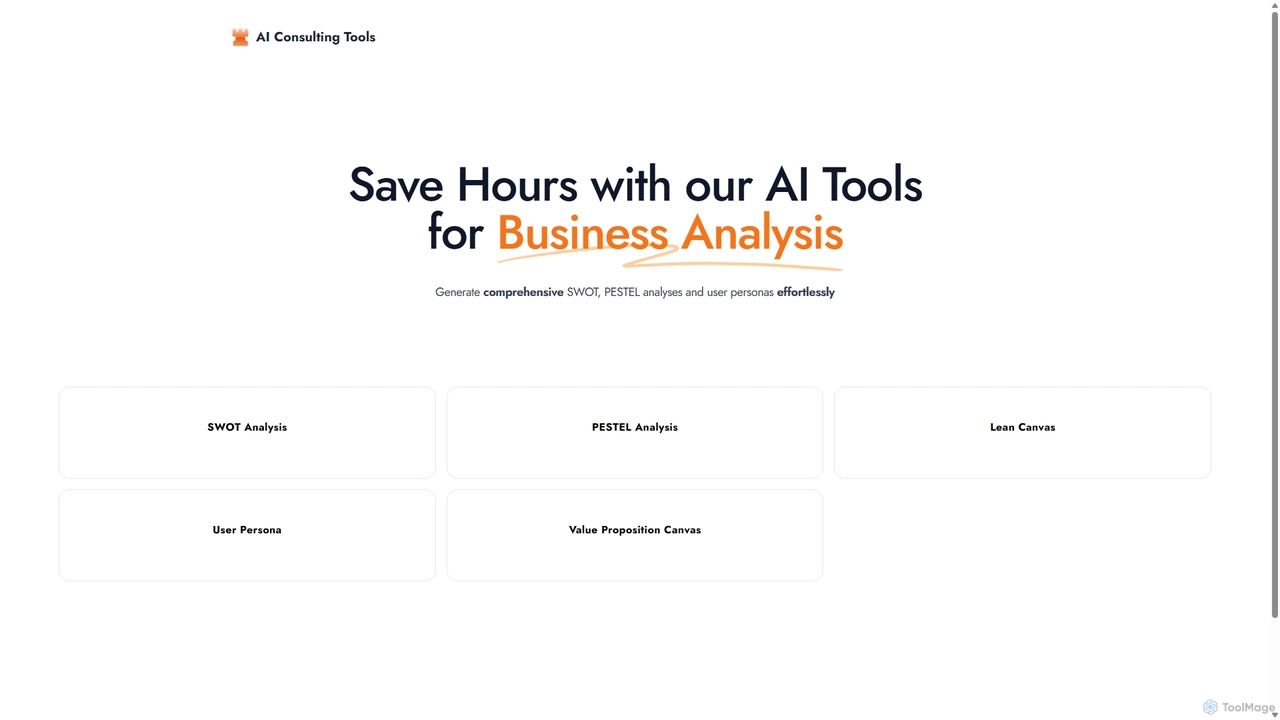
An AI-powered platform designed for business analysts, consultants, and strategists. It automates the creation of comprehensive strategic analysis …

2.1K
Free
Scrabblecam

Scrabblecam

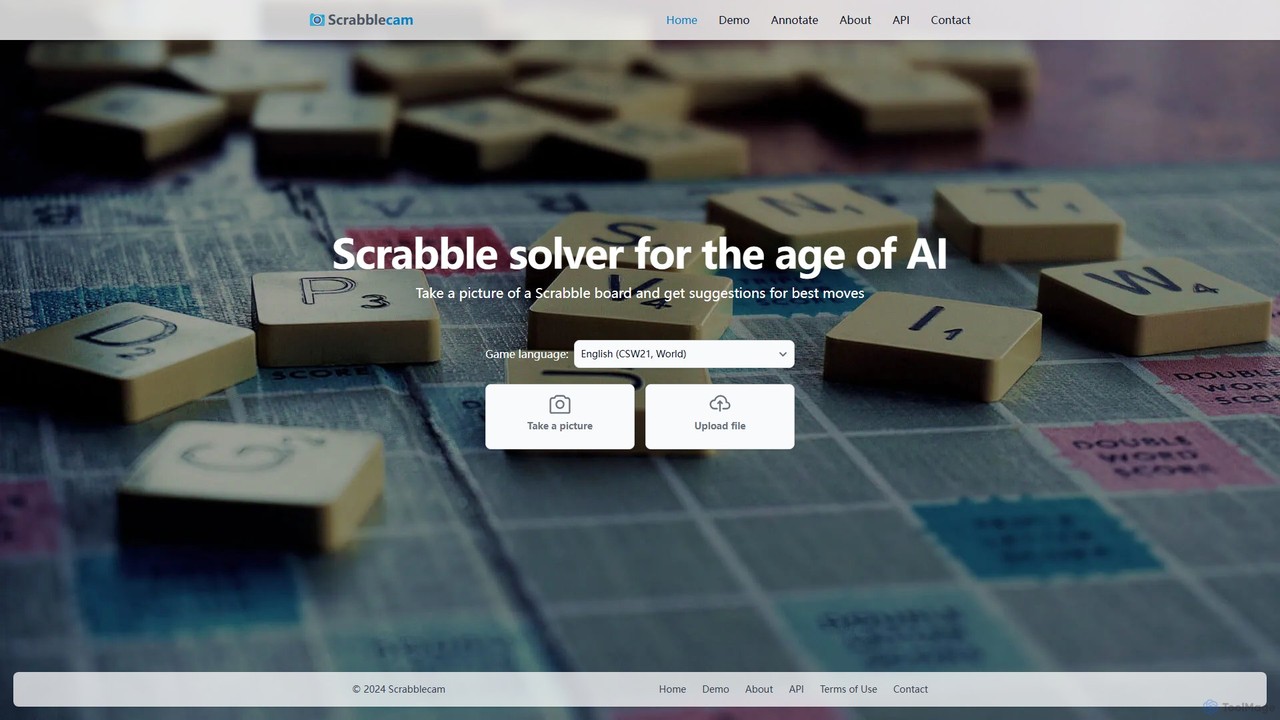
Scrabblecam is an AI-powered Scrabble solver that analyzes photos of physical game boards to suggest the highest-scoring moves. …

9.8K
getflashinsights

getflashinsights

getflashinsights is an AI-powered platform that instantly analyzes vast amounts of text data, such as customer reviews, social …

2.1K
scopy

scopy

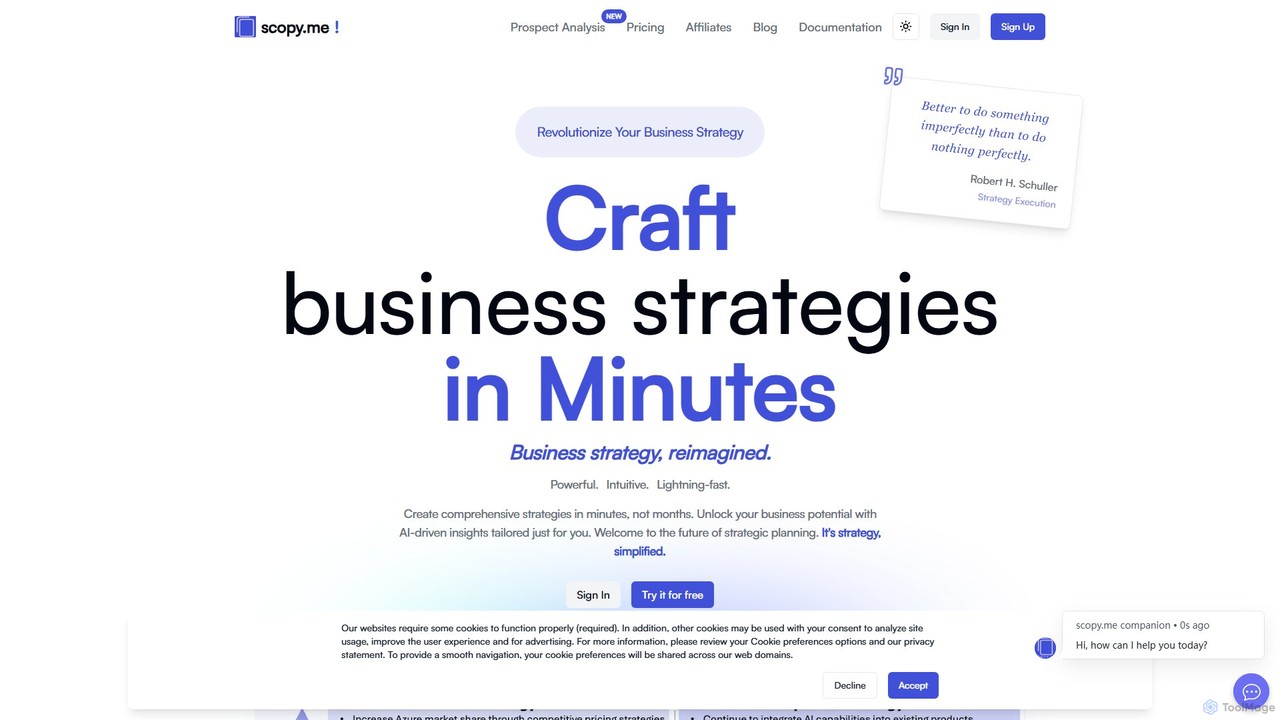
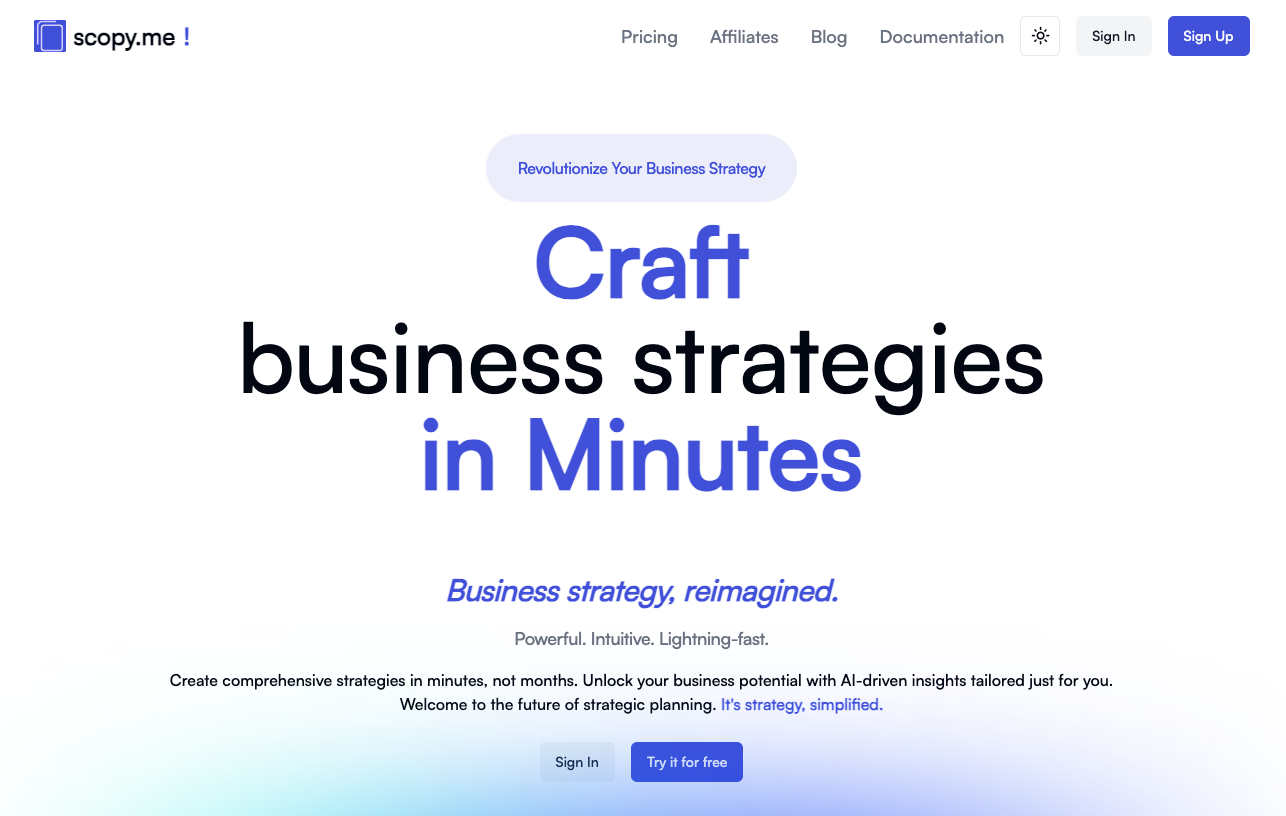
scopy is an AI-powered platform that revolutionizes business strategy development. It integrates advanced AI with proven strategic frameworks …

3.5K
CT Read

CT Read

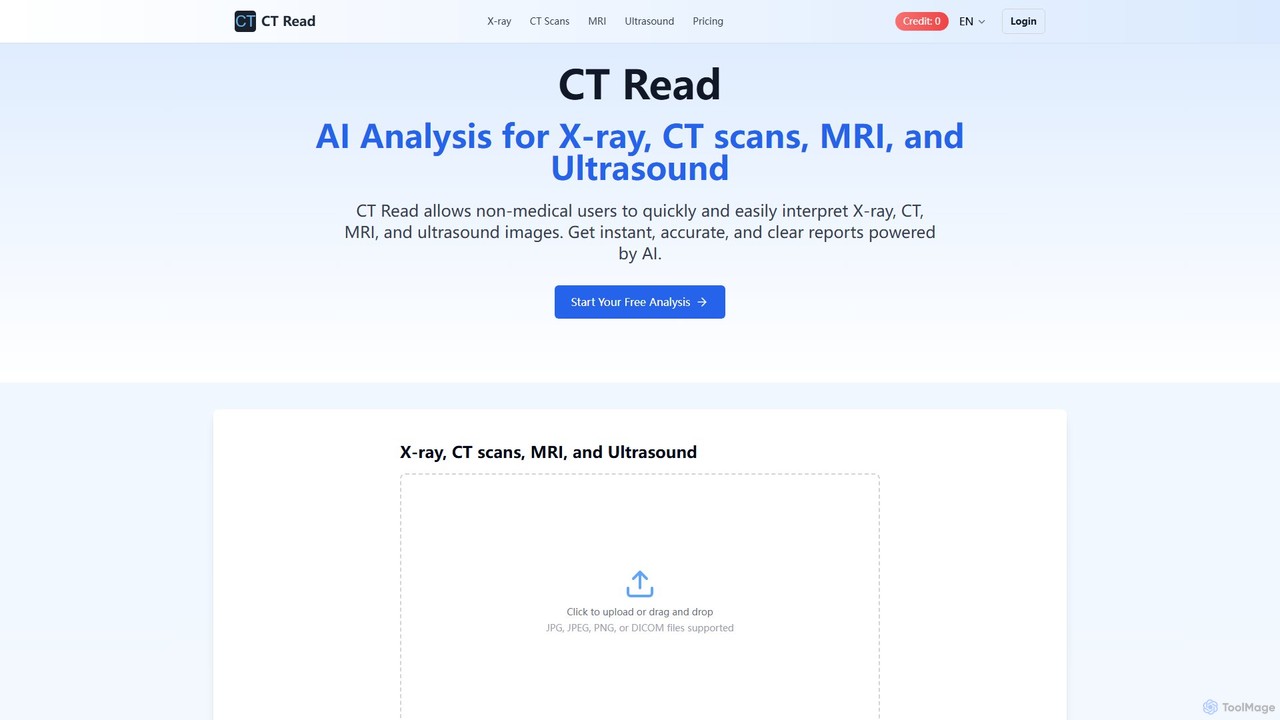
CT Read is an AI-powered tool that provides instant analysis and easy-to-understand reports for medical images like X-rays, …

95.7K
Predictive Equations

Predictive Equations

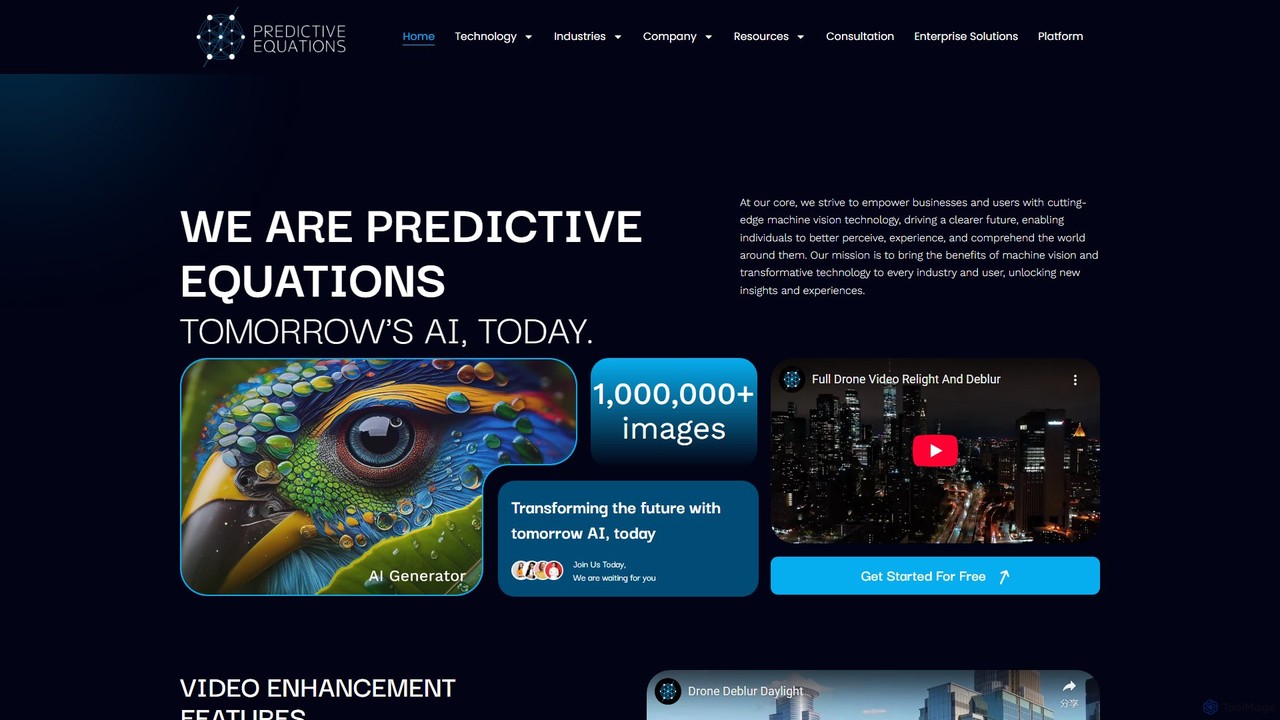
Predictive Equations is an advanced AI platform specializing in machine vision. It enhances and analyzes images and videos …

2.3K
Product Roaster

Product Roaster

Product Roaster is an AI-powered platform for entrepreneurs to validate business ideas. It provides rapid market research, AI-driven …

2.1K
SERPrecon

SERPrecon

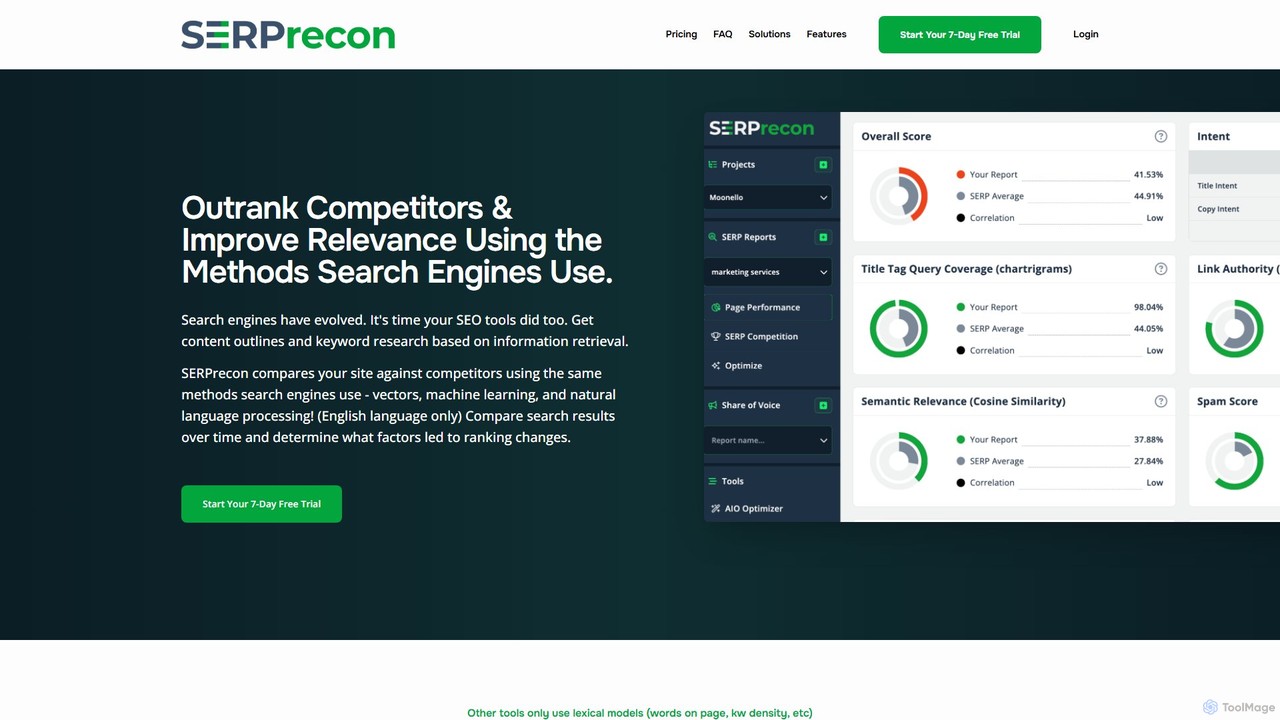
SERPrecon is an advanced SEO tool that uses semantic analysis, machine learning, and NLP to help you outrank …

4.5K
Free
Deal Protectors

Deal Protectors

Deal Protectors is a free, AI-powered tool designed to analyze car purchase deals. By comparing your deal's pricing, …

2.1K
Free
pestel

pestel

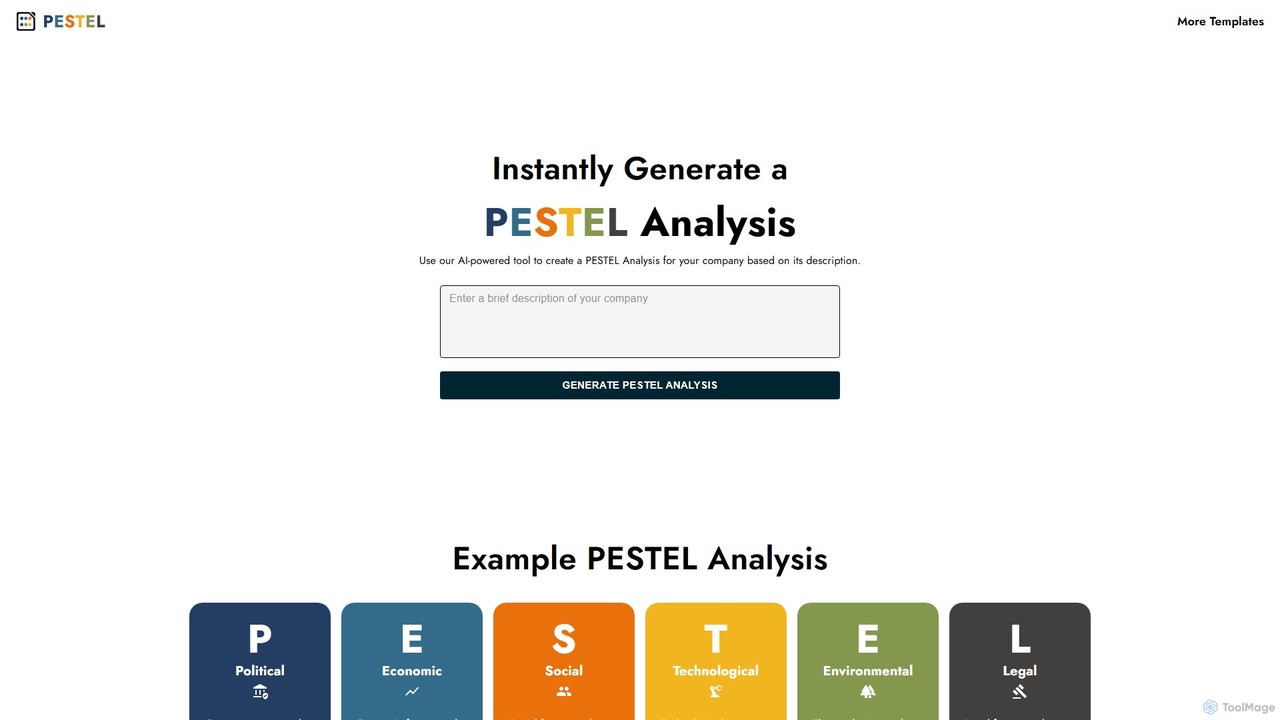
An AI-powered tool that instantly generates a comprehensive PESTEL analysis based on a simple company description. Ideal for …

6.0K

About Analysis

AI Analysis tools are a specialized category of software that leverages machine learning and natural language processing to automatically examine large datasets and extract meaningful insights. They go beyond simple data sorting by identifying complex patterns, trends, and anomalies that are often invisible to the human eye. These tools empower users to make faster, data-driven decisions by transforming raw data—such as text, numbers, or logs—into clear reports, summaries, and predictive forecasts. As a key component of modern productivity, they automate the cognitive heavy lifting of data interpretation.

Core Features

  • Automated Data Processing: Ingests and cleans data from various sources like spreadsheets, databases, and text files.
  • Pattern Recognition: Identifies significant trends, correlations, and outliers within complex datasets.
  • Natural Language Summarization: Analyzes unstructured text like reports or reviews and generates concise summaries.
  • Predictive Forecasting: Uses historical data to model and predict future outcomes and trends.
  • Insight Visualization: Creates intuitive charts, graphs, and dashboards to communicate findings effectively.

Use Cases

These tools are widely used across various sectors. Marketing teams utilize them to analyze customer feedback and campaign performance. Financial analysts rely on them for market trend analysis and risk assessment. In software development, they help diagnose application performance issues by analyzing system logs, while researchers use them to find significant patterns in experimental data.

How to Choose

When selecting an AI Analysis tool, first consider the types of data you need to analyze (e.g., text, numerical, structured). Evaluate its integration capabilities with your existing data sources and software. Assess the complexity of the user interface—some tools are designed for data scientists, while others are user-friendly for business professionals. Finally, review the pricing model to ensure it aligns with your usage volume and budget.

AnalysisUse Cases

1

Analyze Customer Feedback at Scale

A product manager for an e-commerce company uploads thousands of customer reviews from their website and app stores. The AI analysis tool uses natural language processing to categorize feedback into topics like 'pricing,' 'shipping,' and 'feature requests.' It also performs sentiment analysis to quantify positive and negative opinions. The tool generates a dashboard highlighting the most frequently mentioned issues and emerging trends, allowing the product team to prioritize improvements based on direct user data, a process that would manually take weeks.

2

Generate Financial Health Reports

A financial consultant uses an AI analysis tool to process a client's bank statements and investment portfolio data. The tool automatically categorizes transactions, identifies spending habits, and calculates key financial metrics like savings rate and debt-to-income ratio. It then generates a comprehensive, easy-to-read report with visualizations that highlight areas for improvement and potential investment opportunities. This automates a core part of the advisory process, enabling the consultant to serve more clients effectively.

3

Uncover Sales Performance Bottlenecks

A sales manager connects their CRM software to an AI analysis platform. The tool analyzes sales cycle data, conversion rates at each stage, and individual representative performance. It identifies patterns, such as deals stalling at a specific stage or a decline in follow-up activities. The system generates a weekly insights report, flagging at-risk deals and suggesting which leads require immediate attention, helping the manager proactively address issues and optimize the team's sales strategy.

4

Accelerate Scientific Research

A biomedical researcher uploads a large genomic dataset into an AI analysis tool. The platform employs machine learning algorithms to search for correlations between specific genetic markers and disease outcomes, a task too complex for traditional statistical software. The tool highlights statistically significant patterns and potential causal relationships, generating hypotheses for the researcher to test in the lab. This significantly speeds up the discovery phase of research by automating complex data exploration.

5

Diagnose Software Performance Issues

A DevOps engineer streams real-time application logs into an AI-powered analysis tool. The system continuously monitors the data for anomalies, such as a sudden spike in error rates or increased server response times. When an issue is detected, the tool automatically correlates related log entries and identifies the likely root cause. It sends an alert to the engineer with a summary of the problem, reducing the mean time to resolution (MTTR) and preventing system-wide outages.

6

Streamline Legal Document Review

During the discovery phase of a legal case, a paralegal team needs to review tens of thousands of documents. They use an AI analysis tool to scan all files for specific keywords, concepts, and named entities (like people or organizations). The tool automatically flags relevant documents, identifies potential evidence, and even summarizes long contracts or depositions. This reduces manual review time by over 80% and minimizes the risk of human error in overlooking critical information.

AnalysisFrequently Asked Questions