Portkey AI
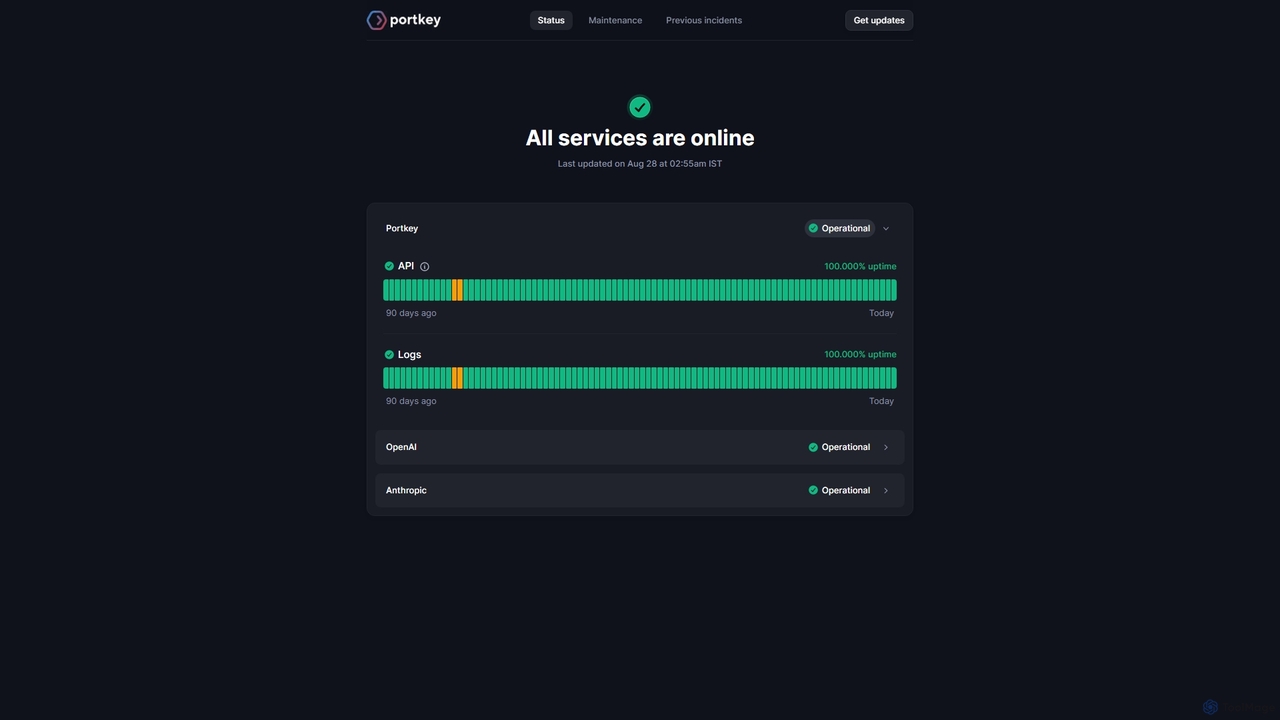
Portkey AI is an advanced AI gateway and LLM Ops platform designed for developers. It simplifies the development …
Portkey AI is an advanced AI gateway and LLM Ops platform designed for developers. It simplifies the development of reliable, scalable, and cost-effective AI applications by providing a unified API for various LLMs, real-time observability, semantic caching, and intelligent load balancing.
UsageGuard
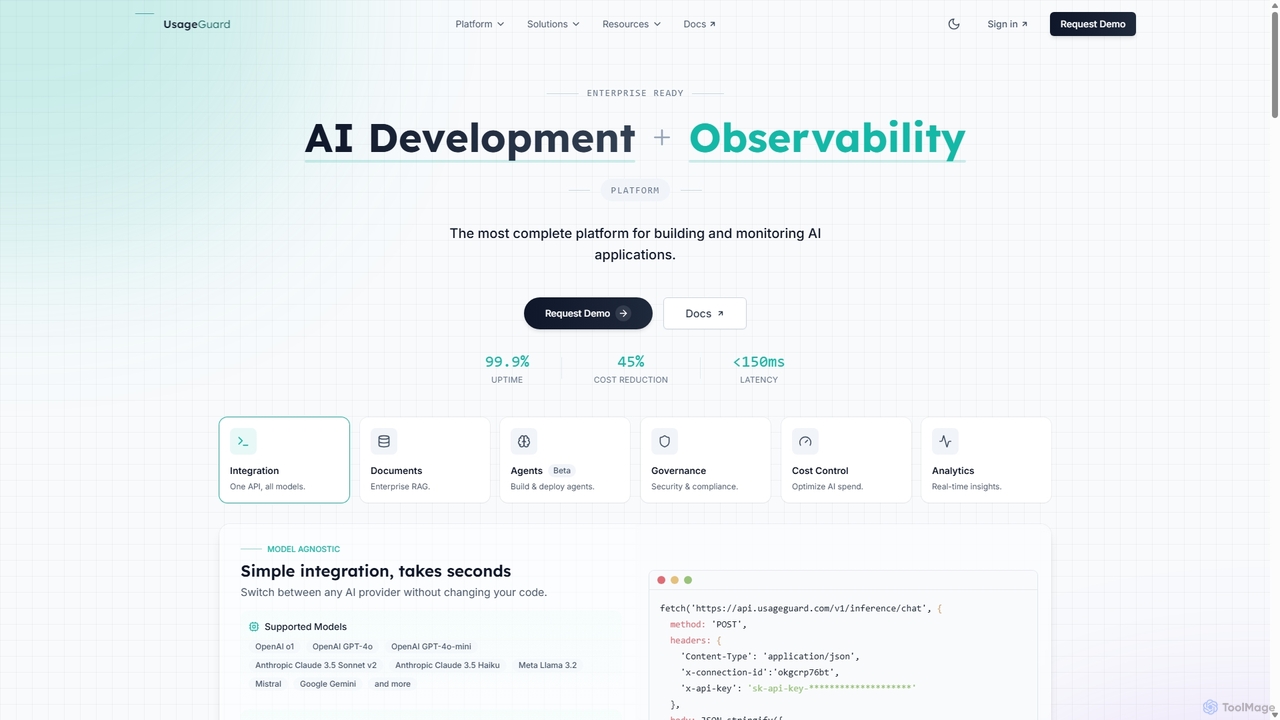
UsageGuard is an all-in-one enterprise platform for AI development and observability. It provides a unified API to access …
UsageGuard is an all-in-one enterprise platform for AI development and observability. It provides a unified API to access all major LLMs, enabling seamless model switching. The platform focuses on enterprise-grade security, comprehensive cost control, and real-time monitoring to help businesses build, scale, and manage AI applications securely and efficiently.
Theneo
Theneo is an AI-powered platform that generates beautiful, interactive, and low-maintenance API documentation in seconds. It automates the …
Theneo is an AI-powered platform that generates beautiful, interactive, and low-maintenance API documentation in seconds. It automates the entire documentation lifecycle, from creation and updates to publishing stunning developer portals, helping companies increase API adoption and improve the developer experience.
Meteron
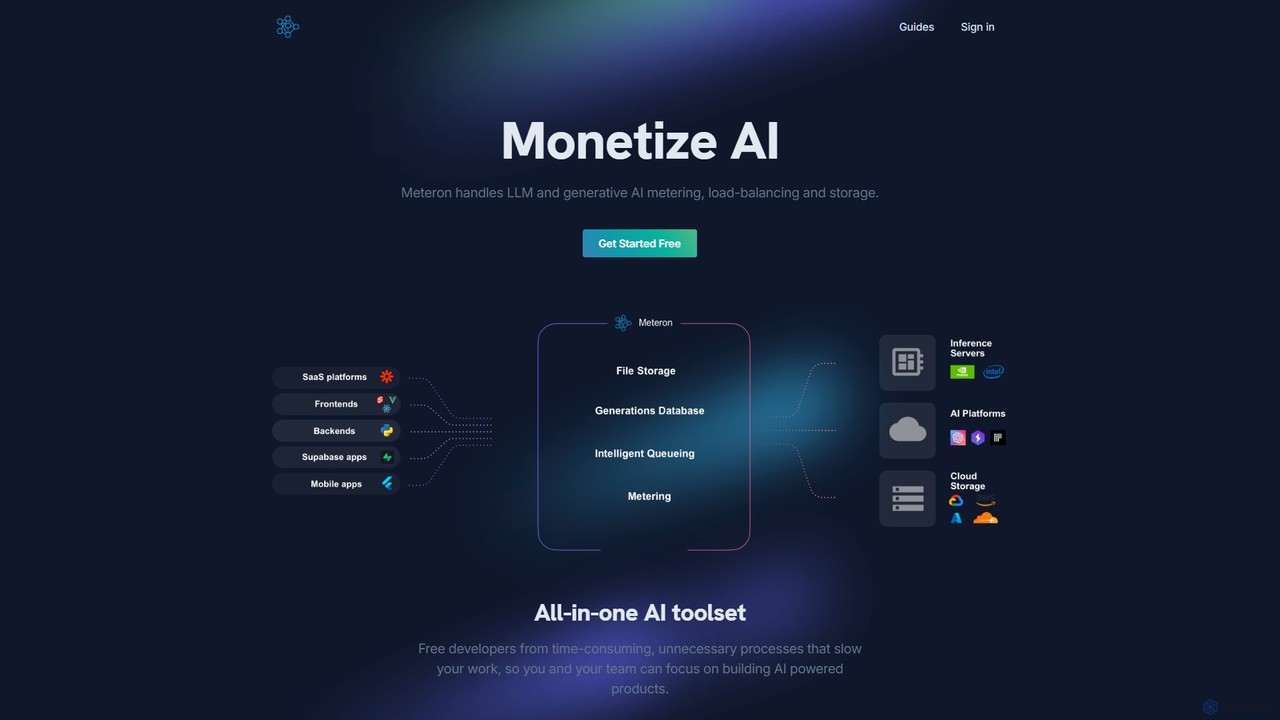
Meteron is an all-in-one developer platform that simplifies building and scaling AI applications. It provides tools for metering, …
Meteron is an all-in-one developer platform that simplifies building and scaling AI applications. It provides tools for metering, load balancing, and cloud storage, enabling developers to monetize their AI models (like LLMs and image generators) and manage infrastructure with ease. By handling complex backend processes, Meteron allows creators to launch AI-powered products faster.
OpenMeter
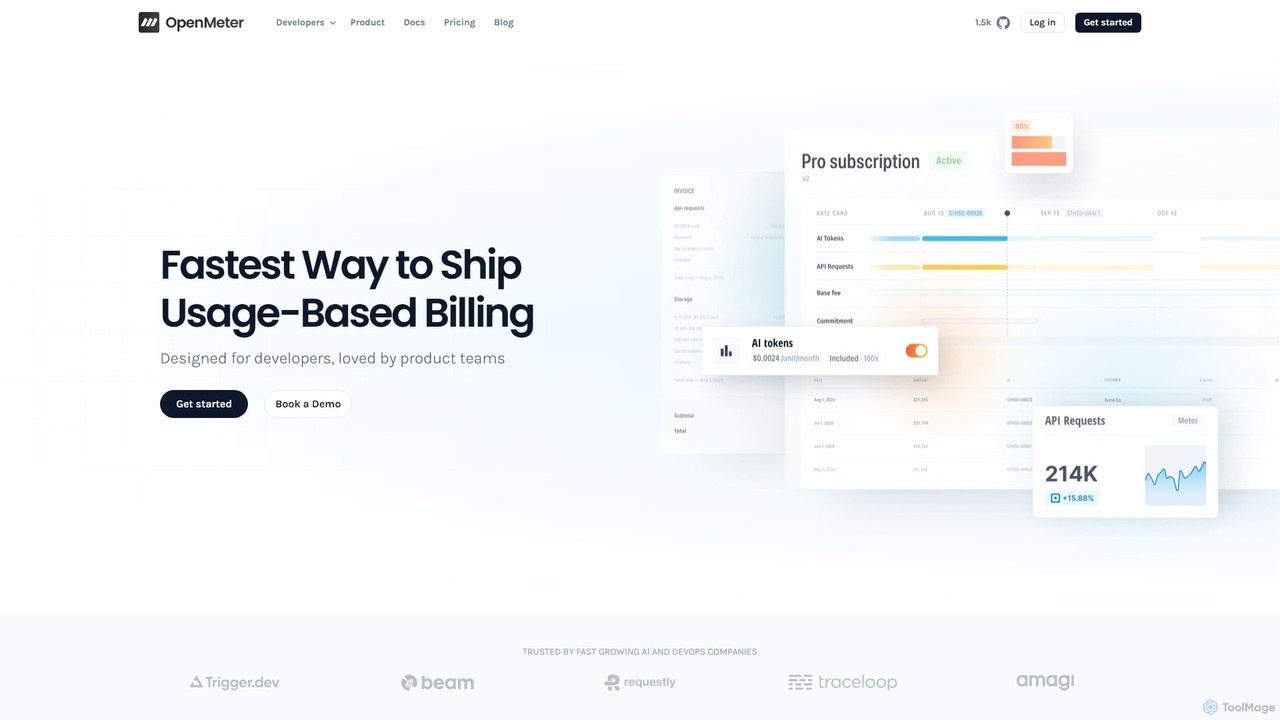
OpenMeter is an open-source, real-time usage metering and billing platform designed for modern AI and DevOps companies. It …
OpenMeter is an open-source, real-time usage metering and billing platform designed for modern AI and DevOps companies. It simplifies the implementation of usage-based pricing by turning events, logs, and metrics into actionable revenue streams, complete with customer-facing dashboards and billing automation.
About Api Management
API Management tools are platforms for creating, publishing, maintaining, monitoring, and securing APIs in a controlled environment. They function as a central gateway, handling critical tasks like authentication, rate limiting, analytics, and developer onboarding. This enables organizations to securely expose data and services to partners, developers, and internal teams, fostering innovation and creating new digital products. As a key part of the productivity stack, these tools transform raw APIs into managed, productized assets.
Core Features
- API Gateway: Acts as a single entry point for all API calls, enforcing security policies and routing traffic efficiently.
- Developer Portal: Provides a self-service hub for developers to discover APIs, access interactive documentation, and obtain credentials.
- Analytics and Monitoring: Offers real-time dashboards to track API usage, performance metrics, error rates, and user activity.
- Security and Access Control: Implements robust authentication (e.g., OAuth 2.0, API Keys), authorization, and threat protection against common vulnerabilities.
- Lifecycle Management: Includes tools for designing, versioning, testing, deploying, and eventually retiring APIs.
Use Cases
API Management platforms are essential for technology companies, financial institutions, e-commerce businesses, and large enterprises managing a portfolio of APIs. They are used by developers, API product managers, and IT security teams to build partner ecosystems, power mobile applications, and manage internal microservices communication securely and efficiently.
How to Choose
When selecting an API Management tool, consider its deployment model (cloud, on-premises, or hybrid), scalability to handle traffic growth, and the comprehensiveness of its security features. Also, evaluate its integration capabilities with your existing CI/CD pipeline and identity providers, as well as the quality of its developer portal and documentation tools to ensure a positive developer experience.

Api ManagementUse Cases
Secure and Expose Internal APIs for Partners
A financial technology company needs to provide its payment processing services to external partners via APIs. An API Management platform is used to create a secure API gateway that authenticates every request. The platform allows them to define specific access rules and usage quotas for each partner, preventing abuse. A dedicated developer portal provides partners with comprehensive documentation, code samples, and a sandbox environment, significantly reducing onboarding time and support costs.
Monetize Data through a Public API Program
A data analytics firm wants to create a new revenue stream by selling access to its proprietary data sets. Using an API Management tool, they package their data into a public API with different subscription tiers (e.g., Free, Pro, Enterprise). The platform manages API key provisioning, enforces usage limits for each tier, and integrates with a payment processor to handle billing automatically. The built-in analytics dashboard provides valuable insights into which data endpoints are most popular, helping them refine their product offering.
Manage Internal Microservices Communication
A large e-commerce company is transitioning to a microservices architecture, resulting in hundreds of internal services that need to communicate. An API Management platform is deployed internally to act as a central gateway. This standardizes how services discover and securely communicate with each other. It enforces consistent security policies, like mTLS, across all services and provides a centralized point for monitoring traffic, identifying performance bottlenecks, and troubleshooting communication errors between services, improving overall system reliability.
Accelerate Mobile and Web App Development
A retail company is building a new mobile app that needs data from multiple legacy backend systems (inventory, user accounts, product catalog). Instead of having the mobile developers integrate with each complex system, an API Management platform is used. An API team creates a single, optimized 'Experience API' that aggregates data from all backends. The gateway handles the complexity, providing the mobile app with a simple, fast, and secure endpoint. This decouples the frontend from the backend, allowing both teams to develop independently and faster.
Ensure API Reliability and Performance Monitoring
An online service provider's business relies on the high availability of its APIs. They use an API Management platform to monitor the health of their services in real-time. The platform's analytics dashboard tracks key metrics like latency, error rates, and uptime. The operations team sets up automated alerts that trigger if any metric exceeds a predefined threshold. This allows them to proactively identify and resolve issues, such as a slow database query or a failing service, before they impact a significant number of customers, helping them maintain their service level agreements (SLAs).
Streamline Developer Onboarding and Support
A SaaS company wants to build a vibrant developer community around its product's API. Their API Management platform's developer portal is the key. It provides a seamless, self-service experience where new developers can quickly sign up, create an application, and get API keys. The portal features interactive documentation that allows developers to test API calls directly in the browser. It also hosts tutorials, guides, and community forums. This comprehensive resource significantly reduces the time-to-first-call for new developers and lowers the burden on the company's support team.