ToolMage
Sign in

Best 3 Chatbot Aggregator AI tools for Productivity

Popular Chatbot Aggregator AI tools in Productivity include ChatHub, ChatOne, and PromptVisor, helping you work more efficiently.

ChatHub
Freemium

ChatHub

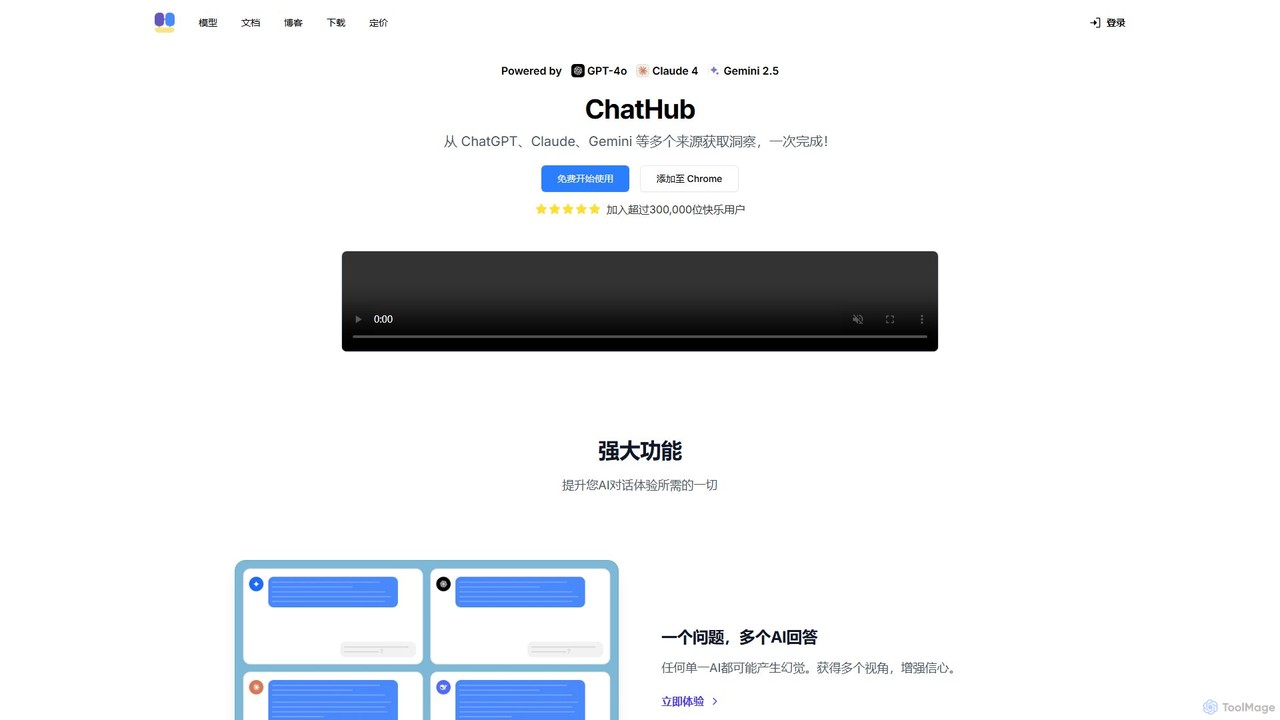
ChatHub is an all-in-one chatbot client that allows you to simultaneously use and compare responses from multiple AI models like GPT-4o, Claude 4, and Gemini 2.5 in a single interface. It enhances productivity by providing diverse perspectives, reducing AI hallucinations, and integrating features like image generation and file analysis.

Image Generator
Visits 561.7KFavorites 132Likes 124
ChatOne
Freemium

ChatOne

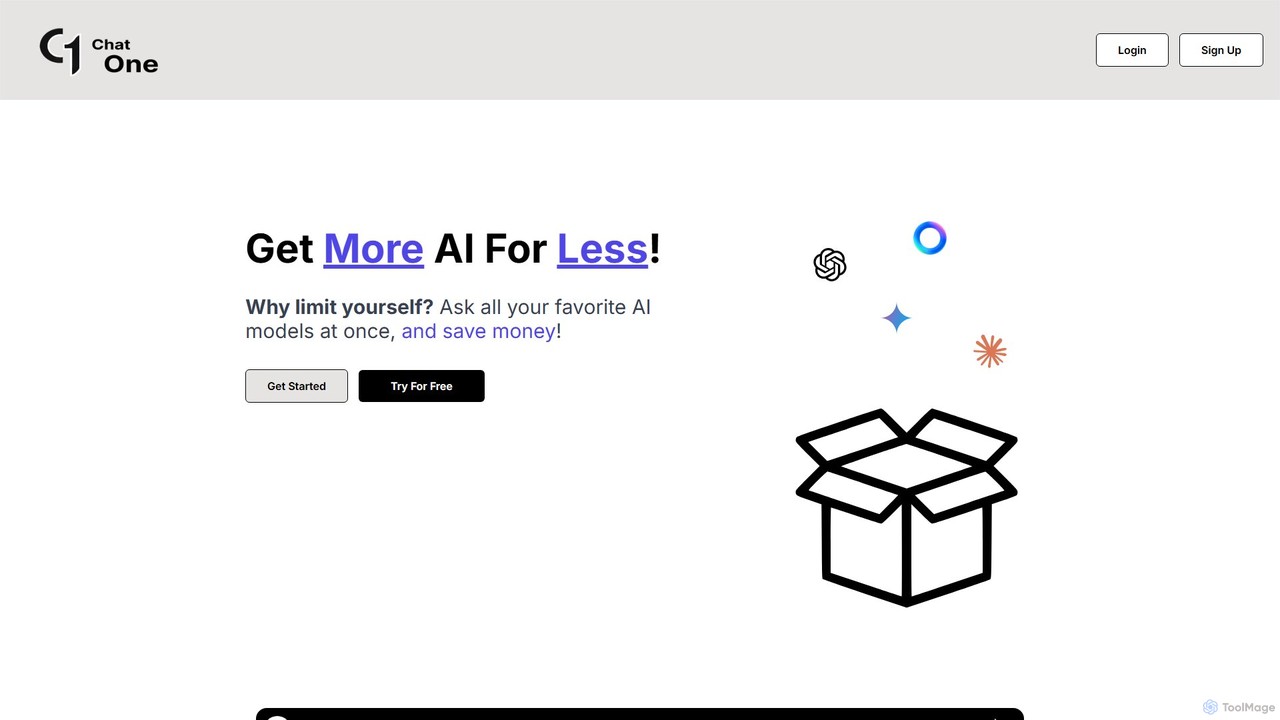
ChatOne is an AI chatbot aggregator that allows you to query multiple leading AI models like ChatGPT, Claude 3.5 Sonnet, and Gemini 1.5 Pro simultaneously. Compare responses in a single interface to get the best results, save time, and reduce costs.

Code Assistant
Visits 7.3KFavorites 115Likes 135
PromptVisor
Freemium

PromptVisor

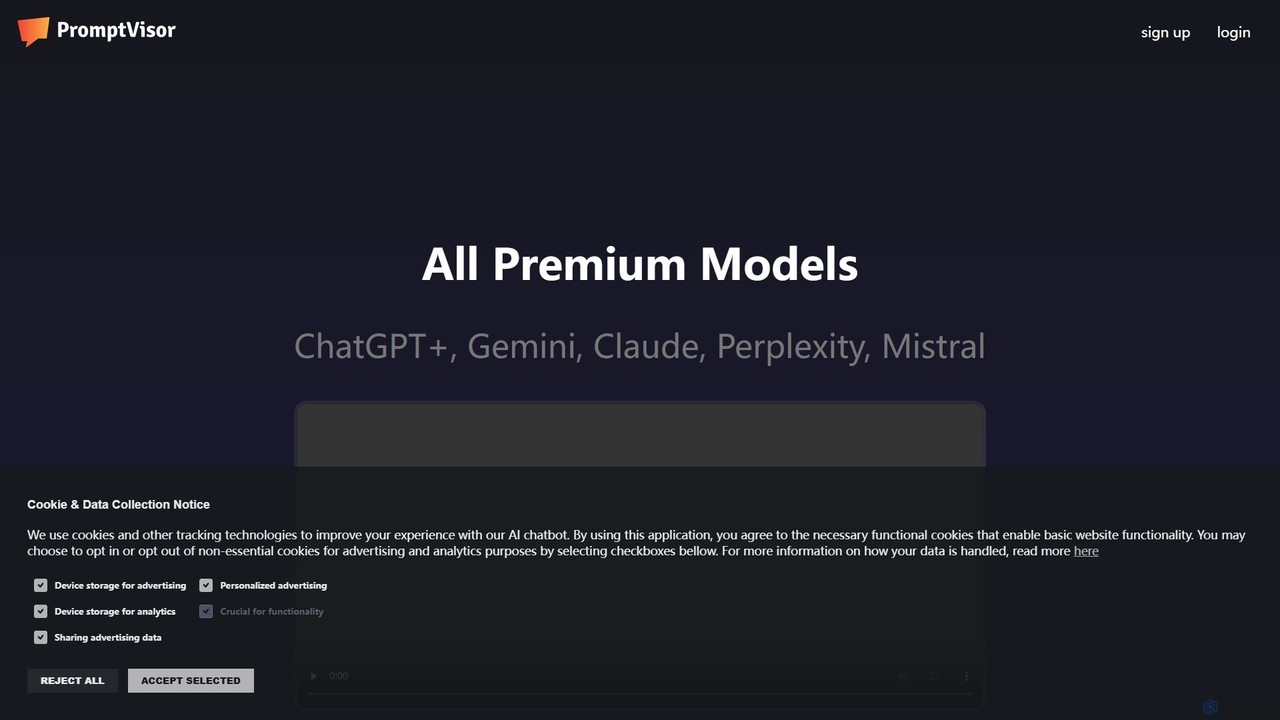
PromptVisor is an all-in-one AI platform that provides access to leading language models like ChatGPT, Gemini, Claude, and Mistral through a single subscription. Its standout feature, Multi-Model Conversations, allows users to query multiple AIs simultaneously, compare their responses side-by-side, and enhance productivity and creativity with powerful prompting tools.

Api
Visits 6.3KFavorites 145Likes 152

About Chatbot Aggregator

Chatbot Aggregators are productivity platforms that consolidate multiple AI language models, such as those from OpenAI, Google, and Anthropic, into a single, unified interface. These tools function by simultaneously sending a user's prompt to several selected chatbots, allowing for direct, side-by-side comparison of their responses. This process empowers users to evaluate different AI perspectives, select the most accurate or creative output, and streamline their workflow. The primary value lies in enhancing efficiency and output quality without the need to constantly switch between different browser tabs or applications.

Core Features

  • Multi-Model Integration: Access a wide range of leading AI chatbots (e.g., GPT-4, Claude 3, Gemini) within one application.
  • Side-by-Side Comparison: View and compare responses from different models to the same prompt in a single, organized layout.
  • Unified Chat History: Manage all conversations with various AI models in one centralized and searchable location.
  • Simultaneous Prompting: Send a single query to multiple AI models at once, saving time and effort.
  • Customizable Workspaces: Organize chats, create model presets, and tailor the interface to specific project needs.

Use Cases

These tools are particularly valuable for professionals who rely on AI for diverse and high-stakes tasks. For instance, content creators and copywriters use them to generate and compare multiple versions of text for tone, style, and creativity. Developers and programmers can query different models for code snippets or debugging solutions to find the most efficient approach. Researchers and analysts leverage aggregators to cross-validate information and gather diverse perspectives on complex topics.

How to Choose

When selecting a Chatbot Aggregator, consider the range of supported AI models and whether they align with your needs. Evaluate the user interface for its ease of use, particularly the clarity of its comparison view. Examine the pricing model—some offer free tiers with limitations, while others are subscription-based. Finally, review the platform's privacy policy to understand how your data and prompts are handled, especially for sensitive or proprietary information.

Chatbot Aggregator use cases

1

Enhancing Content Creation and Copywriting

A marketing copywriter is tasked with creating three distinct ad campaigns for a new product. Instead of writing each one from scratch or querying one AI model multiple times, they use a Chatbot Aggregator. They input a single detailed prompt describing the product, target audience, and desired tone. The aggregator simultaneously queries GPT-4 for a creative approach, Claude 3 for an emotionally resonant angle, and Gemini for a data-driven, benefit-focused version. Within seconds, they can compare three high-quality, distinct drafts side-by-side, allowing them to mix and match the best elements or select the strongest overall concept, reducing ideation time by over 60%.

2

Accelerating Code Generation and Debugging

A software developer is working on a complex algorithm and encounters a persistent bug. Using a Chatbot Aggregator, they paste the problematic code snippet and ask for debugging suggestions. The tool sends the query to models specialized in coding, like a fine-tuned version of GPT-4 and Gemini. One model might offer a direct code fix, while another might explain the underlying logical error and suggest a more efficient architectural approach. By comparing these diverse solutions, the developer not only fixes the bug faster but also gains a deeper understanding of the problem, improving their overall coding skills and project quality.

3

Conducting Comprehensive Market Research

A business analyst needs to compile a report on emerging trends in the renewable energy sector. They use a Chatbot Aggregator to ask a broad question: "What are the top 3 technological advancements in solar energy for 2024?" The aggregator pulls responses from multiple AI models. One model might focus on material science innovations, another on software and grid management, and a third on manufacturing efficiencies. This multi-faceted view provides a more comprehensive and less biased starting point for their research than relying on a single AI's perspective. They can quickly identify key themes and areas for deeper investigation, ensuring their final report is thorough and well-rounded.

4

Improving Multilingual Translation Accuracy

A localization specialist is translating technical documentation from English to Japanese. Nuance and precise terminology are critical. They input a complex sentence into a Chatbot Aggregator. One AI model provides a very literal translation, another offers a more natural-sounding version that slightly alters the meaning, and a third suggests an alternative phrasing that is common in Japanese technical writing. By comparing these options, the specialist can make an informed decision, often combining elements from different outputs to create a translation that is both technically accurate and culturally appropriate, a task that is difficult and time-consuming with a single translation tool.

5

Benchmarking AI Model Performance

An AI research team is evaluating the capabilities of new language models for a specific task, such as legal document summarization. Instead of building a custom testing environment, they use a Chatbot Aggregator. They can create a standardized set of prompts and run them through various models simultaneously. The side-by-side view allows for immediate qualitative analysis of each model's accuracy, coherence, and ability to handle domain-specific jargon. This process significantly streamlines the evaluation workflow, enabling the team to quickly identify the most suitable model for their application without extensive engineering overhead.

6

Facilitating Academic Research and Learning

A university student is writing a thesis on a complex philosophical concept. To gain a comprehensive understanding, they use a Chatbot Aggregator to ask for explanations of the concept. One AI might provide a historical overview, another might offer a simplified analogy, and a third could present counter-arguments. This method acts as a virtual panel of experts, exposing the student to diverse interpretations and lines of thought. By comparing and synthesizing these different perspectives, the student can develop a more nuanced and robust argument for their thesis, deepening their learning far more effectively than consulting a single source.

Chatbot Aggregator FAQ

What is a Chatbot Aggregator?

A Chatbot Aggregator is a software application or platform that integrates multiple AI chatbots from different developers (like OpenAI's GPT, Google's Gemini, and Anthropic's Claude) into a single interface. Instead of using each service separately, users can send a prompt and receive responses from several AIs at once. The core purpose is to facilitate direct comparison, enhance productivity by reducing context switching, and allow users to leverage the unique strengths of various models for a given task. They are essentially a command center for interacting with the broader AI language model ecosystem.

How is a Chatbot Aggregator different from just using ChatGPT?

Using a single chatbot like ChatGPT limits you to one AI's perspective, knowledge base, and style. A Chatbot Aggregator provides a fundamentally different experience by offering breadth and comparison. Key differences include:

  • Multi-Perspective Responses: You get answers from multiple models simultaneously, revealing different approaches, biases, and strengths for the same query.
  • Enhanced Efficiency: It eliminates the need to open multiple tabs and copy-paste prompts, streamlining the workflow for comparing AI outputs.
  • Informed Model Selection: It helps you discover which AI model (e.g., GPT-4, Claude, Gemini) performs best for your specific types of tasks, such as creative writing, coding, or factual analysis.
  • Resilience: If one AI service is down or performing poorly, you can instantly rely on others within the same interface.

In short, while ChatGPT is a powerful single tool, an aggregator is a meta-tool that manages and leverages a portfolio of AI tools.

How should I choose the right Chatbot Aggregator?

Selecting the best Chatbot Aggregator depends on your specific needs. Consider these key factors:

  • Model Availability: Does the platform support the AI models you want to use? Look for access to the latest versions of popular models like GPT, Claude, and Gemini, as well as any specialized models.
  • User Interface (UI) and Experience (UX): Is the interface intuitive? A good aggregator should make it easy to send prompts, compare responses side-by-side, and manage your chat history without a steep learning curve.
  • Pricing and API Key Usage: Understand the cost structure. Some aggregators have a flat subscription fee, while others require you to bring your own API keys from the model providers, meaning you pay for usage directly. Choose the model that fits your budget and usage patterns.
  • Features and Customization: Look for features beyond basic comparison, such as creating custom model presets, organizing chats into projects, team collaboration capabilities, and prompt management libraries.
  • Privacy and Security: Check the platform's privacy policy. Ensure you know how your data is stored and used, especially if you plan to work with sensitive or confidential information.
Who are Chatbot Aggregators best suited for?

Chatbot Aggregators are most beneficial for users who interact with AI models frequently and require high-quality, diverse, or validated outputs. Key user groups include:

  • Content Creators & Marketers: To generate a variety of creative ideas, ad copy, and content drafts quickly.
  • Developers & Programmers: To compare code snippets, get debugging help, and explore different algorithmic solutions.
  • Researchers & Analysts: To gather information from multiple AI perspectives, cross-reference data, and reduce the impact of a single model's bias.
  • Students & Academics: To understand complex topics from different angles and get comprehensive explanations.
  • Power Users & AI Enthusiasts: Anyone who wants to maximize their productivity and stay on the cutting edge by easily accessing and comparing the latest AI models.

Essentially, if your work can be improved by comparing multiple expert opinions, a Chatbot Aggregator can be a highly valuable productivity tool.

Do I need my own API keys to use a Chatbot Aggregator?

It depends on the specific aggregator's business model. There are generally two types:

  • Bring Your Own Key (BYOK) Model: Many aggregators require you to have your own API accounts with the AI model providers (like OpenAI, Anthropic, etc.). You then input your personal API keys into the aggregator. In this case, the aggregator provides the interface and features, but you are billed directly by the AI providers for your usage. This offers transparency and control over your spending.
  • Subscription Model: Some platforms bundle AI usage into a monthly or annual subscription fee. You pay the aggregator one price, and they manage the API costs on the backend. This can be simpler for users who prefer a predictable, all-in-one cost, but may have usage limits.

Before choosing a tool, it's crucial to check its pricing page to understand which model it uses and what the associated costs will be.