Productivity Best in category 10 results Content Management AI Tool

Popular AI tools in the Content Management field of Productivity include Sanity、Searchie、Cosmic、Rulta、kwikmotion、Rocket Alumni Solutions、Llms Central、LitContent、Inedit、Finetune AI, etc., helping you quickly improve efficiency.

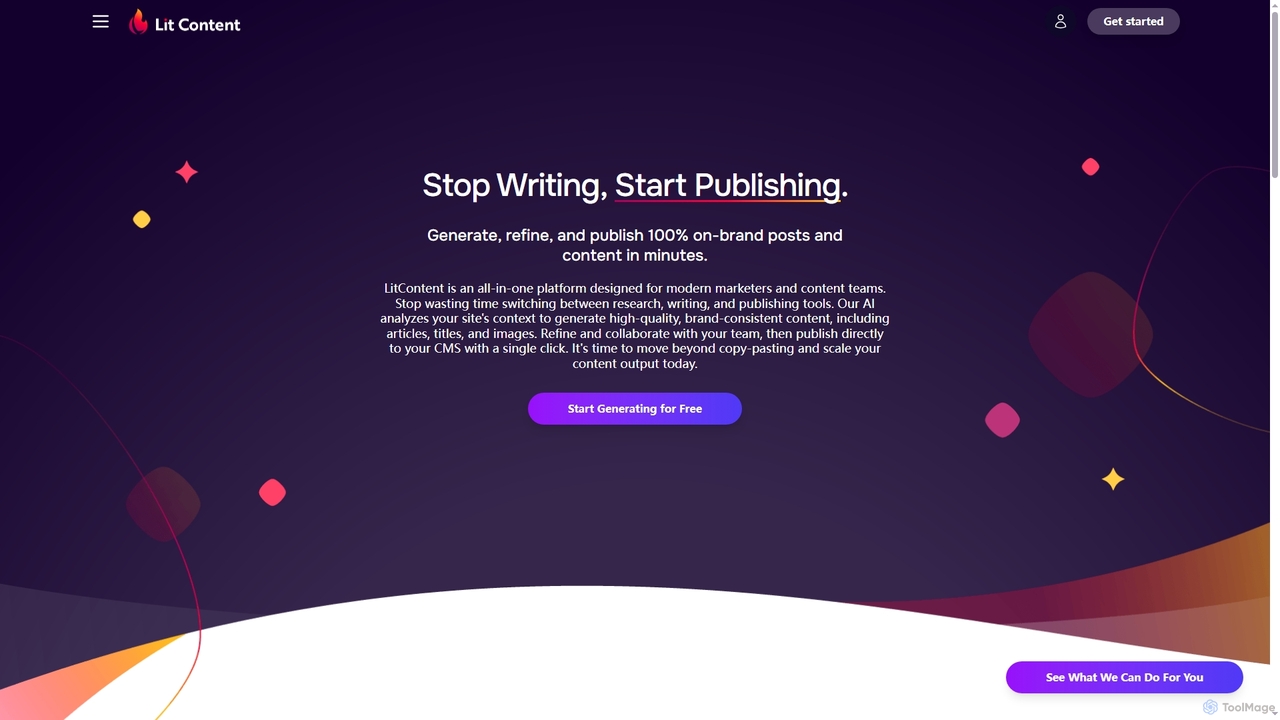
LitContent

LitContent

LitContent is an all-in-one AI platform for modern marketers and content teams, enabling them to generate, refine, and …

2.8K
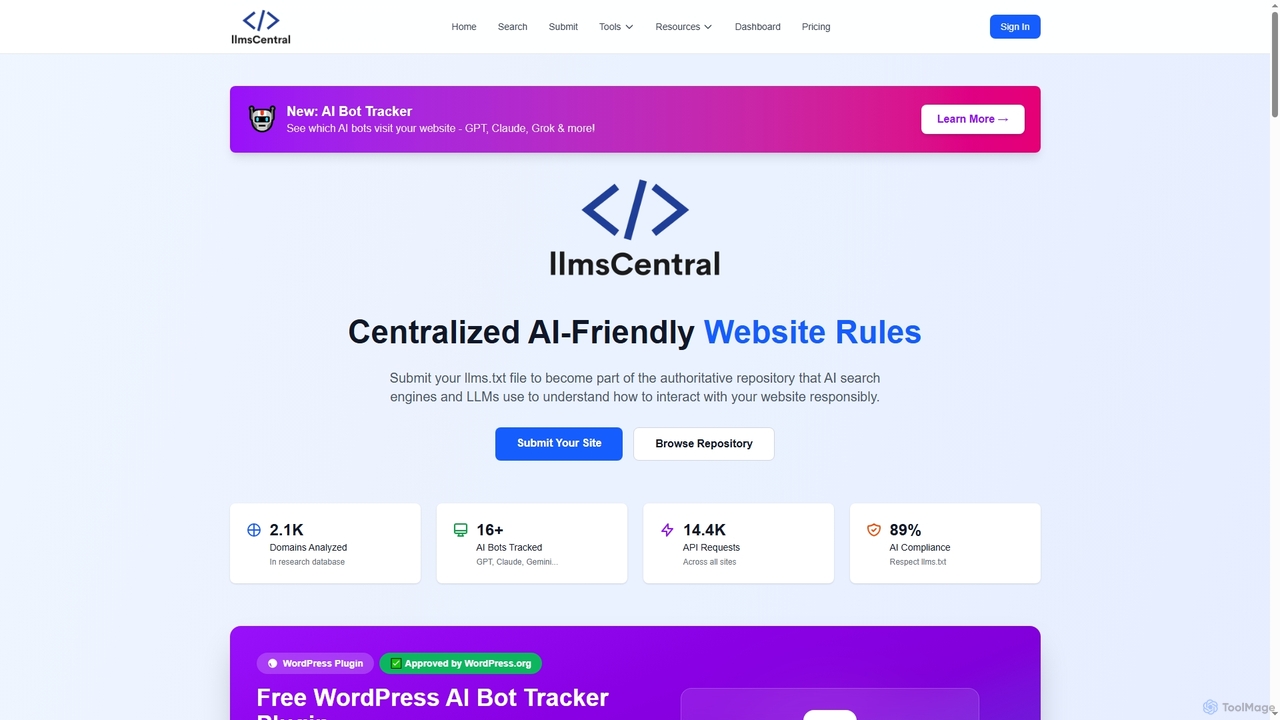
Llms Central

Llms Central

A comprehensive platform for tracking AI bot visits (like GPTBot, Claude) on your website and managing AI training …

2.8K
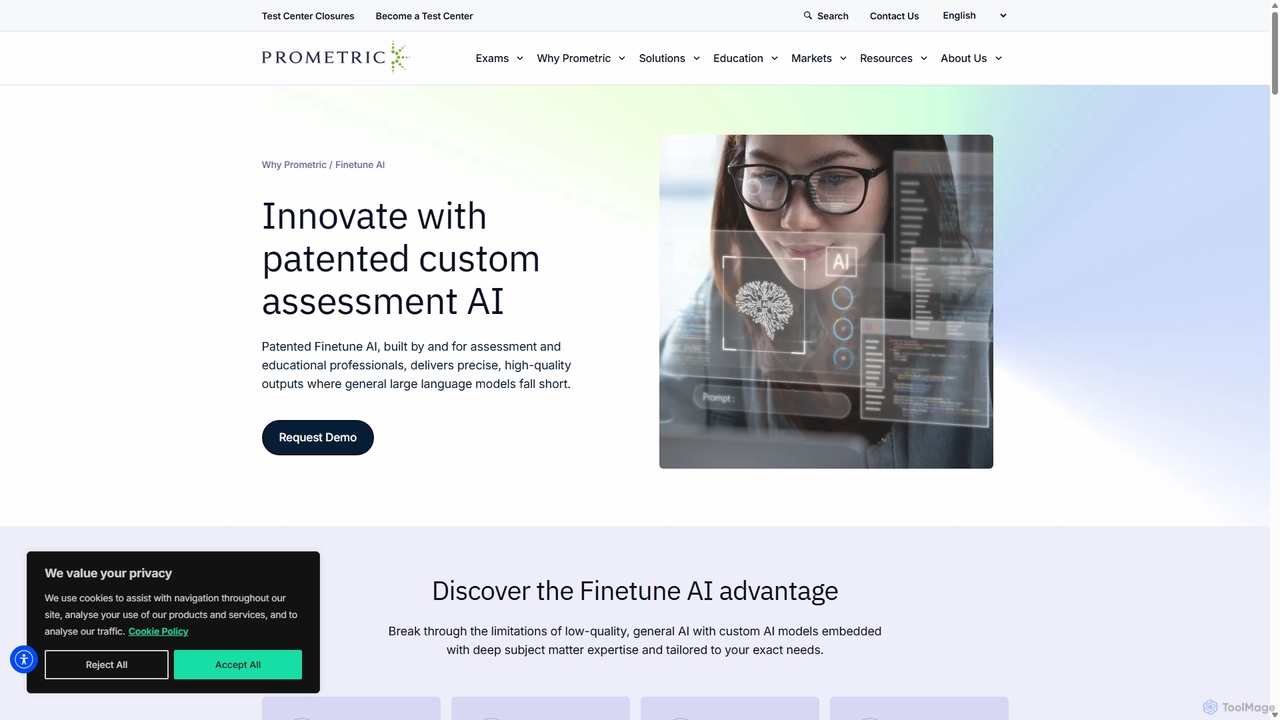
Finetune AI

Finetune AI

Finetune AI by Prometric is a patented, purpose-built AI platform for creating, managing, and aligning high-quality educational and …

2.8K
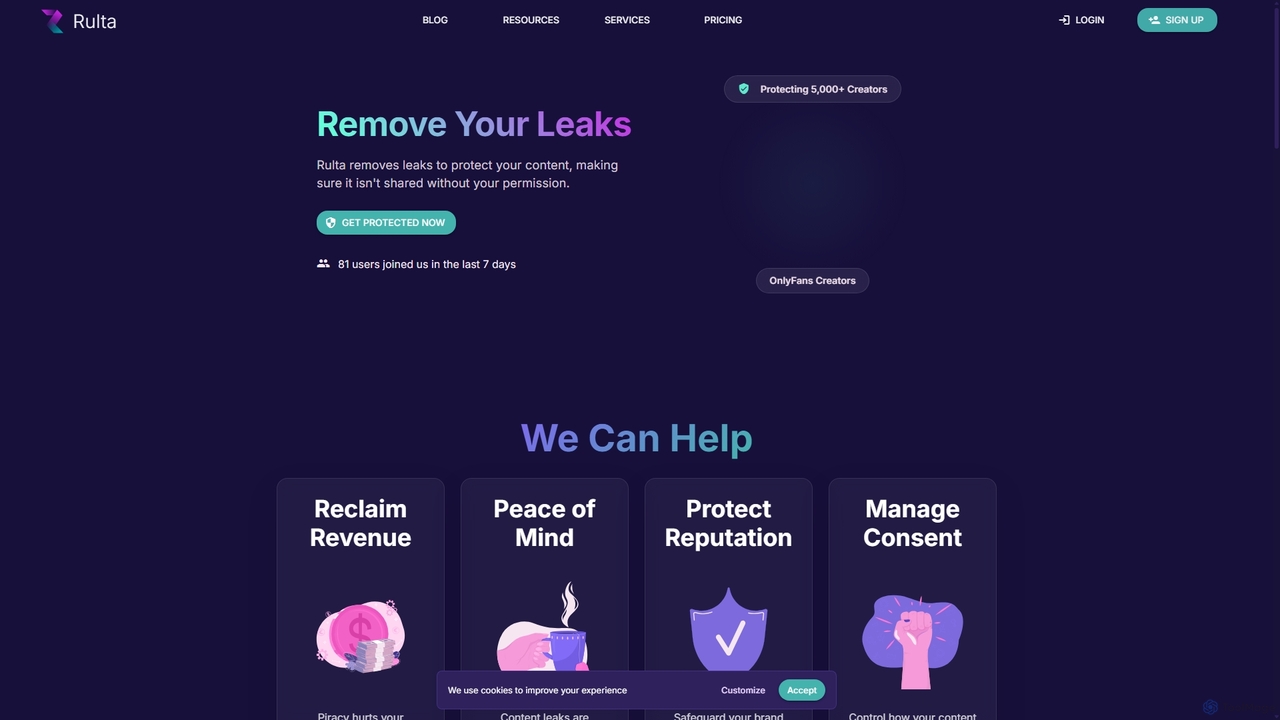
Rulta

Rulta

Rulta is an AI-powered DMCA takedown service for content creators. It combines 24/7 automated scanning with expert human …

70.3K
Inedit

Inedit

Inedit is an AI-powered editor widget that enables seamless inline content editing directly on your website. Powered by …

2.8K
kwikmotion

kwikmotion

kwikmotion is an all-in-one, AI-powered video platform for broadcasters and media companies. It provides end-to-end solutions for OTT, …

35.0K
Searchie

Searchie

Searchie (now Membership.io) is an AI-powered platform designed for creators and entrepreneurs to build, manage, and scale their …

540.8K
Rocket Alumni Solutions

Rocket Alumni Solutions

Rocket Alumni Solutions is a specialized platform for creating interactive touchscreen displays and digital halls of fame. It …

23.4K
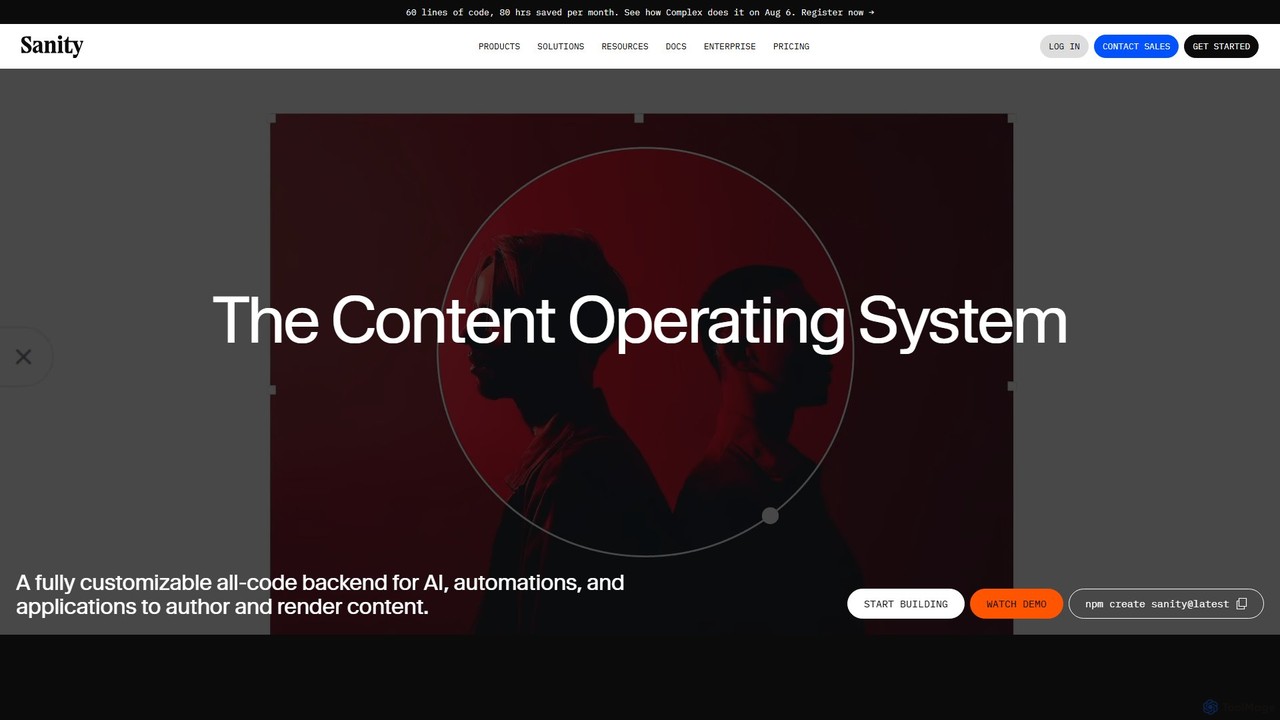
Sanity

Sanity

Sanity is a composable content platform, often called a "Content Operating System," designed for developers and content creators. …

4.4M
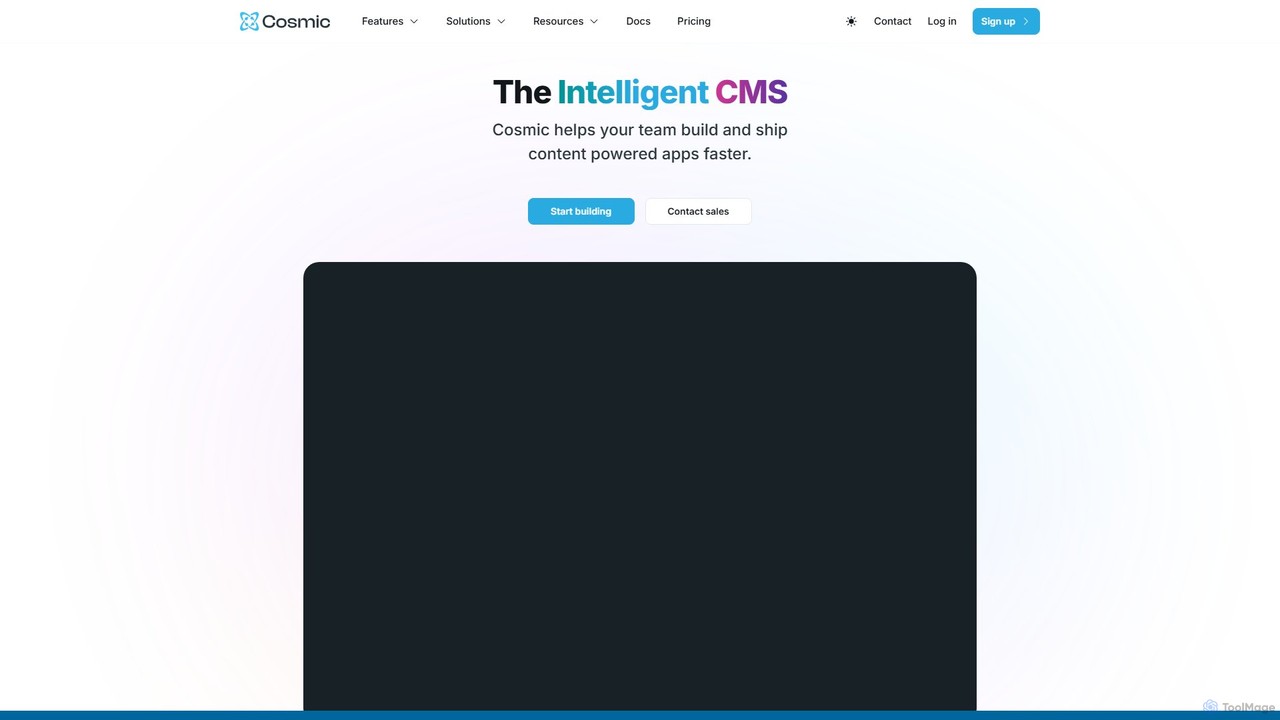
Cosmic

Cosmic

Cosmic is an intelligent, API-first headless CMS designed to accelerate application development. It empowers developers with flexible APIs …

178.9K

About Content Management

AI Content Management tools are intelligent systems designed to automate and enhance the organization, discovery, and optimization of digital assets. Leveraging machine learning and natural language processing, these tools automatically tag, categorize, and analyze content like articles, images, and videos. This enables teams to manage large-scale content libraries efficiently, improve content ROI, and ensure brand consistency across all channels. They act as a central, smart repository that streamlines the entire content lifecycle, from creation to archival.

Core Features

  • Automated Tagging & Categorization: Uses AI to analyze content and automatically apply relevant metadata, keywords, and categories.
  • Intelligent Search & Discovery: Employs semantic search to understand user intent and retrieve the most relevant assets, even with vague queries.
  • Content Performance Analysis: Tracks engagement metrics and provides insights to identify high-performing, underperforming, or outdated content.
  • Duplicate & Similarity Detection: Scans the library to find and flag duplicate or visually similar assets, helping to maintain a clean repository.
  • Content Curation & Summarization: Automatically suggests relevant content for specific campaigns or audiences and can generate concise summaries.

Use Cases

These tools are particularly valuable for marketing departments managing vast digital asset libraries, e-commerce businesses organizing product images and descriptions, media companies archiving news footage, and large enterprises maintaining internal knowledge bases. Any organization dealing with a high volume of digital content can benefit from AI-powered organization and retrieval.

How to Choose

When selecting an AI Content Management tool, consider its integration capabilities with your existing CMS, cloud storage, and marketing platforms. Evaluate the types of content it supports (text, image, video, 3D models) and its ability to scale with your growing asset library. Also, assess the depth of its AI features—does it offer basic tagging or advanced predictive analytics and optimization recommendations?

Content ManagementUse Cases

1

Automating a Global Marketing Asset Library

A global marketing team struggles to locate approved brand assets like logos, campaign images, and videos across different regions. By implementing an AI Content Management tool, all assets are centralized and automatically tagged with metadata such as campaign name, region, usage rights, and product line. Now, a marketer in Japan can use a natural language query like 'find summer sale videos for APAC' to instantly retrieve relevant, approved content. This reduces asset search time by over 80% and prevents the use of non-compliant or outdated materials.

2

Streamlining E-commerce Product Information

An e-commerce manager oversees thousands of products, each with multiple images, videos, and specification sheets. Using an AI Content Management tool, new product images are automatically analyzed to generate descriptive tags (e.g., 'red cotton t-shirt', 'front view'). The system can also identify visually similar products to suggest cross-selling opportunities and flag low-quality or duplicate images for review. This ensures consistency across the product catalog and frees up the team from hours of manual data entry, allowing them to focus on merchandising strategy.

3

Building an Intelligent Internal Knowledge Base

A large corporation needs to maintain an up-to-date internal knowledge base for its employees. An AI Content Management tool is used to ingest all company documents, from HR policies to technical guides. The AI audits the content, flagging outdated documents for review and identifying knowledge gaps where new content is needed. Employees can use a semantic search bar to ask questions like 'What is our policy on remote work?' and receive direct answers extracted from relevant documents, rather than just a list of links. This improves knowledge accessibility and employee self-service.

4

Managing Legal and Compliance Documents

A legal firm manages tens of thousands of contracts, case files, and compliance documents. An AI Content Management system helps by automatically classifying documents based on case type, client, and date. Its AI can also be trained to identify and redact personally identifiable information (PII) to ensure compliance with regulations like GDPR. Lawyers can use semantic search to find precedents by describing a case scenario, rather than searching for specific keywords, significantly speeding up research and case preparation.

5

Archiving and Retrieving Media Assets

A news organization has decades of video footage and photos in its archive. An AI Content Management tool transcribes all video and audio files, making their content searchable. It also uses image recognition to identify people, places, and objects in photos and videos. A journalist working on a story about a specific event can now search for 'protests in Paris during 1998' and instantly find relevant video clips and images, a task that would have previously required days of manual searching through tapes and contact sheets.

6

Optimizing Content for Personalization

A large online publisher wants to deliver personalized content experiences to its readers. They use an AI Content Management platform to analyze all articles and tag them with hundreds of granular topics (e.g., 'machine learning applications in finance', 'sustainable energy policy'). When a user reads an article, the system tracks their interests and uses this data to recommend other highly relevant articles from the repository. This increases user engagement, session duration, and the likelihood of converting readers into subscribers by providing a tailored content journey.

Content ManagementFrequently Asked Questions